platform technologies|Figure 1: Platform devices are designed to support delivery of multiple formulations.|Figure 2: Example platform test plan (for each precondition) to provide confidence in the performance envelope.|Figure 3: Example bridging test plan for injection device.
By Cambridge Design Partnership

From platform to product: Accelerating time-to-market for platform technologies

Featured in ONdrugDelivery, Fran Pencliffe explores the benefits of platform devices for parenteral delivery and outlines the challenges, risks and best practices when bringing a combination product to market in this way.

Platform devices have long been considered the “holy grail” of drug delivery device design. The appeal of platforms is clear, with companies looking to create innovative platforms to meet the evolving requirements of new therapies, while pharma companies are looking to use these technologies to expedite combination product development.

Defining platform devices in drug delivery

In the drug delivery industry, the term “platform devices” encompasses off-the-shelf prefilled syringes, fixed- or variable dose pen injectors, autoinjectors for “standard” volumes of “low”-viscosity formulations and higher-volume on-body delivery systems. Platforms are also being developed to handle high-viscosity formulations or support automatic drug reconstitution, making technology selection increasingly complex.

“The core feature of a platform is a consistent device architecture, with customisation options to accommodate VARYING assets, user groups or branding.”

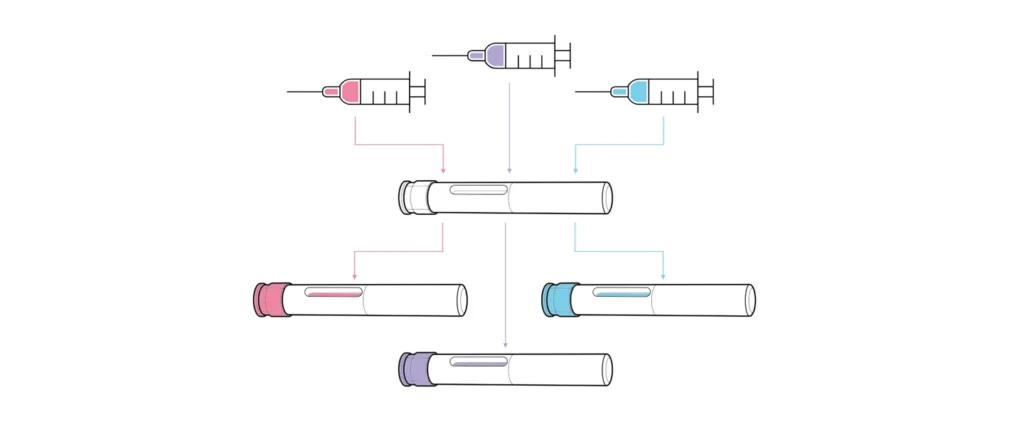
Unlike devices developed for a single formulation, platforms are designed for use with multiple drug assets with varying requirements, such as different dose volumes, viscosities, user groups and use environments (Figure 1). The core feature of a platform is a consistent device architecture, with customisation options to accommodate varying assets, user groups or branding. Platforms vary from “narrow” (devices catering to very similar drug profiles) to “broad” (those intended for diverse therapy areas, user groups and drug properties). Broader platforms, while targeting a larger market, present greater technical challenges and risks during both platform and combination product development.

When designed and implemented correctly, platform devices offer numerous benefits for both device developers and pharmaceutical companies.
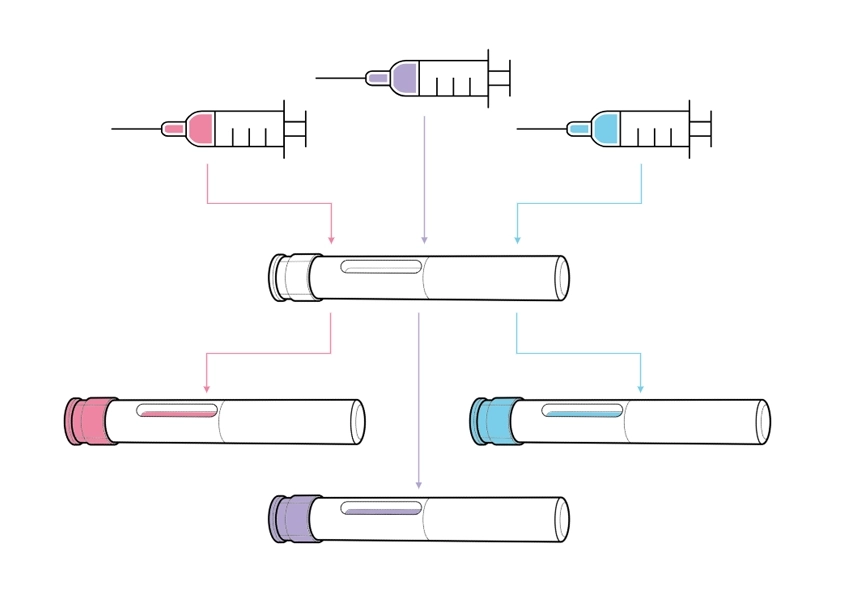
Figure 1: Platform devices are designed to support delivery of multiple formulations.

The benefits and risks of platform devices

For those designing a platform device, the benefits are clear. A common architecture can be used with multiple drug products, increasing the potential market size for a single development effort. This reduces the investment cost per marketed drug and simplifies the process of navigating the intellectual property landscape for each new asset. Additionally, economies of scale in manufacturing components lower the cost per device, making the device more attractive to potential partners. However, high rewards often come with high risk, depending on the targeted platform.

Proper development and characterisation of a platform technology often requires significant upfront investment from the device developer, which may be made at risk prior to establishing a partnership with a pharmaceutical company. This can be challenging and relies on an “if you build it, they will come” mentality, often involving millions of dollars with no guaranteed return.

For pharmaceutical companies, platform devices offer a near “off-the-shelf” solution to deliver their assets. Using an existing (and hopefully already marketed) device can minimise time-to-market and the risks associated with developing a new device by building the combination product on proven technology. However, selecting the wrong device can lead to extensive device modifications or starting over with a new device, both of which may extend the development timeline and delay product launch. There are, however, ways to mitigate these risks and realise the benefits of platform devices.

Key strategies for successful platform development

To maximise return on investment when designing a platform technology, there are two key recommendations: understanding the target market to define an achievable platform boundary and preparing a data pack to minimise the effort required for potential partners to use the device.

The first challenge in platform device development is often generating the necessary investment required. To demonstrate a potential return on investment, it is critical to research upcoming drug pipelines and identify groups of assets that are likely to have similar delivery requirements. This can be done by examining Phase I and II trial data and monitoring trends in growing therapy areas. A broad potential portfolio strengthens the case for creating a platform design and maximises the likelihood of securing development investment.

“A platform with a broad performance envelope is likely to have the largest market potential but will be riskier and costlier to develop.”

Once this target drug portfolio is identified, use the likely delivery requirements to define the platform’s boundaries. For example, consider whether the target therapies are intended for intramuscular or subcutaneous delivery, the expected volumes and viscosities that the platform will need to accommodate, and whether a fixed or user-selectable dose is needed. A platform with a broad performance envelope is likely to have the largest market potential but will be riskier and costlier to develop. A device concept is unlikely to gain significant attention from potential partners until functional performance can be readily proven, so clearly defining the platform performance envelope early and sticking to it throughout development will be the fastest route to market.

When developing a platform, it is also recommended to develop a data pack for potential partners to review as part of a technical due diligence. Sharing test data is the most compelling argument when selling a technology. Demonstrating that the device can, for example, deliver the correct volume and viscosity in the correct time instils confidence in its performance, which cannot be replicated through modelling or simulation. Although this requires effort in prototyping and developing test methods, the increase in “selling power” from having this real-world data increases the likelihood of a return on investment.

For a platform product, it is good practice to create a platform test plan with low-fidelity testing at the edges of the performance range to give confidence in the platform boundaries and high-fidelity (verification) testing on one or two specific configurations that represent the most likely assets in the target pipeline. Figure 2 shows an example of how the fidelity of testing can be adjusted to provide confidence in the platform envelope while focusing effort on the lead asset. Offering potential partners the opportunity to test their formulation in the device, with sample devices available for filling and existing test methods, allows for quick and cost-effective testing.
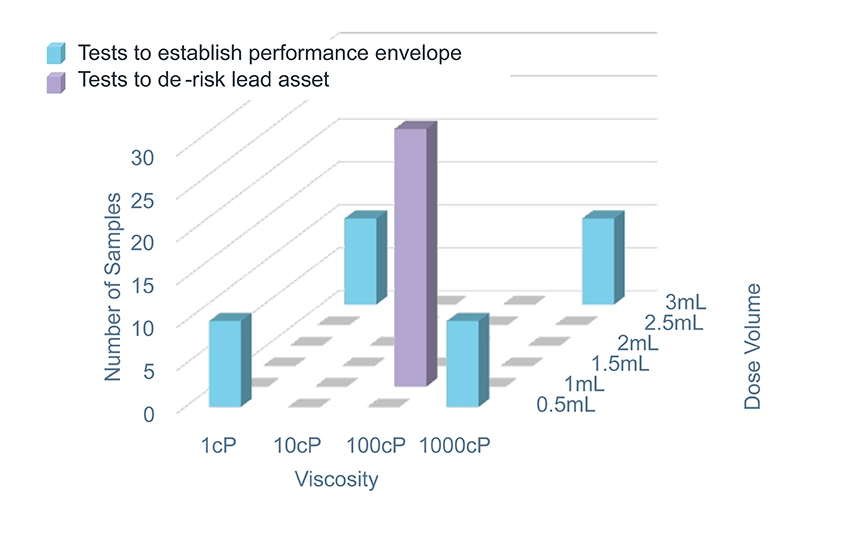
Figure 2: Example platform test plan (for each precondition) to provide confidence in the performance envelope.

Of course, there is no such thing as a truly “off-the-shelf” platform product, so the second critical aspect of the data pack to share with potential partners is the bridging plan. Minimising and clearly defining the design work and associated testing to be repeated for each new asset reduces time-to-market and further increases confidence in the device developer’s ability to deliver on a combination product development programme. Figure 3 shows an example of a bridging test plan to convert from a platform injection device to a combination product – note that the specifics will be highly dependent on the drug and device in question.
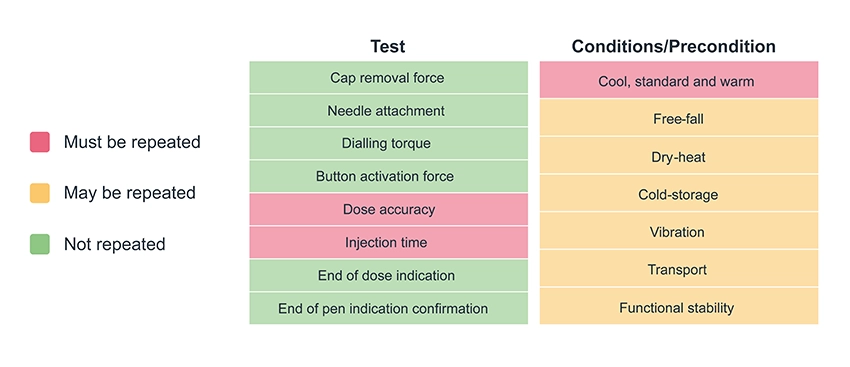
Figure 3: Example bridging test plan for injection device.

By understanding the target market and device boundaries and creating a data pack to convey the platform’s benefits to potential partners, the potential market size for a platform can be maximised and the potential return on the initial development effort increased.

Choosing the right platform for the target drug pipeline

For pharmaceutical companies seeking a platform device to fit the delivery requirements of as many assets as possible in a drug pipeline, the critical activities are understanding the formulations, the available and applicable technologies and using existing data to minimise time-to-market.

“Before searching for a device technology, it is vital to understand the requirements of the target drug assets.”

Before searching for a device technology, it is vital to understand the requirements of the target drug assets. Pharmaceutical companies should identify groups of assets with similar characteristics and intended use profiles across their portfolios, for example, all those intended for subcutaneous injection in a home environment. This enables them to search for platforms with the correct performance envelope, assessing technologies not just for the lead asset but with the wider portfolio in mind, thereby offering the potential to minimise time-to-market for future assets.

It is also crucial to understand what the drugs require from a device as much as possible. What is the dose volume? What is the formulation viscosity, and how does it change with temperature and shear rate? What is the target delivery time? Answering as many questions about the required performance of a platform as early as possible can help optimise the search process and enable the device developer to gather and present the most relevant data during the due diligence process.

Another important process for pharmaceutical companies to undertake is to survey the technology landscape by searching for existing devices that meet the formulation’s needs. This creates a shortlist of devices to be investigated further through supplier contact and deeper dives into the device data package. The primary focus during this survey is to establish device compatibility with the lead asset, with a secondary focus on compatibility with the wider drug wider pipeline.

To gain confidence in a device’s ability to support the lead asset, pharmaceutical companies should look for empirical evidence wherever possible. Clear usability and test data supported by robust test methodology is the strongest indicator of device performance, while tolerance analyses and mathematical models can evidence a device’s ability to perform at scale. Ideally, the test data should showcase a device’s ability to deliver a formulation similar to the lead asset across all appropriate preconditions, for example, free-fall is often a point of failure for injection devices, or else provide explanations for any expected risks and mitigations.

The next step is to review the manufacturing and assembly plan to ensure that device supply can scale reliably and securely to meet expected market volumes at the required price point. Where possible, all evidence in the design history file should be reviewed for direct applicability to the asset under development, such as which test results can be used as part of a combination product submission, which need to be repeated and how well defined the scope of any work that needs to be repeated is.

“A strong device partner will demonstrate a clear and in-depth understanding of their platform and technology, with readily available evidence or a plan to gather this evidence and the expected risks.”

To assess the platform as a whole, pharmaceutical companies should focus on the boundaries of performance, such as range of volumes and viscosities supported, and how well the device developer understands these boundaries. Can both the maximum volume and viscosity be delivered in the required time by a single device under all conditions? What evidence supports this? What parts need to be changed to support different configurations, and how much investment is needed to meet those requirements within the desired timeline? A strong device partner will demonstrate a clear and in-depth understanding of their platform and technology, with readily available evidence or a plan to gather this evidence and the expected risks. Replacing test data with simulation data is adequate for early stage devices but does not fully mitigate the risk of a device underperforming and requiring more development work. If test data is not provided or fully documented, it indicates that the device is early in the development process and not “ready to use”. Any first-time tests are likely to show failures and trigger a design loop. If this testing has not been conducted properly, extensive development work is likely still required within the platform development, posing a risk to time-to-market and increasing costs.

Integrating device and drug: steps to market readiness

Once compatibility between a device and a drug has been established, a risk assessment should be conducted as part of the creation of a plan for customising and verifying the combination product. Existing test results can be used if there is sufficient evidence that the drug will not influence the outcomes, such as cap removal force if the same components are being used, or free-fall preconditioning if the drug density matches that used in testing. The tests that are likely to need to be repeated in all cases include dose accuracy under standard, warm and cool preconditions (Figure 3). However, methods, fixtures and processes can be reused if dose accuracy testing has been conducted previously. This process allows for the minimum viable test plan, drastically reducing the time and effort required to verify combination product performance compared with a custom development.

As platform devices are required to meet an ever-widening set of market demands, there is an increasing need to simplify the process of developing these devices and adopting them for combination products. Through independent characterisation of both device and drug, combination product development can be greatly simplified, reducing the time and investment required to bring a new therapy to market.

|||
Find the authors
on LinkedIn:

Pump It Up: User-Centered Infusion Pumps on the Rise

Enhancing Patient Comfort and Convenience

The trend in the pharma industry towards larger volumes of subcutaneous (SC) therapeutics, coupled with the ongoing shift towards home-based care, is driving the need for devices capable of delivering those products – and particularly those aimed at self-administration.

Ambulatory infusion pumps are already indispensable in treating conditions such as primary immunodeficiencies (PIDD), chronic inflammatory demyelinating polyneuropathy (CIDP), rheumatoid arthritis, Crohn’s disease, ulcerative colitis, and multiple sclerosis – allowing patients to deliver their own therapies in the home setting.

KORU specializes in subcutaneous infusion systems designed to deliver life-saving therapies to patients with chronic conditions, including PIDD and CIDP. With a user base of over 40,000 patients, Koru has extensive experience in large volume drug delivery, with over 1.8 million successful infusions each year. Their technologies can deliver 3 ml to over 100 ml.


Key Trends in Parenteral Delivery

Ensuring Safe and Accurate Dose Delivery

Linda: Safe and accurate dose delivery is the bedrock of any drug delivery device. Following that, patient comfort and convenience are paramount. Technologies such as prefilled syringes (PFS), have significantly contributed to these goals. Prefilled syringes ensure precise dosing, which is crucial for patient safety, and they also streamline the self-administration workflow process, reducing the risk of dosing errors.

Jon: Initially used for vaccines, PFS are now being used for a wide range of therapeutics and have been a key enabler of patient self-administration, enhancing dose accuracy and convenience. The use of PFS for SC infusion-based therapies represents a significant evolution in convenience, as patients no longer need to fill their devices at home.

While this advancement does pose some challenges, such as increasing the overall form factor of some ambulatory pumps, the benefits outweigh that challenge, and space can be saved, and footprint reduced, via innovative design.

The Rise of Connectivity

Linda: Another major trend is connectivity. As healthcare shifts from hospital and infusion clinic settings to the home, real-time understanding of patient conditions becomes crucial. However, the value of adding digital solutions to drug delivery devices remains a key question in the industry.

Our technology strategy is encapsulated in three words: “comfort, convenience, connected.” While connectivity is part of our strategy, it is a longer-term goal for KORU. It is important to note that although there are hundreds of thousands of healthcare-related apps currently available, the number that are currently reimbursed is a much smaller subset. The cost-benefit ratio is a critical factor for healthcare providers, payers, and patients.

Jon: Understanding what the drivers are for connectivity is key when developing drug delivery devices. Absolute focus on the users (including the patient, healthcare professional, and wider healthcare system) is paramount. Just because a technology can be implemented doesn’t mean it should be.

Transitioning Healthcare Settings

Linda: As more aspects of healthcare transition to the home, we encounter quite a different user base. Understanding users, their conditions and needs is the first challenge we face. Then, we aim to design solutions within a timeframe that does not disrupt the drug timeline or add additional risk.

Jon: It is true that the transition from clinic to home can be a challenge, but the potential improvement in patients’ lives is massive. The interruption of having to travel to an infusion center or hospital regularly and arranging appointments adds to a feeling of being trapped by your condition, which can have a huge emotional toll.

“Safe and accurate dose delivery is the bedrock of any drug delivery device. Following that, patient comfort and convenience are paramount.”

Linda Tharby | Chief Executive Officer and President at KORU


Designing for Diverse Groups

Innovative Solutions for Rare Diseases

Linda: Our products are often used within the rare diseases space. This brings additional challenges, as our patient populations can be extremely low in number – ranging from 10,000 to 50,000 globally – and geographically dispersed. Knowledge about the specific condition and treatment options is sometimes sparse too. We design and validate our products with this in mind, considering the needs of caregivers, self-administering patients, and healthcare professionals.

For rare disease states, KORU aims to support even smaller patient populations by modifying our pump or consumable set. This approach is more achievable than creating bespoke devices from the ground up, allowing us to support vulnerable patient populations with platform-based products that are easier to develop and faster to scale.

Jon: As an engineer, designing a product that can be adopted by such a wide range of user groups is hugely satisfying. The elegance of modifying a platform system without interrupting the supply chain – or causing large changes to the design history file and supporting verification documentation – allows for the smooth and crucially fast uptake of new therapies. By minimizing the number of change parts, we can also reduce the environmental impact of the product, reducing the number of SKUs and the effect on the supply chain.


“Designing a product that can be adopted by such a wide range of user groups is hugely satisfying.”

Jon Powell | Head of Manufacturing at Cambridge Design Partnership


Enhancing Workflow and Efficiency

Innovative Mechanical Infusion

Linda: At the core of our technology is a fully mechanical infusion system. This system cuts the need for batteries, electricity, or programming. It uses a constant force spring system to ensure accurate dose delivery.

Our pumps also enable the use of PFS, which cuts – often challenging – workflow steps, removing the burden of filling the syringe prior to use. This streamlined process reduces the entire workflow to just a few steps: load the syringe, connect the infusion set, insert the syringe into the device, and close the door – all of which can be completed in five seconds or less.

User-Friendly Design

Linda: Furthermore, our new infusion sets are ergonomically designed with specific design language cues. For example, we use color-coding – blue to blue, white to white – when connecting different components. This approach leverages best-in-class anthropometric data, making attachments easier for elderly patients and children to comprehend and carry out safely.

Jon: Good design cues help users simplify their routines. A great device should not be a burden or worry in the users’ already busy life. In fact, many create an emotional connection with their device – it becomes part of their daily or weekly routines, almost like part of the family. In a recent user study, one elderly user shared they had given their pump a name. “Frank” had become part of the patient’s life, as well as providing their life-saving therapy.

“This process reduces the workflow to a few steps: load the syringe, connect the infusion set, insert the syringe into the device, and close the door.”

Linda Tharby | Chief Executive Officer and President at KORU


Empowering Healthcare Professionals

Simplifying the Workflow for Nurses

Linda: Our infusion pumps are not only applicable to patients in the home setting. In recent years, over ten drugs have been approved for administration in infusion clinics. Currently, manual push is the standard mode of administration for many of those therapies, and it seems pharmaceutical companies assume healthcare professionals will manage, despite the user burden and impact on workflow involved with managing multiple infusions daily. We believe this is a substantial unmet need in the market, and we are focused on developing a solution.

Jon: Infusion nurses are often extremely busy, managing multiple patients with different therapeutic needs for example, conducting manual dose calculations, scheduling and pump setup and checks. Set-and-forget devices can reduce that burden, streamline clinic workflows, and provide a high level of confidence that the correct dose will be delivered at the right rate.

Linda: With the Koru system, they simply take the syringe, connect the delivery device, place it into our pump, close it, and walk away. There is no need to learn a new system or programming. The advantages relevant for home use are equally beneficial in infusion centers.

Set-and-forget devices provide a high level of confidence that the correct dose will be delivered at the right rate.

Jon Powell | Head of Manufacturing at Cambridge Design Partnership


Innovation Driven by Market Needs

Overcoming Auto Injector Limitations

Jon: Autoinjectors (AI) were first introduced in the 1980s for emergency use, and their widespread adoption for regular home administration of biologics and other medications began in the mid-2000s. For volumes above 2 ml, there are still significant challenges to overcome, and though there are innovations within the AI space, current options include using multiple devices to achieve a dose above 2.25 ml. The limits in terms of volumes and rates for a single bolus injection are still being studied, but indications are that injection duration of up to 30 seconds is achievable. For viscous drugs or larger volumes, this duration may need to extend significantly, resulting in the potential of usage errors and partial dosing – not to mention poor patient adherence.

Linda: We are addressing the significant market need when autoinjectors are not suitable due to development time and constraints such as volume and hold time. This unmet need drove our innovation into delivery options for doses under 10 ml.

Efficiency and Cost-Effectiveness

Linda: Our focus is on further developing both our pump platform and consumables. The flexibility and simplicity of our 510(k) approved system means we can offer pharmaceutical customers shorter development timelines, both for clinical trials and in bringing a product to market with lower cost and lower risk. We keep the pump platform consistent, making small changes as needed, such as reducing a 20 ml pump to 10 ml to suit a specific drug volume, directly addressing market demands for flexibility and speed.

Facilitating Clinical Trials

Linda: By using the same pump and consumable platform, we also enable clinical trials for different drugs. We can easily modify the system to accommodate various viscosity and flow rate demands without a multi-year development process. We use the same fundamental technology repeatedly, knowing how to modify it for different drugs with unique needs and flow rates, allowing a rapid path to clinical trial readiness.

Reusable Platform

Linda: Our core pump is reusable, and the consumables are disposable, and we are making those disposables as environmentally friendly as possible. Our reusable platform is simpler to process at end of device life compared to electronic pumps, which have batteries and electronics that are more complicated to handle, addressing market demands for sustainability.

“We are addressing the significant market need when autoinjectors are not suitable due to development time and constraints such as volume and hold time.”

Linda Tharby | Chief Executive Officer and President at KORU


Seizing Market Growth Opportunities

Growth in Immunoglobulin Market

Linda: Immunoglobulins (Ig) still make up 95% of our business, and we are witnessing incredible growth in this area post-COVID. As people become more active, those with compromised immune systems require more immunoglobulin to combat infections. Companies are now looking to innovate drug delivery devices in this space.

Jon: Ig therapies are manufactured from human plasma donations and the production process is complex and time-consuming, taking 7-12 months from collection to the final product. The continued growth of Ig demand, quoted as 6-8% annual growth in a 2020 journal article1, is putting significant pressures on the supply chain, with every precious drop being used in life saving treatments, and we see this across a number of our clients. An added benefit of using PFS with infusion pumps is the optimized dosing of these therapies, ensuring that patients receive the precise amount needed, with no waste, which helps maximize the efficiency and effectiveness of the treatments.

“We are witnessing incredible growth in [the immunoglobulins market] post-COVID […]. Companies are now looking to innovate drug delivery devices in this space.”

Linda Tharby | Chief Executive Officer and President at KORU


Advancements in infusion pump technology are improving delivery of large volume therapeutics for chronic condition management in both clinical and home settings. CDP partners with clients to develop devices that prioritize patient comfort and convenience, addressing critical healthcare needs while enhancing the overall user experience. By accelerating the development and market introduction of these pumps, CDP enables clients to bring innovative solutions to market faster, ensuring patients receive effective treatments sooner, reducing hospital admissions, and empowering patient autonomy.

Connect with CDP

Cambridge Design Partnership emphasizes user experience in our approach to meet the requirements of healthcare professionals and patients.

For enquiries regarding this article, please contact:

Jon Powell, Head of Manufacturing
jon.powell@cambridge-design.com