The challenge
Diabetes is a chronic disease that causes high blood sugar and afflicts over 400m people worldwide. Measuring blood sugar is a part of a patient’s regular routine to control their condition.
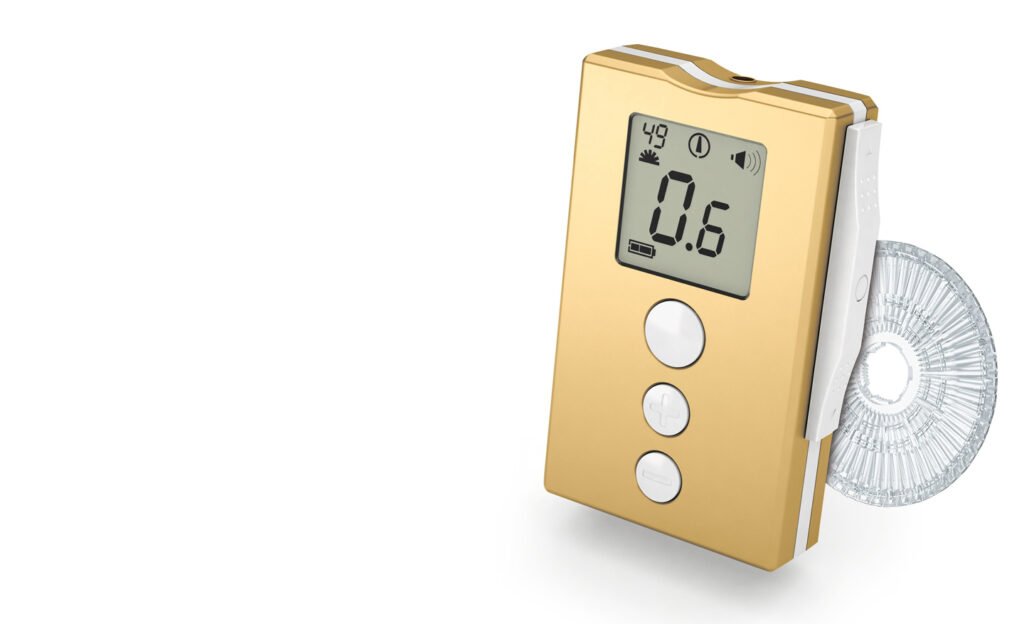
Pelikan Technologies aimed to disrupt the diagnostic market with a painless blood lancing system that would significantly improve a patient’s experience. We were selected to work with Pelikan’s R&D team to commercialise their lancing technology and bring their first medical device to market within two years.
Our approach
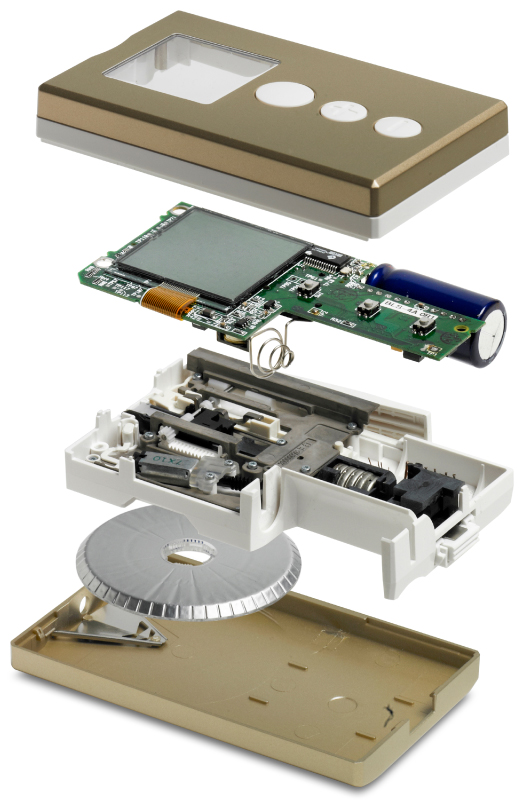
Implementing their technology in an approved medical device provided several challenges, the sector is highly patented and the low pain technology needed a very high performance drive system, well beyond what was commercially available. In addition, the lancet consumable had to be manufactured automatically in very high volume with an ultra low cost of goods.
In partnership with the Pelikan team we developed a low cost linear motor based lancet drive system with a high dynamic response and precision. We designed a disposable lancet cassette and manufacturing process that included a novel 3-dimensional foil sealing technology. Finally, we integrated these elements with a mechanical system to automatically load a fresh lancet into the electronic engine, and after use return it to avoid needle stick injury.


The value we created
The result was the first system to deliver fully automated, virtually pain-free lancing, with 50 lancets held in a disposable, sterile, sealed cartridge.
For patients, that means reliable blood collection, minimal pain, and wounds that heal more quickly with less scarring. These benefits matter most to young people with Type 1 diabetes, who may need to test many times a day.
By combining a high-performance linear-motor drive, an automated lancet-handling mechanism and a cartridge designed for very high-volume, low-cost manufacture, we helped Pelikan turn their lancing technology into a complete, manufacturable system.