graphics_hero_dd-to-the-brain

Drug Delivery to the Brain: Engineering Precision Across Novel Modalities

Neurodegenerative diseases such as Alzheimer’s disease (AD), Parkinson’s disease (PD), motor neuron disease (MND, including amyotrophic lateral sclerosis, (ALS)), and frontotemporal dementia (FTD) remain areas with limited disease-modifying treatments. Therapeutic pipelines in this area are increasingly dominated by antisense oligonucleotides (ASOs), RNA interference (RNAi) molecules, monoclonal antibodies, and viral gene therapies such as adeno-associated virus (AAV). These modalities offer the potential to modulate genetic pathways, reduce toxic proteins, or deliver genes to modulate disease pathways.

Drug development must therefore evolve in parallel with delivery system design.

Once a modality is defined, the delivery strategy and device architecture required to administer it safely, precisely and effectively must be developed alongside it.

Why New Modalities Require Bespoke Approach to Delivery

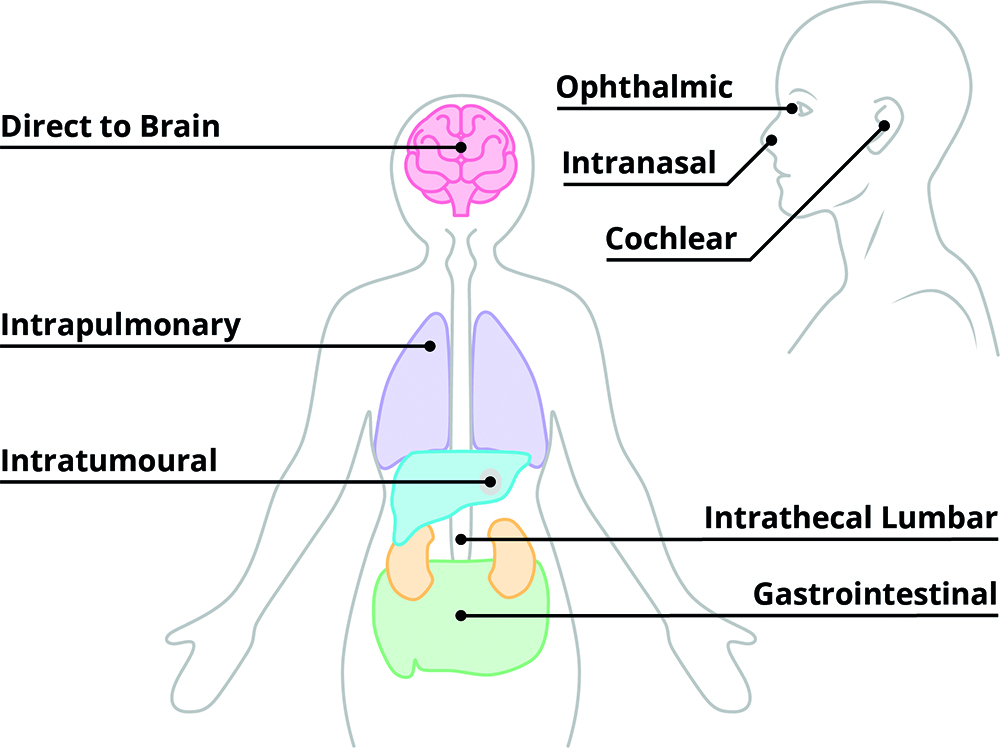
Many of the emerging central nervous system (CNS) modalities have delivery requirements that differ fundamentally from traditional therapeutics. ASOs and RNAi therapeutics, for example, require broad CNS exposure and are therefore commonly administered into the cerebrospinal fluid (CSF) rather than via more localised, parenchymal approaches. CSF flow is largely pulsatile and oscillatory, with a slow net movement along the spine. After lumbar intrathecal administration, for example, these transport dynamics together with limited diffusion and tissue uptake, usually cause the drug to stay concentrated near the injection site and to decrease progressively as it travels upward towards the brain. Because these molecules are highly charged and diffuse slowly, such gradients persist, limiting penetration into deep structures without controlled flow. Device requirements should therefore include precise catheter placement, controlled infusion, prevention of local pooling, and repeat dosing capability.

In contrast, large proteins such as monoclonal antibodies must reach cortical, subcortical, or deep-brain regions, necessitating intracerebroventricular or intraparenchymal delivery. Devices must incorporate many elements to ensure targeted delivery such as reflux-resistant geometries, strategies for targeted spatial coverage, controlled infusion profiles, and low-adsorption materials to prevent protein aggregation.

Viral gene therapies impose some of the strictest demands on delivery systems. AAV vectors are sensitive to shear forces, turbulence, surface adsorption, and pressure changes, and maintaining capsid integrity throughout preparation and infusion is critical. Delivery systems must include ultra-smooth internal surfaces, gentle and stable low flow rates, inert materials, and high-precision targeting of deep structures.

In these cases, the delivery device becomes an integral component
of the therapeutic product.

Device Engineering as a Core Component of Drug Development

When delivery impacts therapeutic efficacy, the device effectively becomes part of the therapy. The mechanical, geometric, and material requirements of a delivery system must therefore be defined not only by clinical considerations, but by the physical and biological behaviour of the therapeutic agent and the tissue it enters. In the CNS, this means accounting for the poroelastic nature of brain tissue, how it deforms, absorbs, dissipates, and redistributes fluid under pressure. These properties vary markedly between grey and white matter, differ across deep nuclei and cortical layers, and evolve dynamically as disease alters cellular composition, extracellular matrix structure, and hydraulic resistance. Such heterogeneity means that a device designed for one anatomical context may not perform predictably in another, even at identical infusion parameters.

Because these biological factors directly shape how infusate spreads, engineers must design delivery systems around the interplay between modality constraints and tissue mechanics. This shifts the focus from simply handling the molecule to engineering the conditions under which it travels. Cannula-based systems, for example, are one way of addressing this focus and key decisions include selecting tip geometries that balance mechanical stability with minimal insertion trauma; choosing port architectures that control local flow vectors and prevent jetting or backflow; and tuning lumen dimensions and surface properties to reduce adsorption, shear-induced degradation, or clogging under clinically relevant conditions. Each of these choices dictates how the therapeutic is introduced into the tissue microenvironment and how reliably it follows intended distribution pathways.

Beyond the insertion device itself, infusion strategy becomes a critical engineering parameter in its own right. Flow rate, pressure control, and infusion timing must be optimised to avoid exceeding the tissue’s capacity to deform safely, a threshold that varies with pathology, age, and regional structure. In some contexts, a constant-pressure approach stabilises the infusion front, while in others, constant-flow allows more predictable volumetric spread. Incorporating features such as pressure-relief paths, multiport configurations, or dynamic flow modulation can further tailor distribution when a single port or monotonous flow profile is insufficient. The device, in other words, does not merely deliver the therapy, it shapes how the therapy propagates through complex biological substrates.

Thus, the therapeutic modality defines the device’s safe and effective operating window, from acceptable flow ranges to port geometry and infusion timing.

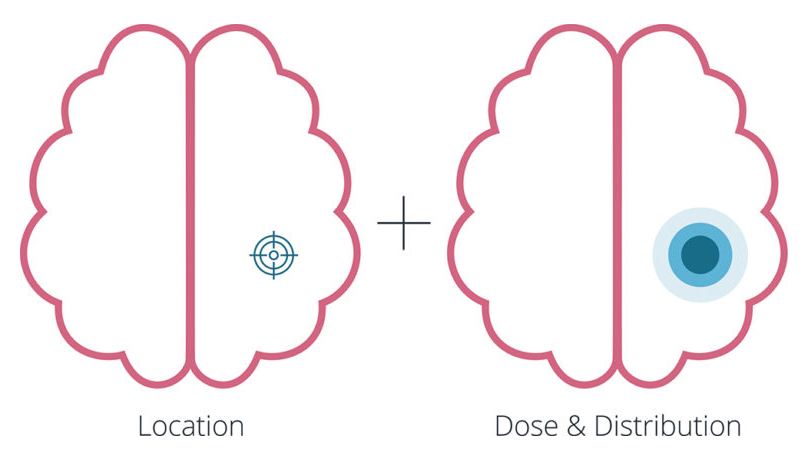
Integrating these constraints into device architecture is what converts a therapeutic concept into a deliverable intervention, shaping dosing, distribution, and clinical performance. This perspective anchors the subsequent design decisions and highlights why device engineering must evolve in parallel with emerging therapeutic modalities.

Research and Modelling: Validating Drug–Device Interaction

Ensuring a therapy reaches the right place (and not off-target), in the right amount, requires evidence. That evidence comes from a spectrum of approaches. In-silico modelling is often the first step, using first-principles physics, computational fluid dynamics, or finite-element methods to explore how a device, a therapeutic, and the brain’s microstructure interact. These models account for tissue porosity, elasticity, white–grey matter boundaries, fluids viscosity and dynamics, and pressure gradients to forecast how an infusion will spread before a single experiment is run.

But simulations are only as good as the worlds we build for them. Brain-mimicking hydrogels and 3D-printed phantoms provide physical testbeds where model-based predictions are challenged and refined. They make flow visible, enable rapid parameter testing, and allow researchers to probe failure modes without the constraints of animal work. These platforms narrow uncertainty and help translate computational insights into practical infusion parameters, helping guide device design.

Animal studies deliver the critical translational step, revealing how elements such as distribution, tissue response, device–tissue mechanics, and (for gene therapies) transgene expression play out in vivo. Here, the goal is not just to confirm spread, but to understand how biology responds to the physical act of delivery, a dimension no model or phantom can fully capture.

Together, these stages form an iterative design–test–refine loop, which is essential for reliable, modality-specific CNS delivery.

Collaborative Expertise and Scientific Frameworks

Because device-based delivery is integral to being able to achieve therapeutic effect of these modalities, progress depends on teams that can bridge biology, engineering, modelling, and clinical practice. Each discipline contributes a different piece: drug discovery teams define the therapeutic goal and target exposure; engineers translate those needs into device and flow-system architectures; modellers anticipate how an infusion will behave in complex tissue or fluid; neurosurgeons test procedural feasibility and targeting; imaging specialists verify where the therapy actually goes; and human factors experts ensure the device can be used safely and reliably in real clinical settings. Innovation emerges at the intersections of these disciplines, where insights are shared and refined.

To support this, many organisations draw on multidisciplinary scientific advisory boards (SABs) that span neurodegeneration, biomaterials, computational modelling, device engineering, neurosurgery, and regulatory science.

These boards provide an early-warning system for delivery challenges, shaping designs and validation strategies and ensuring that device performance stays aligned with biological and clinical requirements.

Complementing this are pre-competitive collaborations, modelling consortia, shared phantom libraries, device-testing networks, and harmonised imaging datasets, that give teams a common scientific language. These shared resources reduce duplication, improve reliability, and accelerate the path from concept to clinically deployable delivery systems.

Conclusion

Novel modalities, including ASOs, RNAi agents, antibodies, and viral gene therapies, represent the leading edge of neurodegenerative therapeutic innovation. But realising their full potential depends on delivery systems that are precise, reliable, and tailored to each modality’s unique demands.

Device design and engineering must therefore advance in parallel with drug development, supported by rigorous modelling, interdisciplinary expertise, and integrated scientific frameworks. By uniting therapeutic design with delivery system innovation, the field is laying the groundwork for meaningful progress in neurodegenerative diseases and accelerating the pace of CNS therapeutic innovation.


|||||
By Cambridge Design Partnership

Delivering complexity: device considerations for two-component injectable formulations

Featured in ONdrugDelivery, María FM Balson shares her expertise in device selection for two-component injectable formulations, and why this product area is becoming increasingly important.

Since the 1980s, when modern-day prefilled syringes (PFSs) and intravenous (IV) bags became prevalent, injectable drug delivery has steadily moved towards ready-to-use formats and integrated devices – as evidenced by the widespread adoption of self-injection devices such as autoinjectors and pen injectors.

Human factors considerations, now recognised as integral to safe and effective use of such drug-device combination products, have driven a clear trend towards simpler, more automated solutions with fewer use steps. This shift has enabled at-home care for more therapies than ever before – a key development given the growing strain on healthcare systems.

Nevertheless, the delivery of certain drugs, such as lyophilised injectables, often remains burdensome and dependent on administration by specially trained professionals. As injectable therapies evolve and become more complex, unique challenges and opportunities emerge.

Two-Component Injectables on the Rise

Let’s define two-component formulations as those consisting of two parts that, for stability or other reasons, must be kept separate throughout the product’s shelf-life, and are delivered together at the point of administration. The two constituent parts may be a solid drug and a liquid solvent or diluent (e.g. sterile water for injection) that must be mixed thoroughly before use. Alternatively, both constituents may be liquid, in which case they may either require mixing prior to delivery or be delivered sequentially (Figure 1).

Dual chamber syringe system​ diagram
Figure 1: A simplified model of two-component injectables, classified according to the state of matter of constituent parts.

The Archetype: Solid/Liquid Reconstitution

Reconstitution is the process of adding a liquid solvent to a solid medication to dissolve it and form a solution. This may be required, at point of use, when a drug is unstable in liquid form and must therefore be stored dry. In such cases, the formulation is often filled as a liquid and then lyophilised (freeze dried) in situ. Alternatively, it may be manufactured and handled as a powder.

Freeze drying is an effective way to increase formulation stability. For small molecules, it can eliminate the need for cold-chain storage. For biologics (especially those that are large, complex or prone to aggregation) it can be a necessity in order to achieve an acceptable shelf-life.

“Lyophilised formulations now represent over 30% of all FDA-approved parenteral medications – and demand for lyophilised parenteral products is increasing.”

Lyophilised formulations now represent over 30% of all US FDA-approved parenteral medications1 – and demand for lyophilised parenteral products is increasing, as evidenced by past drug approvals (~35 such drugs were approved by the FDA each year over the past decade, compared to ~12 per year in the decade prior2). Considering lyophilised parenterals approved in 2023, oncology and infectious disease indications represented the largest share, together accounting for ~75% of total approvals.2

As lyophilisation is on the rise, so too are devices to simplify reconstitution. A wide range of solutions are available beyond the well-established vial-and-syringe method – from primary container adaptors to dual-chamber systems.

Solid/Liquid Suspensions

Suspensions are a dosage form in which insoluble solid particles are mixed into a liquid medium. They enable delivery of insoluble drugs and can be used to formulate long-acting injections. Suspensions may be supplied as separate wet and dry components (in which case the liquid phase is added to the solid phase and mixed prior to administration) or in a single primary container that is shaken to resuspend.

While solutions can readily be reconstituted with gentle swirling, suspensions usually need a greater energy input to achieve even mixing – the required amount varies greatly depending on the chemical and physical properties of the formulation. In some cases, vigorous shaking is insufficient and benchtop equipment, such as a vortex mixer, must be used.

Given sufficient energy input, the particles will be uniformly dispersed within the liquid, however the resulting mixture will be heterogenous and unstable; it will eventually settle. Therefore, suspensions must be thoroughly mixed immediately before use. Inconsistent dispersion can lead to inaccurate dosing or needle clogging – persistent challenges for device integration.

Injectable suspensions are becoming more prevalent, particularly for severe chronic conditions such as schizophrenia and HIV,3,4 where extended-release formulations are of particular value and which are often reliant on a suspension format to produce a long-acting depot. When formulated as separate wet and dry components, these products largely rely on vial-and-syringe or vial-adaptor workflows, with the occasional exception, such as Eligard’s reciprocating syringes, or the Abilify Maintena dual-chamber syringe.3,4

Liquid/Liquid Mixtures

Injection of two-liquid mixtures is rarer but not unheard of. Two liquids may be mixed and delivered together out of:

  1. Necessity: when a formulation consisting of two fluid phases is unstable in mixed form, but must be mixed prior to injection in order to achieve the intended therapeutic effect (e.g. API and polymer solutions that mix to form a long-acting depot).
  1. Convenience: if two liquid formulations are frequently administered together, such as in combination vaccines, pharma companies may choose a dual-chamber presentation over developing a coformulation, such as with Vivaxim.6 In this case, mixing isn’t necessary but rather a side effect of leveraging mature dual-chamber systems (which mix the two liquids prior to administration) rather than betting on more niche sequential delivery technology.

Sequential Delivery of Two Liquids

Sequential delivery of two different liquids through a single needle or injection port has been proposed for combination therapies, as well as for IV drug administration through a vascular access device (with the drug preceded, or followed, by a catheter flush).7

While there are several delivery technologies in development that might enable these use cases, only one combination product in this category is on the market at the time of writing, according to data from PharmaCircle. The DuoDote emergency-use autoinjector, based on a custom primary container, sequentially injects atropine and pralidoxime chloride. It is approved for treatment of nerve agent or insecticide poisoning.

Choosing the Right Device

Choosing the right device for a two-component injectable is often an exercise in trade-offs, highly dependent on the properties of the formulation itself, indications for use and the stage of development. Hereafter, this article will assume that a two-component injectable consists of separate wet and dry constituents that are reconstituted prior to injection, unless otherwise stated. This section will briefly cover the range of available technologies, and factors to consider when it comes to device selection.

“Choosing the right device for a two-component injectable is often an exercise in trade-offs, highly dependent on the properties of the formulation itself, indications for use and the stage of development.”

Vial and Syringe: Trusty but Burdensome

Two-component injectables are often supplied in vials, with off-the-shelf (OTS) needles and syringes used for fluid transfer and subsequent injection (Figure 2). By leveraging mature primary containers and fill-finish technologies, this approach benefits from low unit cost and a robust supply chain. It is also extremely versatile, with fewer restrictions on formulation volume and viscosity compared with alternatives, the ability to accommodate different doses in a single stock keeping unit, and no need for device-specific training.

On the other hand, the process is onerous and a high degree of technical expertise is required to perform all steps correctly. Dose accuracy is highly dependent on the user, and there is a greater risk of contamination and sharps injury compared with other methods, meaning that this type of system is typically limited to trained staff in clinical settings. Moreover, some drug wastage is inevitable, with vials often overfilled by 10–20% to ensure that a full dose can always be drawn.

Dual Chamber Syringe Systems: A summary of steps required for manual reconstitution using vials and syringes.
Figure 2: A summary of steps required for manual reconstitution using vials and syringes.

Devices to Simplify the Reconstitution Process

Given the growing prevalence of two-component injectables and the limitations of the established vial-and-syringe method, it is no surprise that a wide range of specialist devices have been developed to aid reconstitution. Figure 3 illustrates some of the solutions available.

  1. Primary Container Adaptors: Co-packaged with standard prefilled primary containers, these allow for drug components to be accurately pre-dosed during manufacturing, while maintaining low device and fill-finish costs.
  1. Integrated Manual and Automated Systems: Some of these leverage standard OTS containers, while others are designed around bespoke primary containers (e.g. dual-chamber cartridges).

    • Integration of device components reduces the number (and sometimes complexity) of use steps, reducing the burden of use and the likelihood of errors.

    • Automated devices take this further by incorporating mechanisms in the design (such as springs or electronics) to enable reconstitution and/or delivery with minimal user input.
Figure 3: Examples of reconstitution devices for intravenous, intramuscular and subcutaneous administration. Devices marked with an asterisk are in development at the time of writing; the others are on the market. Note that prefilled dual-chamber systems can fall within the “integrated manual” or the “automated” categories, depending on device function.

Horses for Courses: Different Drugs Have Different Needs

When choosing a device, key trade-offs include cost, time to market, dose accuracy and ease of use. Consider:

  • Properties of the Formulation: All reconstitution devices have their strengths and limitations; the choice of device must be compatible with the needs of the formulation. For example, dual-chamber PFSs are limited to products with relatively low volumes that reconstitute readily.
  • Use Case and Dose Accuracy: The choice should be made with the final user in mind; integrated and automated systems greatly simplify usage, making accurate reconstitution accessible to users with less technical expertise (e.g. patients in the home setting).
  • Supply Chain Implications: The choice of primary container is the single most important factor influencing development timeline and manufacturing cost of the device. Dual-chamber fill-finish is highly complex; expertise is rare and CMO capacity limited.
  • Stage of Drug Development: Priorities differ depending on the stage of development. For example, a novel drug in clinical trials may benefit from the use of vials, since they offer flexible dosing and use only OTS components, whereas more integrated systems may be introduced post-launch to encourage wider adoption.

Dual-Chamber Delivery Systems

Prefilled dual-chamber systems (DCSs) are “all-in-one” devices built around bespoke primary containers, designed to simplify the reconstitution and delivery of two-component injectables. This final section delves deeper into this device category – strengths, limitations and key design considerations.

Anatomy of a Dual-Chamber System

In a DCS, the primary container consists of a barrel (typically made of glass) divided into two chambers by a central stopper. This barrier keeps the drug components separate from each other throughout storage. Once the DCS is activated, a bypass mechanism allows fluid to flow from the back (wet) chamber into the front (typically dry) chamber (Figure 4).

Figure 4: Use steps and function of a typical DCS embodiment. Note that the linear application of force causes the bypass mechanism to activate, opening a fluid path that connects the two chambers.

DCSs vary in type of closure and bypass:

  • The closure can be PFS-style or cartridge-style (Figure 5).
  • The bypass is usually external (a blister bypass), but can also be internal (such as the multi-groove design of the Genotropin MiniQuick – Figure 5, Device 5). Note that an internal bypass allows the use of standard syringe or cartridge tubs, which is advantageous for manufacturing. Emerging designs, such as Credence MedSystems’ fenestrated needle bypass, also have the additional benefit of being compatible with OTS syringes.
Figure 5: Approved DCS products (all marketed, bar Tanzeum, which has been discontinued). Left: dual-chamber prefilled syringes. Right: integrated injection devices built around dual-chamber cartridges. Device 1 contains a lyophilised suspension; Devices 2, 4, 5 and 6 contain lyophilised solutions; and Device 3 contains two liquids for co-administration.

Bespoke Primary Containers: A Double-Edged Sword

Like other specialist reconstitution devices, DCSs make administration of two-component injectables accessible to a wider range of users and care settings. They require less technical expertise to use accurately and consistently, with fewer and simpler handling steps, pre-measured drug components and reduced sharps exposure.

“Thanks to this design, DCSs can readily be integrated into devices with enhanced usability and/or advanced features.”

However, their unique strength lies in their form factor – the single barrel with a bypass that can be activated with a co-linear application of force (so both mixing and delivery are done by pushing on the rear plunger in a straight motion). Thanks to this design, DCSs can readily be integrated into devices with enhanced usability and/or advanced features. For example:

  • Xyntha Solofuse, an easy-to-use device with a simple finger flange (Figure 5 Device 2).
  • Caverject Impulse, an integrated manual system with dose selection capability (Figure 5 Device 4).
  • The reusable Skytrofa Autoinjector, pictured in Figure 3 with the green needle guard.

The flip side of the form-factor coin is that complexity is pushed into the manufacturing and filling process. Fill-finish for these devices requires specialist equipment and know-how (as noted above, expertise is rare and capacity is limited) and lyophilisation is inherently less efficient in the dual-chamber geometry compared with vials (smaller batches, poorer energy transfer, longer cycle times6). It all adds up to greater up-front investment and time-to-market, higher unit cost and a restricted supply chain.

For this reason, DCSs have so far been limited to premium value products, such as those used to treat rare diseases (e.g. haemophilia, growth hormone deficiency) or those that solve complex or critical clinical challenges (e.g. unmet needs, home care).6

Design Considerations

Current marketed DCSs have inherent technical limitations that impact formulation compatibility and device design. For example:

  • Capacity is limited to ~4 mL total reconstituted volume: Headspace in the front chamber must be sufficient to accommodate the initial plunger stroke required to open the bypass, both drug components, and additional room for swirling and mixing. Therefore, there is a limit to how much can be delivered with these devices before they become too large to be practical.
  • Venting and orientation are important: There usually needs to be a path to atmosphere during mixing to avoid pressure build-up in the front chamber (if there is a large amount of headspace in the powder chamber, this may not be required). In all cases, excess air must be vented prior to injection, which can be challenging and requires careful handling, as the device must be kept upright whenever there is a path to atmosphere to avoid drug spilling through the needle.
  • Plunger motion must be well controlled: When the bypass opens, the pressure in the system drops sharply. Unless the plunger’s forward motion is well controlled, there is a risk of prematurely locking out the fluid path, which would prevent the liquid in the back chamber from being fully incorporated into the mixture. To prevent this, many devices incorporate a screw mechanism that enforces a slower twist-to-mix action.
  • They are best suited to lyophilised formulations that are readily reconstituted with gentle swirling: Suspensions can only be delivered if the energy required to suspend is low. In addition, sequential delivery is not possible without specialised valve design (some mixing will always take place with the currently marketed DCSs). Finally, very particular considerations apply to the delivery of liquid/liquid mixtures – space is at an even greater premium, venting becomes critical and mixing performance varies widely depending on the specific device and formulation.

Looking Ahead

Meeting the next generation of injectable delivery challenges will demand the best of device innovation, alongside advances in formulation and process development. As therapies grow more complex, the need for close cross-functional collaboration becomes increasingly critical.

Developers of combination products will continue to face trade-offs between usability, flexibility, cost and manufacturability. To navigate these successfully, device and formulation experts must work hand-in-hand with clinical, regulatory, commercial and access stakeholders. Working together, we can deliver medicines that are fit for purpose today, and ready to meet the needs of tomorrow.

Get in touch

This article highlights how the right device can turn complex two-component injectables into simple, safe, and accessible treatments. If you’re exploring delivery challenges or want to design patient-friendly solutions for advanced formulations, we’d love to talk.


References
  1. Kumar S et al, “Application of lyophilization in pharmaceutical injectable formulations: An industry and regulatory perspective”. J. Drug Deliv. Sci. Technol., 2024, Vol 100, article 106089.
  2. Gray J, “LyoHUB 2024 Annual Report”. 2024. Available from: https://pharmahub.org/resources/1112
  3. “Orange Book: Approved Drug Products with Therapeutic Equivalence Evaluations”. Web Page, US FDA, accessed Jul 2025.
  4. “Purple Book: Database of Licensed Biological Products”. Web Page, US FDA, accessed Jul 2025.
  5. “DailyMed: Prescription drug labeling and information.” US National Library of Medicine, accessed Jul 2025.
  6. Werk T et al, “Technology, Applications, and Process Challenges of Dual Chamber Systems”. J Pharm Sci, 2016, Vol 105, pp 4–9.
  7. Sousa et al, “Brief Report on Double-Chamber Syringes Patents and Implications for Infusion Therapy Safety and Efficiency”. Int J Environ Res. Public Health, 2020, Vol 17(21), art 8209.


||||||
By Cambridge Design Partnership

Designed to deliver: How collaboration created an award-winning device that puts patients first

When Credence MedSystems set out to build on the capabilities of their Dual Chamber Syringe System (DCSS), they weren’t just looking to adapt it – they wanted to expand its potential. Together, we set out to create a new platform for at-home, sequential-drug delivery: one that combined human-centered design, deep technical know-how, and the power of partnership. Over the course of the project, our teams worked together to bring that vision to life. The result? A Red Dot 2025 award-winning demonstration autoinjector that not only showcases the functionality of the DCSS, but also reimagines how two drugs can be delivered at home in one simple injection.

Three Ingredients for Award-Winning Device Design

1. End-to-End Expertise

This project brought together two areas of specialist knowledge. Credence brought the core technology: a dual-chamber syringe system with automatic needle retraction that uses standard glass components, designed for sequential delivery of two formulations. Our team contributed deep experience in autoinjector design, usability, and manufacturing engineering. We translated complex drug delivery requirements into devices that are safe, manufacturable, and easy to use.

2. Close Collaboration

This was a shared, iterative development process built on close collaboration. From the outset, the teams worked together to define key requirements and align on a shared vision. By combining Credence’s knowledge of their container system with our insight into autoinjector mechanisms and user experience, This allowed us to accelerate from concept to working demonstration.

We shaped the engineering and design direction through regular feedback loops. Both teams were actively involved in decision-making throughout. When the Credence team visited our site in Cambridge, UK, we held a hands-on working session to evaluate both functional prototypes and industrial design handling models. Together, we assessed the feel of device activation, form factor, and visual cues. We blended technical and aesthetic considerations to arrive at the perfect overall experience.

The feedback was immediate. One mechanism was described as “smooth as butter”. This was a clear signal that we were on the right path.

3. Built-in User-Centered Thinking

While the request was to develop a reloadable, robust model for demonstration purposes. The long-term goal was always to support at-home use. We designed the experience to closely emulate the familiar, two-step workflow of a single-chamber autoinjector, while delivering the additional benefit of dual-drug administration. In addition, we made the demo unit reusable and resettable for hands-on use. We developed it with a clear development pathway towards a single-use, commercial device.

We also considered communication and clarity from the outset. Exploring iconography, leaving space for regulatory labeling, and ensuring the device visually conveyed key aspects of the user benefits.

From initial sketches…
…through concept renders…
…to the real thing

Platform Flexibility

What makes this device stand out isn’t just the sequential delivery of two formulations. It’s the fact that the same primary container can be used across both prefilled syringe and autoinjector formats without changing any drug-contacting components. This flexibility helps reduce development burden. It simplifies supply chains and makes it easier for pharmaceutical partners to scale and adapt their delivery format over time. There’s also a clear benefit for patients. Fewer injections, simpler instructions, and added confidence that both parts of the treatment are delivered, every time. Beneath it all lies a sustainability advantage. With a sequential delivery device, there’s only one autoinjector to manufacture, ship and dispose of. This can make a meaningful difference at scale.

As a result, this wasn’t just a concept exercise. It was a real-time demonstration of what’s possible when two expert teams bring their strengths to the table. We developed a fully-functioning demo platform and in doing so, also laid the groundwork for future commercial evolution, including a clear view of what it would take to move from demo model to single-use device.

Our shared focus, technical excellence, and momentum powered this collaboration. We’re proud to see this work recognized with an industry award.

Get in touch

This project showed what’s possible when deep technical expertise meets close collaboration and how the right partnership can bring a new device vision to life. In short, If you’re looking to explore what your delivery system could become or want to create a new device experience that puts patients first, we’d love to help.


feature_insights-from-ECSMID25-2
By Cambridge Design Partnership

Insights from ESCMID 2025: trends and future in diagnostic testing

SUMMARY

This year’s ESCMID event reinforced that access to effective diagnostic tests must increase, and that long-promised technologies are finally close to delivering clinical value.

What makes your platform different?
One recurring message: speed, accuracy, and cost effectiveness are now expected. Differentiation lies in how well a platform fits real-world clinical settings, from training and workflow to data interpretation and system integration.

Takeaway for developers: Think beyond technical specs. Differentiation increasingly depends on usability, trust at scale, and measurable impact on care delivery and operational efficiency.


ESCMID 2025 marked a shift from technology-led innovation to outcome-led development. The key question is no longer “Can it be done?” but “Does it solve the right problem, in the right way, at the right scale?”

  • Antimicrobial resistance (AMR) and antibiotics use – increasing access to and uptake of diagnostic testing is key for effective interventions
    AMR remains a major global health challenge. Antibiotic use continues to rise, especially in primary care, where most prescriptions are issued without diagnostic support. Addressing this requires a broader range of diagnostic systems. These must balance performance with affordability and usability, enabling appropriate treatment decisions in both hospital and community settings.
  • The role of syndromic testing is still being debated
    While useful in hospital and acute care, syndromic panels have seen limited uptake in primary care due to cost and complexity. They support antimicrobial stewardship. But they must become more accessible and cost-effective to broaden adoption.
  • ML, AI, and automation are maturing
    AI tools are expanding from imaging to in-vitro diagnostics. They offer clinical augmentation value to tedious manual workflows, image interpretation, and data integration. The focus is shifting from innovation to implementation, embedding tools into workflows with trust, reproducibility, and regulatory alignment.

The annual congress of the European Society of Clinical Microbiology and Infectious Diseases (ESCMID) brings together clinicians, researchers, and industry leaders to explore the evolving landscape of diagnostics. This year’s event highlighted some key themes shaping the future of diagnostic impact and delivery.

AMR and Antibiotic Use: Access to Testing Is Critical

Antimicrobial resistance remains a central challenge. With an estimated 40–50 billion antibiotic doses taken daily and use projected to rise 50% by 2030, intervention is urgent. The vast majority of prescriptions occur in primary care. They are often without diagnostic support.

Improved access to diagnostics is key. Many current platforms focus on performance where demand already exists, but the biggest opportunity lies in reaching settings where no testing is currently available. Systems must support appropriate treatment decisions. They must balance speed, accuracy, and pathogen identification with usability, affordability, and integration into clinical workflows.

Syndromic Testing: Performance vs Cost

Multiplexed syndromic panels are established in hospitals and acute care, but uptake in primary care remains low. Their value in guiding antibiotic use is clear yet cost and complexity are barriers to broader use.

Developers must reduce system cost and complexity to reach more healthcare environments and fit into reimbursement frameworks. Technical capability alone is no longer enough. Integration, ease of use, and clinical decision support are now central to adoption.

Sequencing-based diagnostics are also beginning to compete with syndromic approaches, raising the bar for accessibility and performance in multiplexed testing.

Sequencing: Moving Toward Clinical Routine

Genetic sequencing is rapidly approaching routine use in clinical diagnostics. With falling costs and expanding platform availability, it holds the potential to reshape infectious disease diagnostics, particularly in syndromic or multiplexed contexts.

At ESCMID, multiple case studies demonstrated the use of same-day metagenomic sequencing for pathogen identification in respiratory and bloodstream infections. Amplicon-based approaches were also discussed, particularly for rapid variant detection and resistance gene profiling. Broader sequencing methods, including microbiome analysis, may also play a role in future clinical applications.

However, sequencing workflows are not yet plug-and-play. Upstream processes, such as sample collection, DNA extraction, host depletion, and library preparation, remain technically demanding. Downstream, interpretation, bioinformatics pipelines, and clinically actionable reporting are major hurdles. While sequencing speed and cost are improving, the challenge now lies in integrating these steps into streamlined, automated, and interpretable systems that deliver value at the point of care.

Developers must ask strategic questions. Should initial diagnostic applications focus on relatively simple, targeted sequencing? For example, amplicon sequencing for variant detection, or on broader, hypothesis-free metagenomic approaches? Will sequencing be decentralized or remain concentrated in specialized hubs? How can systems present complex data in ways that support decision-making by non-specialist clinicians? The opportunity is significant. But realizing it will require systems that balance performance, usability, and clinical relevance.

ML, AI, and Automation: From Hype to Implementation

Artificial intelligence has already made an impact in diagnostic imaging, including MRI, CT, and ultrasound. At ESCMID, attention turned to the broader use of AI and machine learning in in-vitro diagnostics, with exciting potential across three main areas:

  • Image analysis: AI is enabling rapid interpretation of high-resolution optical data in fields like digital pathology, haematology, and spectral imaging. These tools can increase diagnostic accuracy while reducing the burden on human reviewers.
  • Multi-marker data interpretation: AI models are increasingly used to integrate complex biomarker datasets, where the combined signal across markers yields diagnostic insight. Some platforms already use deterministic models; the shift toward machine learning promises greater flexibility and performance, particularly as training datasets grow.
  • Workflow optimization and automation: AI is being applied to streamline laboratory operations, reducing hands-on time, standardizing results, and minimizing error rates. This is especially valuable in high-throughput or resource-constrained settings.

Several ESCMID sessions showed AI being used to support antimicrobial resistance prediction, improve taxonomic resolution, and aid diagnostic decision-making. Importantly, the field is moving from exploratory development to real-world deployment. The emphasis is now on clinical validation, regulatory clarity, reproducibility, and integration with existing systems.

For developers, success will depend on more than accuracy. Trust, interpretability, and usability are emerging as key differentiators. Tools that embed smoothly into clinical workflows, minimize training requirements, and deliver repeatable, high-confidence outputs will define the next wave of AI in diagnostics.


Receive further news from Diagnostics at CDP
Connect with CDP

Wondering what these trends mean for your next diagnostic system? A quick conversation could help you shape a clearer path from concept to clinical impact. Get in touch with one of our team:

Dan Haworth, Head of Diagnostics
dan.haworth@cambridge-design.com

James Blakemore, Senior Insight and Strategy Consultant
james.blakemore@cambridge-design.com

Leigh Shelford, Consultant Physicist
leigh.shelford@cambridge-design.com

surgical robotics development
By Cambridge Design Partnership

How fast can you bring new Surgical Robotics tech to market? Know the 3Cs to rapid development.

SUMMARY
  • Speed to market has essential benefits for all top Robotic Assisted Surgery (RAS) companies – from maintaining and driving investor confidence to realising the commercial value as quickly as possible. But speed is often associated with risk.
  • Bringing new surgical robotics development tech to market quickly and confidently requires the 3Cs: Capability, Capacity and Culture.
  • A skunkworks approach provides R&D teams with all 3Cs, allowing them to focus on working without interference or interruption.
  • Our RAS leadership team will be speaking at DeviceTalks Boston on April 30, on the 3Cs and showcasing an example of a successful robotic assisted surgery device design and product development for one of our clients.

Companies that build technologies for robotic-assisted surgery (RAS) are under growing pressure to deliver new products quickly. Whether you’re a global corporation or a small startup, you need to show executives and investors that you can rapidly innovate and go to market, and you need to realize the value of investment as quickly as possible. The keys to moving fast, avoiding risks and maximizing the odds of market success? Capability, Capacity and Culture.

If you’re a longtime leader in MedTech, you undoubtedly have capabilities with a large in-house talent pool of experienced engineers, design experts and other specialists. But your development efforts can stumble if teams are stretched thin across multiple projects or are delayed by bureaucratic red tape – which are problems of capacity and culture.

If you’re a startup, on the other hand, you might have launched with a promising concept but lack the breadth and depth of capabilities, and the maturity in all three Cs. Without a broad and deep field of experts – capability and capacity – and a proven culture built on the experience of delivering many other previous projects quickly, you might struggle to meet investors’ expectations of fast results.

What’s the solution to bringing all 3Cs together? A skunkworks approach.

“A skunkworks approach enables R&D teams to focus on projects in a way that’s protected from distraction, such as internal politics,” says James Boonzaier, Deputy Head of RAS and part of Cambridge Design Partnership’s new RAS leadership team. “Too often, what we see is that key people are constantly being pulled onto other projects, or they’re spread too thin, or there are political agendas getting in the way of things. In order to get these programs running fast, you need capability, capacity and culture. Capability means, ‘Do you have the required skills across your individual engineers’ brains?’ Capacity means, ‘Are they available right now?’ And culture is, ‘Are they able to work in the right kind of context for fast, deliberate progress?’”

In order to get these programs running fast, you need capability, capacity and culture.”

James Boonzaier | Deputy Head of RAS at Cambridge Design Partnership


A Better Approach to Rapid Surgical Robotics Development & Design

Cambridge Design Partnership’s (CDP) new RAS leadership team is headed up by Tom Brittain, James Boonzaier and Jack Hornsby. Their focus on fast delivery reflects CDP’s ongoing investment and long record of success in surgical robotics

CDP strengthens its clients’ RAS programs by enhancing capability, capacity, and culture. The company’s specialists work closely with client development teams to accelerate innovation and delivery.

“Key to working this way is being able to match highly skilled and technically capable people with the right expertise, experience, personalities, and a passion for RAS, and providing them with the right tools, conditions and working environment within which to do the best possible job,” says Tom Brittain, Head of RAS. “By collaborating closely with our clients’ teams, we’re able to operate as an extension of their own pool of people. And since we’ve been active in this sector, having worked with a number of the big players in surgical robotics, we know this approach works time and time again.”

This way of working, Tom says, enables quick development by providing organizations with turnkey access to deep technical expertise, system-level thinking and user-focused design capabilities. He notes that CDP’s success in the sector relies on a team dedicated and often exclusive to surgical robotics, with bespoke teams of experts often embedding with clients according to the unique requirements of each project.

“We’re passionate about our mission and committed to helping our clients’ RAS projects succeed,” says Tom. “And our approach works, as our track record shows. Since 2019, we’ve built four complete systems, along with multiple subsystems, for clients from the ground up. These have included both blue-sky development and remedial redesign with total system architecture development. Each of these systems has been designed and manufactured in under a year, which represents extraordinary speed in this industry. We have supported several single port trans-umbilical NPD programs, with detailed engineering of capital equipment, disposables and reposables, draping systems and more. This was made possible only by having the right capabilities on site, with the right capacity available as needed, all supported by a culture of innovation.”

Since 2019, CDP has played a substantial role in four notable product development programs in robotic-assisted surgery, delivering system-level prototypes from the ground up. Each of these has been designed and manufactured in under a year, which represents extraordinary speed in this industry.

Tom Brittain | Head of RAS at Cambridge Design Partnership


You need a strong foundation from which to build any RAS system

The development of any RAS system requires a strong foundation of strategy and system architecture between hardware and software, all aligned to the clinical user’s needs.

James states, “To ensure strong system architecture for our clients, we really focus on conducting structured clinical needs gathering to generate solid initial hypotheses on key requirements and constraints. Once a strong foundation for the platform architecture is created, we shift our focus to the high-risk areas.”

Risk management is vital throughout the entire process. Jack calls the approach CDP takes “targeted derisking,” adding, “we know from experience what the concept killers are and what we need to do to gain confidence that we’ve solved or avoided them. That is a key element of moving quickly. Not only that, the way in which we derisk is targeted in such a way that we’re not adding more complexity or unknowns. This enables us to iterate designs quickly, learn from each step what works and what doesn’t, and develop working prototypes at speed.”

Putting this approach into practice, CDP developed a single-port RAS prototype platform, moving from an early-stage concept to an alpha system prototype for pre-clinical trials in just seven months. Jack makes the further point that “In addition to speed, the client gets to retain all knowledge and intellectual property rights for any technologies developed for them.”  

The way in which we derisk is targeted in such a way that we’re not adding more complexity or unknowns. This enables us to iterate designs quickly, learn from each step what works and what doesn’t, and develop working prototypes at speed.

Jack Hornsby | Deputy Head of RAS at Cambridge Design Partnership


Meet the RAS Team at DeviceTalks Boston

Building a surgical robot takes true teamwork. Success demands rapid development while meeting strict clinical and regulatory requirements. Cambridge Design Partnership continues to invest in the expertise and processes that help clients bring advanced surgical robotics to market.

The result is a comprehensive offering with unmatched expertise. Clients gain immediate access to deep knowledge in kinematics, human factors, cart design, optics, systems engineering, and disposables development. And our 26,000-square-foot Pilot Production Center quickly takes a client’s project from concept to prototype build to transfer to manufacturing.

Tom, James and Jack will be speaking at DeviceTalks Boston on April 30 about the importance of the 3Cs (“How Fast Are You? Accelerating Next-Generation Surgical Robotics”). They’ll also be showcasing a platform we developed that demonstrates our approach, going from early concept to Alpha prototype for preclinical studies in under seven months. They will be on hand at stand 735 to talk about CDP’s approach to rapid development in RAS. You can also reach out in advance and chat, or book in some time to meet them in Boston.


Connect with CDP

If you would like to discuss the content of this article, please get in touch with our RAS leadership team; Tom Brittain,  James Boonzaier and Jack Hornsby

Tom Brittain, Head of RAS
tom.brittain@cambridge-design.com

James Boonzaier, Deputy Head of RAS
james.boonzaier@cambridge-design.com

Jack Hornsby, Deputy Head of RAS
jack.hornsby@cambridge-design.com

|||
By Cambridge Design Partnership

Navigating new frontiers: Bringing Parkinson’s treatments to new markets

Advances in drug delivery and strategies to overcome regulatory challenges for global patient access

Patients with Advanced Parkinson’s Disease (APD) face significant challenges in managing their symptoms and maintaining their quality of life. Effective, continuous dopaminergic stimulation treatment options are critical, as conventional oral therapies no longer offer adequate relief with advancing disease state. Advanced device-aided therapies that provide consistent symptom control are essential for improving patient outcomes and enabling a more independent lifestyle.

However, bringing these innovative treatments to market is challenging. Adequate control of APD via continuous treatment can require a combination of drug products, delivered with an infusion pump that is flexible enough to meet the needs of different patient groups yet simple enough for home use.

When deciding on a pump solution, companies must choose whether to adapt existing technologies or develop new solutions from scratch; each path requiring different developmental strategies and involving differing levels of investment and risk. They must then navigate an often-changing regulatory landscape with distinct requirements across regions, adding complexity to the development and approval process.

This article, authored by Steve Augustyn, Deputy Head of Drug Delivery at Cambridge Design Partnership, featuring insights from Krai Chatamra, Vice President of Clinical Development at Intrance Medical Systems Inc (Intrance), explores the necessity of advanced therapies that provide consistent symptom control to improve patient outcomes and enable a more independent lifestyle.

Krai Chatamra has decades of experience in the pathology and treatment of APD. In this article, Steve Augustyn spoke to Krai about the process of bringing a new treatment for APD to the market.

To clarify some of the terminology used in this article;

  • a drug substance is the active pharmaceutical ingredient
  • a drug product is the final dosage form that includes the drug substance
  • a combination product (in this instance) is the drug product working with the specified infusion pump.

Intrance Medical Systems, Inc. is developing a next-generation therapy for patients with APD. The lead product combines a proprietary gel formulation of carbidopa, levodopa and entacapone delivered by an ambulatory infusion pump. The pump delivers the medication directly to the jejunum via a percutaneous endoscopic gastrostomy (PEG) tube, enabling continuous treatment for patients with APD, removing the burden of managing complex oral dosing regimens and preventing the complications associated with the unpredictable motor fluctuations.

Cambridge Design Partnership (CDP) recently supported Intrance in the verification of its selected infusion device, clearing the way for a Phase III clinical trial as part of the company’s marketing application for the US. The verification required hundreds of delivery profile tests to meet the latest requirements in AAMI TIR 101:2021 (Fluid delivery performance testing for infusion pumps) to demonstrate the safety and accuracy of Intrance’s combination product.


Challenges and innovations in APD therapies

Complexity of APD

Krai: Parkinson’s Disease is a vast field. Currently, we are concentrating on the advanced stage of the disease, which is uniquely complex. As the disease progresses, it becomes increasingly multifaceted. Conventional oral therapies are ineffective at this advanced stage.

In APD, patients experience motor fluctuations between two highly disabling states: OFF, where they are unable to move, and hyperkinetic [dyskinetic], where they move uncontrollably. Patients typically spend at least 50% of their waking hours oscillating between these two states. Our goal is to thread the plasma level of L-dopa into the narrow therapeutic window, thereby avoiding patients experiencing such disabling OFF and dyskinetic states.

The challenge of maintaining levodopa levels

Krai: The plasma level of levodopa must be maintained within this very narrow therapeutic window, which continues to narrow as the disease progresses. Therefore, we need a drug delivery system that can precisely regulate the plasma levodopa levels within this narrow synaptic window. This is our biggest challenge.

Our current product, Lecigon, is an investigational drug in the US. However, it has already been approved in multiple European countries. So, the challenges we face are distinct from those encountered by other companies developing drugs or devices for different stages of PD.

We need a drug delivery system that can precisely regulate plasma levodopa levels within a narrow synaptic window.”

Krai Chatamra | Vice President of Clinical Development at Intrance Medical


Identifying a suitable device platform

Multifaceted challenges

Krai: The challenges are multifaceted. Firstly, there is a constantly changing regulatory landscape. Secondly, each regional governance has its own requirements, which are not necessarily aligned. Lastly, we had to weigh the availability of existing pumps versus the invention of a completely new device, both of which require different developmental pathways. Before deciding on the final infusion device, we had to go through numerous qualifying steps in great detail.

We initially targeted the European market. We are now moving to the US, and ultimately Japan.

There is a constantly changing regulatory landscape, and each regional governance has its own requirements, which are not necessarily aligned.”

Krai Chatamra | Vice President of Clinical Development at Intrance Medical


Differences in verification and validation: drug products vs. medical infusion pumps

Distinct development pathways

Krai: The developmental pathways from a regulatory perspective for a drug product and a medical device are quite different. While there are some common themes, such as ensuring safety for patients, the requirements, especially in the US, differ significantly between the drug and the device.

We are dealing with different administrative arrangements, review procedures, and guidelines. Collectively, these differences mean that the paths to take a product – whether it be a drug, device, or combination of both – from development to market are distinct.

For those new to drug-device development, whether developing products independently or as combination products, it’s important to understand that the process, in the US, ultimately depends on which center (e.g. CDER, CBER or CDRH) your product is filed with.

“The requirements, especially in the US, differ significantly between the drug and the device.”

Krai Chatamra | Vice President of Clinical Development at Intrance Medical


Advice for developing a combination product for neurological conditions

Do your homework

Krai: The single most important piece of advice I would give [when developing a combination product] is to do your homework thoroughly. This may sound simplistic, but it involves several critical steps. First, understand the disease you are targeting.

Second, know the region [you plan to seek marketing approval in]: Understand the regulatory and market conditions. For example, if you are targeting the US, you need to be aware of the existing availability of infusion pumps, which can help you navigate the requirements for pump testing. (Using an infusion pump that is already approved for use in the US can substantially reduce the amount of testing and risk in the process.)

Third, decide on the product approach: Determine whether you want to use an existing device that is already in use elsewhere, or develop something new yourself.

These three elements are crucial prior to committing additional resources to your program.

Determine whether you want to use an existing device that is already in use elsewhere, or develop something new yourself.

Krai Chatamra | Vice President of Clinical Development at Intrance Medical


Future trends and developments in APD therapies

Promising advances in drug administration

Krai: The future looks promising. Over the past ten years, many companies have recognized that different methods of drug administration are not only useful but are also safe and effective. There are now multiple ways to introduce drugs to patients. Oral treatment is now considered the least effective for APD due to the inability to completely overcome the issues associated with gastric complications of the stomach, e.g. erratic discharge, interaction with amino acids etc. The only way to overcome this is to bypass the biggest culprit, the stomach.

Several companies are exploring alternative methods of administration for PD therapies, such as enteral, subcutaneous, or sublingual routes. These methods, combined with advancements in drug formulation, have significantly improved treatment options. Levodopa, for example, is recognized as notoriously insoluble until recent advancements enabled it to be dissolved in a suitable medium.

Advancements in formulation, pump technology, and alternative methods of administration have contributed to the development of multiple new products. It is an exciting time to be involved in this field.

Opportunities for continuous blood serum monitoring

Krai: It would be remiss of us in PD therapeutic development not to recognize how other fields have successfully approached similar problems. For example, in diabetes management, continuous monitoring is crucial, and the ability to intervene as needed has been a significant success.

For PD, the challenges are similar. If we could monitor patients’ symptoms – both motor and non-motor – and adjust the treatment dosage accordingly, it would be highly advantageous. There are ongoing developments in this field, particularly with various wearables that are being developed rapidly and are becoming more prevalent.

The future I envision involves the combined use of infusion treatments and continuous monitoring. Imagine if we could detect when a patient’s plasma levodopa level is dropping, accompanied by certain symptoms, and then automatically adjust the drug delivery. That would be ideal.

Imagine if we could detect when a patient’s plasma levodopa level is dropping, accompanied by certain symptoms, and then automatically adjust the drug delivery.

Krai Chatamra | Vice President of Clinical Development at Intrance Medical


PD therapy is rapidly advancing, marked by significant advances in drug delivery technologies. These innovations are already providing significant improvements in patient outcomes and quality of life. Navigating the distinct regulatory environments across different markets is crucial. Understanding these differences is essential for successfully bringing new treatments to the market. CDP helps clients address this challenge by providing expert guidance on all aspects of drug delivery device design and verification.

Connect with CDP

If you would like to discuss the content of this article, please get in touch with Steve Augustyn, Deputy Head of Drug Delivery at Cambridge Design Partnership:

Steve Augustyn, Deputy Head of Drug Delivery
steve.augustyn@cambridge-design.com

platform technologies|Figure 1: Platform devices are designed to support delivery of multiple formulations.|Figure 2: Example platform test plan (for each precondition) to provide confidence in the performance envelope.|Figure 3: Example bridging test plan for injection device.
By Cambridge Design Partnership

From platform to product: Accelerating time-to-market for platform technologies

Featured in ONdrugDelivery, Fran Pencliffe explores the benefits of platform devices for parenteral delivery and outlines the challenges, risks and best practices when bringing a combination product to market in this way.

Platform devices have long been considered the “holy grail” of drug delivery device design. The appeal of platforms is clear, with companies looking to create innovative platforms to meet the evolving requirements of new therapies, while pharma companies are looking to use these technologies to expedite combination product development.

Defining platform devices in drug delivery

In the drug delivery industry, the term “platform devices” encompasses off-the-shelf prefilled syringes, fixed- or variable dose pen injectors, autoinjectors for “standard” volumes of “low”-viscosity formulations and higher-volume on-body delivery systems. Platforms are also being developed to handle high-viscosity formulations or support automatic drug reconstitution, making technology selection increasingly complex.

“The core feature of a platform is a consistent device architecture, with customisation options to accommodate VARYING assets, user groups or branding.”

Unlike devices developed for a single formulation, platforms are designed for use with multiple drug assets with varying requirements, such as different dose volumes, viscosities, user groups and use environments (Figure 1). The core feature of a platform is a consistent device architecture, with customisation options to accommodate varying assets, user groups or branding. Platforms vary from “narrow” (devices catering to very similar drug profiles) to “broad” (those intended for diverse therapy areas, user groups and drug properties). Broader platforms, while targeting a larger market, present greater technical challenges and risks during both platform and combination product development.

When designed and implemented correctly, platform devices offer numerous benefits for both device developers and pharmaceutical companies.

Figure 1: Platform devices are designed to support delivery of multiple formulations.

The benefits and risks of platform devices

For those designing a platform device, the benefits are clear. A common architecture can be used with multiple drug products, increasing the potential market size for a single development effort. This reduces the investment cost per marketed drug and simplifies the process of navigating the intellectual property landscape for each new asset. Additionally, economies of scale in manufacturing components lower the cost per device, making the device more attractive to potential partners. However, high rewards often come with high risk, depending on the targeted platform.

Proper development and characterisation of a platform technology often requires significant upfront investment from the device developer, which may be made at risk prior to establishing a partnership with a pharmaceutical company. This can be challenging and relies on an “if you build it, they will come” mentality, often involving millions of dollars with no guaranteed return.

For pharmaceutical companies, platform devices offer a near “off-the-shelf” solution to deliver their assets. Using an existing (and hopefully already marketed) device can minimise time-to-market and the risks associated with developing a new device by building the combination product on proven technology. However, selecting the wrong device can lead to extensive device modifications or starting over with a new device, both of which may extend the development timeline and delay product launch. There are, however, ways to mitigate these risks and realise the benefits of platform devices.

Key strategies for successful platform development

To maximise return on investment when designing a platform technology, there are two key recommendations: understanding the target market to define an achievable platform boundary and preparing a data pack to minimise the effort required for potential partners to use the device.

The first challenge in platform device development is often generating the necessary investment required. To demonstrate a potential return on investment, it is critical to research upcoming drug pipelines and identify groups of assets that are likely to have similar delivery requirements. This can be done by examining Phase I and II trial data and monitoring trends in growing therapy areas. A broad potential portfolio strengthens the case for creating a platform design and maximises the likelihood of securing development investment.

“A platform with a broad performance envelope is likely to have the largest market potential but will be riskier and costlier to develop.”

Once this target drug portfolio is identified, use the likely delivery requirements to define the platform’s boundaries. For example, consider whether the target therapies are intended for intramuscular or subcutaneous delivery, the expected volumes and viscosities that the platform will need to accommodate, and whether a fixed or user-selectable dose is needed. A platform with a broad performance envelope is likely to have the largest market potential but will be riskier and costlier to develop. A device concept is unlikely to gain significant attention from potential partners until functional performance can be readily proven, so clearly defining the platform performance envelope early and sticking to it throughout development will be the fastest route to market.

When developing a platform, it is also recommended to develop a data pack for potential partners to review as part of a technical due diligence. Sharing test data is the most compelling argument when selling a technology. Demonstrating that the device can, for example, deliver the correct volume and viscosity in the correct time instils confidence in its performance, which cannot be replicated through modelling or simulation. Although this requires effort in prototyping and developing test methods, the increase in “selling power” from having this real-world data increases the likelihood of a return on investment.

For a platform product, it is good practice to create a platform test plan with low-fidelity testing at the edges of the performance range to give confidence in the platform boundaries and high-fidelity (verification) testing on one or two specific configurations that represent the most likely assets in the target pipeline. Figure 2 shows an example of how the fidelity of testing can be adjusted to provide confidence in the platform envelope while focusing effort on the lead asset. Offering potential partners the opportunity to test their formulation in the device, with sample devices available for filling and existing test methods, allows for quick and cost-effective testing.

Figure 2: Example platform test plan (for each precondition) to provide confidence in the performance envelope.

Of course, there is no such thing as a truly “off-the-shelf” platform product, so the second critical aspect of the data pack to share with potential partners is the bridging plan. Minimising and clearly defining the design work and associated testing to be repeated for each new asset reduces time-to-market and further increases confidence in the device developer’s ability to deliver on a combination product development programme. Figure 3 shows an example of a bridging test plan to convert from a platform injection device to a combination product – note that the specifics will be highly dependent on the drug and device in question.

Figure 3: Example bridging test plan for injection device.

By understanding the target market and device boundaries and creating a data pack to convey the platform’s benefits to potential partners, the potential market size for a platform can be maximised and the potential return on the initial development effort increased.

Choosing the right platform for the target drug pipeline

For pharmaceutical companies seeking a platform device to fit the delivery requirements of as many assets as possible in a drug pipeline, the critical activities are understanding the formulations, the available and applicable technologies and using existing data to minimise time-to-market.

“Before searching for a device technology, it is vital to understand the requirements of the target drug assets.”

Before searching for a device technology, it is vital to understand the requirements of the target drug assets. Pharmaceutical companies should identify groups of assets with similar characteristics and intended use profiles across their portfolios, for example, all those intended for subcutaneous injection in a home environment. This enables them to search for platforms with the correct performance envelope, assessing technologies not just for the lead asset but with the wider portfolio in mind, thereby offering the potential to minimise time-to-market for future assets.

It is also crucial to understand what the drugs require from a device as much as possible. What is the dose volume? What is the formulation viscosity, and how does it change with temperature and shear rate? What is the target delivery time? Answering as many questions about the required performance of a platform as early as possible can help optimise the search process and enable the device developer to gather and present the most relevant data during the due diligence process.

Another important process for pharmaceutical companies to undertake is to survey the technology landscape by searching for existing devices that meet the formulation’s needs. This creates a shortlist of devices to be investigated further through supplier contact and deeper dives into the device data package. The primary focus during this survey is to establish device compatibility with the lead asset, with a secondary focus on compatibility with the wider drug wider pipeline.

To gain confidence in a device’s ability to support the lead asset, pharmaceutical companies should look for empirical evidence wherever possible. Clear usability and test data supported by robust test methodology is the strongest indicator of device performance, while tolerance analyses and mathematical models can evidence a device’s ability to perform at scale. Ideally, the test data should showcase a device’s ability to deliver a formulation similar to the lead asset across all appropriate preconditions, for example, free-fall is often a point of failure for injection devices, or else provide explanations for any expected risks and mitigations.

The next step is to review the manufacturing and assembly plan to ensure that device supply can scale reliably and securely to meet expected market volumes at the required price point. Where possible, all evidence in the design history file should be reviewed for direct applicability to the asset under development, such as which test results can be used as part of a combination product submission, which need to be repeated and how well defined the scope of any work that needs to be repeated is.

“A strong device partner will demonstrate a clear and in-depth understanding of their platform and technology, with readily available evidence or a plan to gather this evidence and the expected risks.”

To assess the platform as a whole, pharmaceutical companies should focus on the boundaries of performance, such as range of volumes and viscosities supported, and how well the device developer understands these boundaries. Can both the maximum volume and viscosity be delivered in the required time by a single device under all conditions? What evidence supports this? What parts need to be changed to support different configurations, and how much investment is needed to meet those requirements within the desired timeline? A strong device partner will demonstrate a clear and in-depth understanding of their platform and technology, with readily available evidence or a plan to gather this evidence and the expected risks. Replacing test data with simulation data is adequate for early stage devices but does not fully mitigate the risk of a device underperforming and requiring more development work. If test data is not provided or fully documented, it indicates that the device is early in the development process and not “ready to use”. Any first-time tests are likely to show failures and trigger a design loop. If this testing has not been conducted properly, extensive development work is likely still required within the platform development, posing a risk to time-to-market and increasing costs.

Integrating device and drug: steps to market readiness

Once compatibility between a device and a drug has been established, a risk assessment should be conducted as part of the creation of a plan for customising and verifying the combination product. Existing test results can be used if there is sufficient evidence that the drug will not influence the outcomes, such as cap removal force if the same components are being used, or free-fall preconditioning if the drug density matches that used in testing. The tests that are likely to need to be repeated in all cases include dose accuracy under standard, warm and cool preconditions (Figure 3). However, methods, fixtures and processes can be reused if dose accuracy testing has been conducted previously. This process allows for the minimum viable test plan, drastically reducing the time and effort required to verify combination product performance compared with a custom development.

As platform devices are required to meet an ever-widening set of market demands, there is an increasing need to simplify the process of developing these devices and adopting them for combination products. Through independent characterisation of both device and drug, combination product development can be greatly simplified, reducing the time and investment required to bring a new therapy to market.

|||
By Cambridge Design Partnership

Pump It Up: User-Centered Infusion Pumps on the Rise

Enhancing Patient Comfort and Convenience

The trend in the pharma industry towards larger volumes of subcutaneous (SC) therapeutics, coupled with the ongoing shift towards home-based care, is driving the need for devices capable of delivering those products – and particularly those aimed at self-administration.

Ambulatory infusion pumps are already indispensable in treating conditions such as primary immunodeficiencies (PIDD), chronic inflammatory demyelinating polyneuropathy (CIDP), rheumatoid arthritis, Crohn’s disease, ulcerative colitis, and multiple sclerosis – allowing patients to deliver their own therapies in the home setting.

KORU specializes in subcutaneous infusion systems designed to deliver life-saving therapies to patients with chronic conditions, including PIDD and CIDP. With a user base of over 40,000 patients, Koru has extensive experience in large volume drug delivery, with over 1.8 million successful infusions each year. Their technologies can deliver 3 ml to over 100 ml.


Key Trends in Parenteral Delivery

Ensuring Safe and Accurate Dose Delivery

Linda: Safe and accurate dose delivery is the bedrock of any drug delivery device. Following that, patient comfort and convenience are paramount. Technologies such as prefilled syringes (PFS), have significantly contributed to these goals. Prefilled syringes ensure precise dosing, which is crucial for patient safety, and they also streamline the self-administration workflow process, reducing the risk of dosing errors.

Jon: Initially used for vaccines, PFS are now being used for a wide range of therapeutics and have been a key enabler of patient self-administration, enhancing dose accuracy and convenience. The use of PFS for SC infusion-based therapies represents a significant evolution in convenience, as patients no longer need to fill their devices at home.

While this advancement does pose some challenges, such as increasing the overall form factor of some ambulatory pumps, the benefits outweigh that challenge, and space can be saved, and footprint reduced, via innovative design.

The Rise of Connectivity

Linda: Another major trend is connectivity. As healthcare shifts from hospital and infusion clinic settings to the home, real-time understanding of patient conditions becomes crucial. However, the value of adding digital solutions to drug delivery devices remains a key question in the industry.

Our technology strategy is encapsulated in three words: “comfort, convenience, connected.” While connectivity is part of our strategy, it is a longer-term goal for KORU. It is important to note that although there are hundreds of thousands of healthcare-related apps currently available, the number that are currently reimbursed is a much smaller subset. The cost-benefit ratio is a critical factor for healthcare providers, payers, and patients.

Jon: Understanding what the drivers are for connectivity is key when developing drug delivery devices. Absolute focus on the users (including the patient, healthcare professional, and wider healthcare system) is paramount. Just because a technology can be implemented doesn’t mean it should be.

Transitioning Healthcare Settings

Linda: As more aspects of healthcare transition to the home, we encounter quite a different user base. Understanding users, their conditions and needs is the first challenge we face. Then, we aim to design solutions within a timeframe that does not disrupt the drug timeline or add additional risk.

Jon: It is true that the transition from clinic to home can be a challenge, but the potential improvement in patients’ lives is massive. The interruption of having to travel to an infusion center or hospital regularly and arranging appointments adds to a feeling of being trapped by your condition, which can have a huge emotional toll.

“Safe and accurate dose delivery is the bedrock of any drug delivery device. Following that, patient comfort and convenience are paramount.”

Linda Tharby | Chief Executive Officer and President at KORU


Designing for Diverse Groups

Innovative Solutions for Rare Diseases

Linda: Our products are often used within the rare diseases space. This brings additional challenges, as our patient populations can be extremely low in number – ranging from 10,000 to 50,000 globally – and geographically dispersed. Knowledge about the specific condition and treatment options is sometimes sparse too. We design and validate our products with this in mind, considering the needs of caregivers, self-administering patients, and healthcare professionals.

For rare disease states, KORU aims to support even smaller patient populations by modifying our pump or consumable set. This approach is more achievable than creating bespoke devices from the ground up, allowing us to support vulnerable patient populations with platform-based products that are easier to develop and faster to scale.

Jon: As an engineer, designing a product that can be adopted by such a wide range of user groups is hugely satisfying. The elegance of modifying a platform system without interrupting the supply chain – or causing large changes to the design history file and supporting verification documentation – allows for the smooth and crucially fast uptake of new therapies. By minimizing the number of change parts, we can also reduce the environmental impact of the product, reducing the number of SKUs and the effect on the supply chain.


“Designing a product that can be adopted by such a wide range of user groups is hugely satisfying.”

Jon Powell | Head of Manufacturing at Cambridge Design Partnership


Enhancing Workflow and Efficiency

Innovative Mechanical Infusion

Linda: At the core of our technology is a fully mechanical infusion system. This system cuts the need for batteries, electricity, or programming. It uses a constant force spring system to ensure accurate dose delivery.

Our pumps also enable the use of PFS, which cuts – often challenging – workflow steps, removing the burden of filling the syringe prior to use. This streamlined process reduces the entire workflow to just a few steps: load the syringe, connect the infusion set, insert the syringe into the device, and close the door – all of which can be completed in five seconds or less.

User-Friendly Design

Linda: Furthermore, our new infusion sets are ergonomically designed with specific design language cues. For example, we use color-coding – blue to blue, white to white – when connecting different components. This approach leverages best-in-class anthropometric data, making attachments easier for elderly patients and children to comprehend and carry out safely.

Jon: Good design cues help users simplify their routines. A great device should not be a burden or worry in the users’ already busy life. In fact, many create an emotional connection with their device – it becomes part of their daily or weekly routines, almost like part of the family. In a recent user study, one elderly user shared they had given their pump a name. “Frank” had become part of the patient’s life, as well as providing their life-saving therapy.

“This process reduces the workflow to a few steps: load the syringe, connect the infusion set, insert the syringe into the device, and close the door.”

Linda Tharby | Chief Executive Officer and President at KORU


Empowering Healthcare Professionals

Simplifying the Workflow for Nurses

Linda: Our infusion pumps are not only applicable to patients in the home setting. In recent years, over ten drugs have been approved for administration in infusion clinics. Currently, manual push is the standard mode of administration for many of those therapies, and it seems pharmaceutical companies assume healthcare professionals will manage, despite the user burden and impact on workflow involved with managing multiple infusions daily. We believe this is a substantial unmet need in the market, and we are focused on developing a solution.

Jon: Infusion nurses are often extremely busy, managing multiple patients with different therapeutic needs for example, conducting manual dose calculations, scheduling and pump setup and checks. Set-and-forget devices can reduce that burden, streamline clinic workflows, and provide a high level of confidence that the correct dose will be delivered at the right rate.

Linda: With the Koru system, they simply take the syringe, connect the delivery device, place it into our pump, close it, and walk away. There is no need to learn a new system or programming. The advantages relevant for home use are equally beneficial in infusion centers.

Set-and-forget devices provide a high level of confidence that the correct dose will be delivered at the right rate.

Jon Powell | Head of Manufacturing at Cambridge Design Partnership


Innovation Driven by Market Needs

Overcoming Auto Injector Limitations

Jon: Autoinjectors (AI) were first introduced in the 1980s for emergency use, and their widespread adoption for regular home administration of biologics and other medications began in the mid-2000s. For volumes above 2 ml, there are still significant challenges to overcome, and though there are innovations within the AI space, current options include using multiple devices to achieve a dose above 2.25 ml. The limits in terms of volumes and rates for a single bolus injection are still being studied, but indications are that injection duration of up to 30 seconds is achievable. For viscous drugs or larger volumes, this duration may need to extend significantly, resulting in the potential of usage errors and partial dosing – not to mention poor patient adherence.

Linda: We are addressing the significant market need when autoinjectors are not suitable due to development time and constraints such as volume and hold time. This unmet need drove our innovation into delivery options for doses under 10 ml.

Efficiency and Cost-Effectiveness

Linda: Our focus is on further developing both our pump platform and consumables. The flexibility and simplicity of our 510(k) approved system means we can offer pharmaceutical customers shorter development timelines, both for clinical trials and in bringing a product to market with lower cost and lower risk. We keep the pump platform consistent, making small changes as needed, such as reducing a 20 ml pump to 10 ml to suit a specific drug volume, directly addressing market demands for flexibility and speed.

Facilitating Clinical Trials

Linda: By using the same pump and consumable platform, we also enable clinical trials for different drugs. We can easily modify the system to accommodate various viscosity and flow rate demands without a multi-year development process. We use the same fundamental technology repeatedly, knowing how to modify it for different drugs with unique needs and flow rates, allowing a rapid path to clinical trial readiness.

Reusable Platform

Linda: Our core pump is reusable, and the consumables are disposable, and we are making those disposables as environmentally friendly as possible. Our reusable platform is simpler to process at end of device life compared to electronic pumps, which have batteries and electronics that are more complicated to handle, addressing market demands for sustainability.

“We are addressing the significant market need when autoinjectors are not suitable due to development time and constraints such as volume and hold time.”

Linda Tharby | Chief Executive Officer and President at KORU


Seizing Market Growth Opportunities

Growth in Immunoglobulin Market

Linda: Immunoglobulins (Ig) still make up 95% of our business, and we are witnessing incredible growth in this area post-COVID. As people become more active, those with compromised immune systems require more immunoglobulin to combat infections. Companies are now looking to innovate drug delivery devices in this space.

Jon: Ig therapies are manufactured from human plasma donations and the production process is complex and time-consuming, taking 7-12 months from collection to the final product. The continued growth of Ig demand, quoted as 6-8% annual growth in a 2020 journal article1, is putting significant pressures on the supply chain, with every precious drop being used in life saving treatments, and we see this across a number of our clients. An added benefit of using PFS with infusion pumps is the optimized dosing of these therapies, ensuring that patients receive the precise amount needed, with no waste, which helps maximize the efficiency and effectiveness of the treatments.

“We are witnessing incredible growth in [the immunoglobulins market] post-COVID […]. Companies are now looking to innovate drug delivery devices in this space.”

Linda Tharby | Chief Executive Officer and President at KORU


Advancements in infusion pump technology are improving delivery of large volume therapeutics for chronic condition management in both clinical and home settings. CDP partners with clients to develop devices that prioritize patient comfort and convenience, addressing critical healthcare needs while enhancing the overall user experience. By accelerating the development and market introduction of these pumps, CDP enables clients to bring innovative solutions to market faster, ensuring patients receive effective treatments sooner, reducing hospital admissions, and empowering patient autonomy.

Connect with CDP

Cambridge Design Partnership emphasizes user experience in our approach to meet the requirements of healthcare professionals and patients.

For enquiries regarding this article, please contact:

Jon Powell, Head of Manufacturing
jon.powell@cambridge-design.com