The Challenge

It’s estimated that 1 in 500 people in the UK lives with a stoma, an artificial opening in their abdomen which excretes bowel waste. Having a stoma means needing an ostomy appliance attached to your stoma to collect the waste.

People with stomas have become more open about having them and discussing the challenges they present to an active life, for example, changing their ostomy device after use, securing and supporting it for exercise, and making it less disruptive to intimacy.

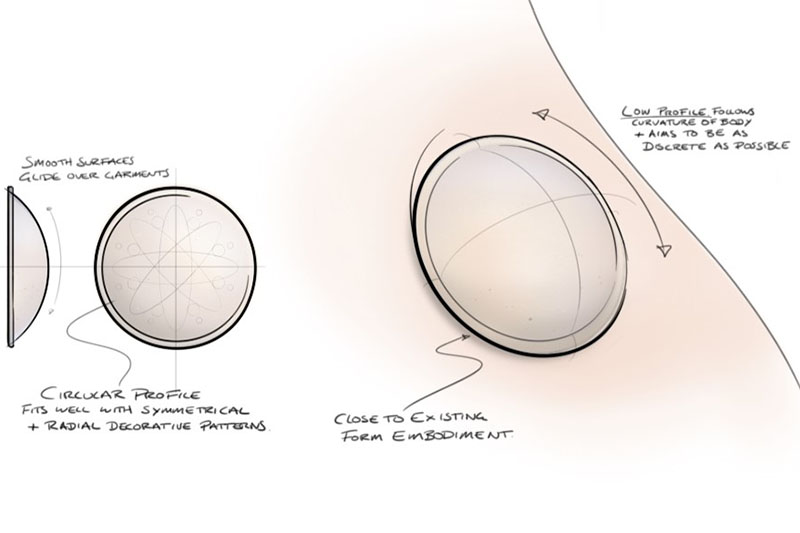
Start-up Ostique aims to transform the market through ostomy product innovation. Their new ostomy appliance sets out to improve daily stoma management and help ostomy devices become things that can be celebrated, with aesthetics inspired by lingerie and tattoo design.

Job_1513-R
prototypes_cropped-again
Ostique-concept-sketch-800x533-1

Our approach

We helped Ostique develop their concept for an ostomy device, including functional improvements over existing products. Working collaboratively with Ostique, we looked to understand the social, emotional, and functional needs of people with stomas, and explored current ostomy products available.

We supported Ostique through the ideation of their ostomy appliance concept. Our emphasis was on the user experience in terms of activities it should enable and whether it should be a single-piece device or a two-piece design with a cover. Other elements we considered included skin adhesion, the handedness of users, and the size and weight of the container.

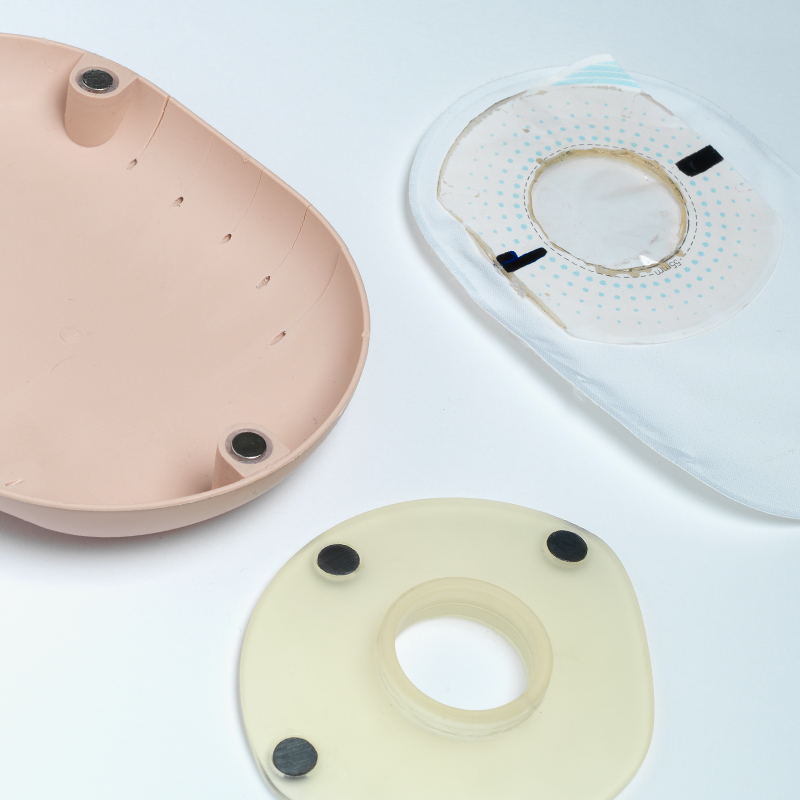
Once a more focused concept was arrived at, our workshop team created silicone prototypes of the ostomy device using mold tools machined in-house, enabling Ostique to take the prototypes to their user research group for feedback.

We also developed a roadmap of the steps the start-up needed to go through – including regulatory approvals – to be able to produce, market, and sell their ostomy product as a commercial medical device.

Prototyping-3-SQ
Prototyping-4-SQ
|||||||||||||||||||

Building on our collaboration, Ostique’s products have since developed further, so the images here aren’t of the final products.

Exploded-view-Ostique-on-white

The value we created

Over four months, we supplied the technical rigor for the Ostique team to develop a concept for a unique ostomy appliance. We helped our client refine and focus their ideas and build prototypes of the device for thorough user feedback.

We provided a roadmap for Ostique to follow to get their new ostomy product to market and put them in touch with venture capital investors, giving our client the foundational blocks to make their revolutionary concept a commercial reality.

Connect with CDP

Accelerate your product innovation with CDP’s multidisciplinary expertise. We support product development at critical stages, helping you navigate complex technical, regulatory, and manufacturing challenges. From mechanical, manufacturing and electronic engineering to science-led innovation, human factors and digital systems. Our teams provide the insight and execution needed to move your product forward with confidence, from concept to commercialization.

Capabilities

The Challenge

Our FemTech team continually explores the FemTech space – uncovering emerging trends, innovations, and unmet needs – and recently examined a historically under-researched area of women’s health: reproductive health.

Assembling and collaborating with an international panel of women’s reproductive health experts, we reviewed and prioritized three overarching themes innovative solutions could transform the future of reproductive health:

  • access – the right products and services at the right time
  • quantify – measure what’s ‘normal’ for women and their health
  • personalize – through meaningful, actionable insights.
Design-sprint-2
Design-sprint-2
Design-sprint-3

Our approach

We used our tailored, user-centric ‘Define’ Design Sprints to move rapidly from problems to opportunities and through a long list of possible solutions onto illustrative prototypes, which started to bring a possible solution to life.

Our FemTech team began understanding current trends and identifying unmet needs and contexts. We distilled key insights and themes into lead opportunity spaces, against which we could develop focused value propositions.

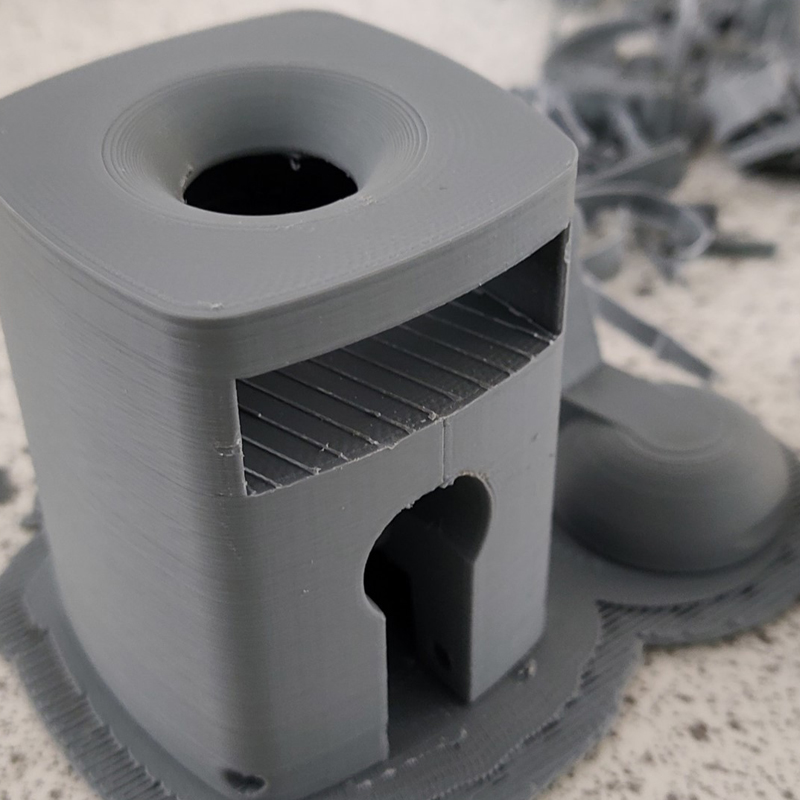
Through collaborative working sessions, the multidisciplinary team explored various ideas and down-selected an early-stage concept for a connected device that would enable women to track their hormone levels at home and discover their ‘normal’.

We assessed existing hormone-tracking technologies and evaluated their potential to form a user-centric solution, coming to focus our attention on the rapidly advancing science of saliva diagnostics, which enables the tracking of progesterone.

IMG_0171-700h
3D-modelling-2-300x300-1
Prototyping-2-800x800-1
Prototyping-1-800x800-1
||||||||||||||||||||||||||||

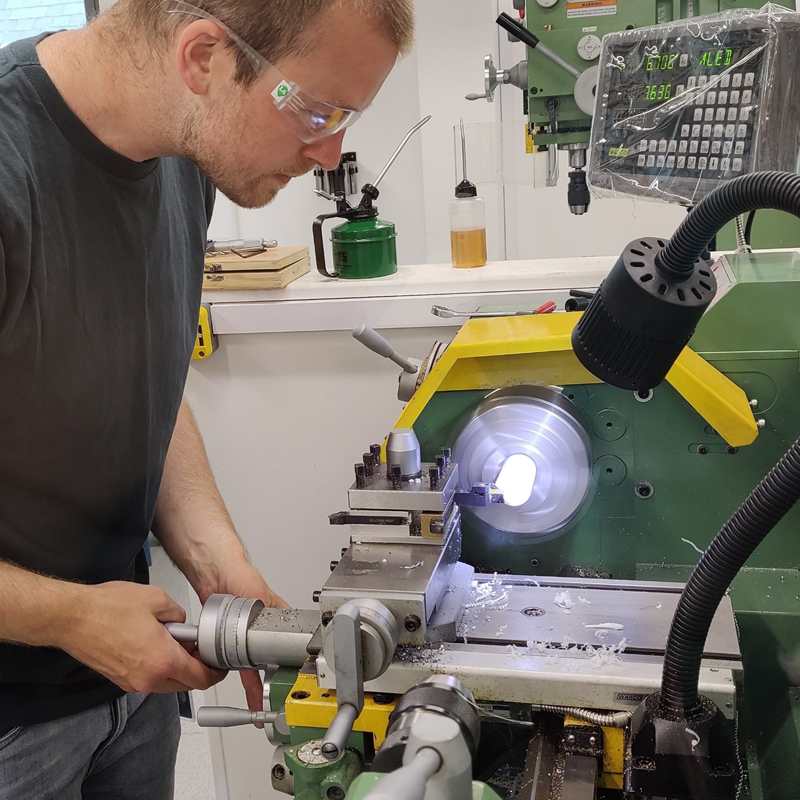
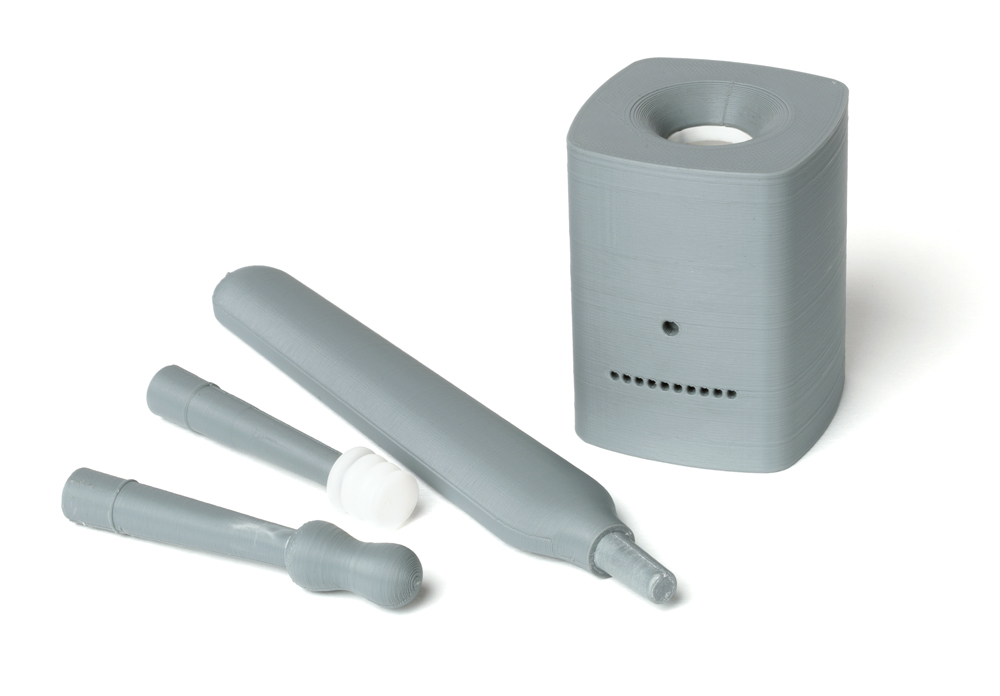
We moved quickly through prototyping, from early concept sketches and renders to high-fidelity, ‘looks-like’ models. An important consideration was ensuring an intuitive and enjoyable user experience – existing solutions for at-home hormone tracking require users to adopt new behaviors, often resulting in low adherence and obstacles to widespread adoption.

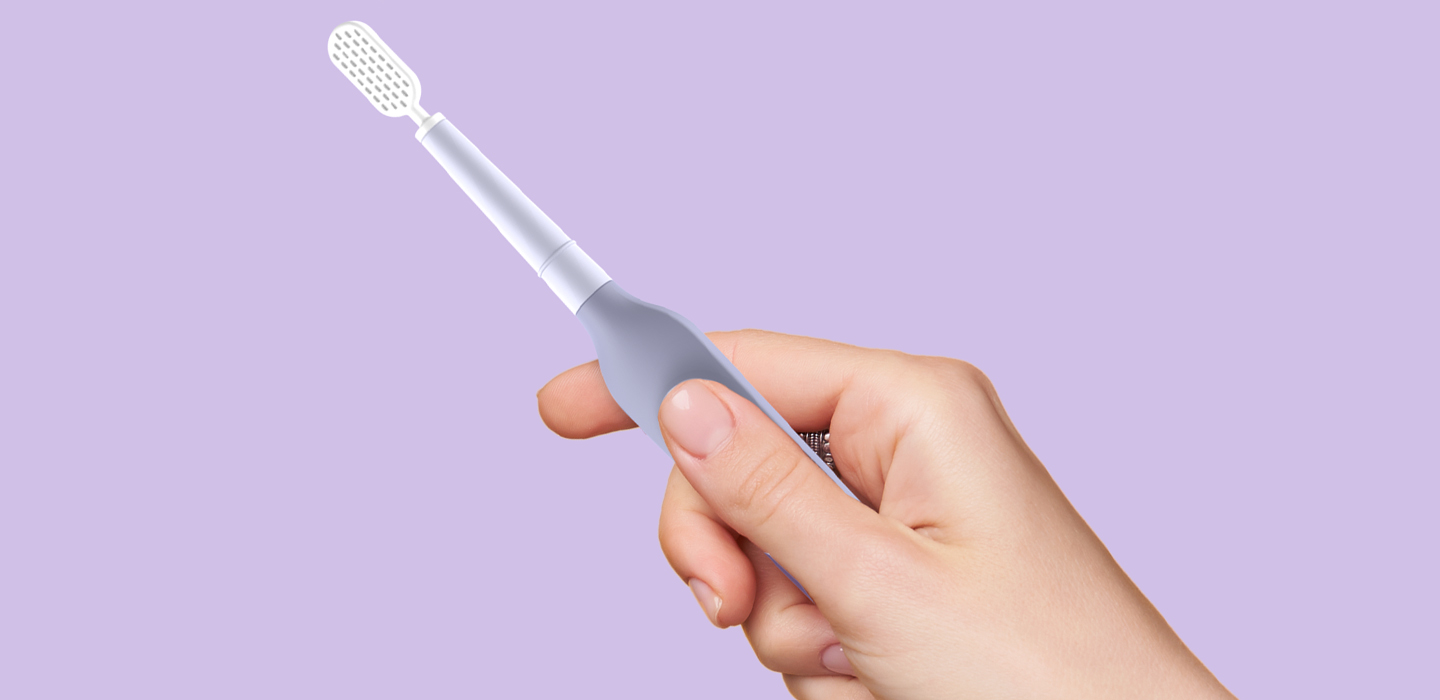
The result: Horb – a concept for an at-home diagnostic device that measures hormone levels while seamlessly integrating into users’ daily routines. Before daily teeth brushing, users would use a unique collection swab to take a saliva sample and deposit the swab head into a countertop diagnostic device. This would then analyze the sample and take the reading while they brush their teeth. The diagnostic device would connect via Bluetooth to an app, allowing users to monitor their daily hormone levels and receive pertinent data insights. The app would also provide a general picture of their reproductive health through synthesizing Horb data and health data from other wearables such as the Apple Watch and Oura ring.

Horb-render-1-1440x700-1

The value we created

Leveraging established science and existing technology, we created a concept for an at-home hormone-tracking solution that minimizes the burden of use and offers an intuitive and enjoyable experience.

The data generated by Horb would help women understand their hormone levels, enabling them to find out what’s ‘normal’ for them and identify deviations from their baseline, which they can follow up with their clinician.

Horb could form part of the CDP Mosaic digital ecosystem. By supplying data not currently captured by wearables such as the Apple Watch and Oura ring, Horb would provide another piece of the puzzle to enable a more complete, personalized, and accurate baseline to help women understand their health.

Partner with us to continue Horb’s development journey – email: womenshealth@cambridge-design.com.

Job_3280
Job_3283
Job_3286

Connect with CDP

Accelerate your product innovation with CDP’s multidisciplinary expertise. We support product development at critical stages, helping you navigate complex technical, regulatory, and manufacturing challenges. From mechanical, manufacturing and electronic engineering to science-led innovation, human factors and digital systems. Our teams provide the insight and execution needed to move your product forward with confidence, from concept to commercialization.
Capabilities

The Challenge

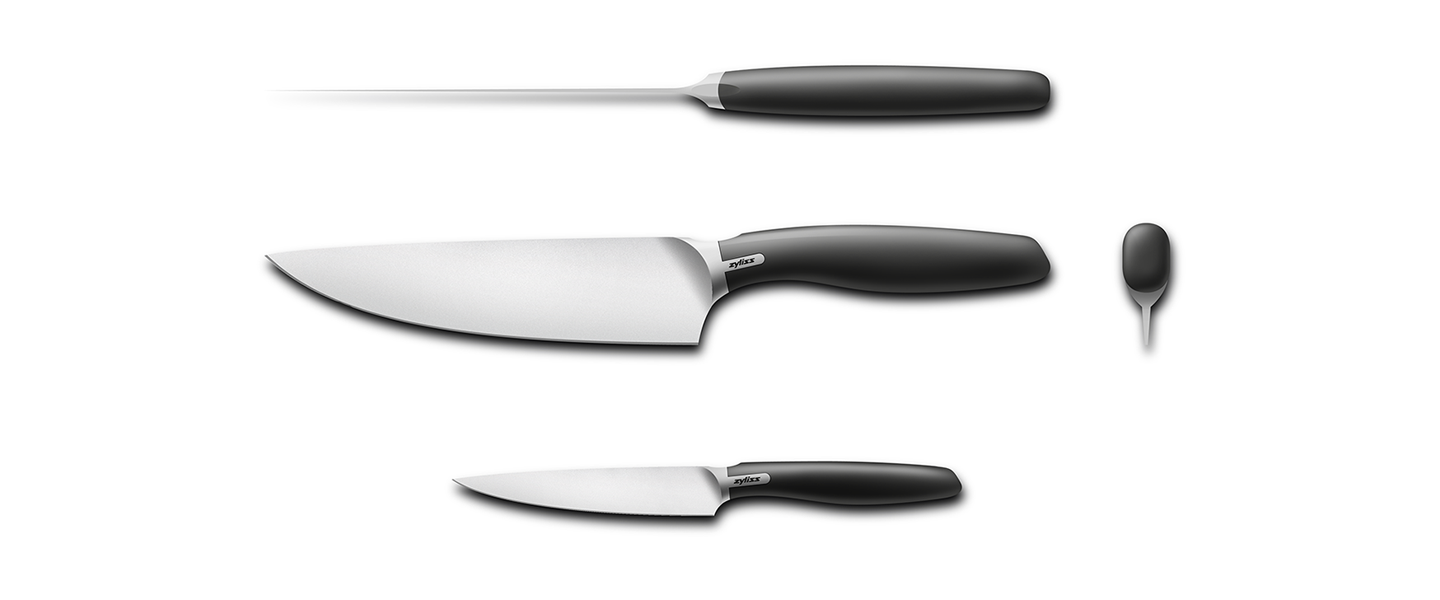
The US market for home kitchen knives is dominated by a handful of brands. When DKB Household wanted to enter it, they challenged us to innovate in this mature product category.

2-ZYLISS-2-1440x600-zoomed-out

Our approach

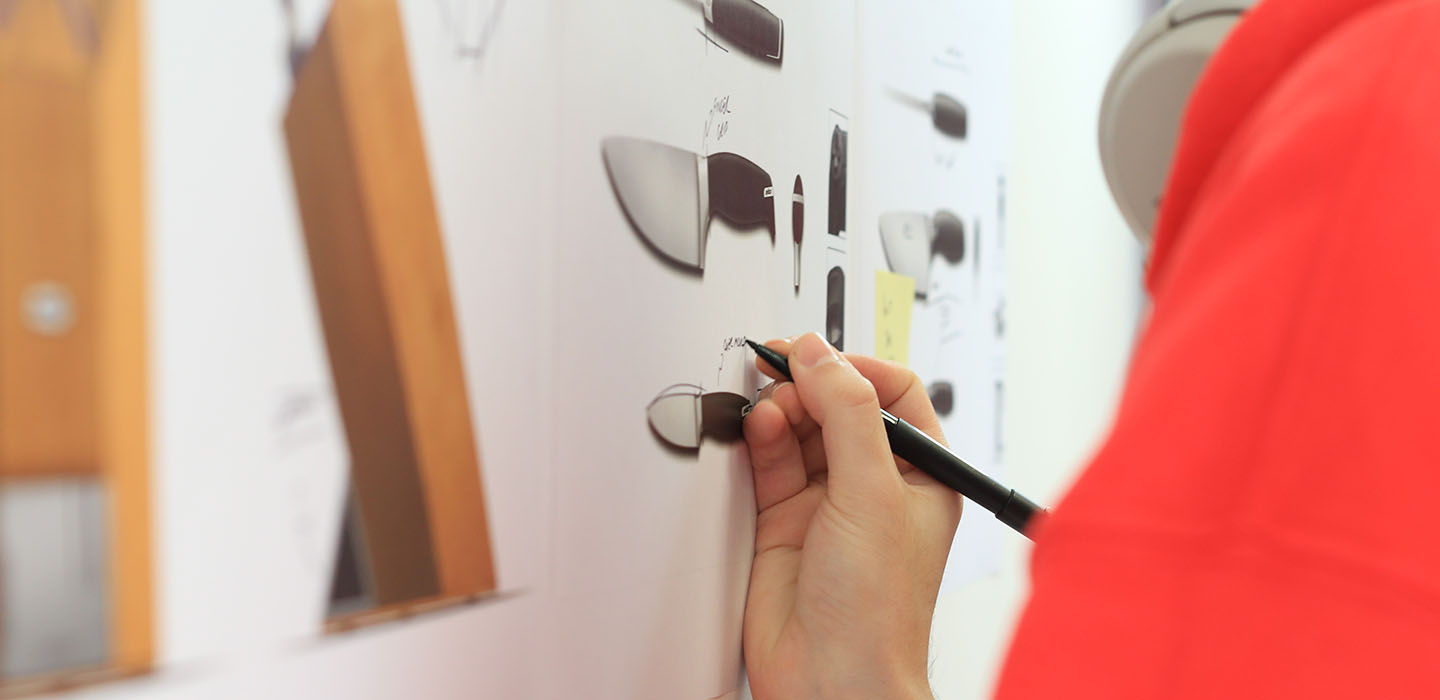
Applying a ‘jobs to be done’ lens to the challenge, our insights research team and industrial designers observed people in the US as they made meals, enabling us to identify people’s functional and emotional needs when they slice, dice and chop food.

One observation was that women often selected a knife that was unsuitable and possibly unsafe for the task because they felt more comfortable with a small knife – when it would’ve been safer to use a bigger knife that cut more easily. Through a second quantitative research phase, we learned how widely needs were shared across the target group and how well existing knives met them.

Our design team concentrated on creating novel solutions to the most relevant consumer needs focusing on the theme of control; giving the new range its name.

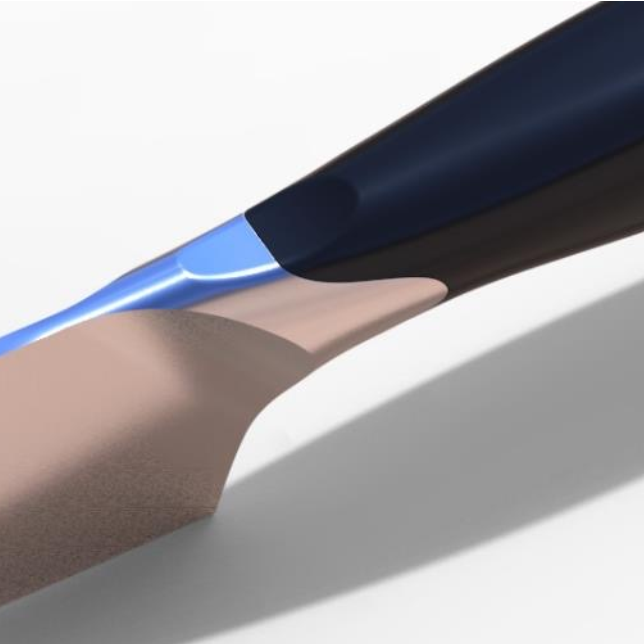
After analyzing the most used cutting styles and grip patterns, we incorporated four patented ‘control’ points into the knife and handle. These points gave all users – men and women – equal control over the knife, no matter their cutting style or hand size. The result: a set of knives everyone could use comfortably, safely, and with confidence.

3-CDP-211016-014
6-IMG_9794-1440x700-1

The value we created

Feedback from US home cooks using our prototypes was significantly positive, and production was scheduled three months after the start of the project. Zyliss ‘Control’ is currently on sale in the US and UK and the design now also features in the Zyliss ‘Comfort’ range.

This project highlights the benefit of the ‘jobs to be done’ method in product design: innovation can be laser-targeted at valuable, unmet needs, even in mature markets.

5a-Zyliss-knives-IMG_6884-square-face-blurred

Real-world testing and observation identified users’ functional and emotional needs when preparing food

5c-Zyliss-knives-Knife-close-up-square

Analysis of cutting styles and grip patterns led to four patented ‘control’ points being incorporated into the knife and handle

5b-Zyliss-knives-web_0002_zyliss00514_demo_9-546-square

Our design team developed novel solutions, focusing on the theme of control

4-Zyliss-knives-maxresdefault-2-1440w

Inclusivity, experience-led design, and the smart integration of technology

At CDP, we put people at the heart of innovation.  Human-Centered Design is embedded deeply within our culture. We create user-validated products and digital experiences that reduce friction, minimize error risk, and feel intuitive in real-world use.

Connect with CDP

Accelerate your product innovation with CDP’s multidisciplinary expertise. We support product development at critical stages, helping you navigate complex technical, regulatory, and manufacturing challenges. From mechanical, manufacturing and electronic engineering to science-led innovation, human factors and digital systems. Our teams provide the insight and execution needed to move your product forward with confidence, from concept to commercialization.

Capabilities

The Challenge

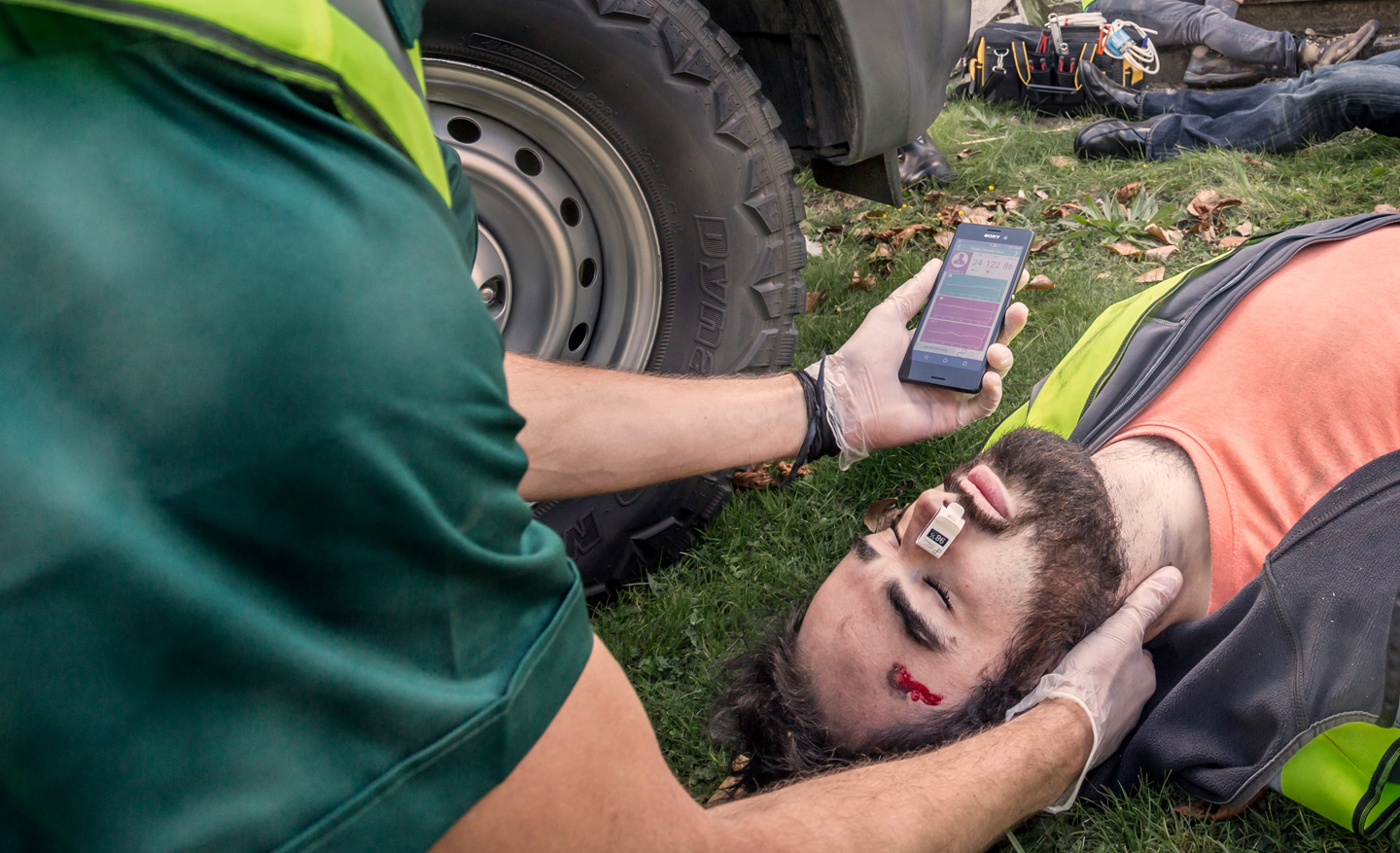
The golden hour following a traumatic injury is the time when prompt medical treatment is most likely to prevent death.  For a first responder in an intense and chaotic disaster or battlefield scenario, correctly identifying which patient to treat first can be a matter of life and death.

Measuring and monitoring basic vital signs is a crucial part, yet it remains time-consuming using conventional approaches. The British Army identified the need for a better solution to monitor multiple casualties when the medic arrives on the scene.

Nosik-in-White-crop
FRM-Tiff-trial2-crop

The monitor had to be small, lightweight and easy to use.

FRM-17-crop

Together with conventional sensors, we developed new approaches to increase performance.

FRM-9-crop

The wearable is easily fitted and immediately provides a visual display of vital signs.

FRM_case_slider_1
CDP-014

Our Approach

We started not by looking for technology, but by interviewing a range of army medics about their experience of multiple casualty and disaster situations. This discussion quickly ruled out larger civilian patient monitoring systems and focused our product specification on the bare essentials for life; breathing, heart rate and blood oxygenation.

We then developed a low-cost wearable to measure these parameters that could be deployed quickly and would provide easy to understand, actionable feedback. While heart rate and blood oxygenation sensors are well known, we developed a novel breath sensor that was small, robust and easy to apply. In addition to a simple colour coded display, we included wireless communications so that several monitors could link together enabling automated triage and data sharing once the patient was in transit to secondary care.

|||||||||||||

The value we created

We created a unique and practical solution to the challenges of battlefield first responders. Our First Response Monitor has won multiple awards, including the prestigious ‘Best of the Best’ Red Dot award in the Life Science category.

As well as working stand alone, several First Response Monitors can link to a smart phone enabling automated triage, monitoring and data upload.

Connect with CDP

Accelerate your product innovation with CDP’s multidisciplinary expertise. We support product development at critical stages, helping you navigate complex technical, regulatory, and manufacturing challenges. From mechanical, manufacturing and electronic engineering to science-led innovation, human factors and digital systems. Our teams provide the insight and execution needed to move your product forward with confidence, from concept to commercialization.

Capabilities

Avon_white-1

The Challenge

Global beauty brand Avon wanted to maximize the potential of a critical new product launch. ANEW Reversalist Infinite Effects Night Treatment Cream is a ground-breaking skincare product. The product combines two different night creams that need to be rotated every seven days to prevent the user’s skin adapting to the skincare regime.

Key to optimizing the anti-aging benefits was that users needed to remember to rotate the double-ended dispenser each week. Avon sought reassurance that consumers would continue to follow the usage instructions over time – so turned to CDP’s unique user insight service diialog™ for a new perspective. The diialog™ service uses miniature sensing technology discreetly fitted to products or packaging to capture quantitative data during user tests. The result is a conclusive analysis enabling companies to develop a deeper understanding of consumer behavior.

Our approach

The first task was to define ‘normal’ use. We set up an internal trial to ensure our algorithm was robust enough to translate inertial sensing data from the dispenser into accurate user insights.

We then ensured our diialog™ technology could be incorporated into the dispenser without adversely affecting its performance or appearance, while also ensuring there was sufficient battery life to cover Avon’s month-long consumer trial requirements.

Working alongside Avon’s packaging team, our human factors experts were able to ensure our diialog™ technology was a seamless part of the product’s ergonomics.

avon case study - our approach
IMG_0059-crop

An internal trial ensured our algorithm reliably translated the inertial sensing data from the dispenser into accurate user insights

Use behavior tracking sensors

Our diialog™ technology was seamlessly incorporated into the dispenser, eliminating any potential impact on users’ behavior

IMG_0613-Crop-square

Our diialog™ technology was seamlessly incorporated into the dispenser, eliminating any potential impact on users’ behavior

IMG_0536-crop

The value we created

The results of the diialog™ trial revealed that users were able to correctly follow the regimen of rotating the dispenser each week, while there were very few cases of triallists forgetting which end of the device to use.

But we went above and beyond. After successfully assessing and evaluating the original challenge, the trial uncovered further opportunities for packaging innovation to maximize adherence to the unusual usage regimen – insights that were not revealed by the feedback questionnaire completed by trial participants.

Avon_alt_2_case_slider

“The unique insights from the diialog™ trial will help us continue to innovate and offer high-performance, high-quality, great-value products that meet the needs of consumers worldwide.”

Paul Davies, executive director of global skincare R&D, Avon

Connect with CDP

Accelerate your product innovation with CDP’s multidisciplinary expertise. We support product development at critical stages, helping you navigate complex technical, regulatory, and manufacturing challenges. From mechanical, manufacturing and electronic engineering to science-led innovation, human factors and digital systems. Our teams provide the insight and execution needed to move your product forward with confidence, from concept to commercialization.
Capabilities

The Challenge

Gmax Technology asked us to help develop an innovative heart monitor to help vets and trainers accurately monitor their sport horses. Up until now they usually adapted human heart monitors, but they often gave false results and could not spot anomalies that could indicate future heart problems.  They also did not hold up well in the demanding commercial equine training environment.

Vetcheck_2_white
Maydan-Mirage-70-crop

Prototype development ensured a high level of performance and reliability

Maydan-Mirage-16-crop

Testing a heart beat trace visualisation in the lab

Concept-3-rear-crop

Wirelessly connectivity enables measurements to automatically be stored alongside other training data

Case_study_vetcheck_2

Our Approach

The device ergonomics and user interface were created to allow the vet to see the heart beat trace, a visualisation that allows anomalies to be quickly identified.  The monitor is also wirelessly connected to a Smartphone allowing measurements to be automatically recorded in a database, alongside other training data.

CDP-240517-078-lres
Vetcheck_white

The value we created

The Gmax VetCheck system is in use by equine professionals  all over the world.  It is the easiest and most accurate way to make measurements of your horse’s heart and is used both in training and international competitions to ensure that high standards of welfare are maintained.

Connect with CDP

Accelerate your product innovation with CDP’s multidisciplinary expertise. We support product development at critical stages, helping you navigate complex technical, regulatory, and manufacturing challenges. From mechanical, manufacturing and electronic engineering to science-led innovation, human factors and digital systems. Our teams provide the insight and execution needed to move your product forward with confidence, from concept to commercialization.
Capabilities

The Challenge

Billions of dollars are invested each year in clinical studies for new respiratory therapies. If the data collected turns out to be of poor quality or inconclusive then the study can fail. The unfortunate result is that potentially life saving therapies may never make it into the hands of patients.

Inhalers, for example are notoriously tricky to use and their performance is typically dependent on how the patient inhales. Even in monitored studies only a qualitative assessment of technique is possible. In Phase III studies, which are often unsupervised, the only opportunity to explain any unexpected or outlying data has been to rely on Case Report Forms.

quantii-inhaler-connected-data-sensor-platform-product
Case_study_header_quantii_C

Our approach

We created the quantii sensor platform to improve data quality in product trials, by improving training and providing rich data on patient interactions.

We incorporated discreet, miniature sensor technology into the test device together with data storage and wireless communications. Firstly, user training is enhanced as quantii provides real-time feedback so users can quickly understand what is needed of them and practice the correct technique. During the trial each operation of the device is monitored and translated into a wealth of quantified user insights, such as air flow and capsule discharge rates throughout each inhalation cycle.

Case_study_header_quantii_B
Quantii provides a wealth of insight, including accurate measurement of the inspiratory flowrate profile, ramp-up rate, total inhaled volume and the spin rate of the capsule

The value we created

Quantii enables high-quality, data-driven clinical studies and, for the first time, use error can be distinguished from drug efficacy. This allows you to direct remediation investment to the right places and accelerate your journey to market.

Connect with CDP

Accelerate your product innovation with CDP’s multidisciplinary expertise. We support product development at critical stages, helping you navigate complex technical, regulatory, and manufacturing challenges. From mechanical, manufacturing and electronic engineering to science-led innovation, human factors and digital systems. Our teams provide the insight and execution needed to move your product forward with confidence, from concept to commercialization.
Capabilities

VillaPhyta Montreux logo

The challenge

We were selected to modernize Arnebia’s VillaPhyta masterbrand while defining the positioning and visual identity for the Montreux sub-brand. Their products include daily creams, serums and elixirs to moisturize, tone and provide sun protection. VillaPhyta Montreux is steeped in provenance and natural ingredients and is manufactured for Arnebia in Switzerland.

Our Approach

We took inspiration from the product’s Swiss heritage and the fact that Montreux is home to the world-famous Montreux Jazz Festival. So, the skincare collection’s product names took a musical theme including Solo, Cadence, and Swing.

We felt a degree of expressive flair was crucial for the visual language, so we generated over a dozen early visual directions with varying degrees of personality. Working collaboratively, we developed a free brushstroke motif, representing the Montreux jazz theme, contrasted against a simple white Swiss-inspired canvas with precise typography.

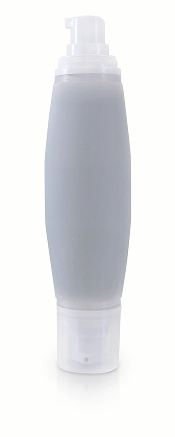
In the range we included airless pump dispensers and ampoule droppers to enable the consumer to carefully dose the serums, which give an implicit accuracy association that’s fitting for a Swiss-made product.

The Montreux jazz theme inspired the new product names.
The new sub-brand immediately resonated with our client’s consumers.
We developed a free brushstroke motif that contrasted with simple, precise typography.


The value we created

We created a distinctive and expressive beauty range that worked to premiumize the overall brand. We refined the masterbrand and logotype assets, building a clear sub-brand platform that helped transform consumer perceptions and elevate the positioning of a private label brand while driving growth. 

Our client’s team was delighted with the resulting designs because the new brand direction matched closely to developing trends in the market. The Montreux range is now an important component of the Arnebia portfolio.

Connect with CDP

Accelerate your product innovation with CDP’s multidisciplinary expertise. We support product development at critical stages, helping you navigate complex technical, regulatory, and manufacturing challenges. From mechanical, manufacturing and electronic engineering to science-led innovation, human factors and digital systems. Our teams provide the insight and execution needed to move your product forward with confidence, from concept to commercialization.

Capabilities

The challenge

Patients suffering from chronic diseases, often with co-morbidities, are increasingly receiving their medication via self injection outside of the clinical setting, increasing the treatment burden. They sometimes need to store their drugs in the fridge, allow them to reach the correct temperature for injection, prepare their auto-injector for use, and finally dispose of the used device safely.

Using our patient-centered design approach we analyzed many patient stories and the root causes of poor adherence and use errors. This led to our team reimagining the future of parenteral drug delivery.

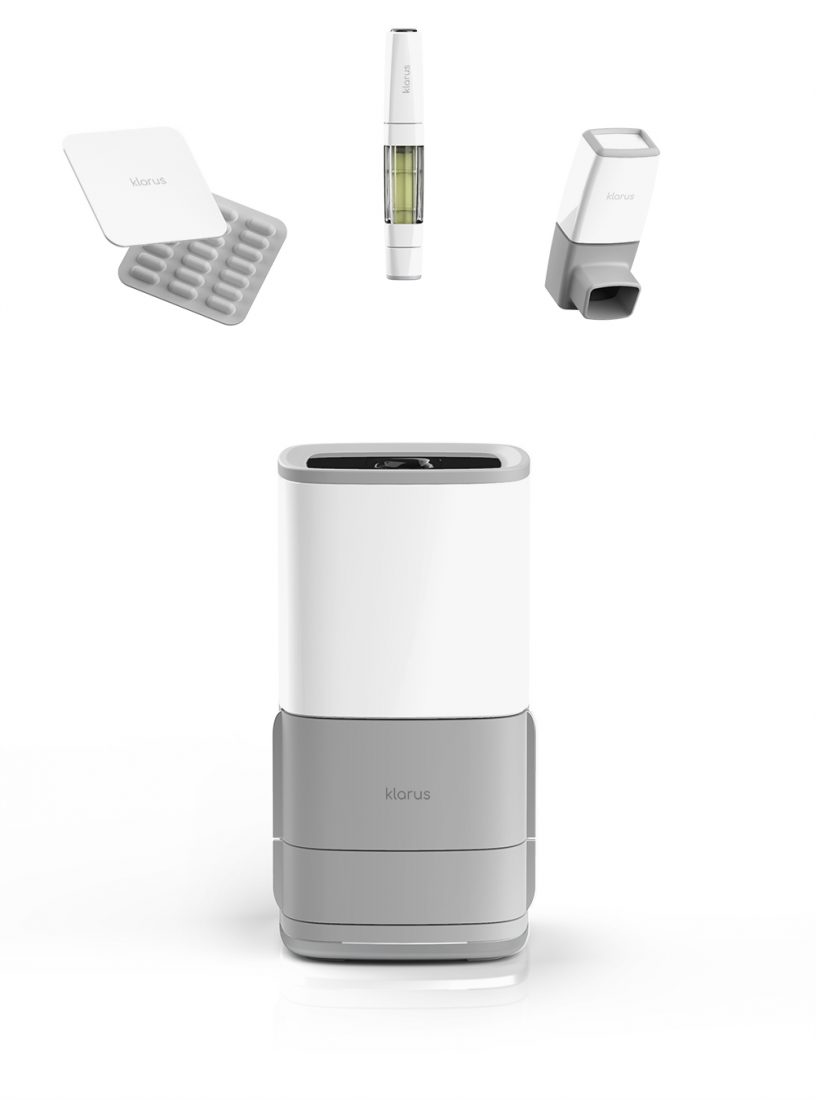
So we created the Klarus system. It provides a complete therapy management solution for indications requiring a regular fixed dose injection. In addition to providing alerts, reminders and diaries for patients and caregivers, Klarus also automates many of the tasks often missed by patients. These include correct storage temperatures, monitoring use-by dates, ordering repeat prescriptions, safely loading and unloading the injection device, and managing sharps waste.

Our approach

We applied our core capabilities in digital systems and mechanical engineering, alongside our human factors expertise, to rethink drug delivery for patients with chronic disease.

Klarus builds in temperature-controlled storage of up to three months of medication to avoid using the kitchen fridge. It has automated loading and unloading of each dose to reduce the risk of needle stick injury and missing out key safety checks.

It also has a digital training and technique assistant to help improve adherence, for example by reducing the risk of under-dose due to early needle removal. To improve long term therapy management, Klarus enables a diary and condition tracking app to help the patient better understand how well their therapy is working.

Klarus alerts the patient when supplies are running low and reorders if required
Klarus is designed to be stylish, seamlessly blending into the patients’ life and home
After injection, Klarus collects the needle and cartridge ready for safe disposal

The value we created

Compared with conventional injector systems, Klarus has adherence designed in. We expect that if offered to patients as a subscription-based replacement to weekly treatments with a single-use auto-injector, it would pay for itself in just one year. In addition to helping improve patient outcomes, Klarus is a more environmentally friendly solution.

Klarus was honored with a prestigious international Red Dot award in 2018.

Connect with CDP

Accelerate your product innovation with CDP’s multidisciplinary expertise. We support product development at critical stages, helping you navigate complex technical, regulatory, and manufacturing challenges. From mechanical, manufacturing and electronic engineering to science-led innovation, human factors and digital systems. Our teams provide the insight and execution needed to move your product forward with confidence, from concept to commercialization.
Capabilities