brompton-fold-up

The challenge

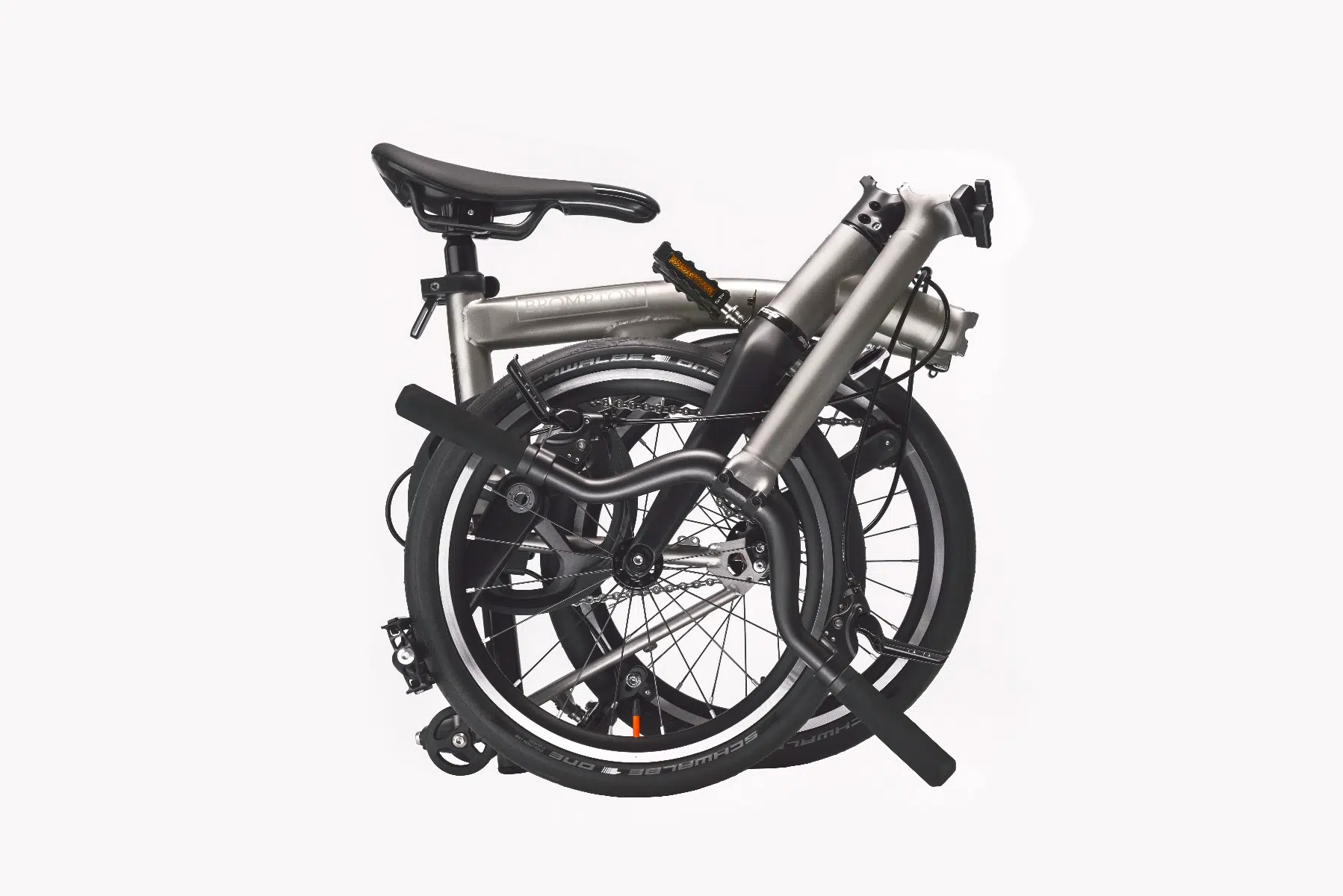
Brompton – a quintessentially British brand – is synonymous with fun, practicality, quality, and reliability. Having established a strong reputation for its folding bikes, it must ensure new products meet the high expectations of its passionate users as well as its own uncompromising standards.

Brompton asked CDP to assess an exciting new prototype in terms of safety, reliability and performance. With the launch date fast approaching, responsiveness and efficiency were key.

We assembled a team of cycling enthusiasts, including design, mechanical and manufacturing engineers, who could not wait to get hands-on with Brompton’s beautiful bikes.

Our approach

We began by comprehensively disassembling, re-assembling, carrying, folding, unfolding, and riding the prototypes to ensure a deep (and quantified) understanding of the design from both technical and user perspectives.

Armed with this information, we travelled to Brompton HQ in London to work side-by-side with its design teams. Deep collaboration was essential to understanding the bike’s design and functions – many of which are innovative and market-leading.

We configured a Design Failure Mode and Effects Analysis (DFMEA) by developing an intimate understanding of the new bike’s design, capabilities and user needs. This enabled rigorous yet rapid review of the new product within Brompton’s ambitious development schedule.

Brompton-at-CDP
Brompton-t-line-curve
brompton-head-tube-logo_600px

The value we created

CDP owned the deeply analytical and detailed DFMEA process, providing Brompton with information to mitigate risk through design changes and testing. Our input freed the Brompton team to focus on creating a safer, more robust and ultimately more successful bike.

A deep understanding of the key risks enabled Brompton to identify areas to work on with critical suppliers. It also considered extreme use cases, such as heavy braking on long descents in hot climates.

Having gotten into the detail of the design, we were also able to bring an external perspective and challenge standing assumptions in the design and testing approach.

Key to the project’s success was how Brompton welcomed and collaborated with us as an extension of their in-house team – a testament to Brompton’s famous quality.

“CDP’s energy, positivity, and commitment to the project kept our team enthused and engaged throughout. Engagement from the senior team – in particular Andrew Solly, who was on-hand at all times – kept us progressing and was key to the project’s success.”

Yan Pugh-Jones, Engineering Director at Brompton
Brompton-bikes-at-CDP-PPC

Connect with CDP

Accelerate your product innovation with CDP’s multidisciplinary expertise. We support product development at critical stages, helping you navigate complex technical, regulatory, and manufacturing challenges. From mechanical, manufacturing and electronic engineering to science-led innovation, human factors and digital systems. Our teams provide the insight and execution needed to move your product forward with confidence, from concept to commercialization.

Capabilities

The Challenge

Q-POC™ has the potential to improve millions of lives by detecting infectious diseases earlier, informing treatment decisions, and reducing rates of transmission.

QuantuMDx’s rapid sample-to-answer, multiplex polymerase chain reaction (PCR) and microarray testing system provides COVID-19 results in approximately 30 minutes from a nasal swab, at the point of need in settings such as hospitals, clinics, airports, care homes, events, and workplaces.

During the COVID-19 pandemic, Q-POC™ was needed urgently. Working closely with QuantuMDx, our multi-disciplinary team – over 30 mechanical and electronic engineers, prototyping, quality and clinical manufacturing experts in the UK and US – stepped up to accelerate the system’s development in just five months.

A challenge of utmost importance

As the world went into lockdown, QuantuMDx needed our help. The UK-based developer of point-of-need diagnostics had secured UK Government funding to develop Q-POC™ – transforming the prototype to an instrument designed to detect SARS-CoV-2 (the virus causing COVID-19 disease).QuantuMDx needed CDP’s support bringing Q-POC™ to market as quickly as possible. This required simplifying the system, improving reliability, and designing the system for manufacture – all in a regulated framework suitable for CE-IVD submission.

I28A2070-crop

Speed through highly parallel working

Racing against the clock meant working linearly wasn’t an option; system and sub-system development activities had to happen in parallel, which meant risk mitigation was vital. Our experienced team assessed development effort and timescales against risk, triaging what we could improve. Some issues could be rectified with incremental improvements. However, others needed more radical changes. This demanded our team to quickly and methodically design, prototype and test and commit to bold changes.

I28A2517-crop
I28A2407-crop

Seeing the future

Getting Q-POC™ to market under these circumstances meant stripping back some existing functionality the team did not need for the SARS-CoV-2 assay, including several modules and components that were required later for future assays. Our team worked closely with QuantuMDx, taking a long-term view so the instrument remained suitable for future upgrades for new assay functionality. This meant designing a modular architecture and ensuring the design intent allows additional actuators, heaters, and cameras to be added later.

ISO-13485-01

Regulatory expertise

Because Q-POC™ would become a regulated in vitro diagnostic medical device, QuantuMDx needed an innovation partner with a deep understanding of bringing medical devices to market. Our ISO 13485-certified Quality System includes short-run manufacturing which enabled us to manufacture pre-production devices for CE-IVD submission.

Complete chain of risk management was vital, including traceability of parts, detailed instructions for manufacture, and rigorous creation of quality documentation needed for regulatory submission. Our team managed working environments and controlled manufacturing space to ensure this project resulted in a stand-out example of an on-site clinical manufacturing line.

Beautiful engineering

Systems-level thinking meant the impact of small changes were considered across the whole system, resulting in beautiful engineering. We executed over 100 core design changes, including to the system’s chassis, which was initially constructed from parts that could flex and twist undesirably. We provided confidence in the device’s rigidity by switching to a one-piece, machined block, which could be later cast from aluminum. We improved the reliability of custom actuator assemblies as well as reducing the part count and size. We designed and manufactured new printed circuit boards (PCBs) rationalizing the number. We improved the cable management which led us to drastically simplify the assembly process and improve instrument reliability.

Across the finish line

Working at immense speed, we helped QuantuMDx across the finish line – manufacturing, testing, and delivering 45 complete instruments in just five months.

Putting our Potential Realized methodology into practice enabled us to deliver Q-POC™ as rapidly as possible, taking it from a prototype to a manufactured product.

In November 2021, QuantuMDx secured £15 million in equity funding to expand Q-POC™’s functionality and testing capabilities, including a multiplex respiratory panel and detection of sexually transmitted infections and human papillomavirus – building on the foundations of our work to create a true platform for future testing.

Toggle captions

Connect with CDP

Accelerate your product innovation with CDP’s multidisciplinary expertise. We support product development at critical stages, helping you navigate complex technical, regulatory, and manufacturing challenges. From mechanical, manufacturing and electronic engineering to science-led innovation, human factors and digital systems. Our teams provide the insight and execution needed to move your product forward with confidence, from concept to commercialization.
Capabilities

The Challenge

The number of electric vehicles (EVs) on UK roads is projected to increase rapidly, reaching 14 million by 2030. EVs are key to decarbonizing transportation and making the global transition to net zero, but the EV revolution faces important challenges. EV drivers must be able to charge their vehicles quickly and easily. The UK will require 2.8 million charge points, and charging will need to be made more accessible to those who can’t charge at home.

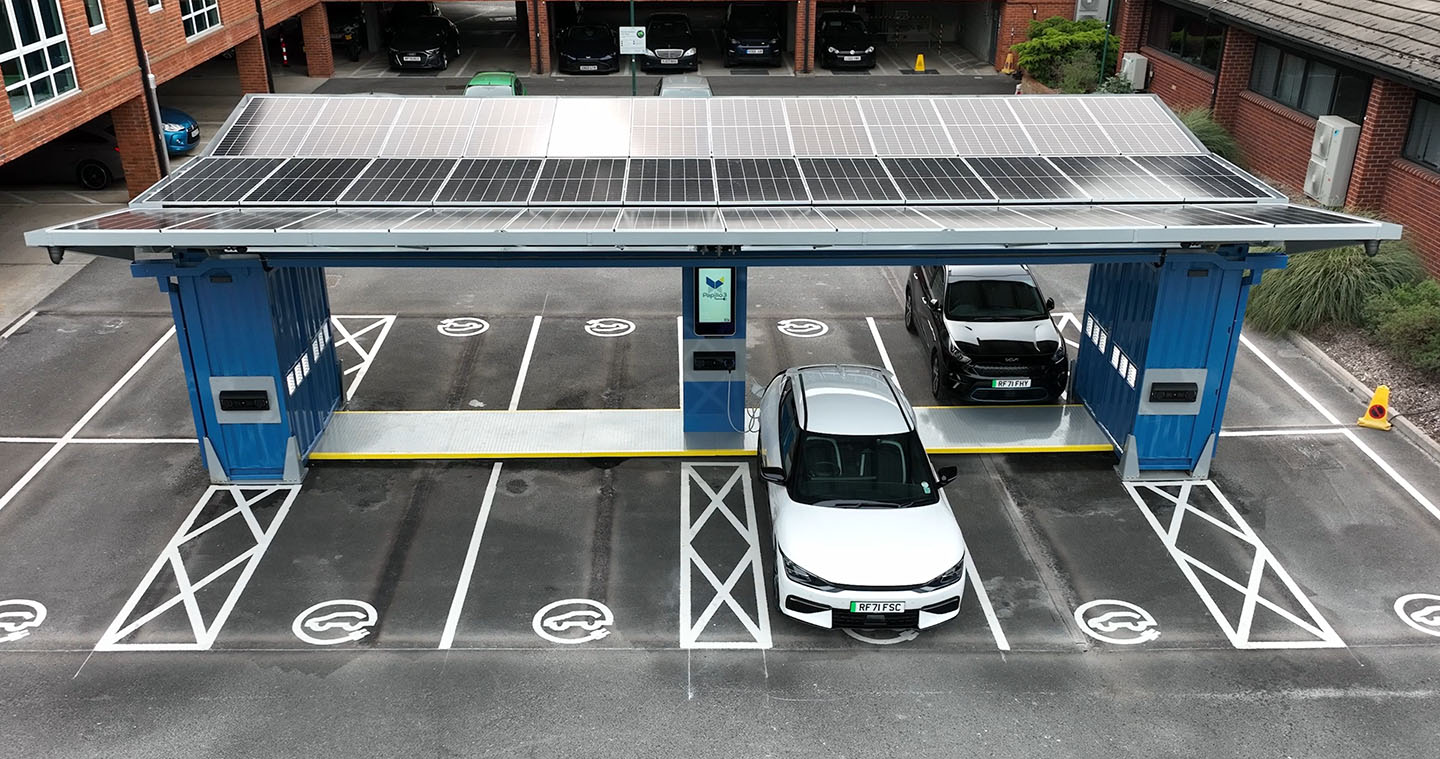
3ti Energy Hubs came to us with a unique challenge to realize the first pop-up mini solar car park – aimed at advancing the rollout of EV infrastructure by providing rapidly deployable destination charging in locations such as offices, retail outlets, and leisure facilities. They also wanted to address the obstacles to rollout presented by planning permission rules and the need for electric grid upgrades.

Charge-icon
3ti-Papilio3-pop-up-solar-EV-charging-hub-3-1440w

Our Approach

We began with a series of requirement definition and concept development workshops, combining our strong and diverse team of designers and engineers with 3ti’s market insights. The result was a refined product concept which could steer us as we advanced into detailed engineering.

Our mechanical and design engineers developed a product architecture, combining the best of off-the-shelf and custom designed parts to realize a prototype design for the pop-up solar charging unit. In parallel, we identified and selected suitable supply chain partners for construction, assembly and test of the prototype unit, culminating in the product launched in May 2022.

Called Papilio3, the hub is built around a recycled shipping container and provides 12 EV charge points. The design combines solar electricity generation and local mains electricity with battery storage delivering quick-to-deploy, low-cost, low-carbon charging.

It was important that Papilio3 could be deployed swiftly, easily, and cost-effectively. Its installation takes under 24 hours using normal freight haulage infrastructure, with minimal site works, no new grid connection, and no need for planning permission in most instances.

Toggle captions

“From our very first meeting, CDP understood and shared our vision for Papilio3. We’ve worked in close partnership over 12 months to get to this exciting point.”

Tim Evans, 3ti’s Founder and CEO

Value Created

A close partnership over 12 months enabled our client to bring their pop-up mini solar car park and EV charging hub to launch, ready for their crowdfunding campaign. We positioned our client to focus on commercialization and scale-up for roll out across the UK.

The first Papilio3 was installed at Surrey Research Park, Guildford, hosted by the University of Surrey, in May 2022, ahead of the launch of 3ti’s crowdfunding campaign. The campaign exceeded its target of £500,000 within 24 hours, and ultimately raised over four times their target amount.

Since Papilio3’s launch, 3ti has received enquiries from over 90 potential customers worldwide and is in consultation with the Ministry of Defense, National Health Service, and car manufacturer Bentley.

3ti-Papilio3-pop-up-solar-EV-charging-hub-4-1440w

Connect with CDP

Accelerate your product innovation with CDP’s multidisciplinary expertise. We support product development at critical stages, helping you navigate complex technical, regulatory, and manufacturing challenges. From mechanical, manufacturing and electronic engineering to science-led innovation, human factors and digital systems. Our teams provide the insight and execution needed to move your product forward with confidence, from concept to commercialization.

The Challenge

The analysis of circulating tumor cells (CTCs) is opening new avenues for cancer diagnostics and is a key enabler of personalized medicine. By capturing and isolating high quality CTCs from blood, Vortex Biosciences’ technology provides critical input to further downstream analysis that ultimately informs patient access to therapy and allows for ongoing disease monitoring.

However, separating CTCs from billions of red and white blood cells is highly challenging and very few technologies provide the purity, yield and integrity needed.

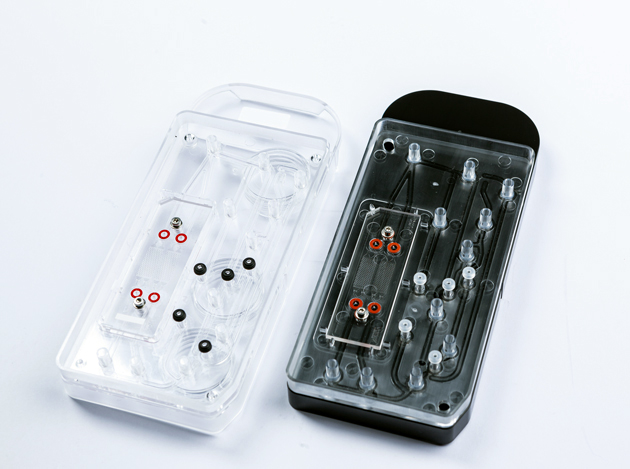
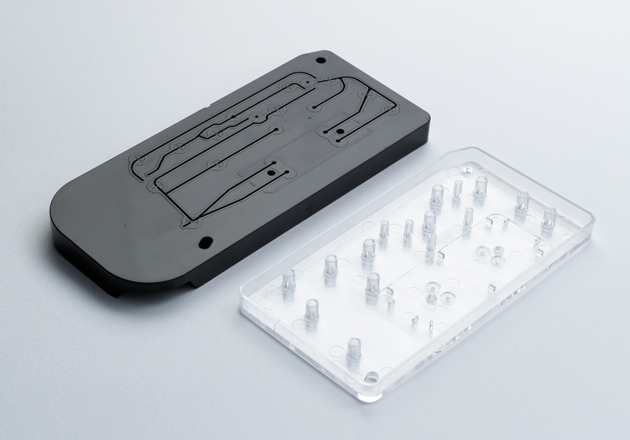
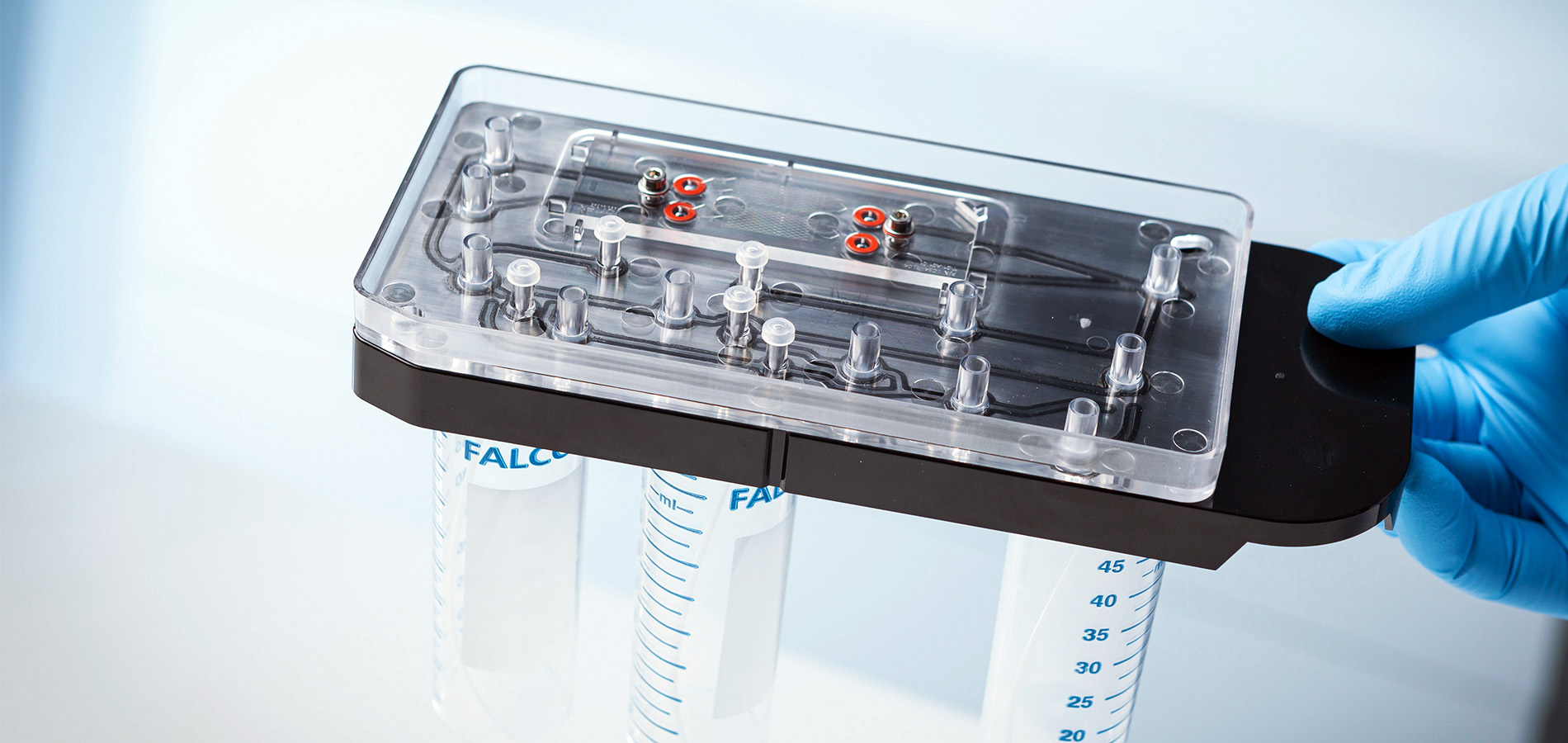
Vortex has developed a highly effective liquid biopsy system to isolate CTCs. They needed our technical expertise and manufacturing experience to improve the system’s disposable cartridge for reliable performance and high-volume production.

Liquid-biopsy-system-cartridge-design-1
Liquid-biopsy-system-cartridge-design-2

Our approach

Our multi-disciplinary team was deployed to understand the broader considerations and challenges, including the technical constraints of CTC separation, as well as Vortex’s scale-up ambitions and vision.

We defined and characterized potential ways the current system could fail which could reduce performance and reliability. We proposed several design and manufacturing improvements for the cartridge, along with assessing the technical risks and benefits. We designed, prototyped, and tested a range of design improvements, including designing the cartridge for laser welding.

The project involved close collaboration with our client and the supply chain, and we will produce initial commercial batches in-house under our short run clinical manufacturing procedures, certified to ISO 13485.

Toggle captions

The value we created

Our diverse team and rigorous approach led to robust, long-term improvements for Vortex’s CTC cartridge’s production, reliability, cost, and stability.

Vortex Biosciences now has a cartridge design that can meet the market’s demanding production volumes, ultimately enabling clinicians to better assess cancer status and prescribe appropriate treatment.

Liquid-biopsy-system-cartridge-design-3

Connect with CDP

Accelerate your product innovation with CDP’s multidisciplinary expertise. We support product development at critical stages, helping you navigate complex technical, regulatory, and manufacturing challenges. From mechanical, manufacturing and electronic engineering to science-led innovation, human factors and digital systems. Our teams provide the insight and execution needed to move your product forward with confidence, from concept to commercialization.

Capabilities

The Challenge

When Crescendo’s route to launch looked blocked by quality issues at manufacture, our rapid iteration of the vibrator’s sheath design cleared the way, enabling MysteryVibe to fulfil their first orders for investor-customers.

Our approach

We started by carrying out root-cause analysis on the device. MysteryVibe work in a collaborative field where there’s a collective interest in upping the game, meaning we were able to identify key learnings from in-market products.

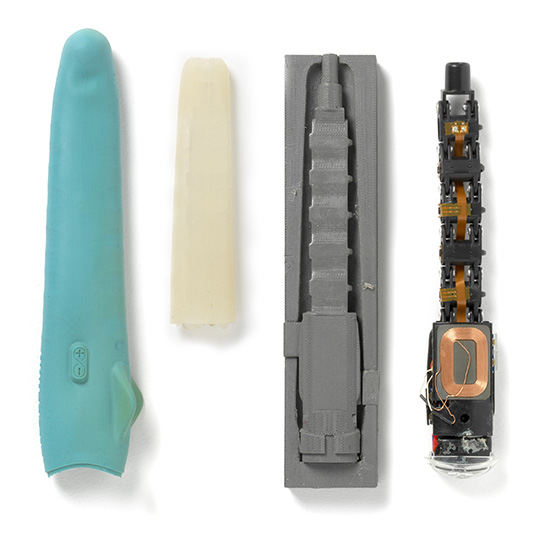
Focused on the vibrator’s silicone sheath, we applied our in-house manufacturing capability using our 3D printing mold tools to rapidly iterate its design. Then, working with a prototyping supplier, we expanded this testing, arriving at a design that worked as it was meant to and had the right, premium feel.

Because it was critical that Crescendo was safe for its intended use, we planned the manufacturing process to ensure there was no contamination to maintain biocompatibility.

2-MysteryVibe_Crescendo_Blue_Hand_L-shape
3-MysteryVibe-Lifestyle-Crescendo-Woman-Sitting-1

The value we created

Able to rapidly iterate the vibrator’s sheath design using our in-house manufacturing capability, and working with a prototyping supplier, we provided MysteryVibe with a quick route to launch for Crescendo, enabling them to fulfil their first orders for their investor-customers.

We also made supplementary recommendations that MysteryVibe were able to apply when Crescendo was manufactured in volume.

4a-MysteryVibe-gallery-1

Careful choice of sheath material and construction techniques allowed the product to be manipulated into any shape and retain the chosen form once released.

4b-MysteryVibe-gallery-2

In-house prototype tooling allowed for rapid, low-cost iteration of the design, using real production materials, as well as developing the manufacturing process.

BAS Rothera research base in the Antarctic|||Clear UP by Early Bird Studios||Crescendo flexible vibrator|

Knowledge gained from our manufacturing process development was transferred directly to the initial manufacturer. This allowed rapid initial fulfilment of orders while hard-tooling was being developed so MysteryVibe wouldn’t be restricted to a single supplier.

Inclusivity, experience-led design, and the smart integration of technology

Not all people are the same. Our FemTech philosophy puts people and context at the center and brings together consumer and healthcare knowledge to help our partners create meaningful incremental and transformational innovations that improve lives.

Connect with CDP

Accelerate your product innovation with CDP’s multidisciplinary expertise. We support product development at critical stages, helping you navigate complex technical, regulatory, and manufacturing challenges. From mechanical, manufacturing and electronic engineering to science-led innovation, human factors and digital systems. Our teams provide the insight and execution needed to move your product forward with confidence, from concept to commercialization.
Capabilities

The Challenge

Cryoablation is a minimally invasive procedure that uses extremely cold temperatures to freeze tumours and diseased tissue in situ, thereby destroying it and preventing regrowth.

Our client asked us to help them develop a new technology in this crowded IP space, to allow them to own and manufacture a unique, office based treatment for breast cancer.

Our Approach

Our science team investigated the IP landscape and reviewed the physics behind the leading systems.  They spotted that they operated at high pressure to avoid vapour locks, meaning that their engineering became complex and expensive to manufacture, and required heavy, industrial gas cylinders to be brought into the clinic.

So we brainstormed a different approach, using liquid nitrogen at low pressure to replace a stainless steel system with polymers, significantly impacting complexity and production costs.  Vapour locks were eliminated by inventing a miniaturised cyclone evaporator that fitted right inside the treatment needle.

Sanarus-Visica-Cryosurgery-Prototype
visica_probe
SANARUS-027-crop

The proof of concept system allowed all operational parameters to be adjusted.

SANARUS-022-crop

The proof of concept system included multiple sensors to monitor performance.

15-crop

Test probe demonstrating the system’s ability to deliver high power cooling.

With iterative development over several prototypes, our scientists and design engineers proved that the new approach matched the performance anticipated by mathematical modelling and provided reliable, powerful freezing.  Importantly the physicians preferred the use of liquid nitrogen because it was easily available and was conveniently handled in the office environment

The value we created

A patent portfolio was created around our new technology and after clinical trials, the FDA cleared new Visica 2™ Treatment System for use. Today over 4,000 procedures have been performed successfully in physician’s offices.

By starting with fundamental science and customer needs, and adding savvy engineering and materials science, we were able to innovate around the established solutions and create a new system that outshone competitors

Bringing breast cancer treatment into the physician’s office

Connect with CDP

Accelerate your product innovation with CDP’s multidisciplinary expertise. We support product development at critical stages, helping you navigate complex technical, regulatory, and manufacturing challenges. From mechanical, manufacturing and electronic engineering to science-led innovation, human factors and digital systems. Our teams provide the insight and execution needed to move your product forward with confidence, from concept to commercialization.
Capabilities

The Challenge

Catheter ablation is widely used to treat a range of abnormal heart rhythms. It involves passing a thin, flexible catheter through the blood vessels to the heart, where it pinpoints the arrhythmia and uses ablation to block the abnormal electrical signals. A more dexterous catheter increases success rates for patients and retains greater cardiac function.

King’s College London invented a technology that enabled ‘three degrees of freedom’ steerability to improve the precision of treatments and facilitated robotic augmentation. They asked us to develop their intellectual property to demonstrate commercial viability.

CAD-Assembly-3

Our approach

We first engaged with cardiologists to identify user needs, which led us to improve the catheters capacity for therapy delivery. The technology is based around unique flexible segments so we integrated these into an overall catheter design that was practical to use and mitigated any major risks. In addition, we designed for manufacturing and assembly and selected new materials for strength, flexibility, biocompatibility and sterilization.

Our mechanical engineering team then designed, built using micro molding, and finally tested integrated prototypes that demonstrated advanced performance and reliability.

FullSizeRender-r-crop

Micro injection moulding is used extensively in the new desig

Micromould-channel-original-cross-sec-0_5N-crop

Computer aided engineering helps predict the performance of system components.

2015-01-08-15.32.34-R-crop

Precision engineering ensures high performance.

Catheter_case_slider_2

The value we created

In just nine months, ten full-length catheters were manufactured and tested. Their performance exceeded the key regulatory requirements of ISO 10555 and we proved key manufacturing and assembly steps. Our work enabled King’s College London to plan clinical trials and showcase their catheter technology to potential acquirers.

ablation-catheter-technology-cardiology-surgeon-operating-theatre

“We have been delighted with the results of Cambridge Design Partnership’s work on this project, their engineering approach and the practical improvements they managed to incorporate. They delivered fully moulded parts, and specified other components and the assembly route which fully met our aspirations for the project”

Professor Kawal Rhode, Professor of Biomedical Engineering, King’s College London

Connect with CDP

Accelerate your product innovation with CDP’s multidisciplinary expertise. We support product development at critical stages, helping you navigate complex technical, regulatory, and manufacturing challenges. From mechanical, manufacturing and electronic engineering to science-led innovation, human factors and digital systems. Our teams provide the insight and execution needed to move your product forward with confidence, from concept to commercialization.
Capabilities

The Challenge

Water damage is the largest cause of home insurance claims. This Internet of Things (IoT) Leak Sensor can spot if there is an unusual flow of water into your home which could indicate a potentially serious water leak. It sends a notification via your home automation system to your phone, and even helps you find a plumber.

Start-up company FlowGem created an ingenious concept for a novel water detection technology and asked us to design and build a demonstration system for home trials. The device had to be very sensitive to detect a slow leak, yet slim enough to mail out to customers and simple and robust enough for DIY installation.  Of course, it also had to be cost effective, data secure and have a long service life when connected to a Wi-Fi network when powered by just two AA batteries.

Gush-9-Lres-1
IMG_0285-crop

3D printed parts were developed to ensure caseworks met all functional requirements

Gush-34-crop

A clip was developed to maintain a reliable contact to the customer’s water pipe over time

WP_20161012_007-crop

Testing and finite element analysis ensured reliable performance through the product’s life

Case_study_flowgem_2

Our Approach

We quickly deployed a multidisciplinary team led by an experienced project manager together with mechanical, electronics and software engineers. We started by addressing several design challenges that were needed to turn the core technology into a practical and reliable product in the hands of customers. Having solved these, we moved on to design and build the sensors and software infrastructure needed for a 100-user home trial, in just six months.

We designed the sensor to simply clip onto your incoming water pipe. Data is collected and analysed in the sensor using smart algorithms to save power and is transmitted periodically to the cloud to build up a picture of water usage. You are alerted by text message to problems ranging from a burst pipe to a slow drip.

Gush-10-lres-1
Case_study_flowgem_3

The value we created

Our work enabled start-up FlowGem to demonstrate the potential of their technology to the big players in the home automation market. This led to a successful acquisition and integration of the sensor into one of the leading Connected Home ecosystems.

The unrivalled performance and ease of use of the new connected water sensor, together with positive results from their large home trial led FlowGem to successfully implement their business plan.

Connect with CDP

Accelerate your product innovation with CDP’s multidisciplinary expertise. We support product development at critical stages, helping you navigate complex technical, regulatory, and manufacturing challenges. From mechanical, manufacturing and electronic engineering to science-led innovation, human factors and digital systems. Our teams provide the insight and execution needed to move your product forward with confidence, from concept to commercialization.

Capabilities


Instant Detect 2.0 wildlife monitoring and threat detection system


The challenge

The Living Planet Report 2020 revealed a catastrophic 68% decline in global wildlife populations due to environmental destruction and the illegal wildlife trade. The Zoological Society of London (ZSL) asked us to implement the first market-ready generation of its wildlife monitoring and threat detection system, Instant Detect 2.0.

Instant Detect 2.0 is a satellite connected system aimed at monitoring wildlife and detecting poachers in the most remote and unconnected landscapes. The system is battery powered and backpack portable so it can be deployed anywhere.   

Our approach

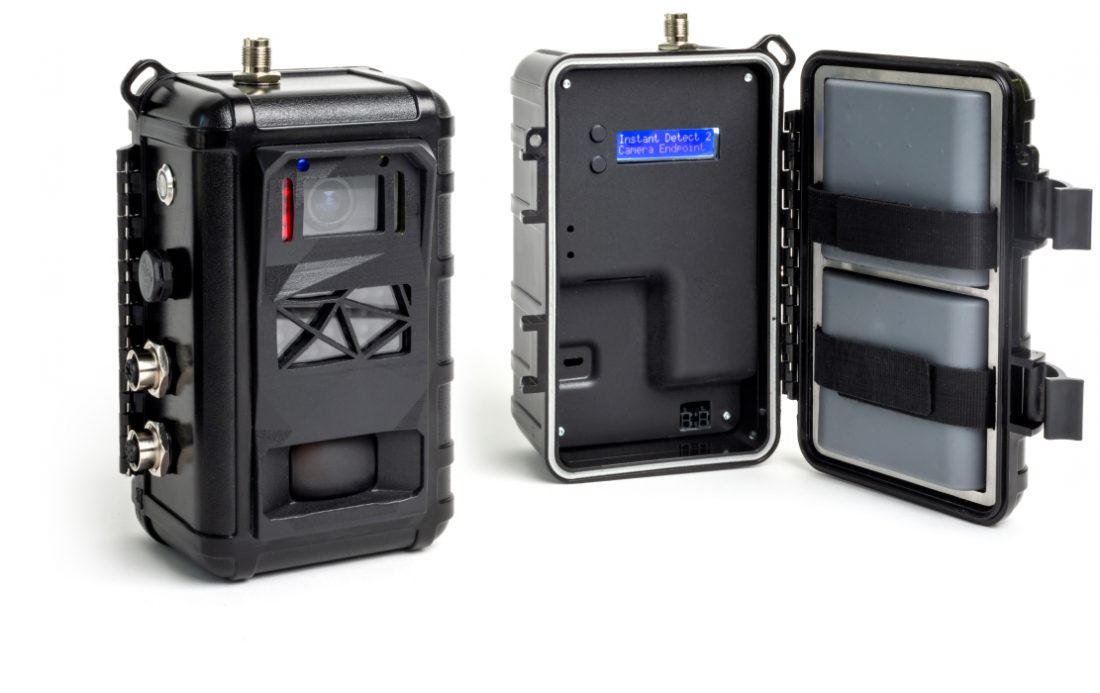
Instant Detect 2.0 gathers data from many locations at one time using sensors, including a high resolution camera that can be triggered by infra-red motion detection, timed triggers or a metal detector sensor. The entire system is built to military standards of robustness so it can withstand a long service life in the harshest of conditions. 

Digital connectivity

Data is transmitted from the sensors using a low power, long-range radio network (LoRa) to a base station, from there it is uploaded to the Iridium satellite network and then to the cloud. A single base station connects 10 cameras and more than 100 sensors, allowing large areas to be monitored by a single system.


wildlife monitoring and threat detection system
Instant Detect 2.0 Image sensors
Image sensors optimise performance in low light conditions.
Instant Detect 2.0 Circuit schematics and PCB designs
Circuit schematics and PCB designs are developed under our zero defect quality control process.
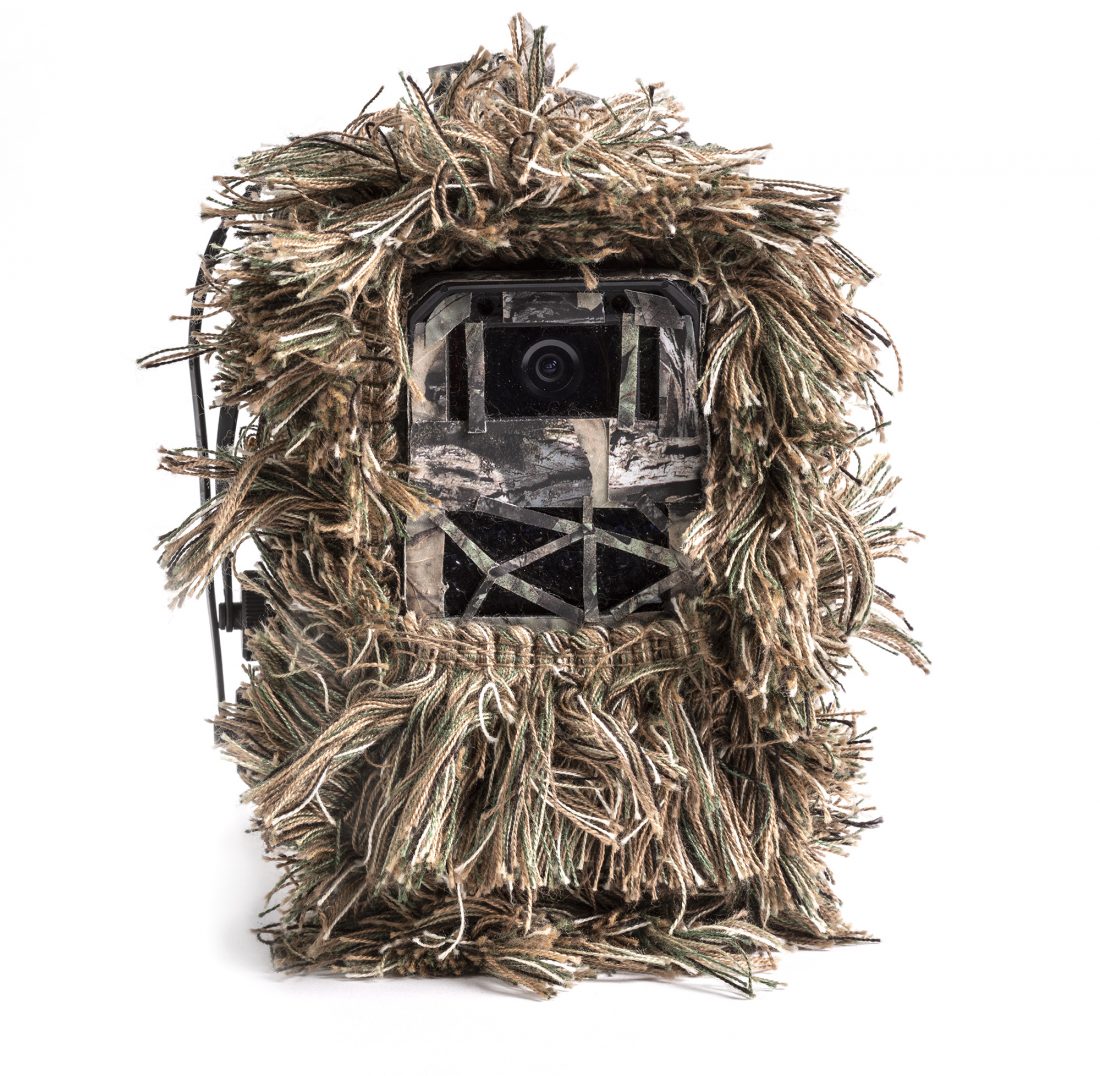
Instant Detect 2.0 caseworks decorated to hide them from poachers
Military specification caseworks are decorated to hide them from poachers.


The value we created

Within 18 months the Instant Detect 2.0 system was developed, prototyped and initially tested in Kenya and a remote uninhabited island in the Pacific Ocean. Currently in beta testing in several real-world conservation field sites, the system is set to have enormous conservation potential with a wide range of potential applications, including protecting endangered species from poachers, monitoring wildlife health, managing human/wildlife conflict and enabling scientific research like monitoring the impacts of ocean plastics and climate change on uninhabited archipelagos. 


Connect with CDP

Accelerate your product innovation with CDP’s multidisciplinary expertise. We support product development at critical stages, helping you navigate complex technical, regulatory, and manufacturing challenges. From mechanical, manufacturing and electronic engineering to science-led innovation, human factors and digital systems. Our teams provide the insight and execution needed to move your product forward with confidence, from concept to commercialization.

Capabilities

The challenge

Diabetes is a chronic disease that causes high blood sugar and afflicts over 400m people worldwide. Measuring blood sugar is a part of a patient’s regular routine to control their condition.

Pelikan Technologies aimed to disrupt the diagnostic market with a painless blood lancing system that would significantly improve a patient’s experience. We were selected to work with Pelikan’s R&D team to commercialise their lancing technology and bring their first medical device to market within two years.

Our approach

Implementing their technology in an approved medical device provided several challenges, the sector is highly patented and the low pain technology needed a very high performance drive system, well beyond what was commercially available. In addition, the lancet consumable had to be manufactured automatically in very high volume with an ultra low cost of goods.

In partnership with the Pelikan team we developed a low cost linear motor based lancet drive system with a high dynamic response and precision.  We designed a disposable lancet cassette and manufacturing process that included a novel 3-dimensional foil sealing technology.  Finally, we integrated these elements with a mechanical system to automatically load a fresh lancet into the electronic engine, and after use return it to avoid needle stick injury.  

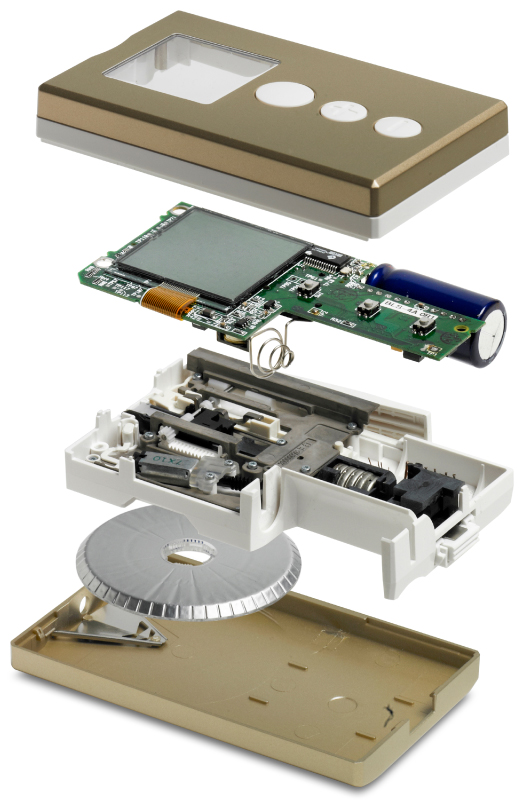
Manufacturing lancet cartridges in high volume required automated inspection systems.
The launcher mechanism stores used lancets and presents a fresh one ready for use.
The device electronics precisely controls the lancing profile.

The value we created

The result was the first system to deliver fully automated, virtually pain-free lancing, with 50 lancets held in a disposable, sterile, sealed cartridge.

For patients, that means reliable blood collection, minimal pain, and wounds that heal more quickly with less scarring. These benefits matter most to young people with Type 1 diabetes, who may need to test many times a day.

By combining a high-performance linear-motor drive, an automated lancet-handling mechanism and a cartridge designed for very high-volume, low-cost manufacture, we helped Pelikan turn their lancing technology into a complete, manufacturable system.

Connect with CDP

Accelerate your product innovation with CDP’s multidisciplinary expertise. We support product development at critical stages, helping you navigate complex technical, regulatory, and manufacturing challenges. From mechanical, manufacturing and electronic engineering to science-led innovation, human factors and digital systems. Our teams provide the insight and execution needed to move your product forward with confidence, from concept to commercialization.

Capabilities