||
WEBINAR

Emotion by design: Creative leadership lessons from a life at Nike

With Martha Hodgson
23 JUN 2021

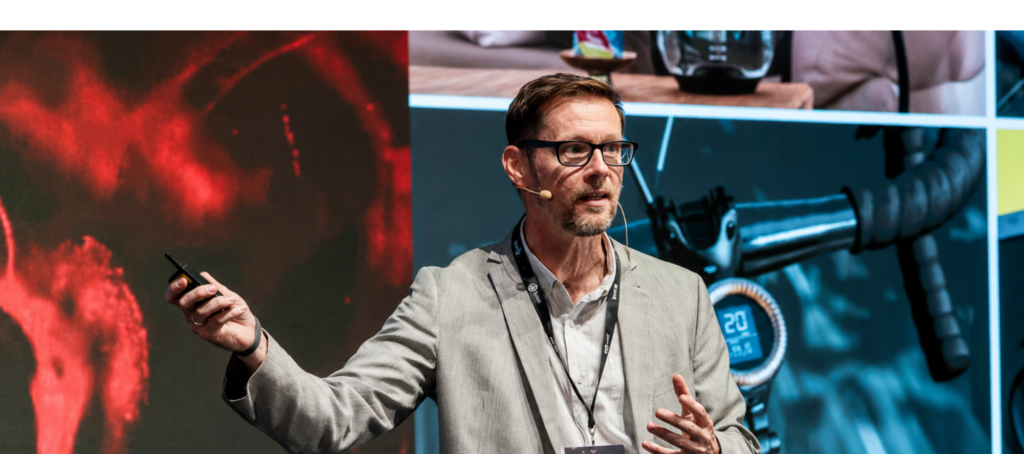
As part of GIF 2022 Virtual edition, Martha Hodgson (senior insight and strategy innovation consultant) spoke to Greg Hoffman (author and ex-CMO at Nike) about the moment of inspiration that led him to Nike, how the mantra of ‘dream bigger’ has influenced him, and the art and science of innovation.

Complete the form below to watch the webinar

|smart packaging||

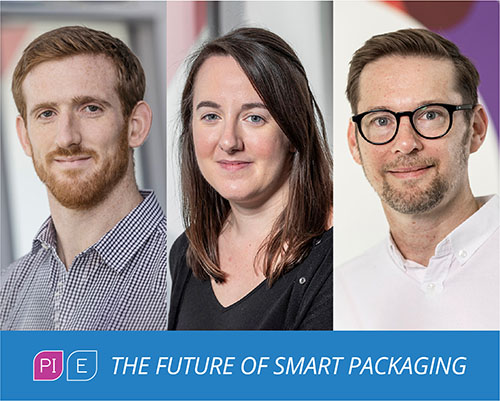
Smart packaging is maturing, and the global market for smart packaging is predicted to grow exponentially. Still, ideas about smart packaging’s use tend to be limited to applications we’re already aware of. In this future-gazing webinar, CDP’s Matt Morris, Amy King, and James Harmer explore our recent work in developing smart packaging. Discussing new opportunities for smart packaging, they look particularly at how it can enhance packaging sustainability.

Complete the form below to watch the webinar

smart packaging

Smart packaging is maturing, and the global market for smart packaging is predicted to grow exponentially. Still, ideas about smart packaging’s use tend to be limited to applications we’re already aware of. In this future-gazing webinar, CDP’s Matt Morris, Amy King, and James Harmer explore our recent work in developing smart packaging. Discussing new opportunities, they look particularly at how smart packaging can enhance packaging sustainability.

Complete the form below to watch the webinar

The lockdown beauty trends here to stay

The lockdown beauty trends here to stay

Lockdowns, video calls and face coverings dramatically changed our relationship with beauty. Meanwhile, COVID-19 restrictions shook up how we bought cosmetics and skincare.

Jessica Platt, Associate Insights Researcher, examines how beauty habits changed and which are set to last.

How lockdown changed beauty

Months of virtual meetings, dinner parties and quizzes made us ask whether our existing cosmetics could keep us looking camera-ready all day.

But while online with FaceTime, Teams and Zoom, in the physical world we stepped back, observing the social distancing rules, and hiding behind face coverings. It’s no surprise that these two extreme worlds ignited new consumer behavior:

We became beauty DIY experts

Hair and nail salons closed, yet hair and nails stubbornly continued to grow. While some of us embraced hair bands and visible roots, others took matters into their own hands.

Amazon reportedly achieved a 172% year-on-year increase in sales of hair coloring products for the four weeks ending April 11, 2020. Nail care sales increased by 218% in the same period.

Post-lockdown wait times for a cut and color suggest most consumers are eager to get back to the salon. However, some will continue to practice their newly honed (and money-saving) skills at home, presenting an opportunity for brands to expand into this category.

We tried independent brands

As online marketing replaced shelf presence, small indie brands found a (more) level playing field to compete for customer attention. It was no longer essential to have a large in-store presence to catch a browser’s eye. Instead, smaller companies could focus on sharing their message through social media and influencer marketing.

US-based medicated skincare brand Topicals is one such brand. Its Gen Z-focused packaging, website and social media presence drove momentum in a year when many small companies floundered. In August 2020, it announced a $2.6 million investment from investors, including Netflix CMO Bozoma Saint John.

We embraced self-care

In a time of uncertainty, people turned to self-care. This further expanded the definition of beauty as a category of products that nourish and support rather than mask perceived imperfections.

Despite specializing in products that deal with flaky and dry skin, Topicals firmly positions itself in the self-care (rather than medicinal) camp, with the strapline ‘Funner flare-ups’.

Pause Well-Aging, a US brand targeting menopausal skincare, is another example. Its website states, “Pause is more than just skincare. It’s a movement affirming that beauty gets better with age.” Instead of promoting the anti-aging properties traditionally touted on skincare packaging, it provides women with what they need to age well.

Also, a new need for hand cream arose as people sought to soothe dry hands caused by antibacterial sanitizers.

We braved online cosmetics shopping

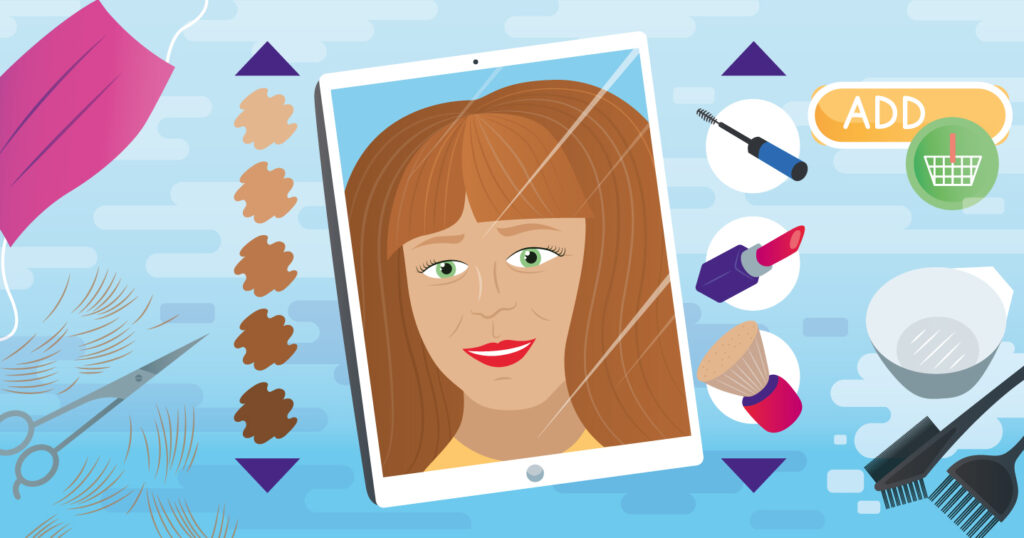
Before the pandemic, in-store shopping accounted for around 85% of make-up purchases. Beauty shoppers, who never purchased products without a trial and in-person advice (including me), were forced to dabble in online shopping. We began the painstaking process of working out which foundation shade, lipstick color or eyeshadow palette would suit us without the help of a tester. Though beauty brands have been exploring augmented reality (AR) and artificial intelligence (AI) for some time, lockdown accelerated its adoption. The technologies enabled customers to try on products from the comfort and safety of home.

Augmented Reality

L’Oréal saw usage of its virtual make-up tools rise fivefold during 2020’s lockdowns. Its ‘Virtual Try On’ tool uses AR to enable its website visitors to try on its products, either live using a phone camera or by uploading a photo. A feature that might once have appeared gimmicky, this option has become an essential offer for customers to experiment with new looks.

Premium brands, including Bobbi Brown and Chanel, have similar web-based AR technology that provides insights into how make-up might look when worn.

These brands demonstrated that this feature appeals to a far wider audience than Gen Z and Millennials already familiar with Snapchat filters.

Artificial Intelligence

US beauty brand IL Makiage, which launched in the UK in May 2020, solves the color match problem with a 90-second quiz. It asks consumers to look at images of people with different skin shades and identify which one most closely matches their skin tone. Images are repeated and refined until the customer is deciding between subtle differences in skin tone. It also collects additional information, such as skin type (oily, dry, combination) and vein color.

Results are analyzed using machine learning technology from NeoWize Inc, the Israeli AI company that IL Makiage acquired in 2019. Potential customers are presented with the foundation that’s best suited for them, along with the accompanying concealer.

Following the quiz, all the products displayed on the home screen are shown in the color most suited to your skin tone, making it easy to fill up your shopping cart in a few clicks.

Innovating for success – what’s next for beauty brands?

The past 18 months have taught us that the world can change in a moment. They’ve also taught us the power of innovation and agility. The most nimble brands can gain first-mover advantage. We’ve seen online presence, e-commerce and smart tools reaching consumers in a different way to traditional retail experiences, which is the new normal for many. Having seen what can be achieved in exceptional circumstances, beauty brands should feel confident about embracing future change. For an industry specializing in makeovers, this shouldn’t pose a problem.


References
||||||||||

Skincare range designed in Cambridge, made in Switzerland

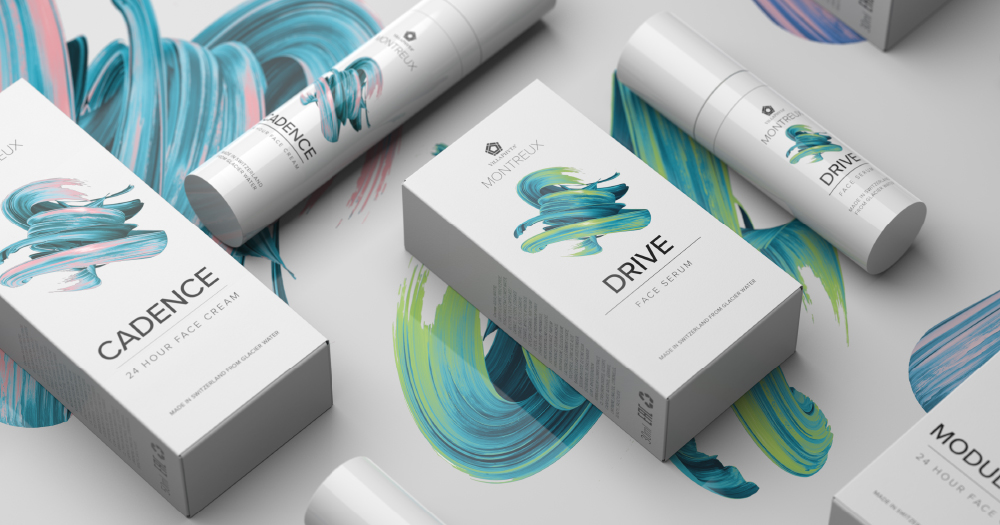
Cambridge Design Partnership (CDP) designed the new VillaPhyta Montreux skincare range for Arnebia. The products include daily creams, serums and elixirs to moisturize, even skin tone and provide sun protection.

“Our brief was to modernise the VillaPhyta Masterbrand whilst defining the positioning and visual identity for the Montreux sub-brand. Naturally we’re delighted with the beautiful packaging results and we’re looking forward to learning more about the launch success stories and commercial outcomes.”

Chris Houghton, Partner, Head of FMCG (FastMoving Consumer Goods).

VillaPhyta Montreux is steeped in provenance and natural ingredients. It’s blended and manufactured on the outskirts of Montreux in Switzerland. Ingredients include Swiss Glacial Water and local plant-based extracts from Edelweiss, Saponaria and Tamarindus Indica. Airless packaging and ampoule droppers enable precision dosing for the consumer, which give an implicit accuracy association that’s fitting for a Swiss-made product.

The design team took inspiration from this Swiss provenance and fact that the Montreux is home to the world-famous Montreux Jazz Festival, which has hosted big names over its 54 years, from Nina Simone to John Lee Hooker and BB King. The skincare collection’s product names even have a musical theme, including Solo, Cadence and Swing.

“We felt a degree of expressive flair was crucial for the visual language,” explains CDP designer Ben Kübler, who led the project. “We generated over a dozen early visual directions with varying degrees of personality. Working collaboratively, we came up with a free brushstroke motif, representing the Montreux jazz theme, contrasted against a simple white Swiss-inspired canvas with precise typography.

Cambridge Design Partnership work on body skincare product innovation

Colleague Dill Hill contributed to the project, bringing more than 25 years of experience in graphic design and illustration to the table.
“Dill developed and illustrated the brushstroke motif, creating the associated brand guidelines,” added Ben Kübler.

The team at Arnebia is delighted with the end result: “Ben and the team provided a wealth of creative ideas for us and were pivotal in formulating the most appropriate design direction for our brand and market,” says Alex Rabinovich, Lead Specialist, Arnebia representative.

This is the fourth project collaboration between CDP and Arnebia. “We find that the CDP team is always responsive, creatively collaborative and strategically insightful. Working with them helps guide the end-to-end design process and I always look forward to our update meetings,” concluded Alex.

Cambridge Design Partnership Body Skincare client
CDP Body Skincare project
Cambridge Design Partnership Body Skincare Innovation
Cambridge Design Partnership Body Skincare Best Solution

For further information and media enquiries, please contact: media@cambridge-design.com or call 01223 264428

Packaging - perceptions & preferences during the pandemic

Packaging – perceptions & preferences during the pandemic

When we ‘locked down’, as a nation we had very little idea what to expect or indeed for how long. Major behavioural changes have come about as a result of the pandemic and our lock-down experiences, but what has been incredible to watch, as someone who has spent many years looking at consumer behaviour, is just how big an impact the Covid pandemic has had on our global preoccupation with ‘consuming’, and our physical relationship with packaging.

Packaging perceptions

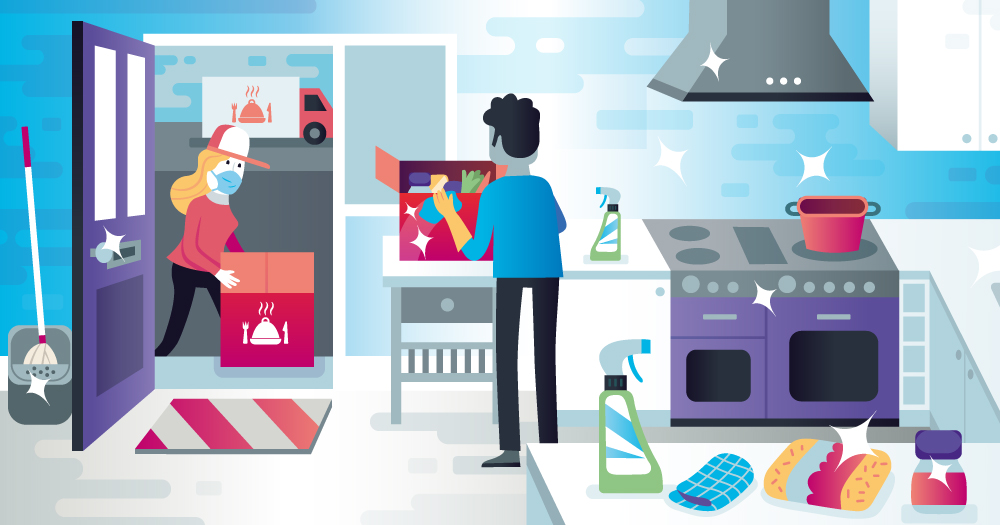
People’s perceptions of packaging have changed during the course of the pandemic. It’s fundamental role as a ‘first line of defence’ to protect our products came under scrutiny. With many questioning whether packaging itself could actually be a ‘superspreader’. During the first month of lock-down, as well as the government guidelines on how to socially distance and take precautionary measures, we adopted many more of our own. For example, every crate of food that was delivered to my front door was sanitised! It became a family event, getting bags of new products out on the worktop and wiping them down with disinfectant! Plastic bags that had once been banished became a ‘disposable saviour’ in the handling of food quickly and efficiently without prolonging time at the front door. Although I found this behaviour irrational after a few weeks, especially after the FDA and other respected bodies announced there was no data to support the notion that COVID could be transmitted via interaction with packaging, astonishingly a snap poll of 1,000 people interviewed in April 2020 by communication agency G&S, stated that 44% of respondents were continuing to clean products with disinfectant. Although this cleaning frenzy has now subsided and my family are back to the normal habit of letting me pack all the shopping away, single-handedly… the COVID pandemic has left a significant mark on our relationship with products and packaging.

Packaging semiotics

One of the areas where some marketeers have responded quickly, are the semiotics of packaging. This can be as simple as the language used on a pack to reassure consumers, in some cases, it can be a total visual overhaul. Clients in a large global soap manufacturing firm were considering the launch of a new visual identity for some of their brands in the midst of the pandemic. They told me recently that there was an immediate U-turn in keeping with the consumers need for reassurance about hygiene, responding to the pandemic. In this case “kills 99.9% of germs”, was a more reassuring message for consumers than ‘lifestyle’ graphics or colour schemes suited to the interior design of the bathroom. How long the u-turn will last is yet to be seen, but it’s clear that consumer reassurance is a high priority and will probably continue to be for some time to come.

A great case in point, when it comes to our relationship with packaging and how we handle our food, is fruit and veg. As part of the backlash against plastic, supermarkets were being encouraged to remove single use plastic wrappers around these items. But ‘naked’ vegetables, shrouded in protective shrink wrapping, have proven favourable over loose items during the pandemic. Clients in the beverage world have recently been exploring ways to generate new forms of secondary carry handles that enable consumers to pick up part of the pack that has not been handled by store staff, or indeed anyone else within the supply chain. Although this might seem unnecessary, consumers spend less than 5 seconds on average choosing products in frequented commodity isles. So leveraging consumer auto-pilot decision making that’s been influenced by a heightened awareness of risk avoidance and safety, will naturally present opportunities for brands to stand out, in commoditised categories where points of difference and unique product positionings are increasingly hard to find.

Packaging convenience

Of course, convenience has always been king in many of the decisions we make about the products we buy and the packaging we are attracted to. But this need increased during the lock-down period as pre-packaged meal kits enabled us to conveniently avoid the shops altogether and dramatically rose in popularity. I was ‘a Gousto virgin’ until April of this year. But I now eagerly await the delivery of restaurant quality cuisine delivered straight to my door in a chilled red box every week! Each part of the meal individually packed for convenience, pre portioned for exactly what’s needed as I don my apron and fool myself into thinking I’m Jamie Oliver. (For anyone that’s unfamiliar with the recipe box phenomenon, think painting by numbers with food). Although, you simply can’t avoid feeling guilty when putting a red Gusto box full of cardboard out for the weekly bin collection (as well as finding a way to reuse the fleece, included to keep the pre-packed food cool!). Gousto reported challenges in keeping up with demand on their packaging lines and Mindful Chef, offering a similar service reported a 425% spike in new recipe box customers during the lock-down period. A McKinsey report on the 2nd June stated that consumers have continued spending more time cooking at home and that most expect that the impact of Covid on their routines will last for well beyond two months. So as we re-evaluate how we want to shop post lock-down, it will be interesting to see if pre packed food delivered straight to your door dwindles or continues to go from strength to strength. What is evident in this increasingly buoyant e-commerce era, is that excessive packaging is at odds with manufacture, retailer and consumer commitments to move toward less packaging.

Conclusion

Consumers foundational packaging needs are safety, trust and the associated reassurance it provides. The Covid pandemic has exposed many associated consumer foibles and anxieties around the perception of packaging and its importance in our modern day world. It has also catalysed new future business models for how we might prefer to shop in convenient and reassuringly distanced ways in future. But we have yet to reconcile this with the increasingly important need to move away from excessive single use packaging, in light of the environmental crisis that still looms, albeit behind the immediate challenges of this Pandemic. Innovation will be essential in balancing all these needs in a new era of packaging that can reassure, add value and minimise the environmental impact. If you’ve enjoyed this article, watch out for my next instalment of the blog, where I wrestle with the challenge of packaging sustainability and some brave new ventures in response to the increasingly urgent need for radical ideas and innovation.


If you wish to explore packaging sustainability challenges and avenues for innovation, benefiting from CDP’s expertise across categories and markets, contact:


Stay Safe Quiz: Name that Brand A-Z|||||||

Stay Safe Quiz: Name that Brand A-Z

As lockdown restrictions slowly ease, for many there’s an enduring legacy of heightened awareness and behavioural change across the world. The coronavirus pandemic continues to devastate with loss of life and significant impacts to industry and people’s livelihoods.

Whilst situations vastly vary country to country, here in the United Kingdom, I feel heartened by the fortitude shown within communities to help one another during these difficult past few months. Locally I’ve witnessed a greater sense of togetherness, an appreciation of unsung heroes and selfless goodwill towards one another. Internationally, an array of innovations emerged from creatively designed and decorated facemasks, 3D printed hands-free door openers, through to building entire new hospitals and medical equipment in days.

These unprecedented circumstances have changed our everyday life, leaving us time to assess the things that matter most. Across our individual social, emotional and functional need states, we’ve collectively adapted and found ways to stay connected and to stick together.

One common form of connecting with each other during lockdown has been the growth of the ‘Online Quiz’, a very British response to missing weekly pub trivia and social engagement. Competing with colleagues, friends and family to test knowledge, in an entertaining and light-hearted way. Whilst this behaviour might sound alien and trivial to some of our friends overseas, it delivers on some of our most basic human needs. Socially, it connects us with others, providing a sense of belonging in a very primal, protection from the pack kind of way. Emotionally, it provides reassurance and certainty knowing answers are right or wrong rather than the ifs, buts and maybes we read and hear on the news. And functionally it stimulates our brain neurons to help our mental wellbeing which is especially important for those who are alone, vulnerable and/or self-shielding.

As a tribute to this behaviour and to continue its positive impact, I’ve authored a series of short quizzes to engage with, share and stay connected with others.

The quiz is called ‘Name that Brand A-Z’, which as the title implies, gives you 26 opportunities to identify a brand, organisation, individual or certification in alphabetical order. Some of the visual clues will be easy, others tricky and many tantalisingly familiar. Difficulty wise it’s pitched more ‘Millionaire’ than ‘Mastermind’, so it should be suitable to share beyond industry experts. There are six markets covered in this series giving a maximum score potential of 156/156. Any score close to a gross are clearly brand masters whilst many will be pleased to break the century. Good luck, enjoy and share with others.

Cambridge Design Partnership maintain stringent confidentiality towards all clients and related project work. We have no affiliation, endorsement or views towards the brands used for this game and have no responsibility or control with how this material is used subsequently by others.


Part 1: FMCG & Digital

The first quiz pairs Fast-Moving-Consumer Goods (FMCG) and Digital apps. These are the brands you scroll through on your phone and tablets providing on-demand services. Those you ponder when ordering online groceries or compare in the supermarket aisles whilst filling your trolley. Online grocery and e-commerce have accelerated during lockdown as people physically distance themselves and remain at home, this trend will only grow further over time. I hope you enjoy this espresso sized, coffee break distraction.

CDP_Name-that-brand_healthcare4
CDP_Name-that-brand_healthcare5

Part 2: Consumer & Healthcare

The second quiz pairs Consumer and Healthcare brands. These contrasting markets and companies have continued to provide life-saving medical treatment and equipment as well as clothe, entertain and connect us together. Healthcare companies have needed to become agile during this period and have adapted quickly to new emergency authorisation measures. In a collaborative effort we’ve seen consumer companies such as General Motors help the manufacturing efforts for ventilator production as global demand outstrips supply. However, it’s diagnostic testing that’s proven invaluable to inform management given the absence of effective therapies or vaccines. I hope this micro-dose of mental stimulation helps you and others to stay positive.

Web-Graphics_CDP-name-that-brand_consumer
Web-Graphics_CDP-name-that-brand_healthcare-1

Part 3: Luxury & Sustainability

The third quiz pairs Luxury brands and Sustainability organisations, individuals and certifications. Locally, many people have been walking and cycling more becoming increasingly reliant on local stores to replenish stock levels. Our environmental footprint collectively has reduced by default during lockdown with no international travel and working from home lowering our fuel consumption. Whilst greenhouse gas emissions have reduced, and air quality improved during this period it’s not a substitute for a stronger stance and strategy to address climate change.

With the associated economic downturn our spending has been more conscientious and conservative by choice or necessity. This has left the often-overindulgent Luxury category to be even more exclusive and removed from everyday life and reality. However, to say Luxury and Sustainability are mutually exclusive would be wrong. One famous luxury slogan which resonates is “You never actually own a Patek Philippe. You merely look after it for the next generation” which is true of so many things including planet Earth itself.

CDP_Name-that-brand_luxury
A-Z-Pages2
Testing times

Testing times: adapting user insights research for a new era

As COVID-19 related distancing threatens established methods of engaging with consumers and patients, Ben Kelsey and Andres Barrera reflect on how to support innovation projects with ‘hygienic’ user research tools and techniques!

The ability to travel and observe how people live in their cultural context is a privilege, and an asset to a researcher’s toolkit. It enables us to elicit the insights that can develop new commercial strategies, and it allows our design and technical teams to create the new products and experiences that deliver critical benefits. So, a global pandemic would, at least on the face of it, seem a high barrier to the ‘day job’.

However, to preserve the global economy, businesses must and will adapt, therefore products and services must also evolve and reinvent themselves for this new environment. The emotional rollercoaster that many families are currently experiencing will certainly influence their behaviour, and understanding this may offer a valuable insights into potential long-term changes in habits and attitudes that will provide innovation opportunities in the future.

Our broad tool-kit and research expertise has developed over the last ten years to include both physical and remote insights capture and validation methods. The challenge is knowing the right tools to use and having the experience to deploy them to maximise results. No one tool is perfect for every task because the research objectives and budgets can vary significantly, but the starting point is that there is much to be gained, and little to be lost, by a learning engagement with your future potential customers.

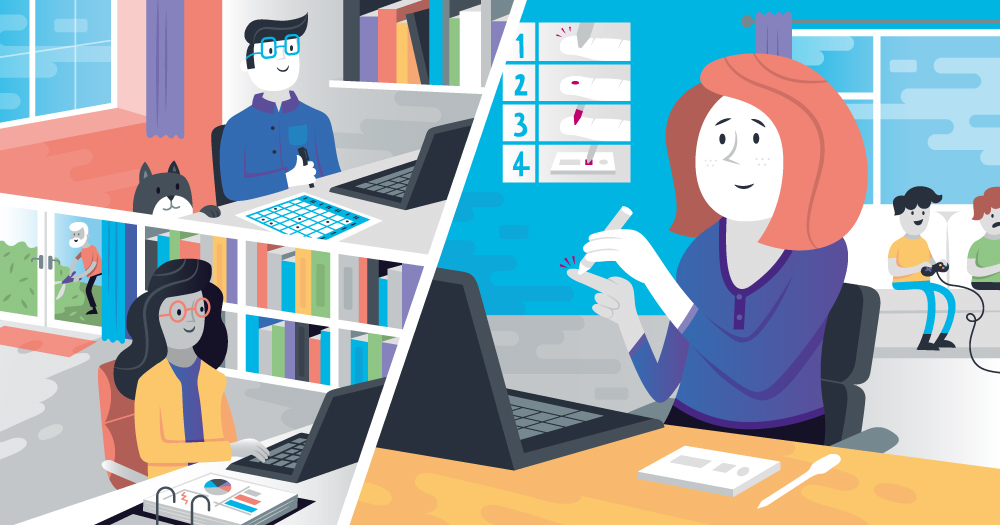
As long as travelling to users’ houses is prohibited by the need for social distancing, traditional ethnography is impractical. However, online ethnography can go some way to replace it. Users can self-facilitate their interview, creating a series of short recordings on their smartphones across a series of scenarios which have been pre-defined by the moderator. This enables researchers to gain a valuable visual, narrated snapshot of respondents’ lifestyle, behaviour, shopping environments and product usage.

Today, it is estimated 3.5 billion people around the world have a Smart Phone1. So these digital methodologies can access populations and user groups with greater ease and speed than face-to-face methods including ‘hard to reach’ populations in a way that was not previously possible. Furthermore, remote research allows the moderator and the observers to gather the insights captured within the participant’s natural environment; allowing the participant to be more relaxed and more instinctive behaviour to be observed, with sessions scheduled around the participants’ daily routine. At a practical level this can enable recruitment of wide diversity, both by geography and consumer segments, typically at a lower cost that physical field observations.

Our research and insights team is made up of a variety of subject matter expert backgrounds, including psychology and anthropology, science, and design. The objective of our work, whether for consumer or healthcare markets is always to creater a better, and more intuitive experience. Human Factors and Usability trials are another research activity that has been impacted by COVID-19, and this service has also benefitted from a creative approach and constantly expanding tool-kit to ensure client’s critical path healthcare development programmes remain on course as we switch to remote methods.

How we run online remote usability testing

There are three key questions we ask partipants which measure product desirability and usability:

“Does it fit in with the way I do things?”

One way we explore this is by gaining feedback on product workflow using storyboards or demonstration videos and animations which can be shared online. These tools are great for communicating assumptions and quickly learning whether they resonate with users and reflect how they do things. Study material can be shared prior to the session or presented to the participant during it.

“Can I understand how to use it?”

Gaining feedback on visual design and the hierarchy of information helps to validate mental models embodied in the design. This can be done using images, walkthroughs and interaction simulations to explore specific user interface features, i.e., interpretation, legibility, navigation, etc.

Each step of the user experience can be explored with the participant to determine their understanding of the device state and asked what they would do next.

“Am I able to physically use it?”

We can obtain richer feedback on physical interactions by posting test packs to the study participants. These might include, for example, handling models or low-fidelity prototypes, and briefing materials, which can be used in a range of ways – both moderated and unmoderated, depending on objectives.

3D printing is a great tool for this. We can print and finish a ‘looks-like’ model, and a 3D-printed headset allows them to video the encounter with their phone. We have also, as a matter of course, been including a personal hygiene pack and instructional information on measures to minimise virus contamination risks.

Participants are encouraged to ‘think out loud’ and walk through the overall experience with the device. This footage is then used by the research team to ask follow-up questions via video calls, to better understand use challenges or frustrations.

Heuristic analysis

Some tools avoid the need for usability testing with real users at all. One is heuristic analysis; an evaluation method which draws upon the collective knowledge and experience of a team of expert interaction designers and usability engineers to evaluate a device or concept against a set of pre-agreed criteria. This can also be expanded to consider capability loss or through exercises such as “walk-in-my-shoes” or using capability loss simulations. It provides a powerful empathetic solution when the target users are hard-to-reach, rare patient groups or are part of a niche consumer population.

Data logging

An approach we have pioneered at CDP is the use of data loggers hidden in prototype products, a service we call diialog. This allows a subject to receive a prototype device or packaging sample and naturally engage with it in their day to day routine in trials lasting up to a month, when it is eventually returned. At this point we download the stored data and analyse it to understand how the subject actually used the product.

This digital technology has been deployed successfully on research devices ranging from drug delivery systems to vacuum cleaners, both in concert with, and without a written diary.

As experienced researchers, we all know that there is no perfect single test method – but when faced with very diverse innovation challenges, the starting point is always collaborating closely with our clients to fully understand their objectives, and a broad and evolving toolkit to call upon! As an end-to-end innovation partner, we understand the importance of asking the right questions in order to uncover the right evidence to craft the right solution that is both desirable and safe for the user.

With a return to widespread physical in-home research some way off, you may be wondering how you are going to maintain your NPD critical path; whether you are in the early ‘explore’ phase of an innovation programme, or needing a decisive validation test result, if this feels like your current situation we would warmly encourage you to get in touch for a chat about your current research challenges, and some of the latest options that may be open to you.


References:

1. https://www.statista.com/statistics/330695/number-of-smartphone-users-worldwide/

The future of product replenishment|

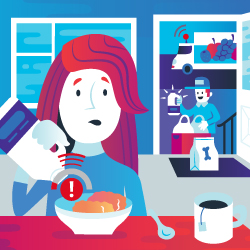
Since being unveiled in 2015 Amazon’s dash buttons have drawn a lot of attention. Their premise is simple: to remove the tedious task of reordering household items and keep customers coming back to shop at Amazon.

Consumers stick the brightly coloured buttons around their home and press when products are running out. The button, connected to your home Wi-Fi, is specific to an individual item and customer. One in the kitchen for milk, one in the bathroom for toothpaste… the list goes on. But in February Amazon confirmed it has retired the physical button from sale1, in favour of virtual alternatives.

Thanks to the increasing prevalence of on-demand services and the constant search for improved customer service, consumers are beginning to expect products and services at the exact moment of need. Companies like Amazon are trying to reach a utopia where their customers do not have to think about restocking at all. Why would consumers go to the effort of pressing a physical button, why can’t our gadgets keep an inventory of our core goods all by themselves and reorder when needed, leaving us with free time for more important things?

Progress of replenishment technology

Consumers are increasingly using voice assistants, like Alexa, Google Assistant or Apple’s Siri, to reorder groceries. The Alexa Voice Shopping app lets consumers inform their device about an intent to purchase and it will suggest items to buy based on their previous order history.

Subscription services are also a fast-growing channel to buy items online that offers consumers convenience as well as a seamless in-home experience when the items are delivered automatically each month. One of the most popular subscription services2, Amazon’s Subscribe-and-Save program allow customers to automatically receive their favourite items, eliminating the need to reorder and offering an added incentive of discounts on items. But consumers still need to sign up to the service and remember to alter or amend their subscription when needed, e.g. ordering more at Christmas or stopping orders while they’re away.

If consumers want something more intelligent that takes account of changing levels of consumption a closed loop system that monitors stock is needed. It doesn’t have to mean investment in thousands of pounds worth’s of connected appliances. Why splash out on a smart fridge when, with the right technology, you can add intelligence to appliances you already own. Cameras, computer vision techniques and sensor technology coupled with advances in machine learning are making the reordering process more seamless by detecting consumption patterns of individual products.

CDP has developed a range of technologies to monitor stock consumption. Our approach involves using consumer led research to identify underlying consumer needs, enabling us to create products that consumers will love, and which meet commercial aspirations. We really wanted to create something that would enable consumers to get the benefits without having to completely redesign their homes. So we integrated electronics and sensors into textiles that can be placed within the current home environment, such as fridges or cupboards, to monitor stock usage. The electronics are detachable and the textile dishwasher safe for added convenience for the consumer.

To really create value for consumers, you need to not only capture consumption patterns but to link this data with a user’s purchasing history. Knowing how many times you’ve used your washing machine isn’t really very helpful unless the system also knows when you last purchased washing detergent. Then it can calculate when you will run out and hence the perfect time to re-order. Amazon’s Dash Replenishment service anticipated washing machines, pet feeders, coffee makers and printers with built in Dash functionality. A sensor in the product automatically detects when supplies are running low and combined with users purchasing data from their Amazon account, enables efficient reordering without any human interaction. But this requires consumers to replace existing devices and commit to using Amazon as their supplier, when it would be preferable in the short term to be able to embed technology into existing machines and to be able to switch providers.

Consumer first?

Compared to consumer markets, the industrial sector often has a lower barrier to entry and is often quicker to adopt new, pricier technologies as the benefits can be more easily quantified and scaled. There are several industrial applications of replenishment technology. Tracking food and inventory stock in industrial kitchens for example is a natural home for the technology, to reduce stock wastage or identify out of date food. Outside of the food industry it could be used for supply chain and inventory management e.g. tracking stock in a warehouse or medicine in a hospital setting. Similarly, to the consumer world, this doesn’t have to mean completely refitting warehouses or buying expensive intelligent systems but retrofitting technology to suit the environment and need. Whilst the end-goal is of course a fully integrated closed-loop eco-system embedded into our day-to-day lives, it will likely need 10-20 years of retrofit solutions to enable the users, the technologies, the costs and the benefits to align.

Developing a seamless replenishment process may sound slightly underwhelming, and dare I say a little dull, but the underlying technology has wide ranging ramifications from fundamentally changing the way consumers shop and interact with brands and retailers, to aiding sustainability through reducing food waste and carbon footprints.

At CDP our consumer driven, and technology agnostic innovation approach allows us to develop new products that satisfy proven unmet needs and create commercially valuable opportunities. We believe that technologies like replenishment when mature can significantly influence social trends and generate the tipping points that can open large, mass market innovation opportunities.


References

[1] cnet.com, [Online]. https://www.cnet.com/news/amazon-stops-selling-dash-buttons-goofy-forerunners-of-connected-home/
[2] mckinsey.com, [Online].https://www.mckinsey.com/industries/high-tech/our-insights/thinking-inside-the-subscription-box-new-research-on-ecommerce-consumers

As you may have seen in the news recently, Unilever have bought the UK snack business Graze, well-known for their healthy-snack subscription service. Subscription is an example of a growing trend in e-commerce and a recent Mckinsey survey found that 15% of US online shoppers have signed up to an e-commerce subscription service in the last year.

Our approach to innovation looks for three converging factors, market need, technical opportunity and alignment with business goals. So how does this trend match up to these metrics?

The need for alternatives to simply buying products or services when you need them has been around for a long time. Those of a certain age will remember ‘pay weekly’ catalogues and record clubs promising you that essential collection. Back in 1856 the Singer sewing machine company first invented the hire-purchase plan and as a result individuals, with even meagre income, could increase their productivity, earn more money and improve their position in life.

Today, urban millennials are changing their views on the value product ownership and are seeking new and exciting experiences. So we can see these new services emerging in four ways.

1. In an age of almost infinite retail choice where your style is expressed instantly on social media, it is important to choose carefully. Help is at hand as retailing and entertainment merge, with new mobile platforms providing free entertainment not paid for by adverts or subscriptions, but by retailing products featured in the shows themselves, providing instant product credibility. Meeting the same challenges are services that personalise your shopping for you. Baskets are put together specifically to meet your profile and requirements in clothing, beauty and food markets.

2. Most people’s lives are cluttered with products that they only need occasionally. There are several platforms where you can either hire high value products for short periods when you need them (Car2Go, Mobike). This idea has also extended to allow you to share your own car, parking space, wi-fi, or professional skills with local customers, sharing the cost of ownership. In the B2B environment, many software companies are moving their products to renting, subscription and cloud-based services. This has certainly been successful for companies such as Adobe.

3. A development of the ‘Freemium’ model well used in software, is where discerning customers are offered subscriptions to enhanced performance of a basic service that is free. It is adopted widely by services such as Amazon Prime, Spotify Premium, iCloud and others. Along the same trajectory are services where you can buy the ‘peace of mind’ that comes with access to expensive services that you will probably need sometime in the future. This is close to traditional insurance, but that tends to be a distress purchase, and this is not. These are services such as premium healthcare, pet healthcare, car servicing and domestic maintenance paid for on a monthly subscription to guarantee access when you need it with no hassle.

4. Subscription models can also be used to provide discounts that are, or appear to be, the result of economies of scale. Wine clubs and wholesale warehouses used to work that way as groups of consumers together could access markets and prices that individually they could not. This also goes for discounts that are negotiated with chain retailers on behalf of collective subscribers. This idea has also been extended to trading your repeat business for discount prices, Amazon ‘Subscribe and Save’ being an example. Finally, the subscription can simply avoid you having to a buy a commodity yourself, so it gets delivered automatically. Examples are businesses suppling razor blades, diapers and entertainment.

So how has the digital revolution enabled these new approaches? One example is the rise of entertainment streaming that takes our attention for hours each day. The huge choice and convenience of streaming is a game changer, and the audience provides an opportunity to deliver other services in parallel to those multi-tasking digital natives.

Many new offers are only of interest to specific customer groups that previously were too small and expensive to access profitably. E-commerce, highly targeted digital marketing and the distribution infrastructure it has created allows business models that are highly customised to the needs of small groups of consumers. This ability to cost effectively exploit the ’long tail’ of consumer needs and to match locally delivered services over whole continents to many customers is also a basic enabler.

When personalising a product or service, your history and preferences, and that of similar customers, can be used to help automate the creation and delivery of that unique experience. Your digital footprint can allow technology such as AI to accelerate this process further, to create delightful experiences that customers value and return for. Some digitally enabled services have low marginal costs so can be delivered immediately to the customer even if payments are gathered slowly into the future, providing an instant and fulfilling experience at the point you sign up.

Finally, the ubiquity of the smart phone has not only created a standardised access platform, but it has also created an effective interface between the digital and physical world. It can take payments, authenticate purchases, allow physical entry to entertainment venues and remote accesses to bikes and cars.

Convenience, choice and value are at the heart of the success of e-commerce, but new models such as subscription services also help to ensure repeat business and customer loyalty. Sometimes because they enable great services, but sometimes because customers forget their bank account is being debited by a small amount each month long after the service has lost its appeal. Entrepreneurs should watch out for a consumer backlash should too many services fail to meet expectations and fall into this category. Indeed, the McKinsey survey found that many customers were introduced to new subscription services through personal recommendation, but in some categories up to 70% of new subscribers cancelled when they found the offer did not match their expectations. We all have experienced subscriptions that are much easier to take out than cancel, which indicates businesses that are not completely confident in the value they offer.

At CDP, our Potential Realised innovation process helps identify real customer needs and technology opportunities. We then go on to create digitally enabled products and services that can deliver real, lasting value to consumers. Subscription based or not, we believe that creating the most appropriate solution to customers is the foundation for e-commerce success.