

graphics_hero_dd-to-the-brain

Drug Delivery to the Brain: Engineering Precision Across Novel Modalities

Neurodegenerative diseases such as Alzheimer’s disease (AD), Parkinson’s disease (PD), motor neuron disease (MND, including amyotrophic lateral sclerosis, (ALS)), and frontotemporal dementia (FTD) remain areas with limited disease-modifying treatments. Therapeutic pipelines in this area are increasingly dominated by antisense oligonucleotides (ASOs), RNA interference (RNAi) molecules, monoclonal antibodies, and viral gene therapies such as adeno-associated virus (AAV). These modalities offer the potential to modulate genetic pathways, reduce toxic proteins, or deliver genes to modulate disease pathways.

Drug development must therefore evolve in parallel with delivery system design.

Once a modality is defined, the delivery strategy and device architecture required to administer it safely, precisely and effectively must be developed alongside it.

Why New Modalities Require Bespoke Approach to Delivery

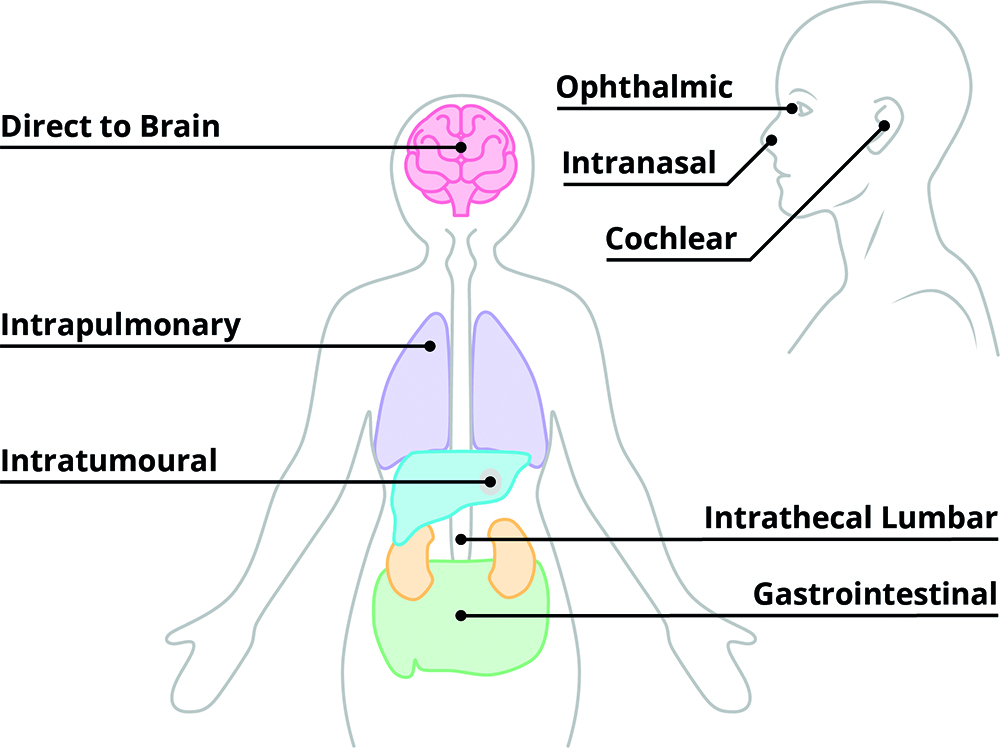
Many of the emerging central nervous system (CNS) modalities have delivery requirements that differ fundamentally from traditional therapeutics. ASOs and RNAi therapeutics, for example, require broad CNS exposure and are therefore commonly administered into the cerebrospinal fluid (CSF) rather than via more localised, parenchymal approaches. CSF flow is largely pulsatile and oscillatory, with a slow net movement along the spine. After lumbar intrathecal administration, for example, these transport dynamics together with limited diffusion and tissue uptake, usually cause the drug to stay concentrated near the injection site and to decrease progressively as it travels upward towards the brain. Because these molecules are highly charged and diffuse slowly, such gradients persist, limiting penetration into deep structures without controlled flow. Device requirements should therefore include precise catheter placement, controlled infusion, prevention of local pooling, and repeat dosing capability.

In contrast, large proteins such as monoclonal antibodies must reach cortical, subcortical, or deep-brain regions, necessitating intracerebroventricular or intraparenchymal delivery. Devices must incorporate many elements to ensure targeted delivery such as reflux-resistant geometries, strategies for targeted spatial coverage, controlled infusion profiles, and low-adsorption materials to prevent protein aggregation.

Viral gene therapies impose some of the strictest demands on delivery systems. AAV vectors are sensitive to shear forces, turbulence, surface adsorption, and pressure changes, and maintaining capsid integrity throughout preparation and infusion is critical. Delivery systems must include ultra-smooth internal surfaces, gentle and stable low flow rates, inert materials, and high-precision targeting of deep structures.

In these cases, the delivery device becomes an integral component
of the therapeutic product.

Device Engineering as a Core Component of Drug Development

When delivery impacts therapeutic efficacy, the device effectively becomes part of the therapy. The mechanical, geometric, and material requirements of a delivery system must therefore be defined not only by clinical considerations, but by the physical and biological behaviour of the therapeutic agent and the tissue it enters. In the CNS, this means accounting for the poroelastic nature of brain tissue, how it deforms, absorbs, dissipates, and redistributes fluid under pressure. These properties vary markedly between grey and white matter, differ across deep nuclei and cortical layers, and evolve dynamically as disease alters cellular composition, extracellular matrix structure, and hydraulic resistance. Such heterogeneity means that a device designed for one anatomical context may not perform predictably in another, even at identical infusion parameters.

Because these biological factors directly shape how infusate spreads, engineers must design delivery systems around the interplay between modality constraints and tissue mechanics. This shifts the focus from simply handling the molecule to engineering the conditions under which it travels. Cannula-based systems, for example, are one way of addressing this focus and key decisions include selecting tip geometries that balance mechanical stability with minimal insertion trauma; choosing port architectures that control local flow vectors and prevent jetting or backflow; and tuning lumen dimensions and surface properties to reduce adsorption, shear-induced degradation, or clogging under clinically relevant conditions. Each of these choices dictates how the therapeutic is introduced into the tissue microenvironment and how reliably it follows intended distribution pathways.

Beyond the insertion device itself, infusion strategy becomes a critical engineering parameter in its own right. Flow rate, pressure control, and infusion timing must be optimised to avoid exceeding the tissue’s capacity to deform safely, a threshold that varies with pathology, age, and regional structure. In some contexts, a constant-pressure approach stabilises the infusion front, while in others, constant-flow allows more predictable volumetric spread. Incorporating features such as pressure-relief paths, multiport configurations, or dynamic flow modulation can further tailor distribution when a single port or monotonous flow profile is insufficient. The device, in other words, does not merely deliver the therapy, it shapes how the therapy propagates through complex biological substrates.

Thus, the therapeutic modality defines the device’s safe and effective operating window, from acceptable flow ranges to port geometry and infusion timing.

Integrating these constraints into device architecture is what converts a therapeutic concept into a deliverable intervention, shaping dosing, distribution, and clinical performance. This perspective anchors the subsequent design decisions and highlights why device engineering must evolve in parallel with emerging therapeutic modalities.

Research and Modelling: Validating Drug–Device Interaction

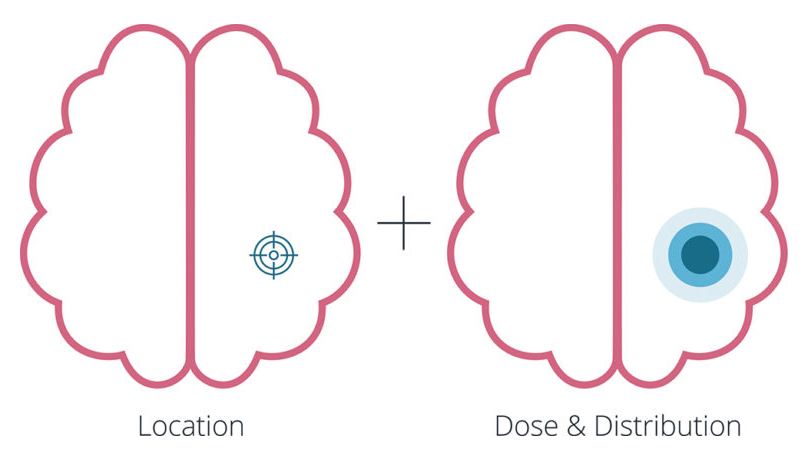
Ensuring a therapy reaches the right place (and not off-target), in the right amount, requires evidence. That evidence comes from a spectrum of approaches. In-silico modelling is often the first step, using first-principles physics, computational fluid dynamics, or finite-element methods to explore how a device, a therapeutic, and the brain’s microstructure interact. These models account for tissue porosity, elasticity, white–grey matter boundaries, fluids viscosity and dynamics, and pressure gradients to forecast how an infusion will spread before a single experiment is run.

But simulations are only as good as the worlds we build for them. Brain-mimicking hydrogels and 3D-printed phantoms provide physical testbeds where model-based predictions are challenged and refined. They make flow visible, enable rapid parameter testing, and allow researchers to probe failure modes without the constraints of animal work. These platforms narrow uncertainty and help translate computational insights into practical infusion parameters, helping guide device design.

Animal studies deliver the critical translational step, revealing how elements such as distribution, tissue response, device–tissue mechanics, and (for gene therapies) transgene expression play out in vivo. Here, the goal is not just to confirm spread, but to understand how biology responds to the physical act of delivery, a dimension no model or phantom can fully capture.

Together, these stages form an iterative design–test–refine loop, which is essential for reliable, modality-specific CNS delivery.

Collaborative Expertise and Scientific Frameworks

Because device-based delivery is integral to being able to achieve therapeutic effect of these modalities, progress depends on teams that can bridge biology, engineering, modelling, and clinical practice. Each discipline contributes a different piece: drug discovery teams define the therapeutic goal and target exposure; engineers translate those needs into device and flow-system architectures; modellers anticipate how an infusion will behave in complex tissue or fluid; neurosurgeons test procedural feasibility and targeting; imaging specialists verify where the therapy actually goes; and human factors experts ensure the device can be used safely and reliably in real clinical settings. Innovation emerges at the intersections of these disciplines, where insights are shared and refined.

To support this, many organisations draw on multidisciplinary scientific advisory boards (SABs) that span neurodegeneration, biomaterials, computational modelling, device engineering, neurosurgery, and regulatory science.

These boards provide an early-warning system for delivery challenges, shaping designs and validation strategies and ensuring that device performance stays aligned with biological and clinical requirements.

Complementing this are pre-competitive collaborations, modelling consortia, shared phantom libraries, device-testing networks, and harmonised imaging datasets, that give teams a common scientific language. These shared resources reduce duplication, improve reliability, and accelerate the path from concept to clinically deployable delivery systems.

Conclusion

Novel modalities, including ASOs, RNAi agents, antibodies, and viral gene therapies, represent the leading edge of neurodegenerative therapeutic innovation. But realising their full potential depends on delivery systems that are precise, reliable, and tailored to each modality’s unique demands.

Device design and engineering must therefore advance in parallel with drug development, supported by rigorous modelling, interdisciplinary expertise, and integrated scientific frameworks. By uniting therapeutic design with delivery system innovation, the field is laying the groundwork for meaningful progress in neurodegenerative diseases and accelerating the pace of CNS therapeutic innovation.


|||||
By Cambridge Design Partnership

Delivering complexity: device considerations for two-component injectable formulations

Featured in ONdrugDelivery, María FM Balson shares her expertise in device selection for two-component injectable formulations, and why this product area is becoming increasingly important.

Since the 1980s, when modern-day prefilled syringes (PFSs) and intravenous (IV) bags became prevalent, injectable drug delivery has steadily moved towards ready-to-use formats and integrated devices – as evidenced by the widespread adoption of self-injection devices such as autoinjectors and pen injectors.

Human factors considerations, now recognised as integral to safe and effective use of such drug-device combination products, have driven a clear trend towards simpler, more automated solutions with fewer use steps. This shift has enabled at-home care for more therapies than ever before – a key development given the growing strain on healthcare systems.

Nevertheless, the delivery of certain drugs, such as lyophilised injectables, often remains burdensome and dependent on administration by specially trained professionals. As injectable therapies evolve and become more complex, unique challenges and opportunities emerge.

Two-Component Injectables on the Rise

Let’s define two-component formulations as those consisting of two parts that, for stability or other reasons, must be kept separate throughout the product’s shelf-life, and are delivered together at the point of administration. The two constituent parts may be a solid drug and a liquid solvent or diluent (e.g. sterile water for injection) that must be mixed thoroughly before use. Alternatively, both constituents may be liquid, in which case they may either require mixing prior to delivery or be delivered sequentially (Figure 1).

Dual chamber syringe system​ diagram
Figure 1: A simplified model of two-component injectables, classified according to the state of matter of constituent parts.

The Archetype: Solid/Liquid Reconstitution

Reconstitution is the process of adding a liquid solvent to a solid medication to dissolve it and form a solution. This may be required, at point of use, when a drug is unstable in liquid form and must therefore be stored dry. In such cases, the formulation is often filled as a liquid and then lyophilised (freeze dried) in situ. Alternatively, it may be manufactured and handled as a powder.

Freeze drying is an effective way to increase formulation stability. For small molecules, it can eliminate the need for cold-chain storage. For biologics (especially those that are large, complex or prone to aggregation) it can be a necessity in order to achieve an acceptable shelf-life.

“Lyophilised formulations now represent over 30% of all FDA-approved parenteral medications – and demand for lyophilised parenteral products is increasing.”

Lyophilised formulations now represent over 30% of all US FDA-approved parenteral medications1 – and demand for lyophilised parenteral products is increasing, as evidenced by past drug approvals (~35 such drugs were approved by the FDA each year over the past decade, compared to ~12 per year in the decade prior2). Considering lyophilised parenterals approved in 2023, oncology and infectious disease indications represented the largest share, together accounting for ~75% of total approvals.2

As lyophilisation is on the rise, so too are devices to simplify reconstitution. A wide range of solutions are available beyond the well-established vial-and-syringe method – from primary container adaptors to dual-chamber systems.

Solid/Liquid Suspensions

Suspensions are a dosage form in which insoluble solid particles are mixed into a liquid medium. They enable delivery of insoluble drugs and can be used to formulate long-acting injections. Suspensions may be supplied as separate wet and dry components (in which case the liquid phase is added to the solid phase and mixed prior to administration) or in a single primary container that is shaken to resuspend.

While solutions can readily be reconstituted with gentle swirling, suspensions usually need a greater energy input to achieve even mixing – the required amount varies greatly depending on the chemical and physical properties of the formulation. In some cases, vigorous shaking is insufficient and benchtop equipment, such as a vortex mixer, must be used.

Given sufficient energy input, the particles will be uniformly dispersed within the liquid, however the resulting mixture will be heterogenous and unstable; it will eventually settle. Therefore, suspensions must be thoroughly mixed immediately before use. Inconsistent dispersion can lead to inaccurate dosing or needle clogging – persistent challenges for device integration.

Injectable suspensions are becoming more prevalent, particularly for severe chronic conditions such as schizophrenia and HIV,3,4 where extended-release formulations are of particular value and which are often reliant on a suspension format to produce a long-acting depot. When formulated as separate wet and dry components, these products largely rely on vial-and-syringe or vial-adaptor workflows, with the occasional exception, such as Eligard’s reciprocating syringes, or the Abilify Maintena dual-chamber syringe.3,4

Liquid/Liquid Mixtures

Injection of two-liquid mixtures is rarer but not unheard of. Two liquids may be mixed and delivered together out of:

  1. Necessity: when a formulation consisting of two fluid phases is unstable in mixed form, but must be mixed prior to injection in order to achieve the intended therapeutic effect (e.g. API and polymer solutions that mix to form a long-acting depot).
  1. Convenience: if two liquid formulations are frequently administered together, such as in combination vaccines, pharma companies may choose a dual-chamber presentation over developing a coformulation, such as with Vivaxim.6 In this case, mixing isn’t necessary but rather a side effect of leveraging mature dual-chamber systems (which mix the two liquids prior to administration) rather than betting on more niche sequential delivery technology.

Sequential Delivery of Two Liquids

Sequential delivery of two different liquids through a single needle or injection port has been proposed for combination therapies, as well as for IV drug administration through a vascular access device (with the drug preceded, or followed, by a catheter flush).7

While there are several delivery technologies in development that might enable these use cases, only one combination product in this category is on the market at the time of writing, according to data from PharmaCircle. The DuoDote emergency-use autoinjector, based on a custom primary container, sequentially injects atropine and pralidoxime chloride. It is approved for treatment of nerve agent or insecticide poisoning.

Choosing the Right Device

Choosing the right device for a two-component injectable is often an exercise in trade-offs, highly dependent on the properties of the formulation itself, indications for use and the stage of development. Hereafter, this article will assume that a two-component injectable consists of separate wet and dry constituents that are reconstituted prior to injection, unless otherwise stated. This section will briefly cover the range of available technologies, and factors to consider when it comes to device selection.

“Choosing the right device for a two-component injectable is often an exercise in trade-offs, highly dependent on the properties of the formulation itself, indications for use and the stage of development.”

Vial and Syringe: Trusty but Burdensome

Two-component injectables are often supplied in vials, with off-the-shelf (OTS) needles and syringes used for fluid transfer and subsequent injection (Figure 2). By leveraging mature primary containers and fill-finish technologies, this approach benefits from low unit cost and a robust supply chain. It is also extremely versatile, with fewer restrictions on formulation volume and viscosity compared with alternatives, the ability to accommodate different doses in a single stock keeping unit, and no need for device-specific training.

On the other hand, the process is onerous and a high degree of technical expertise is required to perform all steps correctly. Dose accuracy is highly dependent on the user, and there is a greater risk of contamination and sharps injury compared with other methods, meaning that this type of system is typically limited to trained staff in clinical settings. Moreover, some drug wastage is inevitable, with vials often overfilled by 10–20% to ensure that a full dose can always be drawn.

Dual Chamber Syringe Systems: A summary of steps required for manual reconstitution using vials and syringes.
Figure 2: A summary of steps required for manual reconstitution using vials and syringes.

Devices to Simplify the Reconstitution Process

Given the growing prevalence of two-component injectables and the limitations of the established vial-and-syringe method, it is no surprise that a wide range of specialist devices have been developed to aid reconstitution. Figure 3 illustrates some of the solutions available.

  1. Primary Container Adaptors: Co-packaged with standard prefilled primary containers, these allow for drug components to be accurately pre-dosed during manufacturing, while maintaining low device and fill-finish costs.
  1. Integrated Manual and Automated Systems: Some of these leverage standard OTS containers, while others are designed around bespoke primary containers (e.g. dual-chamber cartridges).

    • Integration of device components reduces the number (and sometimes complexity) of use steps, reducing the burden of use and the likelihood of errors.

    • Automated devices take this further by incorporating mechanisms in the design (such as springs or electronics) to enable reconstitution and/or delivery with minimal user input.
Figure 3: Examples of reconstitution devices for intravenous, intramuscular and subcutaneous administration. Devices marked with an asterisk are in development at the time of writing; the others are on the market. Note that prefilled dual-chamber systems can fall within the “integrated manual” or the “automated” categories, depending on device function.

Horses for Courses: Different Drugs Have Different Needs

When choosing a device, key trade-offs include cost, time to market, dose accuracy and ease of use. Consider:

  • Properties of the Formulation: All reconstitution devices have their strengths and limitations; the choice of device must be compatible with the needs of the formulation. For example, dual-chamber PFSs are limited to products with relatively low volumes that reconstitute readily.
  • Use Case and Dose Accuracy: The choice should be made with the final user in mind; integrated and automated systems greatly simplify usage, making accurate reconstitution accessible to users with less technical expertise (e.g. patients in the home setting).
  • Supply Chain Implications: The choice of primary container is the single most important factor influencing development timeline and manufacturing cost of the device. Dual-chamber fill-finish is highly complex; expertise is rare and CMO capacity limited.
  • Stage of Drug Development: Priorities differ depending on the stage of development. For example, a novel drug in clinical trials may benefit from the use of vials, since they offer flexible dosing and use only OTS components, whereas more integrated systems may be introduced post-launch to encourage wider adoption.

Dual-Chamber Delivery Systems

Prefilled dual-chamber systems (DCSs) are “all-in-one” devices built around bespoke primary containers, designed to simplify the reconstitution and delivery of two-component injectables. This final section delves deeper into this device category – strengths, limitations and key design considerations.

Anatomy of a Dual-Chamber System

In a DCS, the primary container consists of a barrel (typically made of glass) divided into two chambers by a central stopper. This barrier keeps the drug components separate from each other throughout storage. Once the DCS is activated, a bypass mechanism allows fluid to flow from the back (wet) chamber into the front (typically dry) chamber (Figure 4).

Figure 4: Use steps and function of a typical DCS embodiment. Note that the linear application of force causes the bypass mechanism to activate, opening a fluid path that connects the two chambers.

DCSs vary in type of closure and bypass:

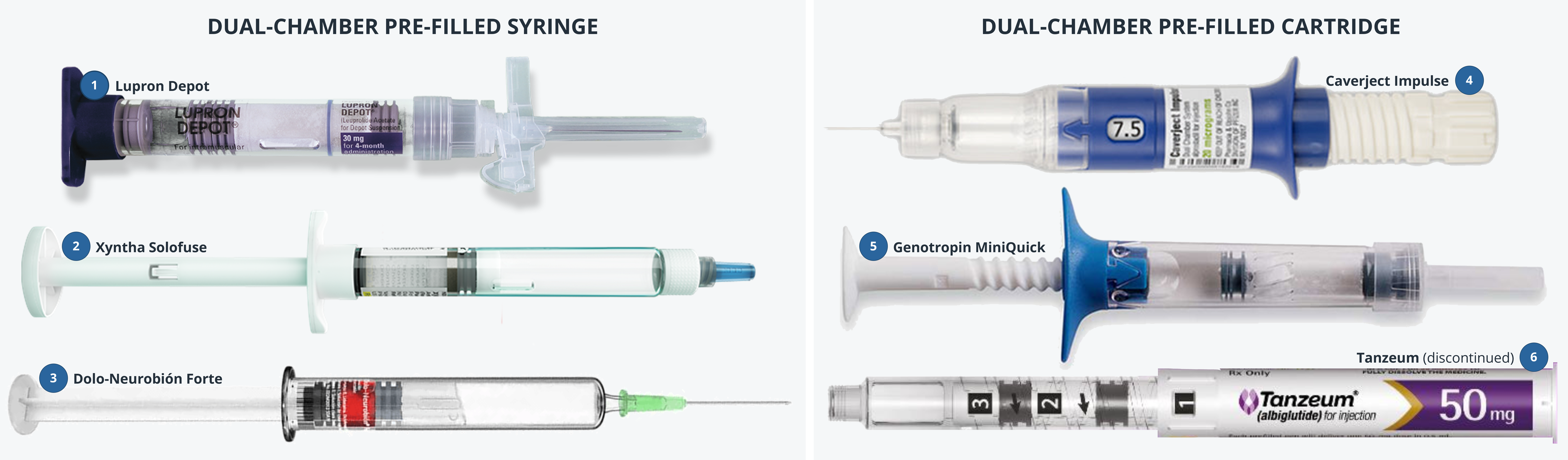
  • The closure can be PFS-style or cartridge-style (Figure 5).
  • The bypass is usually external (a blister bypass), but can also be internal (such as the multi-groove design of the Genotropin MiniQuick – Figure 5, Device 5). Note that an internal bypass allows the use of standard syringe or cartridge tubs, which is advantageous for manufacturing. Emerging designs, such as Credence MedSystems’ fenestrated needle bypass, also have the additional benefit of being compatible with OTS syringes.
Figure 5: Approved DCS products (all marketed, bar Tanzeum, which has been discontinued). Left: dual-chamber prefilled syringes. Right: integrated injection devices built around dual-chamber cartridges. Device 1 contains a lyophilised suspension; Devices 2, 4, 5 and 6 contain lyophilised solutions; and Device 3 contains two liquids for co-administration.

Bespoke Primary Containers: A Double-Edged Sword

Like other specialist reconstitution devices, DCSs make administration of two-component injectables accessible to a wider range of users and care settings. They require less technical expertise to use accurately and consistently, with fewer and simpler handling steps, pre-measured drug components and reduced sharps exposure.

“Thanks to this design, DCSs can readily be integrated into devices with enhanced usability and/or advanced features.”

However, their unique strength lies in their form factor – the single barrel with a bypass that can be activated with a co-linear application of force (so both mixing and delivery are done by pushing on the rear plunger in a straight motion). Thanks to this design, DCSs can readily be integrated into devices with enhanced usability and/or advanced features. For example:

  • Xyntha Solofuse, an easy-to-use device with a simple finger flange (Figure 5 Device 2).
  • Caverject Impulse, an integrated manual system with dose selection capability (Figure 5 Device 4).
  • The reusable Skytrofa Autoinjector, pictured in Figure 3 with the green needle guard.

The flip side of the form-factor coin is that complexity is pushed into the manufacturing and filling process. Fill-finish for these devices requires specialist equipment and know-how (as noted above, expertise is rare and capacity is limited) and lyophilisation is inherently less efficient in the dual-chamber geometry compared with vials (smaller batches, poorer energy transfer, longer cycle times6). It all adds up to greater up-front investment and time-to-market, higher unit cost and a restricted supply chain.

For this reason, DCSs have so far been limited to premium value products, such as those used to treat rare diseases (e.g. haemophilia, growth hormone deficiency) or those that solve complex or critical clinical challenges (e.g. unmet needs, home care).6

Design Considerations

Current marketed DCSs have inherent technical limitations that impact formulation compatibility and device design. For example:

  • Capacity is limited to ~4 mL total reconstituted volume: Headspace in the front chamber must be sufficient to accommodate the initial plunger stroke required to open the bypass, both drug components, and additional room for swirling and mixing. Therefore, there is a limit to how much can be delivered with these devices before they become too large to be practical.
  • Venting and orientation are important: There usually needs to be a path to atmosphere during mixing to avoid pressure build-up in the front chamber (if there is a large amount of headspace in the powder chamber, this may not be required). In all cases, excess air must be vented prior to injection, which can be challenging and requires careful handling, as the device must be kept upright whenever there is a path to atmosphere to avoid drug spilling through the needle.
  • Plunger motion must be well controlled: When the bypass opens, the pressure in the system drops sharply. Unless the plunger’s forward motion is well controlled, there is a risk of prematurely locking out the fluid path, which would prevent the liquid in the back chamber from being fully incorporated into the mixture. To prevent this, many devices incorporate a screw mechanism that enforces a slower twist-to-mix action.
  • They are best suited to lyophilised formulations that are readily reconstituted with gentle swirling: Suspensions can only be delivered if the energy required to suspend is low. In addition, sequential delivery is not possible without specialised valve design (some mixing will always take place with the currently marketed DCSs). Finally, very particular considerations apply to the delivery of liquid/liquid mixtures – space is at an even greater premium, venting becomes critical and mixing performance varies widely depending on the specific device and formulation.

Looking Ahead

Meeting the next generation of injectable delivery challenges will demand the best of device innovation, alongside advances in formulation and process development. As therapies grow more complex, the need for close cross-functional collaboration becomes increasingly critical.

Developers of combination products will continue to face trade-offs between usability, flexibility, cost and manufacturability. To navigate these successfully, device and formulation experts must work hand-in-hand with clinical, regulatory, commercial and access stakeholders. Working together, we can deliver medicines that are fit for purpose today, and ready to meet the needs of tomorrow.

Get in touch

This article highlights how the right device can turn complex two-component injectables into simple, safe, and accessible treatments. If you’re exploring delivery challenges or want to design patient-friendly solutions for advanced formulations, we’d love to talk.


References
  1. Kumar S et al, “Application of lyophilization in pharmaceutical injectable formulations: An industry and regulatory perspective”. J. Drug Deliv. Sci. Technol., 2024, Vol 100, article 106089.
  2. Gray J, “LyoHUB 2024 Annual Report”. 2024. Available from: https://pharmahub.org/resources/1112
  3. “Orange Book: Approved Drug Products with Therapeutic Equivalence Evaluations”. Web Page, US FDA, accessed Jul 2025.
  4. “Purple Book: Database of Licensed Biological Products”. Web Page, US FDA, accessed Jul 2025.
  5. “DailyMed: Prescription drug labeling and information.” US National Library of Medicine, accessed Jul 2025.
  6. Werk T et al, “Technology, Applications, and Process Challenges of Dual Chamber Systems”. J Pharm Sci, 2016, Vol 105, pp 4–9.
  7. Sousa et al, “Brief Report on Double-Chamber Syringes Patents and Implications for Infusion Therapy Safety and Efficiency”. Int J Environ Res. Public Health, 2020, Vol 17(21), art 8209.


||||||
By Cambridge Design Partnership

Designed to deliver: How collaboration created an award-winning device that puts patients first

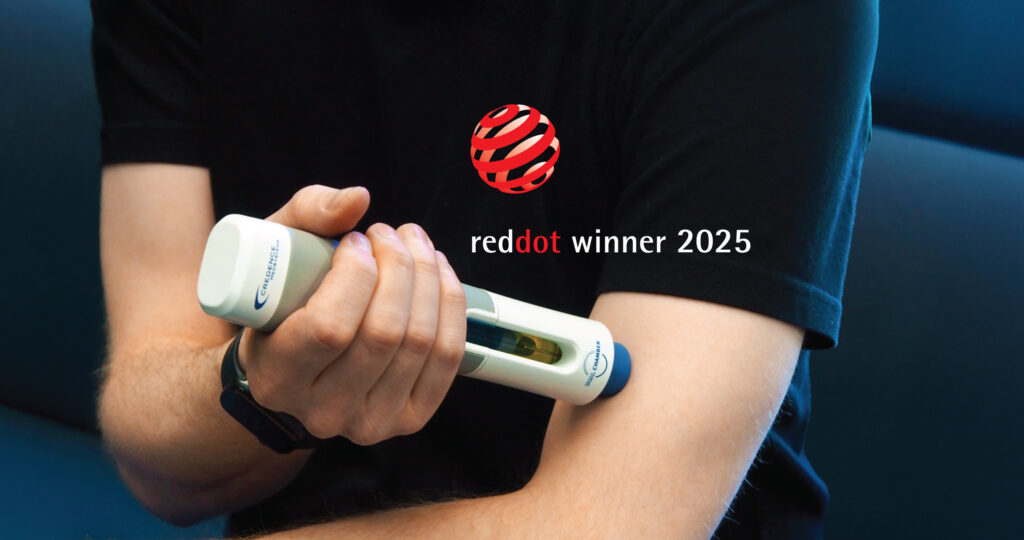
When Credence MedSystems set out to build on the capabilities of their Dual Chamber Syringe System (DCSS), they weren’t just looking to adapt it – they wanted to expand its potential. Together, we set out to create a new platform for at-home, sequential-drug delivery: one that combined human-centered design, deep technical know-how, and the power of partnership. Over the course of the project, our teams worked together to bring that vision to life. The result? A Red Dot 2025 award-winning demonstration autoinjector that not only showcases the functionality of the DCSS, but also reimagines how two drugs can be delivered at home in one simple injection.

Three Ingredients for Award-Winning Device Design

1. End-to-End Expertise

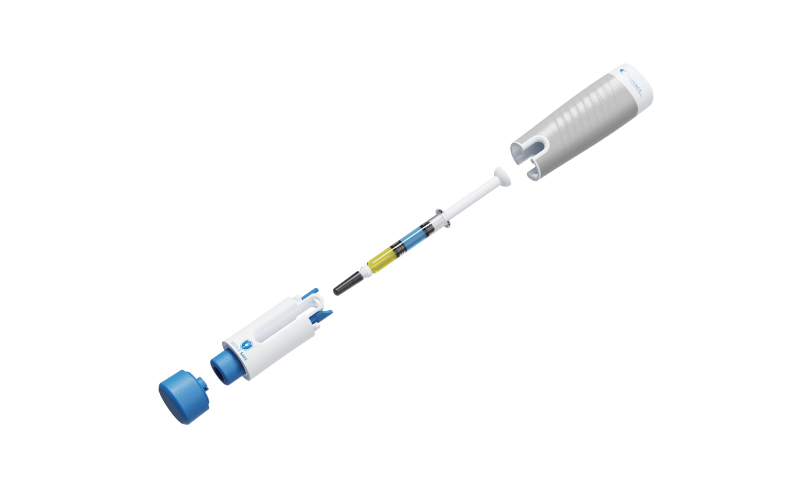
This project brought together two areas of specialist knowledge. Credence brought the core technology: a dual-chamber syringe system with automatic needle retraction that uses standard glass components, designed for sequential delivery of two formulations. Our team contributed deep experience in autoinjector design, usability, and manufacturing engineering. We translated complex drug delivery requirements into devices that are safe, manufacturable, and easy to use.

2. Close Collaboration

This was a shared, iterative development process built on close collaboration. From the outset, the teams worked together to define key requirements and align on a shared vision. By combining Credence’s knowledge of their container system with our insight into autoinjector mechanisms and user experience, This allowed us to accelerate from concept to working demonstration.

We shaped the engineering and design direction through regular feedback loops. Both teams were actively involved in decision-making throughout. When the Credence team visited our site in Cambridge, UK, we held a hands-on working session to evaluate both functional prototypes and industrial design handling models. Together, we assessed the feel of device activation, form factor, and visual cues. We blended technical and aesthetic considerations to arrive at the perfect overall experience.

The feedback was immediate. One mechanism was described as “smooth as butter”. This was a clear signal that we were on the right path.

3. Built-in User-Centered Thinking

While the request was to develop a reloadable, robust model for demonstration purposes. The long-term goal was always to support at-home use. We designed the experience to closely emulate the familiar, two-step workflow of a single-chamber autoinjector, while delivering the additional benefit of dual-drug administration. In addition, we made the demo unit reusable and resettable for hands-on use. We developed it with a clear development pathway towards a single-use, commercial device.

We also considered communication and clarity from the outset. Exploring iconography, leaving space for regulatory labeling, and ensuring the device visually conveyed key aspects of the user benefits.

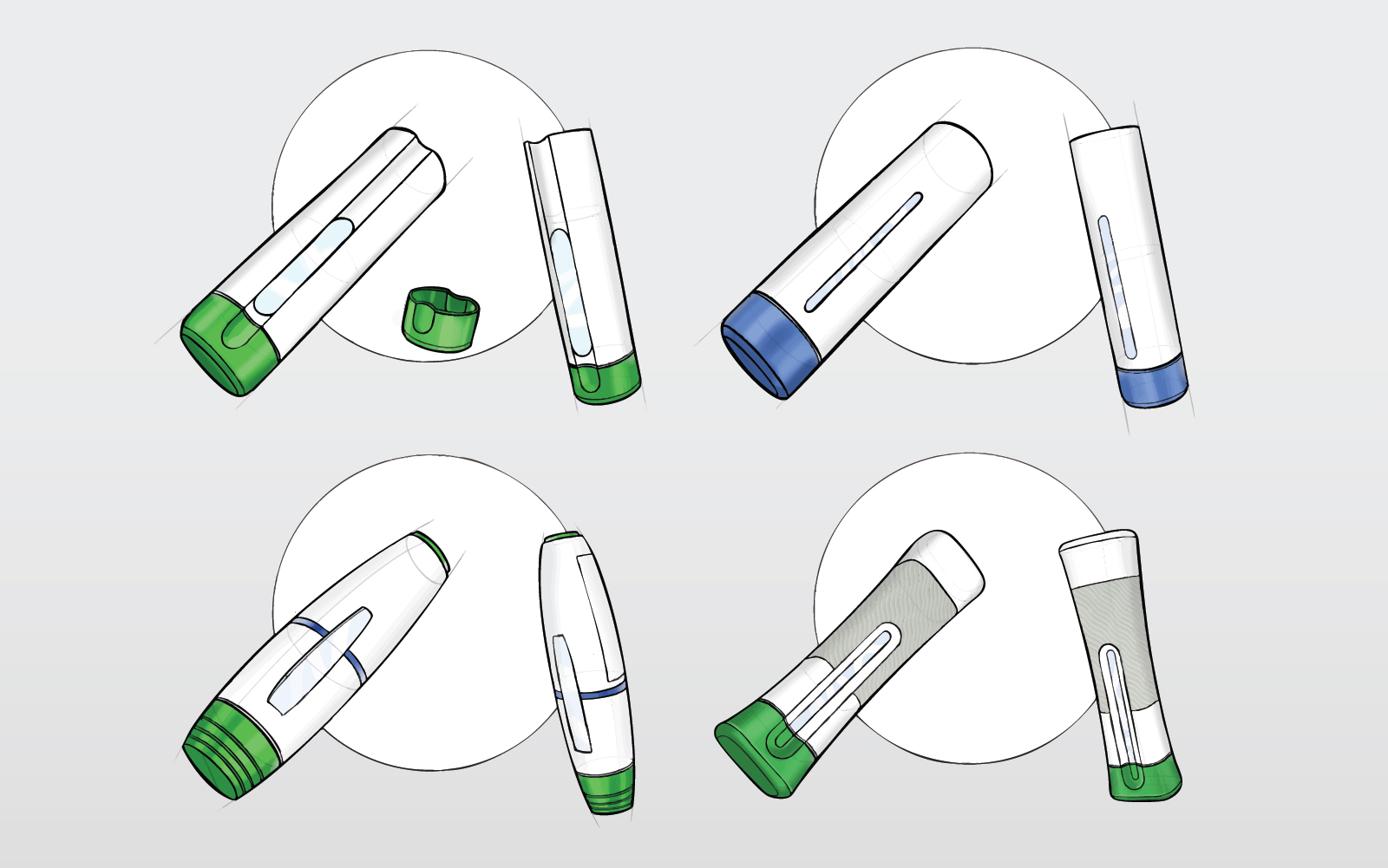
From initial sketches…
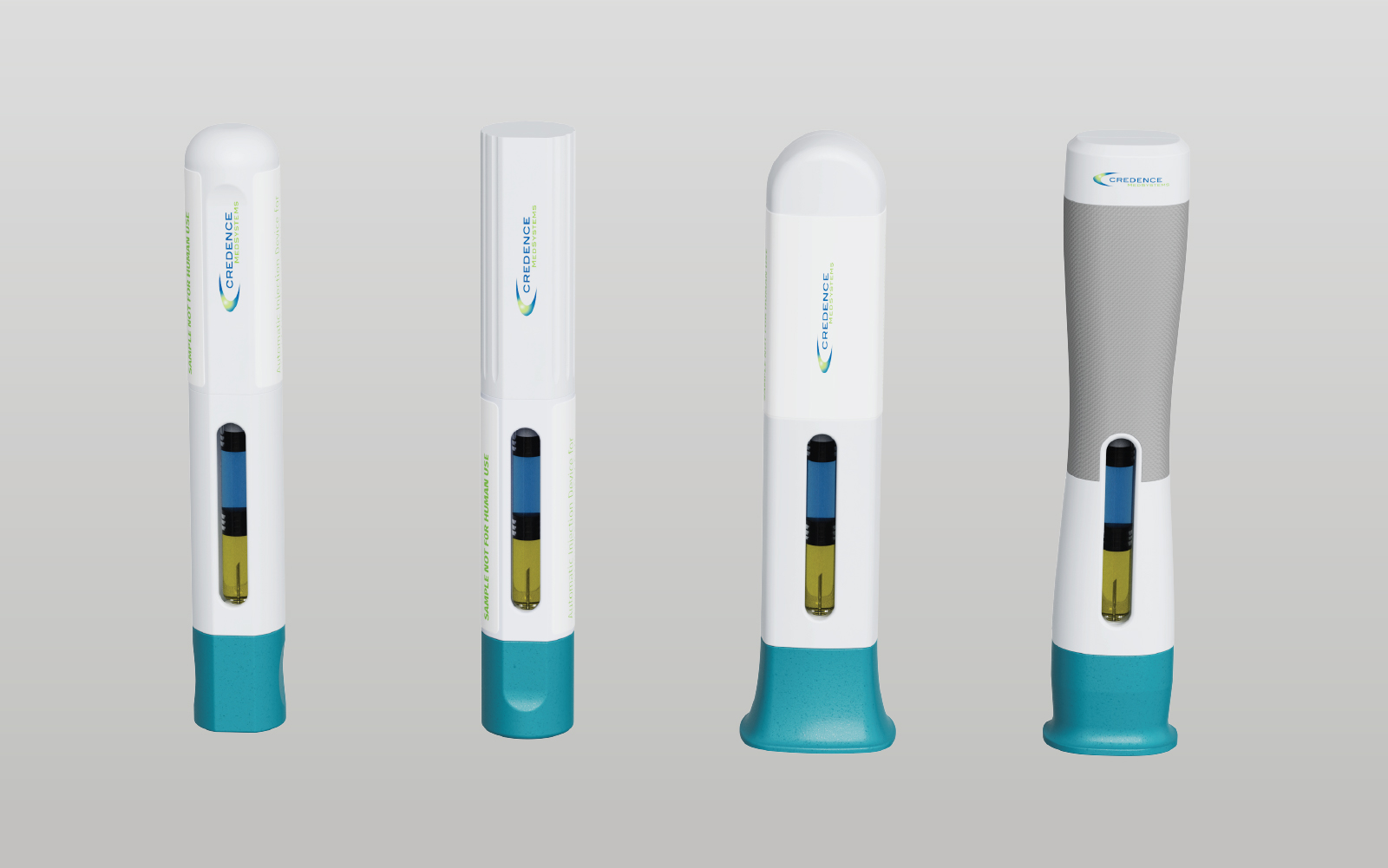
…through concept renders…
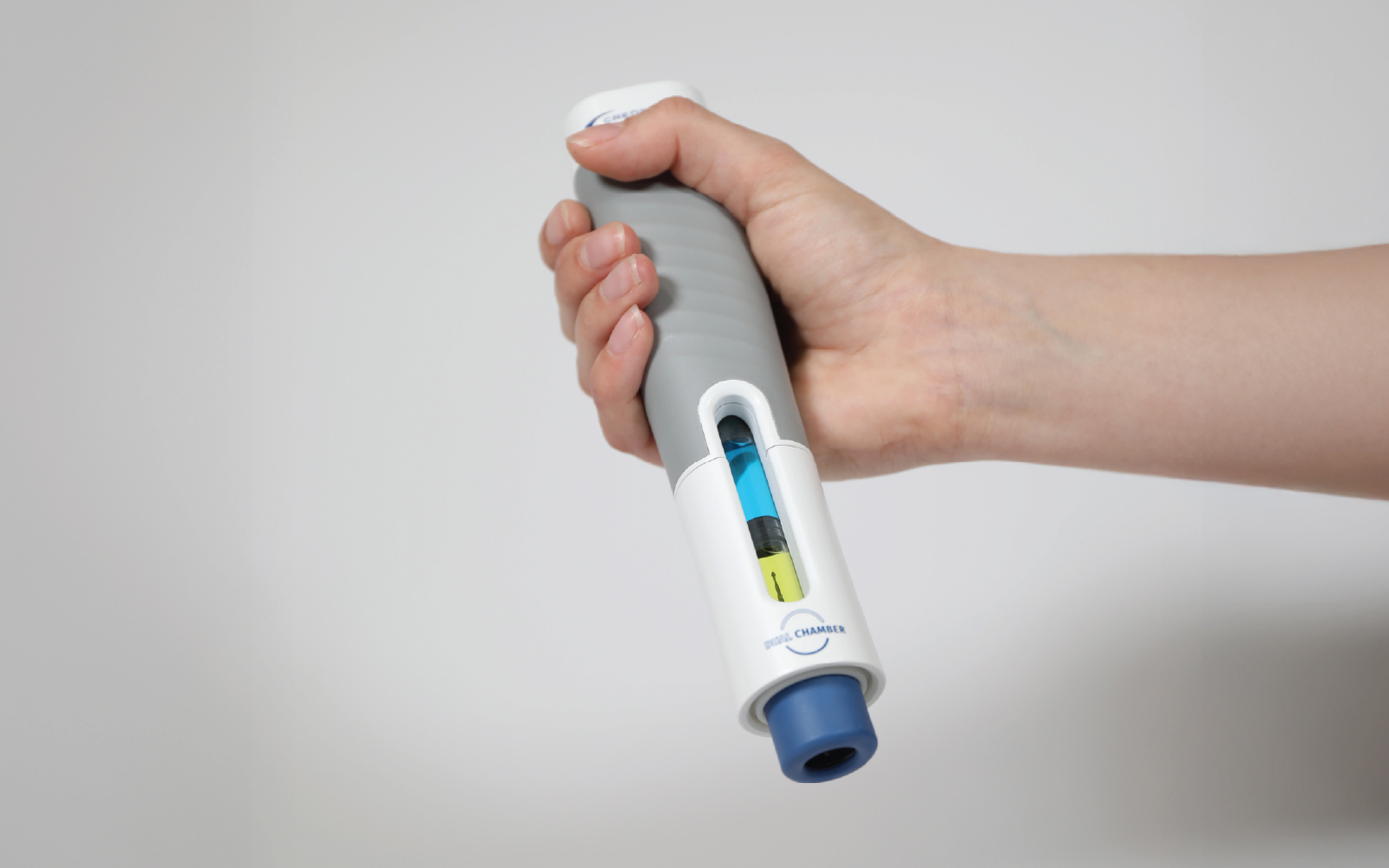
…to the real thing

Platform Flexibility

What makes this device stand out isn’t just the sequential delivery of two formulations. It’s the fact that the same primary container can be used across both prefilled syringe and autoinjector formats without changing any drug-contacting components. This flexibility helps reduce development burden. It simplifies supply chains and makes it easier for pharmaceutical partners to scale and adapt their delivery format over time. There’s also a clear benefit for patients. Fewer injections, simpler instructions, and added confidence that both parts of the treatment are delivered, every time. Beneath it all lies a sustainability advantage. With a sequential delivery device, there’s only one autoinjector to manufacture, ship and dispose of. This can make a meaningful difference at scale.

As a result, this wasn’t just a concept exercise. It was a real-time demonstration of what’s possible when two expert teams bring their strengths to the table. We developed a fully-functioning demo platform and in doing so, also laid the groundwork for future commercial evolution, including a clear view of what it would take to move from demo model to single-use device.

Our shared focus, technical excellence, and momentum powered this collaboration. We’re proud to see this work recognized with an industry award.

Get in touch

This project showed what’s possible when deep technical expertise meets close collaboration and how the right partnership can bring a new device vision to life. In short, If you’re looking to explore what your delivery system could become or want to create a new device experience that puts patients first, we’d love to help.


|
By Cambridge Design Partnership

Exploring the potential (and pitfalls) in on-body large-volume injectors

In a recent Q&A with Healthcare Packaging, CDP’s Clare Beddoes and Stephen Augustyn discuss the latest trends in on-body large-volume injectors (LVIs) and what they expect to see in 2024.


Clare Beddoes

Clare Beddoes

Head of Drug Delivery

Steve Augustyn

Steve Augustyn

Deputy Head of Drug Delivery

Here are their key takeaways:

There are a growing number of untapped disease states for on-body LVIs

“In terms of  large volume drugs that could be appropriate for delivery via an on-body LVI, conditions such as neurological disorders, oncology, and autoimmune diseases present promising opportunities.” 

On-body LVIs present both pros and cons when it comes to sustainability 

“Compared to traditional autoinjectors, the pros lie in enabling more patients to receive treatment at home, reducing travel and clinic resource usage. However, on-body LVIs are notably more complex than autoinjectors, involving adhesive patches, sterility barriers, intricate fluid paths, and often electromechanical drive systems.”

The two main hurdles to commercializing on-body LVIs are cost and risk

“Companies are understandably cautious about risk, often preferring to launch conventional devices initially, while avoiding adding risk on top of risk with a new device for a new drug product. Technical complexities, novel primary containers, device costs, and manufacturing for lower production volumes create hurdles.” 

Regulatory challenges have seen a significant improvement since 2022

“ISO 11608 Part 6 offers a clearer framework than before, when these devices were verified as infusion pumps, focusing on ‘rate accuracy’ and not ‘dose accuracy’. The regulatory route is much better understood and there are now products on the market, which gives confidence to device manufacturers.”

Device manufacturers are pushing to enhance automation for large and small-batch production

“In terms of assembly and packaging, high-speed automation rarely makes sense below 2m units a year, so below that, semi-automated or manual processes remain, adding to the device cost. However, some committed device manufacturers are pushing to enhance automation using well-considered device design and process monitoring.” 

In summary, the industry still favours established options like autoinjectors, with some pharma companies preferring to use two autoinjectors rather than deal with the complexity of an on body delivery system. However, as LVIs become more established, the anxiety around their use will diminish.


Missed our keynote at Pharmapack?

In their keynote session this year, resident experts in Combination Products, Head of Drug Delivery Clare Beddoes, and Deputy Head of Drug Delivery Steve Augustyn, asked: Where are all the on-body delivery devices?

Explaining the need to deliver innovation fast, they covered:

  • Barriers to market that on-body devices face and how to overcome them.
  • How to navigate relevant drug product pipelines, regulations and standards.
  • Future drivers for successful LVI development.

“The huge demand for high-volume biologics that was expected to drive on-body systems hasn’t materialized, or the devices are proving extremely complex and difficult to assemble. [But] as LVIs become more established, the anxiety around their use will diminish.” 

– Steve Augustyn

Five hurdles to digital health innovation in the UK|||
By Cambridge Design Partnership

Five hurdles to digital health innovation in the UK (and how to overcome them)

CDP recently led an investigation into how to advance innovation in digital health in the UK for the CPI, UKRI/Innovate UK and ABHI. Our aim was to find out how best to enable the UK to be the place of choice for enabling high-risk digital health innovation, improving patient outcomes. 

Our work with 50 leading healthcare professionals and entrepreneurs revealed that the UK has an enviable record in early-stage innovation, a highly regarded healthcare system and a potential treasure trove of high-quality data. 

However, we also found several hurdles that trip up many innovations before their potential can be truly realized. 

In this article, we describe our top five hurdles to success and signpost the resources available to help innovators overcome them. 

1. Offering the wrong product at the wrong price

Let’s start with perhaps the most obvious: you need to get your offering right. This was one of the more frequent topics to emerge in our discussions. True, it tended to come from the industry and investors, rather than entrepreneurs themselves. But perhaps this is the point; those closest to the concept are so captivated by the opportunity to solve a problem that they are rarely the best judge of commercial success.

“The biggest problem is developing stuff we don’t need, at the wrong price point.”

Life Sciences Lead, multinational consultancy

“People have struggled with finding the right balance between fixing a problem not just for the sake of it because it’s going to add value, but also there is a market attached to it.”

Medical Director, AI dermatology revenue-earning startup

Getting the right product at the right price is not easy. Regardless of how it is funded, healthcare everywhere is a complex system of separate entities with conflicting priorities. One of the biggest challenges for digital health offerings in particular is that the person paying the bills is rarely the direct beneficiary. This is as true across the NHS in the UK as it is in insurance-led services in the US. 

Digital interventions are regularly shown to make significant positive impacts on diagnosis, therapy, adherence and behavior change. To date, the FDA has approved, authorised or cleared 171 AI/ML-enabled medical devices. However, digital means adding overheads (electronics, batteries, software or new digital services) to an already overstretched budget that tends to bring value much further down the pathway. 

To get the right product at the right price, you need to be crystal clear about the value you bring and who you bring it to so that you can ensure the price is right. 

Helpful Resources

For the UK market, we found the following resources helpful in crossing this important hurdle:

  • The NHS Innovation Service provides an innovation guide that explains how to build a value proposition
  • The NICE Advice Service provides personalized advice on the value propositions for a fee 
  • The NHS Clinical Entrepreneur Programme (CEP), launched in 2016, provides training for NHS staff on the skills required to build a healthcare startup, all without them needing to leave the NHS

Indeed, this is such an important area that we at CDP are looking at how recent advances in Generative AI might make this easier to get right from the outset – not just for offering services within the UK, but how UK-based innovation can provide the right offering in the larger markets of the US and EU.

2. Neglecting the needs of key stakeholders

Digital products and services are still a novelty in healthcare. Even the regulation is taken from a device mindset – consider the terms SaMD (Software as a Medical Device) and now even AIaMD (Artificial Intelligence as a Medical Device). The digital-first mindset is to move fast, learn and repeat to get the best user insight and optimum benefit to market as fast as possible. This is not an easy marriage for healthcare, where verification and validation are critical steps to approval.

“If you are manufacturing a digital health product, you have three sets of policies to navigate right now [in the UK].”

CEO, digital health SME (referring to NHS DTAC, NICE and MHRA)

“The regs are written to cover all medical devices. They’re not very specific; it’s very high level and quite hard to interpret what we should actually be doing as an individual company.”

Medical Director, AI dermatology revenue-earning startup

This is not simply about the regulator; it is also about who will receive, who will administer and who will pay for your digital offering. On top of proving safety and efficacy, payers and adopters want to see evidence that your technology works under real-world conditions and produces sufficient benefit relative to current clinical practice to justify its cost. Not only do you need to convince your investor you have the right product at the right price point; you also need to convince them you have access to reimbursement. 

This need has led us here at CDP to build a strategy and insight team that explicitly looks across the spectrum of stakeholders including the end-user, practitioner and payer.

Helpful Resources

The following resources are helpful when considering the regulatory and UK purchaser stakeholders:

  • The NHS’ AI and Digital Regulations service offers a developer’s guide that leads you through the various regulatory and NHS requirements for digital technologies 
  • The NICE Evidence Standards Framework is designed to help ensure NHS stakeholders are adopting robust technologies that are likely to provide the expected performance, and are good value for money. The framework can be used by developers to understand their customer needs. NICE also offers an assessment of current/planned evidence via their META tool
  • The NICE Early Value Assessment can also help indicate the value your product can bring, and allow you to get support to understand what further evidence needs to be generated.
  • Similarly, NHS’ Digital Technology Assessment Criteria (DTAC) are designed to assess suppliers at the point of procurement, or as part of a due diligence process, ensuring digital technologies meet minimum baseline standards. The criteria can also be used by developers to understand what is expected for entry into the NHS and social care
  • FDA’s list of approved, authorized or cleared AI/ML-enabled medical devices

3. Testing, verifying and validating

The regulatory pathway will force you to verify and validate. It will be rigorous. It will take more time than you or your investors want. So, you will need to test, test and test again as early as possible to build the evidence you need for investment. And, importantly, test both the medical efficacy of your offering and its likely commercial success.

“[It] can take longer than six months, ridiculously, to build a cohort of data.
Getting people to step away from frontline service in the NHS is a fundamental challenge of getting access to that data. Even if you offered to pay, they’d say” ‘I don’t care; it’s not the money I’m short of, it’s people’.”

President, medical imaging multinational

“We really struggle to work with SMEs because we’re not able to move at the pace that they require for their cash flow.”

Director of Innovation, NHS trust

As these sentiments show, however, gathering data takes time and patience. The NHS is indeed a treasure trove of data, but unlocking it is a real hurdle. Existing NHS data typically needs preparation – cleaning and anonymizing – before you can access it. And there simply may not be the staff available to do this, meaning you may need to build additional paths to gather test data. 

The fidelity of the test can start low-fi, but will need to increase as you develop. CDP typically starts with insights research and human factors studies using UI sketches/descriptions of the product to explore the true user journey, before moving onto trials with real-life samples and wizard-of-Oz demonstrators. This builds a body of evidence that reinforces your expectation of efficacy with the all-important usability and the commercial viability of your offering, before embarking on the summative human factors, clinical and market trials.

Helpful Resources

The following resources can help you prepare your plans for testing, verification and validation:

  • NIHR study support service provides guidance and advice
  • The HDR UK Gateway portal helps researchers find existing data sets and connects them to relevant stakeholders
  • Trusted Research Environments (TREs) are a new initiative to facilitate access to NHS data for R&D. Only a few TREs currently exist and there is no guarantee they will have the data you’re looking for. However, the teams involved are well placed to advise you on next steps. Even though this requires approval from HRA and notification to MHRA, consider if it might be better to just do your own trial to collect fresh data instead. This is where an experienced external innovation partner can be very helpful

4. Navigating healthcare as a ‘system of systems’

The benefits of digital health typically require systems integration. Yet, healthcare everywhere is a complex system of systems, each element with its own approaches, tools and requirements.  

“[Different hospitals are] probably using different systems, different levels of maturity with different versions, with different level plugins. That probably means, even if I create it using the standard, it won’t automatically fit. It needs modification, adaptation and someone to do the translation.”

Digital Health Advisor, ex-NHSX

“You can often have very inflexible contracts with your electronic health records supplier; for example, if you want them to make one change or open up in an API or something like that, it can be prohibitively expensive.”

Director of Innovation, NHS trust

While there are only a few dominant providers of Electronic Health Record (EHR) systems, each installation is likely to be different. Moreover, the EHR providers will guard access jealously. Microsoft, Google, Amazon and others provide integration services to structure and translate data, but that is likely to be only a small part of the problem, and only useful if you are ingesting unstructured data from multiple sources. 

At CDP, we encourage our clients to focus on providing easy-to-use, yet secure APIs built around well-structured data that map well to the established data standards such as FHIR. Taking ownership of your own data in this way makes it easier to deploy, integrate and support. 

Helpful Resources

The following resources can help you prepare your digital health services for system integration:

5. Building a strong team

Innovation is rarely one guy in a garage. This is especially true in the digital health space. You will need to build a great team led by experienced professionals across the disciplines. Get this right and everything else will fall into place. Work out your strengths and weaknesses and actively seek resources to complement your team. 

“The most useful thing to an innovator is access to an actual practicing frontline clinician who understands the problem that they want solved. It’s a real challenge to get to these people. I might spend months trying to find someone who would talk to me.”

President, medical imaging multinational

“The UK does not have enough engineering capacity… does not have enough people with product skills… does not enough people with this sort of legal regulatory skills.”

Digital Health Advisor, ex-NHSX

Helpful Resources

The following resources can help innovators looking to build a world class team:

  • Many Health Innovation Networks (HINs) and NHS trusts have innovation teams who may be able to help matchmake with clinical champions. The NHS Innovation Service is a good place to start, but it’s worth seeing what individual trusts are doing. 
  • HINs and NHS trusts often also support innovation and hackathon events which are a great way to find those with a similar innovative mindset – but a complementary skill set.   
  • And then there are organizations such as CDP, who bring end-to-end product development services with the hard-won experiences of how to navigate this exciting but often frustrating area of innovation.

In addition, many of your digital needs are engineering and operational ones. Recruiting experienced people from the finance and technology sectors where the UK is strong will bring you good skills and expertise in algorithm development, handling personal data and building scalable secure systems.

It’s tempting for you (and your investors) to under-resource your team and compromise in the early phases. But as the hurdles above clearly show, this rarely leads to success. Build the great team you need from the outset, to make sure you truly have the right product at the right price, that meets the expectations of the key stakeholders, is properly tested and ready to integrate into the healthcare system of systems.

At CDP, we continue to follow up our insights working with clients and partners to find practical solutions to complex problems. To find out more about what successful innovation in digital health looks like, please do get in touch. 

In the meantime, download the full action plan for digital health innovation in the UK here.

New frontiers in implantable neuromodulation therapies||Medical Therapy article|New frontiers in implantable neuromodulation therapies|||
By Cambridge Design Partnership

New frontiers in implantable neuromodulation therapies

Neuromodulation, where electrical signals in a patient’s nervous system are modified or stimulated to deliver a therapeutic effect, continues to be an exciting and evolving space within the healthcare sector.

There are many drivers contributing to its advancement. Ongoing clinical neuroscience research fueling new possibilities in neuromodulation therapies, the invention of new technologies, and the development of new product formats to meet unmet needs, are all notable factors.

Additionally, there has been increased acceptance and presence of established therapies for implantable devices – such as deep brain stimulation for Parkinson’s disease, spinal cord stimulation for chronic back and leg pain, and vagus nerve stimulation for epilepsy and depression – with Medtronic, Boston Scientific, Abbott, Nevro and others leading the industry.

In all, these factors have made the electrical-based neuromodulation space to become one of the fastest-growing medical device sectors, with market size expected to rise from $6.09 billion in 2021 to $14 billion by 20301.

The diversity of solutions is evident, with Figure 1 illustrating the current landscape of established and emerging implantable neuromodulation therapies.

Fig 1. Selection of established and emerging electrical neuromodulation technologies and their indications.

In this first article of a two-part series, we look at a few notable emerging therapies to illustrate how the implantable neuromodulation space is rapidly developing.

Bladder control: beyond sacral nerve stimulation

Addressing continence issues is a growing area in the healthcare sector, where neuromodulation is seeking to play a significant role in specific therapies.

Implant-based stimulation of the sacral nerve has relatively recently established itself as a way of addressing incontinence with the presence of Medtronic’s Interstim and Axonics’ product range. Alongside the sacral nerve, other nerves are being considered for implantable stimulation to address similar conditions and to respond to specific unmet clinical and patient needs.

One alternative is tibial nerve stimulation, which has a history of effectiveness for certain cases in its non-implantable form: percutaneous tibial nerve stimulation (PTNS). The implant-based approach seeks to address a patient and clinician inconvenience of PTNS, i.e., the need for repeated stimulation sessions and user steps2.

An example of such is the BlueWind Revi, which is part implantable (the electrode is placed near the tibial nerve) and, for minimizing invasive procedures, part wearable (a through-body power source). The device stimulates the tibial nerve which is connected to the sacral nerve plexus, containing the efferent and afferent nerve fibers that control the bladder and are responsible for bladder function. Here, the electrical impulses aim to modify the compromised activity of the detrusor muscle in patients with overactive bladder3. The company has recently achieved clinical results on their pivotal trial evaluating safety and efficacy (still under review by the FDA)4.

Similarly, Medtronic is seeking to develop an implantable tibial nerve stimulation system for incontinence which is currently undergoing clinical trials5.

Another nerve for addressing incontinence is the pudendal nerve. Amber Therapeutics is currently developing an implantable closed-loop therapy, Amber-UI,  for urge and mixed urinary incontinence. The therapy involves implanting electrodes that can sense, interpret, adapt and respond to individual patient signals, such as muscle contraction, in an attempt to restore normal bladder function. By accessing the pudendal nerve, it aims to treat both urge and stress incontinence episodes for the first time, not possible with existing neuromodulation devices, thereby expanding the overall addressable market. First-in-human clinical studies are expected to conclude by the end of 2023.

Emerging Vagus Nerve Stimulation (VNS) therapies

Along with established therapies for epilepsy and depression, VNS is also being explored for conditions such as Rheumatoid Arthritis (RA) to displace injectable and oral medication.

SetPoint Medical is currently evaluating a novel VNS treatment that activates the ‘inflammatory reflex’ pathway (neurophysiological mechanism by which the central nervous system regulates the immune system) that may decrease the type of excess inflammation that is the underlying cause of RA. Its multivitamin pill-sized MicroRegulator platform is currently an investigational device.

SetPoint Medical is progressing clinical trials not only for RA, but also for Crohn’s disease, and furthermore exploring the therapeutic effect, in animal models, to treat multiple sclerosis with VNS therapy.

Implantable VNS therapy is also being explored for other conditions such as sepsis, lung injury, stroke, traumatic brain injury (TBI), obesity, diabetes, pain management and cardiovascular conditions7. One example of cardio-based therapies include low stimulation of the vagus nerve to liberate the body’s own neurochemicals to improve heart function.

New pain indications

Neuromodulation has worked well in establishing itself to address specific intractable pain of the trunk and/or limbs and for diabetic nerve damage – both conditions treated by implanting electrodes in the epidural space using spinal cord stimulation. In light of this success and available product types, pain specialists are continually seeking solutions from neuromodulation to address different causes for different parts of the body.

This impetus was clearly illustrated in panel sessions and discussions with clinicians attending the American Society of Pain and Neuroscience 2023 conference in Miami. We heard testimonials of how specialists, using available stimulators, succeeded in treating a variety of new pain sources and anatomical locations in the wrist, joints, abdominal region and in one case, at the neck to relieve a patient’s sensation of being choked.

This dynamic led to some clinicians proposing that the future of neuromodulation should also consider the treatment of pain associated with oncology treatments, given the improved extended lives seen in cancer patients. This exploration and success could pave the way for the creation of more established therapies – which would be welcome given the prevalence of chronic pain in the general population and the initiative to deliver non-opioid alternatives.

Novel developments for spinal cord injuries

Along with surgical, drug and stem cell therapies, neuromodulation has also entered the frame for addressing spinal cord injuries.

ONWARD has seen success with its partial and fully implantable versions of its ARC Therapy™ product range, where electrodes are implanted in the epidural space to stimulate the lower portion of the spinal cord affected by the injury that fails to (properly) communicate with the brain. By stimulating these lower nerves, the system aims to help restore and optimize their functioning in connection with the brain. ONWARD indicated that for their ARCIM product, one study demonstrated the ability for long-paralyzed people to stand and walk again with little or no assistance using this therapy.

ONWARD’s products have been granted Breakthrough Device Designation status for a range of indications such as improving upper and lower limb function; bladder control and blood pressure regulation; and alleviation of spasticity in patients with such injuries8.

Also in ONWARD’s pipeline is a plan to integrate an implanted Brain Computer Interface (BCI) which senses the patient’s brain signals relating to the intent of leg/joint movement. In turn, these signals are wirelessly sent to its spinal cord stimulator which can activate nerves which are poorly connected to the brain due to injury. This aims to create a “digital bridge” between the brain and poorly connected nerves to enable and improve the patient’s walking ability. Much research and iteration is anticipated; however, this ambition is indicative of how neuromodulation can be innovative and transformational to people’s lives.

The road ahead for neuromodulation

The above examples only skim the surface of emerging therapies; neurostimulation, neuro-adaptive therapies and BCI technologies are attracting significant research and investment to create new therapies by leveraging the body’s physiological pathways.

We foresee continued progress in materials science, engineering, device design and biomedical research into neuro-physiological understanding of the human body to fuel the foundations for new, highly functional and patient-centered neuromodulation platforms.

We also foresee exciting developments in how targeting different nerves can potentially tackle similar medical conditions while the same nerve can be used to address various indications.

In our next article, we will explore the varied technology drivers and their considerations that are leading to the creation of new, innovative neuromodulation implants.


References 
  1. Strategic Market Research website https://www.strategicmarketresearch.com/market-report/neuromodulation-devices-market visited on 12/07/2023
  2. DOI: 10.1186/1471-2490-13-61
  3. DOI: 10.2147/RRU.S231954
  4. Clinical Study Results of the BlueWind System for Patients with Overactive Bladder Featured at the 2023 AUA Annual Meeting. https://www.prnewswire.com/news-releases/clinical-study-results-of-the-bluewind-system-for-patients-with-overactive-bladder-featured-at-the-2023-aua-annual-meeting-301811486.html 
  5. Evaluation of Implantable Tibial Neuromodulation Pivotal Study https://classic.clinicaltrials.gov/ct2/show/NCT05226286
  6. DOI: 10.1016/j.xjtc.2022.03.007
  7. DOI: 10.2147/JIR.S163248
  8. Website Onwards https://www.onwd.com/ visited 12/07/2023
Trends in Respiratory
By Cambridge Design Partnership

Trends in respiratory therapies: why pMDIs hang in the balance of new technology

In May 2023, RDD Europe returned to a real-world conference after years of pandemic-enforced online-only presence. The location was spectacular – Antibes on the Cote d’Azur – with the sparkling Mediterranean Sea providing welcome relief from a dismal British spring. 

The industry was well represented by device technology companies, CMOs, academics and pharma companies, and the presentations and workshops provided an engaging blend of research and practical advice.

Even though much of my time over the past ten years has been focused on parenteral device development, my career in combination products started in respiratory devices, working on a variety of dry powder inhaler (DPI) and pressurised metered dose inhaler (pMDI) devices, including the GSK Ellipta inhaler. This year at RDD, as I returned to my roots in this industry, three main themes struck me: preparing for the pMDI cliff edge; moving beyond traditional respiratory diseases; and implementing particle engineering for targeted treatment.

There were also two notable omissions: users and connectivity. More on those later.

Preparing for the cliff edge of pMDI propellants

The shift in pMDIs from using HFC propellants towards gases with a lower global warming potential (GWP) has gained momentum, with California imposing a ban on the sale and distribution of R227ea from the end of 2030, and R134a from the end of 2032, including for medical use. This means the end of the line for the sale of all current pMDI products in California, with other jurisdictions likely to follow suit as the world tries to move to a more sustainable solution.

The transition needs formulators, device designers, scientists, and other disciplines to collaborate to solve the challenges presented by the different physical properties of the new gases. Different thermodynamic and fluid dynamic properties can dramatically alter the plume geometry, droplet size and particle velocity, requiring careful redesign of the fluid pathways to compensate for the differences. These challenges were outlined in evidence presented by Recipharm (1), Proveris and Koura (2), and Healthy Airways LLC (3).

At Cambridge Design Partnership, we are receiving far fewer enquiries for pMDI products than DPIs and soft-mist inhalers. Obviously, an n=1 sample does not have a high degree of certainty, but it reflects a general sentiment among clients to focus future developments away from pMDI platforms.

Moving forward beyond traditional respiratory diseases

Asthma and COPD remain the biggest drivers in device and formulation development, much the same way that diabetes treatment has driven pen injector development. Two drivers that our drug delivery team have seen pushing device design in respiratory and the inhalation market are the need for home treatment, rather than hospital centered treatment; and platforms for biological drugs. The other significant drive is for vaccines that are stable at higher temperatures, which can be delivered without leaving behind copious volumes of blood-contaminated medical waste.

One challenge that comes with these new treatment regimens, beyond formulating drugs that will be stable in powder form, is getting the drug to the correct part of the body and making sure it remains present long enough to be effective. One paper from UCL and the University of Hong Kong (4) highlighted a promising approach to developing therapeutic antibodies against future SARS outbreaks. Some of these developments also require higher dose payloads, or API-only formulations; this presents a substantial challenge to device designers to make sure that the inhalation capabilities of different patient groups can achieve the required dose efficiency.

Aptar and Recipharm also shared their own device innovations to present novel spray and softmist technologies based on a syringe primary container. Targeting rapid treatment to the brain via the olfactory route is a much-neglected treatment option, in part due to the challenges of getting consistent behavior with users. At Cambridge Design Partnership, we’ve been working with a pioneering device company looking to exploit this pathway, and my colleague, Clare Beddoes, will be presenting information on this device development at PODD in October.

Enter: particle engineering for targeted treatment

In addition to the paper from UCL (4), particle engineering to target specific areas in the respiratory and nasal pathway was a topic that several posters and presentations addressed directly. Building on standard jet milling techniques, a paper from Aston University explained how isothermal dry particle coating (iDPC) can be used to create more potent formulations without increasing the volume of powder inhaled by the user (5). A third paper from Hovione and two Portuguese institutions focused on the characterization of different particle manufacturing techniques and how they affect deposition in nasal passages (6).

Closing the gap between the early stages of in vitro and in silico models, and the later stage in vivo performance, continues to receive a lot of attention. As the cost of computing power continues to fall, going into clinical or preclinical trials with greater confidence will accelerate time to market and reduce the cost burden on pharma companies looking to novel treatments.

Don’t forget user capability and connectivity

Two areas of development that received relatively little focus at the conference were human factors engineering (HFE) and connectivity – two concerns that are the subject of a great deal of effort in the parenteral sector. Recipharm presented a poster on the HFE advantages of their novel unit dose nasal spray when compared to a reference device (which bore a striking resemblance to an Aptar Unidose Liquid Nasal Spray). Research institution Solvias presented a paper showing how training users can lead to worse outcomes due to misperception of expertise using a device (7). This counterintuitive result demonstrated that patients with limited one-to-one training with a Handihaler showed more errors in use than patients who only had access to the device and IFU. 

While these insights were welcome, our in-house team knows that patients continue to struggle to use inhalers reliably and consistently, leaving even the most effective drug products showing variable results.

These challenges for patient use are also being seen in the parenteral market, which is why we are working so closely with our clients to find better ways to train patients and leverage connectivity to improve adherence to medication regimens. These connectivity solutions are often in direct conflict with cost and sustainability targets and finding a route to square this circle is a challenge with which CDP’s designers and engineers are actively engaging.

See you in Tucson?

RDD 2023 was the first RDD conference I have attended. It was great to reconnect with former colleagues and make new connections across the industry. The conference was very well run, and the standard of papers and presentations ensured there was plenty of fascinating material for industry and academia to engage with. I’ve already blocked out my diary for RDD 2024 in Tucson and I look forward to seeing you there.


References
  1. Albuterol Sulfate Metered Dose Inhaler Feasibility Using an Environment Friendly Propellant HFA152a and Novel Valves (Lei Mao, Sheryl Johnson, Nischal Pant, James Murray, Donald Ellis, Benjamin Zechinati, Johnathan Carr and Victoria Cruttenden)
  2. Comparison of Spray Characteristics of P-134a and Low GWP P-152a pMDIs With and Without Ethanol (Lynn Jordan, Sheryl Johnson, Ramesh Chand, Grant Thurston, Deborah Jones, Vanessa Webster and Sally Stanford)
  3. Accelerated Development of MDIs with Low GWP Propellants in a QbD Era: Practical, Regulatory and Scientific Considerations (Healthy Airways LLC and First Flight Pharma LLC)
  4. Inhaled Antibody Therapies: Enabling Prophylactic Protection against SARS-CoV-2 Infection with a Dual Targeting Powder Formulation (Han Song Saw and Jenny Ka-Wing Lam)
  5. Use of Isothermal Dry Particle Coating (iDPC) for the Development of High Dose Dry Powder Inhalers (Jasdip S. Koner, David A. Wyatt, Amandip S. Gill, Shital Lungare, Rhys Jones and Afzal R. Mohammed)
  6. Benchmarking of Particle Engineering Strategies for Nasal Powder Delivery: Characterization of Nasal Deposition Using the Alberta Idealized Nasal Inlet (Patricia Henriques, Cláudia Costa, António Serôdio, Ana Fortuna, and Slavomíra Doktorovová)
  7. Effect of Capsule-Based Dry Powder Inhaler User Training on In Vitro Performance (Oleksandra Troshyna and Yannick Baschung)


Care tech: exploring the latest trends in dementia care
By Cambridge Design Partnership

Care tech: exploring the latest trends in dementia care

We are witnessing important advances in the treatment of the most common cause of dementia, Alzheimer’s disease, most noticeably by the emergence of disease-modifying therapeutics. And this trend is only set to continue, with new innovations and technologies promising to help slow the progression of this devastating disease.

However, patients who do not yet have access to these treatments or are in a more advanced stage of the disease will continue to require significant care support. The caregiving sector is already under significant pressure due to the increasing demand for long-term care within aging populations [1]. As the disease progresses, family members, including elderly spouses, are often the main caregiver – but they may be left poorly equipped to do this without the right support.

With the cost of dementia care running to £32,250 per person per annum [2] technology innovators are finding new ways to make resources go further and give dementia patients independence for longer – providing reassurance to the caregiver and peace of mind to family members.

The challenge lies in making these solutions accessible to caregivers and usable for patients. In this article, we take a deep dive into the technologies available to support dementia care and explore emerging trends that are transforming the landscape by using the right technology at the right time.


Dementia care: the current landscape

Alzheimer’s disease is a progressive and irreversible neurodegenerative condition that primarily affects the cognitive functions of the brain, particularly memory, thinking and behavior. It is the most common cause of dementia, a broader term for a set of symptoms that impact a person’s ability to live independently.

In the UK, it is estimated that more than 900,000 people live with dementia, and this is projected to double by 2040 [3]. Of the people diagnosed, up to a third live alone [4]. With the aging population outpacing the rate of training and recruiting caregivers, the already significant caregiver shortage is set to increase [5].

Meanwhile, family members are taking on caregiver responsibilities, often with unsustainable and distressing consequences. This is in part because every patient journey is different and the rate of their disease progression can vary widely. Some patients may require discreet support at the early stages of the disease, while others may require constant care. Knowing when and how to intervene to provide the care support needed is crucial.

The care sector is increasingly looking to technology to maximize the impact of the professional and informal caregiver workforce. There is an increasing recognition that caregivers require ongoing support to make their role more manageable, especially following the pandemic.

An overview of innovations

Assistive technologies rarely exist in isolation. In fact, it is often the combination of these technologies that yields the best results. Here are some of the technologies available to support independent living and managing disease progression.

Personal alarms and safety tracking

Alarms and tracking technologies allow people to call for help if they need it – wherever they are – as well as providing peace of mind for caregivers and family members when they are not there. They are simple to use and can help patients stay independent for longer.

Location. GPS trackers such as Mindme, Ubeequee, and Angelsense consist of battery powered or rechargeable wearables that connect to a 24/7 monitoring support center to alert family members and emergency services if a vulnerable adult is outside designated safe zones. Direct-to-consumer devices, such as Medpage, work similarly, but the information links directly to family members and may not have predefined safety zones or raise an alarm. Connectivity is based on broadband and subject to subscription charges.

Alarms and calls. Technologies such as Tunstall’s MyAmie, Oysta, and Saga’s SOS allow patients to raise an alarm for relatives, caregivers or emergency services with the use of a single button. These technologies often come in the form of a pendant worn around the house and are connected to a hub via a radio signal. The patient can also use the hub to raise an alarm. The pendant must be within reach of the hub for it to work. Other technologies, however, work similarly to the GPS tracker and can rely on broadband for wider network reach. These technologies often also incorporate fall detection and GPS.

Fall detection. Wearables such as Buddi, Telecare, and Careline are designed specifically for dementia care. These use inertia measurement units, gyroscopes, and pressure sensors to detect falls and automatically send messages to caregivers, family members, and first-aid responders. These devices are often accompanied by an alarm button for the user and GPS tracking. Many of these technologies can also be connected to a 24/7 monitoring support team.

Reminders and medication adherence. There are a variety of technologies in this category which allow caregivers to set reminders for patients to take medication, drink water, eat, or  remember appointments or social events. Memory aid kits available include the MemRabel care alarm clock with a large screen, connected to a Pivotell Vibratime rechargeable wrist watch that vibrates for reminders. These can be in photo, video or audio format.

The challenge many of these technologies face is that they depend on a caregiver to ensure the patient remembers to engage with and wear the device, charge it when necessary, and crucially, press the button if in distress. In the case of some technologies, they must also be within reach of a hub.

These technologies are good for the early stages of the disease, but as cognitive decline continues, patients will rely more on caregivers to support them, thus limiting their advantages.

In other words, the longevity of these technologies can become incompatible with the patient’s journey, and this is one of the key hurdles to consider when designing and adopting technology in dementia care.

Remote monitoring

This is a fast-growing area for dementia care. Remote monitoring technologies share information on the patient’s daily living patterns with caregivers and family members. The purpose is to provide peace of mind to family members and enable caregivers to make informed care decisions in the short and long term.

Common functions include:

  • Movement monitoring. Generally delivered by several passive infrared (PIR) sensors installed around the house, and pressure mats in beds and sofas, connected to a hub.
  • House occupancy. Sensors on external doors to monitor whether an individual has left the house.
  • Appliance usage. Monitored by connected sensors placed between the mains inlet and the device plug.
  • Fall detection. Cameras or mmWave radar sensors to detect when an individual has had a fall, without the need for a wearable.

Many of these functions can be delivered by single systems, e.g. Taking Care Home Alert, with the more sophisticated fall detection systems generally targeted at professional care provider users, e.g. Hikvision and Vayyar Care.

It is also common for families to create their own solutions, especially when they feel no existing single solution works for them. This includes the use of consumer tech, such as smartphones, video doorbells, smart home speakers, and cameras around the house. Video doorbells, for example, can be valuable in preventing scams, while smart home speakers can set reminders, automate house functions, or call a relative. However, the use of cameras around the house does pose privacy concerns which need to be considered.

Although the overall objective is to monitor daily independent living, the information often requires interpretation by the caregiver. This can often be facilitated through a dashboard, although the information can be disjointed, and assessment of patterns may not be clear-cut.

Innovator Matt Ash from Supersense Technologies, however, believes we can do more to obtain valuable insights and monitor disease progression efficiently and noninvasively.


“There is a real need for technologies that support caregivers in their role and provide them with the confidence to take a break, knowing their loved one is safe. Though there are some credible assistive technologies out there, the unique needs of families living with dementia are not well served. Projects like the Longitude Prize on Dementia are investing in radical thinking to generate solutions with families living with dementia.”


Talking about some of the latest advancements being tested, Ash continues:


“Everyone’s journey with dementia is different. Right now, we are working on leveraging recent consumer developments in sensor technology, machine learning, and user experience to create personalized assistive systems that can evolve with the needs of an individual with dementia and their caregivers. It’s an incredible opportunity to provide the community with supporting technologies that serve their needs.”


Adopting the right intervention at the right time

If we want to empower those with dementia to live independently, maximize the impact of caregivers, and provide peace of mind to family members, we must enable the right type of intervention at the right time. Someone with early Alzheimer’s disease may feel overwhelmed or suspicious of new technology, while a person in later stages may be too vulnerable to learn how to use it.

The future of dementia care will center around collecting the right data and extracting the right insights from it to enable better care choices. By allowing technology to provide information on the progression rate of the disease for a particular patient, we can start building a profile of care by recognizing changes in patterns to a baseline. Emerging technologies such as remote monitoring platforms can support this and guide the longevity of other technological interventions to ensure that they align with the individual patient’s journey. At the heart of these technologies, privacy must be a top priority, which may include the use of AI and other methods to allow for patterns to be recognized quickly and with minimal need of human intervention.

We are entering a new era of therapeutics for Alzheimer’s disease, but there is still much to do, particularly in care. Although the use of technology can ultimately support patients, caregivers and family members, it is often incompatible with the individual’s stage of the disease, or inaccessible to caregivers. But as new technologies emerge, data and AI can unlock new insights to support a personalized care plan that scopes each patient to their individual needs – allowing caregivers and families to provide the best care at the right time.


References
  1. E. adult social care insight. The size and structure of the adult social care sector and workforce in England. Technical report, Skills for Care, Workforce Intelligence, 2023.
  2. Alzheimer’s Society, How much does dementia care cost? https://www.alzheimers.org.uk/blog/how-much-does-dementia-care-cost
  3. L. B.-A. A. R. Raphael Wittenberg, Bo Hu. Projections of older people with dementia and costs of dementia care in the United Kingdom, 2019–2040. Technical report, Care Policy and Evaluation Centre, London School of Economics and Political Science, 2019.
  4. B. W. Claudia Miranda-Castillo and M. Orrell. People with dementia living alone: what are their needs and what kind of support are they receiving? International Psychogeriatrics, 2010.
  5. E. adult social care insight. The size and structure of the adult social care sector and workforce in England. Technical report, Skills for Care, Workforce Intelligence, 2023.


Could oligonucleotide manufacturing advances redefine therapy
By Cambridge Design Partnership

Could oligonucleotide manufacturing advances redefine therapy? 

Oligonucleotides have the potential to address some of the most devastating diseases that remain stubbornly resistant to treatment. These include neurodegenerative, vascular, respiratory, and oncological illnesses. As exciting as this branch of science is, the oligo industry is still in its commercial infancy. Large-scale oligonucleotide manufacturing is not straightforward, and various challenges need addressing.

To understand these, Alejandra and Carla, two Consultant biomedical engineers at Cambridge Design Partnership (CDP), were invited to take part in the Innovation in Oligonucleotide Manufacturing Symposium hosted by CPI at their new facilities in Glasgow. After an intensive day of discussion between key stakeholders from industry, academia, government, and the regulatory sector, we present the main takeaways. For this to make sense, let’s start from the beginning.

How do oligonucleotides work?

Oligonucleotides are short DNA or RNA molecules, typically around 20  nucleotides (basic building blocks of nucleic acids) in length. They can modulate gene expression, the process by which information included in a gene informs the assembly of a protein molecule. They do this by binding to pre-mRNA and mRNA, the carriers of genetic information before the mature mRNA is translated into proteins. Because mRNAs carry code for all cellular proteins, oligonucleotides could be effective for targets and diseases not treatable by current drugs1.

What is their importance as therapeutic agents? 

Oligonucleotide therapeutics prevent or modulate the expression of almost any gene as part of highly targeted treatment. They aim to target the genetic basis of the disease rather than the symptoms. Compared to conventional therapies, oligonucleotides have a higher specificity with reduced side effects. They can target specific molecules that are currently difficult to target, such as RNA. Several oligonucleotide therapeutics are already on the market, with Novartis Pharmaceutical’s Vitravene, for treating cytomegalovirus retinitis in immunocompromised patients, being the first to be approved by the FDA in 1998. 

The list of diseases that oligonucleotides can target is ever-growing, with the market valued at USD 5.19 billion in 2020 and expected to rise to USD 26.09 billion by 20302

How are oligonucleotides manufactured? 

Oligonucleotides are synthesized chemically, where nucleotides are added stepwise, resulting in a growing chain. Each nucleotide is subjected to a series of chemical reactions to create a stable component allowing the chain to grow. 

The two different types of oligonucleotide manufacturing are solid-phase and liquid-phase synthesis. Solid-phase oligonucleotide synthesis is carried out on a solid insoluble object, such as polystyrene beads, placed in columns that enable all reagents and solvents to pass through freely.  

In liquid-phase synthesis, the oligonucleotides are grown on soluble polymeric support within a homogeneous media; the polymer-bound product is commonly recovered from the reaction mixture by precipitation, thus allowing the rapid elimination of excess reagent and soluble by-products.  

Solid phase allows high throughput synthesis and purification, with liquid phase taking longer to synthesize the oligonucleotides. However, liquid-phase has the advantage of being performed on a larger scale and typically being less expensive than solid-phase synthesis. Once the desired oligonucleotide has been synthesized, the material can be passed to the next processing steps, including purification, concentration and, commonly, lyophilization. 

What are the main challenges in the process? 

Oligonucleotide manufacturing is a complex process with many limitations, especially in scalability. The major problems researchers face are currently due to high expenses regarding the raw materials for oligonucleotide synthesis, a lack of funding for oligonucleotide therapies, and a shortage of skilled resources in the oligonucleotide synthesis field. These problems create substantial bottlenecks in the research required for therapeutic oligonucleotides and, ultimately, the clinical use of these therapies. 

Key takeaways on the manufacturing of oligonucleotides  

  • Moving towards liquid-phase oligonucleotide synthesis. Solid-phase oligonucleotide synthesis is a great tool for rapidly making lots of oligos in the lab. However, it has drawbacks when manufacturing hundreds of kg or even multi-ton quantities per year, which might be the case for emergent nucleotide products targeting more common diseases3.

    The major problems include:
    • As the oligo grows, the space for the fresh nucleotides to diffuse and react gets tight, leading to incomplete couplings. This results in an altered sequence of monomers and incorrect genetic information in the final product, which must be removed by extensive and expensive processes.  
    • It is hard to scale up the solid beds (insoluble particles to which the oligonucleotide is bound during synthesis).
    • The synthesis and purification steps generate large amounts of organic and aqueous waste.


  • Liquid-phase synthesis stands as a promising approach to increase the yield of the overall process while allowing the production of large amounts of oligonucleotides in, potentially, a more sustainable manner4.


  • New alternatives to current purification methods are under investigation. Promising approaches to simplifying the purification steps show good results in the investigational phase5. Examples are membrane-sieving technology and biocatalytic processes used for phase separation. In the biocatalytic process, oligonucleotides are synthesized in a single operation, with fewer impurities and by-product production, and in aqueous media. All these are promising features that target the current limitations of existing synthesis methods3.


  • New approaches come with new challenges: The development of novel and alternative technologies offers opportunities to address some of the limitations of solid-phase synthesis while also creating new challenges. For instance, using nanofiltration membranes to support the synthesis of oligonucleotides in liquid phase can present issues such as membrane stability and fouling. Another concern regarding the enzymatic approach is the availability of raw material with the right purity.  
    If we consider the bigger picture, another novel approach in the pharmaceutical industry is the adoption of digital manufacturing technologies. However, this up-and-coming tool may come with its own challenges due to lack of pharmaceutical manufacturing expertise and the high cost of initial funds. 


  • Raw materials suppliers are already working towards reducing the gap. Strategies to reduce the prices of chemicals and deliver sustainable solutions are already underway. For instance, Honeywell US, a major supplier of the raw material required for oligonucleotide production, recycles solvents and assigns dedicated chemical drums to individual businesses to avoid cross-contamination.

Big wins for early pioneers 

At CDP, we see every challenge as an opportunity, and we are pleased to know that governments and large industries have already recognized these problems.  Major efforts to accelerate research in the UK have been launched, not only as funding from governmental innovation agencies but also from pharmaceutical companies. In addition, the 18 oligonucleotide therapies already approved by the US Food and Drug Administration (FDA) for clinical use are leading the way6.  

There is a need for rapid adoption of next-generation processes that reduce risk, cut costs and save time while enabling on-demand therapies for every patient. However, regulatory-wise, standards in this industry are yet to be established. The risk around safety and efficacy remains a significant concern: How do we ensure we have the right sequence in each molecule? How do these molecules behave for a specific treatment? And what is the risk for the patient? These are just a few questions that still need to be addressed. 

The event at CPI highlighted the importance of bringing experts together to shape the path and accelerate innovation. Understanding the challenges in the oligonucleotide space and planning around them will allow us to drive successful manufacturing at scale. The moment to build the future is now!


References 
  1. Kole R, Krainer AR, Altman S. Nat Rev Drug Discov. 2012 Jan 20;11(2):125-40. doi: 10.1038/nrd3625. 
  2. Allied Market Research, Oligonucleotide Synthesis Market report, Code A08356, July 2021  
  3. Sarah Lovelock, “Biocatalytic approaches to therapeutic oligonucleotide manufacture” in “Enzyme Engineering XXVI”, Andy Bommarius, Georgia Institute of Technology, USA; Vesna Mitchell, Codexis, USA; Doug Fuerst, GSK, USA Eds, ECI Symposium Series, (2022). https://dc.engconfintl.org/enzyme_xxvi/37. Abstract: https://dc.engconfintl.org/cgi/viewcontent.cgi?filename=0&article=1034&context=enzyme_xxvi&type=additional  
  4. J. Org. Chem. 2021, 86, 1, 49–61 Publication Date: November 30, 2020 https://doi.org/10.1021/acs.joc.0c02291 
  5. Dousis A, Ravichandran K, Hobert EM, Moore MJ, Rabideau AE. Nat Biotechnol. 2023 Apr;41(4):560-568. doi: 10.1038/s41587-022-01525-6. 
  6. Martin Egli, Muthiah Manoharan, Nucleic Acids Research, Volume 51, Issue 6, 11 April 2023, Pages 2529–2573.  
IVD roadmap for the UK|
By Cambridge Design Partnership

A Strategic Technology Roadmap for the UK In Vitro Diagnostics Industry

WHITE PAPER

A Strategic Technology Roadmap for the UK In Vitro Diagnostics Industry

A major new report for industry leaders, government, and health tech companies

The UK in vitro diagnostics (IVD) industry has the potential to help boost UK economic growth and make the UK a global leader in the industry while improving health in the UK and for people worldwide. A new strategy, applied over the next 10 years, can see the industry transformed.

The Roadmap, researched and written by Cambridge Design Partnership, in partnership with CPI, the Association of British HealthTech Industries (ABHI), and funded by Innovate UK, defines the key technologies and strategies that can place the UK at the forefront of this industry.

Download the Roadmap