|||||
Find the authors
on LinkedIn:

Delivering complexity: device considerations for two-component injectable formulations

Featured in ONdrugDelivery, María FM Balson shares her expertise in device selection for two-component injectable formulations, and why this product area is becoming increasingly important.

Since the 1980s, when modern-day prefilled syringes (PFSs) and intravenous (IV) bags became prevalent, injectable drug delivery has steadily moved towards ready-to-use formats and integrated devices – as evidenced by the widespread adoption of self-injection devices such as autoinjectors and pen injectors.

Human factors considerations, now recognised as integral to safe and effective use of such drug-device combination products, have driven a clear trend towards simpler, more automated solutions with fewer use steps. This shift has enabled at-home care for more therapies than ever before – a key development given the growing strain on healthcare systems.

Nevertheless, the delivery of certain drugs, such as lyophilised injectables, often remains burdensome and dependent on administration by specially trained professionals. As injectable therapies evolve and become more complex, unique challenges and opportunities emerge.

Two-Component Injectables on the Rise

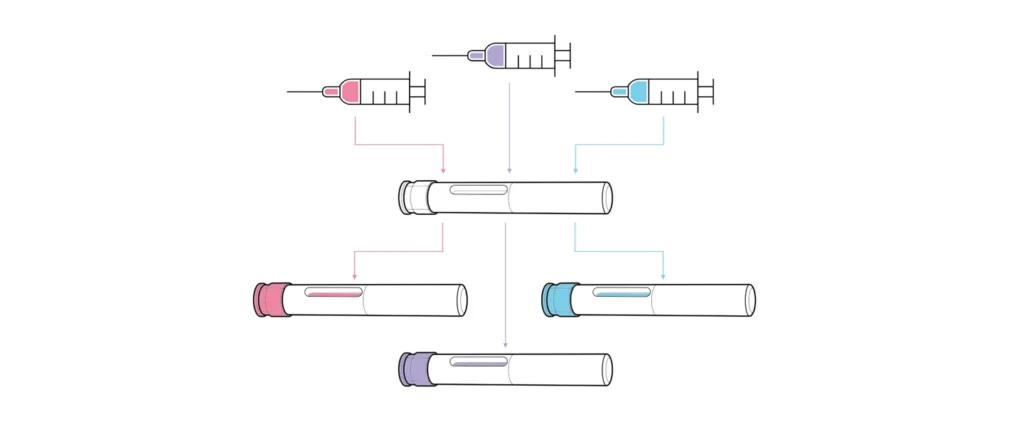
Let’s define two-component formulations as those consisting of two parts that, for stability or other reasons, must be kept separate throughout the product’s shelf-life, and are delivered together at the point of administration. The two constituent parts may be a solid drug and a liquid solvent or diluent (e.g. sterile water for injection) that must be mixed thoroughly before use. Alternatively, both constituents may be liquid, in which case they may either require mixing prior to delivery or be delivered sequentially (Figure 1).

web_body_ONDD-dual-chamber-issue_Figure-1
Figure 1: A simplified model of two-component injectables, classified according to the state of matter of constituent parts.

The Archetype: Solid/Liquid Reconstitution

Reconstitution is the process of adding a liquid solvent to a solid medication to dissolve it and form a solution. This may be required, at point of use, when a drug is unstable in liquid form and must therefore be stored dry. In such cases, the formulation is often filled as a liquid and then lyophilised (freeze dried) in situ. Alternatively, it may be manufactured and handled as a powder.

Freeze drying is an effective way to increase formulation stability. For small molecules, it can eliminate the need for cold-chain storage. For biologics (especially those that are large, complex or prone to aggregation) it can be a necessity in order to achieve an acceptable shelf-life.

“Lyophilised formulations now represent over 30% of all FDA-approved parenteral medications – and demand for lyophilised parenteral products is increasing.”

Lyophilised formulations now represent over 30% of all US FDA-approved parenteral medications1 – and demand for lyophilised parenteral products is increasing, as evidenced by past drug approvals (~35 such drugs were approved by the FDA each year over the past decade, compared to ~12 per year in the decade prior2). Considering lyophilised parenterals approved in 2023, oncology and infectious disease indications represented the largest share, together accounting for ~75% of total approvals.2

As lyophilisation is on the rise, so too are devices to simplify reconstitution. A wide range of solutions are available beyond the well-established vial-and-syringe method – from primary container adaptors to dual-chamber systems.

Solid/Liquid Suspensions

Suspensions are a dosage form in which insoluble solid particles are mixed into a liquid medium. They enable delivery of insoluble drugs and can be used to formulate long-acting injections. Suspensions may be supplied as separate wet and dry components (in which case the liquid phase is added to the solid phase and mixed prior to administration) or in a single primary container that is shaken to resuspend.

While solutions can readily be reconstituted with gentle swirling, suspensions usually need a greater energy input to achieve even mixing – the required amount varies greatly depending on the chemical and physical properties of the formulation. In some cases, vigorous shaking is insufficient and benchtop equipment, such as a vortex mixer, must be used.

Given sufficient energy input, the particles will be uniformly dispersed within the liquid, however the resulting mixture will be heterogenous and unstable; it will eventually settle. Therefore, suspensions must be thoroughly mixed immediately before use. Inconsistent dispersion can lead to inaccurate dosing or needle clogging – persistent challenges for device integration.

Injectable suspensions are becoming more prevalent, particularly for severe chronic conditions such as schizophrenia and HIV,3,4 where extended-release formulations are of particular value and which are often reliant on a suspension format to produce a long-acting depot. When formulated as separate wet and dry components, these products largely rely on vial-and-syringe or vial-adaptor workflows, with the occasional exception, such as Eligard’s reciprocating syringes, or the Abilify Maintena dual-chamber syringe.3,4

Liquid/Liquid Mixtures

Injection of two-liquid mixtures is rarer but not unheard of. Two liquids may be mixed and delivered together out of:

  1. Necessity: when a formulation consisting of two fluid phases is unstable in mixed form, but must be mixed prior to injection in order to achieve the intended therapeutic effect (e.g. API and polymer solutions that mix to form a long-acting depot).
  2. Convenience: if two liquid formulations are frequently administered together, such as in combination vaccines, pharma companies may choose a dual-chamber presentation over developing a coformulation, such as with Vivaxim.6 In this case, mixing isn’t necessary but rather a side effect of leveraging mature dual-chamber systems (which mix the two liquids prior to administration) rather than betting on more niche sequential delivery technology.

Sequential Delivery of Two Liquids

Sequential delivery of two different liquids through a single needle or injection port has been proposed for combination therapies, as well as for IV drug administration through a vascular access device (with the drug preceded, or followed, by a catheter flush).7

While there are several delivery technologies in development that might enable these use cases, only one combination product in this category is on the market at the time of writing, according to data from PharmaCircle. The DuoDote emergency-use autoinjector, based on a custom primary container, sequentially injects atropine and pralidoxime chloride. It is approved for treatment of nerve agent or insecticide poisoning.

Choosing the Right Device

Choosing the right device for a two-component injectable is often an exercise in trade-offs, highly dependent on the properties of the formulation itself, indications for use and the stage of development. Hereafter, this article will assume that a two-component injectable consists of separate wet and dry constituents that are reconstituted prior to injection, unless otherwise stated. This section will briefly cover the range of available technologies, and factors to consider when it comes to device selection.

“Choosing the right device for a two-component injectable is often an exercise in trade-offs, highly dependent on the properties of the formulation itself, indications for use and the stage of development.”

Vial and Syringe: Trusty but Burdensome

Two-component injectables are often supplied in vials, with off-the-shelf (OTS) needles and syringes used for fluid transfer and subsequent injection (Figure 2). By leveraging mature primary containers and fill-finish technologies, this approach benefits from low unit cost and a robust supply chain. It is also extremely versatile, with fewer restrictions on formulation volume and viscosity compared with alternatives, the ability to accommodate different doses in a single stock keeping unit, and no need for device-specific training.

On the other hand, the process is onerous and a high degree of technical expertise is required to perform all steps correctly. Dose accuracy is highly dependent on the user, and there is a greater risk of contamination and sharps injury compared with other methods, meaning that this type of system is typically limited to trained staff in clinical settings. Moreover, some drug wastage is inevitable, with vials often overfilled by 10–20% to ensure that a full dose can always be drawn.

web_body_ONDD-dual-chamber-issue_Figure-2
Figure 2: A summary of steps required for manual reconstitution using vials and syringes.

Devices to Simplify the Reconstitution Process

Given the growing prevalence of two-component injectables and the limitations of the established vial-and-syringe method, it is no surprise that a wide range of specialist devices have been developed to aid reconstitution. Figure 3 illustrates some of the solutions available.

  1. Primary Container Adaptors: Co-packaged with standard prefilled primary containers, these allow for drug components to be accurately pre-dosed during manufacturing, while maintaining low device and fill-finish costs.
  2. Integrated Manual and Automated Systems: Some of these leverage standard OTS containers, while others are designed around bespoke primary containers (e.g. dual-chamber cartridges).
    • Integration of device components reduces the number (and sometimes complexity) of use steps, reducing the burden of use and the likelihood of errors.
    • Automated devices take this further by incorporating mechanisms in the design (such as springs or electronics) to enable reconstitution and/or delivery with minimal user input.


web_body_ONDD-dual-chamber-issue_Figure-3
Figure 3: Examples of reconstitution devices for intravenous, intramuscular and subcutaneous administration. Devices marked with an asterisk are in development at the time of writing; the others are on the market. Note that prefilled dual-chamber systems can fall within the “integrated manual” or the “automated” categories, depending on device function.

Horses for Courses: Different Drugs Have Different Needs

When choosing a device, key trade-offs include cost, time to market, dose accuracy and ease of use. Consider:

  • Properties of the Formulation: All reconstitution devices have their strengths and limitations; the choice of device must be compatible with the needs of the formulation. For example, dual-chamber PFSs are limited to products with relatively low volumes that reconstitute readily.
  • Use Case and Dose Accuracy: The choice should be made with the final user in mind; integrated and automated systems greatly simplify usage, making accurate reconstitution accessible to users with less technical expertise (e.g. patients in the home setting).
  • Supply Chain Implications: The choice of primary container is the single most important factor influencing development timeline and manufacturing cost of the device. Dual-chamber fill-finish is highly complex; expertise is rare and CMO capacity limited.
  • Stage of Drug Development: Priorities differ depending on the stage of development. For example, a novel drug in clinical trials may benefit from the use of vials, since they offer flexible dosing and use only OTS components, whereas more integrated systems may be introduced post-launch to encourage wider adoption.

Dual-Chamber Delivery Systems

Prefilled dual-chamber systems (DCSs) are “all-in-one” devices built around bespoke primary containers, designed to simplify the reconstitution and delivery of two-component injectables. This final section delves deeper into this device category – strengths, limitations and key design considerations.

Anatomy of a Dual-Chamber System

In a DCS, the primary container consists of a barrel (typically made of glass) divided into two chambers by a central stopper. This barrier keeps the drug components separate from each other throughout storage. Once the DCS is activated, a bypass mechanism allows fluid to flow from the back (wet) chamber into the front (typically dry) chamber (Figure 4).

web_body_ONDD-dual-chamber-issue_Figure-4
Figure 4: Use steps and function of a typical DCS embodiment. Note that the linear application of force causes the bypass mechanism to activate, opening a fluid path that connects the two chambers.

DCSs vary in type of closure and bypass:

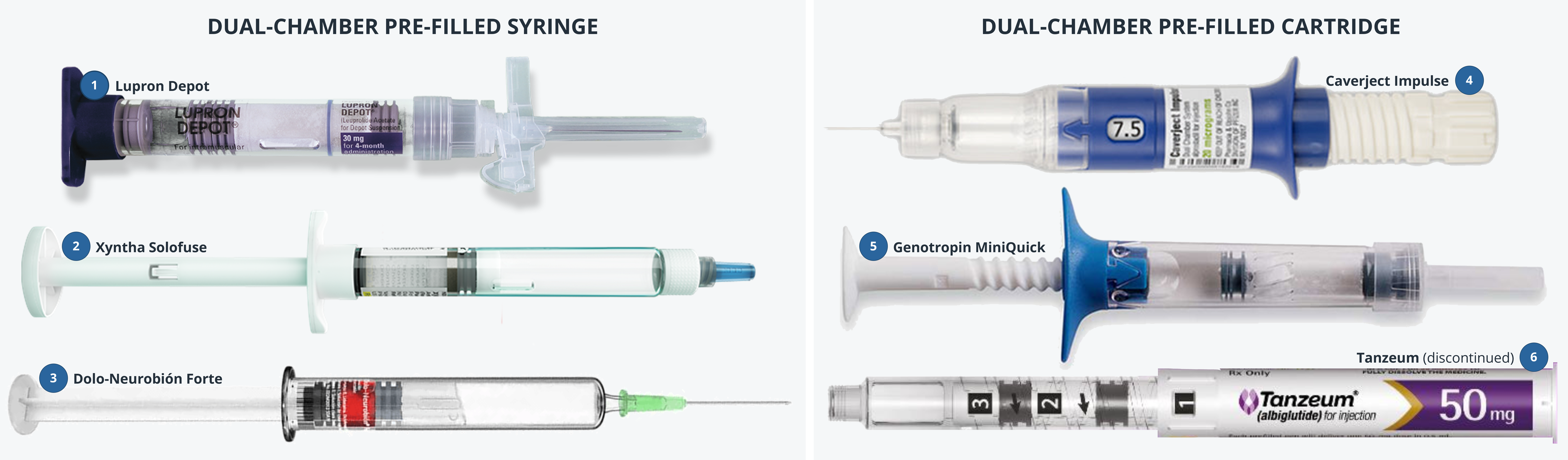
  • The closure can be PFS-style or cartridge-style (Figure 5).
  • The bypass is usually external (a blister bypass), but can also be internal (such as the multi-groove design of the Genotropin MiniQuick – Figure 5, Device 5). Note that an internal bypass allows the use of standard syringe or cartridge tubs, which is advantageous for manufacturing. Emerging designs, such as Credence MedSystems’ fenestrated needle bypass, also have the additional benefit of being compatible with OTS syringes.
web_body_ONDD-dual-chamber-issue_Figure-5
Figure 5: Approved DCS products (all marketed, bar Tanzeum, which has been discontinued). Left: dual-chamber prefilled syringes. Right: integrated injection devices built around dual-chamber cartridges. Device 1 contains a lyophilised suspension; Devices 2, 4, 5 and 6 contain lyophilised solutions; and Device 3 contains two liquids for co-administration.

Bespoke Primary Containers: A Double-Edged Sword

Like other specialist reconstitution devices, DCSs make administration of two-component injectables accessible to a wider range of users and care settings. They require less technical expertise to use accurately and consistently, with fewer and simpler handling steps, pre-measured drug components and reduced sharps exposure.

“Thanks to this design, DCSs can readily be integrated into devices with enhanced usability and/or advanced features.”

However, their unique strength lies in their form factor – the single barrel with a bypass that can be activated with a co-linear application of force (so both mixing and delivery are done by pushing on the rear plunger in a straight motion). Thanks to this design, DCSs can readily be integrated into devices with enhanced usability and/or advanced features. For example:

  • Xyntha Solofuse, an easy-to-use device with a simple finger flange (Figure 5 Device 2).
  • Caverject Impulse, an integrated manual system with dose selection capability (Figure 5 Device 4).
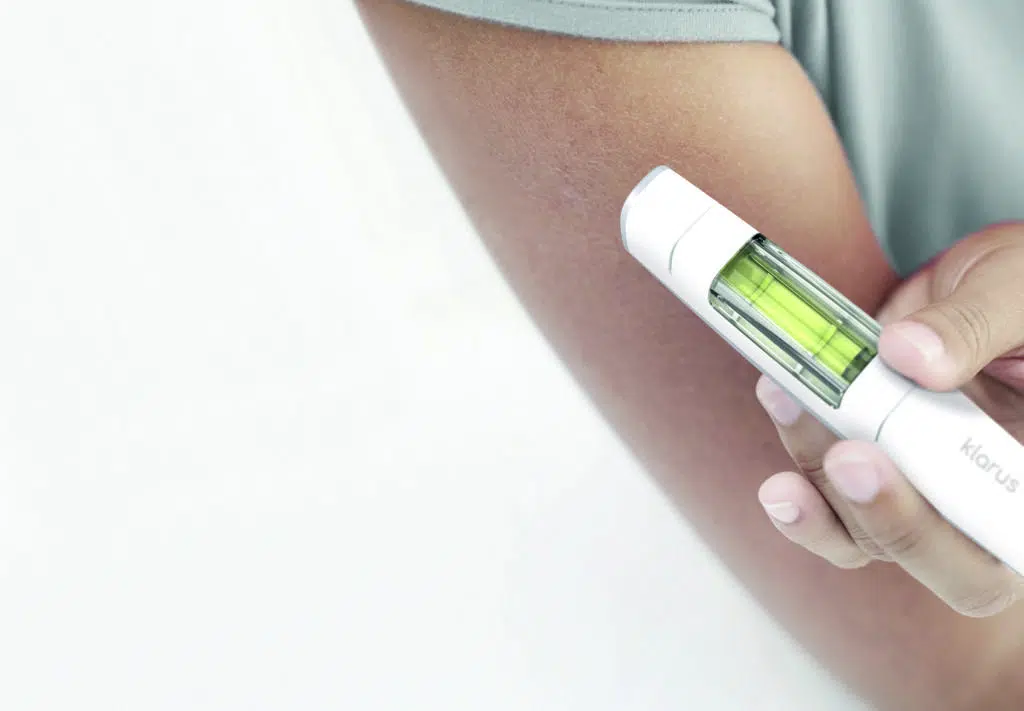
  • The reusable Skytrofa Autoinjector, pictured in Figure 3 with the green needle guard.

The flip side of the form-factor coin is that complexity is pushed into the manufacturing and filling process. Fill-finish for these devices requires specialist equipment and know-how (as noted above, expertise is rare and capacity is limited) and lyophilisation is inherently less efficient in the dual-chamber geometry compared with vials (smaller batches, poorer energy transfer, longer cycle times6). It all adds up to greater up-front investment and time-to-market, higher unit cost and a restricted supply chain.

For this reason, DCSs have so far been limited to premium value products, such as those used to treat rare diseases (e.g. haemophilia, growth hormone deficiency) or those that solve complex or critical clinical challenges (e.g. unmet needs, home care).6

Design Considerations

Current marketed DCSs have inherent technical limitations that impact formulation compatibility and device design. For example:

  • Capacity is limited to ~4 mL total reconstituted volume: Headspace in the front chamber must be sufficient to accommodate the initial plunger stroke required to open the bypass, both drug components, and additional room for swirling and mixing. Therefore, there is a limit to how much can be delivered with these devices before they become too large to be practical.
  • Venting and orientation are important: There usually needs to be a path to atmosphere during mixing to avoid pressure build-up in the front chamber (if there is a large amount of headspace in the powder chamber, this may not be required). In all cases, excess air must be vented prior to injection, which can be challenging and requires careful handling, as the device must be kept upright whenever there is a path to atmosphere to avoid drug spilling through the needle.
  • Plunger motion must be well controlled: When the bypass opens, the pressure in the system drops sharply. Unless the plunger’s forward motion is well controlled, there is a risk of prematurely locking out the fluid path, which would prevent the liquid in the back chamber from being fully incorporated into the mixture. To prevent this, many devices incorporate a screw mechanism that enforces a slower twist-to-mix action.
  • They are best suited to lyophilised formulations that are readily reconstituted with gentle swirling: Suspensions can only be delivered if the energy required to suspend is low. In addition, sequential delivery is not possible without specialised valve design (some mixing will always take place with the currently marketed DCSs). Finally, very particular considerations apply to the delivery of liquid/liquid mixtures – space is at an even greater premium, venting becomes critical and mixing performance varies widely depending on the specific device and formulation.

Looking Ahead

Meeting the next generation of injectable delivery challenges will demand the best of device innovation, alongside advances in formulation and process development. As therapies grow more complex, the need for close cross-functional collaboration becomes increasingly critical.

Developers of combination products will continue to face trade-offs between usability, flexibility, cost and manufacturability. To navigate these successfully, device and formulation experts must work hand-in-hand with clinical, regulatory, commercial and access stakeholders. Working together, we can deliver medicines that are fit for purpose today, and ready to meet the needs of tomorrow.

Get in touch

This article highlights how the right device can turn complex two-component injectables into simple, safe, and accessible treatments. If you’re exploring delivery challenges or want to design patient-friendly solutions for advanced formulations, we’d love to talk.

DRUG DELIVERY

We make drug delivery more effective for everyone

web_spotlight_dd-drug-delivery
References
  1. Kumar S et al, “Application of lyophilization in pharmaceutical injectable formulations: An industry and regulatory perspective”. J. Drug Deliv. Sci. Technol., 2024, Vol 100, article 106089.
  2. Gray J, “LyoHUB 2024 Annual Report”. 2024. Available from: https://pharmahub.org/resources/1112
  3. “Orange Book: Approved Drug Products with Therapeutic Equivalence Evaluations”. Web Page, US FDA, accessed Jul 2025.
  4. “Purple Book: Database of Licensed Biological Products”. Web Page, US FDA, accessed Jul 2025.
  5. “DailyMed: Prescription drug labeling and information.” US National Library of Medicine, accessed Jul 2025.
  6. Werk T et al, “Technology, Applications, and Process Challenges of Dual Chamber Systems”. J Pharm Sci, 2016, Vol 105, pp 4–9.
  7. Sousa et al, “Brief Report on Double-Chamber Syringes Patents and Implications for Infusion Therapy Safety and Efficiency”. Int J Environ Res. Public Health, 2020, Vol 17(21), art 8209.
||||||
By Cambridge Design Partnership

Designed to deliver: How collaboration created an award-winning device that puts patients first

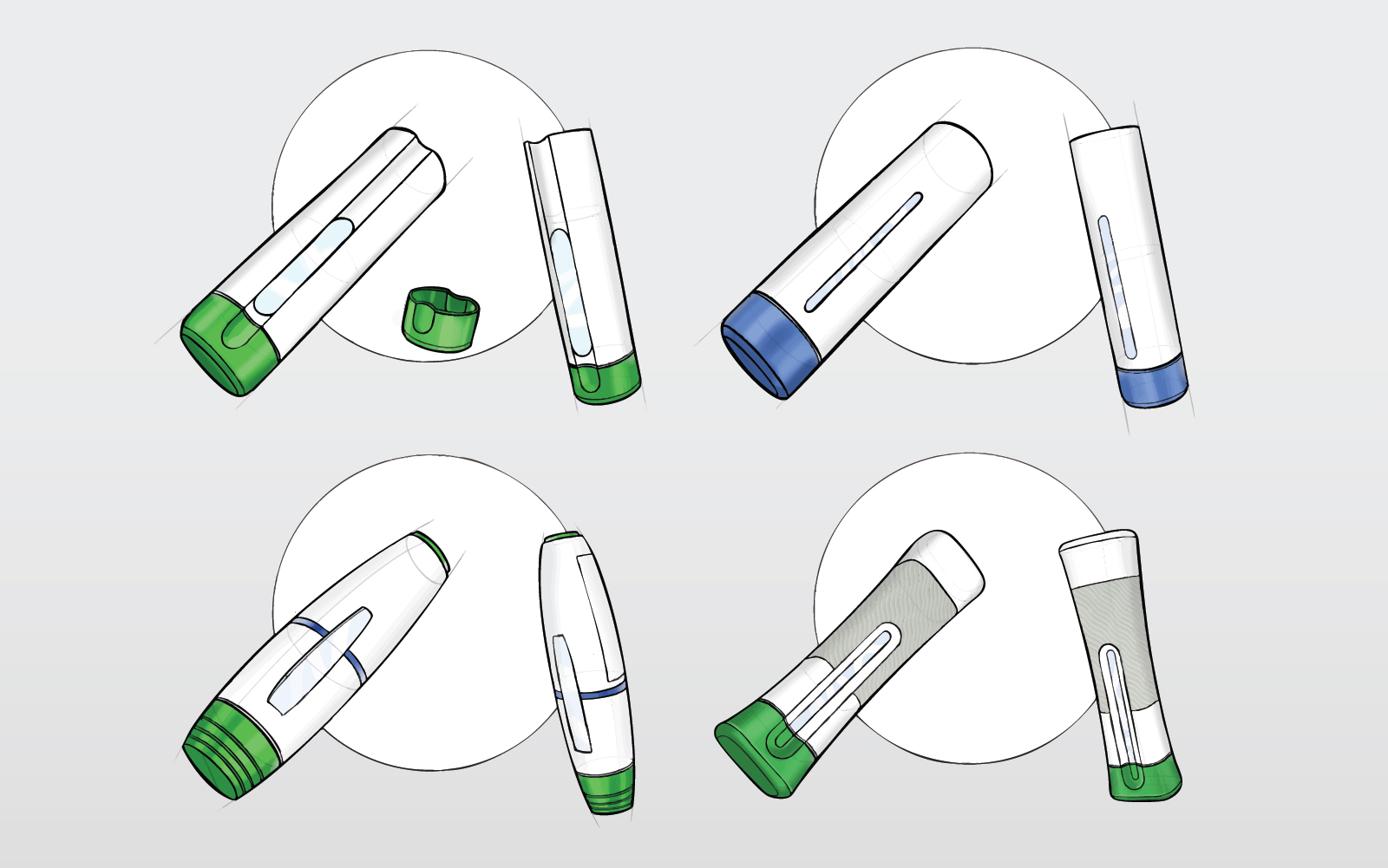
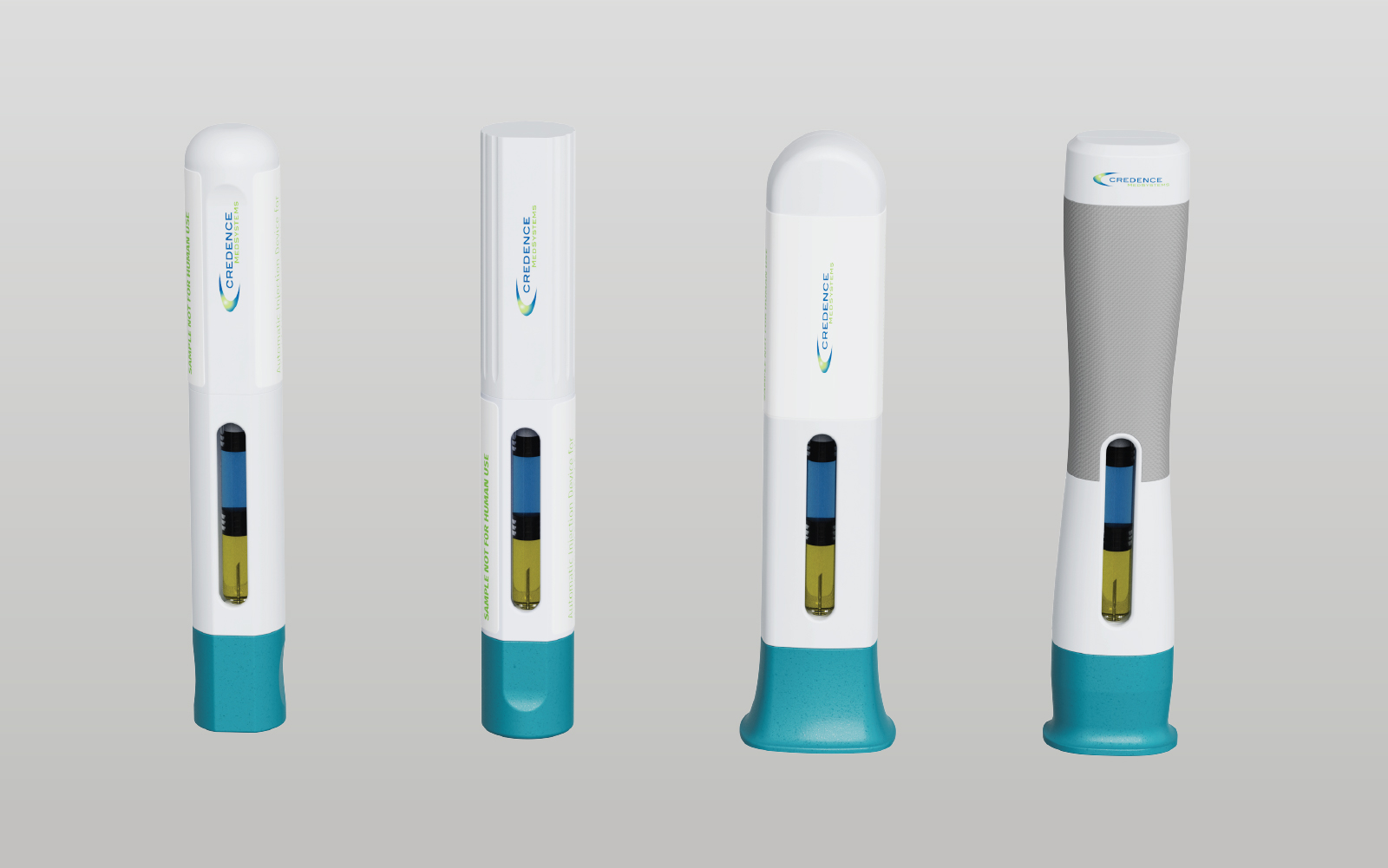
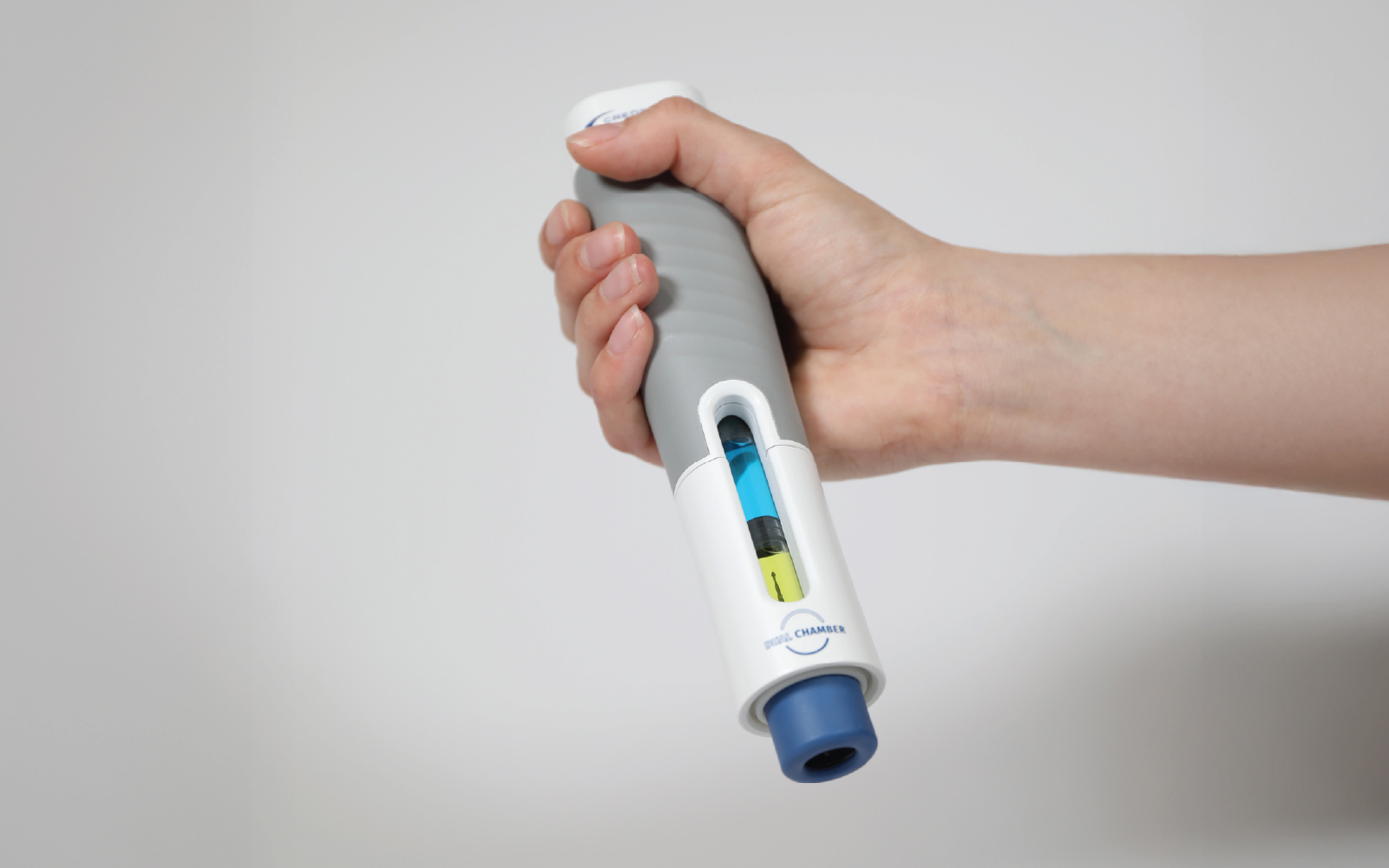
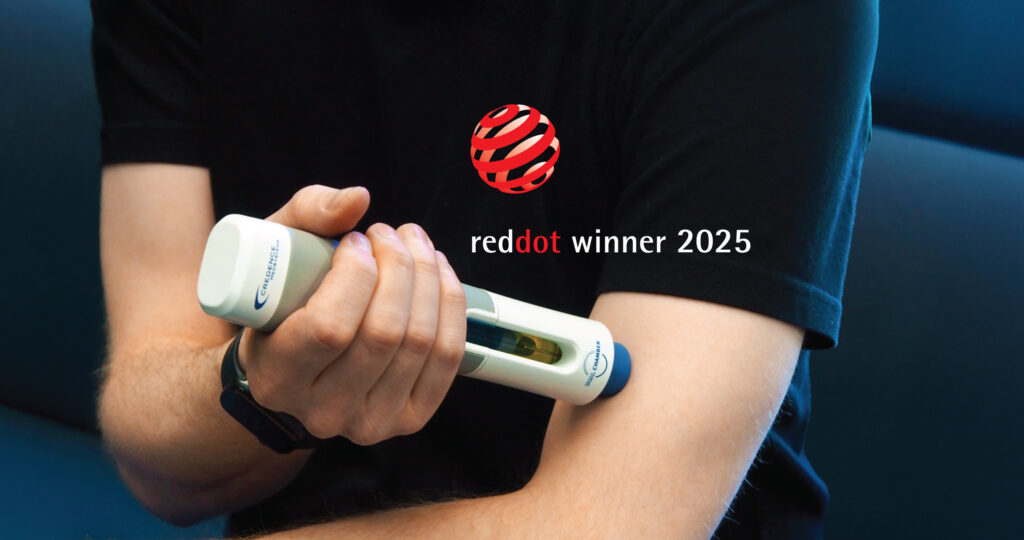
When Credence MedSystems set out to build on the capabilities of their Dual Chamber Syringe System (DCSS), they weren’t just looking to adapt it – they wanted to expand its potential. Together, we set out to create a new platform for at-home, sequential-drug delivery: one that combined human-centered design, deep technical know-how, and the power of partnership. Over the course of the project, our teams worked together to bring that vision to life. The result? A Red Dot 2025 award-winning demonstration autoinjector that not only showcases the functionality of the DCSS, but also reimagines how two drugs can be delivered at home in one simple injection.

Three Ingredients for Award-Winning Device Design

1. End-to-End Expertise

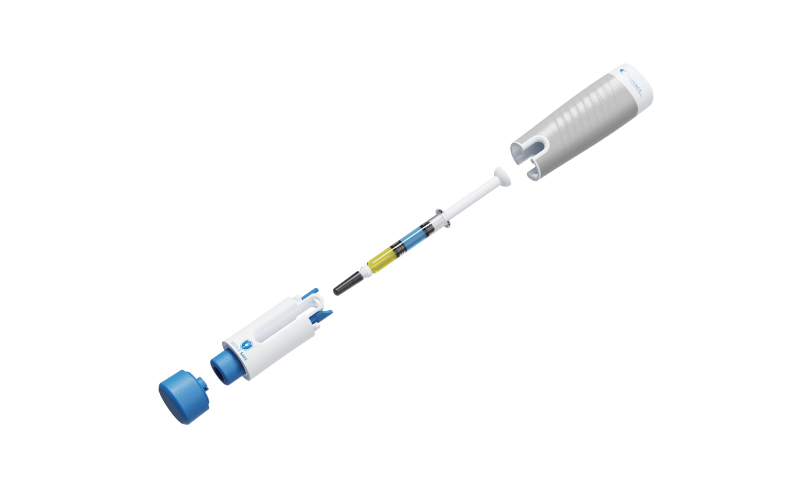
This project brought together two areas of specialist knowledge. Credence brought the core technology: a dual-chamber syringe system with automatic needle retraction that uses standard glass components, designed for sequential delivery of two formulations. Our team contributed deep experience in autoinjector design, usability, and manufacturing engineering. We translated complex drug delivery requirements into devices that are safe, manufacturable, and easy to use.

2. Close Collaboration

This was a shared, iterative development process built on close collaboration. From the outset, the teams worked together to define key requirements and align on a shared vision. By combining Credence’s knowledge of their container system with our insight into autoinjector mechanisms and user experience, This allowed us to accelerate from concept to working demonstration.

We shaped the engineering and design direction through regular feedback loops. Both teams were actively involved in decision-making throughout. When the Credence team visited our site in Cambridge, UK, we held a hands-on working session to evaluate both functional prototypes and industrial design handling models. Together, we assessed the feel of device activation, form factor, and visual cues. We blended technical and aesthetic considerations to arrive at the perfect overall experience.

The feedback was immediate. One mechanism was described as “smooth as butter”. This was a clear signal that we were on the right path.

3. Built-in User-Centered Thinking

While the request was to develop a reloadable, robust model for demonstration purposes. The long-term goal was always to support at-home use. We designed the experience to closely emulate the familiar, two-step workflow of a single-chamber autoinjector, while delivering the additional benefit of dual-drug administration. In addition, we made the demo unit reusable and resettable for hands-on use. We developed it with a clear development pathway towards a single-use, commercial device.

We also considered communication and clarity from the outset. Exploring iconography, leaving space for regulatory labeling, and ensuring the device visually conveyed key aspects of the user benefits.

From initial sketches…
…through concept renders…
…to the real thing

Platform Flexibility

What makes this device stand out isn’t just the sequential delivery of two formulations. It’s the fact that the same primary container can be used across both prefilled syringe and autoinjector formats without changing any drug-contacting components. This flexibility helps reduce development burden. It simplifies supply chains and makes it easier for pharmaceutical partners to scale and adapt their delivery format over time. There’s also a clear benefit for patients. Fewer injections, simpler instructions, and added confidence that both parts of the treatment are delivered, every time. Beneath it all lies a sustainability advantage. With a sequential delivery device, there’s only one autoinjector to manufacture, ship and dispose of. This can make a meaningful difference at scale.

As a result, this wasn’t just a concept exercise. It was a real-time demonstration of what’s possible when two expert teams bring their strengths to the table. We developed a fully-functioning demo platform and in doing so, also laid the groundwork for future commercial evolution, including a clear view of what it would take to move from demo model to single-use device.

Our shared focus, technical excellence, and momentum powered this collaboration. We’re proud to see this work recognized with an industry award.

Get in touch

This project showed what’s possible when deep technical expertise meets close collaboration and how the right partnership can bring a new device vision to life. In short, If you’re looking to explore what your delivery system could become or want to create a new device experience that puts patients first, we’d love to help.


Advancing Injectable Drug Delivery Systems
By Cambridge Design Partnership

Advancing Injectable Drug Delivery Systems

EXCLUSIVE INSIGHTS

Advancing Injectable
Drug Delivery Systems

Unlock expert opinions and insights with four in-depth interviews on the challenges of parenteral innovation.

By Clare Beddoes • Head of Drug Delivery

Featuring exclusive interviews from industry leaders and pharma innovators

Get insider insights

Tell us a bit about yourself and we’ll email the guide directly to you.

Each article provides exclusive insights on different aspects of injectable drug delivery, offering valuable perspectives on design, usability, and market trends.

Expert Perspectives and Innovations

  • As more complex injectable drugs move from clinic to home, are devices keeping pace with patient expectations and healthcare system expectations?
  • What does it take to make drug delivery safer, simpler, and more effective, especially when every second counts?
  • What role does user-centered design play in making advanced therapies more accessible and effective?
  • Looking ahead, how can delivery technology help unlock access to life-changing treatments?

To answer these questions, this downloadable PDF explores the future of injectable drug delivery, spotlighting innovations that are transforming patient care. Furthermore, through real-world examples, we dive into how device design, patient-centricity, and pharma-device collaboration are reshaping the landscape.


Download the guide to access the full interviews and explore these insights in detail:

Epinephrine injectors for pediatric use
Improving usability for effective emergency treatment

Ocular drug delivery
Advancing sustained release to ease the burden of acute therapies

User-centered infusion pumps
Enhancing patient comfort and convenience

Advanced Parkinson’s Disease treatments
Strategies to overcome regulatory challenges


|||
Find the authors
on LinkedIn:

Navigating new frontiers: Bringing Parkinson’s treatments to new markets

Advances in drug delivery and strategies to overcome regulatory challenges for global patient access

Patients with Advanced Parkinson’s Disease (APD) face significant challenges in managing their symptoms and maintaining their quality of life. Effective, continuous dopaminergic stimulation treatment options are critical, as conventional oral therapies no longer offer adequate relief with advancing disease state. Advanced device-aided therapies that provide consistent symptom control are essential for improving patient outcomes and enabling a more independent lifestyle.

However, bringing these innovative treatments to market is challenging. Adequate control of APD via continuous treatment can require a combination of drug products, delivered with an infusion pump that is flexible enough to meet the needs of different patient groups yet simple enough for home use.

When deciding on a pump solution, companies must choose whether to adapt existing technologies or develop new solutions from scratch; each path requiring different developmental strategies and involving differing levels of investment and risk. They must then navigate an often-changing regulatory landscape with distinct requirements across regions, adding complexity to the development and approval process.

This article, authored by Steve Augustyn, Deputy Head of Drug Delivery at Cambridge Design Partnership, featuring insights from Krai Chatamra, Vice President of Clinical Development at Intrance Medical Systems Inc (Intrance), explores the necessity of advanced therapies that provide consistent symptom control to improve patient outcomes and enable a more independent lifestyle.

Krai Chatamra has decades of experience in the pathology and treatment of APD. In this article, Steve Augustyn spoke to Krai about the process of bringing a new treatment for APD to the market.

To clarify some of the terminology used in this article;

  • a drug substance is the active pharmaceutical ingredient
  • a drug product is the final dosage form that includes the drug substance
  • a combination product (in this instance) is the drug product working with the specified infusion pump.

Intrance Medical Systems, Inc. is developing a next-generation therapy for patients with APD. The lead product combines a proprietary gel formulation of carbidopa, levodopa and entacapone delivered by an ambulatory infusion pump. The pump delivers the medication directly to the jejunum via a percutaneous endoscopic gastrostomy (PEG) tube, enabling continuous treatment for patients with APD, removing the burden of managing complex oral dosing regimens and preventing the complications associated with the unpredictable motor fluctuations.

Cambridge Design Partnership (CDP) recently supported Intrance in the verification of its selected infusion device, clearing the way for a Phase III clinical trial as part of the company’s marketing application for the US. The verification required hundreds of delivery profile tests to meet the latest requirements in AAMI TIR 101:2021 (Fluid delivery performance testing for infusion pumps) to demonstrate the safety and accuracy of Intrance’s combination product.


Challenges and innovations in APD therapies

Complexity of APD

Krai: Parkinson’s Disease is a vast field. Currently, we are concentrating on the advanced stage of the disease, which is uniquely complex. As the disease progresses, it becomes increasingly multifaceted. Conventional oral therapies are ineffective at this advanced stage.

In APD, patients experience motor fluctuations between two highly disabling states: OFF, where they are unable to move, and hyperkinetic [dyskinetic], where they move uncontrollably. Patients typically spend at least 50% of their waking hours oscillating between these two states. Our goal is to thread the plasma level of L-dopa into the narrow therapeutic window, thereby avoiding patients experiencing such disabling OFF and dyskinetic states.

The challenge of maintaining levodopa levels

Krai: The plasma level of levodopa must be maintained within this very narrow therapeutic window, which continues to narrow as the disease progresses. Therefore, we need a drug delivery system that can precisely regulate the plasma levodopa levels within this narrow synaptic window. This is our biggest challenge.

Our current product, Lecigon, is an investigational drug in the US. However, it has already been approved in multiple European countries. So, the challenges we face are distinct from those encountered by other companies developing drugs or devices for different stages of PD.

We need a drug delivery system that can precisely regulate plasma levodopa levels within a narrow synaptic window.”

Krai Chatamra | Vice President of Clinical Development at Intrance Medical


Identifying a suitable device platform

Multifaceted challenges

Krai: The challenges are multifaceted. Firstly, there is a constantly changing regulatory landscape. Secondly, each regional governance has its own requirements, which are not necessarily aligned. Lastly, we had to weigh the availability of existing pumps versus the invention of a completely new device, both of which require different developmental pathways. Before deciding on the final infusion device, we had to go through numerous qualifying steps in great detail.

We initially targeted the European market. We are now moving to the US, and ultimately Japan.

There is a constantly changing regulatory landscape, and each regional governance has its own requirements, which are not necessarily aligned.”

Krai Chatamra | Vice President of Clinical Development at Intrance Medical


Differences in verification and validation: drug products vs. medical infusion pumps

Distinct development pathways

Krai: The developmental pathways from a regulatory perspective for a drug product and a medical device are quite different. While there are some common themes, such as ensuring safety for patients, the requirements, especially in the US, differ significantly between the drug and the device.

We are dealing with different administrative arrangements, review procedures, and guidelines. Collectively, these differences mean that the paths to take a product – whether it be a drug, device, or combination of both – from development to market are distinct.

For those new to drug-device development, whether developing products independently or as combination products, it’s important to understand that the process, in the US, ultimately depends on which center (e.g. CDER, CBER or CDRH) your product is filed with.

“The requirements, especially in the US, differ significantly between the drug and the device.”

Krai Chatamra | Vice President of Clinical Development at Intrance Medical


Advice for developing a combination product for neurological conditions

Do your homework

Krai: The single most important piece of advice I would give [when developing a combination product] is to do your homework thoroughly. This may sound simplistic, but it involves several critical steps. First, understand the disease you are targeting.

Second, know the region [you plan to seek marketing approval in]: Understand the regulatory and market conditions. For example, if you are targeting the US, you need to be aware of the existing availability of infusion pumps, which can help you navigate the requirements for pump testing. (Using an infusion pump that is already approved for use in the US can substantially reduce the amount of testing and risk in the process.)

Third, decide on the product approach: Determine whether you want to use an existing device that is already in use elsewhere, or develop something new yourself.

These three elements are crucial prior to committing additional resources to your program.

Determine whether you want to use an existing device that is already in use elsewhere, or develop something new yourself.

Krai Chatamra | Vice President of Clinical Development at Intrance Medical


Future trends and developments in APD therapies

Promising advances in drug administration

Krai: The future looks promising. Over the past ten years, many companies have recognized that different methods of drug administration are not only useful but are also safe and effective. There are now multiple ways to introduce drugs to patients. Oral treatment is now considered the least effective for APD due to the inability to completely overcome the issues associated with gastric complications of the stomach, e.g. erratic discharge, interaction with amino acids etc. The only way to overcome this is to bypass the biggest culprit, the stomach.

Several companies are exploring alternative methods of administration for PD therapies, such as enteral, subcutaneous, or sublingual routes. These methods, combined with advancements in drug formulation, have significantly improved treatment options. Levodopa, for example, is recognized as notoriously insoluble until recent advancements enabled it to be dissolved in a suitable medium.

Advancements in formulation, pump technology, and alternative methods of administration have contributed to the development of multiple new products. It is an exciting time to be involved in this field.

Opportunities for continuous blood serum monitoring

Krai: It would be remiss of us in PD therapeutic development not to recognize how other fields have successfully approached similar problems. For example, in diabetes management, continuous monitoring is crucial, and the ability to intervene as needed has been a significant success.

For PD, the challenges are similar. If we could monitor patients’ symptoms – both motor and non-motor – and adjust the treatment dosage accordingly, it would be highly advantageous. There are ongoing developments in this field, particularly with various wearables that are being developed rapidly and are becoming more prevalent.

The future I envision involves the combined use of infusion treatments and continuous monitoring. Imagine if we could detect when a patient’s plasma levodopa level is dropping, accompanied by certain symptoms, and then automatically adjust the drug delivery. That would be ideal.

Imagine if we could detect when a patient’s plasma levodopa level is dropping, accompanied by certain symptoms, and then automatically adjust the drug delivery.

Krai Chatamra | Vice President of Clinical Development at Intrance Medical


PD therapy is rapidly advancing, marked by significant advances in drug delivery technologies. These innovations are already providing significant improvements in patient outcomes and quality of life. Navigating the distinct regulatory environments across different markets is crucial. Understanding these differences is essential for successfully bringing new treatments to the market. CDP helps clients address this challenge by providing expert guidance on all aspects of drug delivery device design and verification.

Connect with CDP

If you would like to discuss the content of this article, please get in touch with Steve Augustyn, Deputy Head of Drug Delivery at Cambridge Design Partnership:

Steve Augustyn, Deputy Head of Drug Delivery
steve.augustyn@cambridge-design.com

|||
Find the authors
on LinkedIn:

Pump It Up: User-Centered Infusion Pumps on the Rise

Enhancing Patient Comfort and Convenience

The trend in the pharma industry towards larger volumes of subcutaneous (SC) therapeutics, coupled with the ongoing shift towards home-based care, is driving the need for devices capable of delivering those products – and particularly those aimed at self-administration.

Ambulatory infusion pumps are already indispensable in treating conditions such as primary immunodeficiencies (PIDD), chronic inflammatory demyelinating polyneuropathy (CIDP), rheumatoid arthritis, Crohn’s disease, ulcerative colitis, and multiple sclerosis – allowing patients to deliver their own therapies in the home setting.

KORU specializes in subcutaneous infusion systems designed to deliver life-saving therapies to patients with chronic conditions, including PIDD and CIDP. With a user base of over 40,000 patients, Koru has extensive experience in large volume drug delivery, with over 1.8 million successful infusions each year. Their technologies can deliver 3 ml to over 100 ml.


Key Trends in Parenteral Delivery

Ensuring Safe and Accurate Dose Delivery

Linda: Safe and accurate dose delivery is the bedrock of any drug delivery device. Following that, patient comfort and convenience are paramount. Technologies such as prefilled syringes (PFS), have significantly contributed to these goals. Prefilled syringes ensure precise dosing, which is crucial for patient safety, and they also streamline the self-administration workflow process, reducing the risk of dosing errors.

Jon: Initially used for vaccines, PFS are now being used for a wide range of therapeutics and have been a key enabler of patient self-administration, enhancing dose accuracy and convenience. The use of PFS for SC infusion-based therapies represents a significant evolution in convenience, as patients no longer need to fill their devices at home.

While this advancement does pose some challenges, such as increasing the overall form factor of some ambulatory pumps, the benefits outweigh that challenge, and space can be saved, and footprint reduced, via innovative design.

The Rise of Connectivity

Linda: Another major trend is connectivity. As healthcare shifts from hospital and infusion clinic settings to the home, real-time understanding of patient conditions becomes crucial. However, the value of adding digital solutions to drug delivery devices remains a key question in the industry.

Our technology strategy is encapsulated in three words: “comfort, convenience, connected.” While connectivity is part of our strategy, it is a longer-term goal for KORU. It is important to note that although there are hundreds of thousands of healthcare-related apps currently available, the number that are currently reimbursed is a much smaller subset. The cost-benefit ratio is a critical factor for healthcare providers, payers, and patients.

Jon: Understanding what the drivers are for connectivity is key when developing drug delivery devices. Absolute focus on the users (including the patient, healthcare professional, and wider healthcare system) is paramount. Just because a technology can be implemented doesn’t mean it should be.

Transitioning Healthcare Settings

Linda: As more aspects of healthcare transition to the home, we encounter quite a different user base. Understanding users, their conditions and needs is the first challenge we face. Then, we aim to design solutions within a timeframe that does not disrupt the drug timeline or add additional risk.

Jon: It is true that the transition from clinic to home can be a challenge, but the potential improvement in patients’ lives is massive. The interruption of having to travel to an infusion center or hospital regularly and arranging appointments adds to a feeling of being trapped by your condition, which can have a huge emotional toll.

“Safe and accurate dose delivery is the bedrock of any drug delivery device. Following that, patient comfort and convenience are paramount.”

Linda Tharby | Chief Executive Officer and President at KORU


Designing for Diverse Groups

Innovative Solutions for Rare Diseases

Linda: Our products are often used within the rare diseases space. This brings additional challenges, as our patient populations can be extremely low in number – ranging from 10,000 to 50,000 globally – and geographically dispersed. Knowledge about the specific condition and treatment options is sometimes sparse too. We design and validate our products with this in mind, considering the needs of caregivers, self-administering patients, and healthcare professionals.

For rare disease states, KORU aims to support even smaller patient populations by modifying our pump or consumable set. This approach is more achievable than creating bespoke devices from the ground up, allowing us to support vulnerable patient populations with platform-based products that are easier to develop and faster to scale.

Jon: As an engineer, designing a product that can be adopted by such a wide range of user groups is hugely satisfying. The elegance of modifying a platform system without interrupting the supply chain – or causing large changes to the design history file and supporting verification documentation – allows for the smooth and crucially fast uptake of new therapies. By minimizing the number of change parts, we can also reduce the environmental impact of the product, reducing the number of SKUs and the effect on the supply chain.


“Designing a product that can be adopted by such a wide range of user groups is hugely satisfying.”

Jon Powell | Head of Manufacturing at Cambridge Design Partnership


Enhancing Workflow and Efficiency

Innovative Mechanical Infusion

Linda: At the core of our technology is a fully mechanical infusion system. This system cuts the need for batteries, electricity, or programming. It uses a constant force spring system to ensure accurate dose delivery.

Our pumps also enable the use of PFS, which cuts – often challenging – workflow steps, removing the burden of filling the syringe prior to use. This streamlined process reduces the entire workflow to just a few steps: load the syringe, connect the infusion set, insert the syringe into the device, and close the door – all of which can be completed in five seconds or less.

User-Friendly Design

Linda: Furthermore, our new infusion sets are ergonomically designed with specific design language cues. For example, we use color-coding – blue to blue, white to white – when connecting different components. This approach leverages best-in-class anthropometric data, making attachments easier for elderly patients and children to comprehend and carry out safely.

Jon: Good design cues help users simplify their routines. A great device should not be a burden or worry in the users’ already busy life. In fact, many create an emotional connection with their device – it becomes part of their daily or weekly routines, almost like part of the family. In a recent user study, one elderly user shared they had given their pump a name. “Frank” had become part of the patient’s life, as well as providing their life-saving therapy.

“This process reduces the workflow to a few steps: load the syringe, connect the infusion set, insert the syringe into the device, and close the door.”

Linda Tharby | Chief Executive Officer and President at KORU


Empowering Healthcare Professionals

Simplifying the Workflow for Nurses

Linda: Our infusion pumps are not only applicable to patients in the home setting. In recent years, over ten drugs have been approved for administration in infusion clinics. Currently, manual push is the standard mode of administration for many of those therapies, and it seems pharmaceutical companies assume healthcare professionals will manage, despite the user burden and impact on workflow involved with managing multiple infusions daily. We believe this is a substantial unmet need in the market, and we are focused on developing a solution.

Jon: Infusion nurses are often extremely busy, managing multiple patients with different therapeutic needs for example, conducting manual dose calculations, scheduling and pump setup and checks. Set-and-forget devices can reduce that burden, streamline clinic workflows, and provide a high level of confidence that the correct dose will be delivered at the right rate.

Linda: With the Koru system, they simply take the syringe, connect the delivery device, place it into our pump, close it, and walk away. There is no need to learn a new system or programming. The advantages relevant for home use are equally beneficial in infusion centers.

Set-and-forget devices provide a high level of confidence that the correct dose will be delivered at the right rate.

Jon Powell | Head of Manufacturing at Cambridge Design Partnership


Innovation Driven by Market Needs

Overcoming Auto Injector Limitations

Jon: Autoinjectors (AI) were first introduced in the 1980s for emergency use, and their widespread adoption for regular home administration of biologics and other medications began in the mid-2000s. For volumes above 2 ml, there are still significant challenges to overcome, and though there are innovations within the AI space, current options include using multiple devices to achieve a dose above 2.25 ml. The limits in terms of volumes and rates for a single bolus injection are still being studied, but indications are that injection duration of up to 30 seconds is achievable. For viscous drugs or larger volumes, this duration may need to extend significantly, resulting in the potential of usage errors and partial dosing – not to mention poor patient adherence.

Linda: We are addressing the significant market need when autoinjectors are not suitable due to development time and constraints such as volume and hold time. This unmet need drove our innovation into delivery options for doses under 10 ml.

Efficiency and Cost-Effectiveness

Linda: Our focus is on further developing both our pump platform and consumables. The flexibility and simplicity of our 510(k) approved system means we can offer pharmaceutical customers shorter development timelines, both for clinical trials and in bringing a product to market with lower cost and lower risk. We keep the pump platform consistent, making small changes as needed, such as reducing a 20 ml pump to 10 ml to suit a specific drug volume, directly addressing market demands for flexibility and speed.

Facilitating Clinical Trials

Linda: By using the same pump and consumable platform, we also enable clinical trials for different drugs. We can easily modify the system to accommodate various viscosity and flow rate demands without a multi-year development process. We use the same fundamental technology repeatedly, knowing how to modify it for different drugs with unique needs and flow rates, allowing a rapid path to clinical trial readiness.

Reusable Platform

Linda: Our core pump is reusable, and the consumables are disposable, and we are making those disposables as environmentally friendly as possible. Our reusable platform is simpler to process at end of device life compared to electronic pumps, which have batteries and electronics that are more complicated to handle, addressing market demands for sustainability.

“We are addressing the significant market need when autoinjectors are not suitable due to development time and constraints such as volume and hold time.”

Linda Tharby | Chief Executive Officer and President at KORU


Seizing Market Growth Opportunities

Growth in Immunoglobulin Market

Linda: Immunoglobulins (Ig) still make up 95% of our business, and we are witnessing incredible growth in this area post-COVID. As people become more active, those with compromised immune systems require more immunoglobulin to combat infections. Companies are now looking to innovate drug delivery devices in this space.

Jon: Ig therapies are manufactured from human plasma donations and the production process is complex and time-consuming, taking 7-12 months from collection to the final product. The continued growth of Ig demand, quoted as 6-8% annual growth in a 2020 journal article1, is putting significant pressures on the supply chain, with every precious drop being used in life saving treatments, and we see this across a number of our clients. An added benefit of using PFS with infusion pumps is the optimized dosing of these therapies, ensuring that patients receive the precise amount needed, with no waste, which helps maximize the efficiency and effectiveness of the treatments.

“We are witnessing incredible growth in [the immunoglobulins market] post-COVID […]. Companies are now looking to innovate drug delivery devices in this space.”

Linda Tharby | Chief Executive Officer and President at KORU


Advancements in infusion pump technology are improving delivery of large volume therapeutics for chronic condition management in both clinical and home settings. CDP partners with clients to develop devices that prioritize patient comfort and convenience, addressing critical healthcare needs while enhancing the overall user experience. By accelerating the development and market introduction of these pumps, CDP enables clients to bring innovative solutions to market faster, ensuring patients receive effective treatments sooner, reducing hospital admissions, and empowering patient autonomy.

Connect with CDP

Cambridge Design Partnership emphasizes user experience in our approach to meet the requirements of healthcare professionals and patients.

For enquiries regarding this article, please contact:

Jon Powell, Head of Manufacturing
jon.powell@cambridge-design.com


||||
By Cambridge Design Partnership

Ocular Drug Delivery: Eyes on the Future 

Advancing Sustained Release to Ease the Burden of Acute Therapies

Complex drug products, delivered to specific tissue in the patient, can require a very innovative approach to delivery device development. Nowhere is this more important than for the treatment of ophthalmic diseases, where established delivery methods often require frequent hospital visits for injection into the eye by specialist practitioners, placing a heavy burden on the healthcare system – and the patient.

To alleviate this burden, pharma companies are developing sustained-release therapeutic assets, which aim to reduce the frequency of patient appointments. Achieving this requires a seamless integration of drug and device development.

Re-Vana Therapeutics aims to transform ocular drug delivery with sustained-release large molecule biologics for a range of eye diseases. Their platform technologies, EyeLief®, EyeLief SD™, and OcuLief®, deliver biologics and small molecules. Their non-surgical approach targets a multi-billion-dollar market and offers expansion opportunities beyond ocular treatments.


The Rise of Targeted Combination Products

Shifting Perceptions in Drug Delivery

Patrick: Re-Vana has significant interest from multiple large pharmaceutical companies regarding our technology. There has been a fundamental shift in the industry where large pharmaceutical companies are keen to explore the advantage of targeted delivery as a way to extend the patent life of some assets and offer a more controlled method of delivering some of the more complex therapeutics.

Evolution of Combination Products

Dariusz: For a long time, devices such as pen injectors or auto-injectors were seen as necessary components to complete the expensive development of a drug that couldn’t be delivered orally. Drugs with a very narrow therapeutic window (such as insulin) have relied on highly accurate dosing for years. By applying this philosophy of highly accurate delivery to biological drugs, new therapeutic approaches open up. For example, the Re-Vana product requires both the delivery device and the drug to work together to achieve successful and targeted delivery for the sustained release of active pharmaceutical ingredients (APIs). We are witnessing a significant industry shift, emphasizing the need for highly capable teams to deliver these complex combination products effectively and efficiently within well-defined – and often truncated – timeframes.  Accelerated development is necessary to align with investment needs and market demands.


“By applying the philosophy of highly accurate delivery to biological drugs, new therapeutic approaches open up.”

Dariusz Zak | Head of Applied Science


Enhancing Patient Care Through Sustained Release and User-Centered Design

Addressing the Burden of Acute Delivery

Patrick: There are numerous molecules aimed at treating retinal diseases, including wet age-related macular degeneration (AMD), dry AMD, geographic atrophy, diabetic retinopathy, and various genetic conditions. Despite the abundance of these drug assets, they all face a common challenge: they require patients to visit the doctor’s office for treatment every four to six weeks, placing a significant burden on the healthcare system. In the American healthcare system, there are approximately 2,500 retinal specialists, a number that is not increasing at the same pace as their caseload. Meanwhile, the number of patients diagnosed with retinal diseases is rising, and the population is aging. This creates a bandwidth issue for treating all these patients. Although clinical trials show promising results for many of the treatments, real-world data often falls short due to non-compliance by patients and shortage of healthcare provision. It is now widely accepted that what is needed is the sustained release of these therapeutic assets that will ease the burden on both patients and the healthcare system, whether they are small, medium, or large molecules.

Expanding Focus Beyond Ophthalmology

Patrick: We believe that our domain expertise in combination drug-device products, combined with our proprietary photo-crosslinked drug delivery technology, allows us to explore many opportunities outside of ophthalmology. For example, we are considering glucagon-like peptide-1 (GLP-1) agonists, which are seeing huge demand in the market. These patients typically need to self-administer injections weekly or bi-weekly. But what if they could self-administer every three or six months? We see substantial value in that.

User-Centered Design and Regulatory Challenges 

Fran: Users have varying levels of training and different use environments, so products and devices must be able to compensate for these differences. This is why there is an increasing focus on user-centered design. Demonstrating that devices are safe and effective is a significant challenge, especially as we move towards targeted treatments that often require specialist application. Regulatory bodies require substantial evidence to demonstrate effectiveness, but the exact amount of evidence needed is often not clearly defined for novel treatments. This ambiguity can make it difficult to understand and meet regulatory requirements for new areas of technology.

“It is now widely accepted that what is needed is the sustained release of these therapeutic assets.”

Patrick H O’Ruane | Chief Operating Officer at Re-Vana Therapeutics


Driving Innovation Through Agility, Expertise, and Collaboration

De-risking the Development Process

Patrick: When developing a device to deliver our sustained release formulation, I wanted to de-risk the difficult parts before committing resources to development under design control. My goal was to answer the fundamental question: can this be done? We are attempting to set a world record by creating the largest implant ever performed through a 25-gauge needle, to be able to carry significantly higher drug loading and achieve truly targeted, sustained-release dosing. We needed to determine if this was feasible or just a pipe dream. The two main questions were: can it be done? The answer was yes. Can we build a minimally viable prototype flexible enough to work with multiple assets? Again, the answer was yes.

Assembling a Specialized Team

Patrick: We have a unique advantage in assembling a team that specializes in combination drug-device products who appreciate that to succeed, you must understand both drug and device development and integrate them seamlessly. The two components of the combination product cannot be developed in isolation. My top recommendation to investors is to ensure they have a team capable of handling both aspects. It doesn’t matter if you have the world’s greatest drug development expert, even a Nobel Prize winner; you need a team that can manage both drug and device development.

Understanding Real-World Needs

Patrick: The last thing you want is scientists or engineers developing an idea in isolation – you need to talk to the end users throughout the development. In our case, this involves clinicians, the people treating patients, explaining the real problems. Many companies solve problems that don’t need solving, and doctors dismiss these solutions because they don’t need or want them. Moreover, if you solve a problem for physicians, you must do so without complicating their workflow or increasing costs. It might sound harsh, but it doesn’t matter if the product is better for the patient if it interferes with the clinician’s workflow or is too expensive – they often won’t use it. We’ve built a strong Scientific Advisory Board of leading retinal practitioners. Sometimes, we present ideas to them, and they provide invaluable feedback. For instance, if we consider a new approach, they might advise against it, saying no one will use it. This immediate feedback is crucial. Small companies with good scientific advisors can move quickly in this respect.

Balancing Vision and Flexibility

Dariusz: From my perspective, working with startups, I observe that balancing the company vision for the product with constructive feedback from end users can be challenging. It’s crucial to recognize when to pivot. While having a strong vision is important, feedback might indicate that you are not solving the right problem or that there are usability or specification challenges. These issues could render the device or idea impractical. Being able to pivot is often difficult because you need to stay committed to your vision while also being open to change based on user feedback, but this flexibility allows your product to evolve into something truly needed – and used – in the market.

“To succeed, you must understand both drug and device development and integrate them seamlessly. It cannot be done in isolation.”

Patrick H O’Ruane | Chief Operating Officer at Re-Vana Therapeutics


By focusing on sustained release technologies and user-friendly devices, we can significantly reduce the burden on healthcare systems and improve patient outcomes. Embracing collaboration between industry experts and end-users will drive the development of groundbreaking solutions, setting new standards in the treatment of complex diseases and enhancing the overall quality of care.

Connect with CDP

At Cambridge Design Partnership, we have extensive experience with combination products. Our rigorous, science-based approach enables us to address complex design challenges, ensuring efficient and effective solutions.

For enquiries regarding this article, please contact:

Dariusz Zak, Head of Applied Science
dariusz.zak@cambridge-design.com

Frances Pencliffe, Consultant Healthcare Devices Engineer
frances.pencliffe@cambridge-design.com

|||
Find the authors
on LinkedIn:

Epinephrine Injectors: Tackling the Prickly Problem for Kids 

Improving Usability for Effective Emergency Treatment

In the United States, 5.6 million children – nearly 8% of the pediatric population – have food allergies, the leading cause of anaphylaxis in young children. More than 40% of these children have experienced a severe allergic reaction, and the incidence of food allergies is growing each year1

Severe allergic reactions can rapidly become life-threatening, making the effectiveness of epinephrine injectors crucial. However, these devices often have significant design and usability issues, especially when used for pediatric cases. 

The respiratory drug delivery landscape is undergoing change, driven by advances in technology, regulations, and evolving patient needs. While new trends open the door to innovation, they also bring about significant challenges that need to be addressed to ensure that respiratory care is optimal and accessible.

In this article, Lent Innovations’ Dr Annie Lent and Cambridge Design Partnership’s Steve Augustyn discuss: 

Lent Innovations aims to set a new standard for pediatric anaphylaxis treatment by developing an epinephrine injector tailored to the specific needs of children, to reduce the risk of use errors and incorrect injection technique. The goal is to ensure that delivery of life-saving medication is easy for children and their caregivers. 


Current Challenges in
Epinephrine Device Use

A Clinician’s Frustrations with Current Epinephrine Injectors

Annie: Injection devices for epinephrine have always frustrated me, and they’ve always frustrated patients. They’re very confusing to use, leaving much room for error. They’re not appropriate for the treatment of anaphylaxis.  

The two-handed process, where you have to take the cap off and then change hands to use the device, confuses many people. They often get mixed up about which end is up and which is down, leading to accidental thumb stabs and incorrect dosing, especially if it’s a caregiver administering the dose to a person suffering the allergic reaction. Many people also don’t know the force needed to inject properly, resulting in improper administration.  

There’s been no focus on pediatrics either. We treat kids as little adults, not recognizing their specific needs and fears, which are distinct from adults. It’s intimidating for a child when someone approaches with a large injection device. The needle size is often too big for small children, causing pain and sometimes bone penetration. The devices are bulky, and many kids, especially teenagers, don’t want to carry one, let alone the two devices they are expected to carry. We need a better, less intimidating device. 

Device Selection and Insurance Complications

Annie: When selecting from current devices to prescribe to patients, many options are available, but one major complication is insurance, as many companies won’t cover certain devices. Often, insurance companies or pharmacies substitute the prescribed device with an alternative that looks different and so is even more confusing. This means you train a patient on one type of device without knowing what they will actually receive from the pharmacy. One of our goals is to create the best device that is both accessible for and preferred by patients. 

“One of our goals is to create the best device that is both accessible for and preferred by patients.”

Dr Annie Lent | Allergist and Immunologist, Founder of Lent Innovations


Innovation to Overcome Epinephrine Device Limitations

Device Reliability

Steve: One of the biggest disruptions we’ve seen in this market in recent years is the FDA’s focus on device reliability. This shift emerged from issues manufacturers faced when devices did not perform as reliably as required.  

Unlike treating a chronic condition, where missing a dose might lead to symptom deterioration but allows for another opportunity to take the dose, life-threatening situations require immediate and reliable access to medication. Defining what constitutes reliability and proving it without astronomical test numbers is crucial. Considering the context of use is critical.

Emergency Use Situations

Steve: It’s the emergency use situation that sets these devices apart. If you were just looking to get an injection of a drug in a non-time-pressured manner for a chronic condition, there are fewer concerns. For example, you have much better control of the use environment, and the risk profile is much lower. With emergency use devices, you must consider not only the level of reliability needed but also the context of use. This context significantly impacts how you approach the design and functionality of these products.

Expert Insight and Iteration 

Steve: Working with Lent Innovations, having Annie’s expert insight throughout the development process, has been a huge advantage. Immediate iteration and feedback have made a world of difference. Involving patients in our design process allows us to test, iterate, and refine continuously. With Annie’s access to a pool of patients, this approach becomes even more effective. 

Focus on Transformative Design 

Steve: Annie is an individual entrepreneur with finite resources. This means we must be super focused on delivering the greatest possible progress for the investment she has available. Our absolute focus has been on identifying where we can have the biggest transformative change to the design and iterating quickly. As soon as we have an idea, we de-risk it by moving quickly from 2D sketches to 3D models to ensure it works. 

Importance of Understanding Combination Products 

Steve: It’s so important to work with someone who understands combination products, the market, user requirements, and the context in which these companies operate. At Cambridge Design Partnership, we are fortunate to have a range of clients, from the biggest pharma companies in the world to disruptors like Annie with a real passion and vision for their products. When someone has an idea or has identified a problem that desperately needs a solution, it is much better to go to a company that truly understands the pharma market. Our drug delivery team has a deep knowledge of combination product development. They understand the regulatory and commercial constraints of working in this market and support our clients with expert insight. 


“Our absolute focus has been on identifying where we can have the biggest transformative change to the design and iterating quickly.”

Steve Augustyn | Deputy Head of Drug Delivery


Market Trends and Dynamics in Epinephrine Delivery

Market Disruptions

Steve: We see several companies are trying to innovate with respiratory or nasal delivery of epinephrine, building on the work done with Narcan for opioid overdose. While I understand the benefits of taking it prophylactically if you think you’ve been exposed to an allergen, relying on respiratory delivery when you’re having a reaction and your airways are closing up is risky. You won’t be able to get the forced inhalation needed with a dry powder inhaler. Similarly, achieving reliable nasal delivery can be problematic if someone’s nasal passages are blocked due to rhinitis or normal biological processes. While these methods are interesting and may have a place, I believe needle-based delivery of epinephrine is here to stay.

Challenges in Pediatric Administration

Annie: In the pediatric world, trying to administer a nasal steroid to a child is nearly impossible. Kids run, thrash, resist, making it extremely difficult. Adding an emergency situation to the mix only makes it worse.  

Future Trends in Anaphylaxis Treatment

Annie: People are going to be much more focused on building a better product. If inhaled and nasal methods do not work for everyone, in all situations, this will motivate people to make improvements. I hope Lent Innovation is setting a trend.  

Steve: There will definitely be some rationalization in the market. Instead of focusing purely on the lowest cost, there will be a greater emphasis on solving usability problems. Lent Innovations’ project is emblematic of what can be achieved when the user is placed at the heart of the product, rather than driving everything by minimum cost. While we still have economic targets, it’s important to consider the lost opportunity and the human and economic cost of not receiving the injection properly. 

“Instead of focusing purely on the lowest cost, there will be a greater emphasis on solving usability problems.”

Steve Augustyn | Deputy Head of Drug Delivery


As we look to the future, there must be a focus on developing reliable and user-friendly devices designed specifically for pediatric patients. This approach enhances the effectiveness of emergency treatments and ensures that children and their caregivers can confidently manage anaphylactic emergencies. By continuing to involve experts and end-users in the development process, we can achieve significant advancements in the field and set new standards for pediatric care.

Connect with CDP

At Cambridge Design Partnership, our approach prioritizes user experience to address the needs of healthcare professionals and patients and ensure intuitive device operation and efficient drug delivery.  

If you have any questions about the content of this article, please get in touch with Steve Augustyn, Deputy Head of Drug Delivery at Cambridge Design Partnership: steve.augustyn@cambridge-design.com