

Sustainable &
Circular Design
Lifecycle thinking, engineered for scale
The environmental footprint of most companies is driven by their products. Material choices, manufacturing processes, use phase consumption, and end of use pathways are the impact drivers, and they are all shaped by product design.
Product design is the enabler for a sustainable and circular future.
We partner with product development teams to turn sustainability goals into decisions that hold up in practice. We design and engineer solutions that can be made reliably at volume, meet performance and quality requirements, and deliver lower impact.
Sustainable and circular products often require more than incremental changes. They can require new materials, new product architectures, and new ways to deliver the same outcomes with less waste. For these solutions to succeed, they must fit what consumers and patients need and what value chains can reliably support.
Lifecycle thinking is fundamental to our design process. It lets us spot the trade offs early, focus effort where it counts, and build solutions that stand up technically, commercially, and environmentally.

Design for circularity
We design circularity into products from the start. That means shaping the product architecture, materials, and user experience so value is retained for longer, and end of use pathways are practical. We focus on solutions that fit real behavior and real value chain constraints, so circular intent translates into repeatable outcomes.
Our work in this area includes:
- Design for disassembly and non-destructive separation
- Durability and repairability driven architecture
- Modular design and part replacement concepts
- Material selection for recyclability and compatibility
- Reuse and refill concept development
- Take back and recovery pathway definition
- Refurbishment, remanufacturing and recovery process design
Regulatory readiness
Compliance is mandatory but value creation is optional. We translate evolving rules into clear product requirements, then support the evidence and product changes needed to meet them. The goal is confidence, fewer surprises, and smoother delivery across markets.
Our work in this area includes:
- Requirement interpretation and design translation
- Portfolio or product gap assessment
- Claims and labeling substantiation support
- Restricted substance and material risk screening
- Packaging compliance support across formats
- Evidence planning, including what to test and when
- Data structuring for compliance (DPP)




Sustainability Cleansheeting
We quantify what matters so teams can make better decisions faster. Sustainability Cleansheeting combines Life Cycle Assessment with manufacturing cost insights to show where impact comes from, what options change it, and what the economic and environmental implications of design choices mean. It gives product teams a clear basis for prioritization, design direction, and investment choices.
Our work in this area includes:
- LCA and Prospective LCA
- Scenario modeling for design and material options
- Cost vs impact tradeoff comparison across concepts
- Sensitivity analysis to identify the drivers that matter
- Decision ready summaries for design and leadership teams
- Roadmaps that prioritize actions with the highest value
Human centered design for sustainability
Sustainable design only works if people choose it, trust it, and use it correctly. Product use phase impacts dominate the footprint of many sectors and effective human-factors design is a powerful lever in reducing that.
Our work in this area includes:
- Consumer and patient insight for sustainable choices
- Journey mapping across purchase, use, and end of use
- UX design for energy efficiency, waste reduction in use
- End-of-use return and experience design
- Design for repairability
Groundbreaking sustainability project addresses plastic waste
A truly groundbreaking sustainability project addressing plastic waste, one of the most pressing challenges of our era.
Pulpex is a patented, first-of-its-kind pulp packaging innovation. Renewable, recyclable and biodegradable, Pulpex enables brands to completely rethink their packaging proposition.


Capabilities
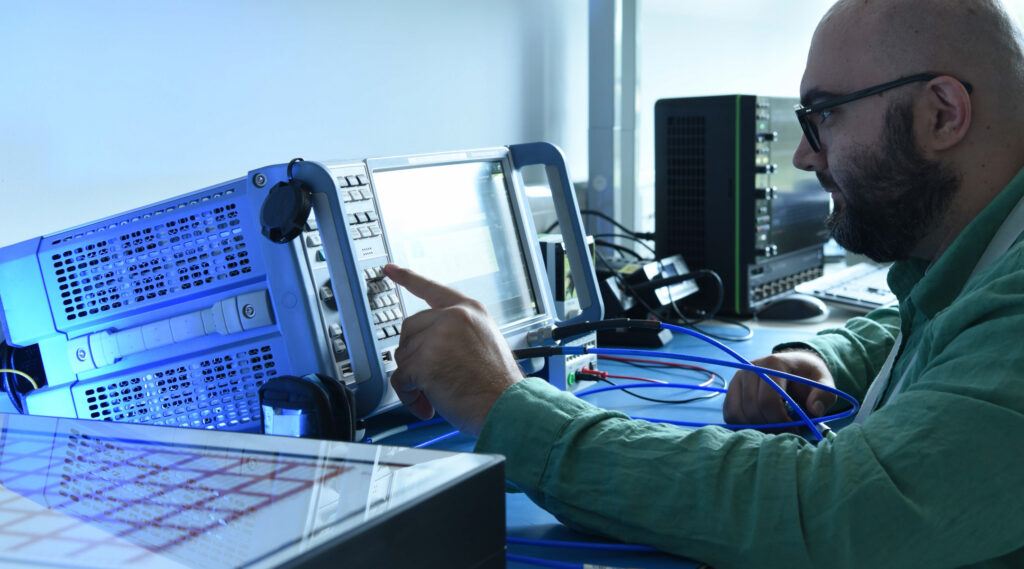

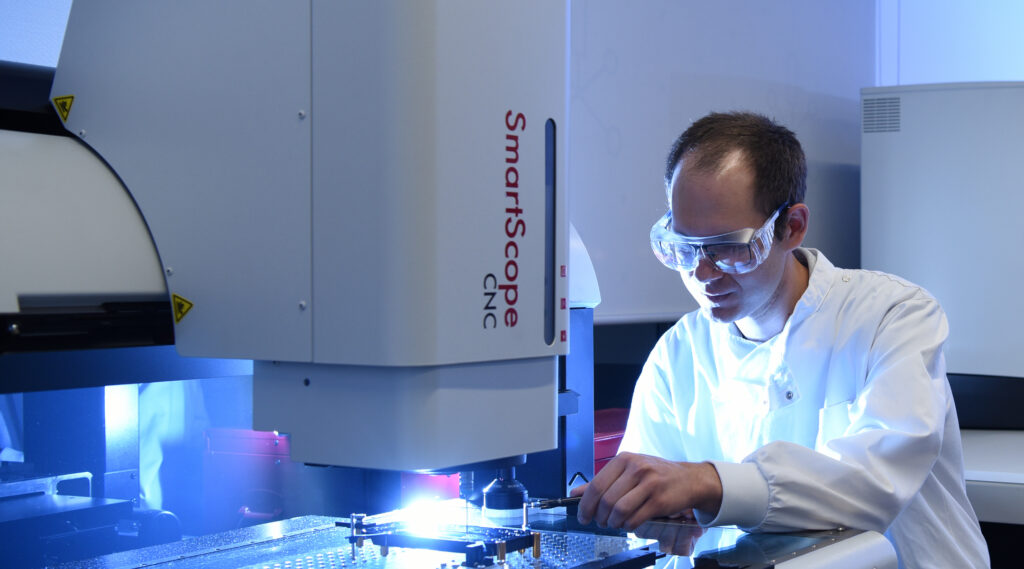
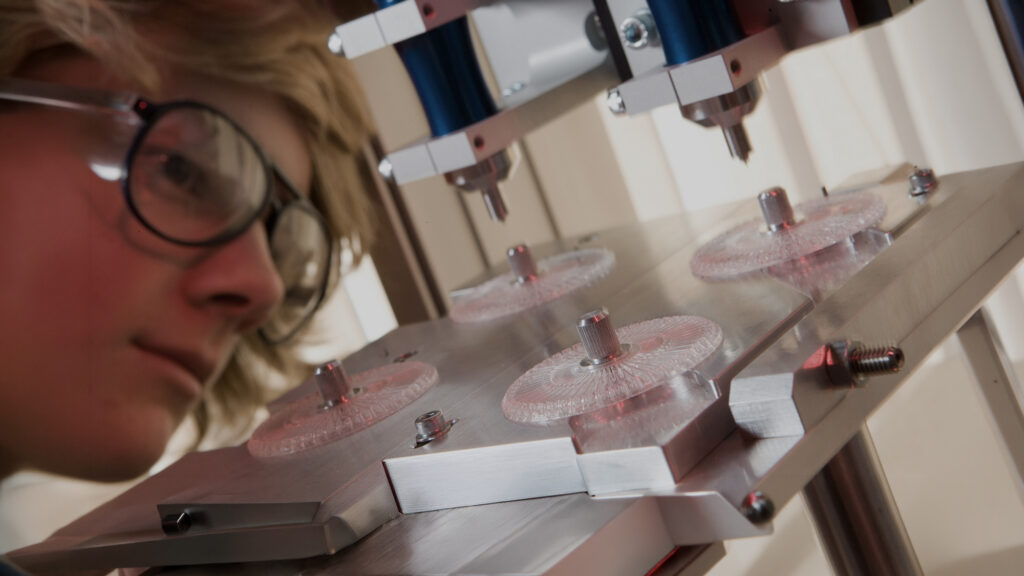
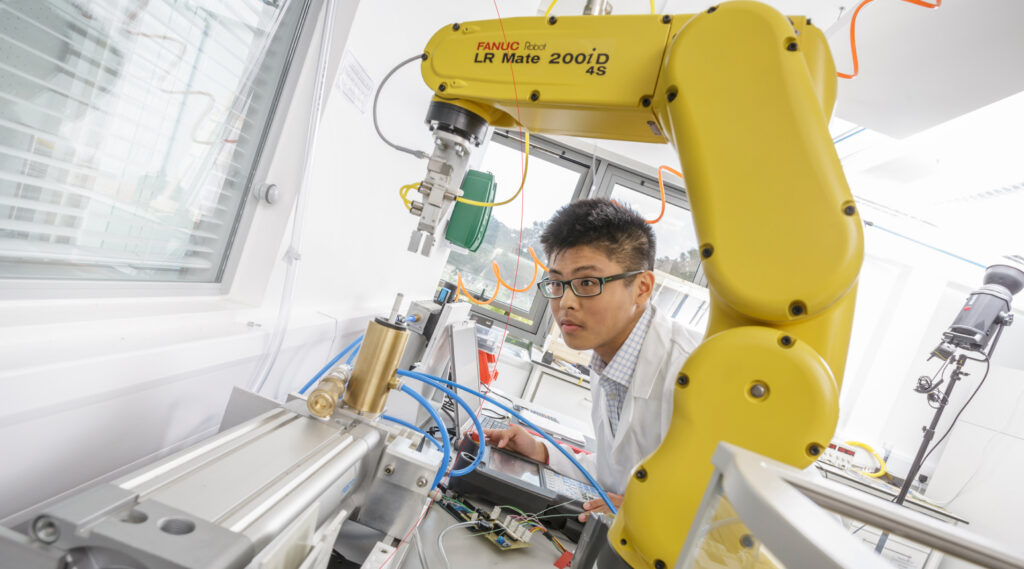

“Sustainability and circularity are built in the details. We combine lifecycle insight with engineering depth to quantify trade offs early and turn sustainability ambition into design choices that work for people, the business, and the planet.”
Adrian Segans
Head of Sustainability
Featured Insights
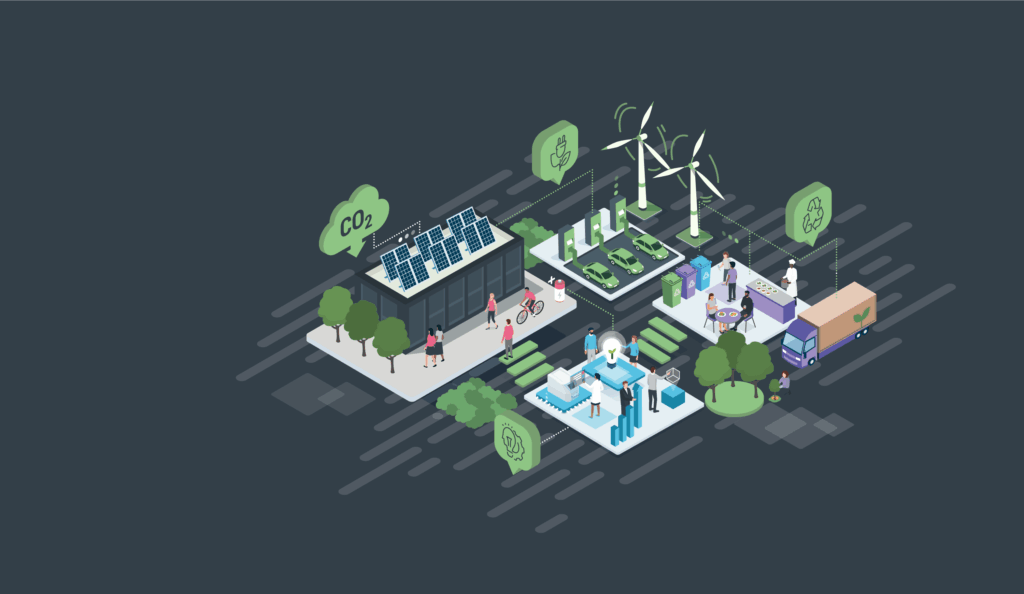
Are we there yet? An honest progress report on our environmental sustainability
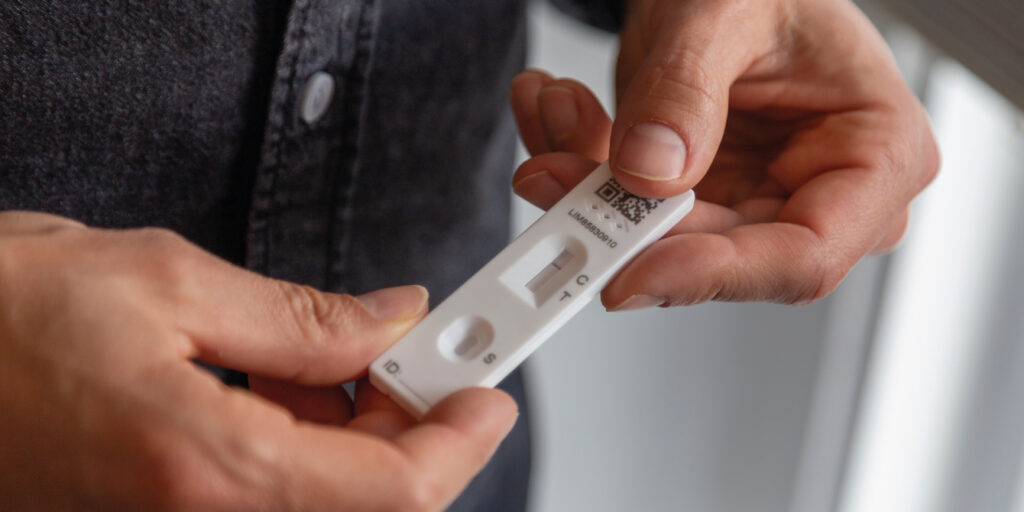
Reducing the carbon footprint and plastic waste of LFTs: Evidence-based opportunities
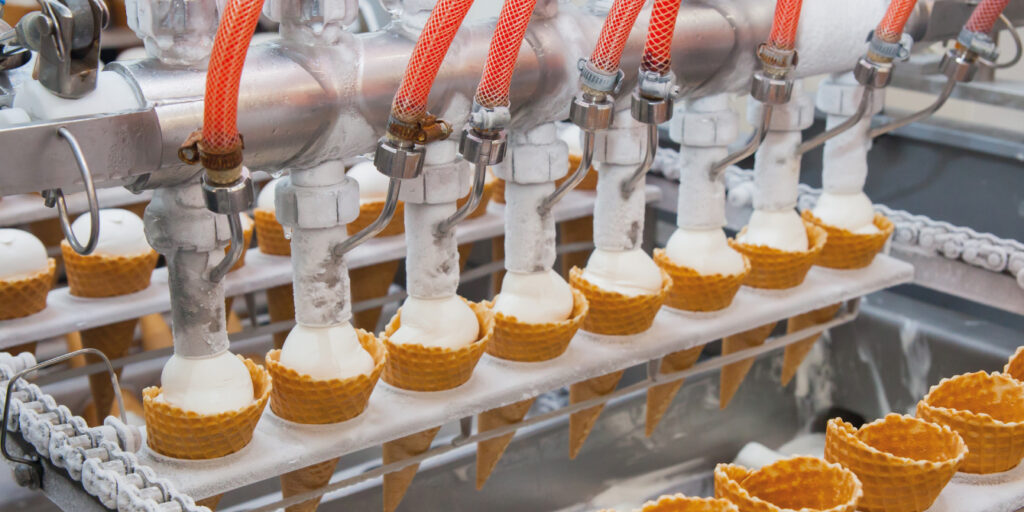
Mastering fluid flow to enhance user experience
FAQs
Explore our FAQs to discover how we can partner with product development teams to turn sustainability goals into decisions that hold up in practice.
What is sustainable product design?
Sustainable product design reduces environmental impact through choices that shape the product, including materials, manufacturing, use phase energy or consumables, and end of use outcomes. We help teams translate sustainability goals into practical design requirements, then develop solutions that protect performance, quality, and cost while lowering impact.
What is circular product design and how do you design for circularity?
Circular product design is about retaining and maximizing the value of products, components, and materials through durability, repair, reuse, and recovery, to strengthen unit economics while reducing emissions, waste, and virgin material demand. We identify the most realistic circular pathways for your product and market, then design the product and supporting system so those pathways work in practice for consumers and patients and for value chains.
How is life cycle assessment used in product design?
Life cycle assessment is used in product design to show where environmental impact comes from across materials, manufacturing, distribution, use, and end of use. It helps teams compare design options, avoid shifting impact from one stage to another, and focus effort on the changes that matter most. At CDP, we often apply LCA through Sustainability Cleansheeting. We combine life cycle insight with engineering detail to pinpoint hotspots at a component and process level, test scenarios, and make trade offs visible. The result is decision support that links design choices to impact reduction and cost viability.
What is sustainable packaging design and where do teams start?
Sustainable packaging design reduces impact while protecting the product and meeting safety, shelf life, and logistics requirements. Teams often start by identifying the biggest drivers, such as material mass, format choice, barrier needs, pack to product ratio, and end of use outcomes, then comparing options early to find the best route forward.
How do you choose sustainable materials without sacrificing performance?
Material substitution is rarely a simple swap, because performance, safety, manufacturability, durability, and end of use pathways all matter. We evaluate candidate materials against requirements, screen for burden shifts across impacts, and reduce future risk from restricted substances and emerging regulations.