The Challenge

Leading international swimwear brand Speedo wanted to launch their next-generation swim tracking app called ‘Speedo On’, in time for it to be pre-installed on Samsung’s new Gear Fit2 Pro activity tracker.

However, swim tracking is extremely challenging because of the wide variety of swim techniques and strokes. Lap counting is also complex for a wrist-based device as it needs to differentiate between normal swimming and the hand movements that occur during a turn.

Speedo_alt_white

Our Approach

Speedo collected a large data set from swimmers using a worldwide team that worked around the clock. Then our data scientists deployed a mixture of analysis techniques, using both classical and machine learning algorithms to identify the relevant swimming characteristics.

We used these insights to develop sophisticated algorithms to translate data from the tracker’s accelerometer and gyroscope into reliable measurements of lap count, lap time, stroke type and stroke count that are displayed on the Samsung Gear Fit2. Users can then seamlessly transfer their data on to the Speedo On web platform, which acts as a comprehensive training partner, offering additional analysis of swims and tracking progress against fitness goa

Speedo_white

The value we created

The first stage of the development was completed in time for launch and the ‘Speedo On’ swim tracking app was successfully pre-installed on the Gear Fit2 Pro. It included training programs, tips and tailored advice developed by some of the world’s best coaches and athletes, all enabled by our algorithms.

Connect with CDP

Accelerate your product innovation with CDP’s multidisciplinary expertise. We support product development at critical stages, helping you navigate complex technical, regulatory, and manufacturing challenges. From mechanical, manufacturing and electronic engineering to science-led innovation, human factors and digital systems. Our teams provide the insight and execution needed to move your product forward with confidence, from concept to commercialization.

Capabilities

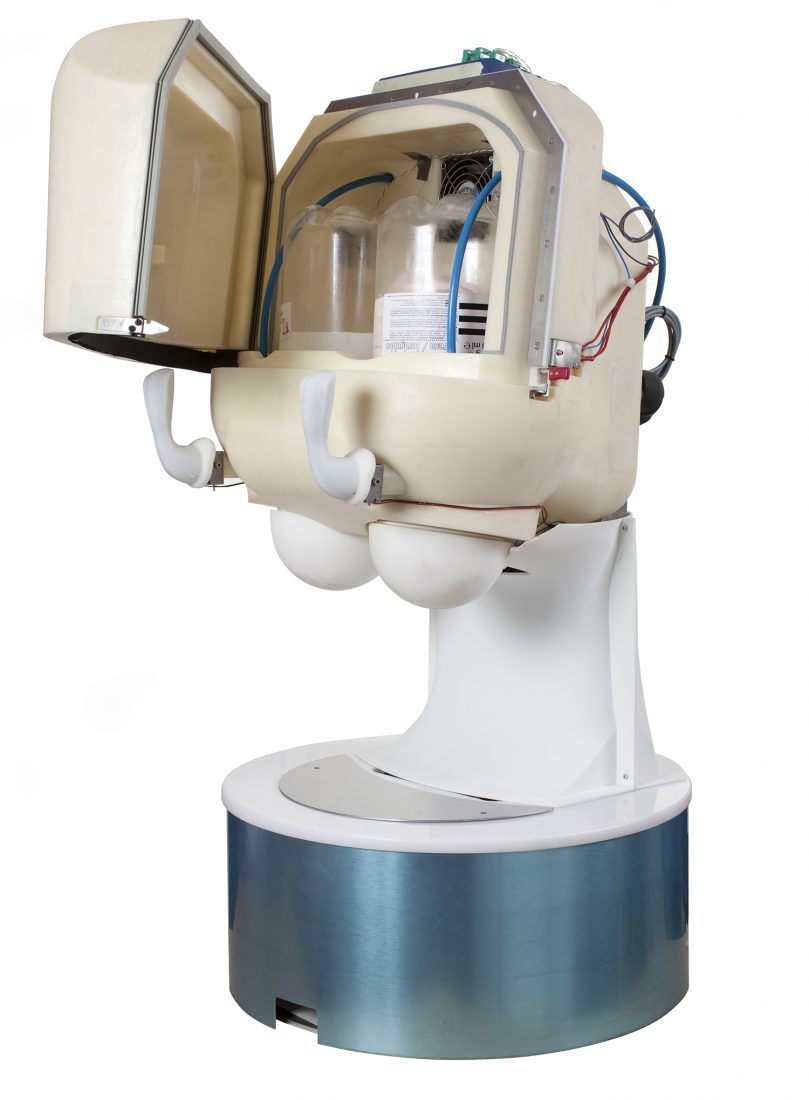
Soft ice cream is a large and growing segment of the global ice cream market, and Unilever wanted to expand their offering. The global leader had a novel cartridge that neatly avoided the hygiene challenges traditionally associated with this category, but they needed a semi automated refrigerated dispenser for smaller retailers, restaurants, and entertainment venues.

A market trial was planned but their prototype had technical challenges. Unilever knew that resolving these with a manufacturing partner this early in the project might overly constrain the design, so they asked us to help.

The product ergonomics had to make the dispenser easy for operators to use.
Test rigs confirmed the thermal performance of the chiller design.
We ensured the fit and finish of the manufactured prototypes matched production standards.

Our Approach

To address the problems, we implemented elements of Potential Realised ™, our phased approach to product development. First Root Cause Analysis was used to identify and scope the key challenges in function, usability and cleanability, and we applied our broad-based technical team to quickly develop and test solutions. These were integrated into a ‘technology demonstrator’ only three months into the project. Once fully tested we moved on to design a prototype suitable for low-volume manufacture.

We set about creating tooling and a small manufacturing facility for a batch of 50 dispensers for the field trial. The aim was to manufacture units with a fit, finish, and function indistinguishable from future production machines. Of course, the refrigerated dispensers had to be safety tested, meet appropriate CE standards and be shipped to very tight timescales.

We also added connectivity to each machine together with a cloud-based database and user interface to help Unilever manage the supply chain and to monitor sales and maintenance.

The value we created

The world’s biggest ice cream manufacturer was able to successfully deploy 50 appliances in outlets across Europe for a summer season in order to gather high-quality feedback on their new ice cream offer. This allowed them to make an important investment decision to grow their Heartbrand.

Though the units were prototypes, the 50 connected, refrigerated dispensers we built looked and worked reliably just like the real thing.  


Connect with CDP

Accelerate your product innovation with CDP’s multidisciplinary expertise. We support product development at critical stages, helping you navigate complex technical, regulatory, and manufacturing challenges. From mechanical, manufacturing and electronic engineering to science-led innovation, human factors and digital systems. Our teams provide the insight and execution needed to move your product forward with confidence, from concept to commercialization.
Capabilities

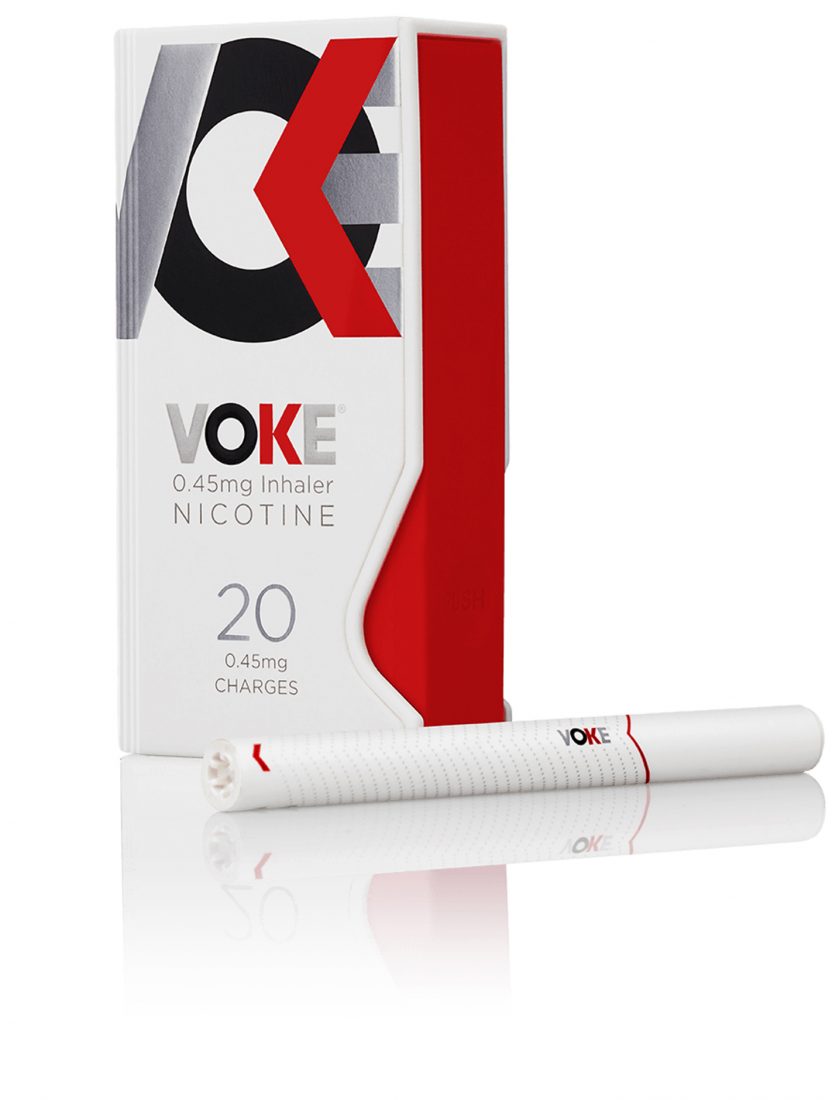
Voke is a smoking cessation product that is designed to mimic the cues of smoking regular combustible cigarettes, whilst dispensing a pharmaceutical formulation. It is a licensed medicine and a safer alternative to smoking.

Our client had already made a considerable investment in developing and manufacturing Voke but challenges remained and the launch was at risk. They asked us to step in to quickly resolve the outstanding issues, improve the manufacturing process consistency, and execute the verification testing needed for regulatory approval.

Our Approach

To successfully bring Voke to market we implemented elements of Potential Realised™, our phased approach to product development.  First, we performed a root cause analysis that identified the outstanding technical issues. This data allowed us to develop design improvements that would resolve performance issues while not compromising the existing medicinal license or capital equipment portfolio.

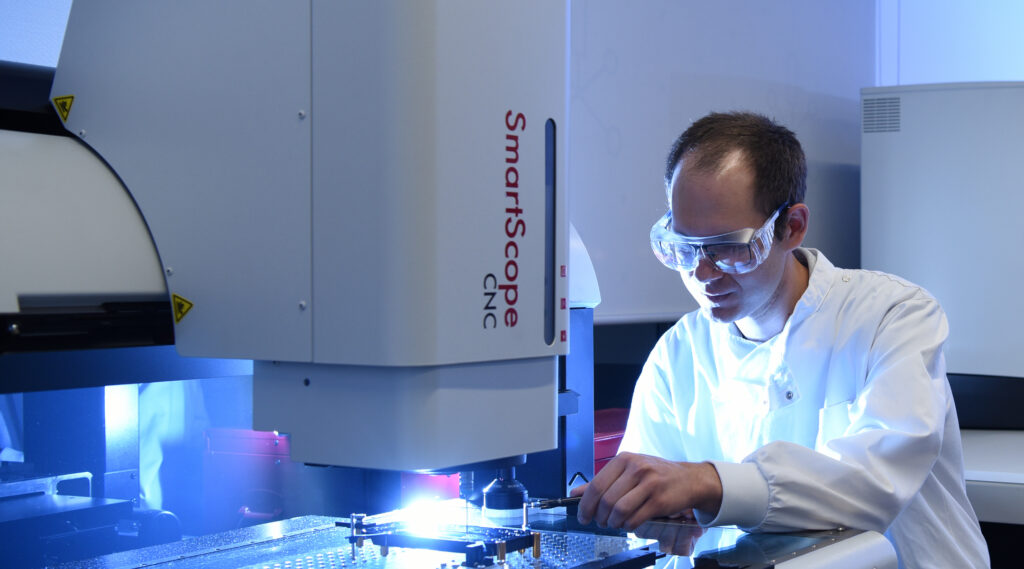
Custom designed test rigs verify different aspects of the devices performance
High resolution CT scanning is used to analyse assembled devices
Systems are developed capable of testing thousands of devices

We implemented and tested these improvements over many thousands of devices to demonstrate confidence in a statistically robust manner.  This required us to design and build bespoke assembly and test systems with the capacity to process large numbers of devices over many use cycles to gather the necessary data.

When we were confident in the device performance we conducted a major verification program under our ISO13485 approval to demonstrate the product was safe and functioned effectively.  This process considered the multicavity tooling and extensive manufacturing automation that was needed to deliver the target production volumes.

Finally, working as the design authority we prepared the necessary regulatory reports, hosted notified body audits and supported the transition to volume manufacture.


The value we created

We successfully identified and overcame the complex engineering issues that were jeopardising the project, and the Voke inhaler was granted a CE mark.  It successfully entered volume production and was launched in the UK market.


Connect with CDP

Accelerate your product innovation with CDP’s multidisciplinary expertise. We support product development at critical stages, helping you navigate complex technical, regulatory, and manufacturing challenges. From mechanical, manufacturing and electronic engineering to science-led innovation, human factors and digital systems. Our teams provide the insight and execution needed to move your product forward with confidence, from concept to commercialization.

Capabilities

We were selected to modernize Arnebia’s VillaPhyta masterbrand while defining the positioning and visual identity for the Montreux sub-brand. Their products include daily creams, serums and elixirs to moisturize, tone and provide sun protection. VillaPhyta Montreux is steeped in provenance and natural ingredients and is manufactured for Arnebia in Switzerland.

Our Approach

We took inspiration from the product’s Swiss heritage and the fact that Montreux is home to the world-famous Montreux Jazz Festival. So, the skincare collection’s product names took a musical theme including Solo, Cadence, and Swing.

We felt a degree of expressive flair was crucial for the visual language, so we generated over a dozen early visual directions with varying degrees of personality. Working collaboratively, we developed a free brushstroke motif, representing the Montreux jazz theme, contrasted against a simple white Swiss-inspired canvas with precise typography.

In the range we included airless pump dispensers and ampoule droppers to enable the consumer to carefully dose the serums, which give an implicit accuracy association that’s fitting for a Swiss-made product.

The Montreux jazz theme inspired the new product names.
The new sub-brand immediately resonated with our client’s consumers.
We developed a free brushstroke motif that contrasted with simple, precise typography.


The value we created

We created a distinctive and expressive beauty range that worked to premiumize the overall brand. We refined the masterbrand and logotype assets, building a clear sub-brand platform that helped transform consumer perceptions and elevate the positioning of a private label brand while driving growth. 

Our client’s team was delighted with the resulting designs because the new brand direction matched closely to developing trends in the market. The Montreux range is now an important component of the Arnebia portfolio.

Connect with CDP

Accelerate your product innovation with CDP’s multidisciplinary expertise. We support product development at critical stages, helping you navigate complex technical, regulatory, and manufacturing challenges. From mechanical, manufacturing and electronic engineering to science-led innovation, human factors and digital systems. Our teams provide the insight and execution needed to move your product forward with confidence, from concept to commercialization.

Capabilities

Patients suffering from chronic diseases, often with co-morbidities, are increasingly receiving their medication via self injection outside of the clinical setting, increasing the treatment burden. They sometimes need to store their drugs in the fridge, allow them to reach the correct temperature for injection, prepare their auto-injector for use, and finally dispose of the used device safely.

Using our patient-centered design approach we analyzed many patient stories and the root causes of poor adherence and use errors. This led to our team reimagining the future of parenteral drug delivery.

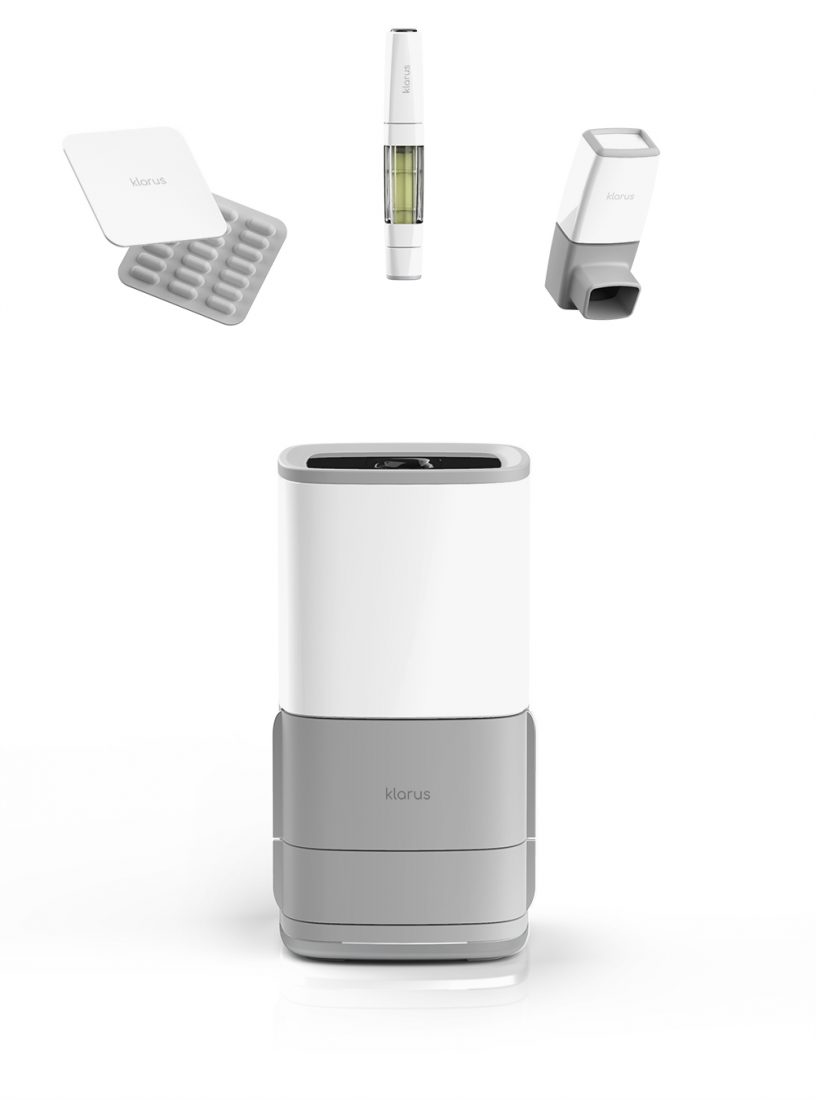
So we created the Klarus system. It provides a complete therapy management solution for indications requiring a regular fixed dose injection. In addition to providing alerts, reminders and diaries for patients and carergivers, Klarus also automates many of the tasks often missed by patients. These include correct storage temperatures, monitoring use-by dates, ordering repeat prescriptions, safely loading and unloading the injection device, and managing sharps waste.

Our approach

We applied our core capabilities in digital systems and mechanical engineering, alongside our human factors expertise, to rethink drug delivery for patients with chronic disease.

Klarus builds in temperature-controlled storage of up to three months of medication to avoid using the kitchen fridge. It has automated loading and unloading of each dose to reduce the risk of needle stick injury and missing out key safety checks.

It also has a digital training and technique assistant to help improve adherence, for example by reducing the risk of under-dose due to early needle removal. To improve long term therapy management, Klarus enables a diary and condition tracking app to help the patient better understand how well their therapy is working.

Klarus alerts the patient when supplies are running low and reorders if required
Klarus is designed to be stylish, seamlessly blending into the patients’ life and home
After injection, Klarus collects the needle and cartridge ready for safe disposal

The value we created

Compared with conventional injector systems, Klarus has adherence designed in. We expect that if offered to patients as a subscription-based replacement to weekly treatments with a single-use auto-injector, it would pay for itself in just one year. In addition to helping improve patient outcomes, Klarus is a more environmentally friendly solution.

Klarus was honored with a prestigious international Red Dot award in 2018.

Connect with CDP

Accelerate your product innovation with CDP’s multidisciplinary expertise. We support product development at critical stages, helping you navigate complex technical, regulatory, and manufacturing challenges. From mechanical, manufacturing and electronic engineering to science-led innovation, human factors and digital systems. Our teams provide the insight and execution needed to move your product forward with confidence, from concept to commercialization.
Capabilities

During the conflicts in Iraq and Afghanistan, improvised explosive devices (IEDs) caused over 50% of combat casualties. The combination of wounds caused by an IED together with damage to the lungs severely compromises the body’s ability to deliver oxygen to vital tissues. The ‘Golden Hour’ is even more relevant here than in civilian cases, so making oxygen available on the front line would be a decisive step in improving survival rates and outcomes.

Our approach

Since other forms of oxygen are impractical on the front line, our response was to design an integrated oxygen concentrator with a lightweight engine to create a highly efficient and extremely compact oxygen source. The unit can be run on a range of fuels, including standard diesel.

We worked with expert users to understand the requirements for the system, creating a laboratory demonstrator capable of producing high purity oxygen using both butane and diesel fuels and defining a feasible technical specification for a developed system.

The oxygen concentrator won the Defence and Security award at The Engineer Technology and Innovation Awards 2011. Following this success we set out to identify opportunities to put this work and research to wider use and extend it beyond the military. And so we commissioned research from the University of Cambridge Judge Business School who identified that the technology could be repurposed to address a pressing need in hospitals and clinics within the developing world.


Of the 10 million children that die worldwide each year* 95% occur in the developing world. A staggering 4 million of these deaths occur through respiratory distress syndrome and pneumonia after birth. A large portion of these deaths could potentially be mitigated through the provision of adequate and timely oxygen supplies.

The World Health Organisation has previously recognised that although oxygen-provision is a basic requirement in saving lives, oxygen is rarely available, and is often lacking in the developing world. Current solutions include oxygen concentrators that are powered by unreliable electricity supplies and heavy, expensive oxygen cylinders that rely on transport infrastructure. These do not provide a workable solution for many remote hospitals and clinics in resource poor settings, leading to both unnecessary deaths and excessive expenditure in medical aid.

Cambridge Design Partnership is now seeking NGO or device-manufacturer partners to support the development of this design into a product that can provide a reliable supply of oxygen for health settings in resource constrained countries.

*Duke et al. Oxygen is an essential medicine: a call for international action. Int J Tuberc Lung Dis 2010 November; 14(11): 1362-1368.

Connect with CDP

Accelerate your product innovation with CDP’s multidisciplinary expertise. We support product development at critical stages, helping you navigate complex technical, regulatory, and manufacturing challenges. From mechanical, manufacturing and electronic engineering to science-led innovation, human factors and digital systems. Our teams provide the insight and execution needed to move your product forward with confidence, from concept to commercialization.
Capabilities