The Challenge

Catheter ablation is widely used to treat a range of abnormal heart rhythms. It involves passing a thin, flexible catheter through the blood vessels to the heart, where it pinpoints the arrhythmia and uses ablation to block the abnormal electrical signals. A more dexterous catheter increases success rates for patients and retains greater cardiac function.

King’s College London invented a technology that enabled ‘three degrees of freedom’ steerability to improve the precision of treatments and facilitated robotic augmentation. They asked us to develop their intellectual property to demonstrate commercial viability.

CAD-Assembly-3

Our approach

We first engaged with cardiologists to identify user needs, which led us to improve the catheters capacity for therapy delivery. The technology is based around unique flexible segments so we integrated these into an overall catheter design that was practical to use and mitigated any major risks. In addition, we designed for manufacturing and assembly and selected new materials for strength, flexibility, biocompatibility and sterilization.

Our mechanical engineering team then designed, built using micro molding, and finally tested integrated prototypes that demonstrated advanced performance and reliability.

FullSizeRender-r-crop

Micro injection moulding is used extensively in the new desig

Micromould-channel-original-cross-sec-0_5N-crop

Computer aided engineering helps predict the performance of system components.

2015-01-08-15.32.34-R-crop

Precision engineering ensures high performance.

Catheter_case_slider_2

The value we created

In just nine months, ten full-length catheters were manufactured and tested. Their performance exceeded the key regulatory requirements of ISO 10555 and we proved key manufacturing and assembly steps. Our work enabled King’s College London to plan clinical trials and showcase their catheter technology to potential acquirers.

ablation-catheter-technology-cardiology-surgeon-operating-theatre

“We have been delighted with the results of Cambridge Design Partnership’s work on this project, their engineering approach and the practical improvements they managed to incorporate. They delivered fully moulded parts, and specified other components and the assembly route which fully met our aspirations for the project”

Professor Kawal Rhode, Professor of Biomedical Engineering, King’s College London

Connect with CDP

Accelerate your product innovation with CDP’s multidisciplinary expertise. We support product development at critical stages, helping you navigate complex technical, regulatory, and manufacturing challenges. From mechanical, manufacturing and electronic engineering to science-led innovation, human factors and digital systems. Our teams provide the insight and execution needed to move your product forward with confidence, from concept to commercialization.

Capabilities

The Challenge

Whilst others have shown 3D printing of injection mold tooling is feasible for simple parts, we wanted to mold real world, complex components.

So we developed a fresh approach using industry standard polymer 3D printers to create complex mold tools in hours. Realizing that making the tool is only part of the time required, we also made sure to fast track tool design and verification.

screen-grab-2-crop
Tooling-sketch

First the design is sketched to develop the geometry of the major components.

IMG_9852-crop

The printed tool insert splits to allow the molding to be removed.

IMG_9687-crop

Precision 3D scanning is used to verify the accuracy of the finished part.

Case_study_tooling_3

Our Approach

Others had shown that 3D-printed tooling could work for simple parts, so we started from a clean sheet to handle complex components. Printed polymers are weaker than tool steel and handle heat poorly, so our tooling design works around those limits.

We print only a small insert and fit it into a standard metal mold plate. Prototype tools don’t need to run automatically, so the insert is split into pieces and opened by hand, with no moving parts. Supported by rigid metal, the insert stays mostly in compression during injection, which keeps it accurate. For higher-temperature plastics, we fill it with a low-melting-point alloy to add heat capacity.

Every step is digital, from 3D CAD to printer to our BOY 22-tonne molding machine, with high-resolution 3D scanning to verify both the insert and the finished part. We proved the process on a precision multi-dose syringe made from ABS moldings.

render-1-crop
CDP-220719-0038-R-lres

The value we created

Digital tooling closes the gap between fast 3D-printed parts and slow prototype injection molding. Conventional tools take 12–16 weeks and machined aluminum prototype tools 2–8 weeks, but digital tooling delivers verified molded parts in 2–3 days.

Parts are molded in the real production material, so we can test properties 3D printing can’t reproduce, such as biocompatibility, creep, thermal performance and effects of the molding process itself.

This is especially valuable for complex medical consumables. Getting accurate parts into testing earlier means problems surface while they’re quick and cheap to fix, shortening time to market and improving the final design.

CDP-161018-0019-lres
WHITE PAPER

Breaking the mold: Digital tooling to reduce time to market

Getting new products to market efficiently is crucial to maximizing your return on investment.

Connect with CDP

Accelerate your product innovation with CDP’s multidisciplinary expertise. We support product development at critical stages, helping you navigate complex technical, regulatory, and manufacturing challenges. From mechanical, manufacturing and electronic engineering to science-led innovation, human factors and digital systems. Our teams provide the insight and execution needed to move your product forward with confidence, from concept to commercialization.
Capabilities

Soft ice cream

The challenge

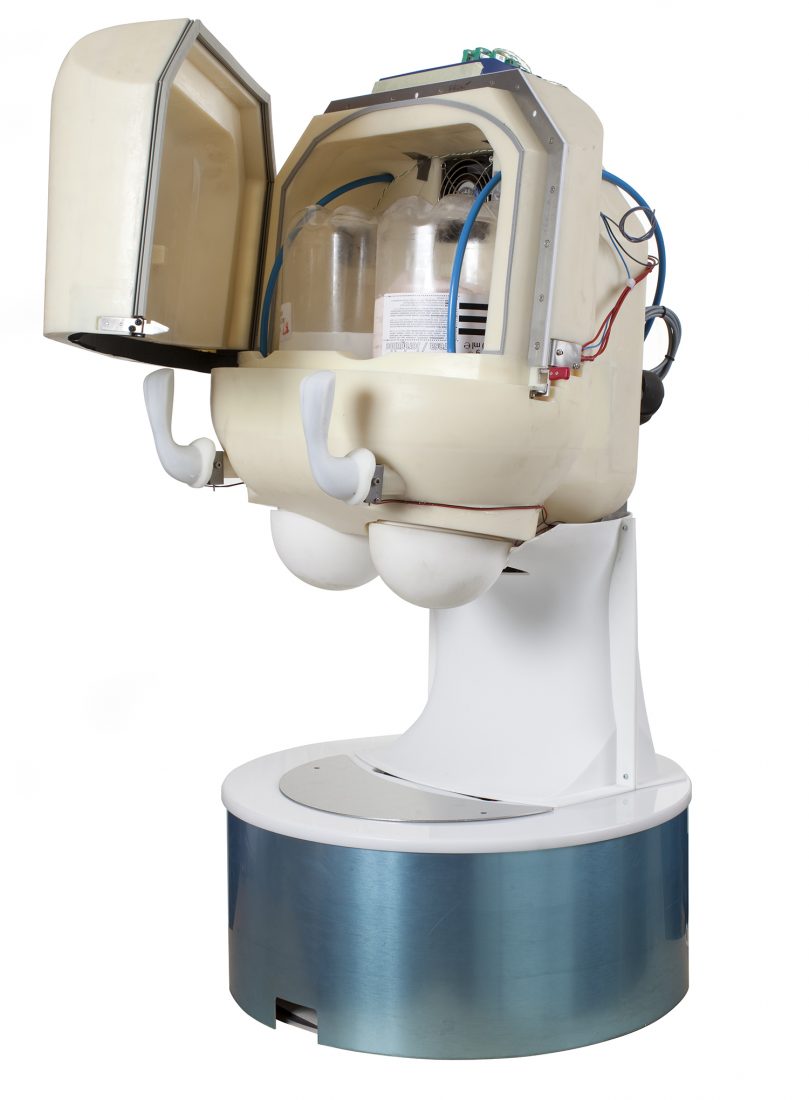
Soft ice cream is a large and growing segment of the global ice cream market, and Unilever wanted to expand their offering. The global leader had a novel cartridge that neatly avoided the hygiene challenges traditionally associated with this category, but they needed a semi automated refrigerated dispenser for smaller retailers, restaurants, and entertainment venues.

A market trial was planned but their prototype had technical challenges. Unilever knew that resolving these with a manufacturing partner this early in the project might overly constrain the design, so they asked us to help.

The product ergonomics had to make the dispenser easy for operators to use.
Test rigs confirmed the thermal performance of the chiller design.
We ensured the fit and finish of the manufactured prototypes matched production standards.

Our Approach

To address the problems, we implemented elements of Potential Realised™, our phased approach to product development. First Root Cause Analysis was used to identify and scope the key challenges in function, usability and cleanability, and we applied our broad-based technical team to quickly develop and test solutions. These were integrated into a ‘technology demonstrator’ only three months into the project. Once fully tested we moved on to design a prototype suitable for low-volume manufacture.

We set about creating tooling and a small manufacturing facility for a batch of 50 dispensers for the field trial. The aim was to manufacture units with a fit, finish, and function indistinguishable from future production machines. Of course, the refrigerated dispensers had to be safety tested, meet appropriate CE standards and be shipped to very tight timescales.

We also added connectivity to each machine together with a cloud-based database and user interface to help Unilever manage the supply chain and to monitor sales and maintenance.

The value we created

The world’s biggest ice cream manufacturer was able to successfully deploy 50 appliances in outlets across Europe for a summer season in order to gather high-quality feedback on their new ice cream offer. This allowed them to make an important investment decision to grow their Heartbrand.

Though the units were prototypes, the 50 connected, refrigerated dispensers we built looked and worked reliably just like the real thing.  


Connect with CDP

Accelerate your product innovation with CDP’s multidisciplinary expertise. We support product development at critical stages, helping you navigate complex technical, regulatory, and manufacturing challenges. From mechanical, manufacturing and electronic engineering to science-led innovation, human factors and digital systems. Our teams provide the insight and execution needed to move your product forward with confidence, from concept to commercialization.

Capabilities

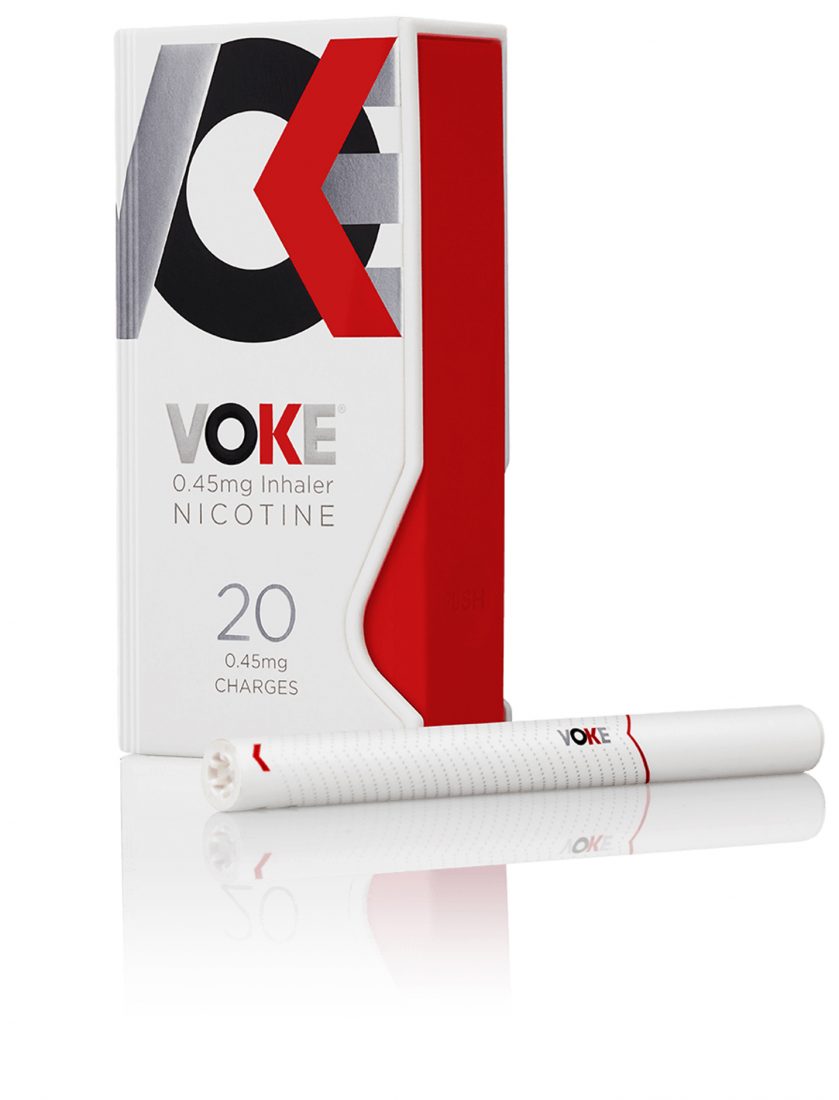
voke inhaler nicotine

The challenge

Voke is a smoking cessation product that is designed to mimic the cues of smoking regular combustible cigarettes, whilst dispensing a pharmaceutical formulation. It is a licensed medicine and a safer alternative to smoking.

Our client had already made a considerable investment in developing and manufacturing Voke but challenges remained and the launch was at risk. They asked us to step in to quickly resolve the outstanding issues, improve the manufacturing process consistency, and execute the verification testing needed for regulatory approval.

Our Approach

To successfully bring Voke to market we implemented elements of Potential Realised™, our phased approach to product development.  First, we performed a root cause analysis that identified the outstanding technical issues. This data allowed us to develop design improvements that would resolve performance issues while not compromising the existing medicinal license or capital equipment portfolio.

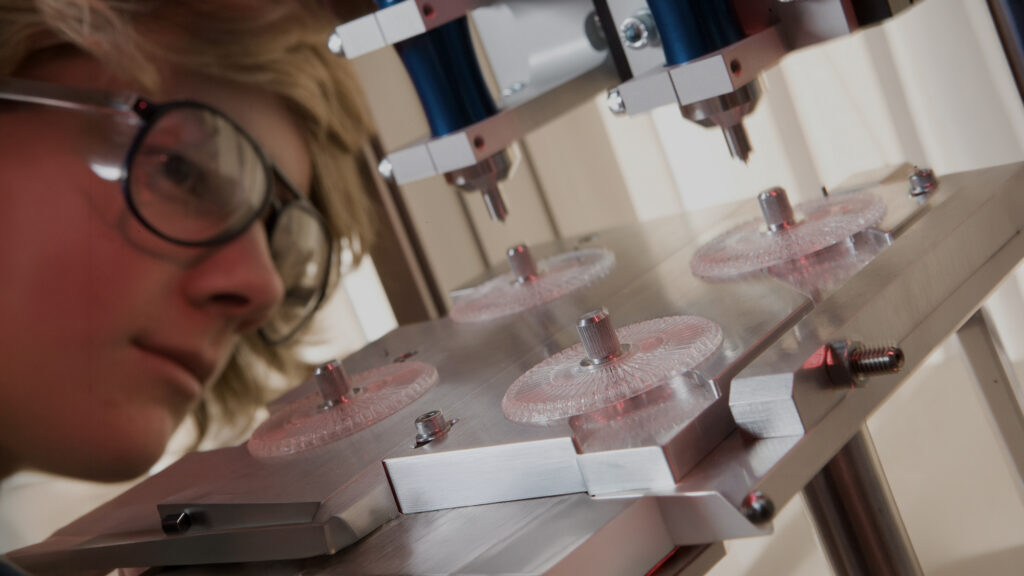
Custom designed test rigs verify different aspects of the device’s performance
High resolution CT scanning is used to analyse assembled devices
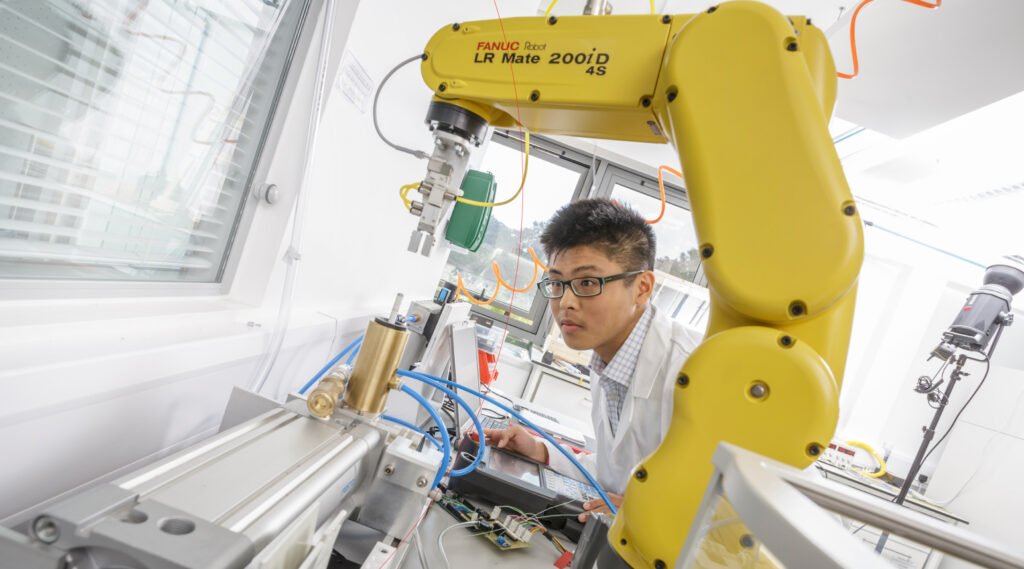
Systems are developed capable of testing thousands of devices

We implemented and tested these improvements over many thousands of devices to demonstrate confidence in a statistically robust manner.  This required us to design and build bespoke assembly and test systems with the capacity to process large numbers of devices over many use cycles to gather the necessary data.

When we were confident in the device performance we conducted a major verification program under our ISO 13485 approval to demonstrate the product was safe and functioned effectively.  This process considered the multicavity tooling and extensive manufacturing automation that was needed to deliver the target production volumes.

Finally, working as the design authority we prepared the necessary regulatory reports, hosted notified body audits and supported the transition to volume manufacture.


The value we created

We successfully identified and overcame the complex engineering issues that were jeopardising the project, and the Voke inhaler was granted a CE mark.  It successfully entered volume production and was launched in the UK market.


Connect with CDP

Accelerate your product innovation with CDP’s multidisciplinary expertise. We support product development at critical stages, helping you navigate complex technical, regulatory, and manufacturing challenges. From mechanical, manufacturing and electronic engineering to science-led innovation, human factors and digital systems. Our teams provide the insight and execution needed to move your product forward with confidence, from concept to commercialization.

Capabilities