The Challenge

Q-POC™ has the potential to improve millions of lives by detecting infectious diseases earlier, informing treatment decisions, and reducing rates of transmission.

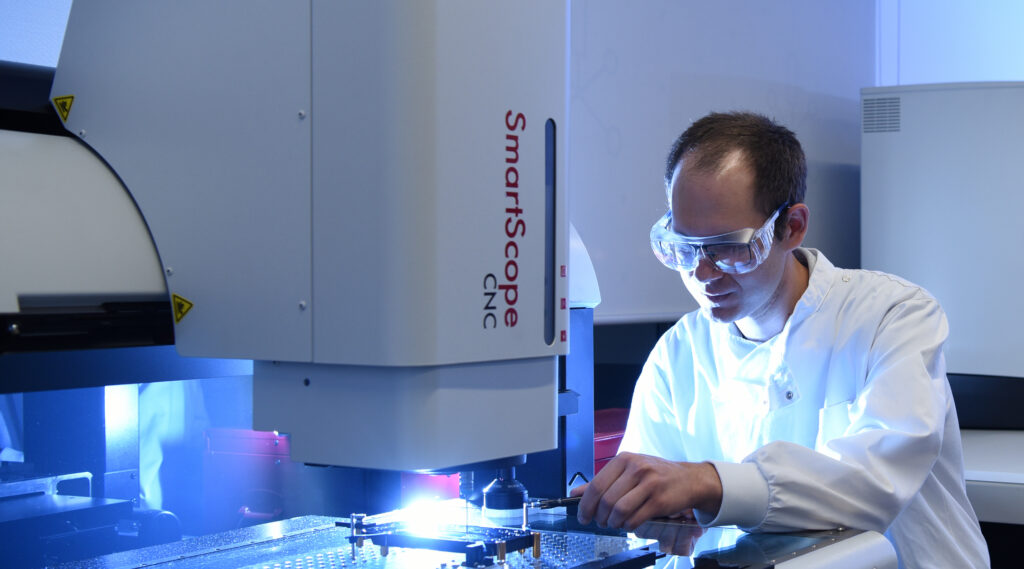
QuantuMDx’s rapid sample-to-answer, multiplex polymerase chain reaction (PCR) and microarray testing system provides COVID-19 results in approximately 30 minutes from a nasal swab, at the point of need in settings such as hospitals, clinics, airports, care homes, events, and workplaces.

During the COVID-19 pandemic, Q-POC™ was needed urgently. Working closely with QuantuMDx, our multi-disciplinary team – over 30 mechanical and electronic engineers, prototyping, quality and clinical manufacturing experts in the UK and US – stepped up to accelerate the system’s development in just five months.

A challenge of utmost importance

As the world went into lockdown, QuantuMDx needed our help. The UK-based developer of point-of-need diagnostics had secured UK Government funding to develop Q-POC™ – transforming the prototype to an instrument designed to detect SARS-CoV-2 (the virus causing COVID-19 disease).QuantuMDx needed CDP’s support bringing Q-POC™ to market as quickly as possible. This required simplifying the system, improving reliability, and designing the system for manufacture – all in a regulated framework suitable for CE-IVD submission.

I28A2070-crop

Speed through highly parallel working

Racing against the clock meant working linearly wasn’t an option; system and sub-system development activities had to happen in parallel, which meant risk mitigation was vital. Our experienced team assessed development effort and timescales against risk, triaging what we could improve. Some issues could be rectified with incremental improvements. However, others needed more radical changes. This demanded our team to quickly and methodically design, prototype and test and commit to bold changes.

I28A2517-crop
I28A2407-crop

Seeing the future

Getting Q-POC™ to market under these circumstances meant stripping back some existing functionality the team did not need for the SARS-CoV-2 assay, including several modules and components that were required later for future assays. Our team worked closely with QuantuMDx, taking a long-term view so the instrument remained suitable for future upgrades for new assay functionality. This meant designing a modular architecture and ensuring the design intent allows additional actuators, heaters, and cameras to be added later.

ISO-13485-01

Regulatory expertise

Because Q-POC™ would become a regulated in vitro diagnostic medical device, QuantuMDx needed an innovation partner with a deep understanding of bringing medical devices to market. Our ISO 13485-certified Quality System includes short-run manufacturing which enabled us to manufacture pre-production devices for CE-IVD submission.

Complete chain of risk management was vital, including traceability of parts, detailed instructions for manufacture, and rigorous creation of quality documentation needed for regulatory submission. Our team managed working environments and controlled manufacturing space to ensure this project resulted in a stand-out example of an on-site clinical manufacturing line.

Beautiful engineering

Systems-level thinking meant the impact of small changes were considered across the whole system, resulting in beautiful engineering. We executed over 100 core design changes, including to the system’s chassis, which was initially constructed from parts that could flex and twist undesirably. We provided confidence in the device’s rigidity by switching to a one-piece, machined block, which could be later cast from aluminum. We improved the reliability of custom actuator assemblies as well as reducing the part count and size. We designed and manufactured new printed circuit boards (PCBs) rationalizing the number. We improved the cable management which led us to drastically simplify the assembly process and improve instrument reliability.

Across the finish line

Working at immense speed, we helped QuantuMDx across the finish line – manufacturing, testing, and delivering 45 complete instruments in just five months.

Putting our Potential Realized methodology into practice enabled us to deliver Q-POC™ as rapidly as possible, taking it from a prototype to a manufactured product.

In November 2021, QuantuMDx secured £15 million in equity funding to expand Q-POC™’s functionality and testing capabilities, including a multiplex respiratory panel and detection of sexually transmitted infections and human papillomavirus – building on the foundations of our work to create a true platform for future testing.

Toggle captions

Connect with CDP

Accelerate your product innovation with CDP’s multidisciplinary expertise. We support product development at critical stages, helping you navigate complex technical, regulatory, and manufacturing challenges. From mechanical, manufacturing and electronic engineering to science-led innovation, human factors and digital systems. Our teams provide the insight and execution needed to move your product forward with confidence, from concept to commercialization.

Capabilities

The Challenge

The number of electric vehicles (EVs) on UK roads is projected to increase rapidly, reaching 14 million by 2030. EVs are key to decarbonizing transportation and making the global transition to net zero, but the EV revolution faces important challenges. EV drivers must be able to charge their vehicles quickly and easily. The UK will require 2.8 million charge points, and charging will need to be made more accessible to those who can’t charge at home.

3ti Energy Hubs came to us with a unique challenge to realize the first pop-up mini solar car park – aimed at advancing the rollout of EV infrastructure by providing rapidly deployable destination charging in locations such as offices, retail outlets, and leisure facilities. They also wanted to address the obstacles to rollout presented by planning permission rules and the need for electric grid upgrades.

Charge-icon
3ti-Papilio3-pop-up-solar-EV-charging-hub-3-1440w

Our Approach

We began with a series of requirement definition and concept development workshops, combining our strong and diverse team of designers and engineers with 3ti’s market insights. The result was a refined product concept which could steer us as we advanced into detailed engineering.

Our mechanical and design engineers developed a product architecture, combining the best of off-the-shelf and custom designed parts to realize a prototype design for the pop-up solar charging unit. In parallel, we identified and selected suitable supply chain partners for construction, assembly and test of the prototype unit, culminating in the product launched in May 2022.

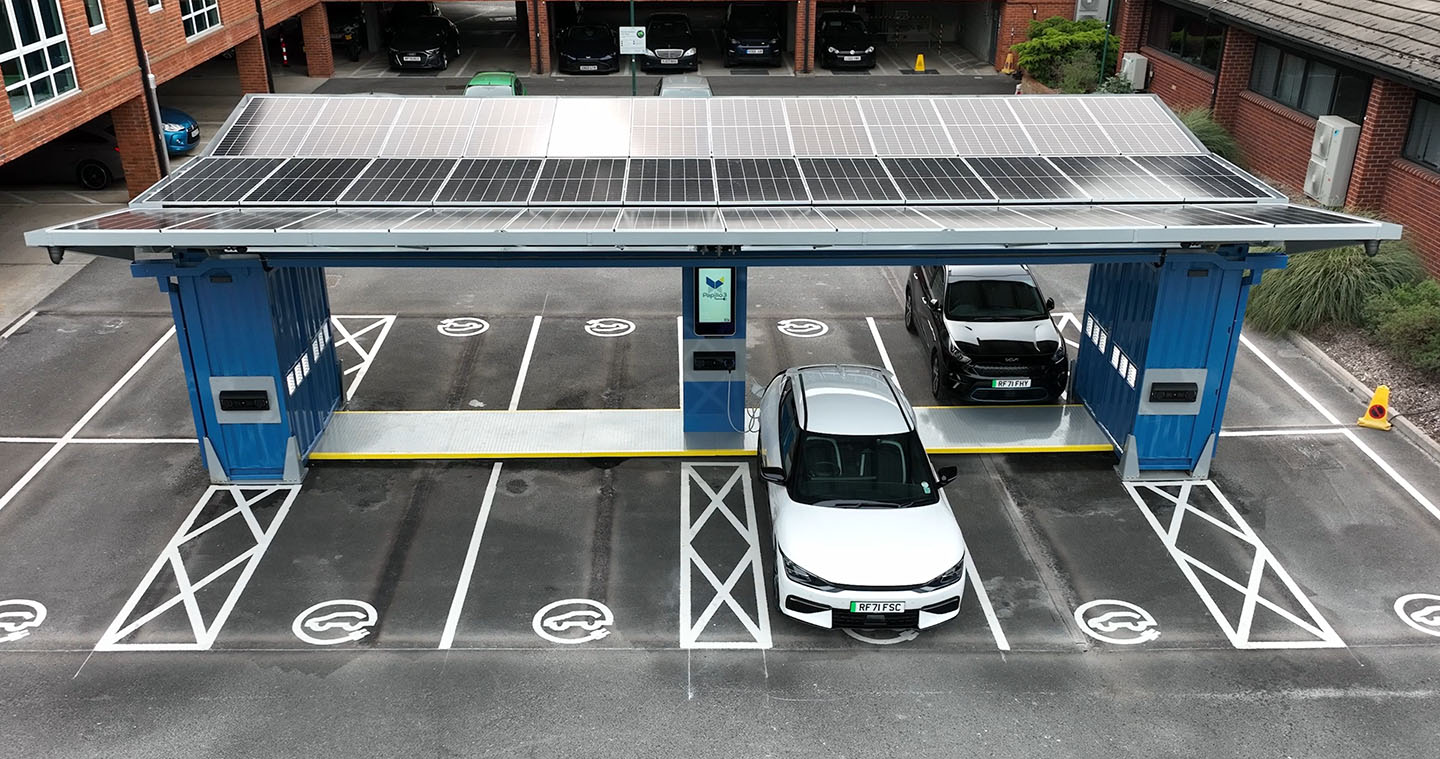
Called Papilio3, the hub is built around a recycled shipping container and provides 12 EV charge points. The design combines solar electricity generation and local mains electricity with battery storage delivering quick-to-deploy, low-cost, low-carbon charging.

It was important that Papilio3 could be deployed swiftly, easily, and cost-effectively. Its installation takes under 24 hours using normal freight haulage infrastructure, with minimal site works, no new grid connection, and no need for planning permission in most instances.

Toggle captions

“From our very first meeting, CDP understood and shared our vision for Papilio3. We’ve worked in close partnership over 12 months to get to this exciting point.”

Tim Evans, 3ti’s Founder and CEO

Value Created

A close partnership over 12 months enabled our client to bring their pop-up mini solar car park and EV charging hub to launch, ready for their crowdfunding campaign. We positioned our client to focus on commercialization and scale-up for roll out across the UK.

The first Papilio3 was installed at Surrey Research Park, Guildford, hosted by the University of Surrey, in May 2022, ahead of the launch of 3ti’s crowdfunding campaign. The campaign exceeded its target of £500,000 within 24 hours, and ultimately raised over four times their target amount.

Since Papilio3’s launch, 3ti has received enquiries from over 90 potential customers worldwide and is in consultation with the Ministry of Defense, National Health Service, and car manufacturer Bentley.

3ti-Papilio3-pop-up-solar-EV-charging-hub-4-1440w

Connect with CDP

Accelerate your product innovation with CDP’s multidisciplinary expertise. We support product development at critical stages, helping you navigate complex technical, regulatory, and manufacturing challenges. From mechanical, manufacturing and electronic engineering to science-led innovation, human factors and digital systems. Our teams provide the insight and execution needed to move your product forward with confidence, from concept to commercialization.
The Challenge

The analysis of circulating tumor cells (CTCs) is opening new avenues for cancer diagnostics and is a key enabler of personalized medicine. By capturing and isolating high quality CTCs from blood, Vortex Biosciences’ technology provides critical input to further downstream analysis that ultimately informs patient access to therapy and allows for ongoing disease monitoring.

However, separating CTCs from billions of red and white blood cells is highly challenging and very few technologies provide the purity, yield and integrity needed.

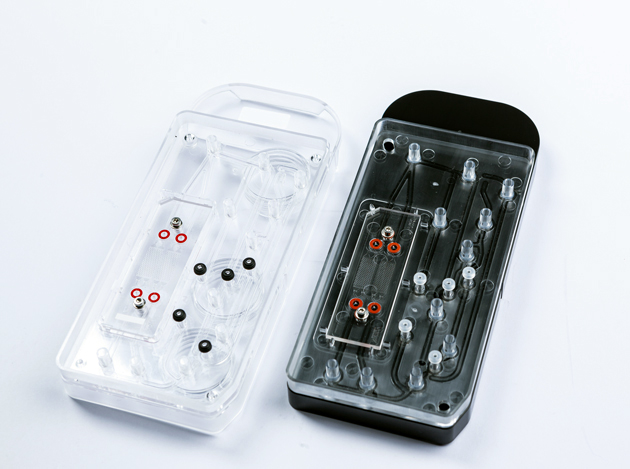
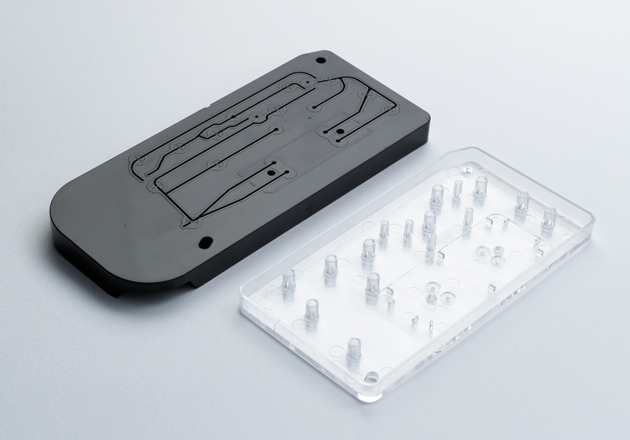
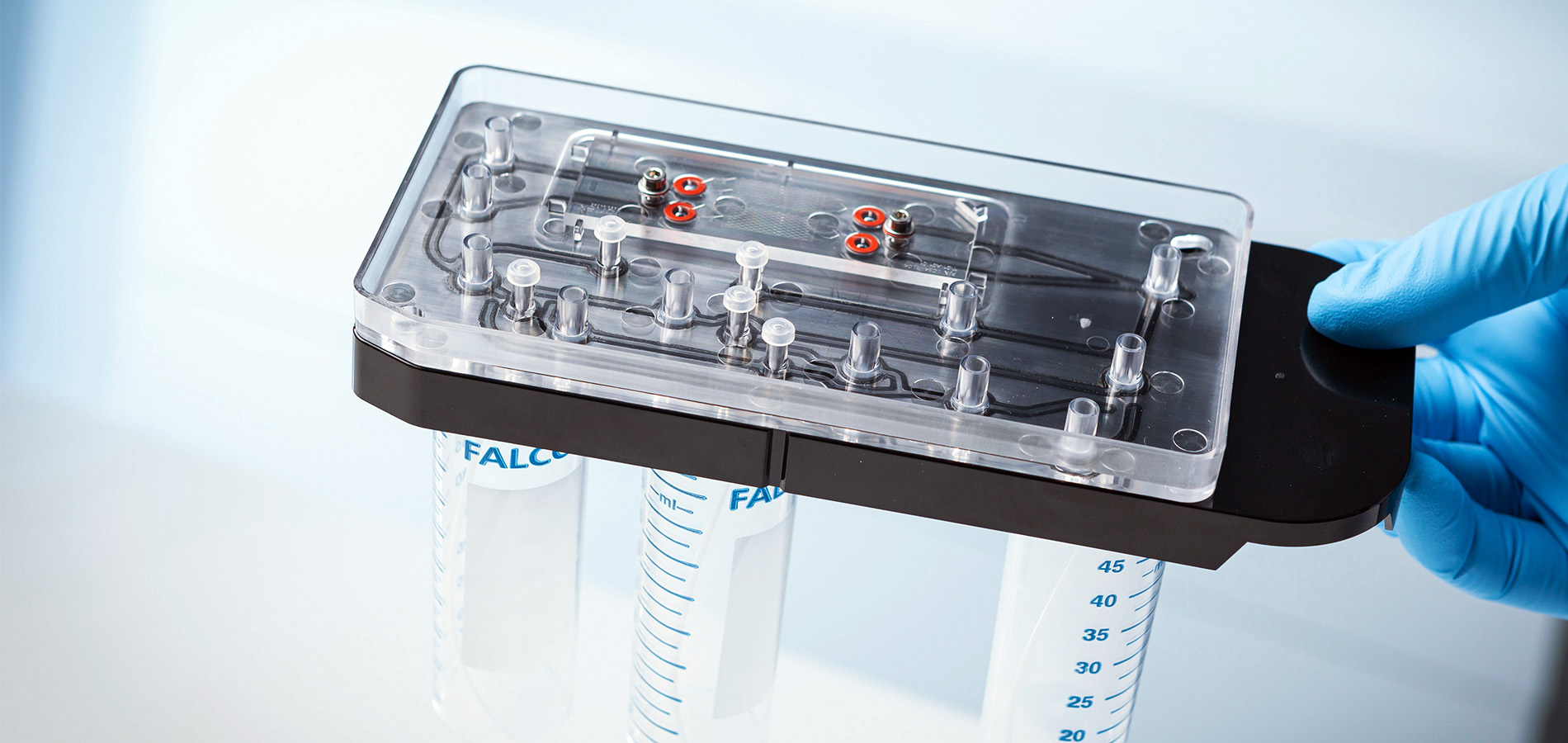
Vortex has developed a highly effective liquid biopsy system to isolate CTCs. They needed our technical expertise and manufacturing experience to improve the system’s disposable cartridge for reliable performance and high-volume production.

Liquid-biopsy-system-cartridge-design-1
Liquid-biopsy-system-cartridge-design-2

Our approach

Our multi-disciplinary team was deployed to understand the broader considerations and challenges, including the technical constraints of CTC separation, as well as Vortex’s scale-up ambitions and vision.

We defined and characterized potential ways the current system could fail which could reduce performance and reliability. We proposed several design and manufacturing improvements for the cartridge, along with assessing the technical risks and benefits. We designed, prototyped, and tested a range of design improvements, including designing the cartridge for laser welding.

The project involved close collaboration with our client and the supply chain, and we will produce initial commercial batches in-house under our short run clinical manufacturing procedures, certified to ISO 13485.

Toggle captions

The value we created

Our diverse team and rigorous approach led to robust, long-term improvements for Vortex’s CTC cartridge’s production, reliability, cost, and stability.

Vortex Biosciences now has a cartridge design that can meet the market’s demanding production volumes, ultimately enabling clinicians to better assess cancer status and prescribe appropriate treatment.

Liquid-biopsy-system-cartridge-design-3

Connect with CDP

Accelerate your product innovation with CDP’s multidisciplinary expertise. We support product development at critical stages, helping you navigate complex technical, regulatory, and manufacturing challenges. From mechanical, manufacturing and electronic engineering to science-led innovation, human factors and digital systems. Our teams provide the insight and execution needed to move your product forward with confidence, from concept to commercialization.

Capabilities

The Challenge

When Crescendo’s route to launch looked blocked by quality issues at manufacture, our rapid iteration of the vibrator’s sheath design cleared the way, enabling MysteryVibe to fulfil their first orders for investor-customers.

Our approach

We started by carrying out root-cause analysis on the device. MysteryVibe work in a collaborative field where there’s a collective interest in upping the game, meaning we were able to identify key learnings from in-market products.

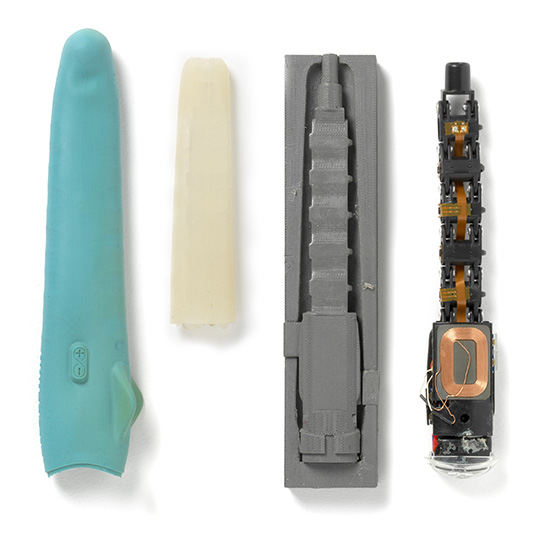
Focused on the vibrator’s silicone sheath, we applied our in-house manufacturing capability using our 3D printing mold tools to rapidly iterate its design. Then, working with a prototyping supplier, we expanded this testing, arriving at a design that worked as it was meant to and had the right, premium feel.

Because it was critical that Crescendo was safe for its intended use, we planned the manufacturing process to ensure there was no contamination to maintain biocompatibility.

2-MysteryVibe_Crescendo_Blue_Hand_L-shape
3-MysteryVibe-Lifestyle-Crescendo-Woman-Sitting-1

The value we created

Able to rapidly iterate the vibrator’s sheath design using our in-house manufacturing capability, and working with a prototyping supplier, we provided MysteryVibe with a quick route to launch for Crescendo, enabling them to fulfil their first orders for their investor-customers.

We also made supplementary recommendations that MysteryVibe were able to apply when Crescendo was manufactured in volume.

4a-MysteryVibe-gallery-1

Careful choice of sheath material and construction techniques allowed the product to be manipulated into any shape and retain the chosen form once released.

4b-MysteryVibe-gallery-2

In-house prototype tooling allowed for rapid, low-cost iteration of the design, using real production materials, as well as developing the manufacturing process.

BAS Rothera research base in the Antarctic|||Clear UP by Early Bird Studios||Crescendo flexible vibrator|

Knowledge gained from our manufacturing process development was transferred directly to the initial manufacturer. This allowed rapid initial fulfilment of orders while hard-tooling was being developed so MysteryVibe wouldn’t be restricted to a single supplier.

Inclusivity, experience-led design, and the smart integration of technology

Not all people are the same. Our FemTech philosophy puts people and context at the center and brings together consumer and healthcare knowledge to help our partners create meaningful incremental and transformational innovations that improve lives.

Connect with CDP

Accelerate your product innovation with CDP’s multidisciplinary expertise. We support product development at critical stages, helping you navigate complex technical, regulatory, and manufacturing challenges. From mechanical, manufacturing and electronic engineering to science-led innovation, human factors and digital systems. Our teams provide the insight and execution needed to move your product forward with confidence, from concept to commercialization.

Capabilities

The Challenge

Catheter ablation is widely used to treat a range of abnormal heart rhythms. It involves passing a thin, flexible catheter through the blood vessels to the heart, where it pinpoints the arrhythmia and uses ablation to block the abnormal electrical signals. A more dexterous catheter increases success rates for patients and retains greater cardiac function.

King’s College London invented a technology that enabled ‘three degrees of freedom’ steerability to improve the precision of treatments and facilitated robotic augmentation. They asked us to develop their intellectual property to demonstrate commercial viability.

CAD-Assembly-3

Our approach

We first engaged with cardiologists to identify user needs, which led us to improve the catheters capacity for therapy delivery. The technology is based around unique flexible segments so we integrated these into an overall catheter design that was practical to use and mitigated any major risks. In addition, we designed for manufacturing and assembly and selected new materials for strength, flexibility, biocompatibility and sterilization.

Our mechanical engineering team then designed, built using micro molding, and finally tested integrated prototypes that demonstrated advanced performance and reliability.

FullSizeRender-r-crop

Micro injection moulding is used extensively in the new desig

Micromould-channel-original-cross-sec-0_5N-crop

Computer aided engineering helps predict the performance of system components.

2015-01-08-15.32.34-R-crop

Precision engineering ensures high performance.

Catheter_case_slider_2

The value we created

In just nine months, ten full-length catheters were manufactured and tested. Their performance exceeded the key regulatory requirements of ISO 10555 and we proved key manufacturing and assembly steps. Our work enabled King’s College London to plan clinical trials and showcase their catheter technology to potential acquirers.

ablation-catheter-technology-cardiology-surgeon-operating-theatre

“We have been delighted with the results of Cambridge Design Partnership’s work on this project, their engineering approach and the practical improvements they managed to incorporate. They delivered fully moulded parts, and specified other components and the assembly route which fully met our aspirations for the project”

Professor Kawal Rhode, Professor of Biomedical Engineering, King’s College London

Connect with CDP

Accelerate your product innovation with CDP’s multidisciplinary expertise. We support product development at critical stages, helping you navigate complex technical, regulatory, and manufacturing challenges. From mechanical, manufacturing and electronic engineering to science-led innovation, human factors and digital systems. Our teams provide the insight and execution needed to move your product forward with confidence, from concept to commercialization.
Capabilities

The Challenge

We spend much of our lives in buildings, so they need to be safe, stimulating, and sustainable places to live. There is a trend toward Smart Buildings that use data from sensors to control the building infrastructure to maximize comfort while minimizing their environmental impact.

We were asked by an innovative West Coast tech start-up to help them launch a new approach to energy management in large buildings. Their cloud-based system would be enabled by an IoT network of smart double outlet sockets, connected through a bespoke communications backbone. The data collected would be used by an AI system to optimize the building’s energy use over time, while adapting quickly to different use scenarios.

Hub-white-lres
Biscuit-graphic

Our Approach

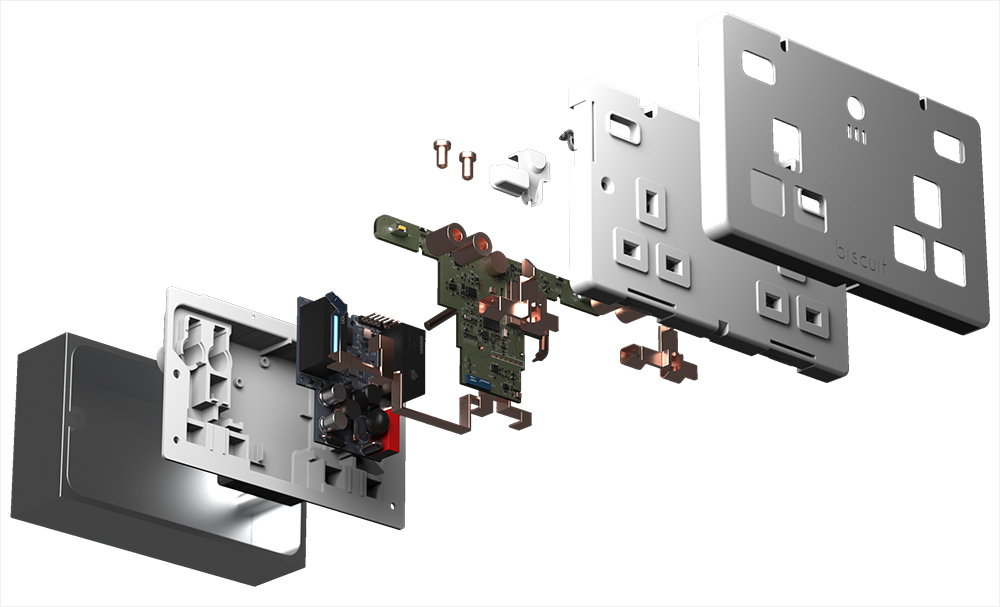
We were asked to design the system hardware and communications backbone, and to organize its manufacture in Asia. Our digital experts created a bespoke system architecture so our mechanical, electronics, and software engineers could develop the smart sockets and communications hub. We built and tested prototypes, confirmed regulatory compliance and selected and managed the subcontract manufacturer in Asia for volume production.

The smart double socket outlet includes electronics to monitor and report seven key parameters that provide rich data on building usage. These include energy consumption, temperature, humidity, air pressure, sound pressure, motion, and light levels.

Socket_exploded-lres
CDP-170118-0028-crop

Test fixtures facilitate the automated testing of PCBs for field trial devices

CDP-160118-0089-crop

Schematics and PCB designs developed under our ‘zero defect’ quality control process

CDP-160118-0069-crop

Multiple sensors create rich data to describe building usage

The value we created

Our client was able to contract the end-to-end development of their system hardware and communications backbone to us so their team could focus on developing user-facing software. We successfully designed the connected monitoring system and implemented a trial in 300 apartments in just 12 months.

We helped our client realize a novel AI-powered Smart Building system featuring sensing, control, and even a micro-grid system that enables local power generation.

Case_study_bisuit_4

Connect with CDP

Accelerate your product innovation with CDP’s multidisciplinary expertise. We support product development at critical stages, helping you navigate complex technical, regulatory, and manufacturing challenges. From mechanical, manufacturing and electronic engineering to science-led innovation, human factors and digital systems. Our teams provide the insight and execution needed to move your product forward with confidence, from concept to commercialization.
Capabilities

The Challenge

Whilst others have shown 3D printing of injection mold tooling is feasible for simple parts, we wanted to mold real world, complex components.

So we developed a fresh approach using industry standard polymer 3D printers to create complex mold tools in hours. Realizing that making the tool is only part of the time required, we also made sure to fast track tool design and verification.

screen-grab-2-crop
Tooling-sketch

First the design is sketched to develop the geometry of the major components.

IMG_9852-crop

The printed tool insert splits to allow the molding to be removed.

IMG_9687-crop

Precision 3D scanning is used to verify the accuracy of the finished part.

Case_study_tooling_3

Our Approach

Others had shown that 3D-printed tooling could work for simple parts, so we started from a clean sheet to handle complex components. Printed polymers are weaker than tool steel and handle heat poorly, so our tooling design works around those limits.

We print only a small insert and fit it into a standard metal mold plate. Prototype tools don’t need to run automatically, so the insert is split into pieces and opened by hand, with no moving parts. Supported by rigid metal, the insert stays mostly in compression during injection, which keeps it accurate. For higher-temperature plastics, we fill it with a low-melting-point alloy to add heat capacity.

Every step is digital, from 3D CAD to printer to our BOY 22-tonne molding machine, with high-resolution 3D scanning to verify both the insert and the finished part. We proved the process on a precision multi-dose syringe made from ABS moldings.

render-1-crop
CDP-220719-0038-R-lres

The value we created

Digital tooling closes the gap between fast 3D-printed parts and slow prototype injection molding. Conventional tools take 12–16 weeks and machined aluminum prototype tools 2–8 weeks, but digital tooling delivers verified molded parts in 2–3 days.

Parts are molded in the real production material, so we can test properties 3D printing can’t reproduce, such as biocompatibility, creep, thermal performance and effects of the molding process itself.

This is especially valuable for complex medical consumables. Getting accurate parts into testing earlier means problems surface while they’re quick and cheap to fix, shortening time to market and improving the final design.

CDP-161018-0019-lres
WHITE PAPER

Breaking the mold: Digital tooling to reduce time to market

Getting new products to market efficiently is crucial to maximizing your return on investment.

Connect with CDP

Accelerate your product innovation with CDP’s multidisciplinary expertise. We support product development at critical stages, helping you navigate complex technical, regulatory, and manufacturing challenges. From mechanical, manufacturing and electronic engineering to science-led innovation, human factors and digital systems. Our teams provide the insight and execution needed to move your product forward with confidence, from concept to commercialization.
Capabilities

The challenge

Diabetes is a chronic disease that causes high blood sugar and afflicts over 400m people worldwide. Measuring blood sugar is a part of a patient’s regular routine to control their condition.

Pelikan Technologies aimed to disrupt the diagnostic market with a painless blood lancing system that would significantly improve a patient’s experience. We were selected to work with Pelikan’s R&D team to commercialise their lancing technology and bring their first medical device to market within two years.

Our approach

Implementing their technology in an approved medical device provided several challenges, the sector is highly patented and the low pain technology needed a very high performance drive system, well beyond what was commercially available. In addition, the lancet consumable had to be manufactured automatically in very high volume with an ultra low cost of goods.

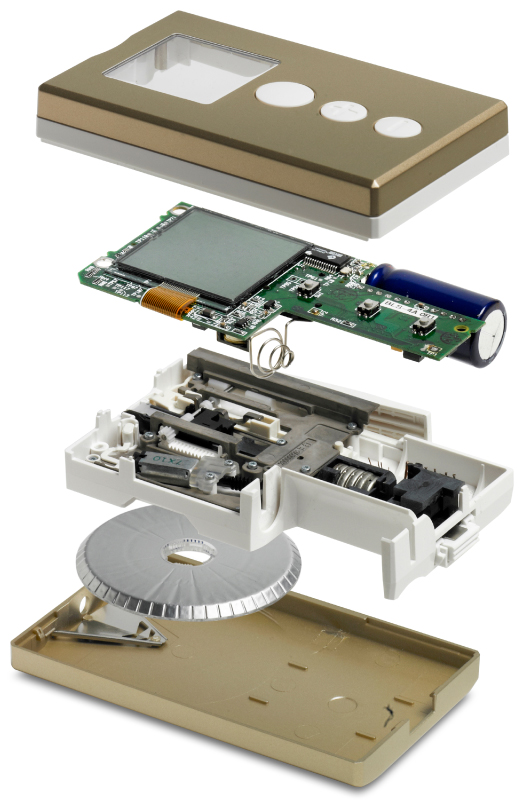
In partnership with the Pelikan team we developed a low cost linear motor based lancet drive system with a high dynamic response and precision.  We designed a disposable lancet cassette and manufacturing process that included a novel 3-dimensional foil sealing technology.  Finally, we integrated these elements with a mechanical system to automatically load a fresh lancet into the electronic engine, and after use return it to avoid needle stick injury.  

Manufacturing lancet cartridges in high volume required automated inspection systems.
The launcher mechanism stores used lancets and presents a fresh one ready for use.
The device electronics precisely controls the lancing profile.

The value we created

The result was the first system to deliver fully automated, virtually pain-free lancing, with 50 lancets held in a disposable, sterile, sealed cartridge.

For patients, that means reliable blood collection, minimal pain, and wounds that heal more quickly with less scarring. These benefits matter most to young people with Type 1 diabetes, who may need to test many times a day.

By combining a high-performance linear-motor drive, an automated lancet-handling mechanism and a cartridge designed for very high-volume, low-cost manufacture, we helped Pelikan turn their lancing technology into a complete, manufacturable system.

Connect with CDP

Accelerate your product innovation with CDP’s multidisciplinary expertise. We support product development at critical stages, helping you navigate complex technical, regulatory, and manufacturing challenges. From mechanical, manufacturing and electronic engineering to science-led innovation, human factors and digital systems. Our teams provide the insight and execution needed to move your product forward with confidence, from concept to commercialization.

Capabilities

Soft ice cream

The challenge

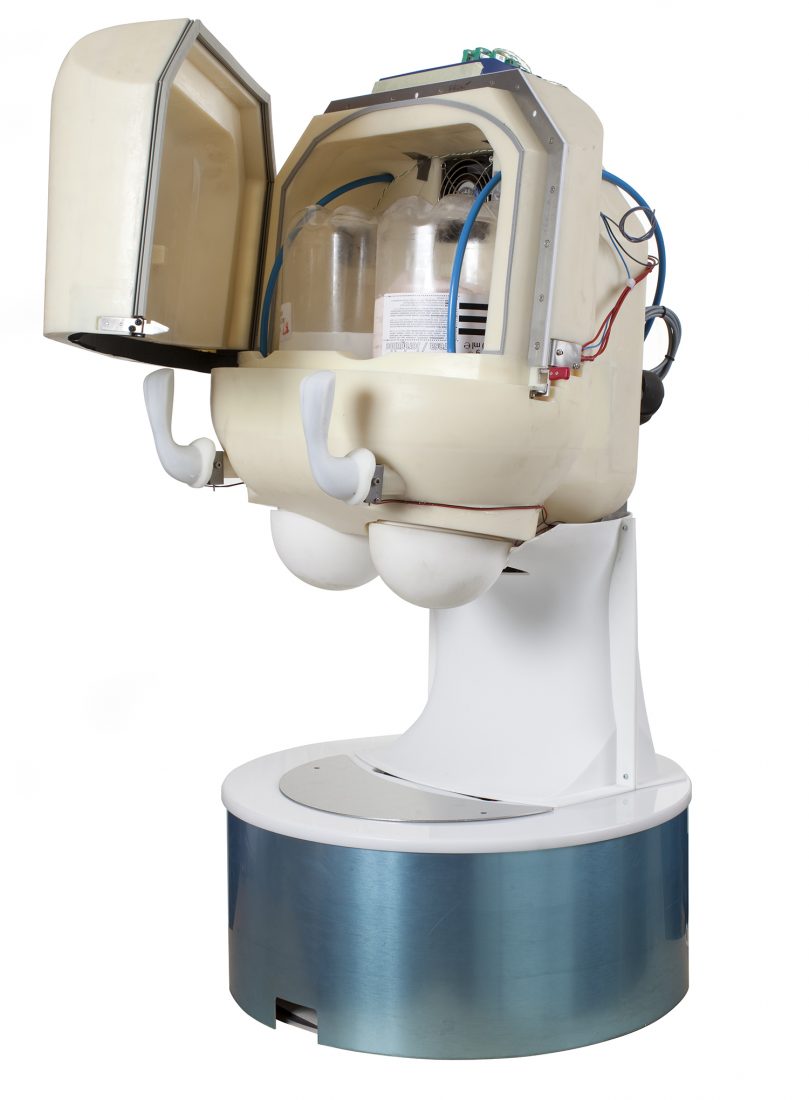
Soft ice cream is a large and growing segment of the global ice cream market, and Unilever wanted to expand their offering. The global leader had a novel cartridge that neatly avoided the hygiene challenges traditionally associated with this category, but they needed a semi automated refrigerated dispenser for smaller retailers, restaurants, and entertainment venues.

A market trial was planned but their prototype had technical challenges. Unilever knew that resolving these with a manufacturing partner this early in the project might overly constrain the design, so they asked us to help.

The product ergonomics had to make the dispenser easy for operators to use.
Test rigs confirmed the thermal performance of the chiller design.
We ensured the fit and finish of the manufactured prototypes matched production standards.

Our Approach

To address the problems, we implemented elements of Potential Realised™, our phased approach to product development. First Root Cause Analysis was used to identify and scope the key challenges in function, usability and cleanability, and we applied our broad-based technical team to quickly develop and test solutions. These were integrated into a ‘technology demonstrator’ only three months into the project. Once fully tested we moved on to design a prototype suitable for low-volume manufacture.

We set about creating tooling and a small manufacturing facility for a batch of 50 dispensers for the field trial. The aim was to manufacture units with a fit, finish, and function indistinguishable from future production machines. Of course, the refrigerated dispensers had to be safety tested, meet appropriate CE standards and be shipped to very tight timescales.

We also added connectivity to each machine together with a cloud-based database and user interface to help Unilever manage the supply chain and to monitor sales and maintenance.

The value we created

The world’s biggest ice cream manufacturer was able to successfully deploy 50 appliances in outlets across Europe for a summer season in order to gather high-quality feedback on their new ice cream offer. This allowed them to make an important investment decision to grow their Heartbrand.

Though the units were prototypes, the 50 connected, refrigerated dispensers we built looked and worked reliably just like the real thing.  


Connect with CDP

Accelerate your product innovation with CDP’s multidisciplinary expertise. We support product development at critical stages, helping you navigate complex technical, regulatory, and manufacturing challenges. From mechanical, manufacturing and electronic engineering to science-led innovation, human factors and digital systems. Our teams provide the insight and execution needed to move your product forward with confidence, from concept to commercialization.

Capabilities

voke inhaler nicotine

The challenge

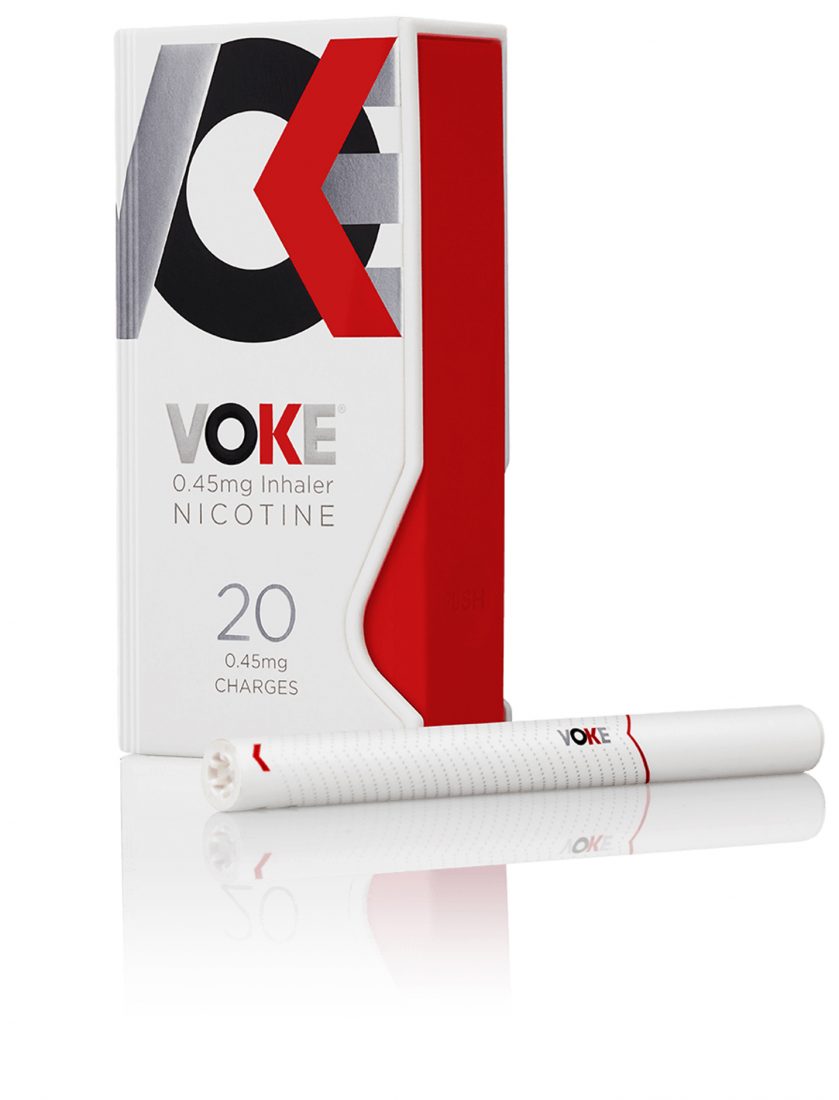
Voke is a smoking cessation product that is designed to mimic the cues of smoking regular combustible cigarettes, whilst dispensing a pharmaceutical formulation. It is a licensed medicine and a safer alternative to smoking.

Our client had already made a considerable investment in developing and manufacturing Voke but challenges remained and the launch was at risk. They asked us to step in to quickly resolve the outstanding issues, improve the manufacturing process consistency, and execute the verification testing needed for regulatory approval.

Our Approach

To successfully bring Voke to market we implemented elements of Potential Realised™, our phased approach to product development.  First, we performed a root cause analysis that identified the outstanding technical issues. This data allowed us to develop design improvements that would resolve performance issues while not compromising the existing medicinal license or capital equipment portfolio.

Custom designed test rigs verify different aspects of the device’s performance
High resolution CT scanning is used to analyse assembled devices
Systems are developed capable of testing thousands of devices

We implemented and tested these improvements over many thousands of devices to demonstrate confidence in a statistically robust manner.  This required us to design and build bespoke assembly and test systems with the capacity to process large numbers of devices over many use cycles to gather the necessary data.

When we were confident in the device performance we conducted a major verification program under our ISO 13485 approval to demonstrate the product was safe and functioned effectively.  This process considered the multicavity tooling and extensive manufacturing automation that was needed to deliver the target production volumes.

Finally, working as the design authority we prepared the necessary regulatory reports, hosted notified body audits and supported the transition to volume manufacture.


The value we created

We successfully identified and overcame the complex engineering issues that were jeopardising the project, and the Voke inhaler was granted a CE mark.  It successfully entered volume production and was launched in the UK market.


Connect with CDP

Accelerate your product innovation with CDP’s multidisciplinary expertise. We support product development at critical stages, helping you navigate complex technical, regulatory, and manufacturing challenges. From mechanical, manufacturing and electronic engineering to science-led innovation, human factors and digital systems. Our teams provide the insight and execution needed to move your product forward with confidence, from concept to commercialization.
Capabilities