environmental sustainability||||||||||

Are we there yet? An honest progress report on our environmental sustainability

“We’re all on a mission to achieve sustainability, working together to build a better business for people and planet”. While it may be true, statements like this don’t offer much insight into what we’re actually doing about our environmental impact. Instead, we’d like to provide an honest assessment of where we are now, what actions we’ve taken so far, and where we’re focusing our efforts in the future.

Sustainability communications are often full of cliché. In their excellent research report ‘Words that work’, creative communications consultancy Radley Yeldar analyzed the websites of 50 of the Forbes 100 most valuable brands and found the same words and phrases repeatedly cropping up. One of the most popular was the notion of a ‘sustainability journey’.

We can see how this happens – in fact, in the first draft of this article, we followed this same path. We want to talk about the progress we’ve made, which we’re proud of, but we know we’ve got a long way to go. We’ve got plans that we want to share – how do we communicate this process while it’s happening? There’s an obvious metaphor!

Part of the reason brands lapse into cliché, says Radley Yeldar, is fear of criticism if they’re brutally honest. So, we’ll try to take their advice, and be brave. Here goes.

An honest assessment

CDP is an Employee-Owned company. A little over a year ago, a group of employee-owners, supported by the management team, started an initiative to measure our performance against the B Impact Assessment, a widely used framework for all-round sustainability impact. Overall, we were very happy with how we measured up – many of the policies, actions and outcomes the assessment checks for were already established.

However, one of the reasons to go through this process was to identify any gaps in our performance. There was one area we decided to focus on, because frankly it was a little behind many other parts of the assessment – our work to improve our environmental sustainability.

What makes us want to improve?

Beyond a desire to have the most positive impact we can, there were three compelling reasons for us to take action:

  1. We’re delighted that more and more of the global brands we work with are committing to ambitious environmental sustainability targets – we want to help them achieve these goals and give them the confidence that we are just as committed to having a positive environmental impact.
  2. We work hard to reflect the needs and priorities of our employee-owners – our only shareholder and biggest asset. Surveys and engagement events have made clear that environmental sustainability is important to them.
  3. We have recently transitioned to a ‘large’ company under UK law, which entails new reporting requirements – the perfect time, therefore, to embed new measurement and reporting systems across the company.

Making a change through our client work

There are two ways that we can have an impact on the environment – through our business operations, and through the innovation, design, and development work we do on behalf of our clients.

Whilst we feel it’s important to minimize the environmental impact of our own operations, helping our clients to ‘improve lives through innovation’ (our purpose) allows us to contribute to environmental and social benefits at a scale well beyond that which we can achieve alone. As an example, a quick calculation showed that the annual production of a particular dry powder inhaler – a typical project we might deliver for a client – was responsible for more than 50 times our annual carbon footprint. Or, put another way, if we helped a client to reduce the carbon impact of that product by just 2%, we would save the equivalent of CDP’s annual carbon footprint.

Recognizing this, we’ve invested in growing our capability in sustainability and cleantech, helping our clients reduce their environmental impact and develop new technologies, including:

  • Developing packaging design and sustainability guidelines for one of the world’s largest consumer packaged goods companies
  • Helping multiple blue chip clients transition from fossil-fuel-derived plastic packaging to alternatives such as paper. Highlights include a patented, first-of-its-kind, single-mold paper bottle for Pulpex
  • Performing a life cycle assessment to benchmark the environmental impacts of a connected autoinjector, and using this to drive design changes that minimize these impacts
  • Designing and developing a pop-up solar car park and electric vehicle charging hub for 3ti Energy Hubs, which won Best New Product at The Electric Vehicle Innovation & Excellence Awards (EVIEs)
  • Winning a hackathon run by Cambridge Institute for Sustainability Leadership (CISL) and British Antarctic Survey (BAS) to help BAS achieve net zero at their Rothera research station in Antarctica

Changes in our own operations

In the last year, we’ve also made significant progress on how our business operations impact the environment; much of this was enabled through moving to a new purpose-built facility, which involved over three years of rigorous planning and attention to detail:

Net zero HQ

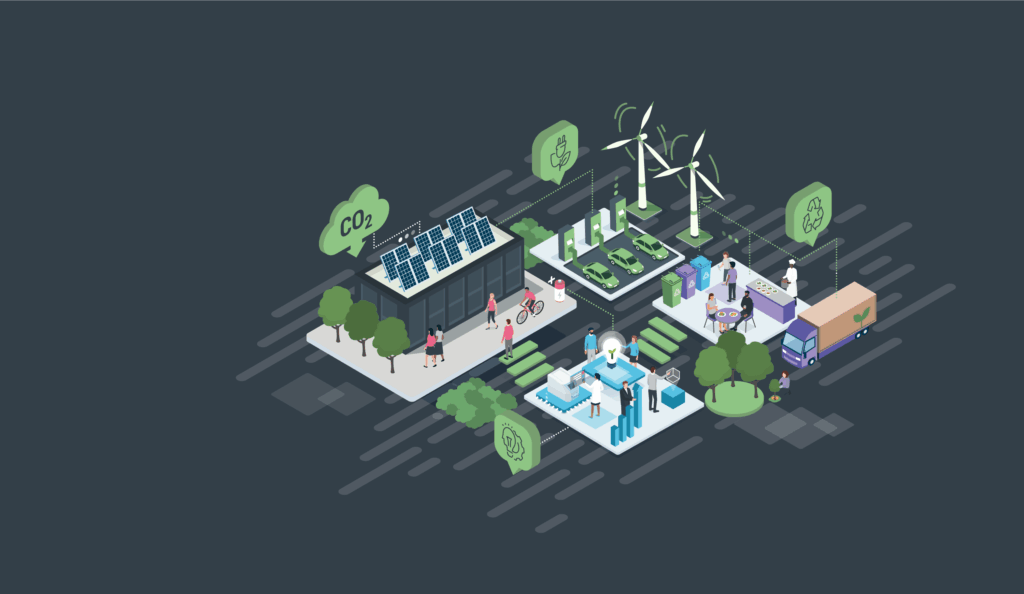
Our new UK headquarters at Bourn Quarter is built to be net zero over its lifetime. It doesn’t rely on fossil fuels for heating and is designed to high standards of energy efficiency. On-site power generation includes 1,500m2 of rooftop solar panels across our Innovation Centre and Pilot Production Centre buildings – that’s an area larger than five tennis courts!

Supply network with shared values

Recognizing that much of our impact occurs through our suppliers, we’re starting to factor environmental impact into our supplier selection. In the last year, we’ve brought in Wilson Vale as our catering partner – their central operations are certified carbon neutral, and at Bourn Quarter they serve seasonal food and take steps to minimize food waste. They calculate how many people are typically on-site on certain days and incorporate any leftovers into the following day’s meals – for example, as an option in the salad bar.

Measuring what matters

Our science and engineering teams know that accurate data is crucial to optimizing any process. So, we’ve set up systems to monitor our energy use, carbon emissions, and waste – the areas of greatest impact from our operations. Electricity consumption data from our first few months in Bourn Quarter will allow us to optimize our heating and lighting usage. We’re also collecting data on our recycling, food and general waste streams, to generate insights that will support future improvements.

Awareness and engagement

We’ve worked hard to bring our entire organization with us, so that everyone feels ready and empowered to help identify and solve problems. This type of unified effort reflects the culture of our company, rather than a passion project for a small group of champions working in isolation.

We’re achieving this through regular all-company ‘town hall’, updates, interactive ‘lunch and learns’, and immersive Climate Fresk sessions – three- to four-hour workshops which explore the fundamental science behind climate change.

Are we there yet?

Whilst we’re proud of what we’ve achieved so far, it’s just the start of an ongoing process to manage and improve our environmental impact, and we’ve got a lot more work to do! As Peter Drucker famously put it, “you can’t improve what you don’t measure” – quantifying our carbon, waste and water impact is the foundation for both transparent reporting and further progress. We’re looking forward to using the measurement and analysis systems we’ve established to benchmark our performance and assess the effect of improvements we make. We plan to publish our first impact report later this year – and we’ll be aiming for openness, honesty, and a minimum of sustainability cliché!

If you have similar ambitions and would like to discuss this in more detail – particularly if you’re close to Cambridge (UK) or Raleigh, North Carolina (USA) – please get in contact.
Mastering fluid flow to enhance user experience|

Mastering fluid flow to enhance user experience

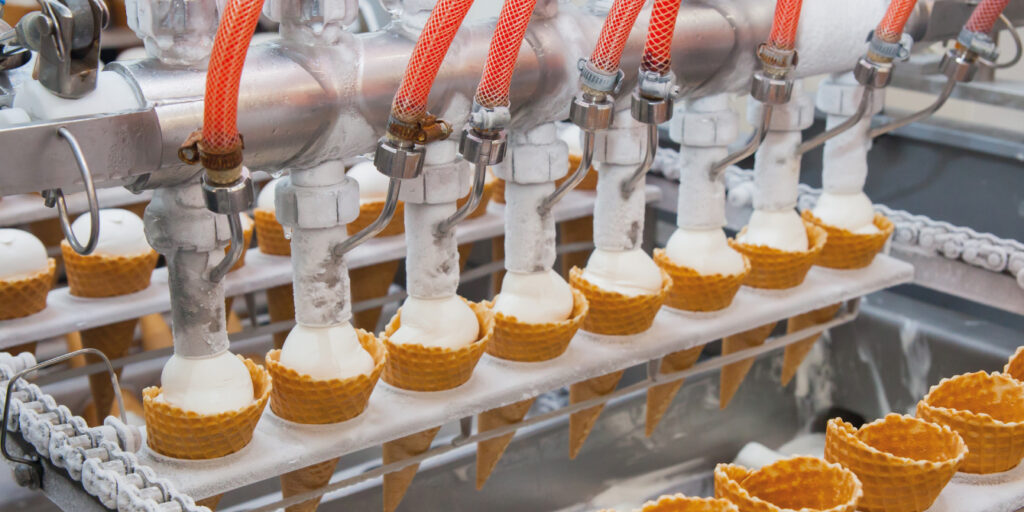
Ice cream and blood are two things you probably don’t want to think about simultaneously. But both are full of organic proteins and fats and behave differently from a fluid like water when they’re pumped through tubes. Innovators sometimes think about these similarities when creating, for example, a novel ice cream dispenser or device that filters out platelets from donor blood .

How a substance flows is a vitally important consideration for many products, from foods to skincare to medical devices to household paints. Development teams need to keep in mind a wide range of flow behaviors (for example, flow through nozzles, non-Newtonian flow, and foaming) to hit the sweet spot: a positive user experience that makes a product stand out in a crowded market. This means thinking about the science of how liquids and gases behave (fluid dynamics), as well as how the product responds to user interaction.

Look at how the squeezable plastic ketchup bottle differs from the glass bottles that were standard before 1983. The new design completely changed the user experience – no more digging down into the bottle with a knife to get the ketchup flowing again. Things became even easier for ketchup lovers with the debut of the upside-down squeezable bottle – no more awkwardly storing ‘regular’ bottles upside down in the fridge.

Or think about how the experience of washing your hands changed after the arrival of the liquid soap dispenser. Instead of having to share the same bar of soap with others, people can now wash “without the soapy mess”, as Robert R Taylor, who introduced SoftSoap liquid soap, put it, and can take only as much soap as they need.

While the flow of some liquids is analogous to water, whose behavior is well understood, other substances behave in much more complicated ways, requiring in-depth analysis work to understand when designing new products. For example, the air bubbles in ice cream make it behave as a liquid foam. Ice cream’s flow will change depending on how you’re dispensing it: Push it at high pressure through a narrow channel or nozzle, and the air bubbles will be compressed, allowing more ice cream to flow through the nozzle at once. When the ice cream is returned to normal pressure, the air bubbles re-expand, and the ice cream returns to its original size. Because of this complex and variable behavior, designing a product to dispense ice cream relies on hands-on experiments… which can mean going through gallons of ice cream before you can create a design that works as intended. Only by conducting these experiments to understand ice cream’s behavior can you build the mathematical model required to effectively develop a high-performance machine.

While it’s a shame to use gallons of ice cream in the quest for a better product, it’s not an environmental disaster. But shipping water-based products around the world does contribute to fossil fuel consumption and climate change. Removing water from laundry detergent helps cut shipping emissions by reducing bulk and making shipping more efficient. But it also dramatically changes how detergent flows and gets used by consumers. For example, measuring out 10 ml more detergent than recommended likely wouldn’t have an impact if you’re using a product that’s mostly water. But being off by 10 ml when detergent is concentrated could make a big difference for your laundry. So, it’s vital to ensure that dispensing is accurate, which requires an understanding of flow.

There are so many flow behaviors that can affect a product’s design. For example, should a container for insecticide include a mechanism to avoid skin contact and spillage? How could a medical device for freezing tumors be redesigned to eliminate vapor locks without the use of heavy and bulky high-pressure gas cylinders? Is there a way to dispense foaming hand soap in a decorative pattern for a premium experience?

Getting the design right for a flowing substance can differentiate between a product that fails and one that creates an experience that shifts category norms and delivers breakthrough consumer delight.


References

The lockdown beauty trends here to stay

The lockdown beauty trends here to stay

Lockdowns, video calls and face coverings dramatically changed our relationship with beauty. Meanwhile, COVID-19 restrictions shook up how we bought cosmetics and skincare.

Jessica Platt, Associate Insights Researcher, examines how beauty habits changed and which are set to last.

How lockdown changed beauty

Months of virtual meetings, dinner parties and quizzes made us ask whether our existing cosmetics could keep us looking camera-ready all day.

But while online with FaceTime, Teams and Zoom, in the physical world we stepped back, observing the social distancing rules, and hiding behind face coverings. It’s no surprise that these two extreme worlds ignited new consumer behavior:

We became beauty DIY experts

Hair and nail salons closed, yet hair and nails stubbornly continued to grow. While some of us embraced hair bands and visible roots, others took matters into their own hands.

Amazon reportedly achieved a 172% year-on-year increase in sales of hair coloring products for the four weeks ending April 11, 2020. Nail care sales increased by 218% in the same period.

Post-lockdown wait times for a cut and color suggest most consumers are eager to get back to the salon. However, some will continue to practice their newly honed (and money-saving) skills at home, presenting an opportunity for brands to expand into this category.

We tried independent brands

As online marketing replaced shelf presence, small indie brands found a (more) level playing field to compete for customer attention. It was no longer essential to have a large in-store presence to catch a browser’s eye. Instead, smaller companies could focus on sharing their message through social media and influencer marketing.

US-based medicated skincare brand Topicals is one such brand. Its Gen Z-focused packaging, website and social media presence drove momentum in a year when many small companies floundered. In August 2020, it announced a $2.6 million investment from investors, including Netflix CMO Bozoma Saint John.

We embraced self-care

In a time of uncertainty, people turned to self-care. This further expanded the definition of beauty as a category of products that nourish and support rather than mask perceived imperfections.

Despite specializing in products that deal with flaky and dry skin, Topicals firmly positions itself in the self-care (rather than medicinal) camp, with the strapline ‘Funner flare-ups’.

Pause Well-Aging, a US brand targeting menopausal skincare, is another example. Its website states, “Pause is more than just skincare. It’s a movement affirming that beauty gets better with age.” Instead of promoting the anti-aging properties traditionally touted on skincare packaging, it provides women with what they need to age well.

Also, a new need for hand cream arose as people sought to soothe dry hands caused by antibacterial sanitizers.

We braved online cosmetics shopping

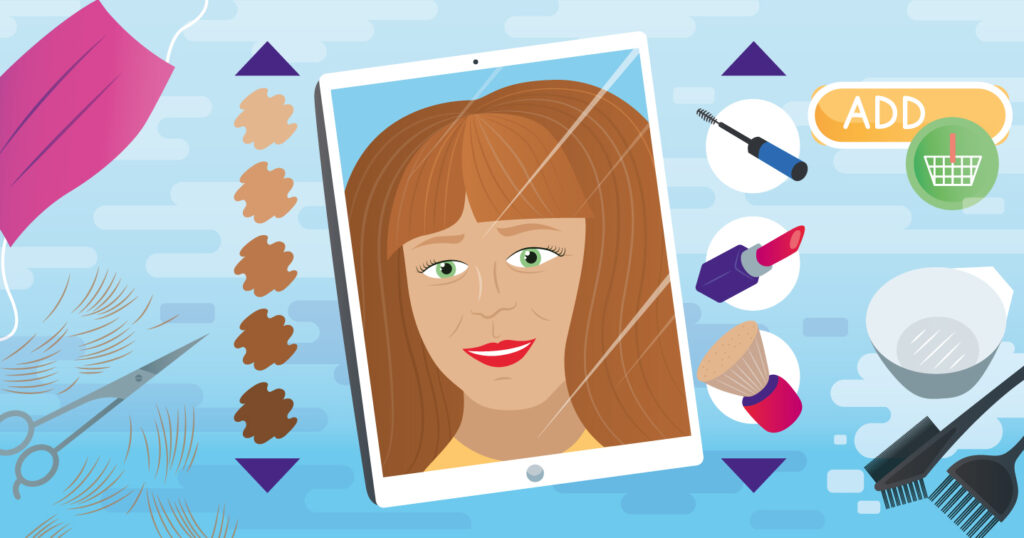
Before the pandemic, in-store shopping accounted for around 85% of make-up purchases. Beauty shoppers, who never purchased products without a trial and in-person advice (including me), were forced to dabble in online shopping. We began the painstaking process of working out which foundation shade, lipstick color or eyeshadow palette would suit us without the help of a tester. Though beauty brands have been exploring augmented reality (AR) and artificial intelligence (AI) for some time, lockdown accelerated its adoption. The technologies enabled customers to try on products from the comfort and safety of home.

Augmented Reality

L’Oréal saw usage of its virtual make-up tools rise fivefold during 2020’s lockdowns. Its ‘Virtual Try On’ tool uses AR to enable its website visitors to try on its products, either live using a phone camera or by uploading a photo. A feature that might once have appeared gimmicky, this option has become an essential offer for customers to experiment with new looks.

Premium brands, including Bobbi Brown and Chanel, have similar web-based AR technology that provides insights into how make-up might look when worn.

These brands demonstrated that this feature appeals to a far wider audience than Gen Z and Millennials already familiar with Snapchat filters.

Artificial Intelligence

US beauty brand IL Makiage, which launched in the UK in May 2020, solves the color match problem with a 90-second quiz. It asks consumers to look at images of people with different skin shades and identify which one most closely matches their skin tone. Images are repeated and refined until the customer is deciding between subtle differences in skin tone. It also collects additional information, such as skin type (oily, dry, combination) and vein color.

Results are analyzed using machine learning technology from NeoWize Inc, the Israeli AI company that IL Makiage acquired in 2019. Potential customers are presented with the foundation that’s best suited for them, along with the accompanying concealer.

Following the quiz, all the products displayed on the home screen are shown in the color most suited to your skin tone, making it easy to fill up your shopping cart in a few clicks.

Innovating for success – what’s next for beauty brands?

The past 18 months have taught us that the world can change in a moment. They’ve also taught us the power of innovation and agility. The most nimble brands can gain first-mover advantage. We’ve seen online presence, e-commerce and smart tools reaching consumers in a different way to traditional retail experiences, which is the new normal for many. Having seen what can be achieved in exceptional circumstances, beauty brands should feel confident about embracing future change. For an industry specializing in makeovers, this shouldn’t pose a problem.


References
||Ben Strutt|James Harmer|

Innovation visionaries and entrepreneurs converge for the Global Innovation Forum 10th anniversary, in an inaugural Virtual Edition

Over the last ten years, the Global Innovation Forum has built an enviable reputation for an annual assembly of some of the world’s most influential innovation leaders and creative business pioneers. Each year they share cross-sector insight, personal stories of success, and critically, the important lessons learnt through failure! In this milestone anniversary year, the organisers have responded to world events in true innovation style by pivoting, from the physical gathering in London, to going digital –  in a live, fully immersive experience running from the 17 to 19 of November.

Combining streamed talks, virtual tours, digital workshops and 1-on-1 video meetings, three of our own innovation leaders, Ben Strutt, Chris Houghton and James Harmer, will be hosting a series of diverse talks with international personalities who have each broken new ground in their respective fields.

This year’s event theme “Bring back the fun”, could not be more appropriate, better timed, or more greatly needed as the world continues to adapt to widespread remote working and fewer face-to-face collaborations. Buzzing with a line-up of design and innovation leaders from companies including Google, Disney, P&G, Amazon, Unilever, Lego, IBM, Impossible Foods, Glaxo Smith Kline, Mondelez, plus world record breakers, and design legends, it promises to deliver a high-octane three day virtual event.

website_cdp-body_ben-strutt-head-of-design “In times of crisis, society repeatedly displays extraordinary resilience, capacity for adaption, and change. It is likely that 2020 will be remembered as a defining period in which bold steps were taken to reimagine the future, initiating years of mass technology and service progress, compressed into just months” commented Cambridge Design Partnership Director, Ben Strutt.

“While challenges lay ahead, there are so many reasons to be positive and inspired by the experiences of others, get connected (safely!) – and have fun – values that resonate strongly with our Employee Owner team”

For 25 years Cambridge Design Partnership’s integrated team of researchers, strategists, designers, engineers and scientists have worked in partnership with our clients across consumer, industrial and healthcare markets, on the toughest challenges – pushing technological and creative boundaries – to improve lives and create better experiences.

“This Virtual Edition of the GIF event will be an extraordinary opportunity, in an extraordinary time for a wider global audience than ever before to be inspired, and connect with like-minded innovators”.

Three of our senior innovation leaders will host six of the streamed discussions, and be available for further conversation throughout the event. We are also able to offer an exclusive discount code on delegate passes – please reach out to conferences@cambridge-design.com to find out more.

Meet our event moderators and the sessions they’ll be hosting, in this short video:


website_cdp-body_moderator-ben-strutt-head-of-design Ben Strutt

Ben leads Cambridge Design Partnership’s design and front-end innovation activities and is a Partner in the Business. His perspective on innovation is founded on 20 years of global insight, and end-to-end product development experience working with businesses ranging from start-ups to some of the most well-known consumer goods and healthcare brands in the world. Ben will be hosting three different talks:

“I get much of my creative inspiration from thought-leaders and content outside of my own sphere of focus, and was extremely excited to have the opportunity to work with three very diverse speakers”.

“The peculiar Amazon approach to culture and innovation” with Eric Tachibana, Amazon Web Services. November 17th at 10:30 am
“Chasing perfect” with Frank Stephenson, Iconic Car Designer. November 18th at 10:00 am
“Overcoming obstacles, living in the moment and avoiding risky situations” with Kane Avellano- Adventurer, Entrepreneur & Guinness World Record Circumnavigator. November 19th at 13:10 pm
Tribute to the late Sir Ken Robinson, 1950-2020, prior to the broadcast of the most watched TED talk of all time, ‘Do schools kill creativity?’ November 19th at 12:40 pm

James Harmer website_cdp-body_moderator-james-harmer-strategy-innovation-leader

James leads insight and innovation projects for major food and beverage industry clients, with responsibility for ‘joining the dots’ between consumer needs, strategic opportunity, and breakthrough branded-packaging innovation. With a portfolio spanning more than 25 years of partnership with global FMCG companies, including Unilever, Nestle and PepsiCo, James has a strong focus on helping clients unlock innovation opportunity in a sustainable circular economy.

James commented “It’s an amazing privilege to speak to some of the world’s leading innovators across such a broad range of areas. I’m going to be exploring diverse topics from the carbon budget to the future of comics!  Ken Lashley will be bringing a different perspective on how to integrate creativity into their work to inspire everyone and Gif. Whilst Rebekah Moses is sharing an incredible case study on ‘planet saving innovation’, addressing the future of food that will have everyone engaged and enthused”.

“Becoming one of the comics go-to cover artist” Ken Lashley, Marvel. November 18th at 13.50 pm
“Addressing climate change & sustainable food futures through plant-based meat” Rebekah Moses, Impossible Foods. November 19th at 13:50 pm

website_cdp-body_moderator-chris-houghton-head-of-fmcg Chris Houghton

Chris is Head of FMCG at CDP, leading brand innovation & packaging design capabilities and is a Partner in the Business. He is a designer and strategic innovator with over 20 years of experience working with global brands to deliver new products and packaging. During his career has been entrusted by more than 100 brands – ranging from Cadbury and Coca-Cola to Lego and Reebok. Chris is delighted to be interviewing Ivy Ross, VP, Head of Design for all Hardware Products at Google.

“Google has grown at a phenomenal rate over the past 20 years, investing and acquiring a diverse portfolio of innovation assets, including artificial intelligence and machine learning. Expanding from software into hardware required a clear design vision which Ivy has orchestrated over the past seven years. Combining design and science, empathy and analysis, their hardware products boast a distinctive identity and have humanised technology within our increasing smart homes” reflected Chris.

“The intersection of Design and Science” with Ivy Ross, Google. November 17th at 15:30 pm


We hope you can join us at GIF, November 17th-19th to see the full agenda. For more information, you can contact us at conferences@cambridge-design.com

||||||||||

Skincare range designed in Cambridge, made in Switzerland

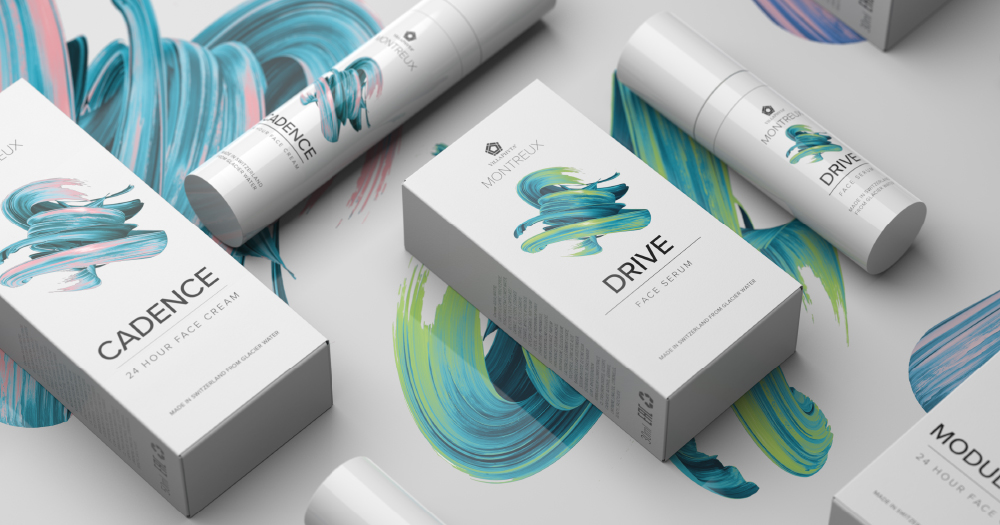
Cambridge Design Partnership (CDP) designed the new VillaPhyta Montreux skincare range for Arnebia. The products include daily creams, serums and elixirs to moisturize, even skin tone and provide sun protection.

“Our brief was to modernise the VillaPhyta Masterbrand whilst defining the positioning and visual identity for the Montreux sub-brand. Naturally we’re delighted with the beautiful packaging results and we’re looking forward to learning more about the launch success stories and commercial outcomes.”

Chris Houghton, Partner, Head of FMCG (FastMoving Consumer Goods).

VillaPhyta Montreux is steeped in provenance and natural ingredients. It’s blended and manufactured on the outskirts of Montreux in Switzerland. Ingredients include Swiss Glacial Water and local plant-based extracts from Edelweiss, Saponaria and Tamarindus Indica. Airless packaging and ampoule droppers enable precision dosing for the consumer, which give an implicit accuracy association that’s fitting for a Swiss-made product.

The design team took inspiration from this Swiss provenance and fact that the Montreux is home to the world-famous Montreux Jazz Festival, which has hosted big names over its 54 years, from Nina Simone to John Lee Hooker and BB King. The skincare collection’s product names even have a musical theme, including Solo, Cadence and Swing.

“We felt a degree of expressive flair was crucial for the visual language,” explains CDP designer Ben Kübler, who led the project. “We generated over a dozen early visual directions with varying degrees of personality. Working collaboratively, we came up with a free brushstroke motif, representing the Montreux jazz theme, contrasted against a simple white Swiss-inspired canvas with precise typography.

Cambridge Design Partnership work on body skincare product innovation

Colleague Dill Hill contributed to the project, bringing more than 25 years of experience in graphic design and illustration to the table.
“Dill developed and illustrated the brushstroke motif, creating the associated brand guidelines,” added Ben Kübler.

The team at Arnebia is delighted with the end result: “Ben and the team provided a wealth of creative ideas for us and were pivotal in formulating the most appropriate design direction for our brand and market,” says Alex Rabinovich, Lead Specialist, Arnebia representative.

This is the fourth project collaboration between CDP and Arnebia. “We find that the CDP team is always responsive, creatively collaborative and strategically insightful. Working with them helps guide the end-to-end design process and I always look forward to our update meetings,” concluded Alex.

Cambridge Design Partnership Body Skincare client
CDP Body Skincare project
Cambridge Design Partnership Body Skincare Innovation
Cambridge Design Partnership Body Skincare Best Solution

For further information and media enquiries, please contact: media@cambridge-design.com or call 01223 264428

Packaging - perceptions & preferences during the pandemic

Packaging – perceptions & preferences during the pandemic

When we ‘locked down’, as a nation we had very little idea what to expect or indeed for how long. Major behavioural changes have come about as a result of the pandemic and our lock-down experiences, but what has been incredible to watch, as someone who has spent many years looking at consumer behaviour, is just how big an impact the Covid pandemic has had on our global preoccupation with ‘consuming’, and our physical relationship with packaging.

Packaging perceptions

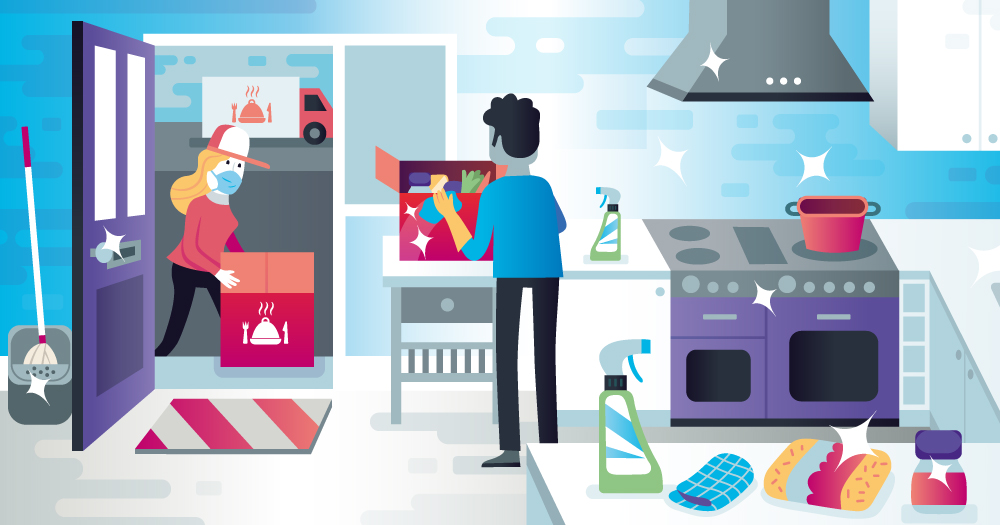
People’s perceptions of packaging have changed during the course of the pandemic. It’s fundamental role as a ‘first line of defence’ to protect our products came under scrutiny. With many questioning whether packaging itself could actually be a ‘superspreader’. During the first month of lock-down, as well as the government guidelines on how to socially distance and take precautionary measures, we adopted many more of our own. For example, every crate of food that was delivered to my front door was sanitised! It became a family event, getting bags of new products out on the worktop and wiping them down with disinfectant! Plastic bags that had once been banished became a ‘disposable saviour’ in the handling of food quickly and efficiently without prolonging time at the front door. Although I found this behaviour irrational after a few weeks, especially after the FDA and other respected bodies announced there was no data to support the notion that COVID could be transmitted via interaction with packaging, astonishingly a snap poll of 1,000 people interviewed in April 2020 by communication agency G&S, stated that 44% of respondents were continuing to clean products with disinfectant. Although this cleaning frenzy has now subsided and my family are back to the normal habit of letting me pack all the shopping away, single-handedly… the COVID pandemic has left a significant mark on our relationship with products and packaging.

Packaging semiotics

One of the areas where some marketeers have responded quickly, are the semiotics of packaging. This can be as simple as the language used on a pack to reassure consumers, in some cases, it can be a total visual overhaul. Clients in a large global soap manufacturing firm were considering the launch of a new visual identity for some of their brands in the midst of the pandemic. They told me recently that there was an immediate U-turn in keeping with the consumers need for reassurance about hygiene, responding to the pandemic. In this case “kills 99.9% of germs”, was a more reassuring message for consumers than ‘lifestyle’ graphics or colour schemes suited to the interior design of the bathroom. How long the u-turn will last is yet to be seen, but it’s clear that consumer reassurance is a high priority and will probably continue to be for some time to come.

A great case in point, when it comes to our relationship with packaging and how we handle our food, is fruit and veg. As part of the backlash against plastic, supermarkets were being encouraged to remove single use plastic wrappers around these items. But ‘naked’ vegetables, shrouded in protective shrink wrapping, have proven favourable over loose items during the pandemic. Clients in the beverage world have recently been exploring ways to generate new forms of secondary carry handles that enable consumers to pick up part of the pack that has not been handled by store staff, or indeed anyone else within the supply chain. Although this might seem unnecessary, consumers spend less than 5 seconds on average choosing products in frequented commodity isles. So leveraging consumer auto-pilot decision making that’s been influenced by a heightened awareness of risk avoidance and safety, will naturally present opportunities for brands to stand out, in commoditised categories where points of difference and unique product positionings are increasingly hard to find.

Packaging convenience

Of course, convenience has always been king in many of the decisions we make about the products we buy and the packaging we are attracted to. But this need increased during the lock-down period as pre-packaged meal kits enabled us to conveniently avoid the shops altogether and dramatically rose in popularity. I was ‘a Gousto virgin’ until April of this year. But I now eagerly await the delivery of restaurant quality cuisine delivered straight to my door in a chilled red box every week! Each part of the meal individually packed for convenience, pre portioned for exactly what’s needed as I don my apron and fool myself into thinking I’m Jamie Oliver. (For anyone that’s unfamiliar with the recipe box phenomenon, think painting by numbers with food). Although, you simply can’t avoid feeling guilty when putting a red Gusto box full of cardboard out for the weekly bin collection (as well as finding a way to reuse the fleece, included to keep the pre-packed food cool!). Gousto reported challenges in keeping up with demand on their packaging lines and Mindful Chef, offering a similar service reported a 425% spike in new recipe box customers during the lock-down period. A McKinsey report on the 2nd June stated that consumers have continued spending more time cooking at home and that most expect that the impact of Covid on their routines will last for well beyond two months. So as we re-evaluate how we want to shop post lock-down, it will be interesting to see if pre packed food delivered straight to your door dwindles or continues to go from strength to strength. What is evident in this increasingly buoyant e-commerce era, is that excessive packaging is at odds with manufacture, retailer and consumer commitments to move toward less packaging.

Conclusion

Consumers foundational packaging needs are safety, trust and the associated reassurance it provides. The Covid pandemic has exposed many associated consumer foibles and anxieties around the perception of packaging and its importance in our modern day world. It has also catalysed new future business models for how we might prefer to shop in convenient and reassuringly distanced ways in future. But we have yet to reconcile this with the increasingly important need to move away from excessive single use packaging, in light of the environmental crisis that still looms, albeit behind the immediate challenges of this Pandemic. Innovation will be essential in balancing all these needs in a new era of packaging that can reassure, add value and minimise the environmental impact. If you’ve enjoyed this article, watch out for my next instalment of the blog, where I wrestle with the challenge of packaging sustainability and some brave new ventures in response to the increasingly urgent need for radical ideas and innovation.


If you wish to explore packaging sustainability challenges and avenues for innovation, benefiting from CDP’s expertise across categories and markets, contact:


|Jessica-Platt-(JAP)

Innovating for context; The role of Anthropology in innovation

Although we don’t often hear the term ‘anthropology’ referenced in the innovation process, anyone charged with this objective knows implicitly that the key focus areas of language, culture, society and place, are critical when it comes to the harmonisation of a brand or the successful launch of a new global product.

The growing adoption of user-led approaches to front end innovation (FEI) means that global new product development teams are highly motivated to understand the cultural background of their target user’s social, functional and emotional needs. Anthropological thinking has a lot to offer new product innovation by providing a range of tools that help shift perspectives, making the strange appear familiar, or re-defining an experience to make the familiar even more intuitive, more relevant, more personalised…or perhaps more provocative. Our collective goal as innovators is to create products and services that will resonate within different cultures, deliver meaningful value, and improve lives. Anthropology offers an analytical lens for insights that reach beyond what people say, to access the culturally influenced assumptions that underpin their decisions and behaviour. This allows us to create products and experiences that resonate with our users lived experience.

Anthropology and ethnography

Anthropology is the in-depth understanding of people and place and is implicit to much of our FEI work at Cambridge Design Partnership because the history of Anthropology is closely intertwined with ethnography. At CDP, we use lean derivatives of ethnography to support our client’s fast-paced innovation initiatives and to keep them user-focused. With the growing pressure for innovation teams to be ‘agile’ and ‘lean’, we continually develop even faster contextual insight methods that engage real people in exploratory research, and co-creative activity. As the world changes, we rise to new challenges by adapting many of our ethnographic research methods to utilise digital techniques and ensure that we can continue to successfully access the deepest insights from people based around the world, no matter the global context. This is more important than ever in a ‘new normal’, where social distancing policy is now restricting routine daily physical interactions.

Ethnography in innovation

Whether it is conducted in person or online, ethnography is all about empathy; it is an opportunity for us to put ourselves in the shoes of our consumers, to understand what resonates with them and validate what is meaningful. This is essential to develop a unique and believable product specification and strategy. Ethnography is particularly powerful when used in combination with other analytical overlays. Anthropological thinking pushes ethnographic research beyond immediate context to access other subconscious influences behind key decisions.

Incorporating anthropology in ethnographic research creates an opportunity to interpret how deep-seated cultural nuances might also be impacting on what consumers aren’t saying explicitly in a research scenario! This is a crucial level of understanding when creating a globally relevant product that can be seamlessly incorporated into daily activities. When we run research remotely, applying an anthropological lens to our discussion guides and being creative about the way we ask people to share their lived experiences with us becomes even more important, because we are often limited in how much behaviour we can see. Our questions must therefore be clear and targeted to reach a depth of understanding from a distance!

Learning to ‘read’ culture

Understanding the culture of our target users is crucial for success because culture changes the way that people understand their experiences. For example, the user experience provided by McDonald’s in all restaurants around the world are virtually identical (economists famously use the Big Mac as a global measure of price index), but culture alters the experience that diners have. Whereas in the UK fast food has a mixed reputation for trading off quality for convenience, in some regions of South Asia, McDonald’s signifies high status and is frequented by the wealthy middle classes. The sacred status of a cow in India, brings yet another pivotal McDonalds perspective. McDonald’s may look the same, but the experience it provides is transformed by the cultural context.

Logos, brand-marks, and tag lines are assumed to carry a universal meaning, but context can change the way that they are understood. Semiotics and the cultural psychology of colour can also be effectively combined with ethnography to investigate the signs and visual cues that influence people’s understanding of the world they inhabit, which may be missed by a research team not attuned to these themes.

Often it is only through immersing yourself in another culture that these different systems of understanding become clear. For example, although it is common practice to eat with one’s hands in Sri Lanka, it is considered extremely rude to lick your fingers at the end of a meal. I only learned this crucial etiquette when I flagrantly broke the ‘rules’ at a dinner with some Sri Lankan colleagues.

My embarrassing mistake caused the people I was eating with to explain a rule that was usually unstated. As I walked down Galle Road that evening, I passed an advert for KFC:

KFC
It’s finger lickin’ good.

I have seen the same sign thousands of times but that evening the tag line took on a completely new significance. In a country where eating with one’s hands is the norm, but it is taboo to lick your fingers, does KFC actually offer a different brand identity? Is the tag line transformed from being nostalgic to become a bit maverick… a bit saucy?

In this case, the contextual overtones of the tag line don’t appear to have negatively impacted KFC, but there are many examples where subtle (or not so subtle) cultural readings or mistranslations have presented brands with uncomfortable challenges to un-pick, which could have been proactively predicted had a cultural research lens been applied earlier in the process.

Anthropology offers a raft of effective desk and field research tools to access the things that go unsaid within cultures which, once articulated, reveal important insights that can radically redirect and refine a product specification or a global brand strategy.

For breakthrough innovation to take place, it is essential that a new product, service or brand proposition resonates with the audience. This means not just looking beyond what people say, but adding an anthropology lens to understand the non-verbal, semiotic and sensorial cues, to reach the foundation of the very assumptions that influence their daily decisions, and which remain largely unspoken.

||

The systems approach to formulation and product design

Today’s liquid and paste formulations, from washing up liquid to shampoo to toothpaste are complex structured fluids or solids which are designed to meet the demanding needs of consumers. It is tempting to regard the formulation or recipe as the main challenge. However, these complex formulations behave very differently in the range of environments they experience across their lifetime, such as manufacturing, filling, distribution, storage and consumer use – sometimes leading to unexpected failures. Should we adapt the formulation to work with the process/packaging or vice versa or both?

Seeing the Wood for the Trees

We take a systems approach to designing and developing new formulations. Put simply one must consider the interactions between manufacturing process, formulation, distribution chain, application device or packaging, regulations (monographs, storage requirements etc…) as well as consumer habits and usage requirements. This has long been the goal of all product development groups but reality is often different.

Often there is a focus on only some of these parameters, for example the formulation, packaging, regulatory and consumer attributes, and then a huge effort is subsequently spent trying to adjust the manufacturing and distribution chains to accommodate the product – incurring unnecessary cost and time delays to new product introduction. This has a huge and often neglected economic impact, from personal experience this can add as much as 5% to the total delivered cost of the product.

Putting the Toothpaste back into the Tube

Many real-life examples exist of these manufacturing issues. These include a shampoo product, where the manufacturing line speed had to be turned down to prevent issues with filling bottles, such as dripping, mounding and air entrapment. Another was the high level of product rejects due to incomplete sealing of toothpaste tubes caused by the formulation stringing during filling. A third was the eventual upgrade, at a significant cost, of filling lines to accurately dose out a structured fluid and prevent periodic under-filling.

These solutions were a consequence of an incomplete understanding of how to design a recipe to cope with manufacturing and filling where there are quite extreme forces and shear rates involved. Recent advances in rheological equipment and methods, coupled with Computational Fluid Dynamic modelling now enable formulators to simulate these conditions and explore strategies to reduce or eliminate these issues. We have reached a tipping point where formulators can now actively design complex fluids to be easily prepared, as well as fulfil their other design criteria thus potentially avoiding unnecessary costs.

Delivering the Optimum Four-season Solution

Many companies are exploring new e-Commerce business models with products being distributed directly to the consumer, bypassing large parts of their centralised distribution network. This presents an interesting challenge to ensure products and packaging are designed to survive shipping and still deliver the intended consumer use experience. To help solve this puzzle it is important to obtain real-world data of what actually happens to your package before it reaches the consumer. Does it freeze in the middle of winter in Canada, or bake during the height of summer in Florida? Does it experience massive pressure swings as part of air freight causing packs to burst open? How often does the temperature cycle from high to low and back again, and how much vibration or shock loading does your pack receive?

All of these considerations can have a drastic impact on the integrity of your product and brand image and affect consumer acceptance. It is important to put together a testing protocol to verify that the formulation and packaging solution are sufficient to cope with any extreme conditions. We have experience fitting customised tracking sensors inside packaging and if necessary inside the pack itself. This enables real shipping or usage experiments to be run and high quality data collected to guide product design and stability requirements.

Putting it All Together

At CDP we have access to tools and techniques which can be used to explore important design spaces for formulated products, to avoid unnecessary costs and exploit new ways of doing business. Our broad combination of experience in Chemistry, Consumer Insights, Materials Science, Packaging design, Modelling & Simulation, Digital Systems, Manufacturing Technology and other areas can help you to take more control over your design space and specifications.

We do not specialise in just one area, instead we have experience in how all these aspects can work together across several industries, so that we can adapt and combine approaches from entirely different applications.

The recipe may be at the heart of the product, but it must work with the package and the process to provide the best possible customer experience.

Engineering sensory experiences|Ben Strutt|Martha

Engineering sensory experiences

Humans are multi-sensory organisms! We navigate the world around us through five senses all working in parallel, deriving not only practical information about our surroundings, but also emotional and social meaning.  In milliseconds we unconsciously make decisions that keep us alive, shape our day, define our preferences and ultimately drive our choices.

As we are exposed to new sensory experiences, we develop deep seated cognitive constructs that in turn further influence our decision-making – perhaps the illusive sixth sense!

Our perceptions of flavour and fragrance in our food and drink is one of the most hard-wired responses.  Initially designed to help the human species survive and reproduce by finding things safe to consume, after the more recent industrialisation of food it has become an opportunity to engineer the parameters that influence preference, liking and consumption.

Today an entire industry has grown up around flavours and fragrances; sensory sciences came of age as a discipline to help objectively understand, parameterise, and engineer the specific attributes that impact on our choices. Sensory Panels, expert groups of individuals, carefully trained to objectively parameterise different formulations are core to the development of new product specifications; from defining our favourite toothpaste mouth tingle, to building corporate confidence in the transition to a sugar substitute in a $bn snack brand (our team have worked on both!), it is likely that a sensory expert will have been involved along the way!

But is this, in many ways standardised approach, limiting us? Are opportunities being missed to leverage this scientific rigour and usefully blend it with subjective consumer perception? How should sensory science engage with global trends, omni-channel product experiences, the circular economy, declining brand loyalty and steady growth of e-commerce?

At CDP we are working in a number of ways (two of which we’ve outlined below) to make product specifications more commercially effective, and more sensorially affective, and we had the chance to display some of our work at the Pangborn Sensory Science Symposium last year.

1. Look beyond flavour, fragrance and mouth-feel!

Online grocery shopping is growing rapidly, and yet the physical pack interaction experience has always been central to in-store decision-making.  While traditional sensory sciences often bias us towards flavour and fragrance, the old proverb reminds us that the first bite is with the eye, and CDP’s team believe that other senses can be leveraged through intelligent packaging design to amplify under-utilised sensory cues.  Our Front End Innovation team have developed a methodology to effectively translate formulation attributes into packaging parameters to help reinforce the anticipation of consumption at the first moment of truth. We have worked closely with the makers of some of the most famous mayonnaise and spreads brands in the world to, for example, elicit, create and reinforce positive haptic cues in the jar lid, giving confidence in the seal and re-seal experience, and to premiumize the acoustic signature of the thin-walled pack-lid on repeat opening. Even the maker of dry, powdered soups and bouillons was able to leverage packaging parameters that positioned the product closer to more desirable attributes of naturalness and freshness. Our team includes scientists and engineers, which means we can provide a rigorous quantitative technical specification for that enhanced, consumer-validated pack experience!

2. Involve the consumer!

Involve them precisely because they are not trained panellists; involve them in Sprints, and co-creation and in-home sensory research, as well as more traditional central location or lab testing! It can be extremely illuminating to involve consumers in exploratory formative research, rather than just for validation of what a sensory panel have advised or specified. Involving them early on can lead to serendipitous moments where new connections are made – leading to new value propositions, and opportunities for brand extension. It can also lead to surprising revelations that highlight some limitations of objective sensory science methods, when a consumer responds to small, almost imperceptible changes to a pack design in an unexpected way.

In many industries, the manufacturing and regulatory lead times and consumer loyalties associated with changing formulations can be far more restrictive than changing pack design; our work has demonstrated time and again that we can influence consumer perception of key formulation attributes such as efficacy, healthiness, freshness, and strength, even prior to first use, by making changes solely to the packaging look, feel, and sound.

New products and experiences are coming onstream all the time, and for some of these a sensory panel base line or ‘normal’ specification does not yet exist; we have recently been working on an entirely new category of product which demanded a new sensory protocol to be created, and which at the heart of it considered how the device and formulation had to work in harmony to create the consumption experience. We were excited to pioneer a collaboration between our team and affective methodologies, with those of a more traditional flavours and fragrance partner, and the result is an optimised, category transforming product-formulation experience.

As a sensory industry, we need to re-imagine the relationship between the formulation and the devices or packaging containing and dispensing it; it is a closer and more mutually symbiotic relationship than past practice gives credit to. Through this insight we have more opportunity than ever before to positively engineer a multi-sensorial consumer experience that truly delights.

CES Las Vegas

Who hit the jackpot at CES 2020?

Chris Houghton, CDP’s Brand Innovation Leader reviews the world’s largest consumer product expo, CES 2020 in Las Vegas. Sharing his insights and observations from start-ups to high rollers, all hoping for the jackpot from their latest innovations.

Innovation success or failure is often determined by how a brand or company manages risk. Too cautious and you’re likely to miss the next big thing. Too gung-ho and you will carry the costs for fast-followers to profit from. They’re all here at CES from the multinationals to the one-man-bands and everything in between. However, their need for consumer relevance and competitive advantage is a healthy leveller. I’ve walked the floors speaking to innovation friends old and new whilst navigating this technology metropolis.

There’s palpable excitement around the hot acronyms, 5G, 8K, AI, AR, VR, EVs and GPU technologies that will impact our lives as we enter this new decade. Whilst it’s easy to join the tech-fest party, I try to pick out the consumer benefits, innovations and design attributes that standout from the crowd.

High Rollers…

Big spenders LG and Samsung continue their battle for HD resolution supremacy as 8K Ultra HD becomes certified. Screen size, shape, transparency, bezel free and flexibility (foldable/rollable) are the main design differentiators for screens of all kinds to deliver adaptable entertainment spaces, smart home integration and immersive ‘Real TV’ experiences.

Aces High…

Within Smart Homes refreshments were provided by Keurig Dr Pepper, having partnered with AB InBev to showcase Drinkworks, the in-home cocktail maker using a pod system similar to their K-Cups. In contrast, we also saw start-up PicoBrew with their craft home brewer. In both instances they’re satisfying consumer desires to be the perfect host and enable the inner mixologist or master brewer in all of us. However, they both suffer from being sizeable devices.

In personal care I saw the future facing, simple yet elegant electronic deodorant from Pragrant, designed to sterilize and purify odours via bio-plasma technology without the wetting and stickiness of traditional solutions.

Oralcare had an even greater representation with Colgate’s Plaqless Pro, Philips SoniCare and P&G’s Oral-B iO all vying for the whitest and widest smiles each with different degrees of digital integration and app-based advice.

In grooming, P&G’s notable new launch was from GilletteLabs, a heated razor which endeavours to replicate a hot towel shave with their familiar replaceable shaving head system and business model. P&G’s ventures team also displayed a range of emerging brands that grow and complement the core business.

Intimate wellbeing had an array of offerings on show with our friends at MysteryVibe showing an extended portfolio this year. Entry level Poco and the ‘for him and her’ Tenuto being added to the range supporting the award-winning Crescendo. Myhixel, Ergo-Fit and Lora DiCarlo all had innovative intimacy offerings too.

Sleep Tech was prominent again this year with the SleepScore app being referenced during one of the Digital Health Summit keynotes. I experienced the Climate360 smart bed which can partition and programme thermal preferences to help give you a good night’s sleep.

Eye in the Sky…

Privacy and data protection solutions are well represented within the Smart Cities and Resilience Marketplaces with blockchain, cryptocurrency and cybersecurity featuring heavily. With consumers being increasingly desensitised to terms and conditions or cookies to allow Wi-Fi access or website browsing, companies are preparing themselves for this care-free attitude towards data exchange to potentially change. A notable example to address this was BOB (Blok on Blok), the blockchain phone that decentralises data to allow users to control how their data is used. As its overly industrial aesthetic would imply this doesn’t appear market ready for convenience and image sensitive consumers just yet, but the technology which helps digital payment security will surely find its way into the mainstream sooner rather than later.

All or Nothing…

Against the backdrop of the sobering climate change crisis it was reassuring to see sustainable solutions, but overall this was underrepresented and still feels worryingly low in the minds and agendas of many companies here.

Watergen were ingeniously harvesting drinking water from the air within their Genny, GEN-M and GEN-L units each of which have a shipping container like aesthetic. On a similar water saving theme W’air demonstrated a clever new tool for laundry to help get more wear from your one-time worn clothes with a system that removes odour and bacteria using a fine air/water jet that means less water, detergent and energy is used.

Vehicle Technologies best represented environmental concerns with electric and self-driving vehicles, however, few changed the typical car footprint to help with congestion issues.

Mercedes Benz added a touch of Hollywood glamour with the VISION AVTR which is an Avatar inspired concept car created in collaboration with James Cameron’s Lightstorm Entertainment company. This brooding centerpiece to their stand was largely obscured by a black 360 degree translucent curtain which added to the theatrics. With biomimicry features and a sustainability led agenda this sensorial wonder aims to connect driver and vehicle more closely whilst setting a vision towards the zero-impact car.

Even Sony unveiled a new concept car which unexpectedly overshadowed their main press announcement. Many had anticipated a new game-changing Playstation, but to celebrate its 25th anniversary they shared the new PS5 branding and a range of incremental performance improvements, tantalisingly without showing the console itself.

Royal Flush…

Many brands encourage customers to adopt their services and products across several lifestyle touchpoints, aiming for meaningful experiences that seamlessly sync and fit in different environments. Within Amazon’s exhibition room, they’ve divided their space into people-centric quadrants; Busy Parent, Home Chef, Entertainment Enthusiast and Work-from-home employee. Alexa is the common interface for easy voice activations.

Astonishingly there are over 9,500 different products that are Alexa enabled from brands as diverse as Oral-B to Lamborghini, the latter of which they’ve shamelessly showcased with an eye-catching, orange Huracán Evo (with Alexa controlled entertainment system). Sustainability and privacy credentials are notably absent from their quote styled Vox pops dotted around the spaces, which some may interpret as a potential threat to our connected lives.

Many of these examples fit well with how we tackle innovation opportunities at CDP. Our evidence-based approach is both people-centric and technology enabled to take the ‘gamble’ out of your innovation investments to deliver sustainable and meaningful experiences for all.