
platform technologies|Figure 1: Platform devices are designed to support delivery of multiple formulations.|Figure 2: Example platform test plan (for each precondition) to provide confidence in the performance envelope.|Figure 3: Example bridging test plan for injection device.
Find the authors
on LinkedIn:

From platform to product: Accelerating time-to-market for platform technologies

Featured in ONdrugDelivery, Fran Pencliffe explores the benefits of platform devices for parenteral delivery and outlines the challenges, risks and best practices when bringing a combination product to market in this way.

Platform devices have long been considered the “holy grail” of drug delivery device design. The appeal of platforms is clear, with companies looking to create innovative platforms to meet the evolving requirements of new therapies, while pharma companies are looking to use these technologies to expedite combination product development.

Defining platform devices in drug delivery

In the drug delivery industry, the term “platform devices” encompasses off-the-shelf prefilled syringes, fixed- or variable dose pen injectors, autoinjectors for “standard” volumes of “low”-viscosity formulations and higher-volume on-body delivery systems. Platforms are also being developed to handle high-viscosity formulations or support automatic drug reconstitution, making technology selection increasingly complex.

“The core feature of a platform is a consistent device architecture, with customisation options to accommodate VARYING assets, user groups or branding.”

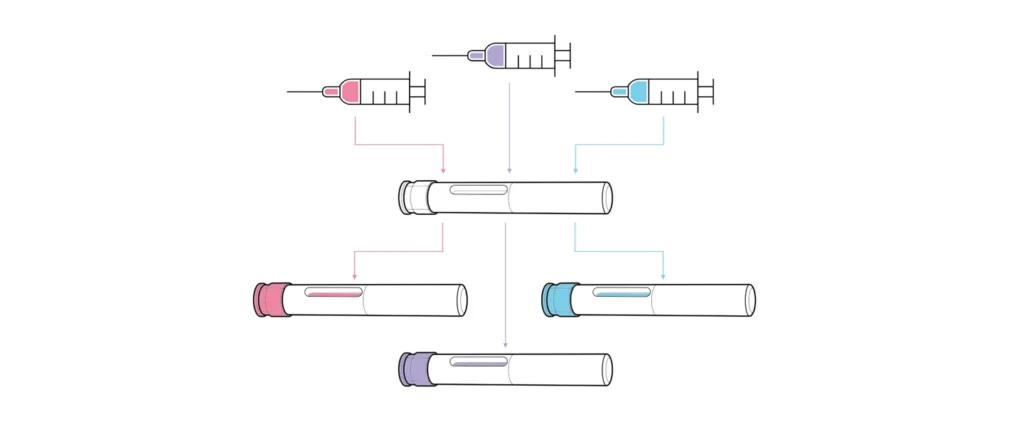
Unlike devices developed for a single formulation, platforms are designed for use with multiple drug assets with varying requirements, such as different dose volumes, viscosities, user groups and use environments (Figure 1). The core feature of a platform is a consistent device architecture, with customisation options to accommodate varying assets, user groups or branding. Platforms vary from “narrow” (devices catering to very similar drug profiles) to “broad” (those intended for diverse therapy areas, user groups and drug properties). Broader platforms, while targeting a larger market, present greater technical challenges and risks during both platform and combination product development.

When designed and implemented correctly, platform devices offer numerous benefits for both device developers and pharmaceutical companies.

platform-technologies
Figure 1: Platform devices are designed to support delivery of multiple formulations.

The benefits and risks of platform devices

For those designing a platform device, the benefits are clear. A common architecture can be used with multiple drug products, increasing the potential market size for a single development effort. This reduces the investment cost per marketed drug and simplifies the process of navigating the intellectual property landscape for each new asset. Additionally, economies of scale in manufacturing components lower the cost per device, making the device more attractive to potential partners. However, high rewards often come with high risk, depending on the targeted platform.

Proper development and characterisation of a platform technology often requires significant upfront investment from the device developer, which may be made at risk prior to establishing a partnership with a pharmaceutical company. This can be challenging and relies on an “if you build it, they will come” mentality, often involving millions of dollars with no guaranteed return.

For pharmaceutical companies, platform devices offer a near “off-the-shelf” solution to deliver their assets. Using an existing (and hopefully already marketed) device can minimise time-to-market and the risks associated with developing a new device by building the combination product on proven technology. However, selecting the wrong device can lead to extensive device modifications or starting over with a new device, both of which may extend the development timeline and delay product launch. There are, however, ways to mitigate these risks and realise the benefits of platform devices.

Key strategies for successful platform development

To maximise return on investment when designing a platform technology, there are two key recommendations: understanding the target market to define an achievable platform boundary and preparing a data pack to minimise the effort required for potential partners to use the device.

The first challenge in platform device development is often generating the necessary investment required. To demonstrate a potential return on investment, it is critical to research upcoming drug pipelines and identify groups of assets that are likely to have similar delivery requirements. This can be done by examining Phase I and II trial data and monitoring trends in growing therapy areas. A broad potential portfolio strengthens the case for creating a platform design and maximises the likelihood of securing development investment.

“A platform with a broad performance envelope is likely to have the largest market potential but will be riskier and costlier to develop.”

Once this target drug portfolio is identified, use the likely delivery requirements to define the platform’s boundaries. For example, consider whether the target therapies are intended for intramuscular or subcutaneous delivery, the expected volumes and viscosities that the platform will need to accommodate, and whether a fixed or user-selectable dose is needed. A platform with a broad performance envelope is likely to have the largest market potential but will be riskier and costlier to develop. A device concept is unlikely to gain significant attention from potential partners until functional performance can be readily proven, so clearly defining the platform performance envelope early and sticking to it throughout development will be the fastest route to market.

When developing a platform, it is also recommended to develop a data pack for potential partners to review as part of a technical due diligence. Sharing test data is the most compelling argument when selling a technology. Demonstrating that the device can, for example, deliver the correct volume and viscosity in the correct time instils confidence in its performance, which cannot be replicated through modelling or simulation. Although this requires effort in prototyping and developing test methods, the increase in “selling power” from having this real-world data increases the likelihood of a return on investment.

For a platform product, it is good practice to create a platform test plan with low-fidelity testing at the edges of the performance range to give confidence in the platform boundaries and high-fidelity (verification) testing on one or two specific configurations that represent the most likely assets in the target pipeline. Figure 2 shows an example of how the fidelity of testing can be adjusted to provide confidence in the platform envelope while focusing effort on the lead asset. Offering potential partners the opportunity to test their formulation in the device, with sample devices available for filling and existing test methods, allows for quick and cost-effective testing.
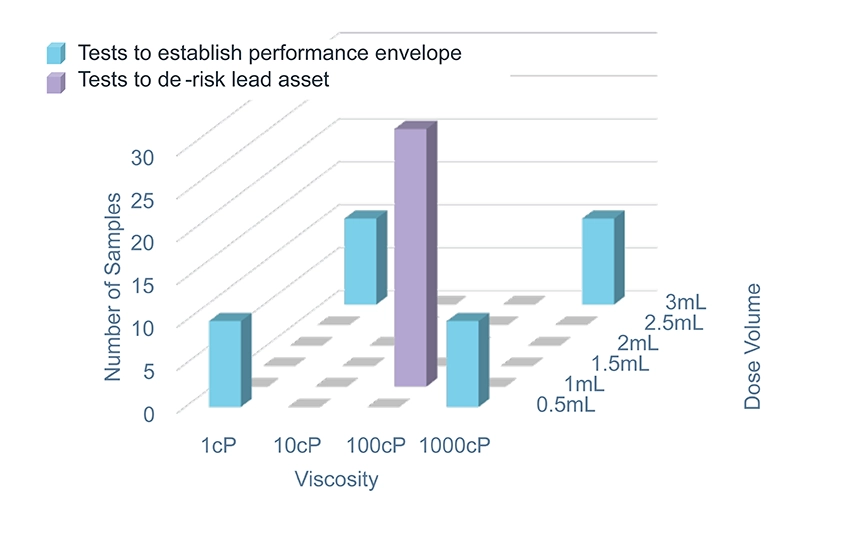
figure-2-example-platform-test-plan
Figure 2: Example platform test plan (for each precondition) to provide confidence in the performance envelope.

Of course, there is no such thing as a truly “off-the-shelf” platform product, so the second critical aspect of the data pack to share with potential partners is the bridging plan. Minimising and clearly defining the design work and associated testing to be repeated for each new asset reduces time-to-market and further increases confidence in the device developer’s ability to deliver on a combination product development programme. Figure 3 shows an example of a bridging test plan to convert from a platform injection device to a combination product – note that the specifics will be highly dependent on the drug and device in question.
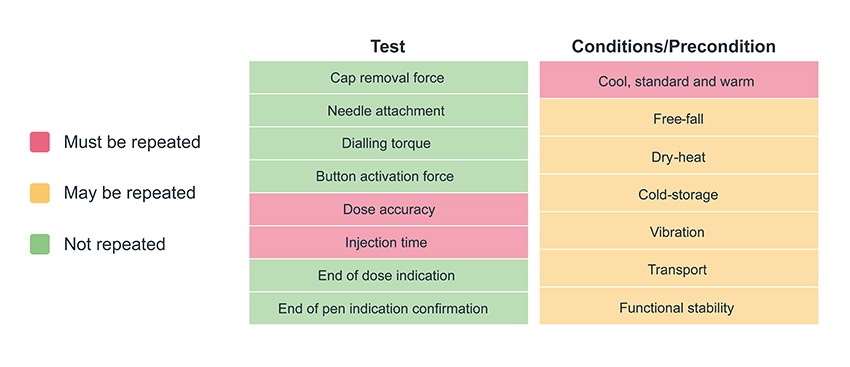
figure-3-example-bridging-test-plan-for-injection-device
Figure 3: Example bridging test plan for injection device.

By understanding the target market and device boundaries and creating a data pack to convey the platform’s benefits to potential partners, the potential market size for a platform can be maximised and the potential return on the initial development effort increased.

Choosing the right platform for the target drug pipeline

For pharmaceutical companies seeking a platform device to fit the delivery requirements of as many assets as possible in a drug pipeline, the critical activities are understanding the formulations, the available and applicable technologies and using existing data to minimise time-to-market.

“Before searching for a device technology, it is vital to understand the requirements of the target drug assets.”

Before searching for a device technology, it is vital to understand the requirements of the target drug assets. Pharmaceutical companies should identify groups of assets with similar characteristics and intended use profiles across their portfolios, for example, all those intended for subcutaneous injection in a home environment. This enables them to search for platforms with the correct performance envelope, assessing technologies not just for the lead asset but with the wider portfolio in mind, thereby offering the potential to minimise time-to-market for future assets.

It is also crucial to understand what the drugs require from a device as much as possible. What is the dose volume? What is the formulation viscosity, and how does it change with temperature and shear rate? What is the target delivery time? Answering as many questions about the required performance of a platform as early as possible can help optimise the search process and enable the device developer to gather and present the most relevant data during the due diligence process.

Another important process for pharmaceutical companies to undertake is to survey the technology landscape by searching for existing devices that meet the formulation’s needs. This creates a shortlist of devices to be investigated further through supplier contact and deeper dives into the device data package. The primary focus during this survey is to establish device compatibility with the lead asset, with a secondary focus on compatibility with the wider drug wider pipeline.

To gain confidence in a device’s ability to support the lead asset, pharmaceutical companies should look for empirical evidence wherever possible. Clear usability and test data supported by robust test methodology is the strongest indicator of device performance, while tolerance analyses and mathematical models can evidence a device’s ability to perform at scale. Ideally, the test data should showcase a device’s ability to deliver a formulation similar to the lead asset across all appropriate preconditions, for example, free-fall is often a point of failure for injection devices, or else provide explanations for any expected risks and mitigations.

The next step is to review the manufacturing and assembly plan to ensure that device supply can scale reliably and securely to meet expected market volumes at the required price point. Where possible, all evidence in the design history file should be reviewed for direct applicability to the asset under development, such as which test results can be used as part of a combination product submission, which need to be repeated and how well defined the scope of any work that needs to be repeated is.

“A strong device partner will demonstrate a clear and in-depth understanding of their platform and technology, with readily available evidence or a plan to gather this evidence and the expected risks.”

To assess the platform as a whole, pharmaceutical companies should focus on the boundaries of performance, such as range of volumes and viscosities supported, and how well the device developer understands these boundaries. Can both the maximum volume and viscosity be delivered in the required time by a single device under all conditions? What evidence supports this? What parts need to be changed to support different configurations, and how much investment is needed to meet those requirements within the desired timeline? A strong device partner will demonstrate a clear and in-depth understanding of their platform and technology, with readily available evidence or a plan to gather this evidence and the expected risks. Replacing test data with simulation data is adequate for early stage devices but does not fully mitigate the risk of a device underperforming and requiring more development work. If test data is not provided or fully documented, it indicates that the device is early in the development process and not “ready to use”. Any first-time tests are likely to show failures and trigger a design loop. If this testing has not been conducted properly, extensive development work is likely still required within the platform development, posing a risk to time-to-market and increasing costs.

Integrating device and drug: steps to market readiness

Once compatibility between a device and a drug has been established, a risk assessment should be conducted as part of the creation of a plan for customising and verifying the combination product. Existing test results can be used if there is sufficient evidence that the drug will not influence the outcomes, such as cap removal force if the same components are being used, or free-fall preconditioning if the drug density matches that used in testing. The tests that are likely to need to be repeated in all cases include dose accuracy under standard, warm and cool preconditions (Figure 3). However, methods, fixtures and processes can be reused if dose accuracy testing has been conducted previously. This process allows for the minimum viable test plan, drastically reducing the time and effort required to verify combination product performance compared with a custom development.

As platform devices are required to meet an ever-widening set of market demands, there is an increasing need to simplify the process of developing these devices and adopting them for combination products. Through independent characterisation of both device and drug, combination product development can be greatly simplified, reducing the time and investment required to bring a new therapy to market.

Connect with CDP

For more on how to accelerate time-to-market for platform drug delivery devices and combination products, contact Cambridge Design Partnership.


Bespoke device for targeted intranasal delivery

Taking a drug to first-in-human trials in a bespoke device for targeted intranasal delivery

eatured in ONdrugDelivery, Mark Allen, Andrew Fiorini, and Shai Assia discuss the need to develop delivery devices early when formulating nasally delivered drugs for systemic and local action, and a method by which the route to clinic can be made easier, faster and cheaper.

Systemic delivery has long been the mainstay of drug administration, whether via the oral, injectable, inhalable, nasal or another delivery route. There are, of course, many well-documented downsides of systemic delivery, including unintended side effects in locations beyond the drug target and reduced efficacy due to dose safety requirements to reduce those side effects. Targeted drug delivery can address many of those issues1 with targeted intranasal delivery, in particular, having the potential to treat many debilitating conditions, from as yet underserved conditions, such as cluster headaches, through to central nervous system (CNS) conditions such as Alzheimer’s disease. Indeed, there are currently many active studies on therapeutic delivery via this specialised route2. These targeted treatments have the potential to improve the lives of patients, their families and their carers immeasurably.

However, the key challenge lies in achieving the delivery of an accurate dose to a precise location within the nasal anatomy. A device that can enable that targeting is intrinsically linked to drug efficacy, meaning that it is necessary to consider device development earlier in the process than usual. In comparison, a drug intended for parenteral delivery has the well-trodden option of using a vial and syringe for administration by a healthcare practitioner during early development phases while proving basic safety and efficacy. A more complex drug delivery system can then be sourced or designed (if required) in parallel, ready for use in Phase III trials as part of a combination product development pathway.

“The key challenge lies in achieving the delivery of an accurate dose to a precise location within the nasal anatomy. A device that can enable that targeting is intrinsically linked to drug efficacy.”

This off-the-shelf-device approach, aimed at reducing the risk and cost associated with early-stage clinical studies, is not an option available to those developing highly targeted intranasal delivery – most of the currently available nasal devices are designed to coat as much of the nasal cavity as possible, making them unsuitable for delivery to a precise area. A nasal device with a broad spray pattern may even lead to the drug not reaching the intended target area at the required dose level.

So, how can a new, bespoke device be developed and made available for the initial Phase I and II trials? These are complex devices that need to be suitably well designed to ensure that patients or clinical professionals can use them during clinical trials to administer the drug accurately and repeatedly to the correct location, often deep in the nasal cavity.

To answer this, a minimum viable product (MVP) prototype device can be designed for the needs of the Phase I and II clinical trials. Designing for use within the controlled setting of a clinical trial and prioritising solely patient safety, spray geometry and usability (relating to holding and positioning the device) at this stage can considerably reduce the effort, cost and time required to reach the clinic. This MVP device will then allow the safety, efficacy and feasibility of the self-administered, targeted intranasal delivery method to be proven during these early clinical trials. The device performance and usability are critical to correctly delivering the drug, so learnings from this MVP device can be used in the further development and refinement of the device for Phase III trials, as well as the future commercial-scale device. Carrying out risk assessments and timely iterative testing (via formative studies) on the usability of the device is crucial; misuse or an inability to use the device could stop the patient from administering the drug to the intended location within the nasal cavity, or even cause harm, ultimately preventing the drug from achieving its intended therapeutic effect. Therefore, usability and human factors engineering must be incorporated into the design and development process from the start.

Defining a usable design

The challenge for the device development team is to successfully incorporate design for usability throughout a “lean” MVP device development process, meaning that a safe, usable device must be produced with reduced cost compared with traditional development processes. This can be achieved by careful adaptations to the typical design for usability process. When applying user-centric design principles, as outlined in ISO 9241-210, four steps should be followed:

  • Understand the context of use
    Define the requirements
    Build the design
    Evaluate the design against the requirements.

Although this is not the only relevant ISO standard (others, such as ISO 62366, cover the application of usability engineering to medical devices), ISO 9241-210 provides a set of recommendations and requirements for applying user-centric design principles within design and development activities. These processes help to identify “real” user needs and usability challenges, which can then be used to establish a clearer framework for user interaction and interface design.

Understand the Context of Use

Consideration of the patient, including when and why they are receiving treatment, is essential. For example, if a new targeted nasal delivery device is to replace a healthcare practitioner-administered treatment, it is likely that the patient currently visits a clinic to receive their treatment, disrupting their schedule and placing an additional burden on the healthcare system. A self-administered device will naturally put the patient in control of their treatment and improve their quality of life – as has been witnessed through the advent of self-injection devices. However, targeted nasal delivery relies on the patient not only following the treatment regimen and using the device correctly, but also positioning the device accurately to ensure that the drug is delivered to the precise location intended.

“The best form of information gathering is to consult the patients themselves – they know their needs, and frustrations, better than anyone.”

Another key factor in the design process is predicting how a patient may interpret the device and, therefore, how they would go about using it. This is where the concept of mental models is useful, as it reflects the patient’s perception of how a device works and how to use it based on the patient’s experiences of similar devices. Perception is what a patient sees, hears, touches or smells, which, in turn, triggers mental recall and cognition, which then drives their actions.

The best form of information gathering is to consult the patients themselves – they know their needs, and frustrations, better than anyone. Clinicians and caregivers can provide additional information about patient behaviour and trends based on their experience across a wide range of patients, but their answers should take second place.

Speaking to patients is crucial to building an understanding of the context of use; however, care must be taken with the specific questions asked – they must be suitably phrased to avoid leading patients to give similar answers, but also to gather the information required to guide the device design via user needs. Working with experienced insight researchers and human factors experts can greatly increase the value gleaned from patient interaction throughout the design and development process.

Define the Requirements

Once the context of use is understood, the findings and needs of the patient must be converted from a range of opinions and perceptions into clearly defined requirements. It is essential to align patient needs with requirements in a format that can be validated. Similarly, technical requirements need to be verifiable, while also ensuring a cost-effective and usable device design.

User requirements should drive the technical requirements for the device. Requirements are living documents, so each set of patient interviews will typically lead to updates to the requirements throughout the design process. Equally, unknown parameters in the requirements documents can be used to drive patient interviews that can, in turn, be used to refine the requirements further or provide specific values for the device design team. These documents and patient interviews can then both be iteratively tested and updated as required.

Build the Design

The design stage is the point at which activities can be prioritised to reduce development time and costs by differentiating between a prototype device suitable for first-in-human testing and a fully developed and validated device. Here, the typical process of concept generation followed by down selection (via assessment against device requirements) is used to identify a suitable device design for further development.
Once initial prototype devices are available, engineering testing against the requirements can be performed to provide confidence in the design. Full design verification testing is not required at this stage, but sufficient evidence should be generated in the key areas, including safety and dose delivery performance. Development and evaluation of the important training materials, such as the instructions for use, should be started, but with a lowered risk assessment burden, in the knowledge that there will be clinicians available during initial trials.

“Once initial prototype devices are available, engineering testing against the requirements can be performed to provide confidence in the design.”

Focusing on the requirements of the MVP will accelerate time to clinic by concentrating on safety and usability. This MVP device is equivalent to a syringe and vial or prefilled syringe in injectable development for systemic treatments, so there will be future opportunities to refine the design for Phase III trials and commercial launch. This is an appropriate strategy, as the devices will only be used under supervision at this point. All learnings from the study can then be prioritised and incorporated into the final design as required, according to risks identified.

“Once a final prototype has been developed, it must be evaluated against the design requirements by design review, engineering testing and formative human factors studies.”

Focusing on the requirements of the MVP will accelerate time to clinic by concentrating on safety and usability. This MVP device is equivalent to a syringe and vial or prefilled syringe in injectable development for systemic treatments, so there will be future opportunities to refine the design for Phase III trials and commercial launch. This is an appropriate strategy, as the devices will only be used under supervision at this point. All learnings from the study can then be prioritised and incorporated into the final design as required, according to risks identified.

Evaluate Against Requirements

Once a final prototype has been developed, it must be evaluated against the design requirements by design review, engineering testing and formative human factors studies. This should incorporate a usability assessment for self-administration and simulate as many real functionalities as possible, including tactile, visual and auditory feedback from the device. This process should prioritise evaluating areas highlighted as high risk during previous activities, but also gather information on any additional learnings relevant to future design updates.

The Future of Targeted Intranasal Devices

The approach discussed here aligns with developing a bespoke prototype device suitable for first-in-human trials for targeted nasal delivery. The success or failure of this strategy depends on the nature of the collaboration between the pharmaceutical partner and the device design engineers, as well as in the experience of the insight researchers and usability engineers. Experience in the process required to develop a usable device is critical to the successful outcome of such a project and will pave the way for bringing a device to market in this new and exciting area of nasal drug delivery. It will be fascinating to see just how many new, life-changing improvements will be made possible by targeted nasal delivery.

References
  1. Hanson LR, Frey WH 2nd, “Intranasal delivery bypasses the blood-brain barrier to target therapeutic agents to the central nervous system and treat neurodegenerative disease”. BMC Neurosci, 2008, Vol 9(Suppl 3), S5.
  2. Hallschmid M, “Intranasal Insulin for Alzheimer’s Disease”. CNS Drugs, 2021, Vol 35(1), pp 21–37.

Connect with CDP

For more on how to develop bespoke targeted intranasal delivery devices and accelerate drugs to first-in-human trials, contact Cambridge Design Partnership.

Pilot manufacture for drug delivery devices||
Find the authors
on LinkedIn:

Prepare the way: Pilot manufacture for drug delivery devices

Bringing a drug delivery device to a clinical trial is a complex endeavor. You need to keep a handle on multiple moving parts, for example, the active pharmaceutical ingredient (API) development, the regulatory pathway, establishing the supply chain, and labeling. Developing a novel drug delivery device takes things to another level.

Many manufacturers shy away from the challenge, relying instead on proven technologies, so patients and clinicians don’t benefit from the most advanced user-centered design, and pharma companies can’t leverage the competitive advantage new technology delivers.

Here, I share some of the obstacles encountered conducting pilot builds in-house to help our clients bring devices to market – and give four pointers for ideal pilot manufacturing for clinical trials.

Develop your manufacturing process and architecture in tandem

3D CAD makes it all too easy to lose touch with reality and forget that the model on the screen is only an idealized representation. Zoom in 4,000%, and everything lines up beautifully. There’s no gravity, and parts have infinite stiffness, no tolerance, and perfect alignment. But, when you get natural variation in the manufacturing process, results can be disastrous. Components may not even fit together.

Once a design is frozen, making changes is expensive. After it’s passed to a high-volume manufacturer, costs become exponentially higher. Understanding manufacturing processes – and how changes can impact a project’s timeline – is critical for successful delivery. You need to prepare for the supply-chain ‘whiplash effect’: a tiny change at the top of the chain can mean seismic shifts at the end of it. That knock-on is the reason your product development strategy should incorporate pilot manufacture. Pilot manufacture keeps this effect in check by minimizing the volumes involved.

It’s vital to consider the whole supply chain, not just the component manufacturer, but the process equipment partners, filling, packaging, sterilization, and logistics. Each step has requirements to be understood and communicated to relevant parties. By developing manufacturing and assembly processes in tandem with device design, we can be flexible to insights arriving from either direction.

Pick the right partners for success

One of my first jobs was for a major automotive company. In their heyday, they ran the foundries that made the ball bearings for their vehicles. Today, they wouldn’t dream of it. No company does everything anymore. Few organizations would claim to be experts in all areas of drug delivery. Even those that manufacture and fill their own devices rely on external partners to produce the plastic resin and packaging materials and often outsource activities such as sterilization.

Partnering with experts to contribute specific knowledge is a time-efficient way to overcome obstacles in the development pathway. It also unlocks access to cutting-edge equipment and facilities that are expensive to maintain. While developing a breath-actuated inhaler, we engaged an external test house to conduct bio-compatibility evaluations on the device. We may have the skills in-house to perform this testing but maintaining accreditation for an activity that isn’t core to our business doesn’t make financial sense.

Know the limits

When developing a device, it’s essential to explore sources of potential variation. The same goes for the manufacturing process. You can use various tools to do this, but we frequently return to the humble ‘process failure modes and effects analysis’ (pFMEA). The pFMEA is a structured way to consider all the process steps – and how they could go awry. Developing a robust pFMEA ensures the team focuses on the highest risk areas and starts thinking about implementing mitigations.

A key checkbox for each manufacturing process step is if the results can be verified or validated. The US Food & Drug Administration Code of Federal Regulations Title 21 defines verification as “confirmation by examination and provision of objective evidence that specified requirements have been fulfilled.” Many processes can be verified using in-process measurement systems. But several can’t, for example, the joining of two plastic parts by ultrasonic welding. You can’t determine the strength of this weld without destructive testing. The ultrasonic welding process needs to go through process validation to determine the limits within which the process should be operated.

When communicating with stakeholders, it’s crucial to know the volume limits and have a realistic plan for producing parts representative of the final production process. For example, how many parts can the mold tools make? There’s a trade-off between tool production speed, tool cost, and tool life. Low-cost soft aluminum tools might be ready in two weeks but only suitable for 2,000 shots, whereas a more expensive hardened steel version might take 16 weeks (without validation) but last for over 100,000 shots.

Validating injection mold tools can be a lengthy process. Exploring the process window needs planning and performing multiple molding and measurement runs and subsequent analysis. Companies only want to bear this cost once, so experienced development teams need to hold firm when encountering adverse test results. I know of an auto-injector that showed promise early on, albeit with an infrequent failure observed in testing during development, that was allowed to pass into design freeze. More thorough testing during design verification revealed results that triggered the regulatory application to be rejected. Cue months of tooling validation needing to be reassessed.

Combination products require the delivery devices to be filled or co-packaged with primary containers of the API. Clinical trials complicate this because they need devices filled with the API or safe and sterile placebo. The filling process can be complex, especially when the API is highly viscous or uses technologies such as microspheres to sustain the release of active components over time. You need to factor in time to explore the filling and develop the process settings. Thought needs to be given to the amount of API and placebo available and the lead times for new batches as this can limit the amount of filled and finished devices.

Whitepaper-Breaking-the-mould-CDP-pdf
WHITE PAPER

Digital tooling to reduce time to market

Not documented? You’re not done.

Understanding the controls needed to manage risk is essential for a manufacturer delivering high-quality, safe, and reliable products. ISO 14971 sets out a best practice framework for managing risk in the context of medical devices. We advise creating a quality control plan that summarizes the production risk mitigation controls identified through risk assessment in a clear, concise format. This control plan also blueprints the actions needed if a specific limit or check is breached.

Anyone who has experienced an audit by a notified body or regulatory agency will recognize their love of records. The mature management systems used by large manufacturers often aren’t available for the short-run low volumes involved at the scale-up stage. Building a bespoke database compliant with 21 CFR part 11 to handle records can be a lengthy activity, particularly when compared with the pace of setting up paper-based systems.

Managing paper records generated by the manufacturing process can be challenging, putting storage and recall burdens on a manufacturer. Companies scan these documents soon after completion to reduce this burden. But the destruction of originals is risky, and the recall and integrity of e-records must be checked before destruction.

Pilot manufacturing helps optimize the journey of a drug delivery device to clinical trial. It’s not without its own challenges, but synchronizing manufacturing process and device design development, partnering with experts, having a plan for producing components that’s representative of the final production process, and keeping a handle on records puts you in a position to maximize pilot manufacturing’s potential.

References

Connect with CDP

For more on how to navigate pilot manufacture and bring drug delivery devices to clinical trial with confidence, contact Cambridge Design Partnership.