pen-injector technology

CDP collaboration on pen-injector technology with the Stevanato Group

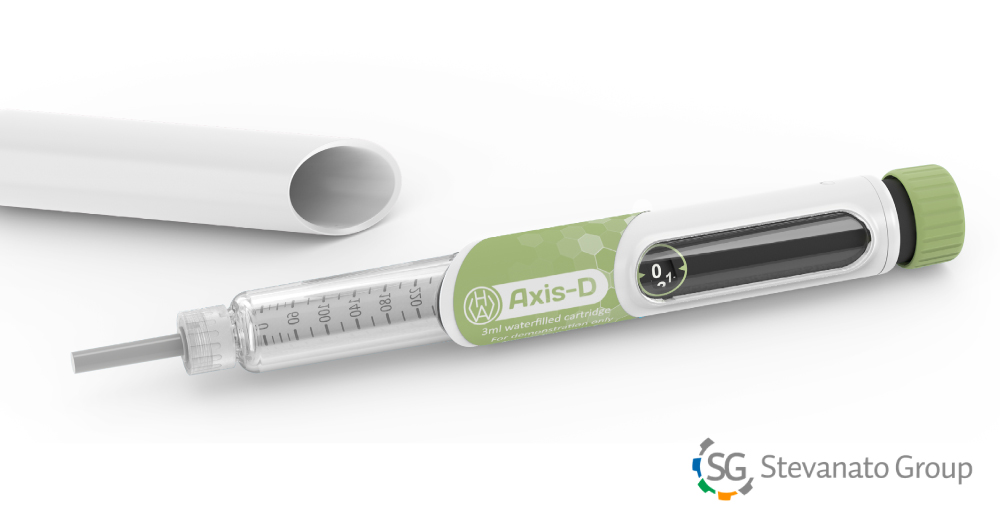
Cambridge Design Partnership (CDP), a UK and US based leading technology and product design partner, and the Stevanato Group, a leading producer of glass primary packaging and provider of integrated capabilities for combination products, today announced a collaboration agreement for the development of a new pen-injector based on the Axis-D technology and intellectual property (IP) licensed exclusively from Haselmeier in 2019.

The collaboration between CDP and the Stevanato Group strongly supports the expansion of the Stevanato group’s portfolio of devices for patients suffering from diabetes.

The agreement leverages the mutual strengths: on one side, CDP’s leading design and development expertise in drug delivery and on the other, the Stevanato Group’s extensive experience in glass containers, tooling, injection moulding, device assembly, and its global commercial network.

CDP and the Stevanato Group will be able to offer innovative drug delivery solutions to pharmaceutical customers working together from the first concept right through design development, scale-up, regulatory submission, and commercial-scale production in all global markets.

“We are delighted to be announcing this partnership,” says Uri Baruch, CDP’s Head of Drug Delivery. “The Stevanato Group is well established in the device field as a leading supplier of cartridges and assembly equipment for pen-injectors. It is a pleasure to extend our existing working relationship with them for their pen-injector and to address the needs of patients.”

“Our R&D team – with the active support of CDP, an established player in the design and development of drug delivery devices – will offer a competitive pen-injector platform and some customization options,” comments Paolo Patri, Chief Technology Officer at the Stevanato Group. “With the resources and experience of both companies, we will provide diabetic patients with a product that is easy-to-use, aesthetically appealing, and cost-effective.”

This new collaboration is one of the programmes behind the recent, substantial growth of CDP’s team of healthcare-focused designers and engineers in both Cambridge (UK) and Raleigh, NC (USA) facilities. “This is another strong vote of confidence in CDP. We look forward to this being the first of many end-to-end projects that we can collaborate on in this new partnership”, says Uri Baruch.


About Cambridge Design Partnership: Cambridge Design Partnership is an employee-owned technology and product design partner, located in Cambridge (UK) and Raleigh, North Carolina (US), focused on helping clients grow their business. Over more than 20 years, some of the world’s largest and most innovative companies have trusted CDP with their most important product development programs. CDP provide an integrated and holistic product development capability through a highly qualified team, well equipped development labs and ISO 13485/9001 approved methods. This encompasses research and strategy, design, technology and digital innovation, product development and regulatory and manufacturing support. CDP experts are able to take combination products through a full design cycle and submission, enabling customers to launch products that are user-centric and commercially effective. For more information, please visit our site.

For further information and media enquiries, please contact: media@cambridge-design.com or call 01223 264428

About the Stevanato Group: Established in 1949, the Stevanato Group is the world’s largest, privately-owned designer and producer of glass primary packaging for the pharmaceutical industry. From its outset, the Group has developed its own glass converting technology to ensure the highest standards of quality. The Group comprises a wide set of capabilities dedicated to serving the biopharmaceutical and diagnostic industries: from glass containers with its historical brand Ompi, to high-precision plastic diagnostic and medical components, to contract manufacturing for drug delivery devices, to vision inspection systems, assembly, and packaging equipment. The Group also provides analytical and testing services to study container closure integrity and integration into drug delivery devices, streamlining the drug development process. Thanks to its unique approach as a one-stop-shop, the Stevanato Group can offer an unprecedented set of solutions to biopharma companies for a faster time to market and a reduced total cost of ownership. For more information, please visit Stevanato Group.

For all enquiries, please contact Steven Kaufman
Website-Graphics_mobile-hero_brexit-regulations-952×500

Brexit and the Implications for the Medical Device Industry

It’s been 42 months since the United Kingdom EU membership referendum took place, and with the date for ‘Brexit’ upon us it is time to reflect on upcoming changes.

What is known? At 11pm on Brexit day, Friday January 31st 2020 the UK formally leaves the EU and becomes a ‘third country’ (which means the UK will have the same status as countries like the USA and China), although EU law will continue to apply during the transition period as the UK and EU negotiate a trade deal. This transition period is planned to run until the end of December 2020. The outcome of negotiations is uncertain, it could be a deal that maintains the free flow of medical devices and diagnostics between UK and Europe, or the UK may remain a ‘third country’ and EU law ceases to apply.

So at the end of December there is a possibility that manufacturers who currently sell CE approved medical devices will fall into one of three categories; UK manufacturers selling into the UK, UK manufacturers selling into the EU, and EU manufacturers selling into the UK.

The first category is easy as UK manufacturers will have their product’s CE status transferred into UK law, so there will be no issues.

However, for UK manufacturers wishing to sell to the EU it might be more complex.

  • UK Manufacturers or importers may no longer be considered economic operators in the EU after the end of the transition period. So, in order to place Medical Devices on the EU market, Manufacturers would need to be based in the EU, or contract with an Authorized Representative, Person Responsible for Regulatory Compliance (PRRC) and an importer based in the EU.
  • Then moving forward, new CE certificates would only be issued by Notified Bodies based within the EU.
  • Finally, in the event of a no-deal situation in December 2020, all certificates issued by UK-based Notified Bodies would become void in the EU.

In the event of no deal in December 2020 there would also be an impact on European Manufacturers wishing to sell into the UK after the transition period.

  • EU manufacturers would need a ‘UK Responsible Person’ to take responsibility for their product in the UK, and register their product with the MHRA.
  • The UK will mirror the key elements contained within Regulation 2017/745 (MDR) and 2017/746 (In Vitro Diagnostic Device Regulation, IVDR), via the Medical Devices (Amendment etc.) (EU Exit) Regulations 2019 when each is applied, the MDR on 26th May 2020 and the IVDR on 26 May 2022.
  • After the transitional period, all medical devices (including active, implantable medical devices), In Vitro Diagnostic devices and custom-made devices will need to be registered with the MHRA prior to being placed on the UK market. The timelines for this are in line with the risk classification of the device and range from 4 months for high risk devices to 12 months for low risk ones.

With the implementation status of the Medical Devices Regulation in Europe not where anyone in the Industry would wish it to be, and only nine, or potentially eight (if there is no deal in December 2020) Notified Bodies designated against the MDR currently, it is clear that the industry as a whole is struggling to cope with the extent of the regulatory change.

The good news is it looks like the MHRA will take a pragmatic approach to the ‘worst-case’ no-deal scenario at the end of December 2020, whereby the European Regulations are transposed into UK Regulation so existing products do not immediately lose approval status; this goes a long way to maintaining access to vital products on the UK market and provides a clear pathway forward.

In the EU, UK manufacturers would be eligible to apply at national level for time-limited derogation for ‘protection of health’, but this is only likely to be granted for those devices with no alternative product for use in life threatening conditions, and is likely to be subjected to additional restrictions.

Here at Cambridge Design Partnership we’ll be keeping a close eye on the details of Brexit implementation and the impact on the healthcare sector. Next month we’ll be focusing on the implications of the changes to the Medical Device Regulation as the Date of Application approaches and how to be best prepared.

To find out how CDP can help you with the details of Brexit implementation and your MDR and IVDR transitions, please get in touch.

AI in healthcare

AI in healthcare, separating facts from fiction

James Baker, partner at Cambridge Design Partnership, considers the future for AI in the real world with help from a sideways look at its portrayal on the big screen.

In the movies, we often see big tech and deep data combine to challenge humankind in new and ever more fiendish ways. Indeed, at the cinema, human interaction with Artificial Intelligence (AI) is a rich seam of storytelling, which rarely ends well, for the human!

Meanwhile, back in the real world, we are now in an era where digital data, and more importantly the insights that can be drawn from it, can be as important – and as valuable – as physical objects. At Cambridge Design Partnership (CDP), one of our specialisms is the design of medical devices, often using information and machine learning to provide utility and value beyond the physical device alone.

So, in the spirit of fun, here is what the silver screen tells us about the big questions surrounding machine learning in healthcare, and we ask how these ideas relate to the reality of what the technology can achieve today?

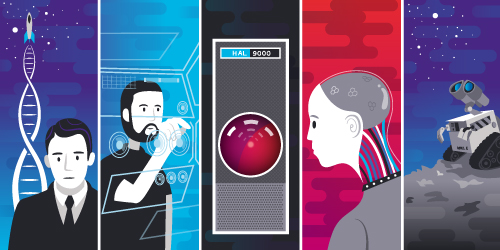
What price genetic data? (Gattaca)

In the 1997 film Gattaca, only genetically perfect humans are eligible for better jobs and lifestyles. We cheer on Ethan Hawke’s ‘genetically inferior’ character as he assumes the identity of a superior being in order to become an astronaut.

In today’s world, less than 20 years since Gattaca was filmed, genetic profiling and statistical prediction is gathering speed. Mapping of genomic sequences to traits is a rich area of study and just this week, Matt Hancock the UK Health secretary announced that all babies could receive a complete genome sequencing at birth. Crucially, this technology has the potential to predict an individual’s likelihood to suffer illness in the future. But should the way you are treated as a patient, or indeed a person, be determined by an assessment of your genetic makeup? Already insurers are asking for access to medical records and premiums are affected by the presence of certain diseases, so should they also be able to consider the likelihood of future illness as well?

Diagnosis – how far should you go? (Minority Report)

The film Minority Report envisages a world in which arrest and incarceration is based on a prediction of the likelihood to commit a crime before it has occurred.

Already today’s healthcare and wellness technologies create significant amounts of data about individuals.  New processing methods and machine learning can analyse these multiple sources and draw conclusions.

Yet many clinicians don’t want every possible analysis to be given to them. For example, who is responsible if systems predict the probability of an illness, but the medical practitioner can’t confirm this conclusively? Does informing the patient provide any utility?

There are recent moves to define what can and can’t be done with personal data, such as the European Union’s General Data Protection Regulation (GDPR). These seek to control access to and ownership of data, but as yet, there are no similar frameworks to control the conclusions drawn from it.

What if AI overtakes human intelligence? (Ex Machina)

In the film Ex Machina a humanoid robot is created and given ‘intelligence’ built using a record of billions of human internet searches. But then (surprise!) the robot uses its knowledge of human interactions and desires to achieve its own freedom, deliberately misleading its human masters to do so.

Machine learning using huge amounts of information is an approach we see increasingly used in real life. In the field of diagnostics, AI is already showing great promise in diagnosing conditions such as Alzheimer’s and in facilitating cancer diagnoses. AI predictions are compared with a gold standard diagnostic to determine the most significant automated metrics to detect the condition.

This approach is already being used in cancer screening, enabling earlier detection through far more extensive analysis than is possible manually.

But what if AI doesn’t react like we expect? (2001)

An all time classic, 2001 cleverly hides a story of unintended consequences within a ground breaking and spectacular space opera. The HAL character appears to have a sinister agenda and behaves malevolently, attempting to kill off the human crew – but ultimately is understood to have been driven by conflicting orders.

In the real world, AI can deliver responses that are not what we expect. Large data sets may still contain insufficient information, erroneous or poor-quality data, which by chance may create patterns that have no meaning.

A good example of where AI can deliver unanticipated (and unwanted) behaviour is the late, unlamented Microsoft Tay chatbot. Its premise was that, by listening to and learning from posts on Twitter, it could generate useful tweets and help manage commercial Twitter accounts. But within hours of its release in 2016, Tay began posting inflammatory and offensive tweets and had to be taken down.

So, before we make AI systems independent, how can we be sure how they will behave and who takes responsibility for their actions?

Sometimes, AI can really help us (Wall-E)

The 2008 story of a good-natured planetary janitor-bot left to clean up our human mess shows how AI can really benefit humankind, turning its hand to automating work that would otherwise be onerous and low value. See also, C-3PO and R2-D2 in the Star Wars movies. It’s surely no coincidence that the two loveable droids are the only characters to appear in every single film in the Star Wars franchise.

Back in 1950, computing pioneer Alan Turing predicted that by the year 2000 computers would be able to trick us into believing they were human 30% of the time. He was not far wrong, in 2014 a chatbot called Eugene Goostman convinced 33% of judges that “he” was a 13-year-old from Ukraine, thus officially passing the Turing Test. We see these kinds of natural language interaction technologies being used increasingly in consumer goods, but also finding utility in medical applications such as triage with patients seeking care. This enables faster access and a better “customer experience” whilst also allowing healthcare practitioners to focus on provision.

In conclusion, at CDP our focus is on how to realise value for our clients, and machine learning is one of the tools we can bring to bear.  With the ongoing bombardment of new technologies, it is important to understand when it can provide effective solution, and when more traditional methods will provide the best results.  It’s no longer a question of what can we do with AI?

We need to ask: What should we do?

Separating new value from clinical trials

Separating new value from clinical trials

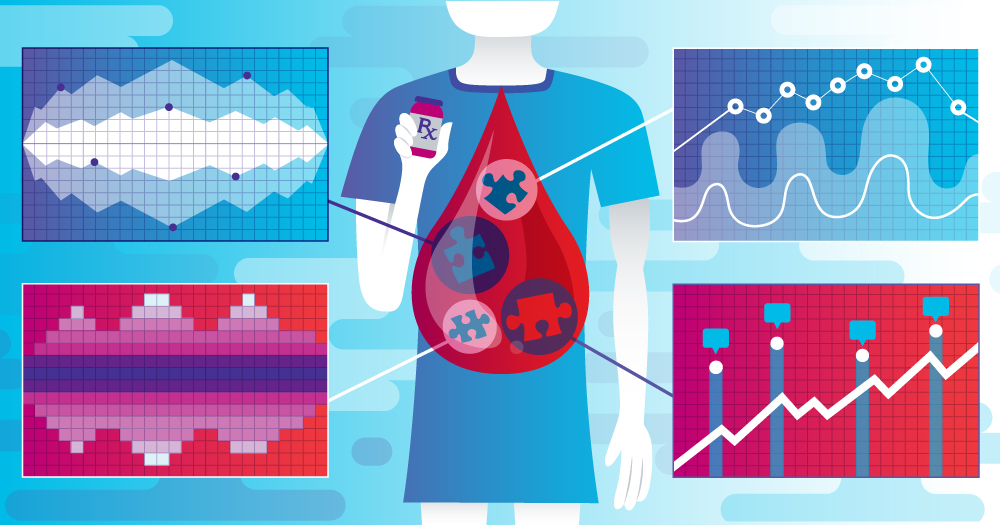
Clinical trials are extremely expensive and yet potentially useful information is routinely discarded when conventional methods are used for processing blood samples. Microfluidic technologies offer ways to collect additional biological data from the samples collected and hence deliver much more clinical and potentially financial value from each trial.

It’s well known that pharma clinical trials are extremely expensive to run, typically costing over £10,000 per patient [1]. A routine aspect is the collection of blood samples and analysis of the DNA, RNA and proteins within them. The information is used not only to measure the outcome of the trial, but to collect additional information on how the disease develops, and hopefully, to find new biomarkers that can monitor how the therapy interacts with, the disease processes.

Often methods used to prepare blood samples focus on harvesting one specific biological entity and consequently destroy other components. For example, current methods for collecting DNA will also destroy free proteins, other methods filter out and discard all cellular entities when harvesting cell-free DNA, or else they will discard all other biological components when isolating exosomes [2]. This is wasteful as each blood sample could potentially contain extremely useful clinical information about the disease’s processes and the impact of the therapy, including genomic DNA and mRNA from leukocytes, circulating cell-free DNA, microRNA from exosomes, mRNA/genomic DNA from circulating tumour cells and proteins in plasma.

This is because usually preparation methods collect only one biological component from blood at a time. They are based on methods developed in the 1980’s using phenol and chloroform by Birnboim [3] and then improved upon in the 1990’s by Boom using silica and chaotropes [4]. These were significant advances in their time but were focused on the rapid purification of a single entity from (most commonly) bacterial growth media with minimal interest in what other components were being destroyed by the process. Since then there has been little change and sample preparation is often seen as much less sexy than the many new and exciting technologies that can be used to analyse the resultant purified nucleic acids. However, sample preparation is critical to analysing nucleic acids and is absolutely key to the quality of the final result. Innovation in this area has the potential to be a real game changer.

When using the current destructive methods, to analyse the multiple components in blood you must take more samples from each patient or split each sample into separate sub samples. Patients don’t like giving blood and you can’t collect too great a volume at each blood draw as this depletes their oxygen-carrying capacity and ill oncology patients need their blood! Splitting each sample will not only limit the amount of nucleic acid that can be extracted but also adds significant statistical “noise” as samples begin to show increased variation once they are split into multiple containers, making the vital task of discovering statistical significance in the data much more difficult.

An innovative solution to this challenge would be to utilise microfluidic sample purification methods to harvest all the different components in a blood sample simultaneously without additional stress to the patient and without adding statistical noise. Such a multi-parameter separator would function in an analogous way to how oil is fractionated into many different usable outputs – each one is utilised, and the wastage is minimal. There are many different microfluidic approaches that could be used to achieve this such as standing surface acoustic waves (SAW), pinched flow fractionation, deterministic lateral displacement, optical force switching, inertial microfluidics etc. These technologies require serial and parallel linkage to achieve full utilisation of all the components and could result in 6 different populations of nucleic acid: genomic mRNA + DNA, circulating cell-free DNA, exosome microRNA, mRNA + DNA from circulating tumour cells and plasma proteins.

The potential benefits of these systems are significant as each sample could deliver so much more information for each clinical trial. This information could lead to a deeper understanding of the clinical mechanism of a new therapy being tested, provide additional proof of the clinical benefit and possibly discover new biomarkers that can be used to monitor the impact of a drug in much greater detail. Also, the method could decrease the problem caused in the analysis of both exosomes and CTCs of a large variety of different sample preparation methods, each of which generates slightly different results – this is seen as a key barrier to progress in both fields [5, 6]. When viewed as a cost per additional datapoint delivered and compared to the original cost of the trial, the proposed “fractionator” would deliver significant value. It would create more clinical data with increased statistical significance and also standardisation that could potentially enable the widespread investigation of new biological entities.


[1] – Biopharmaceutical Industry-Sponsored Clinical trials Growing State Economics – April 2019 (The Pharmaceutical Research and Manufacturers of America) (https://www.phrma.org/Resources/State-Map/Clinical-Trials)

[2] – Raymond et al. PLoS ONE 12(4): e0176241

[3] – Birnboim et al. Nucleic Acids Research, 1979, 7: 6, 1513-1523

[4] – Boom et al. J Clin Microbiol, 1990 Mar, 494-503

[5] – Lane et al. Clin Transl Med. 2018 May 31;7(1):14

[6] – van der Toom et al. Oncotarget. 2016 Sep 20;7(38):62754-62766

Renal vasculature and Chronic Kidney Disease

Renal vasculature and Chronic Kidney Disease

Dr Karla Sanchez, Consultant Biomedical Engineer at Cambridge Design Partnership

I was recently invited to present my work on mathematical modelling of renal circulation at the international Artery Conference in Budapest. As honorary visiting researcher at Imperial College I worked with clinical scientists from King’s College London on this project.

The kidneys and Chronic Kidney Disease

The kidneys are the service station of the blood. They perform important functions including filtering, removing unwanted metabolic waste products that ultimately leave the body as urine, reabsorbing substances that are still needed, balancing concentrations in fluid osmolarity, and secretion of hormones and gluconeogenesis.

It is estimated over 3 million people live with chronic kidney disease (CKD) in the UK. A rise in the prevalence of diabetes and hypertension are important contributing factors and involve the gradual loss of kidney function. Transplant and dialysis are the current treatment methods for advanced CKD and kidney failure.

Glomerular filtration rate and kidney function

It is estimated there are up to 1 million nephrons per kidney. The nephron is the kidney’s functional unit, and located within it is the glomerulus, a network of small blood vessels. These are in charge of filtering and regulating our blood.

The glomerular filtration rate (GFR) describes the amount of blood filtered by the glomeruli per unit time, and it is a key indicator in kidney function. In CKD, there is a gradual decrease in GFR. If this decrease becomes significantly low (typically below 15% of normal function), kidney failure ensues.

However the kidneys have mechanisms to compensate for moderate changes in GFR, but conditions such as excess blood glucose or increased blood pressure can impair them and result in progressive, irreversible damage.

Autoregulation and kidney function

Autoregulation allows blood vessels to constrict or dilate in response to different stimuli, e.g. changes in pressure. This means that the kidney can change its own blood flow according to its needs. It is one of only three organs in the body where this ability has been observed, the two others being the heart and the brain. Autoregulation in the kidney has been seen to be impaired in patients with CKD.

Blood vessels also see changes in elasticity with both age and hypertension, but the mechanisms underlying kidney damage are not fully understood. This is partly due to the limited data available describing the dynamic changes in microcirculation, blood flow in the small vasculature.

Modelling the renal circulation

Mathematical modelling provides a good way to explore the haemodynamic changes involved in CKD. Fellow clinical scientist Dr Nikolaos Fountoulakis from King’s College London and I presented a mathematical model of the renal circulation at the conference, with special focus on the microcirculation, where damage to the glomeruli is known to play a role in CKD.

Our model

It consists of two symmetrical branching trees to represent the renal vasculature (arteries and veins) connected to the nephronal compartments. The level of detail in the model allows us to explore fundamental properties of the blood vessels and how these interact with the glomeruli, and thus their effect on glomerular filtration rate. Additionally, we have included an autoregulation function where changes in cross-sectional area are adaptive to changes in pressure. The model can account for the effects of impaired autoregulation to investigate their potential association with CKD.

Our results

We showed that, as observed clinically, autoregulation takes place in the small vessels in the kidney. Impaired autoregulation was shown to severely affect glomerular filtration rate and downstream flow.

GFR was shown to be more sensitive to changes in renal blood flow and pressure than to the intrinsic properties of the vessels and glomeruli resistance. We also showed that hypertension and the mechanical properties of the vessels were closely interlinked, with higher sensitivity to higher blood pressure.

Our findings show that the behaviour of the renal vasculature and the impact of vessel geometry are important factors effecting the renal microcirculation. In turn, changes in GFR are mostly dictated by changes in microcirculation, which implies these factors are of relevance to CKD.

Our research contributes to the wider advances in arterial research that are expanding our knowledge of CKD, through a better understanding of the implications of vessel function in the renal system. We hope that in the future it can also help develop new therapies for patients with CKD.

Parenteral Drug Association||||||

The patient is center stage at this year’s PDA Europe

The 2019 Parenteral Drug Association (PDA) Europe event was held recently in the beautiful Swedish city of Gothenburg, hosting over 950 attendees, including over 130 exhibiting companies – of which CDP was one. It’s always a great opportunity to catch up with industry colleagues, meet new ones and to hear key insights from expert speakers and poster exhibitors. Bastiaan De Leeuw, Head of Drug Delivery Business Development and Clare Beddoes, Senior Healthcare Innovation Consultant, highlight some of the key learnings from this year’s event as captured in the lecture halls, the exhibition and, of course, the famous PDA party dancefloor!

There was, as always provided so well, a wide variety of disciplines represented, including pharma, device technologists, healthcare charities, payers, regulators and patients – which is fitting, as this year the primary theme was putting the patient first.

The patient was at the center of, not only the plenary talks (including the much anticipated annual slot dedicated to hearing a patient speak), but also the human factors track, as well as many of the poster exhibits and an excellent home styled ‘Patient Pavilion’, hosted by AstraZeneca and Matchstick – providing delegates the opportunity to meet and listen to two patients and a caregiver, dealing with chronic conditions requiring regular self-injection.

There were many illuminating sessions, such as Designing for the behaviour you would like to see; focusing on the patient and the mindset of living with chronic disease and reducing the burden of treatment. Another; Patient centered design and digital health, showed us that, the burden of disease management has gradually shifted to the patient, via modifying or developing drug products intended for self-injection, as well as patient-led symptoms tracking, and (often) the need to manage co-morbidities. Those sessions concluded that drug delivery solutions, whether digital or not, should seek to personalise the experience for patients and reduce the treatment burden as much as possible. As such, Pharma is increasingly viewing drug delivery as a way to gain competitive advantage.

In addition to the 2 full days of conference content, PDA are famous for hosting a themed party at every event and this year was no exception! The 70s style disco fever party had many attendees in impressive outfits, and – as fellow children of the ‘70’s – it got us thinking about drug delivery within this context.

Technology then and now

We heard about the ‘journey’ a type 1 diabetes patient has been on whilst managing his chronic condition. He spoke of the early days of checking blood glucose monitoring sticks with colour charts on the bottle, paper diaries and calculators to work out dosing, all the way through to his experience of the ‘digitalisation’ of self-treatment of today; showing us his Freestyle Libre CGM, mobile App and the small lightweight (and discreet) insulin pump he now wears. This made us think; many of the products we see on the market today such as pre-filled syringes, autoinjectors and on-body delivery systems (pumps or bolus devices) were not even on the radar when the music we danced to at PDA was first released. What devices of the future have we not yet even thought of? What do (and will) patients really need and why?

The disco generation – the digital conundrum

Digitalisation and connectivity – with the patient experience in mind – were also huge themes. This raised the question of whether all patients need or want blinking lights and colourful screens, or if these really provide the cues, feedback and motivation needed to enable or facilitate the correct use of their device to get the full benefit from the therapy? Ask yourself why are you connecting the device? How will you provide that connectivity, does the device itself need to be connected? What data will you collect, for whom, and what action do you want based on that data? The last thing patients need is for digital technology to add to the burden of managing their chronic condition.

Answers are dependent on variables such as the disease, the drug, the patient cohort and the needs within those; but what is clear it’s not just about collecting data for data’s sake – don’t add to the patient burden. Disco was the last popular music movement driven by the baby boom generation – are those the most prevalent patients of today? Do you truly understand your patient cohorts, their differing needs and then design with those in mind? Do you understand how your devices are actually being used by patients in the home setting?

On our conference booth we presented a ‘Digital Roadmap Toolkit’, that includes our proprietary diialog™ service (a bespoke approach to find out what patients are really doing with their devices) that can help companies – at any point on their digital journey – unlock the value of digital, with reduced risk.

Budgets then and now

The phrase ‘user needs’ was mentioned by almost every speaker, but what do we mean by needs and who is the user? The patient clearly; but there are often very different needs amongst caregivers, healthcare providers (particularly in developing countries), payers and regulators. For example, the payer will commonly ask 3 key questions; what are the unmet needs (aka why is the ‘new’ treatment better than what’s available today)? What’s wrong with the current standard of care? What’s the trade-off to be made (e.g. cost, safety, utility)? Today’s patients and providers are facing ever tightening healthcare budgets and increasing moves to outcome-based reimbursement, so value must be demonstrated.
Whilst we were told it is the drug and not the device that is currently top of the charts for most payers; as more and more pharma companies focus on the device as a differentiator, studies that demonstrate that the device helps the drug to be more effective will become key. Payers require real world data and the measurement of outcomes; in fact, they can often help companies set the most appropriate end points for a trial. Therefore, some were asking – are we moving towards shared risk between pharma and payers?

That’s the way I like it

Fittingly for a conference focused on improving patient health through improved drug delivery; we danced to “Stayin’ Alive”, “Don’t stop ‘til you get enough” and “That’s the way I like it”! So how best to understand user needs from all perspectives? CDP has a tried and tested methodology (Insight for Healthcare Innovation) which starts by determining the key user groups and designs a bespoke and ‘solution agnostic’ research programme to understand their unmet needs. This is appropriate not only when designing ‘new’ devices, but also when ensuring current devices are ‘fit for purpose’ for each intended user group e.g. age distribution, indication, co-morbidities, stage of the drug lifecycle.

Here at CDP, the user and their needs are at the core of our technology and product development capability. Whether for lifecycle management, platform refinement, or next generation devices, we can help companies understand who their users are, what they need and, therefore, help drive successful innovation in new devices and treatment experiences.

prototype inhaler trial|||||

We’re off to see the wizard

Writing an expert view for ONdrugDelivery MagazineTom Lawrie-Fussey, Healthcare Digital Strategist, and Lucy Sheldon, Human Centered Design Consultant, both of Cambridge Design Partnership, introduce “Wizard of Oz” testing, named after the classic novel and film, whereby experimenters can field test concepts at a very early stage by giving the illusion of a finished product, saving potential costly and time-consuming changes further along the development process.

It is a simple fact that product development cycles are always being squeezed. In all industries, the cost of an extended time to market means that pressure is applied at every step of the development process. In response, rapid-prototyping techniques have matured quickly and are able to significantly reduce these timescales. Mechanical components, such as the body of an inhaler or the lid of an injection pen, can now be quickly built, improved and refined.

In theory, digital opportunities do not suffer the same scale of risk and cost as is associated with physical manufacturing. However, in the world of drug delivery, many digital concepts are multi-user, multi-touch-point and must comply with strict regulatory and data protection constraints. This is a far cry from designing, coding and deploying a consumer app. With this complexity comes additional uncertainty and longer development times.

In the world of drug delivery, many digital concepts are multi-user, multi-touch-point and must comply with strict regulatory and data protection constraints.

This is a far cry from designing, coding and deploying a consumer app.

One approach to address this challenge is to use concept testing. Typically, stakeholders are surveyed to provide opinions on the utility and future value of a proposed innovation. As the innovation does not yet exist, their opinions are based on a description of what it would be like once it is made. However, this fails to investigate the user experience or, crucially, how it might influence behaviour. This is vital information in healthcare, compounded because digital services are complex and typically comprise of multiple touch-points and stakeholders.

To use an example from Cambridge Design Partnership’s own work, CDP has been working on a digital education programme aimed at increasing the level of correct inhaler usage in children. CDP wanted to find out whether videos, interactive games or even songs were the most successful way of encouraging best-practice compliance in young inhaler users. The implications go far beyond the patient’s own device. A comprehensive digital service to improve inhaler use must address a range of different drugs and devices, therefore comprising multiple front-end applications. System building blocks include a:

• Secure patient-data hosting solution
• Portal for the payer
• Dashboard for the healthcare professional
• Dashboard for the pharmaceutical company
• Back-end data analytics engine.

In this example, it is hugely advantageous that, in the same way a physical design is frozen before investment in detailed design and manufacturing begins, the digital design is also optimised and pre-validated prior to transitioning into development. If the proposition cannot be tested in a realistic way early on, then late stage changes are inevitable, adding additional, unnecessary cost and time. What is needed is an approach where each stakeholder can assess the part of the system that they will interact with, long before the design is locked down.

WIZARD OF OZ TESTING IN PRINCIPLE

One approach we use on early ideas is to create the illusion in the user’s mind that very early prototypes are in fact final products. This is the theory behind Wizard of Oz testing.

Have you ever been on a website, seen a fantastic new product and tried to purchase it, only to be added to a waiting list? Well, this is a form of Wizard of Oz testing in action.

The Wizard of Oz technique enables unimplemented technology to be evaluated by using a human to simulate the response of a system design. The technique is named after L Frank Baum’s novel and the classic film, in which the Wizard is ultimately exposed as a normal man sitting behind a curtain, pulling levers and successfully convincing everyone that he is a powerful magician. The experimenter, like the Wizard, creates a believable illusion of a new device or service. This is then deployed to discover how users interact with an idea and, in so doing, provokes genuine responses

The Wizard of Oz technique enables unimplemented technology to be evaluated by using a human to simulate the response of a system design. The technique is named after L Frank Baum’s novel and the classic film, in which the Wizard is ultimately exposed as a normal man sitting behind a curtain, pulling levers and successfully convincing everyone that he is a powerful magician. The experimenter, like the Wizard, creates a believable illusion of a new device or service. This is then deployed to discover how users interact with an idea and, in so doing, provokes genuine responses.

For example, a user may believe they are speaking to a computer using voice recognition, when, in truth, their words are being typed in manually by an experimenter. The goal here is to observe how a user interacts with a voice recognition system, rather than to measure the effectiveness of the technology that drives it.

This method relies on the generation of what are known as ‘‘use-like’’ prototypes, which do not necessarily need to look like or work like the real thing. The ‘‘use-like’’ prototypes must simply create enough of an illusion to elicit reactions from the people using them that are completely genuine. It is the fidelity of the experience and interaction that is important, not the fidelity of the prototype. For the experiment to work, you simply need to create enough of an illusion to elicit these responses, which then identify the successes and flaws that feed back into the design process.

WIZARD OF OZ TESTING IN PRACTICE

Have you ever been on a website, seen a fantastic new product and tried to purchase it, only to be added to a waiting list? Well, this is a form of Wizard of Oz testing in action. You are faced with the illusion that you can buy an, as yet, non-existent product. In showing an intention to buy, you are added to a list of potential customers, helping the innovators investigate the potential commercial success of their product.

Wizard-of-Oz-photo-29-Nov

For drug delivery device development, there are many advantages to the Wizard of Oz approach, especially when evaluating early digital concepts. Consider again the system aimed at improving inhaler usage in children. The success of any solution is dependent on how all the stakeholders involved benefit, and when combined, how their behaviour impacts patient outcomes. Utilising “use-like” prototypes and Wizard of Oz testing can shine a light on the aspects of the system that need to be further improved and developed. Figure 1 shows a ‘‘use-like’’ prototype which was created by CDP for a Wizard of Oz research programme to help develop and refine new systems to train patients in correct inhaler technique.

Figure 1: This is a ‘‘use-like’’ prototype developed by Cambridge Design Partnership to trial inhaler use. It is the fidelity of the experience, not the fidelity of the prototype, which is important. The “use-like” prototype consists of a device which collects inhalation profile data and a training app. The app and device were used in combination for inhaler training. The device could be used in isolation to assess the effectiveness of the app and a range of other inhalation training options including current approaches to training as a baseline.

In one example of a Wizard of Oz test protocol, children or adults who are not current inhaler users are trained in how to inhale (without reference to the purpose of the training). This research design assumes that the data collected on the learnability of the inhalation technique is relevant to a first-time inhaler user. Typically, the cohort is split into two groups; one is trained in line with normal practice (to provide a baseline) and the other group trained using the “use-like” prototype and app in Figure 1. However if data on the adherence over time to the new learned behaviour is required, the study becomes more complex and requires patients to be followed and re-tested at realistic intervals in line with known training decay.

Wizard of Oz testing generates quantitative data on the relative potential of the product concept against a baseline, with a general outline of the research design. In addition, observation and interviewing uncovers what users love about the idea, as well as highlighting aspects that they may not value, features they struggle with and areas where improvements need to be made.

Given that this process does not involve administering any drugs or therapies, the approach can be undertaken ethically as market research. Appropriate ethics reviews must still be undertaken nonetheless, but these studies can be implemented relatively quickly and economically.

In parallel with patients themselves, research can be undertaken with stakeholder general practitioners (GPs). They could be presented with various “use-like” representations of information dashboards, in which realistic data visualisation options and anticipated patient scenarios are generated. Faced with believable prototypes GPs can more easily evaluate their desire for new data and researchers can tease out what is most important to them.

Further up the chain again, this research method can address the needs of the pharmaceutical company selling the drug. In the same way as with GPs, but this time a simulated live dashboard showing the market usage and effectiveness of the training programme could be used to inspire innovations that optimise marketing and sales programmes.

Wizard of Oz testing of new digital concepts is a powerful tool to optimise and learn about the commercial potential of digital concepts at a very early stage. The method enables development teams to observe customers interacting with a digital product or service, allowing direct feedback on its potential value in the real world while it is still in the conceptual phase.

It is surely far better to start technical development only when digital concepts have proved themselves in Wizard of Oz-style evaluations. It’s a smart way of ensuring that your new digital device and service will fully deliver its potential.

“Wizard of Oz testing of new digital concepts is a powerful tool to optimise and learn about the commercial potential of digital concepts at a very early stage.”

ABOUT THE COMPANY

Cambridge Design Partnership is a technology and product design partner focused on helping clients grow their businesses. Some of the world’s largest companies trust CDP to develop their most important innovations. Located in both Cambridge (UK) and in Palo Alto (CA, US), CDP specialises in the consumer products, healthcare, energy and industrial equipment markets. Its multidisciplinary staff have the expert knowledge to identify opportunities and tackle the challenges its clients face.

ABOUT THE AUTHORS

Tom Lawrie-Fussey is a Head of Digital Health at Cambridge Design Partnership, and has more than 15 years’ product development experience and is a Chartered Engineer with a master’s degree. He has been trusted by a myriad of well-known brands during his career, spanning automotive, industrial, FMCG, consumer healthcare and drug delivery. For the past 5 years Tom has specialised in helping clients to navigate their digital roadmap, providing a horizontal cross-sector capability and expertise.

Advising on connectivity and digital services, Mr Lawrie-Fussey has led the development of a number of digital toolkits to help clients to de-risk their digital innovation. One of these, the instrumented user-insights service “diialog™” has grown to serve multiple markets, with various ongoing client projects helping to steer and inform product development investment.

Lucy Sheldon is a Human-Centered Design Consultant at Cambridge Design Partnership, and has 15 years’ experience developing human-centered medical products, including the application of human factors to drug delivery devices, diagnostic tests, and surgical and therapeutic devices. Ms Sheldon’s expertise includes unmet needs exploration through observation, research and structured interviewing; usability engineering including usability testing and the development of usability documentation in line with medical device human factors regulations and IEC14971; and interaction design across physical and screen-based interfaces. Recent projects include usability testing of home-use drug delivery devices, iterative exploration and design for an award-winning low-cost vital signs monitor, and interaction design for a touchscreen surgical interface.

In packaged products

In packaged products, context is king

Chris Houghton leads Brand Innovation & Packaging at Cambridge Design Partnership, he has worked on an array of successful insight, design and strategic innovation projects with top consumer goods names including Arla, Carlsberg, Coca-Cola, Diageo, Nestle, PepsiCo, Procter & Gamble and Unilever.

Following his ‘Context is King’ keynote speeches at PACE in Amsterdam and AIPIA in New Jersey, he summarises five key questions brands need to answer when building an innovation pipeline.

Bill Gates famously wrote, Content is King back in 1996. His forecast…“Content is where I expect much of the real money will be made on the Internet”…

How right he was as we’ve seen the digital revolution establish over the past decade. On demand streaming services have overtaken traditional audio and video formats with gaming next on the horizon. Coupled with new business models, the likes of Uber and Airbnb have tapped into consumer demands making brands sit up and think what should we do to take advantage of this fertile digital landscape?

Context #1. Who?

Who are you designing for? Do you understand their cultural sensitivities, their customs and established rituals? Do you know their values? Their gender or generation? Their mental and physical abilities? Are they tech-savvy – do they need to be? The better you understand specific population cohorts the better your chance of successfully meeting their expectations.

Each culture and country has its own technology trajectory and utilisation levels. The worldwide average for time spent on the internet is now 6hrs 42mins which is just above USA’s average but some way short of chart toppers the Philippines clocking in at over 10hrs per day (source Digital 2019, wearesocial.com users aged 16-64).

Some categories like beauty and cosmetics are ahead of the curve with high digital engagement. L’Oreal was one of the first brands to realise this with their Makeup Genius app which allows users to compare before/after make-up and hair effects on-screen. This pre-purchase, augmented reality tool enables fast navigation of product choices to help consumers decide what to buy – within two years L’Oreal said it had 20 million users worldwide.

For decades, beauty brands have been heavily reliant on celebrity endorsements or experts in lab coats to target and assure consumers but today that paradigm is changing. Millennials increasingly seek individuals that they can relate to, building seemingly intimate relationships with those they follow on Instagram and YouTube channels, who ultimately steer their lifestyle decisions. This mix of opinions, edited evidence, facts and ‘fake news’ can confuse many consumers, so building trust is more important than ever.

Context #2. What?

What category does your brand belong? Beverages, confectionery, personal care? The answer to this is obvious, of course and you’ll invest great effort closely tracking the activities of your competitors. But that is just the start. Innovations don’t always come from your direct competitors. Instead, brands are often blindsided from an unassuming left field competitor, arriving at speed with disruptive and transformational innovations. For instance toothpaste brands didn’t expect their category to be impacted by confectionary companies making chewing gum with teeth whitening claims.

We look at the ‘what’ in a solution agnostic way using the ‘jobs-to-be-done’ methodology. In a nutshell this approach states that when consumers become aware of a job they need to get done, they look around for a product or service that they can hire to do so.

Procter & Gamble’s Tide is a good example of a brand that have extended their portfolio to cater for changing contexts. The core range is unsurprisingly traditional powder, liquid and convenient pod packaging, but more recently Eco-Box was introduced to address e-commerce shipment and improved sustainability stats. The brand has even stretched beyond products solutions with the test market launch of Tide Cleaners. A direct to consumer, digitally enabled, subscription service that targets ‘generation rent’ to simply drop/collect dirty/clean laundry. This cleverly allows the brand to reach new consumers whilst experimenting with new business models, partnerships and logistical infrastructures in a low risk way.

Context #3. Where?

Where is your product used? At home, at work or on the go? Each location may present a different hierarchy of jobs. In fragrance, for example perfumes have clearly defined packaging conventions. Consumers expect a thick-walled glass bottle, an elegant closure with a precise dispensing atomiser. This objet d’art is entirely appropriate to adorn a home dressing table. However, if on the go,  this format no longer seems so practical for a handbag.

In 2017 British parfumier Jo Malone launched Fragrance Paintbrush under the brand Jo Loves. A compact perfume gel applicator that is crucially handbag friendly. This delivers an entirely different application ritual, delicately brushing quick drying fragrance onto the skin rather than the traditional perfume spritz.

In a digital, augmented world understanding the ‘where’ is crucial to enable or enhance the experience, especially when leveraging the surrounding environment. Whilst outside the packaged goods world, I find EuroStar Odyssey an insightful and charming experience to entertain children during a long train journey. Instead of uninspiring views inside a concrete tunnel beneath the English Channel, the carriage is virtually transformed into an underwater viewing gallery with dolphins and whales swimming besides you to help families kick start their vacation.

Context #4. When?

When is your product used? This can have a crucial bearing on consumer engagement levels especially regarding available time and tolerance levels. For example, a parent making up baby formula has very different functional, emotional and social ‘jobs’ depending on the time of day. Sterilizing equipment, measuring and mixing powder at 3pm is very different to 12 hours later for the 3am feed in the dark whilst you’re still half asleep, was that 4 scoops or 5?

When is a crucial dimension for digital interaction too. Many successful smart packaging examples have come from high engagement categories like alcoholic beverages and beauty where consumers make extra time for interaction and brand owners see sufficient ‘value’ to deploy cost sensitive technologies and/or content.

Context #5. Why?

Why should we choose your brand? What motivates us? What jobs are we trying to achieve? ‘Why’ ties together all of the other contextual considerations and forms the heart of any value proposition and reason to believe.

Take PepsiCo’s Gatorade brand for instance with their emotive message of #WinFromWithin. They understand people are motivated to ‘win’ especially in a sporting context. This reinforces how the brand was created in 1965 by scientists to provide athletes competitive advantage through superior hydration. Fast forward 50 years and the brand found themselves losing share with an influx of competitors big and small. To reverse this trend they identified contextual consumer jobs to cater for their needs more comprehensively. This prompted the launch of G Series, primarily a ‘When’ based product range to help athletes before (Prime), during (Perform) and after (Recover) sporting efforts. This triggered their portfolio to grow beyond solely sports drinks into food to create an ecosystem of sports fuels, from chews, bars, powders, drinks etc. More recently we’ve seen the launch of the Gx Bottle, a smart hydration system that helps individuals to customise their own products, with connected sweat tracking and variable carbs and electrolyte pods, the Nike ID of the hydration world.

So ask yourself, is your brand prepared for this revolution? Do you cater for those consumers that don’t accept one-size-fits all? Whilst Content may be King in the purely virtual, service-based world, Context is King for physical, packaged offerings where content can augment and enhance the physical experience rather than be able to entirely replace it.

Mars Petcare – smart-pill illustration

CDP create a remarkable ‘smart pill’ for Mars Petcare

A team from Cambridge Design Partnership has created a ground-breaking ‘smart pill’ to gather crucial nutritional information to help develop innovative new pet foods.

CDP scientists and engineers worked with the world-renowned Waltham Centre for Pet Nutrition on an electronic pill to collect food samples inside the canine gut during digestion.

“It was certainly an unusual request and a major challenge,” says Will Bradley, who led the project for CDP. “Mars Petcare wanted to find out more about how dog food is digested, with the aim of improving their pet food. So they asked us here at CDP for help.”

“They needed samples of partially-digested food that they could gather in complete safety for the dog.”

Part of Mars, Incorporated, Mars Petcare has a portfolio that spans pet nutrition and health through brands including ROYAL CANIN®, WHISKAS® and PEDIGREE®. For Mars, CDP created a smart pill about the size of a grape that a dog could easily swallow.

“We gave it a sensor so that it knows when it has left the acidity of the stomach and entered the first part of the intestine,” explains Will. When it is correctly located the pill opens and takes a food sample, using a miniature piston-type mechanism. “This needs to be absolutely foolproof. The pill then closes, to contain and protect the sample as the pill moves through the remainder of a dog’s digestion.”

CDP was approached by Mars Petcare to bring to life an idea for intestinal sample collection in dogs. CDP created the pills at its laboratory in Cambridge, which were trialled at the WALTHAM Centre for Pet Nutrition in Melton Mowbray, the global pet research centre for Mars. There were many studies and iterations needed to refine the design.

The samples that are collected will be used to analyse the way various nutrients are absorbed during digestion. “The scientific understanding of this whole process had basically stalled for decades,” explains Mike Cane at CDP, who has worked on the project for the past 18 months, “because no one could retrieve these samples without invasive surgery to the dog.”

Working with animals is not straightforward, Mike admits: “At all times, there were such high welfare standards. An independent observer was on hand whenever we worked with the dogs. If any dog was looking uncomfortable they would intervene to stop that day’s trial. They really do pride themselves on the way the animals are treated there.”

Once the pill passes through the dog and is excreted, it is retrieved and the data from it is collected. “The data from the trials has been analysed by the lead scientist from WALTHAM, David Wrigglesworth, who will soon be publishing his findings in peer-reviewed scientific journals,” explains Mike.

In addition to surviving the rigours of a dog’s digestion, the pill can also be tracked on its journey. “Once it was clear that the pill worked well, Mars Petcare asked us if we could also find a way of knowing accurately exactly where it was as it passes through the dog,” says Mike. “So we also devised a special interactive coat worn by the dog which picks up a radio signal from the pill.”

The smart pill is so unique that it has been patented by the team.

“Here at CDP, we’re very proud of our achievement,” says Will. “I feel sure that it will enable Mars to create innovative new pet foods for many years to come.”

For further information and media enquiries, please contact: media@cambridge-design.com or call 01223 264428

CDP-190619-0019_Happy

Women’s work?

Women are still hugely under-represented in STEM (Science, Technology, Engineering and Mathematics) careers. Only 22% of the UK STEM workforce is made up of women according to a 2018 study. In Engineering specifically, the stats are worse: only 12% of all professional engineers are women.

Here at Cambridge Design Partnership, the company is taking active steps to improve the situation. “Our aim is to redress the balance and encourage as much diversity in our workforce as possible,” says Matt Schumann, Mechanical Engineer and Partner at CDP.

With International Women in Engineering Day falling on June 23rd 2019, we thought this was a good moment for some of CDP’s female staffers to talk over their careers so far and share their experience of working at CDP.

Round the table: Jessica Carroll, Mechanical Engineer; Jeanette Milbourn, Senior Regulatory expert; Miranda Dobson, year in industry student; Helen Simons, Quality Specialist; Caroline Zakrzewski, Drug Delivery Devices Scientist, Amy Livingstone; Electronics Engineer.

Have you faced any gender-specific challenges working in the STEM industries?

Helen: My course at Durham University 1998 – 2002, had 126 students of which 15 were women but I didn’t find this to be a problem. I first encountered real difficulties in my first graduate job, in the drawing office of a small manufacturing firm. I arrived to find I was the only women in the company in a technical role and I was more qualified than my boss. The guys on the shop floor were really encouraging but the managers didn’t support me at all.
Jess: For all three of my university internships and also my first job after university in 2017, I was the only female engineer. I’ve not had major problems, but I have noticed a series of seemingly insignificant comments like, ‘You’re a girl, you can draw’ and being called ‘motherly’ for being caring towards others. I’ve had to ignore it, for my own sanity.
Caroline: The gender bias regarding how women in science are perceived has certainly lessened, but male opinion is frequently seen as of more value. Look at any technical conference – one I attended recently had less than 20% female representation in its speaker and panel roles.
I was once at a high-level project meeting where the female team members were justified by a male colleague because “we get really nice cakes at the team meetings”. The females in question were the technical lead, quality lead and project co-ordinator. We made him bake the cakes for the following month’s meeting.
Miranda: I’m working at CDP on my gap year before going to university. Throughout my schooling there has been a distinct lack of participation from my female peers in STEM based activities. I have been the only girl in STEM groups for a long time, from the engineering club at school when I was nine to my Further Maths and Physics class at A level. Personally, I have got used to being outnumbered by male peers, but it could be off-putting for others looking to join in.

What problems have you had with being a woman in STEM employment?

Caroline: When I worked in a lab or cleanroom I was consistently hampered by oversized lab coats and huge gloves that restricted my dexterity. The design of equipment as ‘one size fits all’ usually means ‘one size fits a large man’.
Jeanette: When I had children (my first child was born in 1992) – part-time employment was almost impossible to get. So that is when I went freelance. I am now working part-time at CDP which is a perfect balance for me of interesting work while leaving time for my other interests.

How have you found CDP as a workplace?

Helen: I think CDP is pretty accommodating and flexible about working patterns which helps keep women in STEM. In a previous company the MD hated part-time workers and made them change all their contracts. This resulted in the majority of technical women leaving the company because they were the ones who needed part time working to deal with childcare. CDP has also been really good at giving opportunities to female Year In Industry students, which helps get them on the right path from the start.
Amy: At CDP the general level of support is so good that I don’t feel I need any extra. My appraiser is very supportive of additional training and I’m part of a new mentoring scheme, so I now have even more guidance in my career.

Who was your female STEM role model growing up?

Jeanette: My mother was a biology teacher and I was always encouraged to pursue what I wanted to do.
Helen: I guess I grew up with Carol Vorderman on TV which helped a bit. I mainly went into STEM because my dad was an engineer. I visited his work and understood what it was to be an engineer.
Amy: Only if Artemis Fowl counts!
Jess: There wasn’t anyone female I could look up to when I was thinking of this sort of career. One way to inspire the next generation is to be the role model you wish you had – and that’s what I’d like to do here at CDP.

Do you believe that women bring any extra contribution to STEM companies?

Jess: One of the problematic issues in the technology industry is gender-blindness. When technology is designed by an all-male team, considerations towards how women may use that tech may never be discussed, not out of maliciousness but rather ignorance. Having a diverse team, not just for gender, but race and disability, means that whole groups of people are not forgotten in design considerations.
Caroline: Even recent history has shown that designing for the ‘average white man’ can treat women as outliers – Apple created what they called the ‘world’s best workplace’ but omitted to include childcare facilities. FitBit came up with an app that tracks all manner of biometric exercise data but forgot to allow women to track their menstrual cycle.
Jeanette: Women often contribute valuable ‘soft skills’ such as being more of a team player and better listening skills. And, dare I say, not so many of the big egos that get in the way sometimes!

How do you view the future of women in STEM?

Jess: Young women and girls should be encouraged to study/work in STEM because they already have natural drive and curiosity. They just need the confidence to pursue it.
Miranda: I’ve always felt I have to work harder and perform better than my male counterparts to be seen as equal to them and to break down assumptions of my inferiority. I don’t know how effective positive discrimination is but I am optimistic that views on women in STEM are changing due to the likes of Harvard’s Dr Katie Bouman, who worked on capturing the first ever image of a black hole. Overall, I’m optimistic that, as my career develops, the gender imbalance in STEM will become less and less of an issue.

Redressing the balance

Here’s what CDP is doing now to encourage women to consider STEM careers;

• CDP actively supports female Year in Industry candidates.
• CDP female staff visit local primary schools to promote Engineering as a career open to all.
• CDP has signed up to the national Industrial Cadets scheme for all students aged 9-21.
• Flexible working is available to staff.
• Female CDP staffers act as role models for Industrial Cadets and Year in Industry students.