Archives: Case Studies

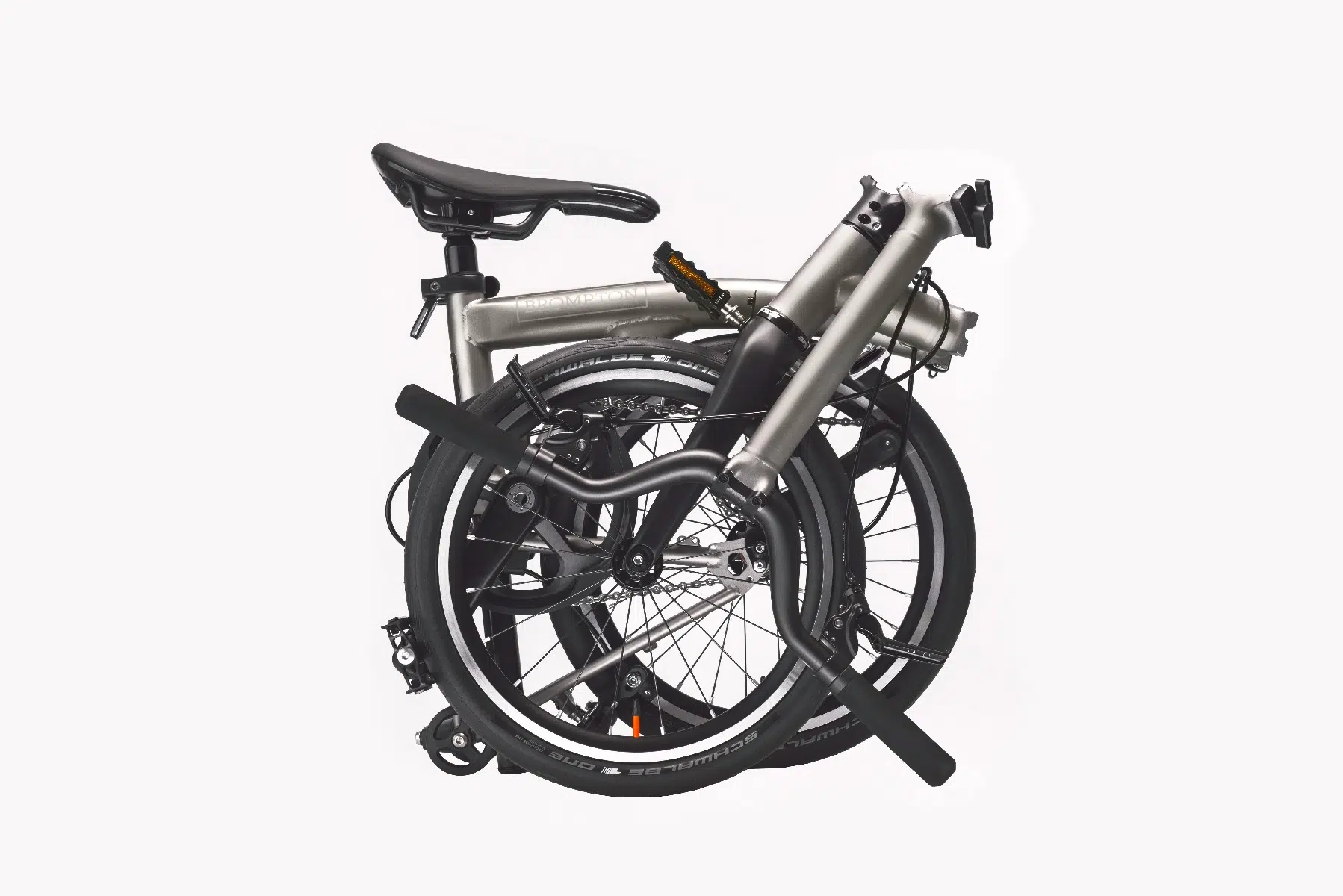
Brompton – a quintessentially British brand – is synonymous with fun, practicality, quality, and reliability. Having established a strong reputation for its folding bikes, it must ensure new products meet the high expectations of its passionate users as well as its own uncompromising standards.
Brompton asked CDP to assess an exciting new prototype in terms of safety, reliability and performance. With the launch date fast approaching, responsiveness and efficiency were key.
We assembled a team of cycling enthusiasts, including design, mechanical and manufacturing engineers, who could not wait to get hands-on with Brompton’s beautiful bikes.
Our approach
We began by comprehensively disassembling, re-assembling, carrying, folding, unfolding, and riding the prototypes to ensure a deep (and quantified) understanding of the design from both technical and user perspectives.
Armed with this information, we travelled to Brompton HQ in London to work side-by-side with its design teams. Deep collaboration was essential to understanding the bike’s design and functions – many of which are innovative and market-leading.
We configured a Design Failure Mode and Effects Analysis (DFMEA) by developing an intimate understanding of the new bike’s design, capabilities and user needs. This enabled rigorous yet rapid review of the new product within Brompton’s ambitious development schedule.


The value we created
CDP owned the deeply analytical and detailed DFMEA process, providing Brompton with information to mitigate risk through design changes and testing. Our input freed the Brompton team to focus on creating a safer, more robust and ultimately more successful bike.
A deep understanding of the key risks enabled Brompton to identify areas to work on with critical suppliers. It also considered extreme use cases, such as heavy braking on long descents in hot climates.
Having gotten into the detail of the design, we were also able to bring an external perspective and challenge standing assumptions in the design and testing approach.
Key to the project’s success was how Brompton welcomed and collaborated with us as an extension of their in-house team – a testament to Brompton’s famous quality.

The Challenge
Q-POC™ has the potential to improve millions of lives by detecting infectious diseases earlier, informing treatment decisions, and reducing rates of transmission.
QuantuMDx’s rapid sample-to-answer, multiplex polymerase chain reaction (PCR) and microarray testing system provides COVID-19 results in approximately 30 minutes from a nasal swab, at the point of need in settings such as hospitals, clinics, airports, care homes, events, and workplaces.
During the COVID-19 pandemic, Q-POC™ was needed urgently. Working closely with QuantuMDx, our multi-disciplinary team – over 30 mechanical and electronic engineers, prototyping, quality and clinical manufacturing experts in the UK and US – stepped up to accelerate the system’s development in just five months.
A challenge of utmost importance
As the world went into lockdown, QuantuMDx needed our help. The UK-based developer of point-of-need diagnostics had secured UK Government funding to develop Q-POC™ – transforming the prototype to an instrument designed to detect SARS-CoV-2 (the virus causing COVID-19 disease).QuantuMDx needed CDP’s support bringing Q-POC™ to market as quickly as possible. This required simplifying the system, improving reliability, and designing the system for manufacture – all in a regulated framework suitable for CE-IVD submission.
Our Approach
Speed through highly parallel working
Racing against the clock meant working linearly wasn’t an option; system and sub-system development activities had to happen in parallel, which meant risk mitigation was vital. Our experienced team assessed development effort and timescales against risk, triaging what we could improve. Some issues could be rectified with incremental improvements, others needed more radical changes. This demanded our team to quickly and methodically design, prototype and test – and commit to bold changes.
Seeing the future
Getting Q-POC™ to market under these circumstances meant stripping back some existing functionality that would not be needed for the SARS-CoV-2 assay, including several modules and components that would be later required for future assays. Our team worked closely with QuantuMDx, taking a long-term view so the instrument would still be suitable to upgrade in future for new assay functionality. This meant, designing a modular architecture, and ensuring the design intent would allow additional actuators, heaters, and cameras to be added later.
Regulatory expertise
Because Q-POC™ would become a regulated in vitro diagnostic medical device, QuantuMDx needed an innovation partner with a deep understanding of bringing medical devices to market. Our ISO 13485-certified Quality System includes short-run manufacturing which enabled us to manufacture pre-production devices for CE-IVD submission.
Complete chain of risk management was vital, including traceability of parts, detailed instructions for manufacture, and rigorous creation of quality documentation needed for regulatory submission. Our team managed working environments and controlled manufacturing space to ensure this project resulted in a stand-out example of an on-site clinical manufacturing line.
Beautiful engineering
Systems-level thinking meant the impact of small changes were considered across the whole system, resulting in beautiful engineering. We executed over 100 core design changes, including to the system’s chassis, which was initially constructed from parts that could flex and twist undesirably. We provided confidence in the device’s rigidity by switching to a one-piece, machined block, which could be later cast from aluminum. We improved the reliability of custom actuator assemblies as well as reducing the part count and size. We designed and manufactured new printed circuit boards (PCBs) rationalizing the number. We improved the cable management which led us to drastically simplify the assembly process and improve instrument reliability.
The value we created
Across the finish line
Working at immense speed, we helped QuantuMDx across the finish line – manufacturing, testing, and delivering 45 complete instruments in just five months.
Putting our Potential Realized methodology into practice enabled us to deliver Q-POC™ as rapidly as possible, taking it from a prototype to a manufactured product.
In November 2021, QuantuMDx secured £15 million in equity funding to expand Q-POC™’s functionality and testing capabilities, including a multiplex respiratory panel and detection of sexually transmitted infections and human papillomavirus – building on the foundations of our work to create a true platform for future testing.
Lorem Ipsum
Lorem ipsum dolor sit amet consectetur. Porttitor facilisi amet auctor lorem sapien aliquam arcu. Magna dignissim suspendisse vitae turpis praesent. Odio imperdiet lacus senectus tellus.
Lorem Ipsum
Lorem ipsum dolor sit amet consectetur. Porttitor facilisi amet auctor lorem sapien aliquam arcu. Magna dignissim suspendisse vitae turpis praesent. Odio imperdiet lacus senectus tellus.
Lorem Ipsum
Lorem ipsum dolor sit amet consectetur. Porttitor facilisi amet auctor lorem sapien aliquam arcu. Magna dignissim suspendisse vitae turpis praesent. Odio imperdiet lacus senectus tellus.
Lorem Ipsum
Lorem ipsum dolor sit amet consectetur. Porttitor facilisi amet auctor lorem sapien aliquam arcu. Magna dignissim suspendisse vitae turpis praesent. Odio imperdiet lacus senectus tellus.
FAQs
Lorem ipsum dolor sit amet consectetur?
Lorem ipsum dolor sit amet consectetur. Purus adipiscing in suspendisse a sed suspendisse lorem mauris velit. Elementum vitae aliquet sit non parturient orci consectetur ligula. Urna sit scelerisque tortor adipiscing enim id in vestibulum. Neque pellentesque nulla faucibus lorem. Quis volutpat eget sit nulla cursus nibh quis. Enim vulputate tempor in posuere arcu eu iaculis magna nunc. Netus tortor sagittis ut consequat justo dolor urna pellentesque gravida.
Lorem ipsum dolor sit amet consectetur?
Lorem ipsum dolor sit amet consectetur. Purus adipiscing in suspendisse a sed suspendisse lorem mauris velit. Elementum vitae aliquet sit non parturient orci consectetur ligula. Urna sit scelerisque tortor adipiscing enim id in vestibulum. Neque pellentesque nulla faucibus lorem. Quis volutpat eget sit nulla cursus nibh quis. Enim vulputate tempor in posuere arcu eu iaculis magna nunc. Netus tortor sagittis ut consequat justo dolor urna pellentesque gravida.
Lorem ipsum dolor sit amet consectetur?
Lorem ipsum dolor sit amet consectetur. Purus adipiscing in suspendisse a sed suspendisse lorem mauris velit. Elementum vitae aliquet sit non parturient orci consectetur ligula. Urna sit scelerisque tortor adipiscing enim id in vestibulum. Neque pellentesque nulla faucibus lorem. Quis volutpat eget sit nulla cursus nibh quis. Enim vulputate tempor in posuere arcu eu iaculis magna nunc. Netus tortor sagittis ut consequat justo dolor urna pellentesque gravida.
The challenge
It’s estimated that 1 in 500 people in the UK lives with a stoma, an artificial opening in their abdomen which excretes bowel waste. Having a stoma means needing an ostomy appliance attached to your stoma to collect the waste.
People with stomas have become more open about having them and discussing the challenges they present to an active life, for example, changing their ostomy device after use, securing and supporting it for exercise, and making it less disruptive to intimacy.
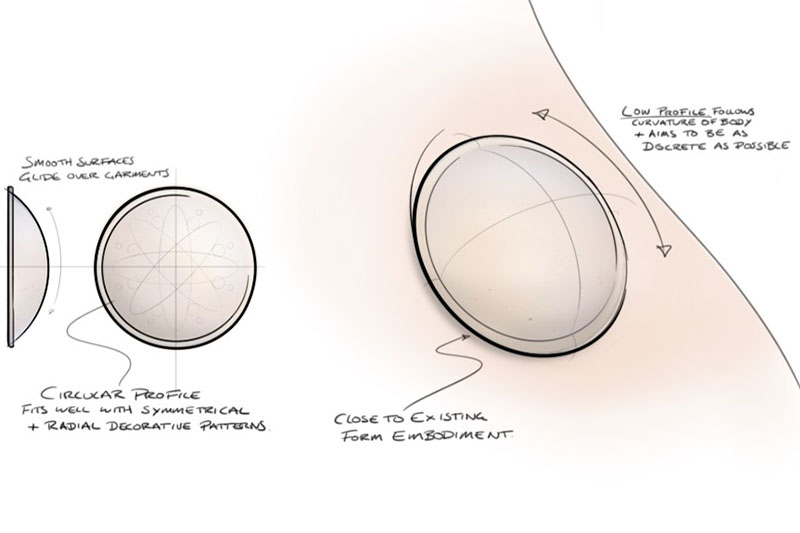
Start-up Ostique aims to transform the market through ostomy product innovation. Their new ostomy appliance sets out to improve daily stoma management and help ostomy devices become things that can be celebrated, with aesthetics inspired by lingerie and tattoo design.


Our approach
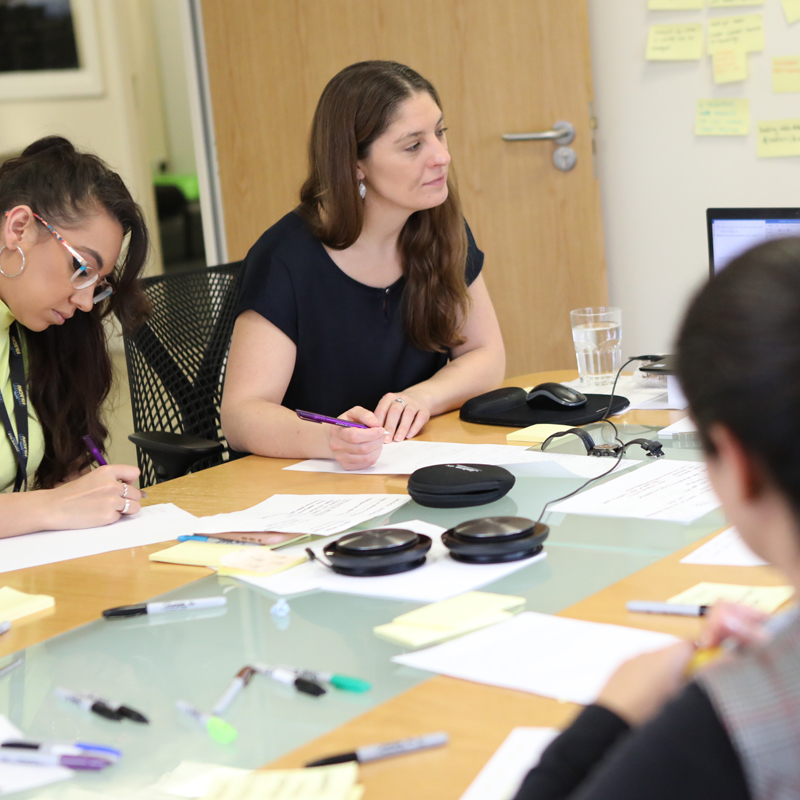
We helped Ostique develop their concept for an ostomy device, including functional improvements over existing products. Working collaboratively with Ostique, we looked to understand the social, emotional, and functional needs of people with stomas, and explored current ostomy products available.
We supported Ostique through the ideation of their ostomy appliance concept. Our emphasis was on the user experience in terms of activities it should enable and whether it should be a single-piece device or a two-piece design with a cover. Other elements we considered included skin adhesion, the handedness of users, and the size and weight of the container.
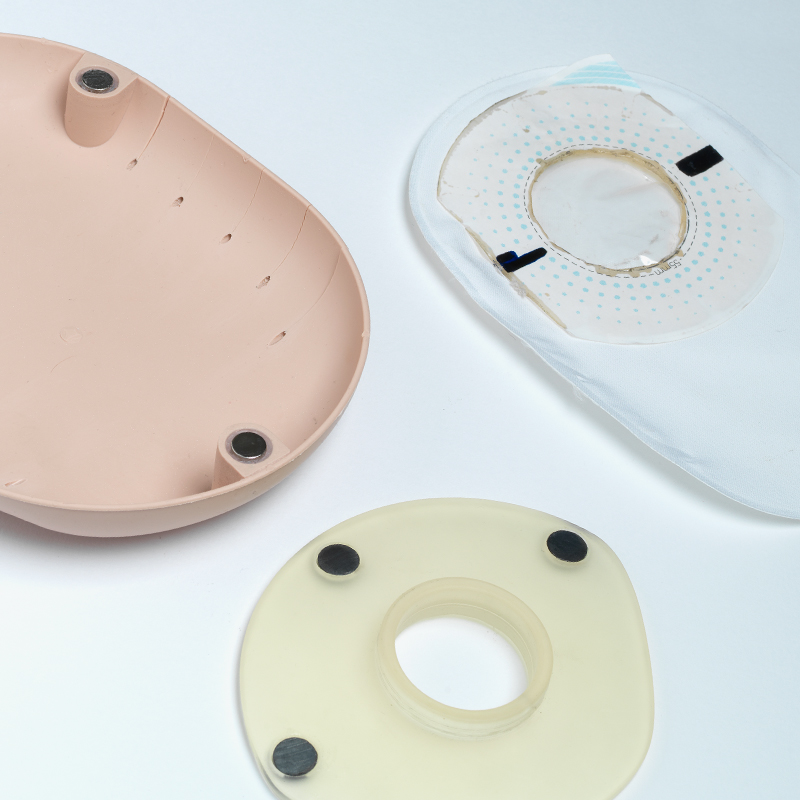
Once a more focused concept was arrived at, our workshop team created silicone prototypes of the ostomy device using mold tools machined in-house, enabling Ostique to take the prototypes to their user research group for feedback.
We also developed a roadmap of the steps the start-up needed to go through – including regulatory approvals – to be able to produce, market, and sell their ostomy product as a commercial medical device.


Building on our collaboration, Ostique’s products have since developed further, so the images here aren’t of the final products.

The value we created
Over four months, we supplied the technical rigor for the Ostique team to develop a concept for a unique ostomy appliance. We helped our client refine and focus their ideas and build prototypes of the device for thorough user feedback.
We provided a roadmap for Ostique to follow to get their new ostomy product to market and put them in touch with venture capital investors, giving our client the foundational blocks to make their revolutionary concept a commercial reality.
Share this page
The challenge
Our FemTech team continually explores the FemTech space – uncovering emerging trends, innovations, and unmet needs – and recently examined a historically under-researched area of women’s health: reproductive health.
Assembling and collaborating with an international panel of women’s reproductive health experts, we reviewed and prioritized three overarching themes innovative solutions could transform the future of reproductive health:
- access – the right products and services at the right time
- quantify – measure what’s ‘normal’ for women and their health
- personalize – through meaningful, actionable insights.


Our approach
We used our tailored, user-centric ‘Define’ Design Sprints to move rapidly from problems to opportunities and through a long list of possible solutions onto illustrative prototypes, which started to bring a possible solution to life.
Our FemTech team began understanding current trends and identifying unmet needs and contexts. We distilled key insights and themes into lead opportunity spaces, against which we could develop focused value propositions.
Through collaborative working sessions, the multidisciplinary team explored various ideas and down-selected an early-stage concept for a connected device that would enable women to track their hormone levels at home and discover their ‘normal’.
We assessed existing hormone-tracking technologies and evaluated their potential to form a user-centric solution, coming to focus our attention on the rapidly advancing science of saliva diagnostics, which enables the tracking of progesterone.


We moved quickly through prototyping, from early concept sketches and renders to high-fidelity, ‘looks-like’ models. An important consideration was ensuring an intuitive and enjoyable user experience – existing solutions for at-home hormone tracking require users to adopt new behaviors, often resulting in low adherence and obstacles to widespread adoption.

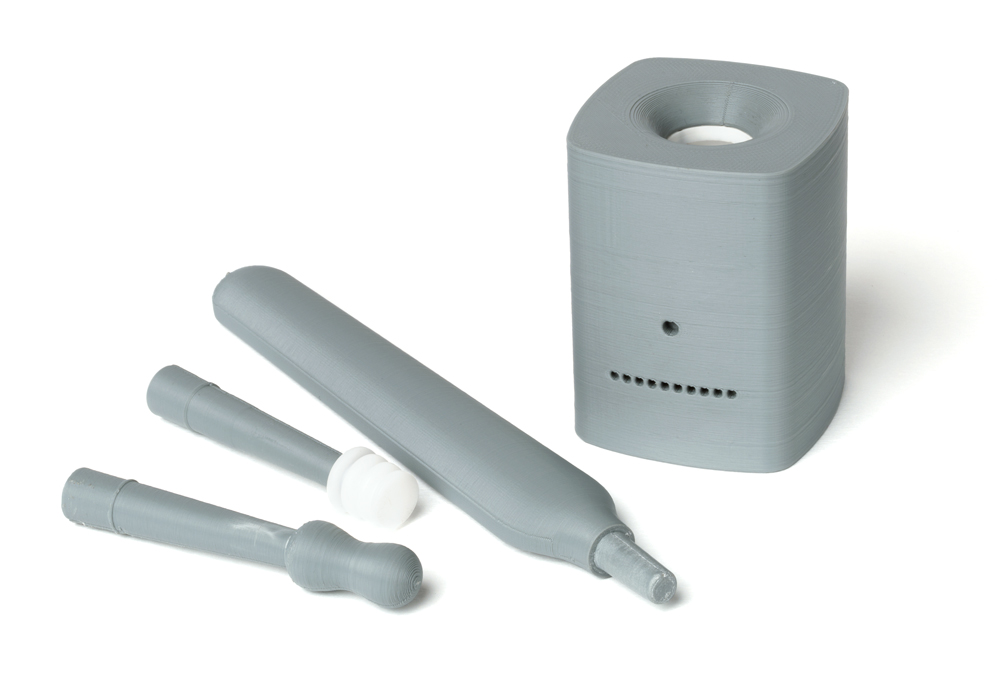
The result: Horb – a concept for an at-home diagnostic device that measures hormone levels while seamlessly integrating into users’ daily routines. Before daily teeth brushing, users would use a unique collection swab to take a saliva sample and deposit the swab head into a countertop diagnostic device. This would then analyze the sample and take the reading while they brush their teeth. The diagnostic device would connect via Bluetooth to an app, allowing users to monitor their daily hormone levels and receive pertinent data insights. The app would also provide a general picture of their reproductive health through synthesizing Horb data and health data from other wearables such as the Apple Watch and Oura ring.

The value we created
Leveraging established science and existing technology, we created a concept for an at-home hormone-tracking solution that minimizes the burden of use and offers an intuitive and enjoyable experience.
The data generated by Horb would help women understand their hormone levels, enabling them to find out what’s ‘normal’ for them and identify deviations from their baseline, which they can follow up with their clinician.
Horb could form part of the CDP Mosaic digital ecosystem. By supplying data not currently captured by wearables such as the Apple Watch and Oura ring, Horb would provide another piece of the puzzle to enable a more complete, personalized, and accurate baseline to help women understand their health.
Partner with us to continue Horb’s development journey – email: womenshealth@cambridge-design.com.


Share this page
The challenge
The number of electric vehicles (EVs) on UK roads is projected to increase rapidly, reaching 14 million by 2030. EVs are key to decarbonizing transportation and making the global transition to net zero, but the EV revolution faces important challenges. EV drivers must be able to charge their vehicles quickly and easily. The UK will require 2.8 million charge points, and charging will need to be made more accessible to those who can’t charge at home.
3ti Energy Hubs came to us with a unique challenge to realize the first pop-up mini solar car park – aimed at advancing the rollout of EV infrastructure by providing rapidly deployable destination charging in locations such as offices, retail outlets, and leisure facilities. They also wanted to address the obstacles to rollout presented by planning permission rules and the need for electric grid upgrades.


Our approach
We began with a series of requirement definition and concept development workshops, combining our strong and diverse team of designers and engineers with 3ti’s market insights. The result was a refined product concept which could steer us as we advanced into detailed engineering.
Our mechanical and design engineers developed a product architecture, combining the best of off-the-shelf and custom designed parts to realize a prototype design for the pop-up solar charging unit. In parallel, we identified and selected suitable supply chain partners for construction, assembly and test of the prototype unit, culminating in the product launched in May 2022.
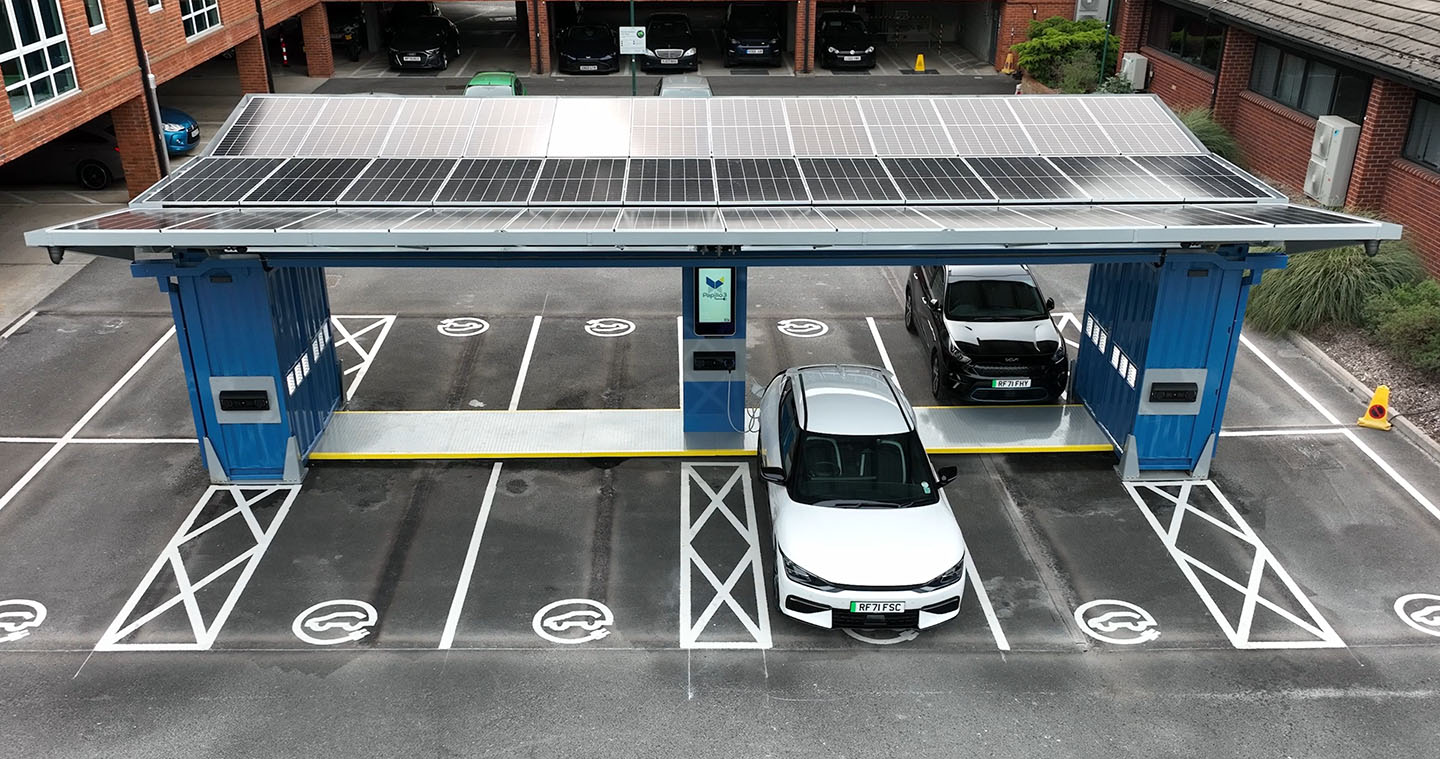
Called Papilio3, the hub is built around a recycled shipping container and provides 12 EV charge points. The design combines solar electricity generation and local mains electricity with battery storage delivering quick-to-deploy, low-cost, low-carbon charging.
It was important that Papilio3 could be deployed swiftly, easily, and cost-effectively. Its installation takes under 24 hours using normal freight haulage infrastructure, with minimal site works, no new grid connection, and no need for planning permission in most instances.


The value we created
A close partnership over 12 months enabled our client to bring their pop-up mini solar car park and EV charging hub to launch, ready for their crowdfunding campaign. We positioned our client to focus on commercialization and scale-up for roll out across the UK.
The first Papilio3 was installed at Surrey Research Park, Guildford, hosted by the University of Surrey, in May 2022, ahead of the launch of 3ti’s crowdfunding campaign. The campaign exceeded its target of £500,000 within 24 hours, and ultimately raised over four times their target amount.
Since Papilio3’s launch, 3ti has received enquiries from over 90 potential customers worldwide and is in consultation with the Ministry of Defense, National Health Service, and car manufacturer Bentley.

Share this page
The Challenge
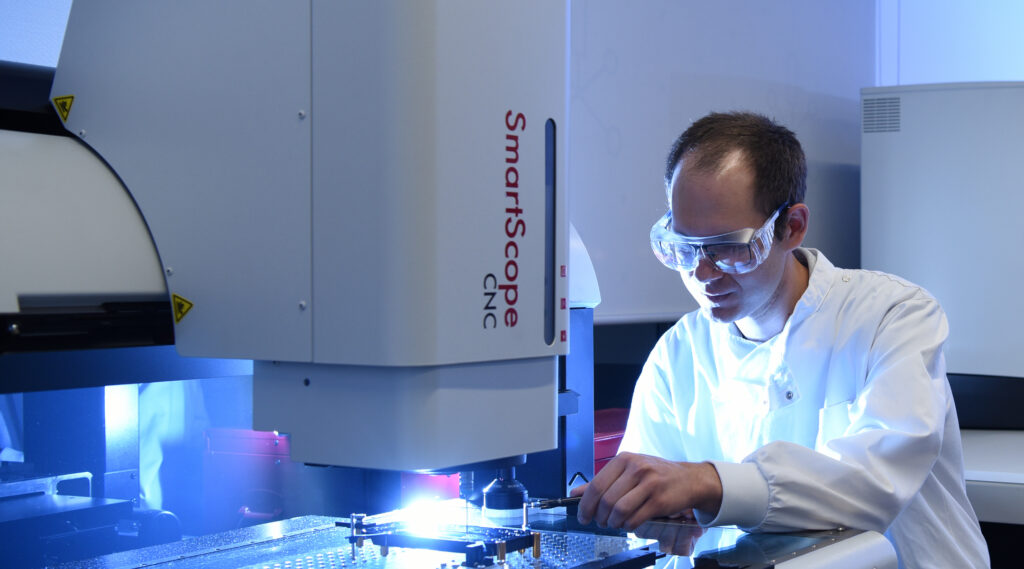
The analysis of circulating tumor cells (CTCs) is opening new avenues for cancer diagnostics and is a key enabler of personalized medicine. By capturing and isolating high quality CTCs from blood, Vortex Biosciences’ technology provides critical input to further downstream analysis that ultimately informs patient access to therapy and allows for ongoing disease monitoring.
However, separating CTCs from billions of red and white blood cells is highly challenging and very few technologies provide the purity, yield and integrity needed.
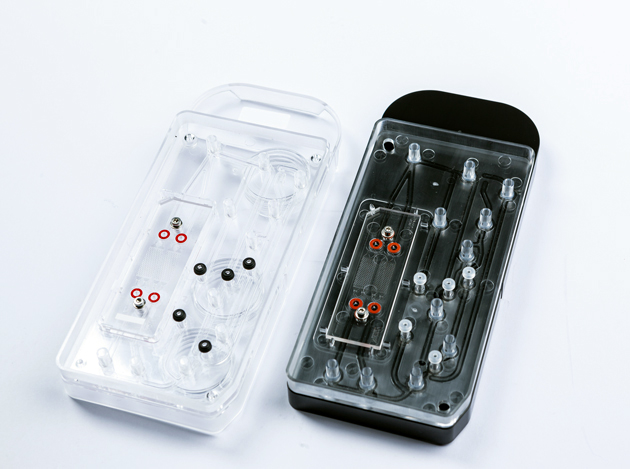
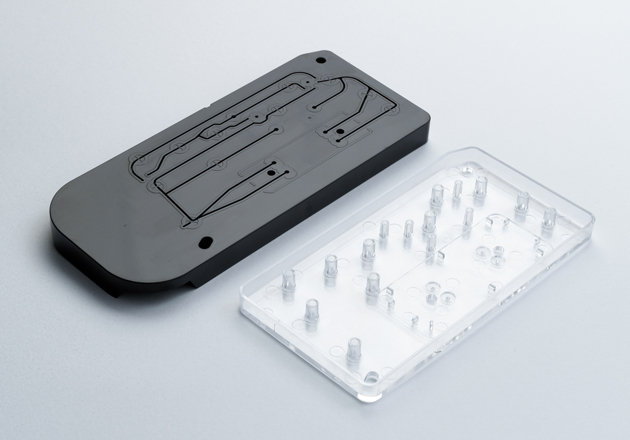
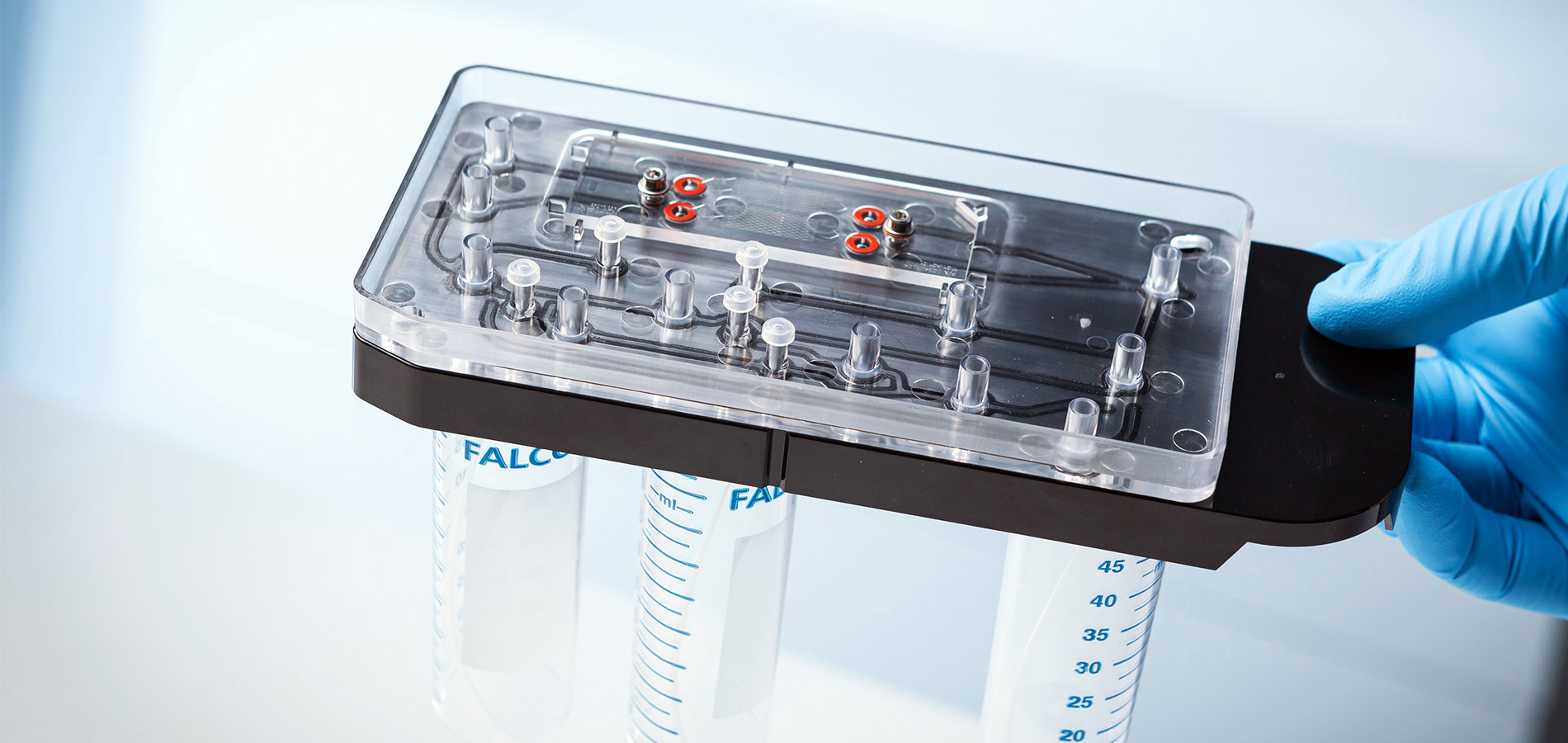
Vortex has developed a highly effective liquid biopsy system to isolate CTCs. They needed our technical expertise and manufacturing experience to improve the system’s disposable cartridge for reliable performance and high-volume production.

Our approach
Our multi-disciplinary team was deployed to understand the broader considerations and challenges, including the technical constraints of CTC separation, as well as Vortex’s scale-up ambitions and vision.
We defined and characterized potential ways the current system could fail which could reduce performance and reliability. We proposed several design and manufacturing improvements for the cartridge, along with assessing the technical risks and benefits. We designed, prototyped, and tested a range of design improvements, including designing the cartridge for laser welding.
The project involved close collaboration with our client and the supply chain, and we will produce initial commercial batches in-house under our short run clinical manufacturing procedures, certified to ISO 13485.


The value we created
Our diverse team and rigorous approach led to robust, long-term improvements for Vortex’s CTC cartridge’s production, reliability, cost, and stability.
Vortex Biosciences now has a cartridge design that can meet the market’s demanding production volumes, ultimately enabling clinicians to better assess cancer status and prescribe appropriate treatment.

Share this page
Hacking for a better future
When British Antarctic Survey (BAS) extended a challenge to help its Rothera research station reach net zero using sustainable energy storage, we knew it would demand a multidisciplinary team to look beyond the brief and bring fresh ideas.
We won the challenge with a simple solution to enable low-carbon energy systems at the Antarctic base – and elsewhere in the world.

- Lining the walls with phase-change material (PCM) panels, using the energy released when a material changes state to ‘lock’ the room temperature. These panels would store a whole week of heat in the fabric of the building. They’d be easy to install and unobtrusive without requiring regular maintenance. They’d provide first-line backup if heat systems break, and be modular and distributed, so the failure of any element would have a negligible impact on the overall system.
- Allowing the building temperature to vary, storing heat in the fabric of the building in periods of over-supply to decrease demand when it risks exceeding supply.
- Behavioral nudges based on up-to-date forecasts of energy generation and demand. These nudges would help personnel schedule energy-intensive but time-flexible activities, such as washing laundry, for periods of over-supply, reducing the need for energy storage without the requirement to develop, buy or store equipment.

The question may sound straightforward, but the design considerations were far from matter-of-course. Rothera is on Adelaide Island in the Antarctic Peninsula, the type of place best described by coordinates (67°34’S, 68°08’W).
It’s supplied by plane and the Royal Research Ship Sir David Attenborough from the Falkland Islands, which lie approximately 1,000 km to the north.
Temperatures range between +5°C (40°F) in summer and -20°C (-4°F) during winter. The surrounding land is protected from development and is home to important wildlife species.
Fusing a far-away environment, extreme conditions, and constrained scope for new development spelled an exceptionally challenging context for innovation.
The power of a multidisciplinary team
We built our team from various disciplines – electronics engineers, mechanical engineers, physicists, and simulation scientists – and backgrounds, including renewable energy generation, low-carbon buildings, and economic analysis of decarbonization strategies. The combination ensured a broad knowledge of different energy storage principles and technologies. Team members also brought experience in unconnected and indirectly related fields in science, technology, and design – and tapping into this expertise led to unexpected ideas.
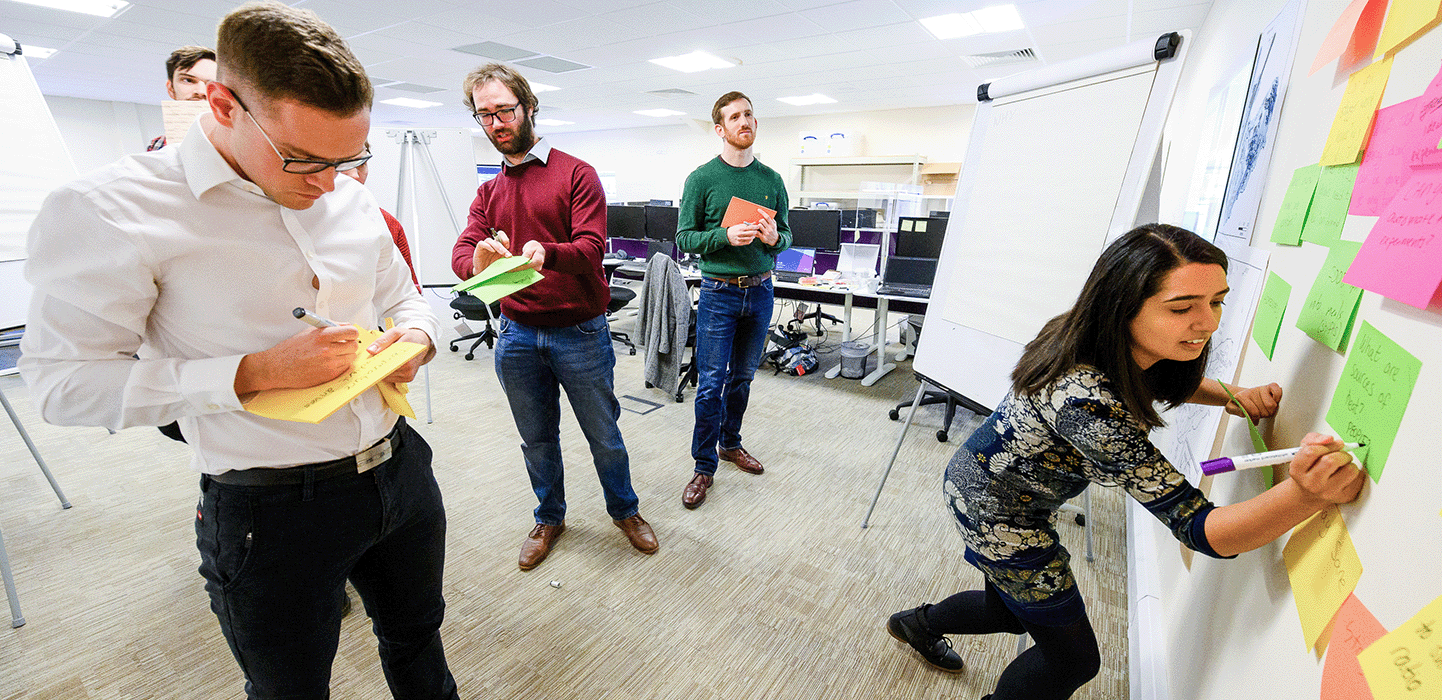
Refining the brief – the power of ‘why?’
Analyzing the wide-ranging brief as a team at once presented two questions: what does an energy storage system need to do, and what exactly does BAS mean by ‘the best energy storage solutions’?
Our rapid analysis of data provided by BAS revealed that most of Rothera’s energy needs were for heat, not electrics. We probed the data to understand the nature of the demand and the valuable services energy was providing. This ‘jobs to be done’ approach of examining the real benefit helps challenge implicit assumptions and uncover other ways of delivering the same benefits.
We decided to focus on a need that amounted to a substantial proportion of the station’s energy demand and offered the potential to examine solutions that hadn’t already been considered – the thermal comfort of those living and working at Rothera.
Three steps to concept creation
Equipped with a honed brief and deep understanding of BAS’s needs, we began a three-step concept creation process:

One, generate as many solutions as possible. Even ideas that seem far-fetched on the surface can function as catalysts to conceiving innovative and workable solutions.

Two, prioritize solutions to fit with brief and success criteria. In the fast-paced context of a hackathon, we rely on our team’s diverse expertise and perspectives to swiftly filter ideas.

Three, conduct rapid research and analysis to prove our chosen solutions could solve BAS’s problems. This basic de-risking ensures bad ideas fail as early as possible and good ideas make it through with the start of a business case to demonstrate their potential.
About the hackathon and BAS
The virtual one-day hackathon was held on December 3, 2021, and run by the University of Cambridge Institute for Sustainability Leadership (CISL) in collaboration with BAS and Cambridge Zero.
BAS challenged nine teams of global innovators to a one-day hackathon to help one of its Antarctic research bases achieve net zero. Teams were asked to address one of three areas of energy: generation, storage, or backup systems.
BAS is a center for polar science and polar operations.
In its own words: “The Polar Regions may be at the ends of the Earth but what happens there affects us all. Understanding how the Earth works, and in particular how it is responding to ever-increasing human pressures, is one of science’s greatest challenges.”
Share this page
When Crescendo’s route to launch looked blocked by quality issues at manufacture, our rapid iteration of the vibrator’s sheath design cleared the way, enabling MysteryVibe to fulfil their first orders for investor-customers.
Our approach
We started by carrying out root-cause analysis on the device. MysteryVibe work in a collaborative field where there’s a collective interest in upping the game, meaning we were able to identify key learnings from in-market products.
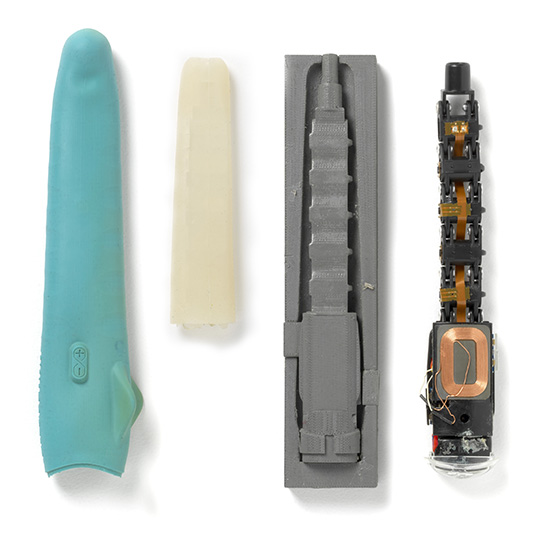
Focused on the vibrator’s silicone sheath, we applied our in-house manufacturing capability using our 3D printing mold tools to rapidly iterate its design. Then, working with a prototyping supplier, we expanded this testing, arriving at a design that worked as it was meant to and had the right, premium feel.
Because it was critical that Crescendo was safe for its intended use, we planned the manufacturing process to ensure there was no contamination to maintain biocompatibility.

The value we created
Able to rapidly iterate the vibrator’s sheath design using our in-house manufacturing capability, and working with a prototyping supplier, we provided MysteryVibe with a quick route to launch for Crescendo, enabling them to fulfil their first orders for their investor-customers.
We also made supplementary recommendations that MysteryVibe were able to apply when Crescendo was manufactured in volume.


Inclusivity, experience-led design, and the smart integration of technology
Not all people are the same. Our FemTech philosophy puts people and context at the center and brings together consumer and healthcare knowledge to help our partners create meaningful incremental and transformational innovations that improve lives.
Share this page
The US market for home kitchen knives is dominated by a handful of brands. When DKB Household wanted to enter it, they challenged us to innovate in this mature product category.
Our approach
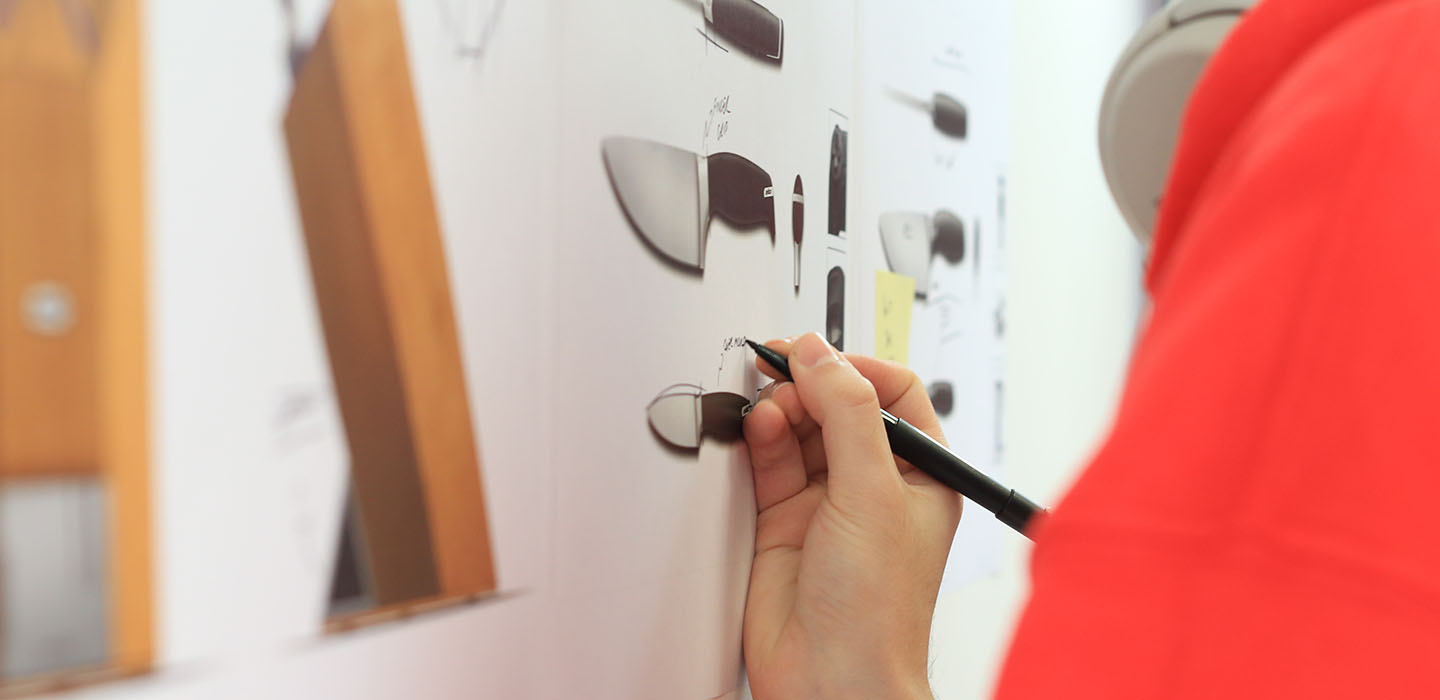
Applying a ‘jobs to be done’ lens to the challenge, our insights research team and industrial designers observed people in the US as they made meals, enabling us to identify people’s functional and emotional needs when they slice, dice and chop food.
One observation was that women often selected a knife that was unsuitable and possibly unsafe for the task because they felt more comfortable with a small knife – when it would’ve been safer to use a bigger knife that cut more easily. Through a second quantitative research phase, we learned how widely needs were shared across the target group and how well existing knives met them.
Our design team concentrated on creating novel solutions to the most relevant consumer needs focusing on the theme of control; giving the new range its name.
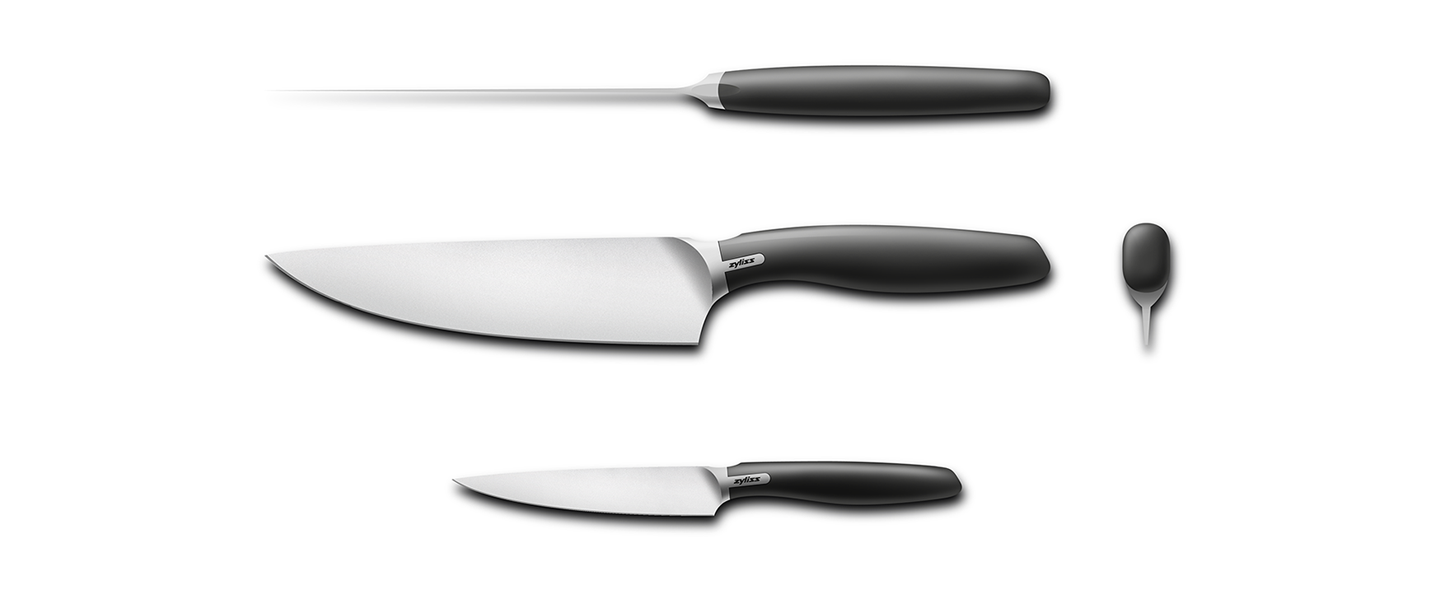
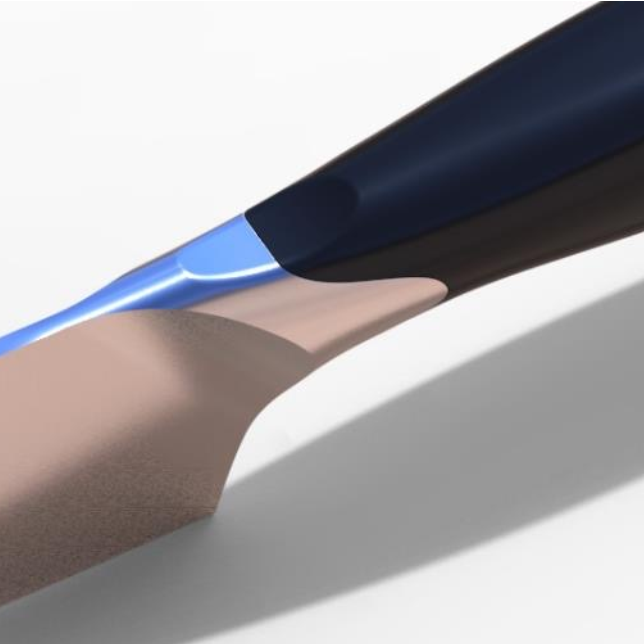
After analyzing the most used cutting styles and grip patterns, we incorporated four patented ‘control’ points into the knife and handle. These points gave all users – men and women – equal control over the knife, no matter their cutting style or hand size. The result: a set of knives everyone could use comfortably, safely, and with confidence.

The value we created
Feedback from US home cooks using our prototypes was significantly positive, and production was scheduled three months after the start of the project. Zyliss ‘Control’ is currently on sale in the US and UK and the design now also features in the Zyliss ‘Comfort’ range.
This project highlights the benefit of the ‘jobs to be done’ method in product design: innovation can be laser-targeted at valuable, unmet needs, even in mature markets.


Inclusivity, experience-led design, and the smart integration of technology
Not all people are the same. Our FemTech philosophy puts people and context at the center and brings together consumer and healthcare knowledge to help our partners create meaningful incremental and transformational innovations that improve lives.