Ten ways to reduce E-waste in product development
Share:

Ten ways to reduce E-waste in product development

We all have that drawer – the graveyard for discarded electronics. What’s in yours? A cracked phone, an obsolete activity tracker, maybe an original iPod? You hang onto them, because it seems wrong to throw them away.
You’re right. Globally, 53.6 million metric tons of electronic waste, or E-waste, were generated in 2019 but only around one-fifth of this was recycled. Roughly half this pile comes from personal devices, which can be hard to round up from consumers.

Any product that includes some form of circuitry or electrical components is classed as electronic equipment. Once this product has been discarded without the intent to reuse, it falls under the category of E-waste.

The problem is not just environmental; in some cases it’s pragmatic. Many minerals in the products we throw away are difficult to obtain. The long-term consequences are serious. For example, a shortage of lithium or cobalt, both critical materials in electric vehicle batteries, could slam the brakes on our migration to greener transport.

As with most environmental issues, the solution to E-waste lies with government, industry, and the consumer. This article focuses on how product developers can play their part in helping to reduce e-waste.

Ten ways to reduce E-waste

1. Think modular

If devices become more modular, it becomes easier for the consumer or an engineer to perform repairs. It also makes it easier to break up devices at the end of their lives, a growing incentive if more industries become responsible for waste disposal.

Small product changes can make a significant impact, for example identifying which components tend to break first. Is there a way to make the component easily removable and replaceable? And if not, could it be designed to be more resilient?

2. Anticipate legislation

E-waste is a growing area of concern for governments, leading to a marked increase in the regulatory restrictions on disposal. This is noticeable in the electric car industry, where the EU and China have made manufacturers responsible for collecting and disposing of car batteries.

Both regulation and taxation are likely to increase. There is an opportunity for product developers to anticipate these factors when designing new products.

3. Respect the Right to Repair

A generation ago, mending your own possessions was a standard solution. Commonplace electrical repairs involved a loose wire or blown fuse. Today, electronic goods are much harder to fix, not helped by moving from screws to adhesive in assembly. You can no longer replace the battery in your phone and must go to a specialized repair shop for a damaged screen – think back to that drawer of retired electronics.

Product reviews now include ratings for ease of repair. France has introduced a law requiring an index of repairability which has encouraged manufacturers to offer online fixing guides. Other EU countries are rolling this out, including a requirement for manufacturers to ensure that spares are available for up to a decade. Sweden is also reducing the VAT rate on repairs and spare parts.

The ‘Right to Repair’ is a growing consumer rights issue. Designers can reduce E-waste by making it easy to mend common faults.

4. Use recyclable materials

As materials and processing research have progressed, the range of options for easily recyclable electronics has increased. These vary from paper RFID tags and biodegradable PCB substrates to chemical methods for breaking down coatings which have traditionally complicated the recycling process. These are all options to keep in mind when starting a design.

5. Design for E-waste recycling early on

The E-waste recycling process has the potential to be very expensive, so designing with this in mind early on is vital. There is also the challenge of encouraging consumers to return their devices in the first place. It’s much more challenging to recycle post-consumer waste than materials still under the manufacturers’ control.

Material resources for electronic devices are becoming increasingly difficult to source and therefore more expensive. This highlights the benefits of setting up a ‘reverse supply chain’ in which waste products are returned to their suppliers for recycling, allowing manufacturers to extract reusable materials.

The electronics in many home appliances often only make up a tiny proportion of the product. If a more modular design is selected, it becomes far easier to separate the E-waste from the product for recycling.

6. Top the ratings

Concerns over “fast fashion” in the retail industry could easily translate into customers rejecting low-cost, short-lifetime electronic products.

A public rating system for electronics that includes ease of recycling and repair as two separate metrics would prompt brands to question their design choices. Are there other less toxic or less scarce materials that could be used instead? Are there different versions of the product with lower E-waste potential?

Eupedia, an online guide to the EU, recently combined four indices covering a range of sustainability factors to rank brands, including ratings for recycling and repair.

7. Question whether electronics are necessary

Recently, electronics with ever-increasing features have been incorporated into previously ‘dumb’ products. In many cases, this enables functionality that was previously unachievable. However, sometimes we can obtain the same advantages without electronics, leading to a lower-cost and more straightforward solution.

Designers should carefully consider the range of solutions available and weigh up the relative user benefits, costs, and environmental impacts to find the most appropriate one for their product. For a simple maximum temperature monitor, do electronics provide a unique additional benefit, or can a different type of innovation such as a chemically triggered color change give the same information to the user?

8. Partner with smart devices

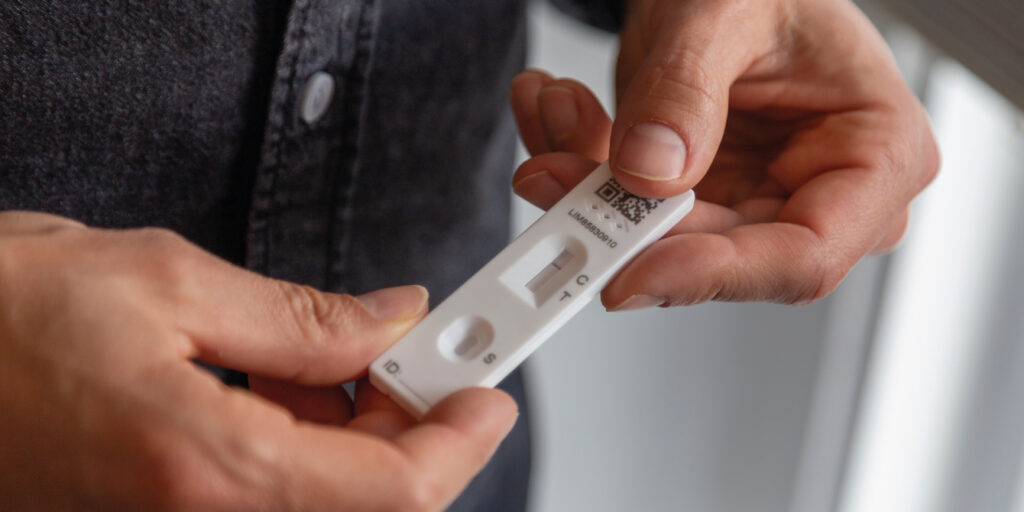
The obvious way to reduce E-waste is to produce less in the first place, but is this realistic? One route is to design electronics-free devices made smart through combination with a phone app. This often allows for the same functionality with no extra electronic components. For example, in diagnostic healthcare, agriculture and food safety testing, a phone camera can read and analyze colored test strips.

9. Consider a more sustainable business model

Some companies, such as Rolls Royce jet engines, have pioneered a service business model, in which customers hire products and return them to the supplier after use. This allows the manufacturer to perform necessary repairs or replacements between hire periods. Under this model, the burden of recycling shifts back to the supplier, further encouraging them to design products with minimal E-waste.

10. Reduce material usage

Mobile phones have shrunk in size from a brick to a calculator. This has been made possible by the miniaturization of electronic components, printed circuits, and connectors. The amount of material contained within each device has reduced considerably, even though complexity has increased.

Moving from milling and other subtractive manufacturing technologies to molding and 3D printing has reduced waste. There are opportunities to mirror these changes in electronics. Instead of making a flat sheet of copper and then dissolving most of it to produce a printed circuit board, additive techniques such as printed electronics can lay down patterns of conductors and insulators only where they are needed.

Putting E-waste in context

Our customers want smaller, lighter, longer-lasting devices that are easy to recycle. We can take all these factors into account every time we create a new design.

Solutions to E-waste must be looked at in the unique context of a product’s market and usage.

If we follow rules such as the above, we will make the optimum use of our planet’s limited material resources, and lay the electronics graveyard drawer to rest.

Which improvements will you design into your next electronic product?  Want to discover more and connect with our sustainability experts?

Connect with CDP

For more on how to reduce e-waste through smarter product design and development, contact Cambridge Design Partnership.

Lateral flow testing at CDP
Share:
Find the authors
on LinkedIn:

Lateral flow testing at CDP: A surprising result

When we modelled the use of lateral flow testing at CDP we discovered something surprising: there was a high chance we could test everyone every day without preventing a single transmission of COVID-19. This application of mathematical modelling and bioscience gave us powerful evidence on which to base our response, allowing us to direct our efforts where they will have maximum impact: improved ventilation and new air filtration installations in our offices, labs, and workshops.

In common with all businesses, CDP has been closely watching developments in practises, and technology to keep our people and community safe from COVID-19 infections, while maintaining business operations. In the UK, lateral flow tests (LFTs) have been rolled out in a variety of settings over the last few months. These tests have major benefits in that they are low cost, give a result in half an hour, and require no medical expertise to administer. When the use of these LFTs became a possibility here at CDP, our COVID-19 team began drawing up plans for the roll out.

The two key questions were “who to test” and “how often to test”

As a multidisciplinary business with diverse capabilities and specialisms, our people work in a variety of locations and patterns. Most of these working patterns and risk profiles don’t match those of the early adopters of these tests, such as those in clinical and educational settings. As a result, we built a team to analyze the available data and tailor our use of the tests for maximum impact in our particular case. The team was led by myself, a simulation scientist, and my colleague Richard Owen, our Senior Consultant Bioscientist. The team identified the latest bioscience data available on the parameters of COVID-19 and the LFTs, then developed a bespoke Monte Carlo model – used to predict the probability of different outcomes – to model potential infections across the business. We used the popular Anaconda python platform for scientific computing.

What are the key inputs?

COVID-19 infection timeline

A viral infection typically progresses through several stages: when a person first catches the infection, the virus multiplies until they become infectious and often continues to multiply causing symptoms before the immune system is able to fight back and eliminate the virus. LFTs can provide an “early warning” when virus levels start to increase, but before symptoms start.

‘Effective R’ within CDP

We’ve changed our working environment in a variety of ways to reduce transmission potential. If this was 100% effective then LFTs wouldn’t offer any benefit, but we all understand that the measures are instead designed to reduce the risk to the lowest reasonable level. While we have no evidence for transmission on-site, we’re aware of some cases, unfortunately, brought in from the outside community and so we applied a “reasonable worst case” estimate of transmission.

Background population case rate

Clearly more cases of COVID-19 circulating outside CDP would result in more infected people coming onto our site and identification of each one could potentially prevent further infection. We recognized that this value has changed rapidly so we investigated the benefit of LFTs in a variety of scenarios.

Sensitivity: if a person with COVID-19 takes an LFT, what is the chance that it will give an accurate, positive result?

This property of the LFTs on the market is very important. While they can be more than 90% sensitive for symptomatic people, those people should already have isolated and obtained a “gold-standard” PCR (lab) test. When used in asymptomatic populations with well-functioning immune systems, the sensitivity can be as low as 3%. Considering the population demographic in this study compared to our own, our model took a less pessimistic view of LFT performance and erred on the side of higher sensitivity.

Specificity: if a person without COVID-19 takes a lateral flow test, what is the chance that it will give an accurate, negative result?

The LFTs on the market are thought to have a specificity of around 99.5%. While 0.5% might sound low, current estimates are that only 0.1% of the population has COVID-19; therefore the 0.5% false positives actually make up significantly more people than the number that are really infected. This is the source of some controversy as it can cause unnecessary isolation when the case rate is low; however, this risk was not considered a significant problem for us at CDP as we took a “better safe than sorry” approach.

What did we learn from the model?

There are multiple measures for the success of a testing program. In our analysis we simply looked at the number of people becoming infected, and how much this could be reduced by a variety of regimes. We ran the model many times with differing input values to evaluate the impact of testing regimes and understand the sensitivity of our results to the various inputs, which are either uncertain estimates or subject to change over time. In a result that surprised us all, we discovered that in our specific situation the benefit of LFTs is actually very small. Of course, the keywords here are “our specific situation” – by tailoring our model to CDP we gained maximum value for our own decision. However, this model is inherently not a generalized result and is not a valid evidence base for decisions in other contexts. There was a high chance that we could test everyone, every day (totaling thousands of tests) without preventing a single transmission of COVID-19.

What was the outcome?

We both verified that each small “cog in the machine” was behaving as expected and validated that the results of the whole model matched reality (we already had a historic dataset for what COVID-19 transmission looked like without lateral flow testing). We also further explored uncertainty in the driving factors, to assure ourselves that the remaining uncertainly in the inputs would not substantially change the outputs. Following this process, the non-intuitive result allowed us to confidently redeploy our efforts onto alternative COVID-fighting initiatives. Following the evolving scientific knowledge, we’ve improved the ventilation of our offices, labs and workshops and installed air filtration to reduce the potential for airborne viruses to move between people.

We inevitably enter investigations with preconceptions, but by applying science to the big decisions we’re able to confidently manage our choices and prioritize our resources to keep ourselves and others safe in this weird world. By combining our expertise in both mathematical modelling and bioscience, we created a team that is more powerful than the sum of its parts, demonstrating the power of mathematical modelling in making decisions.

Incisive action: Cutting the carbon footprint in surgery|
Share:
Find the authors
on LinkedIn:

Incisive action: Cutting the carbon footprint in surgery

Hear us out: the pandemic has stretched world health services to their limits, but it may also be paving the way toward a greener future for healthcare.

When thinking of healthcare today, you probably picture the huge pressures on overworked healthcare staff and the scramble for hospital beds. What you may not have thought about is that hospitals in many countries have adopted innovation that inadvertently introduced ‘greener’ treatment. For example, the need to perform ‘virtual’ consultations has reduced patient travel to and from practices. In April 2020; within weeks of COVID-19 hitting the UK, 71% of all GP visits were remote, compared to 25% in April 2019.

A single operation can have the same carbon footprint as driving 2,273 miles in an average sized gas-powered car.

Before COVID-19, the UK’s National Health Service (NHS) produced 27 million tons of CO2 equivalent annually, which accounted for 5% of all UK carbon emissions. To combat this, in October 2020 the UK government announced plans for a greener NHS: net zero carbon emissions directly from the NHS by 2040, and its supply chain by 2045.

In the context of COVID-19, this is an ambitious goal even if we were able to sustain the kind of CO2 emission drops witnessed during lockdowns. The forced shutdown of elective surgery may have reduced hospital carbon footprints, but this has been at the expense of patient care and can’t continue. Further ahead, the NHS will be caring for an increasingly ageing population, putting demands on provisions which will lead to increasing energy and resource consumption.

Join us to address some of the greatest environmental challenges of our era

We’re currently recruiting for a Sustainable Design Consultant, Life Cycle Assessment Engineer and a Head of Sustainability.

The operating theater has extensive electricity needs, powering equipment, heating, ventilation, and air conditioning, and is three to six times more energy-intensive than the rest of the hospital. This electricity reliance coupled with anesthetic gas and the need for single-use equipment has a significant carbon footprint. Chantelle Rizan, a Fellow of the Centre for Sustainable Healthcare and currently undertaking a PhD to identify carbon hotspots in surgery, found that a single operation can have the same carbon footprint as driving 2,273 miles in an average sized gas-powered car.

So, aside from upgrading hospital buildings and moving to renewable energy supplies, the UK government must explore ways to make surgical practice more sustainable in order to hit the NHS net zero targets. This won’t be easy.

Virtual clinics have helped with triage (deciding severity and service allocation) and surgical follow-ups, but it’s difficult to plan surgery without examining the patients face-to-face. Any changes must avoid extra red tape and be economically viable for healthcare services. Advances may have trade-offs between short-term losses (retraining) and long-term gains (reducing hospital stays or complications). Most importantly of all, sterility must be maintained at all costs. Here’s a new mantra to repeat: green only if clean.

We’ve recently been exploring the challenges facing surgical providers in embracing sustainable change. In our ‘Circularity in Context’ article we considered circularity filters to ensure future products and services become carbon neutral. This philosophy of circularity, maintaining the value invested in materials and products, has applications in healthcare but may also come into conflict with other imperatives, such as sterility.

Before joining CDP I spent time working closely with orthopedic surgeons, observing procedures in the operating theater first hand, showing me where improvements could be found. Innovating in the surgical space is a complex and nuanced area, where first-hand knowledge of the sector is key. Surrounded by a team of engineers, designers, researchers, and healthcare-savvy innovators at CDP, we’ve applied the filters for circularity to identify areas in which circular approaches could provide significant advantages.

Short-term wins

There are many ways to reduce the cradle-to-grave carbon impact of surgical equipment, while engaging clinicians and being financially attractive to health service procurement. Layer upon layer of plastics and non-renewables are used in sterile packaging for implantable devices. If we can’t fully move away from these packaging conventions because of safety and transportation requirements, can we source materials from low-emission supply chains and use local production and assembly for more efficient, less carbon intensive shipping and distribution?

Delivering care with convenience and guaranteed sterility has tended to result in single-use equipment, but we are seeing signs of returning to reusable equipment which is reprocessed between uses. Reprocessing patient drapes, laparotomy pads and intravascular catheters are being used to reduce waste so long as sterility and accuracy can be maintained and improved cleaning cycles reduce energy and water usage. Reprocessing of instruments has been driven more by cost concerns rather than sustainability, but this hints at the potential economic benefits of reprocessing beyond complex instruments. This could be further bolstered if the hospital can receive reimbursement for reprocessing an instrument instead of purchasing a new one.

There will always be cases where single-use equipment is a necessity for sterility or convenience, or where a Life Cycle Analysis shows this to be the most environmentally friendly approach. We can still streamline these sets so that rarely used kit is not disposed of even when it hasn’t been used, as is often the case once a set is opened in theater.

Long-term innovation

Given the need to develop better treatments and the burden of evidence needed to establish safety and efficacy for devices and systems, the healthcare industry can perhaps be forgiven for not having led in the sustainability space. Healthcare requirements are a barrier, as materials must be well understood and de-risked for a specific healthcare scenario before they can be used, but this should not stunt long-term innovation.

One way that future technology could reduce surgical waste is by harnessing fluid-resistant materials, improving the efficacy and safety of personal protective equipment. Going further, incineration techniques could be completely transformed by advances in energy recovery processes: being able to create large amounts of heat or electricity to feed back to the hospitals efficiently and at a larger scale than currently performed.

An emerging technology that promises radical change in surgical training is extended reality – simulating virtual environments or even overlaying them with real environments to enhance the experience. Extended reality expands access to expert training while streamlining the associated hospital footfall and travel. Virtual reality headsets are allowing trainees to view, practice, and learn surgical procedures, reducing the hours needed to be spent in surgical theaters.

The advent of very low latency wireless technologies, including 5G, could allow us to push virtual care even further. Even when surgeons are in a different country and time zone to the patient altogether, mixed reality could allow expert surgeons to offer real-time assistance and robotically assisted surgery systems could enable entirely remote surgery. This reduces travel but more excitingly it widens the opportunity for patients to receive specialist care wherever they live.

Societal filters: rapid recovery and reduced complications

There’s a risk we limit our understanding of surgical carbon footprint to manufacturing, electricity usage, and disposal. But we must consider the trickier question: how can we reduce the burden of the patient on the healthcare system through improved outcomes and reduced complications? One study found that anti-reflux surgery on the NHS could, despite having a high initial financial and carbon cost, be more carbon-efficient than ongoing medical treatment by the 9th post-operative year (and cost-efficient by the 14th year).

One tool in the arsenal is less invasive procedures. These require more specialized training and increase procedure complexity, particularly during early adoption, but they can drastically reduce patient recovery times and pressure on hospital beds. Less invasive procedures can also reduce the number of rehabilitation trips required for physiotherapy and occupational therapy.

Innovations that reduce follow-ups should be pursued and anything that reduces post-surgical complications or provides more durable treatment is likely to drive better overall sustainability. For example, improving surgical wound closure systems could help reduce infection rates, one of the leading causes of hospital readmission following surgery (3% of patients die as a consequence). The medical device industry can also deploy digital health tools to improve medication compliance, to introduce disease prevention strategies and to stimulate rehabilitation, all of which will lead to better outcomes from surgery and minimize unnecessary procedures, in turn reducing the carbon footprint.

At the heart of innovation is the need to understand the user. Following my experiences with surgical professionals in the operating theater, it’s great to be part of an innovation team at CDP that actively pursues “green” solutions while being respectful of the vital work that surgeons do.

ISO 11608 applies to needle-based injection systems||
Share:
Find the authors
on LinkedIn:

ISO 11608: All change for injector standards

Anyone who works with injection devices will be familiar with the ISO 11608 series of standards. The standards cover requirements, test methods, and design guidance for needle-based injection systems, and they are currently nearing the end of the most comprehensive review and update since 2012.

This review of ISO 11608 aims to better align the various parts of the standard and define a new class of device coming to the market, on-body delivery systems (OBDS), which the current revision of the standards doesn’t adequately describe. CDP develops and verifies many needle-based injection systems on behalf of our clients. Our manufacturing capability also gives us insight into the challenge of moving from building a handful of devices to building thousands of products. The Final Draft International Standard will be published soon, and I’d like to share some of the proposed changes.

It’s important to note that the current status of these standard parts is “draft”. The details of these documents may well change before publication, assuming that the various international bodies approve the publication of these standards. That said, let’s get into some detail.

ISO 11608 – update history in brief

Since the publication of ISO 11608-1: Pen Injectors for Medical Use – Requirements and Test Methods in 2000, the standard has expanded to cover many aspects of needle-based injection systems (NIS). The various parts of the published standards now cover:

  • General Requirements (11608-1 since 2012)
  • Needles (11608-2)
  • Finished Containers (11608-3)
  • Electronic and Electromechanical Injectors (11608-4)
  • Automated Functions (11608-5)

These standards were then joined by 11608-7 (Accessibility for persons with visual impairment) in 2016, which covers design guidance for improving accessibility to NIS for visually impaired users. These parts of the standard come under the remit of ISO Technical Committee 84 (ISO TC84), a committee focused on defining the requirements and test methods to ensure safe and effective devices are made available to the widest number of people.

I’ve had the privilege of being one of the UK’s representatives to this committee since 2013, so I’ve had a front-row seat for many of these discussions. So, what changes should device manufacturers and designers anticipate?

ISO 11608-1 – Needle-based Injection Systems

In this revision of the 11608 family, TC84 has worked to align the various parts, ensuring every potential NIS is addressed in the collection of parts, that they integrate well, and topics aren’t duplicated. ISO 11608-1 is the ‘parent’ part – the fundamental section of the standard that establishes the requirements and test methods for all NIS devices covered by the whole standard.

The revision to part one includes the introduction of OBDS (more fully described in ISO 11608-6) and several new concepts. These concepts include primary function, the functions of the device that allow it to be used safely and effectively. Functional stability, which expands testing regimens to simulate whole-life testing for reusable devices, is also introduced in this revision. In addition, the design specification for the NIS must consider the impact and requirements of the medicinal product, and the guidance on risk-based design approaches has been expanded.

There are also several smaller modifications to ISO 11608, including moving all requirements for electronics and EMC testing to ISO 11608-4, the addition of a choking hazard warning for small components, and the associated test fixture. A section has also been added to the document giving guidance on design verification with reference to ISO 13485.

ISO 11608-2 – Double-ended Pen Needles

The changes to ISO 11608-2 (Double-Ended Pen Needles) are more subtle. The determination of flow rate has been expanded to include suggested flow ranges and the sample sizes have been brought in line with the requirements in ISO 11608-1. The testing requirements to confirm compatibility between a needle and a specific NIS have been revised to include dose delivery and needle hub removal force. In addition, the samples required for functional compatibility have been reduced and guidance has been added regarding the requirements for the inner needle shield.

ISO 11608-3 – Containers and Integrated Fluid Paths

The scope of ISO11608-3 has now been expanded beyond defining cartridge geometry and performance to cover NIS Containers and Integrated Fluid Paths. Again, this change has been prompted by the development of OBDS. The requirement for resealing the cartridge has been reduced from 1.5x the intended use to a minimum of 1.0x the intended life. At the same time, the particle size for coring characterization has increased from 50um to 150um or larger. General requirements for soft cannulas and fluid line connections have also been added – another feature of the standard that can be traced back to introducing the OBDS class of device. Cartridge geometry definition has also been moved to an informative annex, meaning it’s no longer mandatory.

ISO 11608-4 – Needle-based Injection Systems Containing Electronics

I’ve had no direct visibility of the updates to ISO 11608-4. However, colleagues from the dedicated work group have summarized the two high-level changes as:

an expansion of the scope to include all electronics on a NIS (not just those concerned with the delivery of the drug product)
medicinal product delivery while connected to mains power (for recharging the battery) will be permitted

The challenge for part 4 has been to reference the parts of IEC 60601 which are appropriate for NIS. Part 4 references IEC 60601 explicitly, adopting the general requirements, means of patient protection, and power input requirements from the relevant components of the standard. The minimum ingress protection has been increased from IP22 to IP52, allowable temperatures for skin contact are defined, failure obvious to the user after free fall preconditioning is permitted, and the use of NIS in oxygen-rich environments has been defined.

ISO 11608-5 – Automated Functions

The revised text for ISO 11608-5 now explicitly directs the reader to ISO 11608-1 for general requirements and focuses on automated needle insertion and dose delivery. Requirements for fenestrated needles (needles with holes in the side) have been defined and the implications of non-perpendicular needle and cannula insertion are explored. The dose accuracy test has been modified for needles with automated insertion, and defining and measuring automated dose delivery time is now a requirement.

ISO 11608-6 – On-body Delivery Systems

This review includes the introduction of ISO 11608-6 defining the requirements for OBDS. This part of the standard initially expanded quickly as new terms and definitions were added but many of the new concepts have been adopted into the following component documents: 11608-1 (General Requirements), 11608-3 (Container and Integrated Fluid Paths), and 11608-5 (Automated Functions).

The crucial difference between an OBDS and an infusion pump is that the OBDS’s performance is defined by dose accuracy for a fixed volume; an infusion pump is defined by the rate at which the medicinal product is delivered. OBDS are also distinct from other NIS types in that they are attached to the body, whereas traditional NIS are held by the user for the duration of the delivery. The requirements and design guidance reflect this difference in use and the concept of a delivery profile (as a characterization tool, not a performance requirement) has been included to help device builders better understand their products.

This summary only scratches the surface of the comprehensive review of ISO 11608, and on the current timeline, these changes will not be published until late 2022, but if your development program extends beyond that date, I hope you found this summary helpful. The draft standards can be purchased from the ISO web store if you’d like to better understand the scope of the changes and the implications for your device development and verification program. If you’re a device developer and struggling with device performance, CDP has expert teams to help overcome these problems.

I’d like to thank my colleagues from ISO for their assistance in drafting this summary. In particular, Robert Nesbitt, Director of Portfolio Strategy at Abbvie and project leader for the ISO 11608-1 review, and Bibi Nellemose and Lars Brogaard from Danish Standards, whose tireless efforts as TC84’s secretariat keep the whole process running smoothly.

Connect with CDP

For more on how to navigate ISO 11608 changes and develop injection devices that meet evolving standards, contact Cambridge Design Partnership.

Blockchain in real-world applications
Share:
Find the authors
on LinkedIn:

Blockchain in real-world applications. It’s not just about cryptocurrency.

Blockchain technology has been commonly used and popularised by Bitcoin. However, the original concept was simply to create a chain of data blocks that were robust of themselves, containing data within themselves to prove the integrity of the collected information. First seen in the 1990s, it is  thought to be the earliest use of what became the blockchain concept to secure lists of information, using a combination of cryptographic algorithms and networks of data hashes. In this blog, James Baker from CDP explores other blockchain applications beyond Bitcoin.

How blockchain works

In a blockchain, each block contains an item of information – for example a certificate, an amount of money or a record of an event – and the identity of what or who this data relates to. The data in the block is encrypted. A hash is also calculated for each block, where a hash is a summary number of fixed length that can be reliably calculated from the block contents, but cannot be backwards calculated to determine those contents. The hash can be examined to determine if the contents have been changed, without knowing what the contents are. Each block also contains the hash from the previous block. This is what forms the blockchain, allowing it to be extended with new entries whilst maintaining its integrity. Each new block contains a hash of the previous iteration of the chain, providing a history of what came before. Often, it is called the ‘public ledger’ of records and provides a verifiable list of events within the chain of information. The sequence of hashes easily shows if any block within the chain is changed or tampered with.

In 2008, blockchain technology hit the limelight, driven by a virtual currency built as an application using the technology. It became known as Bitcoin, but there are now many different virtual currencies available. The architect behind this is known as Satoshi Nakamoto. It’s not clear if this is a real person, a pseudonym, or a collaborative group.

Blockchain is designed to be open, public and distributed, so is ideal to address the challenge of digital trust. The information and process is available and can be authenticated without reference to other sources. It is open to inspection by all, meaning that trust in blockchain is not trust in a single entity or organisation. This is the foundation that enables blockchain to add value in numerous applications, providing an economical and verifiable tool for identity, authentication, records, or duplication which would have been challenging to deploy with traditional approaches. The ultimate promise is to change how business is conducted, guaranteeing digital trust while cutting out many incumbents in the value chain.

At CDP, we see a wide variety of applications where we believe blockchain can help add value, for example:

Traceability throughout supply chains

This challenge exists in numerous markets. In food supply, connecting and verifying foodstuffs as they move between producers, suppliers, manufacturers, retailers, and consumers is the gold standard for traceability. We want to know where all the ingredients in our dinner come from, how they got here, and how old they are. The same challenge exists in all supply chains. Where did these components come from, and are they legitimate? Blockchain is providing traceability and transparency for everything from automotive spares to computer parts, from pharmaceuticals to diamonds. It’s a digital certificate for each item, with an unalterable record of events associated with each item.

Healthcare

Blockchain can support a wide range of healthcare applications, including management of clinical trial data, storage of insurance information and the handling of sensor data in remote monitoring applications. One particularly promising application is in medical records, where blockchain has the potential to allow patients to truly own and control access to their medical records, enabling instant updates and improving access to services as and when required. Modern delivery systems are increasingly becoming connected, so one day they could also update your medical record directly and in real time. When patients truly own and have immediate access to a detailed record of their health and related actions, they can take better control of their conditions and treatments. Blockchain is a building block for digital healthcare and can contribute to the goal of proactive wellness rather than reactive healthcare.

Contracts

Blockchain provides a great tool for authenticating contracts. Can we use it to get rid of lawyers? Maybe not. Once again, it is a digital certificate and a record of interactions between individuals or entities. So called Smart Contracts can be used to ensure that an agreement between  parties will deliver what is agreed if the terms are met, as the contractual terms are written, or scripted, in software, which simply executes. We expect blockchain to be used in everything from employment contracts to rental agreements and beyond. One application we haven’t seen yet, for another type of contract, is blockchain marriage certificates. A scary thought: Digital weddings. Drunken Vegas weddings worldwide by app…

Trading

Blockchain can open up numerous trading markets, providing the means to eliminate some of the services traditionally offered by banking institutions. For example, blockchain can streamline ‘Know Your Customer’ verification and speed up trade settlements. But it’s not just about money – Blockchain can underpin the trading of any commodity. A poster child for this is renewable energy trading, seeking to take control away from the energy companies and allow direct trading between micro-producers, such as homeowners. We’ve described blockchain as a ‘public ledger’, and trading, which depends on robust recording of transaction agreements, is an ideal blockchain application.

Circular economy

There is considerable focus on the concepts of recycling, re-use, and the circular economy, as the world struggles to balance consumption with sustainability, and the need to reduce carbon emissions. Blockchain can provide a means to identify and authenticate products and parts through a digital identity and record of actions, and therefore can be a fundamental building block for circularity of use, both for direct re-use of products and for recycling of parts rather than just materials. Think here of reusable phone chargers and packaging. By proving a product’s origins in a transparent ledger we can begin to build the consumer trust that will be vital to behaviour change. With trust and provenance established, circular purchases and behaviours can be rewarded. Going further, blockchain can be used to ‘tokenise’ natural resources, such as trees, fish stocks or oil reserves, giving them a digital identity that can be properly valued and traded.

The time is now

It’s clear then that blockchain is moving out from under Bitcoin, becoming another tool in the innovation arsenal. If there is an aspect of your business that could benefit from traceability, authentication, logging of events, or public verification of information, then blockchain could be one of the technologies we deploy to ensure efficient operations in tomorrow’s global marketplace.

|
Share:

CDP on inhalation trends and what we learned at DDL2020

We’re living in an ever more virtual world. The rate of adoption and adaptation of technologies enabling remote connections and interactions has surpassed even the most optimistic predictions. An example of this is the annual Drug Delivery to the Lungs (DDL) conference, hosted by The Aerosol Society, that a group of CDP colleagues attended last week. Usually held in Edinburgh, this year it was a virtual event. With the content available as a live stream and on demand and virtual booths providing instant access to downloadable material, this approach facilitated a wider reach and more flexibility for attendees seeking to learn about advances in the industry.

The first day highlighted the move to more sustainable lifecycles of products and how this must be balanced with effective drug delivery. With 630 million pressurised metered-dose inhalers (pMDIs) being produced each year and low rates of recycling, even small changes could have a big impact; whether by moving towards biobased polyolefin materials, inclusion of foaming agents to reduce the mass of plastic, or changes to another dosage form. This mirrors the trends that CDP has seen from our clients and the complex nature of plastic sustainability, discussed here by our colleague Dan. It was great to see the different approaches and how we are tackling this as an industry, making many small improvements that can add up to a significant change.

The second day went deep into specific formulations for targeted therapies. It’s always great to hear so many passionate scientists talk about their work and the benefit that it can have for patients. The biggest insight for us is how a deep and seemingly narrow investigation into a specific area can provide inspiration for unrelated therapies; the pharmacodynamic challenges of formulating an inhaled form of a parenterally administered product, engineering of particle sizes through spray drying, and the visualisation of drug particle distribution. Working across different sectors, this is the approach taken by CDP’s science team in projects such as determining the factors influencing vapour droplet size and technology scouting for novel delivery therapies. We were particularly excited to hear how advances in X-ray microscopy (XRM) are enabling the visualisation of active pharmaceutical ingredient distribution in pharmaceutical blends, giving real-life validation to predictive models of distribution and behaviour.

During the final day, the focus shifted to advances in delivery devices and challenges to the limits of their operation. Despite being widely used for over 60 years, studies show that over 70% of MDI users do not use the device as intended – so clearly there’s room for improvement. Whether the resolution is an adaption of the current MDI devices or switching to dry powder inhalers (DPIs) remains to be seen. With a step change in technology adoption this year, there is certainly a place for digital and connected solutions but as the final discussion group highlighted, in order to provide value from the digital advances the underlying technology needs to be robust.

CDP’s multidisciplinary, cross functional teams are here to help with your project needs. For more information, contact drug.delivery@cambridge-design.com

Dreaming big during COVID-19
Share:
Find the authors
on LinkedIn:

Dreaming big during COVID-19

Product designer Laura Sierra is working with Cambridge Design Partnership as part of the marketing team. Here, she reflects on what she learnt during an international design competition, the Dream Big Challenge.

Laura says: I’m an industrial product designer from Colombia, now specialising in marketing and communications for the design world. I’ve studied for a Masters degree in Science and Marketing at Anglia Ruskin University. This led to me working on a project here at CDP, communicating all the amazing and innovative work the company does to the wider world.

In 2015, I had a wonderful opportunity to join a team competing in the Dream Big Challenge. It’s an international design competition for youth teams and to my surprise and delight, our team won. The whole experience was life-changing. Usually, the challenge takes place in a vast hall in Barcelona, where teams have just three hours to come up with disruptive and exciting solutions to design challenges.

This year, I was scheduled to get involved again. But, of course, Covid-19 meant that the plan for hundreds of young international designers getting together was never going to happen. The contest is sponsored by the likes of Santander and Nike. Cancellation would have been a major disappointment to all concerned.

But instead of giving up on the competition altogether, the organisers moved it online. So we competed anyway, using communications technology such as Zoom, working against the clock. This year’s online event attracted 900 competitors from all over the world. More than 350 projects were submitted, making this last-minute switch online a huge success.

My team chose to focus on the field of Education, as several of us had a keen interest in this area. In our home country of Colombia, a substantial percentage of children are not able to go to school and are also unable to reach the internet. So they miss out on education entirely. Could we think of a way to reach them?

To our delight, our project, called Ekko, scooped the third prize in the Education category. Our project was based on the idea of reaching children in remote areas via SMS messaging and radio. We aimed the project at pupils from 12-18 upwards, who could follow a class on the radio and interact with teachers via SMS. Many families have access to phones and radios in Colombia but do not have computers or access to the internet. And, of course, this model has potential in so many countries around the world. In Colombia, 47.7% of the population (23 million people) do not have internet access in their homes.

I learned a lot from the hectic three-hour webinar in which our team designed this education programme. Much of what I learned is proving very useful in my other online collaborative work during the Covid-19 crisis. Here is what I discovered about teamwork when you’re all working remotely under lots of pressure:

1. Have the right tools

I soon realised that it is important to have the tools which allow you to migrate between online and offline with ease.  Make sure you have digital tools, creative materials and can do (and share) fast sketching so that you can share ideas as seamlessly as possible. In the competition, colleagues were connected from other places, even in different time zones.  Working remotely using tools like Zoom, Google Meetings and WhatsApp was possible but also very intense. There is no doubt that online events change human interaction and experience. It is essential to have the proper tools to hand, allowing creatives and entrepreneurs to develop their projects remotely in a flexible and stress-free way.

2. Find your common purpose

A common aim really helps an online project. If you have a clear reason why you’re undertaking the work, things will be much easier. In our competition there was a choice of five different sectors: Health, Sport, Education, Work and Sustainability. I worked with university professors Andres Rubiano and John Higuera. All of us are passionate about social innovation and wanted to change education, making it fun, free and interactive. This really helped our motivation when things didn’t go smoothly.

3. Creativity is key

Using your imagination in challenging times is more important than ever. An open mindset allows us to manage challenges. I truly think that each day is an opportunity to learn and design a better world. The key is to let our imagination fly, allowing it to create and to not panic about failing. This competition taught me that, even during a lockdown, working remotely, it was possible to connect online, study other projects, explore new ideas and connect with new people.

In conclusion: I’m delighted to say that our project, Ekko, is now in the throes of becoming a reality in Colombia. It looks as though those tumultuous three hours of intense activity could end up changing the lives of thousands of children for years ahead. That really is a good result, isn’t it?

||Ben Strutt|James Harmer|
Share:

Innovation visionaries and entrepreneurs converge for the Global Innovation Forum 10th anniversary, in an inaugural Virtual Edition

Over the last ten years, the Global Innovation Forum has built an enviable reputation for an annual assembly of some of the world’s most influential innovation leaders and creative business pioneers. Each year they share cross-sector insight, personal stories of success, and critically, the important lessons learnt through failure! In this milestone anniversary year, the organisers have responded to world events in true innovation style by pivoting, from the physical gathering in London, to going digital –  in a live, fully immersive experience running from the 17 to 19 of November.

Combining streamed talks, virtual tours, digital workshops and 1-on-1 video meetings, three of our own innovation leaders, Ben Strutt, Chris Houghton and James Harmer, will be hosting a series of diverse talks with international personalities who have each broken new ground in their respective fields.

This year’s event theme “Bring back the fun”, could not be more appropriate, better timed, or more greatly needed as the world continues to adapt to widespread remote working and fewer face-to-face collaborations. Buzzing with a line-up of design and innovation leaders from companies including Google, Disney, P&G, Amazon, Unilever, Lego, IBM, Impossible Foods, Glaxo Smith Kline, Mondelez, plus world record breakers, and design legends, it promises to deliver a high-octane three day virtual event.

website_cdp-body_ben-strutt-head-of-design “In times of crisis, society repeatedly displays extraordinary resilience, capacity for adaption, and change. It is likely that 2020 will be remembered as a defining period in which bold steps were taken to reimagine the future, initiating years of mass technology and service progress, compressed into just months” commented Cambridge Design Partnership Director, Ben Strutt.

“While challenges lay ahead, there are so many reasons to be positive and inspired by the experiences of others, get connected (safely!) – and have fun – values that resonate strongly with our Employee Owner team”

For 25 years Cambridge Design Partnership’s integrated team of researchers, strategists, designers, engineers and scientists have worked in partnership with our clients across consumer, industrial and healthcare markets, on the toughest challenges – pushing technological and creative boundaries – to improve lives and create better experiences.

“This Virtual Edition of the GIF event will be an extraordinary opportunity, in an extraordinary time for a wider global audience than ever before to be inspired, and connect with like-minded innovators”.

Three of our senior innovation leaders will host six of the streamed discussions, and be available for further conversation throughout the event. We are also able to offer an exclusive discount code on delegate passes – please reach out to conferences@cambridge-design.com to find out more.

Meet our event moderators and the sessions they’ll be hosting, in this short video:


website_cdp-body_moderator-ben-strutt-head-of-design Ben Strutt

Ben leads Cambridge Design Partnership’s design and front-end innovation activities and is a Partner in the Business. His perspective on innovation is founded on 20 years of global insight, and end-to-end product development experience working with businesses ranging from start-ups to some of the most well-known consumer goods and healthcare brands in the world. Ben will be hosting three different talks:

“I get much of my creative inspiration from thought-leaders and content outside of my own sphere of focus, and was extremely excited to have the opportunity to work with three very diverse speakers”.

“The peculiar Amazon approach to culture and innovation” with Eric Tachibana, Amazon Web Services. November 17th at 10:30 am
“Chasing perfect” with Frank Stephenson, Iconic Car Designer. November 18th at 10:00 am
“Overcoming obstacles, living in the moment and avoiding risky situations” with Kane Avellano- Adventurer, Entrepreneur & Guinness World Record Circumnavigator. November 19th at 13:10 pm
Tribute to the late Sir Ken Robinson, 1950-2020, prior to the broadcast of the most watched TED talk of all time, ‘Do schools kill creativity?’ November 19th at 12:40 pm

James Harmer website_cdp-body_moderator-james-harmer-strategy-innovation-leader

James leads insight and innovation projects for major food and beverage industry clients, with responsibility for ‘joining the dots’ between consumer needs, strategic opportunity, and breakthrough branded-packaging innovation. With a portfolio spanning more than 25 years of partnership with global FMCG companies, including Unilever, Nestle and PepsiCo, James has a strong focus on helping clients unlock innovation opportunity in a sustainable circular economy.

James commented “It’s an amazing privilege to speak to some of the world’s leading innovators across such a broad range of areas. I’m going to be exploring diverse topics from the carbon budget to the future of comics!  Ken Lashley will be bringing a different perspective on how to integrate creativity into their work to inspire everyone and Gif. Whilst Rebekah Moses is sharing an incredible case study on ‘planet saving innovation’, addressing the future of food that will have everyone engaged and enthused”.

“Becoming one of the comics go-to cover artist” Ken Lashley, Marvel. November 18th at 13.50 pm
“Addressing climate change & sustainable food futures through plant-based meat” Rebekah Moses, Impossible Foods. November 19th at 13:50 pm

website_cdp-body_moderator-chris-houghton-head-of-fmcg Chris Houghton

Chris is Head of FMCG at CDP, leading brand innovation & packaging design capabilities and is a Partner in the Business. He is a designer and strategic innovator with over 20 years of experience working with global brands to deliver new products and packaging. During his career has been entrusted by more than 100 brands – ranging from Cadbury and Coca-Cola to Lego and Reebok. Chris is delighted to be interviewing Ivy Ross, VP, Head of Design for all Hardware Products at Google.

“Google has grown at a phenomenal rate over the past 20 years, investing and acquiring a diverse portfolio of innovation assets, including artificial intelligence and machine learning. Expanding from software into hardware required a clear design vision which Ivy has orchestrated over the past seven years. Combining design and science, empathy and analysis, their hardware products boast a distinctive identity and have humanised technology within our increasing smart homes” reflected Chris.

“The intersection of Design and Science” with Ivy Ross, Google. November 17th at 15:30 pm


We hope you can join us at GIF, November 17th-19th to see the full agenda. For more information, you can contact us at conferences@cambridge-design.com

Circularity in context|
Share:

Circularity in context

Picture the scene: a room full of executives are watching a presentation on company strategy (actually, let’s move with the times… they’re all at home, watching on Zoom). A simple, elegant image of a circle dominates the screen. Will they support the adoption of circularity principles across the business? In unison, they nod. Not only is this the right thing to do, but it’s what the rest of the market is doing. Circularity is an essential component of a forward-looking business strategy.

But in each of their minds is a nagging question… How?

Why is circularity important?

“Circularity” is a word that has become ubiquitous in the sustainability strategies of many of the world’s biggest brands, from Apple (variations of the term ‘circular’ appear 27 times in their latest sustainability progress report) to AstraZeneca. Spearheaded by advocacy groups like the Ellen MacArthur Foundation, the concept has intuitive appeal: maintaining the value invested in materials and products for as long as possible seems like good sense, given the effort, skill and resources required to produce them. It should also be good news for a planet that is running out of capacity to supply us with raw materials and soak up our waste.
Behind the elegant concept of circularity, however, is an incredibly diverse range of steps with varying degrees of applicability – and environmental benefit – in a given situation. But the need to simplify this into marketing messages and calls to action has led to Circularity becoming a buzz word, applied so broadly that it risks becoming meaningless. Companies, keen to move into this green and pleasant new vision for the economy, are looking for simple, off-the-shelf ‘cricular’ measures that they can adopt quickly – sometimes at the expense of a proper assessment of whether the approach is appropriate and truly beneficial for them, their customers or indeed, the environment.

In this blog, we look at why Circularity in Context is of fundamental importance and the approach CDP takes, working in partnership to provide our clients with the best possible sustainable outcomes, instead of pushing a square peg into a circular hole…

Context is King
Take this as an example. An enthusiastic company want to generate a new beverage offering that is due to launch in an up and coming developing market – let’s call it ‘Circular Soda’… for now. They want something that has the kudos of being ‘Circular’, which seems an attractive USP for a marketing message. Time is spent identifying the right grade of rPET (recycled PET plastic); starting with a circular material in the first place seems like a great idea. But… when the brand launches with sustainable claims emblazoned on the label, it’s not long before journalists realize that this ‘recyclable’ rPET is not being recycled in practice, as there is no recovery or recycling infrastructure in this market! Context is king… had the company thought it through a ‘circular’ solution, based around recycling, is actually not the best fit for this market, even if it is perfect for other regions. Sadly, in some instances, this kind of example is not that far from the truth.

A great real-world example is our old ‘frenemy’ the plastic bag. Few are aware that this innovation in 1959 had sustainable circularity front and center in the mind of its Swedish designer, Sten Gustaf Thulin. Sten calculated that a plastic bag that could be reused time and time again was a far more durable and far less energy intensive product than the common 1950s cotton or paper bags. He always carried his beloved innovation in his pocket, just in case he found himself doing a spot of shopping… (70 years later we find ourselves reaching into our own pockets for Sten’s reusable bag, in a consumer culture that aspires to be more circular… if only we could remember not to leave them in the car!) Unfortunately, the context that became king in the 1950s and decades following was convenience. Bags were so cheap to produce and so desirable for consumers as a disposable convenience, that Sten’s planet-positive pack has become a slur on sustainable living. This is where the introduction of filters in the process of innovation is key. What are the factors that might pervert intended circularity, and how can the design counter this?

Back in the boardroom, chief execs are still looking at the circle on the screen and scratching their heads with a killer question in mind.

How do we put circularity in context?

At CDP, our Circularity in Context model enables client teams to look at a brief through a broader lens, with the ability to consider what’s happening now as well as what will influence innovation in future, via 4 key filters that will help drive our understanding of which circular opportunities are most applicable. These filters extend far beyond the business or product itself, looking at the wider ecosystem and emerging trends that are shaping it.

  • The societal filter looks at the ways in which governance and politics influence the markets our clients are operating in, and how society as a whole might embrace or reject certain opportunities due to attitudinal or legislative parameters for change. This can drive future regulation, infrastructure development, or R&D investment.
  • The economic filter helps us understand ‘viability for change’ from a commercial perspective; what commercial pressures occur in the context that their brand and product is operating in? What criteria are used to appraise investments? What is the existing asset base?
  • The user filter puts us in the shoes of the end users, either ‘consumers’ (B2C) or customers (B2B); how should a proposition meet their needs and does a move toward a more circular solution provide gains or create pains for them? How might their habits and behaviors have a positive or negative impact on the viability of a more circular solution?
  • The technological filter is an exceptionally important one that’s often overlooked. CDP rely on a broad group of experts with deep knowledge in science and technology to determine how a ‘circular idea’ can become a technically viable reality, as well as identifying emerging technologies that could enable new business models in the future.

As much as people want to be unfettered when pursuing creative thinking on how to adopt circular approaches, these filters constitute whether a circular concept could become a viable reality for our clients. So, developing a brief with our clients for a successful outcome with these filters underpinning innovation – aiming to be circular, but doing it in context – is the key to success.

Game-changing?

As a team of researchers, designers, engineers and innovators, we want to develop great sustainable products! Much of the focus of current efforts to embed circularity into products has focused on utilizing circular materials; the leaders in the field are extending their ambition to more resilient, returnable or repairable models. A great example of the adoption of ‘game changing’ circular thinking, at different levels, now exists within the Toy industry. The first level in improved circularity is moving from dispose to recycle; at the end of 2019 Mattel announced its goal to achieve 100% recycled or recyclable plastics in its products and packaging by 2030. New entrants to the toy market (such as Toy-Cycle and Whirli) have gone a step further and established a ‘recommerce’ platform, where outgrown toys are shipped directly to the company to be sorted, repaired, resold and returned into the system. This commercial model for a lending library – recycling parts, not materials – is perfectly in keeping with a new generation of consumers who don’t want to condemn their child’s personal plastic Toys “R” Us store to landfill, or even the recycling bin. The societal context is shifting!

However, being circular in our choice of materials and components is often only one opportunity; bigger ones might exist if we are willing to look beyond the product as it is today. We opt for a telescope before a microscope – we’re interested in the detail, but we’re just as interested in the bigger picture, where the big innovations often lie. Applying systems thinking and looking beyond circular material usage could uncover a totally new way of delivering the benefits people currently derive from the existing product.

Some entrepreneurial businesses have had a eureka moment when their context is well placed to offer them the chance to do something radical and reimagine a product, system or service altogether. With the games industry booming, (in no small part due to the current pandemic), this year it’s set to reach a phenomenal $159.3 billion in sales¹. With many asking where the potential for growth is, innovation has pivoted away from games linked to hardware formats. Inspired by smartphone innovation and leveraging an expertise in cloud computing, Google Stadia and Amazon Luna have emerged as serious challengers to established players such as Xbox and Playstation. Hardware tomorrow will be so yesterday. Brands in this new gamer age look like the style of their landing pages and the quality of their games and content, not the console or the cartridges or discs that once ran on them. By 2021 video gaming sales are due to hit the $200 billion mark; one can only imagine how the absence of hardware will increase the profit margins within this behemoth entertainment industry.

By considering the wider context around a business, and how this might change in the future, it’s possible to identify opportunities that – like in the game-changing example – offer enhanced value to customers precisely because they are more circular and less reliant on consumption of materials. As the famous quote goes, “People don’t want to buy a quarter-inch drill. They want a quarter-inch hole”!

A partnership approach

We are known for working in close partnership with our clients (it’s in the name!), but also for offering an evidence-based, independent perspective when assessing circular options and the surrounding context using both a telescope and a microscope. We believe this approach can de-risk circular innovation strategies by identifying opportunities that fit the situation, and even reimagine the product or service entirely. Circularity is definitely not one-size-fits-all – but with careful consideration of context, we think there is a circular opportunity that’s right for everyone.

Connect with CDP

For more on how to apply circular design thinking in the right context for your business, products, and markets, contact Cambridge Design Partnership.

The design of a surgical torque wrench - Cambridge Design Partnership
Share:
Find the authors
on LinkedIn:

Crankl: from the bike shed to the operating theater, how CDP created a novel surgical tool

It is important to start each innovation journey with the broadest possible mindset because this opens the door to all sorts of different solutions that might exist outside one team’s experiences. A great example of this philosophy in action was the design of a surgical torque wrench that we developed recently.

The story starts with one of our engineers who was a cycling enthusiast. He saw an unmet need amongst cyclists who owned ‘high end’ carbon fiber bikes for a simple torque wrench to stop them over tightening screws and damaging their bike frame. So, in his spare time, he came up with a simple, plastic, single piece wrench design that indicates the right torque every time. He publicized his idea on a trends website, but unexpectedly he received messages from surgeons who were also bike enthusiasts.

It turned out that orthopedic surgeons were frustrated by the tools they had to make sure that screws used to fix fractures and implants were not over tightened. Plates are commonly used to support fractured bones and over tightening the screws can break the screw, damage the bone or make the screws difficult to remove, under tightening can allow the fixation to become loose.

A torque wrench is a tool that indicates or limits the torque applied to a screw. They are used across all engineering sectors and surgeons have similar devices adapted for the operating theater. However, the inherent cost and complexity of these tools mean that they must be reused, which in turn creates additional processing complexity and cost for the hospital. Before each procedure, they must be thoroughly sterilized and tested, which is time consuming and open to error.

Single use medical devices have seen increasing adoption since their early introduction in the 1960s, initially for their ability to displace durable devices with their requirement for costly reprocessing, calibration, adjustment etc. Over time their potential to deliver when sterility and performance are paramount has become increasingly prominent, as they can be manufactured to tight quality standards and tested, packed and sterilized in controlled factory conditions where economies of scale make this cost-effective. Following pressures towards sustainability and ever-reducing costs the trend is swinging back again – with devices leveraging the benefits of single-use style designs, but with more robust materials and designs to allow a limited number of reprocessing and re-use cycles (multiple-use devices).

What was needed here was a single or multi-use wrench, that was accurate, easy to use and did not require maintenance.

The plastic construction of the bike wrench showed us that a single, low cost, plastic molding could be used as the active element in a basic torque wrench. However, the surgical version would need to be more accurate & repeatable, have different settings for different screws, and be more usable in the surgical environment – with a form factor that allows single handed use, and haptic feedback indicating when the correct torque is reached.

The design team reviewed the original bike torque wrench design and analyzed where it could be improved and adapted for surgery. The original bike wrench had a beam that buckled when the right torque was achieved but this phenomenon was influenced by several parameters that could result in lower accuracy.  Together with a more compact form factor that better suited surgery, a new design was envisaged that only relied on bending, so should be more repeatable. It also provided better haptic feedback to the surgeon.

The design was modelled in 3D CAD and underwent FEA simulation to better understand how it would perform. This allowed the first round of optimization to get as close as possible to the desired performance. To allow the ergonomics and ‘feel’ to be evaluated, a first model was made using 3D printing. The Crankl surgical torque wrench was born.

When the wrench was assembled, the team were pleased that they had got close to a design that would meet the surgeon’s requirements. But 3D printed materials perform differently to the injection molded plastic that would be used in the final design, so another step was needed to verify the system would work. The team needed to have real injection molded parts in the correct material to test.

Moving to ‘production intent’ manufactured parts is a big step in all medical device developments. Medical devices have to meet strict standards to be placed on the market and CDP’s experienced device development and quality engineering teams ensure that this happens, in line with our ISO13485 certified quality system and device development process. This means that at the end of development all the correct processes and documentation will have been completed to support a submission under the EU Medical Devices Regulations and / or to the FDA, as appropriate to market need.

Obtaining molded parts is usually an expensive and time-consuming step because mold tools have to be designed and manufactured. These are complex and take time to make, and errors can occur that can affect performance and the validity of the test results – requiring a further iteration. For this reason, CDP has developed a “rapid digital molding” approach which uses 3D printing to very quickly make mold tools into which target polymers can be injected – rapidly creating production-intent parts.

Read more about the process.

So critical-to-function parts were made using digital tooling and molded plastic components tested. This resulted in the design being refined for a third time and new tools and components manufactured, a process completed in a few days using digital tooling, where it would have taken weeks and months using conventional processes.

This allowed the final prototype of the surgical torque wrench to emerge from the design and testing process, demonstrating that a single or multi-use design is achievable at a fraction of the cost of reusable alternatives. Based on this feasibility work we’re now in discussions with device manufacturers about taking Crankl into a full device development. This project demonstrates that even in mature markets like orthopedic surgery, where the same basic tools and techniques have been tried and tested over decades, there is still an opportunity to innovate by understanding unmet user needs and taking a different perspective on how to meet them. We believe this is best achieved by a multidisciplinary team with experience from widely differing sectors because often similar problems have found solutions and technologies that only exist in their specific markets. Even if these cannot be directly applied, they always inspire new thinking and new problem-solving approaches that can lead to better, faster and more cost-effective innovation.