|||
Find the authors
on LinkedIn:

Epinephrine Injectors: Tackling the Prickly Problem for Kids 

Improving Usability for Effective Emergency Treatment

In the United States, 5.6 million children – nearly 8% of the pediatric population – have food allergies, the leading cause of anaphylaxis in young children. More than 40% of these children have experienced a severe allergic reaction, and the incidence of food allergies is growing each year1.

Severe allergic reactions can rapidly become life-threatening, making the effectiveness of epinephrine injectors crucial. However, these devices often have significant design and usability issues, especially when used for pediatric cases.

The respiratory drug delivery landscape is undergoing change, driven by advances in technology, regulations, and evolving patient needs. While new trends open the door to innovation, they also bring about significant challenges that need to be addressed to ensure that respiratory care is optimal and accessible.

In this article, Lent Innovations’ Dr Annie Lent and Cambridge Design Partnership’s Steve Augustyn discuss:

Lent Innovations aims to set a new standard for pediatric anaphylaxis treatment by developing an epinephrine injector tailored to the specific needs of children, to reduce the risk of use errors and incorrect injection technique. The goal is to ensure that delivery of life-saving medication is easy for children and their caregivers.

Current Challenges in Epinephrine Device Use

A Clinician’s Frustrations with Current Epinephrine Injectors

Annie: Injection devices for epinephrine have always frustrated me, and they’ve always frustrated patients. They’re very confusing to use, leaving much room for error. They’re not appropriate for the treatment of anaphylaxis.

The two-handed process, where you have to take the cap off and then change hands to use the device, confuses many people. They often get mixed up about which end is up and which is down, leading to accidental thumb stabs and incorrect dosing, especially if it’s a caregiver administering the dose to a person suffering the allergic reaction. Many people also don’t know the force needed to inject properly, resulting in improper administration.

There’s been no focus on pediatrics either. We treat kids as little adults, not recognizing their specific needs and fears, which are distinct from adults. It’s intimidating for a child when someone approaches with a large injection device. The needle size is often too big for small children, causing pain and sometimes bone penetration. The devices are bulky, and many kids, especially teenagers, don’t want to carry one, let alone the two devices they are expected to carry. We need a better, less intimidating device.

Device Selection and Insurance Complications

Annie: When selecting from current devices to prescribe to patients, many options are available, but one major complication is insurance, as many companies won’t cover certain devices. Often, insurance companies or pharmacies substitute the prescribed device with an alternative that looks different and so is even more confusing. This means you train a patient on one type of device without knowing what they will actually receive from the pharmacy. One of our goals is to create the best device that is both accessible for and preferred by patients.

Dr Annie Lent

One of our goals is to create the best device that is both accessible for and preferred by patients.

Dr Annie Lent | Allergist and Immunologist, Founder of Lent Innovations

Innovation to Overcome Epinephrine Device Limitations

Device Reliability

Steve: One of the biggest disruptions we’ve seen in this market in recent years is the FDA’s focus on device reliability. This shift emerged from issues manufacturers faced when devices did not perform as reliably as required.

Unlike treating a chronic condition, where missing a dose might lead to symptom deterioration but allows for another opportunity to take the dose, life-threatening situations require immediate and reliable access to medication. Defining what constitutes reliability and proving it without astronomical test numbers is crucial. Considering the context of use is critical.

Emergency Use Situations

Steve: It’s the emergency use situation that sets these devices apart. If you were just looking to get an injection of a drug in a non-time-pressured manner for a chronic condition, there are fewer concerns. For example, you have much better control of the use environment, and the risk profile is much lower. With emergency use devices, you must consider not only the level of reliability needed but also the context of use. This context significantly impacts how you approach the design and functionality of these products.

Expert Insight and Iteration

Steve: Working with Lent Innovations, having Annie’s expert insight throughout the development process, has been a huge advantage. Immediate iteration and feedback have made a world of difference. Involving patients in our design process allows us to test, iterate, and refine continuously. With Annie’s access to a pool of patients, this approach becomes even more effective.

Focus on Transformative Design

Steve: Annie is an individual entrepreneur with finite resources. This means we must be super focused on delivering the greatest possible progress for the investment she has available. Our absolute focus has been on identifying where we can have the biggest transformative change to the design and iterating quickly. As soon as we have an idea, we de-risk it by moving quickly from 2D sketches to 3D models to ensure it works.

Importance of Understanding Combination Products

Steve: It’s so important to work with someone who understands combination products, the market, user requirements, and the context in which these companies operate. At Cambridge Design Partnership, we are fortunate to have a range of clients, from the biggest pharma companies in the world to disruptors like Annie with a real passion and vision for their products. When someone has an idea or has identified a problem that desperately needs a solution, it is much better to go to a company that truly understands the pharma market. Our drug delivery team has a deep knowledge of combination product development. They understand the regulatory and commercial constraints of working in this market and support our clients with expert insight.

Steve-Augustyn-SEA-quote2

Our absolute focus has been on identifying where we can have the biggest transformative change to the design and iterating quickly.

Steve Augustyn | Deputy Head of Drug Delivery

Instead of focusing purely on the lowest cost, there will be a greater emphasis on solving usability problems.

Steve Augustyn | Deputy Head of Drug Delivery

As we look to the future, there must be a focus on developing reliable and user-friendly devices designed specifically for pediatric patients. This approach enhances the effectiveness of emergency treatments and ensures that children and their caregivers can confidently manage anaphylactic emergencies. By continuing to involve experts and end-users in the development process, we can achieve significant advancements in the field and set new standards for pediatric care.

Connect with CDP

At Cambridge Design Partnership, our approach prioritizes user experience to address the needs of healthcare professionals and patients and ensure intuitive device operation and efficient drug delivery.

If you have any questions about the content of this article, please get in touch with Steve Augustyn, Deputy Head of Drug Delivery at Cambridge Design Partnership: steve.augustyn@cambridge-design.com
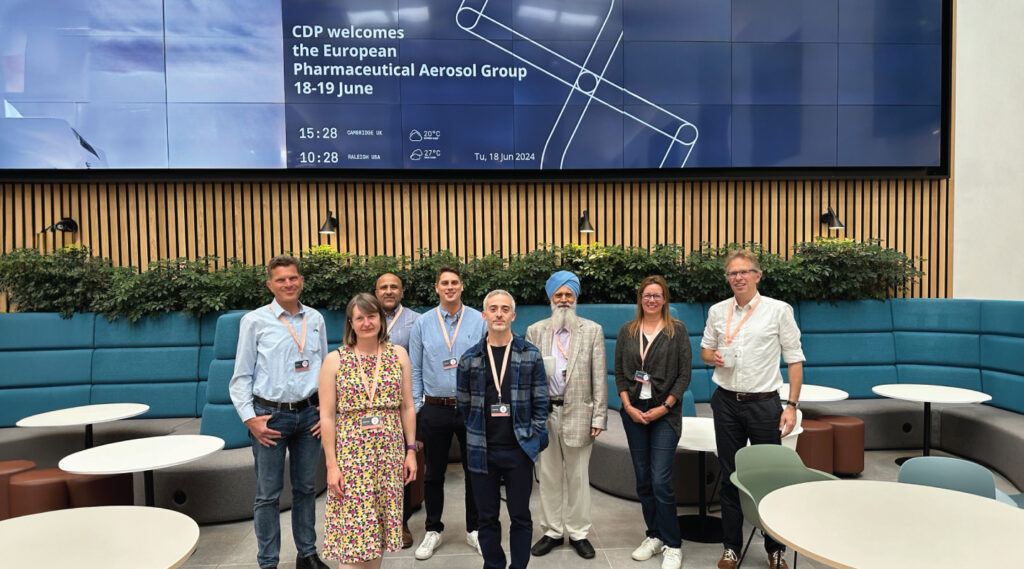
Members of the European Pharmaceutical Aerosol Group (EPAG) at Cambridge Design Partnership’s UK headquarters.
By Cambridge Design Partnership

Advancements, Challenges, and Opportunities in Developing Respiratory Drug Delivery Devices

Insights from Industry Experts on Training for Patient Technique, the Value of Connected Devices, and the Shift to Low GWP pMDIs.


Recently at Cambridge Design Partnership’s UK headquarters, we hosted an expert roundtable, bringing together some members of the European Pharmaceutical Aerosol Group (EPAG) to share invaluable insights. This article summarizes some of the themes emerging from that discussion, with additional perspectives from our own in-house experts, offering you a comprehensive view of the ideas that are shaping respiratory drug delivery.

The respiratory drug delivery landscape is undergoing change, driven by advances in technology, regulations, and evolving patient needs. While new trends open the door to innovation, they also bring about significant challenges that need to be addressed to ensure that respiratory care is optimal and accessible.

Training for Proper Technique

Highlights from the roundtable:

To simplify the use of inhalers, many companies have adopted an open-inhale-close (OIC) model for their products. However, a lack of standardization remains across different inhaler designs and can result in patient confusion. Addressing this issue will require enhanced training programs to improve patient proficiency in using inhalers.

CDP perspective:

Multi-dose respiratory devices offer unparalleled cost-per-dose benefits compared to many other delivery methods, except for oral drugs. However, within the three major inhaler families (pMDIs, DPIs and SMIs), there are significant differences in how the user accesses the drug and gets an effective, consistent dose. With some inhalers, opening a mouthpiece cover will expose the dose- whereas other inhalers require the user to advance a dose drive as well. Even if the patient can reliably access the dose, variations of inhalation technique can significantly alter the dose profile the patient receives. While it helps that many medications have a wide therapeutic index, erring towards excess dose rather than under dose, users can become confused about how to use their inhalers. Training, frequent check-ups, and easy access to user guides, videos, and healthcare professional (HCP) involvement is critical.

This article from The International Journal of COPD explores inhaler adherence with insight for improving patient compliance: https://www.ncbi.nlm.nih.gov/pmc/articles/PMC10697822/

Unlocking the Value of Connected Devices

Highlights from the roundtable:

Technology demos for connected inhalers have shown great promise, but this extra functionality comes with additional cost and complexity. The regulatory demands around patient privacy present a major obstacle. The investment required must be supported by tangible enhancements in patient outcomes. Furthermore, maintaining patient confidentiality and ensuring sustainability remain challenges. Numerous third-party tools are available for connecting inhalers and offering patient support but articulating a clear patient benefit from this data tracking hasn’t been demonstrated yet. The committee members also observed that getting users to pair a device with their phone could become another barrier to adoption.

CDP perspective:

Inhalers may seem like a natural fit for connectivity due to being multi-dose devices used to manage chronic conditions and prevent the emergence of life-threatening symptoms. However, given the cost considerations associated with developing respiratory devices, it’s essential for connectivity features to demonstrate tangible benefits. One way to prove their worth is by showing improvements in patient outcomes such as reducing adverse events for patients, especially those that have measurable economic impacts, like the cost of hospitalization. The challenge lies in convincing patients of the benefits of using connected devices and ensuring their consistent engagement with the technology to gather relevant data. Regarding sustainability, many pharma companies with a portfolio of respiratory drugs are getting a lot more serious about their environmental footprint. Against this focus on environmental impact, how can electronics (which aren’t essential to safe and effective delivery) be justified?

The Shift to Low GWP pMDIs

Highlights from the roundtable:

Any new low global warming potential (GWP) propellant for pressurized metered-dose inhalers (pMDIs) necessitates new testing, including a Phase 3 clinical trial, incurring additional time and cost in the effort to move away from the current gases used. EPAG experts were encouraged to note that the FDA is spearheading discussions on the updated regulations for drugs with these new propellants, with hope that this may streamline the process in future.

CDP perspective:

The current emphasis is on bringing legacy pMDI-based products to the market using one of the two low GWP gases under consideration – Honeywell’s 1234ze and Koura’s 152a. This shift in the market can have broad implications for inhaler construction, requiring extensive testing and confirmatory clinical trials. While the transition to low GWP gases is extremely important, some industry insiders believe that it is currently stifling innovation in the pMDI space. It is anticipated that once the new gases are established, innovation will benefit from the advancements made in transitioning to low GWP gases, expediting the process of bringing new treatments to previously underserved patient groups much quicker.

Respiratory drug delivery is at a juncture, marked by exciting trends and significant opportunities for innovation. However, the industry also faces considerable challenges that require strategic solutions and collaboration across the sector. By understanding these dynamics and leveraging expert insights, stakeholders can navigate this complex landscape, ultimately enhancing respiratory care for patients worldwide. The path forward involves embracing technological advancements, addressing regulatory hurdles, and prioritizing patient-centric design to achieve better health outcomes.


Watch the Recordings:

To view the presentations that prompted in-depth discussions within the EPAG and CDP teams, please use the link below.

Developing a Novel Device for Localised Deep Nasal Delivery – Rapid Development to First in Clinic

Andrew Fiorini | Healthcare Device Consultant and the second

Model of the Lungs – Applications to Respiratory Drug Delivery

Karla Sanchez | Head of Biomedical Engineering
Mark Allen | Consultant Biomedical Engineering

Respiratory Insights – Respiratory drug delivery systems

INSIGHTS

Industry Insights into the Future of Respiratory Drug Delivery

By Steve Augustyn • Deputy Head of Drug Delivery

Download your copy

DD-Respiratory_Cover-web

Advances and Opportunities in Respiratory Drug Delivery

Discover the exciting possibilities on the horizon for inhalation device design with our latest resource, “Breathing New Life: Industry Insights into the Future of Respiratory Drug Delivery”.

This e-book explores recent advancements and highlights innovative strategies crucial for developing significant new treatments.

Gain expert insights on:

The potential value of through smart inhaler technology.

Shifting away from high GWP propellants.

Maintaining drug stability and delivery precision across varied respiratory conditions.

Integrating innovation with user experience and sustainability in device design.

Developing customized devices for groundbreaking clinical research.

|
Find the authors
on LinkedIn:

Exploring the potential (and pitfalls) in on-body large-volume injectors

In a recent Q&A with Healthcare Packaging, CDP’s Clare Beddoes and Stephen Augustyn discuss the latest trends in on-body large-volume injectors (LVIs) and what they expect to see in 2024.


Clare Beddoes

Clare Beddoes

Head of Drug Delivery

Steve Augustyn

Steve Augustyn

Deputy Head of Drug Delivery

Here are their key takeaways:

There are a growing number of untapped disease states for on-body LVIs

“In terms of  large volume drugs that could be appropriate for delivery via an on-body LVI, conditions such as neurological disorders, oncology, and autoimmune diseases present promising opportunities.” 

On-body LVIs present both pros and cons when it comes to sustainability 

“Compared to traditional autoinjectors, the pros lie in enabling more patients to receive treatment at home, reducing travel and clinic resource usage. However, on-body LVIs are notably more complex than autoinjectors, involving adhesive patches, sterility barriers, intricate fluid paths, and often electromechanical drive systems.”

The two main hurdles to commercializing on-body LVIs are cost and risk

“Companies are understandably cautious about risk, often preferring to launch conventional devices initially, while avoiding adding risk on top of risk with a new device for a new drug product. Technical complexities, novel primary containers, device costs, and manufacturing for lower production volumes create hurdles.” 

Regulatory challenges have seen a significant improvement since 2022

“ISO 11608 Part 6 offers a clearer framework than before, when these devices were verified as infusion pumps, focusing on ‘rate accuracy’ and not ‘dose accuracy’. The regulatory route is much better understood and there are now products on the market, which gives confidence to device manufacturers.”

Device manufacturers are pushing to enhance automation for large and small-batch production

“In terms of assembly and packaging, high-speed automation rarely makes sense below 2m units a year, so below that, semi-automated or manual processes remain, adding to the device cost. However, some committed device manufacturers are pushing to enhance automation using well-considered device design and process monitoring.” 

In summary, the industry still favours established options like autoinjectors, with some pharma companies preferring to use two autoinjectors rather than deal with the complexity of an on body delivery system. However, as LVIs become more established, the anxiety around their use will diminish.


Missed our keynote at Pharmapack?

In their keynote session this year, resident experts in Combination Products, Head of Drug Delivery Clare Beddoes, and Deputy Head of Drug Delivery Steve Augustyn, asked: Where are all the on-body delivery devices?

Explaining the need to deliver innovation fast, they covered:

  • Barriers to market that on-body devices face and how to overcome them.
  • How to navigate relevant drug product pipelines, regulations and standards.
  • Future drivers for successful LVI development.

“The huge demand for high-volume biologics that was expected to drive on-body systems hasn’t materialized, or the devices are proving extremely complex and difficult to assemble. [But] as LVIs become more established, the anxiety around their use will diminish.” 

– Steve Augustyn

Connect with CDP

For more on how to navigate the technical and commercial complexities of on-body large-volume injector development, contact Cambridge Design Partnership.

Innovations in Oncology|María|Antibody
Find the authors
on LinkedIn:

Innovations in Oncology: Past, Present, Future


This article will explore five exciting developments in the field of oncology and how advances in diagnostics, data analytics, cell biology and delivery devices are enabling oncology companies to bring the hope of longer, healthier lives to a wider range of patients than ever before.

First, let’s look at the history of this field of medicine and the current state of play. It is a disease that has plagued us for millennia. The oldest known records date as far back as Ancient Egypt, when the great physician Imhotep described a “bulging in the breast” for which there was no therapy. Thankfully, we’ve come a long way since.

A history of oncology: a whistle-stop tour [1]

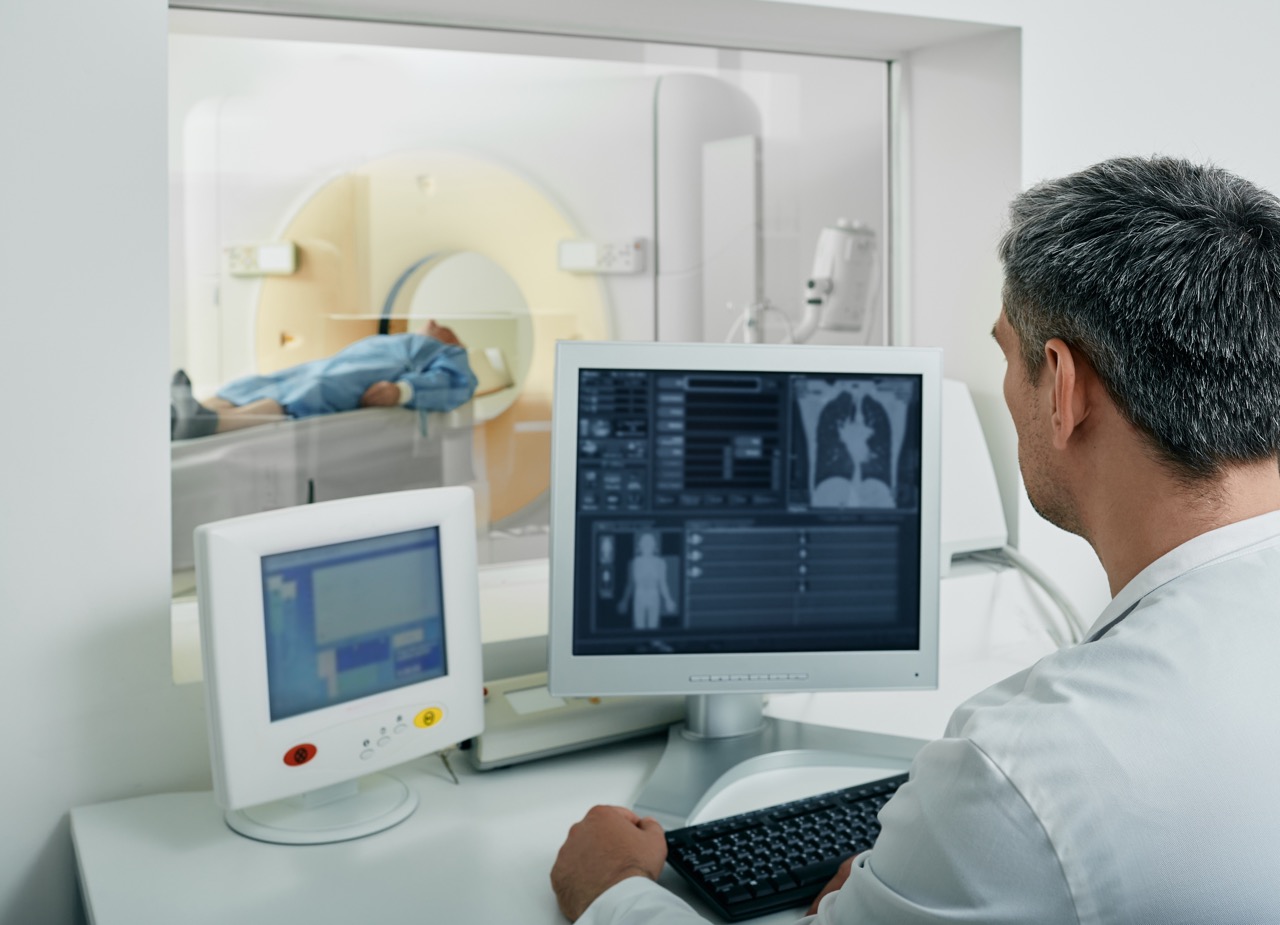
Doctor radiologist running CT scan for patient's body lungs from control room. Computed Tomography

Modern surgery (the 1800s):

Surgeons faced severe limitations until the discovery of anaesthesia and antisepsis in the late 1800s. By the early 1900s, sophisticated surgeries had become commonplace, and it was possible to treat a wide range of early-stage cancers by surgically removing solid tumours.

Radiation and chemotherapy (late 1800s-1900s):

The discovery of X-rays in 1895 ushered in the era of radiation therapy. Chemotherapy followed in the mid-1900s, with the first effective cytotoxic drug found in nitrogen mustard, a derivative of the mustard gas used as a chemical weapon in WWI.

Progress in the 1950s-60s:

A flurry of discoveries in the 1950s and 60s yielded gains in cancer prevention, detection, and treatment. Notable achievements include proving the link between smoking and lung cancer, the introduction of cervical cancer screening, and advancements in chemotherapy.

The knowledge revolution (1980s-present):

The 1980s marked a turning point in our understanding of cancer biology. What was once thought of as a monolithic disease, and then a collection of altogether disparate conditions, is now understood to be a group of related diseases. Underneath the heterogeneity of cancer lies a consistent pattern: mutated genes that typically sit at key junctions in cellular signalling pathways, granting the cell distinctive pathological capabilities (e.g., the ability to evade growth-curbing mechanisms).

With the discovery of proto-oncogenes, tumour suppressor genes, and an understanding of the ways in which they disrupt specific cellular pathways, came the promise of (molecular) targeted therapies. Herceptin was one of the first: a monoclonal antibody specifically engineered to target and block receptors encoded by the HER2 oncogene.

New insights also paved the way for better prevention and diagnostics, such as the development of preventative cancer vaccines and the use of cancer biomarker assays to improve clinical decision-making.

Oncology today: a global challenge

The knowledge revolution continues, with over 700 proto-oncogenes and tumour suppressor genes identified by 2018, providing a cornucopia of potential treatment targets. However, the focus has shifted from “finding a cure” to prolonging healthy life through better prevention and care. And it’s working: in the US, the age-adjusted cancer death rate dropped by 22% between 2005 and 2020 [2]. But challenges persist, including:

  • Detecting cancer early when it can be most successfully treated
  • Identifying the best treatment for each patient
  • Targeting treatments to kill cancer cells while minimising off-target toxicity effectively
  • Increasing equitable access to prevention and care 

Oncology tomorrow: a multidisciplinary solution

Opportunities that were previously unimaginable are now within our grasp – we have unprecedented insight into cancer and access to powerful new technologies. Here are five developments we’re excited about:

1. Investments in decentralised testing

In the world of oncology diagnostics, decentralised testing can help more patients get an earlier and more accurate diagnosis, improving their chances of survival.

Elsewhere in diagnostics – notably respiratory illnesses and sexually transmitted diseases – there has been a successful decentralisation of testing. An abundance of point-of-care tests are available, along with the infrastructure to support them. By speeding up diagnosis, these tests streamline the process from the appearance of symptoms to the patient receiving the correct medication.

In cancer diagnostics, this decentralisation hasn’t been possible to date. The vast majority of testing still requires a biopsy and subsequent analysis in a pathology lab; throughput is therefore constrained.

Ultimately, science is only part of the answer.
There is also a need to improve workflows across
the entire diagnostic journey, from sample collection
and preparation to data interpretation.

Emerging cell-free DNA methods, which use liquid biopsies, can potentially reduce the reliance on solid tumour biopsies, but limited sensitivity restricts their applicability. Ultimately, science is only part of the answer. There is also a need to improve workflows across the entire diagnostic journey, from sample collection and preparation to data interpretation. Here, too, progress is being made. For example, the UK has seen investment in Community Diagnostic Centres – vastly increasing computed tomography (CT), magnetic resonance imaging (MRI), and ultrasound scanning capacity to reduce the time to diagnosis [3].

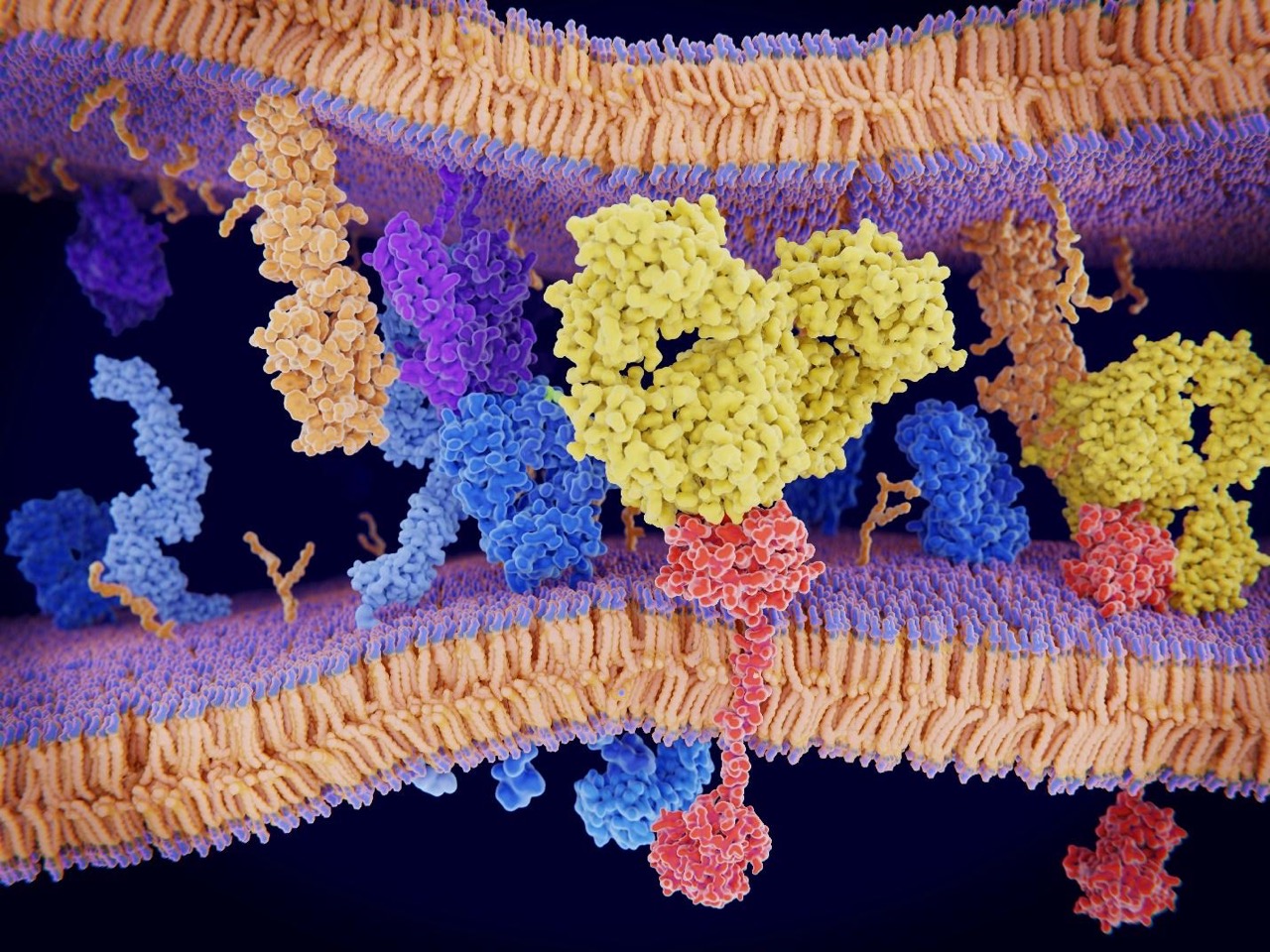
A monoclonal antibody (yellow) blocks the interaction of PD-L1 with PD-1

2. Big data meets precision oncology

Once a diagnosis is made, clinicians must choose the most appropriate course of treatment. High-throughput sequencing technology and large-scale cancer genome studies have put a wealth of data at their disposal to aid in this decision. Precision oncology aims to harness that data to improve outcomes by using mutation analysis to guide treatment decisions for individual patients. However, making this a reality has turned out to be far more complicated than it sounds.

To be clinically useful, genetic or biomarker tests should be sufficiently predictive of treatment response from a targeted agent (e.g., HER2 positivity in breast cancer is predictive of susceptibility to Herceptin). Finding such test/treatment targets in the vast quantities of multi-omic data by brute force (and then developing or pairing with suitably matching drugs) requires immense computational power, which has so far been a limiting factor.

Because of its superior pattern recognition capabilities,
we’re excited about the potential for artificial intelligence (AI)
to change the game entirely.

Because of its superior pattern recognition capabilities, we’re excited about the potential for artificial intelligence (AI) to change the game entirely. For example, AI could leverage the ever-growing stores of data to more efficiently:

  • Identify driver mutations that may also be actionable drug targets
  • Generate and down-select potential drug candidates with in-silico screening
  • Identify predictive biomarkers that could be used to match patients with the most appropriate therapy

Of course, it’s early days for the application of AI for this purpose and making the best use of the data requires as much of it as possible to be publicly accessible, as well as the development of standard tools and conventions to improve cross-centre collaboration – so we’ll monitor developments with interest.

3. Foundational models of the cell

The promise of AI in oncology goes well beyond pattern recognition: just as foundation models have been developed for language (and are now used to power chatbots and generative AI), they could be developed for biological systems. Imagine general-purpose models of human cells of human cancers that could be adapted to represent specific patient cohorts or even individual patients (e.g., digital twins).

The models might be quite intricate, representing
a hierarchy of structure – from organ systems,
through tumours and their microenvironments,
to individual genes and the proteins they encode.

The models might be quite intricate, representing a hierarchy of structure – from organ systems, through tumours and their microenvironments, to individual genes and the proteins they encode. They could be adapted to assist in drug discovery, trial design and monitoring, and clinical decision-making. For example, to:

  • Simulate the effect of potential treatments on different patient populations
  • Evaluate treatment options in a specific cohort

Key to the successful implementation of such models is explainability: the ability to explain the model’s behaviour and its decisions in human terms. Additionally, to unleash their full potential, these models should not be static but rather learn continuously as new data is acquired – which will pose an interesting regulatory challenge.

4. The right device for the right patient at the right time

Once an appropriate therapeutic agent has been identified comes the challenge of delivering it safely and effectively. Here, the choice of administration route and delivery device are crucial.

In therapeutic areas such as rheumatoid arthritis, drugs that were previously delivered intravenously (IV) have long been available for subcutaneous (SubQ) self-administration – a transition made possible by improvements in formulation as well as device technology (e.g., autoinjectors).

A similar trend of IV to SubQ for in-home self-injection has been forecast for anticancer drugs for some time, with the promise of reducing the treatment burden for patients and healthcare systems [4]. It hasn’t quite materialised, and for good reason:

  • Most traditional cancer therapies are vesicant (i.e., known to damage subcutaneous tissue) and, therefore, fundamentally unsuitable for SubQ administration
  • Many are hazardous to handle: the risk of a leakage causing harm is high in a home or self-administration setting
  • Many patients need to be seen face-to-face by a clinician because their therapy requires variable dosing or close monitoring for side-effects

… there is certainly room for subcutaneous
delivery in oncology and even self-administration
– if the risk/benefit profile for a specific
patient and therapy warrants it.

As evidenced by the small but growing number of regulatory approvals (mostly in the form of pre-filled syringes or syringes prepared by the hospital pharmacy), there is certainly room for subcutaneous delivery in oncology and even self-administration – if the risk/benefit profile for a specific patient and therapy warrants it.

The solution, however, is not a push for wider adoption of any specific device technology but rather device selection that is underpinned by a thorough understanding of all stakeholder needs. Not just the immediate needs of the patient, clinicians, and formulation but also the wider context in which the therapy will be administered (care workflow, reimbursement pathways, etc.).

Interventional radiology. surgeon radiologist at operation during catheter based treatment with X-ray visualization.

5. Devices for targeted drug delivery

Cytotoxic chemotherapy has long been the mainstay of oncology treatment: it is versatile and effective. The problem is that off-target toxicity limits its tolerability. Targeted delivery aims to address this challenge by increasing drug concentration in cancerous tissues relative to healthy ones. This can improve efficacy while reducing side effects.

Drug-loaded nanoparticles, which are delivered systemically, have been investigated since the ‘90s as a way to achieve selective binding to tumour targets. However, despite extensive research, the number of such therapies available to patients is well below projections; promise in animal studies often fails to translate to success in humans [5].

We’re encouraged by the potential of targeted
delivery, for example, direct injection of cancer
drugs into tumours, as well as the use of
implantable pumps and reservoirs.

We’re excited about the potential of targeted delivery, for example, direct injection of cancer drugs into tumours, as well as the use of implantable pumps and reservoirs to access pharmacological sanctuaries such as the blood-brain barrier.

There is a robust pipeline of intratumoral therapies, with drugs for melanoma leading the charge – partly because the lesions are often superficial and, therefore, easier to find and inject into. Delivery to deeper tumours is more challenging and is currently conducted by highly skilled clinicians with imaging support – therefore requiring the development of delivery devices that provide a high degree of flexibility and control over the injection technique

Early diagnosis and targeted treatment offer hope of better outcomes

Oncology has come a long way and will continue to evolve with our growing understanding of the disease and the emergence of new technologies to prevent, detect and treat it. We’re excited to see innovations along the entire care pathway:

  • Investments in decentralised testing, including the development of cell-free DNA technologies, to allow faster and more accurate diagnosis
  • The potential of AI to revolutionise drug discovery and development and to help clinicians match patients to the most appropriate treatment
  • Improvements in delivery device technology to allow for safer, more targeted, and effective treatment


The journey continues, and hope prevails.

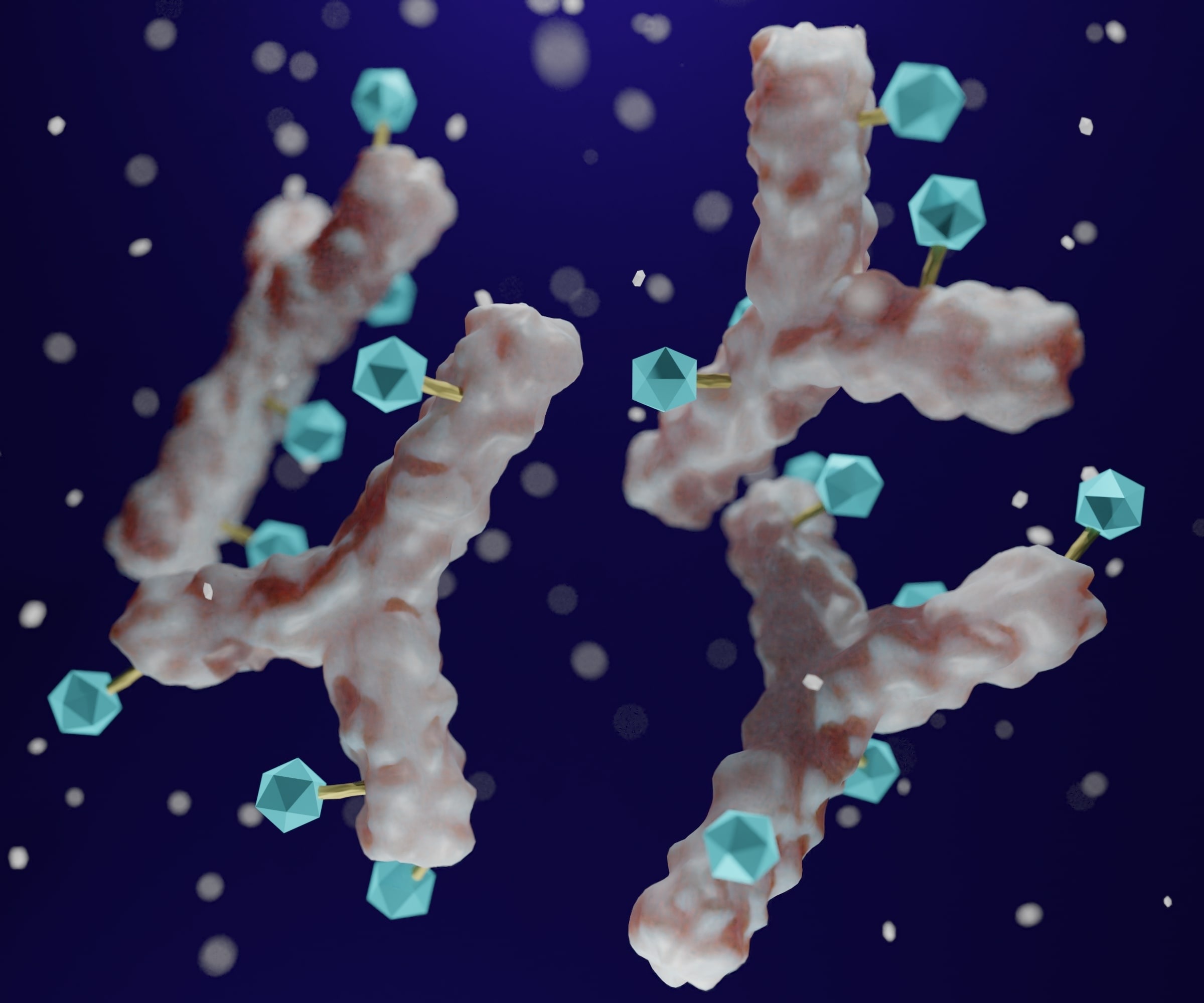
Antibody,Drug,Conjugated,With,Cytotoxic,Payload.,Antibody,Linked,To,A

References
  1.  The Emperor of All Maladies: A Biography of Cancer, by Siddhartha Mukherjee
  2. National Center for Chronic Disease Prevention and Health Promotion (U.S.). Division of Cancer Prevention and Control. An Update on cancer deaths in the United States (2022).
  3. https://www.gov.uk/government/news/government-to-deliver-160-community-diagnostic-centres-a-year-early
  4. Levêque, D. Subcutaneous Administration of Anticancer Agents. Anticancer Research 34 (4) 1579-1586 (2014).
  5. Mitchell, M.J., Billingsley, M.M., Haley, R.M. et al. Engineering precision nanoparticles for drug delivery. Nat Rev Drug Discov 20, 101–124 (2021).

Get in touch

For more on how to accelerate meaningful innovation in oncology contact Cambridge Design Partnership.

Bespoke device for targeted intranasal delivery

Taking a drug to first-in-human trials in a bespoke device for targeted intranasal delivery

Featured in ONdrugDelivery, Mark Allen, Andrew Fiorini, and Shai Assia discuss the need to develop delivery devices early when formulating nasally delivered drugs for systemic and local action, and a method by which the route to clinic can be made easier, faster and cheaper.

Systemic delivery has long been the mainstay of drug administration, whether via the oral, injectable, inhalable, nasal or another delivery route. There are, of course, many well-documented downsides of systemic delivery, including unintended side effects in locations beyond the drug target and reduced efficacy due to dose safety requirements to reduce those side effects. Targeted drug delivery can address many of those issues1 with targeted intranasal delivery, in particular, having the potential to treat many debilitating conditions, from as yet underserved conditions, such as cluster headaches, through to central nervous system (CNS) conditions such as Alzheimer’s disease. Indeed, there are currently many active studies on therapeutic delivery via this specialised route2. These targeted treatments have the potential to improve the lives of patients, their families and their carers immeasurably.

However, the key challenge lies in achieving the delivery of an accurate dose to a precise location within the nasal anatomy. A device that can enable that targeting is intrinsically linked to drug efficacy, meaning that it is necessary to consider device development earlier in the process than usual. In comparison, a drug intended for parenteral delivery has the well-trodden option of using a vial and syringe for administration by a healthcare practitioner during early development phases while proving basic safety and efficacy. A more complex drug delivery system can then be sourced or designed (if required) in parallel, ready for use in Phase III trials as part of a combination product development pathway.

“The key challenge lies in achieving the delivery of an accurate dose to a precise location within the nasal anatomy. A device that can enable that targeting is intrinsically linked to drug efficacy.”

This off-the-shelf-device approach, aimed at reducing the risk and cost associated with early-stage clinical studies, is not an option available to those developing highly targeted intranasal delivery – most of the currently available nasal devices are designed to coat as much of the nasal cavity as possible, making them unsuitable for delivery to a precise area. A nasal device with a broad spray pattern may even lead to the drug not reaching the intended target area at the required dose level.

So, how can a new, bespoke device be developed and made available for the initial Phase I and II trials? These are complex devices that need to be suitably well designed to ensure that patients or clinical professionals can use them during clinical trials to administer the drug accurately and repeatedly to the correct location, often deep in the nasal cavity.

To answer this, a minimum viable product (MVP) prototype device can be designed for the needs of the Phase I and II clinical trials. Designing for use within the controlled setting of a clinical trial and prioritising solely patient safety, spray geometry and usability (relating to holding and positioning the device) at this stage can considerably reduce the effort, cost and time required to reach the clinic. This MVP device will then allow the safety, efficacy and feasibility of the self-administered, targeted intranasal delivery method to be proven during these early clinical trials. The device performance and usability are critical to correctly delivering the drug, so learnings from this MVP device can be used in the further development and refinement of the device for Phase III trials, as well as the future commercial-scale device. Carrying out risk assessments and timely iterative testing (via formative studies) on the usability of the device is crucial; misuse or an inability to use the device could stop the patient from administering the drug to the intended location within the nasal cavity, or even cause harm, ultimately preventing the drug from achieving its intended therapeutic effect. Therefore, usability and human factors engineering must be incorporated into the design and development process from the start.

Defining a usable design

The challenge for the device development team is to successfully incorporate design for usability throughout a “lean” MVP device development process, meaning that a safe, usable device must be produced with reduced cost compared with traditional development processes. This can be achieved by careful adaptations to the typical design for usability process. When applying user-centric design principles, as outlined in ISO 9241-210, four steps should be followed:

  • Understand the context of use
  • Define the requirements
  • Build the design
  • Evaluate the design against the requirements.

Although this is not the only relevant ISO standard (others, such as ISO 62366, cover the application of usability engineering to medical devices), ISO 9241-210 provides a set of recommendations and requirements for applying user-centric design principles within design and development activities. These processes help to identify “real” user needs and usability challenges, which can then be used to establish a clearer framework for user interaction and interface design.

Understand the Context of Use

Consideration of the patient, including when and why they are receiving treatment, is essential. For example, if a new targeted nasal delivery device is to replace a healthcare practitioner-administered treatment, it is likely that the patient currently visits a clinic to receive their treatment, disrupting their schedule and placing an additional burden on the healthcare system. A self-administered device will naturally put the patient in control of their treatment and improve their quality of life – as has been witnessed through the advent of self-injection devices. However, targeted nasal delivery relies on the patient not only following the treatment regimen and using the device correctly, but also positioning the device accurately to ensure that the drug is delivered to the precise location intended.

“The best form of information gathering is to consult the patients themselves – they know their needs, and frustrations, better than anyone.”

Another key factor in the design process is predicting how a patient may interpret the device and, therefore, how they would go about using it. This is where the concept of mental models is useful, as it reflects the patient’s perception of how a device works and how to use it based on the patient’s experiences of similar devices. Perception is what a patient sees, hears, touches or smells, which, in turn, triggers mental recall and cognition, which then drives their actions.

The best form of information gathering is to consult the patients themselves – they know their needs, and frustrations, better than anyone. Clinicians and caregivers can provide additional information about patient behaviour and trends based on their experience across a wide range of patients, but their answers should take second place.

Speaking to patients is crucial to building an understanding of the context of use; however, care must be taken with the specific questions asked – they must be suitably phrased to avoid leading patients to give similar answers, but also to gather the information required to guide the device design via user needs. Working with experienced insight researchers and human factors experts can greatly increase the value gleaned from patient interaction throughout the design and development process.

Define the Requirements

Once the context of use is understood, the findings and needs of the patient must be converted from a range of opinions and perceptions into clearly defined requirements. It is essential to align patient needs with requirements in a format that can be validated. Similarly, technical requirements need to be verifiable, while also ensuring a cost-effective and usable device design.

User requirements should drive the technical requirements for the device. Requirements are living documents, so each set of patient interviews will typically lead to updates to the requirements throughout the design process. Equally, unknown parameters in the requirements documents can be used to drive patient interviews that can, in turn, be used to refine the requirements further or provide specific values for the device design team. These documents and patient interviews can then both be iteratively tested and updated as required.

Build the Design

The design stage is the point at which activities can be prioritised to reduce development time and costs by differentiating between a prototype device suitable for first-in-human testing and a fully developed and validated device. Here, the typical process of concept generation followed by down selection (via assessment against device requirements) is used to identify a suitable device design for further development.

Once initial prototype devices are available, engineering testing against the requirements can be performed to provide confidence in the design. Full design verification testing is not required at this stage, but sufficient evidence should be generated in the key areas, including safety and dose delivery performance. Development and evaluation of the important training materials, such as the instructions for use, should be started, but with a lowered risk assessment burden, in the knowledge that there will be clinicians available during initial trials.

“Once initial prototype devices are available, engineering testing against the requirements can be performed to provide confidence in the design.”

Focusing on the requirements of the MVP will accelerate time to clinic by concentrating on safety and usability. This MVP device is equivalent to a syringe and vial or prefilled syringe in injectable development for systemic treatments, so there will be future opportunities to refine the design for Phase III trials and commercial launch. This is an appropriate strategy, as the devices will only be used under supervision at this point. All learnings from the study can then be prioritised and incorporated into the final design as required, according to risks identified.

“Once a final prototype has been developed, it must be evaluated against the design requirements by design review, engineering testing and formative human factors studies.”

Evaluate Against Requirements

Once a final prototype has been developed, it must be evaluated against the design requirements by design review, engineering testing and formative human factors studies. This should incorporate a usability assessment for self-administration and simulate as many real functionalities as possible, including tactile, visual and auditory feedback from the device. This process should prioritise evaluating areas highlighted as high risk during previous activities, but also gather information on any additional learnings relevant to future design updates.

The Future of Targeted Intranasal Devices

The approach discussed here aligns with developing a bespoke prototype device suitable for first-in-human trials for targeted nasal delivery. The success or failure of this strategy depends on the nature of the collaboration between the pharmaceutical partner and the device design engineers, as well as in the experience of the insight researchers and usability engineers. Experience in the process required to develop a usable device is critical to the successful outcome of such a project and will pave the way for bringing a device to market in this new and exciting area of nasal drug delivery. It will be fascinating to see just how many new, life-changing improvements will be made possible by targeted nasal delivery.


References
  1. Hanson LR, Frey WH 2nd, “Intranasal delivery bypasses the blood-brain barrier to target therapeutic agents to the central nervous system and treat neurodegenerative disease”. BMC Neurosci, 2008, Vol 9(Suppl 3), S5.
  2. Hallschmid M, “Intranasal Insulin for Alzheimer’s Disease”. CNS Drugs, 2021, Vol 35(1), pp 21–37.


Connect with CDP

For more on how to develop bespoke targeted intranasal delivery devices and accelerate drugs to first-in-human trials, contact Cambridge Design Partnership.

New frontiers in implantable neuromodulation therapies||Medical Therapy article|New frontiers in implantable neuromodulation therapies|||
By Cambridge Design Partnership

New frontiers in implantable neuromodulation therapies

Neuromodulation, where electrical signals in a patient’s nervous system are modified or stimulated to deliver a therapeutic effect, continues to be an exciting and evolving space within the healthcare sector.

There are many drivers contributing to its advancement. Ongoing clinical neuroscience research fueling new possibilities in neuromodulation therapies, the invention of new technologies, and the development of new product formats to meet unmet needs, are all notable factors.

Additionally, there has been increased acceptance and presence of established therapies for implantable devices – such as deep brain stimulation for Parkinson’s disease, spinal cord stimulation for chronic back and leg pain, and vagus nerve stimulation for epilepsy and depression – with Medtronic, Boston Scientific, Abbott, Nevro and others leading the industry.

In all, these factors have made the electrical-based neuromodulation space to become one of the fastest-growing medical device markets, with market size expected to rise from $6.09 billion in 2021 to $14 billion by 20301.

The diversity of solutions is evident, with Figure 1 illustrating the current landscape of established and emerging implantable neuromodulation therapies.

web_inline_Neuromodulation-article-4
Fig 1. Selection of established and emerging electrical neuromodulation technologies and their indication

In this first article of a two-part series, we look at a few notable emerging therapies to illustrate how the implantable neuromodulation space is rapidly developing.

Bladder control: beyond sacral nerve stimulation

Addressing continence issues is a growing area in the healthcare sector, where neuromodulation is seeking to play a significant role in specific therapies.

Implant-based stimulation of the sacral nerve has relatively recently established itself as a way of addressing incontinence with the presence of Medtronic’s Interstim and Axonics’ product range. Alongside the sacral nerve, other nerves are being considered for implantable stimulation to address similar conditions and to respond to specific unmet clinical and patient needs.

One alternative is tibial nerve stimulation, which has a history of effectiveness for certain cases in its non-implantable form: percutaneous tibial nerve stimulation (PTNS). The implant-based approach seeks to address a patient and clinician inconvenience of PTNS, i.e., the need for repeated stimulation sessions and user steps2.

An example of such is the BlueWind Revi, which is part implantable (the electrode is placed near the tibial nerve) and, for minimizing invasive procedures, part wearable (a through-body power source). The device stimulates the tibial nerve which is connected to the sacral nerve plexus, containing the efferent and afferent nerve fibers that control the bladder and are responsible for bladder function. Here, the electrical impulses aim to modify the compromised activity of the detrusor muscle in patients with overactive bladder3. The company has recently achieved clinical results on their pivotal trial evaluating safety and efficacy (still under review by the FDA)4.

Similarly, Medtronic is seeking to develop an implantable tibial nerve stimulation system for incontinence which is currently undergoing clinical trials5.

Another nerve for addressing incontinence is the pudendal nerve. Amber Therapeutics is currently developing an implantable closed-loop therapy, Amber-UI, for urge and mixed urinary incontinence. The therapy involves implanting electrodes that can sense, interpret, adapt and respond to individual patient signals, such as muscle contraction, in an attempt to restore normal bladder function. By accessing the pudendal nerve, it aims to treat both urge and stress incontinence episodes for the first time, not possible with existing neuromodulation devices, thereby expanding the overall addressable market. First-in-human clinical studies are expected to conclude by the end of 2023.

Emerging Vagus Nerve Stimulation (VNS) therapies

Along with established therapies for epilepsy and depression, VNS is also being explored for conditions such as Rheumatoid Arthritis (RA) to displace injectable and oral medication.

SetPoint Medical is currently evaluating a novel VNS treatment that activates the ‘inflammatory reflex’ pathway (neurophysiological mechanism by which the central nervous system regulates the immune system) that may decrease the type of excess inflammation that is the underlying cause of RA. Its multivitamin pill-sized MicroRegulator platform is currently an investigational device.

SetPoint Medical is progressing clinical trials not only for RA, but also for Crohn’s disease, and furthermore exploring the therapeutic effect, in animal models, to treat multiple sclerosis with VNS therapy.

Implantable VNS therapy is also being explored for other conditions such as sepsis, lung injury, stroke, traumatic brain injury (TBI), obesity, diabetes, pain management and cardiovascular conditions7. One example of cardio-based therapies include low stimulation of the vagus nerve to liberate the body’s own neurochemicals to improve heart function.

New pain indications

Neuromodulation has worked well in establishing itself to address specific intractable pain of the trunk and/or limbs and for diabetic nerve damage – both conditions treated by implanting electrodes in the epidural space using spinal cord stimulation. In light of this success and available product types, pain specialists are continually seeking solutions from neuromodulation to address different causes for different parts of the body.

This impetus was clearly illustrated in panel sessions and discussions with clinicians attending the American Society of Pain and Neuroscience 2023 conference in Miami. We heard testimonials of how specialists, using available stimulators, succeeded in treating a variety of new pain sources and anatomical locations in the wrist, joints, abdominal region and in one case, at the neck to relieve a patient’s sensation of being choked.

This dynamic led to some clinicians proposing that the future of neuromodulation should also consider the treatment of pain associated with oncology treatments, given the improved extended lives seen in cancer patients. This exploration and success could pave the way for the creation of more established therapies – which would be welcome given the prevalence of chronic pain in the general population and the initiative to deliver non-opioid alternatives.

Novel developments for spinal cord injuries

Along with surgical, drug and stem cell therapies, neuromodulation has also entered the frame for addressing spinal cord injuries.

ONWARD has seen success with its partial and fully implantable versions of its ARC Therapy™ product range, where electrodes are implanted in the epidural space to stimulate the lower portion of the spinal cord affected by the injury that fails to (properly) communicate with the brain. By stimulating these lower nerves, the system aims to help restore and optimize their functioning in connection with the brain. ONWARD indicated that for their ARCIM product, one study demonstrated the ability for long-paralyzed people to stand and walk again with little or no assistance using this therapy.

ONWARD’s products have been granted Breakthrough Device Designation status for a range of indications such as improving upper and lower limb function; bladder control and blood pressure regulation; and alleviation of spasticity in patients with such injuries8.

Also in ONWARD’s pipeline is a plan to integrate an implanted Brain Computer Interface (BCI) which senses the patient’s brain signals relating to the intent of leg/joint movement. In turn, these signals are wirelessly sent to its spinal cord stimulator which can activate nerves which are poorly connected to the brain due to injury. This aims to create a “digital bridge” between the brain and poorly connected nerves to enable and improve the patient’s walking ability. Much research and iteration is anticipated; however, this ambition is indicative of how neuromodulation can be innovative and transformational to people’s lives.

The road ahead for neuromodulation

The above examples only skim the surface of emerging therapies; neurostimulation, neuro-adaptive therapies and BCI technologies are attracting significant research and investment to create new therapies by leveraging the body’s physiological pathways.

We foresee continued progress in materials science, engineering, device design and biomedical research into neuro-physiological understanding of the human body to fuel the foundations for new, highly functional and patient-centered neuromodulation platforms.

We also foresee exciting developments in how targeting different nerves can potentially tackle similar medical conditions while the same nerve can be used to address various indications.

In our next article, we will explore the varied technology drivers and their considerations that are leading to the creation of new, innovative neuromodulation implants.

References
  1. Strategic Market Research website https://www.strategicmarketresearch.com/market-report/neuromodulation-devices-market visited on 12/07/2023
  2. DOI: 10.1186/1471-2490-13-61
  3. DOI: 10.2147/RRU.S231954
  4. Clinical Study Results of the BlueWind System for Patients with Overactive Bladder Featured at the 2023 AUA Annual Meeting. https://www.prnewswire.com/news-releases/clinical-study-results-of-the-bluewind-system-for-patients-with-overactive-bladder-featured-at-the-2023-aua-annual-meeting-301811486.html
  5. Evaluation of Implantable Tibial Neuromodulation Pivotal Study https://classic.clinicaltrials.gov/ct2/show/NCT05226286
  6. DOI: 10.1016/j.xjtc.2022.03.007
  7. DOI: 10.2147/JIR.S163248
  8. Website Onwards https://www.onwd.com/ visited 12/07/2023

Connect with CDP

For more on how to accelerate meaningful innovation in implantable neuromodulation, from device design to clinical translatio, contact Cambridge Design Partnership.

Trends in Respiratory
Find the authors
on LinkedIn:

Trends in respiratory therapies: why pMDIs hang in the balance of new technology

In May 2023, RDD Europe returned to a real-world conference after years of pandemic-enforced online-only presence. The location was spectacular – Antibes on the Cote d’Azur – with the sparkling Mediterranean Sea providing welcome relief from a dismal British spring.

The industry was well represented by device technology companies, CMOs, academics and pharma companies, and the presentations and workshops provided an engaging blend of research and practical advice.

Even though much of my time over the past ten years has been focused on parenteral device development, my career in combination products started in respiratory devices, working on a variety of dry powder inhaler (DPI) and pressurised metered dose inhaler (pMDI) devices, including the GSK Ellipta inhaler. This year at RDD, as I returned to my roots in this industry, three main themes struck me: preparing for the pMDI cliff edge; moving beyond traditional respiratory diseases; and implementing particle engineering for targeted treatment.

There were also two notable omissions: users and connectivity. More on those later.

Preparing for the cliff edge of pMDI propellants

The shift in pMDIs from using HFC propellants towards gases with a lower global warming potential (GWP) has gained momentum, with California imposing a ban on the sale and distribution of R227ea from the end of 2030, and R134a from the end of 2032, including for medical use. This means the end of the line for the sale of all current pMDI products in California, with other jurisdictions likely to follow suit as the world tries to move to a more sustainable solution.

The transition needs formulators, device designers, scientists, and other disciplines to collaborate to solve the challenges presented by the different physical properties of the new gases. Different thermodynamic and fluid dynamic properties can dramatically alter the plume geometry, droplet size and particle velocity, requiring careful redesign of the fluid pathways to compensate for the differences. These challenges were outlined in evidence presented by Recipharm (1), Proveris and Koura (2), and Healthy Airways LLC (3).

At Cambridge Design Partnership, we are receiving far fewer enquiries for pMDI products than DPIs and soft-mist inhalers. Obviously, an n=1 sample does not have a high degree of certainty, but it reflects a general sentiment among clients to focus future developments away from pMDI platforms.

Moving forward beyond traditional respiratory diseases

Asthma and COPD remain the biggest drivers in device and formulation development, much the same way that diabetes treatment has driven pen injector development. Two drivers that our drug delivery team have seen pushing device design in respiratory and the inhalation market are the need for home treatment, rather than hospital centered treatment; and platforms for biological drugs. The other significant drive is for vaccines that are stable at higher temperatures, which can be delivered without leaving behind copious volumes of blood-contaminated medical waste.

One challenge that comes with these new treatment regimens, beyond formulating drugs that will be stable in powder form, is getting the drug to the correct part of the body and making sure it remains present long enough to be effective. One paper from UCL and the University of Hong Kong (4) highlighted a promising approach to developing therapeutic antibodies against future SARS outbreaks. Some of these developments also require higher dose payloads, or API-only formulations; this presents a substantial challenge to device designers to make sure that the inhalation capabilities of different patient groups can achieve the required dose efficiency.

Aptar and Recipharm also shared their own device innovations to present novel spray and softmist technologies based on a syringe primary container. Targeting rapid treatment to the brain via the olfactory route is a much-neglected treatment option, in part due to the challenges of getting consistent behavior with users. At Cambridge Design Partnership, we’ve been working with a pioneering device company looking to exploit this pathway, and my colleague, Clare Beddoes, will be presenting information on this device development at PODD in October.

Enter: particle engineering for targeted treatment

In addition to the paper from UCL (4), particle engineering to target specific areas in the respiratory and nasal pathway was a topic that several posters and presentations addressed directly. Building on standard jet milling techniques, a paper from Aston University explained how isothermal dry particle coating (iDPC) can be used to create more potent formulations without increasing the volume of powder inhaled by the user (5). A third paper from Hovione and two Portuguese institutions focused on the characterization of different particle manufacturing techniques and how they affect deposition in nasal passages (6).

Closing the gap between the early stages of in vitro and in silico models, and the later stage in vivo performance, continues to receive a lot of attention. As the cost of computing power continues to fall, going into clinical or preclinical trials with greater confidence will accelerate time to market and reduce the cost burden on pharma companies looking to novel treatments.

Don’t forget user capability and connectivity

Two areas of development that received relatively little focus at the conference were human factors engineering (HFE) and connectivity – two concerns that are the subject of a great deal of effort in the parenteral sector. Recipharm presented a poster on the HFE advantages of their novel unit dose nasal spray when compared to a reference device (which bore a striking resemblance to an Aptar Unidose Liquid Nasal Spray). Research institution Solvias presented a paper showing how training users can lead to worse outcomes due to misperception of expertise using a device (7). This counterintuitive result demonstrated that patients with limited one-to-one training with a Handihaler showed more errors in use than patients who only had access to the device and IFU.

While these insights were welcome, our in-house team knows that patients continue to struggle to use inhalers reliably and consistently, leaving even the most effective drug products showing variable results.

These challenges for patient use are also being seen in the parenteral market, which is why we are working so closely with our clients to find better ways to train patients and leverage connectivity to improve adherence to medication regimens. These connectivity solutions are often in direct conflict with cost and sustainability targets and finding a route to square this circle is a challenge with which CDP’s designers and engineers are actively engaging.

See you in Tucson?

RDD 2023 was the first RDD conference I have attended. It was great to reconnect with former colleagues and make new connections across the industry. The conference was very well run, and the standard of papers and presentations ensured there was plenty of fascinating material for industry and academia to engage with. I’ve already blocked out my diary for RDD 2024 in Tucson and I look forward to seeing you there.

References

      1. Albuterol Sulfate Metered Dose Inhaler Feasibility Using an Environment Friendly Propellant HFA152a and Novel Valves (Lei Mao, Sheryl Johnson, Nischal Pant, James Murray, Donald Ellis, Benjamin Zechinati, Johnathan Carr and Victoria Cruttenden)

      1. Comparison of Spray Characteristics of P-134a and Low GWP P-152a pMDIs With and Without Ethanol (Lynn Jordan, Sheryl Johnson, Ramesh Chand, Grant Thurston, Deborah Jones, Vanessa Webster and Sally Stanford)

      1. Accelerated Development of MDIs with Low GWP Propellants in a QbD Era: Practical, Regulatory and Scientific Considerations (Healthy Airways LLC and First Flight Pharma LLC)

      1. Inhaled Antibody Therapies: Enabling Prophylactic Protection against SARS-CoV-2 Infection with a Dual Targeting Powder Formulation (Han Song Saw and Jenny Ka-Wing Lam)

      1. Use of Isothermal Dry Particle Coating (iDPC) for the Development of High Dose Dry Powder Inhalers (Jasdip S. Koner, David A. Wyatt, Amandip S. Gill, Shital Lungare, Rhys Jones and Afzal R. Mohammed)

      1. Benchmarking of Particle Engineering Strategies for Nasal Powder Delivery: Characterization of Nasal Deposition Using the Alberta Idealized Nasal Inlet (Patricia Henriques, Cláudia Costa, António Serôdio, Ana Fortuna, and Slavomíra Doktorovová)

      1. Effect of Capsule-Based Dry Powder Inhaler User Training on In Vitro Performance (Oleksandra Troshyna and Yannick Baschung)

Connect with CDP

For more on how to navigate the evolving respiratory device landscape, from propellant transitions to targeted delivery, contact Cambridge Design Partnership.

Neurodegenerative conditions|||||
Find the authors
on LinkedIn:

Neurodegenerative conditions: turning a corner to better treatment?

Pace is accelerating for tackling neurodegenerative diseases. Can we unlock better treatment? Can we reach a cure?

Ageing populations face neurodegenerative conditions, such as Alzheimer’s Disease, Parkinson’s Disease, Motor Neurone Disease, Multiple Sclerosis, and others. These impact an estimated 60 million people worldwide, equivalent to the current UK population.

Whilst each condition has different mechanisms of neurodegeneration, they all have something in common: prognosis is bleak, treatment is limited, and there is no cure.

However, after decades of research, there has been a series of breakthroughs. Here, we focus on two areas of progress: how treatments have moved on and hope for the future.

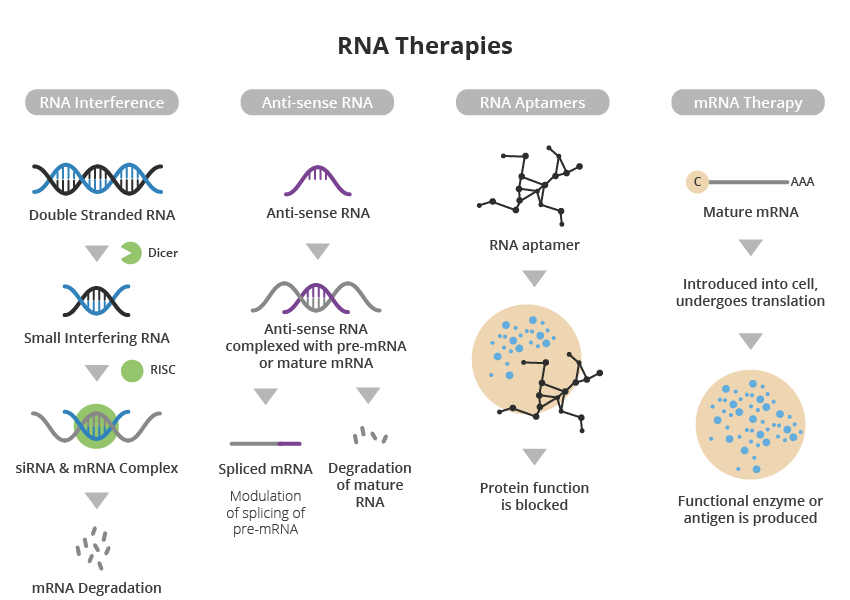
The rise of RNA-based therapeutics 

The effective development of RNA-based vaccines during the COVID-19 outbreak catapulted RNA-based therapeutics into the spotlight. Whilst theoretical knowledge of RNA therapy has existed for over 30 years, the bulk of associated FDA approval for treatments involving the nervous system has occurred in the last decade(1).

A major advantage of RNA-based therapy over conventional small molecule and protein-based approaches is its high specificity and precision, resulting in a more targeted approach to treating disease with specific gene mutations or overexpression.

However, to devise effective RNA-based therapeutics, the genetic hallmarks of the neurodegenerative disease of interest must be known.

Motor Neurone Disease (MND) is one such condition where specific mutations in the SOD1 gene have been identified and in this case, in two per cent of diagnosed cases.

A recent breakthrough in phase three clinical trials targeted this gene using the drug Tofersen. Tofersen, developed by Biogen, directly interferes with the faulty overproduction of SOD1. After six months, patients had a reduction in SOD1 levels, and after 12 months the same patients reported better mobility and lung function(2,3). Although patients with SOD1 mutations only represent two per cent of those living with MND, these trials provide ‘proof of concept’ that similar gene therapy-based approaches may help other forms of the disease.

Another pioneering strategy, developed by Atalanta Therapeutics and Genentech, focuses on a technology called branched siRNA (small interference RNA). This is a type of molecule that helps regulate gene expression by binding to a complementary messenger RNA, which in turn can encode the gene of interest.

Branched siRNA uses novel RNA interference nucleotide technology to suppress the activity of genes that function abnormally, such as mutations. This slows the progression of the disease or stops it altogether.

It is hoped this approach can be applied across multiple neurodegenerative diseases, including Parkinson’s Disease, Huntington’s Disease and Alzheimer’s Disease.

Although testing is still in the pre-clinical stage, the branched siRNA platform aims to enable RNA interference to be deployed as a therapeutic approach throughout the brain and spinal cord. This overcomes the long-standing challenge of achieving adequate distribution within the central nervous system (CNS) to ensure the therapeutic agent reaches the nervous tissue(4,5).

Progress in non-RNA therapeutics 

Non-RNA therapeutics for neurodegenerative conditions also continue to progress. Examples include the monoclonal antibody Donanemab, developed by Eli Lilly. Phase three clinical trials showed it to slow clinical decline by 35% in patients with Alzheimer’s Disease, compared to a placebo(6).

Effective delivery remains a major challenge  

One of the main challenges in developing RNA therapeutics, and therapeutics for the brain in general, remains the efficiency of its delivery to the target tissue.

To treat neurodegenerative conditions, the therapeutic agent aims to reach the CNS. The presence of the blood-brain barrier (BBB), a cell-formed wall separating the bloodstream and the CNS, makes it difficult to deliver drugs. The BBB’s almost impermeable characteristics allow very few molecules to cross and make systemic drug delivery less efficacious.

There are two common approaches to overcome this: re-engineering the therapeutic agent to make it compatible with BBB permeability or bypassing the BBB altogether.

Re-engineering the therapeutic agent

This typically involves chemical modification of the drug (e.g., from water-soluble to lipid-soluble molecules) to enable passive diffusion through the BBB. Another approach is to design drug carriers that mimic the structure of endogenous molecules (e.g., monosaccharides, hormones) to activate carrier-mediated transport or nanocarriers(7,8). Both approaches add complexity to manufacturing.

Another cross-BBB approach is Focused Ultrasound (FUS), where high-intensity sound waves temporarily disrupt the BBB to enable drug-loaded microbubbles to enter the CNS9.

Bypassing the blood-brain barrier 

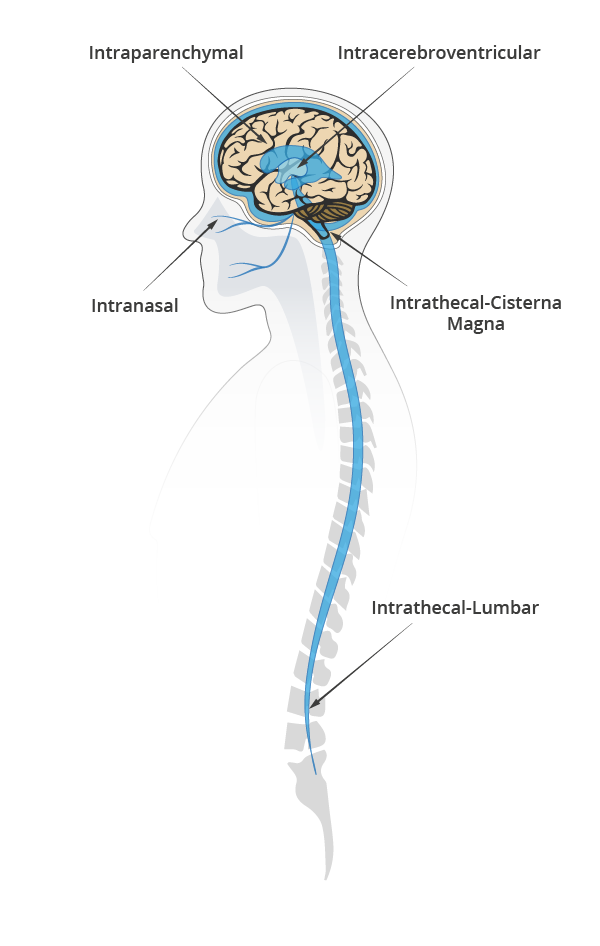
Bypassing the BBB can save time and effort in formulation by using a range of therapeutic agents not constricted by size or BBB compatibility. Of its three most common types of delivery: intraparenchymal, intranasal, and cerebrospinal fluid (CSF) delivery; the latter is often the favored approach, due to lower clinical complexity10.


Evaluating CSF delivery routes 

CSF delivery most commonly include intrathecal (IT) or intraventricular (ICV) routes.

IT involves an injection either on the lumbar or a cisterna magna region to deliver the drug and let CSF pulsatile flow support the distribution of the therapeutic agent in the brain and spinal cord.

ICV is more invasive. It involves two surgical interventions, one to place a catheter connecting the cerebral ventricles to the injection port at the top of the skull and one to remove the catheter.

To date, ICV has two approved drugs (Rituxan for CNS Lymphoma, and Brineura for Neuronal Ceroid Lipofuscinoses type two). IT lumbar injection has one (Spiranza for Spinal Muscular Atrophy) and plenty more in clinical and pre-clinical stages across a spectrum of neurodegenerative and neurological diseases(11). Irrespective of the approach, the trend is clear: less invasive, lower dosage, and targeted delivery is the way to go.

In the race to show safety and efficacy with either invasive or non-invasive approaches, all solutions will have to be patient-centered.

A new dawn for the treatment of neurodegenerative diseases  

The complexities of neurodegeneration have long frustrated scientists and clinicians alike, despite decades dedicated to studying its diseases, aetiologies, and treatments. However, we are making more rapid and more significant progress.

We have some way to go, but we mustn’t overlook the magnitude of these milestones. New therapeutics and delivery techniques are paving the way to more effective and efficient treatment.

By increasing our understanding of genetic hallmarks of the diseases, and using tools such as AI in drug discovery, we can unlock faster pathways to RNA-based treatments. Similarly, by finding innovative ways of demonstrating the safety and efficacy of delivery methods, such as modeling, we can edge closer to less invasive procedures and lower dosages to minimize potential side effects.

We need more research, more awareness, earlier diagnosis, and a better understanding of risk factors to enable prevention and earlier intervention.

But we are now getting closer to better treatment and one day finding a cure.


References 
  1. http://nectar.northampton.ac.uk/16015/1/Anthony_Karen_RNAB_2022_RNA_based_therapeutics_for_neurological_diseases.pdf
  2. https://www.sheffield.ac.uk/neuroscience-institute/news/promising-mnd-drug-helps-slow-disease-progression-and-benefits-patients-physically
  3. https://www.nejm.org/doi/full/10.1056/NEJMoa2204705
  4. https://www.gene.com/stories/pioneering-novel-therapeutics-in-neuroscience
  5. https://www.nature.com/articles/s41587-019-0205-0
  6. https://clinicaltrials.gov/ct2/show/NCT04437511?term=TRAILBLAZER-ALZ&cond=Alzheimer+Disease&draw=2&rank=3
  7. https://www.ncbi.nlm.nih.gov/pmc/articles/PMC8905930/
  8. https://ijponline.biomedcentral.com/articles/10.1186/s13052-018-0563-0#:~:text=Modification%20of%20the%20drug%20to,capable%20of%20crossing%20the%20BBB.
  9. https://clinicaltrials.gov/ct2/show/NCT03321487
  10. https://www.frontiersin.org/articles/10.3389/fnagi.2019.00373/full
  11. https://www.ncbi.nlm.nih.gov/pmc/articles/PMC9305158/


Connect with CDP

For more on how to advance RNA therapeutics and targeted CNS drug delivery for neurodegenerative diseases, contact Cambridge Design Partnership.

||
By Cambridge Design Partnership

Developing future drug delivery systems

WHITE PAPER

Developing future drug delivery systems

BY CLARE BEDDOES, AMY KING & JAMES HARMER

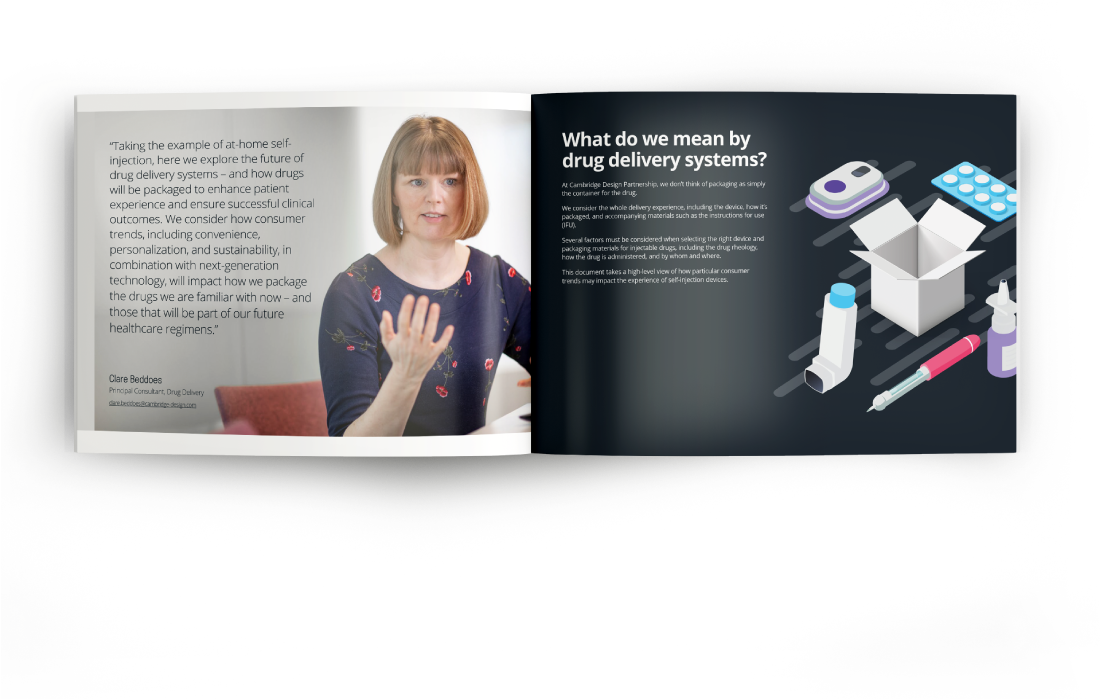
Here at CDP, we don’t think of the packaging as simply the container for the drug. We consider the whole delivery experience, from the device itself through to the accompanying materials such, as the instructions for use (IFU). While several factors must be considered in the selection of the right device and packaging materials for injectable drugs, including the drug rheology, how the drug is administered, and by whom and where, this document takes a high-level view of how specific consumer trends may impact the experience of self-injection devices.

In this paper, we explore:

  • The futuring methodologies needed to stretch strategic thinking
  • How consumer needs – and packaging – are changing 
  • The consumerization of healthcare
  • Improving drug delivery systems that benefit the patient, the planet and the manufacturer

Download the white paper