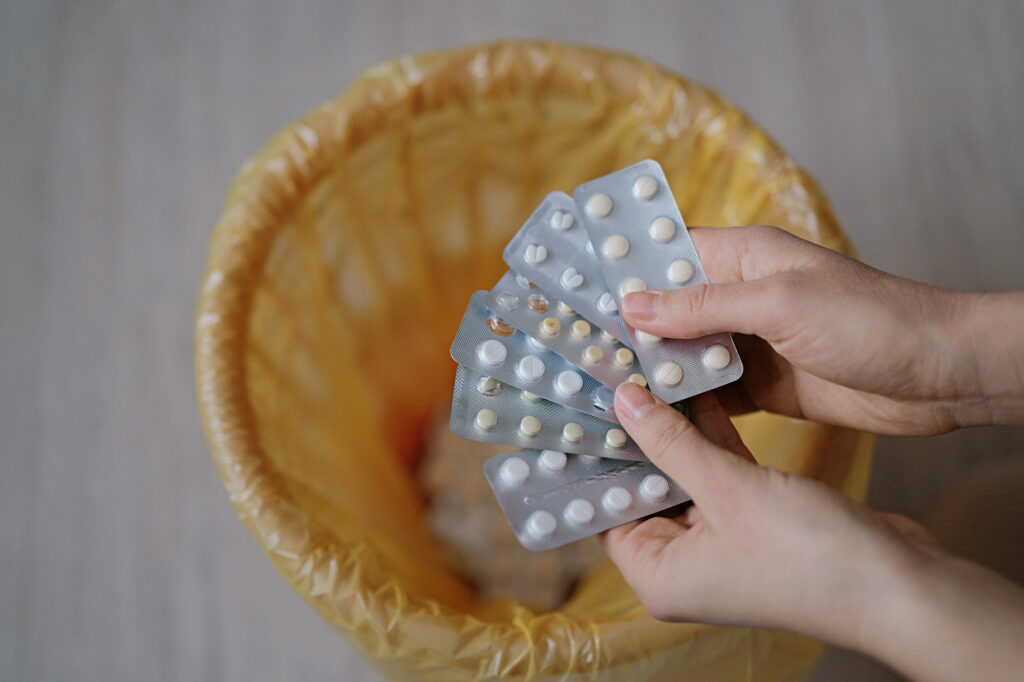

Pharmaceutical blister pack

Sustainable Pharma Packaging Starts with Asking Better Questions

We were delighted to see AstraZeneca and Deloitte nominated for an MCA Award for their work on sustainable pharmaceutical packaging.

Cambridge Design Partnership supported the project through our materials science and manufacturing teams. It is a strong example of what we see with large pharmaceutical clients: sustainable packaging is a product development challenge, not a side issue about greener materials.

The project focused on moving towards fully recyclable blister packaging. Three requirements shaped the work: recyclability, barrier performance and ease of manufacture, all in a regulated market where drug performance and patient safety matter.

That combination shows why pharmaceutical packaging forces us to ask better questions.


A greener material can still be the wrong answer

The narrow question is, “Can we make this pack recyclable?”

The better question is, “What has to be true for a more sustainable pack to work in the real world?”

That moves clients from material preference to product evidence.

A material cannot be judged by its specification alone, or by whether it is recyclable, bio-based, fiber-based or lower carbon. It has to protect the medicine, run on packaging lines, survive transport and storage, meet regulatory expectations, support credible claims and work in the waste and recycling systems where it is sold.

Sustainable pharma packaging is not a material swap. It is a system design challenge.


Supplier data is not product evidence

The narrow question is, “Is this material more sustainable?”

The better question is, “Will this material still protect the medicine after we process it, seal it, pack it and ship it?”

A supplier may present a laminate, film, coating or fiber-based structure with strong barrier data, valid and given in good faith. But it usually describes the material under laboratory test conditions, not after forming, sealing, printing, sterilization, filling, transit and storage.

Once a material enters a commercial process, barrier performance can fall, seals can become inconsistent, moisture protection can become marginal, and machinability can create scrap.

The supplier is describing the material. The development team has to prove the pack.


The current pack may be over-specified

Patient safety is not negotiable. But that does not mean the current pack should always be copied.

The narrow question is, “Can the new pack match the existing pack?”

The better question is, “What pack performance does this medicine actually need?”

With over 25 years working with leading pharmaceutical companies, you soon learn that packs are often based on specifications set years ago. Some requirements are essential. Others may reflect old material choices, equipment limits, qualification decisions or requirements that have not been reviewed for a long time.

There is also a practical reason legacy formats stay in place. Changing a pharmaceutical pack can create cost, project risk and, in some cases, the need for regulatory approval or updated filings. That risk is real. But it is also why the requirement needs to be clear before change is ruled in or out.

That does not mean organizations should lower standards. It means defining the real requirement: barrier performance, shelf life, safety margins, sterility and sustainability all needs to be considered and understood.


Not every sustainability opportunity is worth pursuing

In many of our projects, the useful starting point is not one problem material. It is the portfolio.

The narrow question is, “Which material should we replace?”

The better question is, “Which change is worth pursuing?”

Which formats create the most material burden? Which markets create the greatest regulatory exposure? Which SKUs use more packaging than the protection need justifies? Which changes affect validation or line performance? Which products should be left alone because the benefit is too small or the risk is too high?

That portfolio view matters because the cost of change is real. Packaging lines are optimized, validated and expensive to alter. Changing equipment, requalifying a process or updating a specification can take months if notyears and require major investment.

A material that cannot run at line speed is not a solution. A pack that improves end-of-life performance but creates stability or validation risk is not a solution.


Recyclable in theory is not enough

The narrow question is, “Is this pack recyclable?”

The better question is, “Will this pack actually be collected, sorted and recycled in the market where it is sold?”

For global brands, a pack may be recyclable in one country, misunderstood in another and incinerated in a third. It may need separation steps patients will not perform, or use coatings, adhesives, inks, labels or mixed components that reduce the value of the recovered stream. It may be too small, contaminated, complex or unfamiliar for the sorting system.

Designing for end-of-life means working backwards from real infrastructure: patient behavior, local collection, sorting, recycler tolerance and the actual route in each market.

If that chain breaks, the intended environmental benefit may never appear.


Waiting for regulation is already too late

The EU Packaging and Packaging Waste Regulation is moving packaging towards clearer requirements for recyclability, labeling, waste management and evidence. Healthcare and contact-sensitive packaging has specific treatment because patient protection matters. But that should not be read as permission to wait.

Pharmaceutical packaging changes can take years. If a change affects barrier properties, stability, sterility, line performance or regulatory filings, the timescale expands quickly.

The narrow question is, “What does regulation require next year?”

The better question is, “What packaging choices are we making now that will still be in market when regulation, infrastructure and procurement expectations have moved on?”


Leadership starts with the better question

It’s great to see this our Astra Zeneca and Deloitte collaboration project recognized with a nomination but it is equally important to recognize that the best consultancy projects begin with the client challenge. Real progress starts when companies identify the challenges that need solving and ask the right questions. AstraZeneca has consistently done that on sustainability, creating the impetus for work like this and driving the search for practical solutions.

This work on blister packs is just one element of AstraZeneca’s wider sustainability program. The company has set a goal of 50% waste circularity by 2030 and is already applying circular thinking across the business: from liquid helium reuse to silica waste reduction and its Turbuhaler take-back scheme in Sweden.

That is leadership in pharmaceutical sustainability.

At the heart of CDP’s approach: how to turn sustainability ambition into real products.

Connect with CDP

For more on how to accelerate meaningful innovation in sustainable pharmaceutical packaging, contact Cambridge Design Partnership.

Circularity Isn’t a Sustainability Story. It’s a Business Model Reset.

Circularity Isn’t a Sustainability Story. It’s a Business Model Reset.

Why the next growth opportunity in consumer technology may already be sitting in customers’ homes.

As I prepare for the European Innovation Summit, one of five flagship events within Bucharest Tech Week, bringing together more than 350 CEOs, C-suite executives, entrepreneurs, technology leaders, and innovation practitioners from leading organizations across Europe, my message to consumer technology companies is deliberately simple:

Don’t start your circularity strategy by asking whether a product can be recycled. Start by asking where value is being lost.

That may sound like a sustainability question. It isn’t. It’s a commercial one.

For years, circularity has been discussed through the lens of responsibility, compliance, and environmental impact. But some companies we work with are gaining new advantages because they are not asking us how to minimize waste. They are asking us how to retain value. Increasingly, these turn out to be the same question.


The Old Model is Broken

For the past three decades, many of our consumer technology clients have operated on a remarkably consistent formula: build a product, sell it, upgrade it, and replace it. Each innovation cycle delivered incremental improvements—better screens, faster processors, more sensors, greater connectivity, and lower material and production costs—and together, those increments produced extraordinary growth.

It also concentrated value into a single moment: the initial sale.

Once a product left the factory, most companies had limited visibility into, or influence over, what happened next. When it failed, components reached their end of life, became obsolete, or the product was replaced, much of its remaining economic value effectively disappeared from the system and became complex waste.

That model worked in a world of abundant materials, predictable supply chains, and relatively low replacement friction. But as we know, those conditions are changing…

The world generated a record 62 billion kilograms of electronic waste in 2022, according to figures highlighted by the World Economic Forum. Yet only 22% was formally collected and recycled through environmentally sound processes.

That statistic is often framed as a waste challenge. But at CDP, we work with our clients to elevate it into a value challenge. Every discarded device still contains materials, components, manufacturing effort, logistics investment, and embedded energy that we allow to exit the system. Why?

That statistic is often framed as a waste challenge. But at CDP, we work with our clients to elevate it to a value challenge. Every discarded device still contains materials, components, manufacturing effort, logistics investment and embedded energy that we allow to exit the system.  Why?


A New Model for Value Retention

Circularity is often treated as a new concept, but in many ways it is a return to older economic logic.

There was a time when televisions, washing machines, and other appliances were routinely repaired, refurbished, and reused (Radio Rentals, for those who remember). Products were maintained because it made economic sense to do so. Value was recovered, not discarded.

As products became cheaper, more reliable, and easier to replace, ownership replaced recovery. Repair networks contracted, refurbishment ecosystems weakened, and disposal became the default end state.

For a period, that made sense—and now the underlying economics are shifting again.

Material security is becoming a strategic concern. Supply chain resilience and energy costs continue to influence manufacturing decisions. At the same time, regulation is beginning to move beyond recycling toward more responsible product lifecycles.

European ecodesign requirements for smartphones, feature phones, cordless phones, and tablets came into force in June 2025. The EU’s Right to Repair framework is also being implemented across member states. These are often positioned as compliance requirements, but they are better understood as market signals.

All of this is supported by the work of the Ellen MacArthur Foundation, which advocates for more responsible practices in the development of products and packaging, while also raising awareness across business sectors of the significant economic loss that occurs when circular systems design is not implemented.

They point toward a future where value retention is not optional; it is a competitive advantage for those that harness the economic potential of doing it well and scaling the model effectively.


Connected Doesn’t Mean Circular

One of the defining advantages of modern consumer technology is visibility. Connected devices, software platforms, sensors, and AI now allow companies to understand how products are performing in real time.

In theory, this creates an unprecedented opportunity: knowing where a product is, how it is being used, when it needs maintenance, and when it is approaching failure.

But the digital layer only supports circularity when it enables action—maintenance, repair, upgrade, authentication, return, refurbishment, resale, parts recovery, and material capture. In fact, a world of always-on, AI-enabled physical products acting autonomously at human direction could end up creating more unsustainable practices due to increasing energy consumption demands.

The objective of the consumer tech and healthcare projects we’re working on today is not product connectivity for its own sake. It is extending the useful, productive, and economic life of products for as long as possible, which requires a different design mindset from the outset.


Circular Design is Not a One-Size-Fits-All Solution

A common misconception is that circularity requires a single operating model applied universally across all products. In reality, the opposite is true.

Different product categories carry different economics. A premium smartphone behaves very differently from a low-cost accessory. A gaming controller has different failure modes from a wearable. A connected appliance sits somewhere else entirely.

Product-as-a-service may be powerful in some categories and unnecessary in others. Not every product should be “servitized,” and forcing that model can create friction rather than value.

Even simple products can be designed more intelligently. A kettle does not need to become a subscription service to benefit from circular thinking. It can be designed for easier repair, longer component life, and more efficient material recovery at end of use.

The first question we often ask is not “what is the circular model?” but “what is the right model for maximizing value retention?”

Which products contain enough residual value to justify refurbishment? Which fail due to predictable, replaceable components? Which become obsolete because of batteries, software, or modular constraints? Which should be harvested for parts? Which should move directly into material recovery?

These are not sustainability decisions. They are portfolio decisions, sitting at the intersection of engineering, design, and commercial strategy.


The Return Loops is Where Value is Won or Lost

Even the most elegantly designed circular product fails if it does not come back into the system effectively.

The return loop is where value is either preserved or destroyed.

Once products are returned, they must be identified, assessed, and routed quickly to their highest-value next use. Some will be refurbished and resold. Some will become warranty replacements or service stock. Some will be broken down for components. Others will move into material recovery streams.

Timing is critical. Slow return loops erode value as products sit idle, components age, visibility is lost, and economics deteriorate. Efficient return loops do the opposite: they preserve optionality, and optionality is where value lives.

The real challenge is not simply recovering products. It is making the right decisions about them quickly enough that value does not decay in the meantime.

Philips has shown that circularity scales when product design, operational capability, and commercial incentives align, turning returned products into new revenue streams and generating 24% of revenue from circular products and services in 2024.

Philips is not alone. Companies including Apple, Cisco, Dell Technologies, HP, Schneider Electric, and Michelin have all invested in circular business models built around repair, refurbishment, remanufacturing, product take-back, and lifecycle extension. While the models differ by category, the principle remains the same: keeping products, components, and materials working at their highest value for longer, rather than relying solely on the next new sale.

The next generation of market leaders may not be the companies that sell the most products. They may be the companies that recover the most value from the products they’ve already sold.


The Next Competitive Advantage

For a long time, sustainability was treated as a cost center. Circularity is now beginning to look like something else entirely: a growth strategy.

The companies that lead the next phase of consumer technology will not simply be those with the strongest sustainability narratives. They will be the ones that identify where value is disappearing and redesign their products, services, and operations to keep that value in motion.

Sometimes that means repair. Sometimes upgrade. Sometimes refurbishment, resale, parts harvesting, or material recovery. The mechanism is less important than the outcome: keeping value circulating for longer. Because circularity is not really about recycling; it is about recovering value that would otherwise be lost.

At Cambridge Design Partnership, we see this challenge at the intersection of product design, software, systems engineering, service design, and business model innovation. The companies that succeed will not treat these disciplines separately.

They will integrate them.

And in doing so, they may discover that one of the biggest growth opportunities in consumer technology is not the next product they sell, but the value they have already created—and have yet to recover.


From Pilot to Portfolio: Scaling Circular Packaging

From Pilot to Portfolio: Scaling Circular Packaging

We have seen plenty of circular packaging pilots that work in isolation.

A new design that’s more recyclable. An increase in recycled content. A workable deposit return trial that performs well in-store. A positive refill system experiment with a strong story behind it.

Then they stall

Not because the intent was wrong, but because pilots sit outside the full operating system and true commercial pressures. They are rightly protected from the cost, infrastructure, and commercial realities to test and learn consumer behavior, but are often ill-equipped to adapt for scale.

That is why packaging Extended Producer Responsibility (EPR) matters, as this is a scale-centric challenge.

It shifts packaging from a waste topic to a design and business topic. The Organisation for Economic Co-operation and Development (OECD), describes EPR as a policy approach that makes producers responsible through the post-consumer stage, while also generating funding and information for collection, sorting, and recycling systems. And the policy context is no longer theoretical. In the EU, the PPWR entered into force on February 11, 2025, and generally applies from August 12, 2026. In the UK, obligated producers must register, report packaging data, and pay fees. Australia is reforming packaging regulation to align packaging with circular economy principles. Ontario completed its transition to full producer responsibility on January 1, 2026. Canada expects packaging EPR for packaging in most, if not all, provinces and territories by 2030.

So the question is no longer whether circular packaging should be scaled.

The more useful question is this: will compliance effort be treated as a cost of doing business, or used as a lens for sharper portfolio choices?

Because as EPR becomes a reality, companies are forced to define things that pilots can leave vague or don’t answer. Which end-of-life pathway is realistic in each market? How likely is collection and effective sorting in normal conditions? Where is packaging complexity creating cost without improving recovery? Those are not paperwork questions. They are design questions, procurement questions, and portfolio questions. This is why EPR is better understood as a portfolio lens than a pilot trigger. Pilots still matter. They are often essential for testing formats, claims, and consumer participation models. But pilots alone do not tell you how a portfolio performs across geographies, channels, suppliers, materials, and recovery systems. That wider view is where scale is won or lost.

Pilots often succeed because they benefit from exceptional conditions. One geography. One retail partner. One highly engaged consumer group. One supplier willing to stretch. One team willing to intervene when reality gets messy. In some cases, even supportive national policy environments, such as France’s emerging regulatory push on reuse and refill under its circular economy legislation, can effectively act as a scaled, semi-controlled test bed.

Portfolios operate under normal conditions. They carry multiple markets, multiple channels, multiple suppliers, competing cost pressures, and uneven infrastructure. At that scale, the test is not whether a packaging idea worked once. The test is whether it still works when it becomes business as usual.

EPR also brings consumer behavior into focus. Packaging systems only work when people can participate in them. If organizations say they are consumer-centered, this is where that claim has to show up. Legislation should be used not just to meet regulatory requirements, but to design packaging experiences that are intuitive, low-friction, and aligned with everyday behavior. Disposal instructions need to be clear. Return and refill participation needs to feel intuitive. Sorting needs to work in ordinary households, not just in ideal conditions. Get this right, and you improve more than recovery. You reduce contamination, lower fee exposure, and strengthen the overall product experience.  Regulations will then not only encourage circularity, but they create a purposeful moment of action and innovation for companies to strengthen brand trust, delivering tangible value to consumers as well as the business. In other words, EPR can turn circularity from a pilot activity into an operating model that also improves the consumers’ experience, if companies use the opportunity.

Circularity has always been a system design challenge, and EPR is accelerating this advancement. The task is not simply to improve one pack in isolation. It is to understand how material choice, format, infrastructure compatibility, consumer participation, evidence burden, fee exposure, and end market reality interact. That is a different level of discipline, and it tends to expose weaknesses quickly.

A portfolio view allows better questions. Which formats create the highest compliance and cost exposure? Which packs have the weakest real-world recovery pathway? Which material choices add complexity without improving the outcome? Where can harmonization reduce cost and improve recyclability? Which claims are robust, and which are vulnerable? Where could redesign create both environmental gain and economic value?

The strongest companies will not treat EPR as a layer of administration added to yesterday’s packaging choices. They will use it to redesign how those choices are made. In practice, that means defining end-of-life pathways in operational terms, separating what can be standardized globally from what must be adapted locally, evaluating packs with a balanced scorecard rather than a single metric, testing behavior honestly, building the evidence plan early, and staging change across the portfolio where learning is fastest and risk is lowest.

Handled tactically, EPR will bring short-term pain with few long-term gains. Handled strategically, it should shape and accelerate the decisions you ultimately need to make to protect your future.

As part of a strategy, it can become a source of commercial advantage. Not because regulation is inherently beneficial to producers. It is not. But because it can force the level of scrutiny, many organizations have postponed. That scrutiny can lead to fewer problematic formats, better alignment between design and infrastructure, lower material intensity, stronger claims, smarter use of recycled content, and clearer investment cases for reuse, refill, or redesign where those moves are genuinely viable.

The companies most likely to create value from packaging EPR will be the ones that use that pressure to review the portfolio properly and scale the changes that actually work.

At Cambridge Design Partnership, we help teams translate regulatory changes to practical design and engineering action. That means identifying where recovery pathways are weak, where behavioral assumptions are unrealistic, where evidence requirements need to shape the brief earlier, and where material and format decisions are creating hidden risk. Typically, that means combining circular diagnostic work, sustainability screening, Sustainability Clean sheeting, human-centered design, engineering validation, and regulatory readiness into a single decision process.

It’s worth asking one final question. Are you only preparing to comply, or are you using this moment to reshape the portfolio for a more circular and commercially resilient future?

A,Person,Holds,Several,Packs,Of,Pills,Over,A,Yellow

Sustainable pharmaceutical packaging without compromising safety or usability

When people talk about “sustainable packaging,” they often picture quick material swaps and bold recyclability claims. But in pharmaceuticals, it’s rarely that simple.

Pharma packaging is a safety-critical system. It protects sensitive formulations, supports regulatory compliance, and helps patients take the right medicine in the right way, every time.

That’s why packaging teams are under a different kind of pressure: they are being asked to reduce environmental impact while holding the line on performance, patient safety, and supply resilience.

At Cambridge Design Partnership (CDP), we work with pharma and healthcare teams to make that trade space manageable. The goal isn’t sustainability as a side project. It’s packaging decisions that are evidence-led, patient-centered, and durable under regulatory scrutiny.

The structural tension at the heart of pharmaceutical packaging

In practice, pharmaceutical packaging exists inside tight constraints that are in place for good reason:

  • Validated moisture, oxygen, and light barriers (often with narrow stability margins)
  • Strict control of chemical interactions and leachables across materials, inks, adhesives, and coatings
  • Tamper evidence, traceability, and serialization requirements
  • Repeatable, audited manufacturing processes with controlled change management
  • Global regulatory alignment, long shelf-life assurance, long qualification cycles, and post-approval variation burden

However, here is another non-negotiable that is often underweighted in sustainability conversations: patient usability.

In effect, packaging is the interface between medicine and the person using it. It must enable patients to identify the correct drug clearly, complete any necessary inspection (for example, tamper evidence, integrity, or visual checks, where relevant), and access the drug product reliably. If a sustainability change makes a pack harder to open, harder to read, or easier to confuse, it creates a risk that overwhelms the environmental benefit.

As a result, progress is rarely about a single material substitution. Sustainable outcomes come from system decisions – barrier, labeling, usability, manufacturing, logistics, and end-of-life considered together.

Why the pressure is now unavoidable

1. Regulation is becoming a market access issue.

In Europe, the PPWR (Packaging and Packaging Waste Regulation) is now the anchor regime: it entered into force in February 2025 and will apply from August 2026, with recyclability tightening through 2030 and a formal review horizon in 2035 that is explicitly relevant to certain pharma pack exemptions. Here, the key challenge is timing: regulatory clocks move faster than pharma packaging platforms can change.

2. Stakeholder expectations are rising.

At the same time, payers, providers, investors, and patients increasingly expect credible action. Packaging is visible, measurable, and easy to compare – so it’s becoming a practical test of seriousness, not a marketing footnote.

3. The business case is shifting from “nice to have” to “must manage”.

Consequently, packaging decisions now touch cost, resilience, and speed to market: material exposure, waste fees, supply fragility, and late-stage redesign risk. In most cases, getting ahead of change is usually cheaper than reacting when options are already locked.

What we see in real programs

A few patterns show up repeatedly when teams try to move from intent to execution.

The biggest wins aren’t always in the primary pack.
In many cases, primary packaging can be the hardest part of the system to change quickly. By contrast, secondary and tertiary packaging (such as cartons, leaflets, protective elements, and shipping formats) often provide faster, lower-risk opportunities – especially when you design them to reduce total material use, improve transport efficiency, and avoid formats that create sorting and recycling problems.

“Recyclable” is not the same as “safe, compliant, and used correctly.”
For pharma, the right question is usually: What is the lowest-impact design that still delivers stability, compliance, and patient usability? That framing prevents false optimization.

Late redesign is the hidden cost.
When sustainability is added after packaging architecture decisions are made, you end up negotiating against a nearly fixed design. That’s when cost and time blow out – and when risk rises.

A practical framework for executive decision-making

If you’re leading packaging strategy, the most useful step is to turn sustainability into a structured decision process rather than a series of ad hoc requests. Here’s a framework we use with teams to keep work focused and defensible.

1. Define your non-negotiables up front

  • Before exploring options, align on what cannot be compromised:
  • Patient safety and correct use
  • Readability and differentiation (right medicine, strength, dose, expiration)
  • Access and openability under real-world conditions
  • Barrier performance and shelf-life confidence
  • Tamper evidence and traceability requirements
  • Validated manufacturing performance and supply resilience

This avoids “optimizing” a pack into something that fails in the field.

2. Establish a credible baseline, quickly

You don’t need a year-long study to find direction. A focused baseline – material flows, key pack components, manufacturing yield sensitivity, logistics assumptions, and end-of-life reality – usually reveals where the impact sits and where it doesn’t.

This is where we often apply lifecycle thinking and our Sustainability Cleansheet method: Quantify the big cost and environmental impact drivers early so you don’t spend months improving the wrong thing.

3. Build a short list of options and stress-test the tradeoffs

For each option, teams should be able to answer clearly:

  • What changes physically? (materials, structure, labels, coatings, inks, adhesives)
  • What risks move? (stability margin, E&L, usability, line performance, supply continuity)
  • What improves? (impact reduction, cost, simplification, waste reduction, data/traceability)
  • What evidence is needed? (bench tests, line trials, stability, human factors validation)

The aim is not perfect certainty. It’s the early elimination of weak options and disciplined focus on the few options that can scale.

4. Pilot to reduce uncertainty, not to signal virtue

In pharma, pilots only matter if they answer hard questions: manufacturability, patient behavior, stability confidence, and real end-of-life outcomes (not just theoretical recyclability).

We design pilots to generate decision-grade evidence, so teams can commit without gambling.

5. Use “smart print” technologies thoughtfully

Many teams want digital capability – traceability, anti-counterfeit protection, patient guidance, or better sorting instructions – without turning packaging into electronics.

That’s where smart print technologies can help: Printed features (from advanced QR codes and variable data to printed conductive inks and thin printed circuits) can deliver “DPP-style” benefits – linking the pack to verified product data, instructions, and chain-of-custody information – without adding bulky components.

But they still require end-of-life thinking. Even small amounts of conductive ink or functional layers can affect recycling behavior and material recovery if they’re used indiscriminately. The practical approach is:

  • Keep digital features as light as possible (often secondary packaging is the right home)
  • Avoid designs that contaminate or complicate recycling streams
  • Choose materials and inks with recovery pathways, where available
  • Be explicit about the end-of-life intent, not just the in-use feature set

Smart features can support compliance and patient outcomes – but only if they’re designed as part of the packaging system, not bolted on.

6. Build a roadmap that matches pharma timelines

Packaging change in pharma is slow by design: qualification, validation, supplier readiness, and stability programs all take time. That’s exactly why the gap between product development cycles and regulatory timelines matters. The right roadmap staggers effort:

  • Near term: Secondary and tertiary improvements and material reduction
  • Mid term: Architecture changes where stability risk is manageable
  • Long term: Platform shifts and primary packaging strategies aligned to the next regulatory horizon

How CDP helps

Clients bring us in when they need momentum without compromising on safety. What makes CDP different is the way we connect the disciplines that usually sit apart:

The result is packaging strategy that holds up: Lower-impact solutions that are still manufacturable, compliant, and usable – built on evidence rather than hope.

The opportunity

Sustainable pharmaceutical packaging isn’t about copying approaches from consumer goods. It’s about designing within the constraints that matter – stability, safety, usability, and supply assurance – while still making real progress on impact.

If you’re responsible for packaging strategy and you’re facing tighter timelines, rising expectations, and harder tradeoffs, we can help you move faster with confidence.

Connect with CDP

For more on how to accelerate meaningful innovation in sustainable pharmaceutical packaging, contact Cambridge Design Partnership.
environmental sustainability||||||||||

Are we there yet? An honest progress report on our environmental sustainability

“We’re all on a mission to achieve sustainability, working together to build a better business for people and planet”. While it may be true, statements like this don’t offer much insight into what we’re actually doing about our environmental impact. Instead, we’d like to provide an honest assessment of where we are now, what actions we’ve taken so far, and where we’re focusing our efforts in the future.

Sustainability communications are often full of cliché. In their excellent research report ‘Words that work’, creative communications consultancy Radley Yeldar analyzed the websites of 50 of the Forbes 100 most valuable brands and found the same words and phrases repeatedly cropping up. One of the most popular was the notion of a ‘sustainability journey’.

We can see how this happens – in fact, in the first draft of this article, we followed this same path. We want to talk about the progress we’ve made, which we’re proud of, but we know we’ve got a long way to go. We’ve got plans that we want to share – how do we communicate this process while it’s happening? There’s an obvious metaphor!

Part of the reason brands lapse into cliché, says Radley Yeldar, is fear of criticism if they’re brutally honest. So, we’ll try to take their advice, and be brave. Here goes.

An honest assessment

CDP is an Employee-Owned company. A little over a year ago, a group of employee-owners, supported by the management team, started an initiative to measure our performance against the B Impact Assessment, a widely used framework for all-round sustainability impact. Overall, we were very happy with how we measured up – many of the policies, actions and outcomes the assessment checks for were already established.

However, one of the reasons to go through this process was to identify any gaps in our performance. There was one area we decided to focus on, because frankly it was a little behind many other parts of the assessment – our work to improve our environmental sustainability.

What makes us want to improve?

Beyond a desire to have the most positive impact we can, there were three compelling reasons for us to take action:

  1. We’re delighted that more and more of the global brands we work with are committing to ambitious environmental sustainability targets – we want to help them achieve these goals and give them the confidence that we are just as committed to having a positive environmental impact.
  2. We work hard to reflect the needs and priorities of our employee-owners – our only shareholder and biggest asset. Surveys and engagement events have made clear that environmental sustainability is important to them.
  3. We have recently transitioned to a ‘large’ company under UK law, which entails new reporting requirements – the perfect time, therefore, to embed new measurement and reporting systems across the company.

Making a change through our client work

There are two ways that we can have an impact on the environment – through our business operations, and through the innovation, design, and development work we do on behalf of our clients.

Whilst we feel it’s important to minimize the environmental impact of our own operations, helping our clients to ‘improve lives through innovation’ (our purpose) allows us to contribute to environmental and social benefits at a scale well beyond that which we can achieve alone. As an example, a quick calculation showed that the annual production of a particular dry powder inhaler – a typical project we might deliver for a client – was responsible for more than 50 times our annual carbon footprint. Or, put another way, if we helped a client to reduce the carbon impact of that product by just 2%, we would save the equivalent of CDP’s annual carbon footprint.

Recognizing this, we’ve invested in growing our capability in sustainability and cleantech, helping our clients reduce their environmental impact and develop new technologies, including:

  • Developing packaging design and sustainability guidelines for one of the world’s largest consumer packaged goods companies
  • Helping multiple blue chip clients transition from fossil-fuel-derived plastic packaging to alternatives such as paper. Highlights include a patented, first-of-its-kind, single-mold paper bottle for Pulpex
  • Performing a life cycle assessment to benchmark the environmental impacts of a connected autoinjector, and using this to drive design changes that minimize these impacts
  • Designing and developing a pop-up solar car park and electric vehicle charging hub for 3ti Energy Hubs, which won Best New Product at The Electric Vehicle Innovation & Excellence Awards (EVIEs)
  • Winning a hackathon run by Cambridge Institute for Sustainability Leadership (CISL) and British Antarctic Survey (BAS) to help BAS achieve net zero at their Rothera research station in Antarctica

Changes in our own operations

In the last year, we’ve also made significant progress on how our business operations impact the environment; much of this was enabled through moving to a new purpose-built facility, which involved over three years of rigorous planning and attention to detail:

Net zero HQ

Our new UK headquarters at Bourn Quarter is built to be net zero over its lifetime. It doesn’t rely on fossil fuels for heating and is designed to high standards of energy efficiency. On-site power generation includes 1,500m2 of rooftop solar panels across our Innovation Centre and Pilot Production Centre buildings – that’s an area larger than five tennis courts!

Supply network with shared values

Recognizing that much of our impact occurs through our suppliers, we’re starting to factor environmental impact into our supplier selection. In the last year, we’ve brought in Wilson Vale as our catering partner – their central operations are certified carbon neutral, and at Bourn Quarter they serve seasonal food and take steps to minimize food waste. They calculate how many people are typically on-site on certain days and incorporate any leftovers into the following day’s meals – for example, as an option in the salad bar.

Measuring what matters

Our science and engineering teams know that accurate data is crucial to optimizing any process. So, we’ve set up systems to monitor our energy use, carbon emissions, and waste – the areas of greatest impact from our operations. Electricity consumption data from our first few months in Bourn Quarter will allow us to optimize our heating and lighting usage. We’re also collecting data on our recycling, food and general waste streams, to generate insights that will support future improvements.

Awareness and engagement

We’ve worked hard to bring our entire organization with us, so that everyone feels ready and empowered to help identify and solve problems. This type of unified effort reflects the culture of our company, rather than a passion project for a small group of champions working in isolation.

We’re achieving this through regular all-company ‘town hall’, updates, interactive ‘lunch and learns’, and immersive Climate Fresk sessions – three- to four-hour workshops which explore the fundamental science behind climate change.

Are we there yet?

Whilst we’re proud of what we’ve achieved so far, it’s just the start of an ongoing process to manage and improve our environmental impact, and we’ve got a lot more work to do! As Peter Drucker famously put it, “you can’t improve what you don’t measure” – quantifying our carbon, waste and water impact is the foundation for both transparent reporting and further progress. We’re looking forward to using the measurement and analysis systems we’ve established to benchmark our performance and assess the effect of improvements we make. We plan to publish our first impact report later this year – and we’ll be aiming for openness, honesty, and a minimum of sustainability cliché!

If you have similar ambitions and would like to discuss this in more detail – particularly if you’re close to Cambridge (UK) or Raleigh, North Carolina (USA) – please get in contact.

respiratory drug delivery|

Key trends in respiratory drug delivery

It was great to be back in person for the Drug Delivery to the Lungs conference in Edinburgh recently. Here, we share insights on three major themes from the event and a trend we think will reshape the future of respiratory drug delivery in the next 10-20 years.

Sustainable pMDIs

The shift in pMDIs from using HFC propellants towards less polluting gases has gained momentum with California imposing a ban on the sale and distribution of R227ea from the end of 2030 and R134a from the end of 2032, including medical use. This provides an end-of-the-line for the sale of all current pMDI products in California.

The transition needs formulators, device designers, scientists, and other disciplines to collaborate to solve the challenges presented by the different physical properties of the new gases. The assessment of all types of inhalers from a sustainability perspective has advanced, too, with life cycle analysis (LCA) and carbon credits schemes being discussed – our sustainability team provides reviews and recommendations for a range of medical devices to help our clients improve their devices and provide evidence to back up their green credentials.

Usability for adherence

Time and again, studies show that it’s challenging to measure asthma and COPD patients’ adherence to their medication. Medication adherence appears much lower than for other diseases – estimates range from 22-78% adherence, compared to 70% for diabetes.

Low adherence needs to be addressed by making devices easier to use and tailoring them to the patient’s needs. Reducing user steps is key to make using the device easier, but patient feedback and tailoring to specific needs are necessary, too – something connected inhalers could help solve through digital reminders appropriate to the patient’s needs. Independently verifying that increased adherence is due to connected or smart inhalers is difficult to prove – something the industry is investigating.

Modelling of drug delivery

Several talks at this year’s event covered modelling, with in-silico methods advancing in capability and popularity over the last 10 years. Topics covered included constructing a full airway model to assess drug deposition under different breathing profiles and using maths with physiological signals to detect disease and drug-induced changes. Posters demonstrated an even wider range of possible models, including our own.

Our modelling and simulation teams produce models for clients that highlight potential robustness issues with mechanical components and digital sensing techniques at early stages to determine suitable technologies for medical devices.

Learning from the past, looking to the future

Federico Lavorini, Professor and Consultant in Respiratory Medicine at the Department of Clinical and Experimental Medicine, Careggi University Hospital, Florence, Italy, gave an excellent summary of drug delivery over the last 100 years, including innovations where design has reduced user error.

Further talks considered what pharma could learn from other markets, especially as we move from ‘sick care’ to ‘health care’ – where technology identifies and treats conditions before they become symptomatic. Our Drug Delivery and Insight & Strategy teams work closely together to understand upcoming trends and draw on insights into consumer expectations from the consumer and digital markets for our clients.

Biologic treatments are coming to respiratory drug delivery and are likely to use Soft Mist Inhalers (SMIs) and Dry Powder Inhalers (DPIs) for delivery, with current trends looking to lean heavily on DPIs. This is likely to lead to the development of new, higher-performance DPIs to provide the best efficiency delivering these high-cost treatments to the patient. We have dramatically increased the performance of DPI engines for our clients through our science-based approach to increase fine particle fraction for their devices.

How we can help

Our team are experienced in all stages of the development of drug delivery devices for a wide range of scenarios and applications in the medical industry, with a dedicated team working in these areas. Here at CDP, we have these specialists all under one roof to partner with you to bring your device to market and can also draw on the learnings of our colleagues in consumer markets to guide on relevant future consumer expectations.

Five ways to take cultured meat mainstream

Five ways to take cultured meat mainstream

Better for the environment and better for animals, cultured meat is an ascendant industry and could grow even faster with these five improvements.

COP27 climate negotiations look set to conclude with steady – if not stellar – progress on reaching a consensus as to how the world can avoid catastrophic climate change. However, one area almost absent in the outcomes so far is how we can reduce the environmental impact of animal agriculture, which is estimated to make up 20% of global greenhouse gas emissions – that’s more than the entire global transport sector.

That doesn’t mean nothing is happening. In recent years, we’ve seen massive investment in one potential solution to this problem: Cultured meat, grown in a lab from a few animal cells, has the potential to counter some of the biggest issues facing humanity, including global warming, land degradation, and water usage.

On November 16, the sector marked a significant milestone as the US Food and Drug Administration (FDA) raised no questions to UPSIDE Foods pre-market consultation for its cultured chicken products for human consumption. It needs final approval and isn’t on sale yet, but this is a significant hurdle crossed.

How can the cultured meat sector build on this moment and realize the enormous potential to contribute to a sustainable future? We’ve identified five steps producers need to take:

1) Think differently to scale up efficiently

We know we can make cultured meat, but the costs and scale mean it isn’t yet an everyday item. Pharma-style processes and equipment just aren’t designed for food-based products and so won’t get the sector where it needs to be.

We need a mix of new thinking, processes, and products. Rather than focus on pharma, technology should be brought in from other sectors, such as the brewing, textiles, and food ingredients industries, as their process throughput and manufacturing costs are closer to what’s needed for this market.

Ingredients and structural components must be fully defined and standardized before cell bio-fermentation can become a high throughput, low intervention process, like brewing or baking.

2) Don’t obsess about patents

While patents are critical to many industries and bio-based start-ups, they aren’t so important in the cultured meat sector. Most companies have specific cell lines, cell sources, ingredients, and fermentation protocols.

Due to the way cells develop according to their genotype and environment, they’re highly likely to develop in a unique way. Patenting engineered cell lines, cell collection procedures, formulation recipes, differentiation techniques or fermentation protocols is unnecessary, as they would be very difficult to replicate.

It’s much better to keep the know-how in-house, in a similar way to the ‘secret recipes’ of malt whisky manufacturers – they all start with water, yeast and malted barley, but make very different products.

3) Think beyond the butchers

Many cultured meats closely replicate products you’d find on a butcher’s block. While the industry is young, this gently introduces consumers to a new type of product.

However, there’s huge potential to make new products that aren’t replicas of butcher-shop cuts. How about mixing and matching cell textures, fat content, and fiber lengths to create a cross between pate and streaky bacon?

Amazing new products could be created, potentially formulated to be cooked to a certain style, e.g. slow-cooked or medium rare. This could excite consumers and show that this new technique could create a whole new and exciting range of meat products.

4) Get the branding right

Cultured meat companies have a lot of heavy lifting to do to educate the consumer. Meat in its raw state is often considered a generic product; only after cooking does it normally appear as a brand.

Linkage to other existing brands is one option, such as endorsement by well-known chefs or restaurants. Other options include trying to emulate exotic breeds such as Wagyu beef, ostrich, or kudu (antelope). First-movers will have an advantage; later entrants may have to specialize to grab and retain a niche.

5) Embrace the difference between pharma and food products

The pharma industry has advanced the science used by cultured meat producers.

However, the goal of cultured meat producers is to produce a tasty, safe piece of food, rather than a viable drug therapeutic that must engraft in a patient and perform a complex variety of immunological functions.

This means costs and testing procedures should be very different. Much of the cost of pharma production of cell and gene therapies lies in sample collection and testing during manufacture and quality control. There’s a huge list of different attributes that need to be tested, from intracellular mycoplasma to cell viability, potency, and cellular identity.

Conversely, once the manufacturing process for cultured meat has been appropriately established and validated, automated in-process monitoring can remove the need for almost all final batch-based tests.

In addition, more automated diagnostic-style testing regimes can be used instead of the labor-intensive R&D-style analytical methods.

Meat the pioneers

GOOD Meat cultivated meat brand is part of the California-based sustainable food company Eat Just. Its products have already launched in Singapore. In Autumn 2021, it raised $97 million in funding, adding to another $170 million raised in Spring.

California-based UPSIDE Foods has the claim to fame that it cultivated the world’s first beef meatball. In Spring 2022, it raised $400 million in Series C funding to drive product innovation and infrastructure to make cultured meat at scale.

References

Valdmanis R, Cocks T. Meat on the menu, not the agenda, at cop27 climate conference [Internet]. Reuters. Thomson Reuters; 2022 [cited 2022Nov17]. Available from: https://www.reuters.com/business/cop/meat-menu-not-agenda-cop27-climate-conference-2022-11-15/

Pre-market consultation for human food made using animal cell culture [Internet]. U.S. Food and Drug Administration. FDA; 2022 [cited 2022Nov17]. Available from: https://www.fda.gov/food/cfsan-constituent-updates/fda-completes-first-pre-market-consultation-human-food-made-using-animal-cell-culture-technology

Gelski J. Good meat raises $97 million in latest funding round [Internet]. Meat Poultry. Sosland Publishing; 2021 [cited 2022Nov16]. Available from: https://www.meatpoultry.com/articles/25539-good-meat-raises-97-million-in-latest-funding-round

Hood LL. Huge facility to produce 15,000 tons of lab grown meat per year in the US [Internet]. Futurism. Camden Media Inc; 2022 [cited 2022Nov16]. Available from: https://futurism.com/the-byte/biggest-cultivated-grown-meat-lab

Series C funding brings the upside of meat one (giant) step closer [Internet]. UPSIDE Foods. UPSIDE Foods; 2022 [cited 2022Nov16]. Available from: https://upsidefoods.com/upside-series-c-fundraising-round/

Designing more sustainable electronics|||

Designing more sustainable electronics

From phones to laptops, home devices to watches, electronic devices – particularly smart devices – have become part of people’s lives, enabling better communication and access to information and making their day-to-day easier.

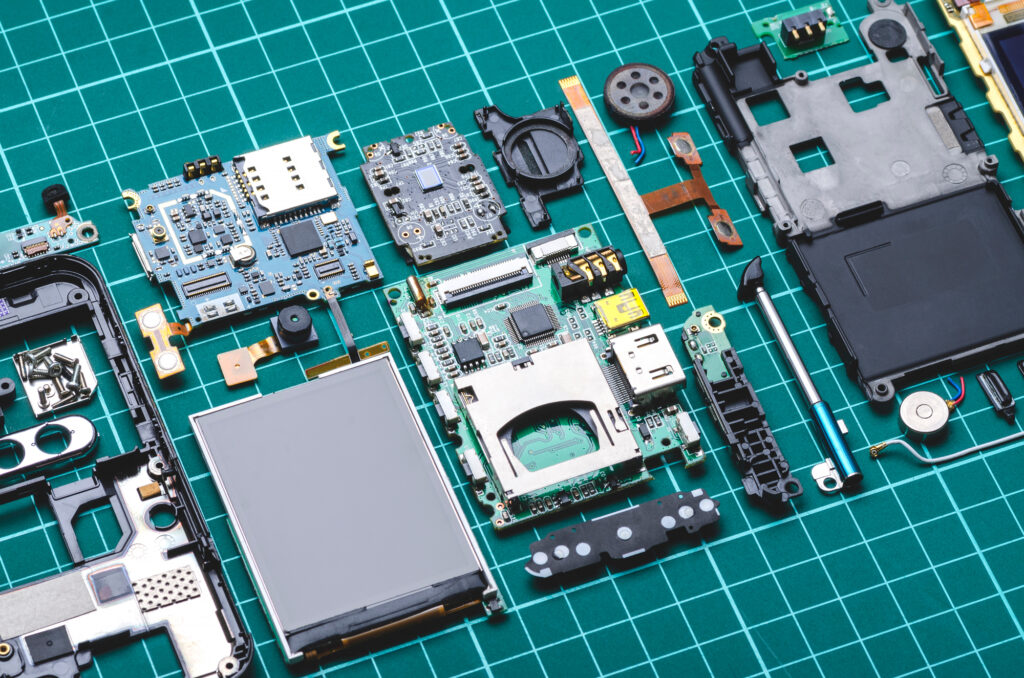
But the increasing adoption of technology comes at an environmental cost. Electronic devices often have a significant carbon footprint because of the energy-intensive processes needed to produce printed circuit boards (PCBs) and integrated circuits.

Electronics production relies on mining and extracting dozens of different materials, including critical raw materials (economically important materials at high risk of supply shortage, such as lithium or titanium). Extracting these materials has a range of sustainability impacts, including the leakage of toxic chemicals such as cyanide into the environment, high levels of water use, and human rights abuses in the case of ‘conflict minerals’ such as gold and tantalum.

Waste electronic products, or e-waste, is the fastest-growing waste stream in the world, with over 53 million tonnes of e-waste produced in 2019. Most e-waste is disposed of incorrectly, ending up at waste dumps in developing countries. Hazardous chemicals, such as lead or mercury, that may be present in electronic components can leak into the environment, harming local ecosystems and damaging the health of people who live and work in the dumps.

Product sustainability has focused on the circular economy, particularly recycling. But there are fundamental limits to the impact recycling can have on electronics. Only 17% of e-waste is collected for recycling and, even if it’s collected, recovering materials from e-waste is particularly challenging.

Electronics contain trace amounts of rare metals, which are complex and expensive to separate. Only the most abundant materials, such as copper and gold, can be economically retrieved during e-waste recycling, and even if all e-waste was recycled in this way, the material recovered still wouldn’t be enough to meet the growing demands of the industry.

One way to tackle the environmental challenges presented by electronics is to remove the need for them in the first place, for example by detecting a temperature change using a color-changing chemical rather than a sensor. But, in some instances, electronics are necessary, so how can designers reduce the impact of the products they create?

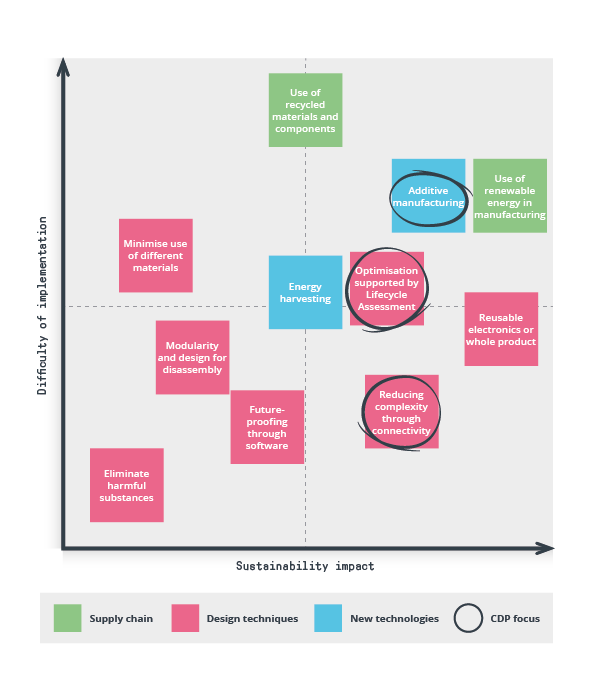
Our sustainability team assessed a range of technologies and design techniques to determine their potential for reducing the environmental impact of electronic products and how difficult they are to implement. This article outlines a few approaches we’ve used in recent projects at CDP.

web_graph_designing-more-sustainable-electronics

Reducing complexity through connectivity

One of the best ways to reduce an electronic device’s environmental impact is by minimizing the electronics’ complexity, thereby reducing the number of integrated circuits needed as well as the surrounding passive components (resistors, capacitors and so on), connecting tracks, and PCB area.

An easy, effective way to do this is by pairing a product with a user’s existing device to provide the smart capability. Methods range from a simple QR code or NFC chip to a Bluetooth connection for transferring more complex data.

As well as reducing the electronics in the product, this allows for a degree of futureproofing, as software updates can be used to keep the product up to date. This idea isn’t new but is starting to be used more in applications from smart packaging to medical devices.

Important to note: Behind many of these software solutions are large data centers that need powering and should be considered in the product’s environmental impact.

Informed decision-making: Life Cycle Assessment (LCA)

Designers can optimize component choices and circuit designs during detailed design to reduce the overall impact of a product.

We recently used LCA to estimate the additional carbon footprint of adding an electronic module to a medical device. This step allowed our team to identify where to focus on reducing the impact of the design, such as replacing integrated circuits with a solution based on lower-impact passive components and optimizing the layout to minimize the total area of PCB required.

We identified several solutions that together had the potential to reduce the total carbon footprint of the product by up to 25% without compromising functionality. In many cases, this optimization also generates cost savings.

Optimizing electronics through additive manufacturing

Over the past two decades, additive manufacturing (such as 3D printing) has seen a surge in use in mechanical prototyping and manufacture, and its applications in the electronics sector are now starting to grow. In the context of PCBs, additive manufacturing refers to selectively adding conductive material to the areas required, as opposed to a more traditional approach which starts with a layer of copper and selectively etches away the areas where it isn’t needed.

These technologies can improve a product’s carbon footprint through reduced material usage and less energy-intensive manufacturing processes. A report published by the ECOtronics project found, “Changing from subtractive manufacturing (etching) to additive manufacturing (printing) has the potential to reduce environmental impacts by more than 50% across all impact categories.”

One additive manufacturing method is laser direct structuring (LDS), which allows you to construct circuits on the surface of device components. With this approach, you can remove the PCB entirely, dramatically cutting down on the material required.

These technologies present opportunities to fit electronics into new form factors, print onto a wide array of rigid or flexible substrates (the non-conductive part of the circuit board the metal circuit is added to) and increase the customizability of the design, all while reducing the product’s environmental impact.

As we’ve highlighted before, sustainability initiatives should always consider context, which is vital for electronics. In the absence of cost-effective recycling processes, designers must prioritize approaches that reduce the materials and energy required to produce electronics. As electronics continue to play a leading role in our lives, future designs should reduce our reliance on critical raw materials and consider how circular approaches to design can extend product lifetimes and prevent harm to people and the environment.

References

Connect with CDP

For more on how to reduce the environmental impact of your electronics through smarter design choices, contact Cambridge Design Partnership.

|smart packaging||

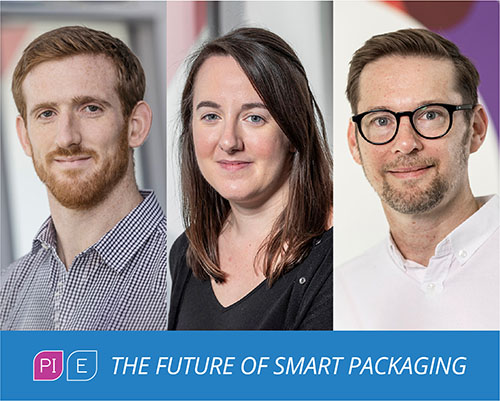
The future of smart packaging, and its positive potential for sustainability

Smart packaging is maturing, and the global market for smart packaging is predicted to grow exponentially. Still, ideas about smart packaging’s use tend to be limited to applications we’re already aware of. In this future-gazing webinar, CDP’s Matt Morris, Amy King, and James Harmer explore our recent work in developing smart packaging. Discussing new opportunities for smart packaging, they look particularly at how it can enhance packaging sustainability.

Complete the form below to watch the webinar

smart packaging

The future of smart packaging and its positive potential for sustainability

Smart packaging is maturing, and the global market for smart packaging is predicted to grow exponentially. Still, ideas about smart packaging’s use tend to be limited to applications we’re already aware of. In this future-gazing webinar, CDP’s Matt Morris, Amy King, and James Harmer explore our recent work in developing smart packaging. Discussing new opportunities, they look particularly at how smart packaging can enhance packaging sustainability.

Complete the form below to watch the webinar