


feature_insights-from-ECSMID25-2

Insights from ESCMID 2025: trends and future in diagnostic testing

SUMMARY

This year’s ESCMID event reinforced that access to effective diagnostic tests must increase, and that long-promised technologies are finally close to delivering clinical value.

What makes your platform different?
One recurring message: speed, accuracy, and cost effectiveness are now expected. Differentiation lies in how well a platform fits real-world clinical settings, from training and workflow to data interpretation and system integration.
Takeaway for developers: Think beyond technical specs. Differentiation increasingly depends on usability, trust at scale, and measurable impact on care delivery and operational efficiency.

ESCMID 2025 marked a shift from technology-led innovation to outcome-led development. The key question is no longer “Can it be done?” but “Does it solve the right problem, in the right way, at the right scale?”

Headline Trends

  • Antimicrobial resistance (AMR) and antibiotics use – increasing access to and uptake of diagnostic testing is key for effective interventions
    AMR remains a major global health challenge. Antibiotic use continues to rise, especially in primary care, where most prescriptions are issued without diagnostic support. Addressing this requires a broader range of diagnostic systems. These must balance performance with affordability and usability, enabling appropriate treatment decisions in both hospital and community settings.
  • The role of syndromic testing is still being debated
    While useful in hospital and acute care, syndromic panels have seen limited uptake in primary care due to cost and complexity. They support antimicrobial stewardship. But they must become more accessible and cost-effective to broaden adoption.
  • Genetic sequencing may bring a step change in clinical utility in diagnostics
    Sequencing is moving closer to clinical use. It has the potential to reshape diagnostics. Developers must build workflows and systems that integrate sequencing seamlessly. They must interpret results clearly and deliver clinical value at scale.
  • ML, AI, and automation are maturing
    AI tools are expanding from imaging to in-vitro diagnostics. They offer clinical augmentation value to tedious manual workflows, image interpretation, and data integration. The focus is shifting from innovation to implementation, embedding tools into workflows with trust, reproducibility, and regulatory alignment.

The annual congress of the European Society of Clinical Microbiology and Infectious Diseases (ESCMID) brings together clinicians, researchers, and industry leaders to explore the evolving landscape of diagnostics. This year’s event highlighted some key themes shaping the future of diagnostic impact and delivery.

AMR and Antibiotic Use: Access to Testing Is Critical

Antimicrobial resistance remains a central challenge. With an estimated 40–50 billion antibiotic doses taken daily and use projected to rise 50% by 2030, intervention is urgent. The vast majority of prescriptions occur in primary care. They are often without diagnostic support.

Improved access to diagnostics is key. Many current platforms focus on performance where demand already exists, but the biggest opportunity lies in reaching settings where no testing is currently available. Systems must support appropriate treatment decisions. They must balance speed, accuracy, and pathogen identification with usability, affordability, and integration into clinical workflows.

Syndromic Testing: Performance vs Cost

Multiplexed syndromic panels are established in hospitals and acute care, but uptake in primary care remains low. Their value in guiding antibiotic use is clear yet cost and complexity are barriers to broader use.
Developers must reduce system cost and complexity to reach more healthcare environments and fit into reimbursement frameworks. Technical capability alone is no longer enough. Integration, ease of use, and clinical decision support are now central to adoption.

Sequencing-based diagnostics are also beginning to compete with syndromic approaches, raising the bar for accessibility and performance in multiplexed testing.

Sequencing: Moving Toward Clinical Routine

Genetic sequencing is rapidly approaching routine use in clinical diagnostics. With falling costs and expanding platform availability, it holds the potential to reshape infectious disease diagnostics, particularly in syndromic or multiplexed contexts.
At ESCMID, multiple case studies demonstrated the use of same-day metagenomic sequencing for pathogen identification in respiratory and bloodstream infections. Amplicon-based approaches were also discussed, particularly for rapid variant detection and resistance gene profiling. Broader sequencing methods, including microbiome analysis, may also play a role in future clinical applications.

However, sequencing workflows are not yet plug-and-play. Upstream processes, such as sample collection, DNA extraction, host depletion, and library preparation, remain technically demanding. Downstream, interpretation, bioinformatics pipelines, and clinically actionable reporting are major hurdles. While sequencing speed and cost are improving, the challenge now lies in integrating these steps into streamlined, automated, and interpretable systems that deliver value at the point of care.

Developers must ask strategic questions. Should initial diagnostic applications focus on relatively simple, targeted sequencing? For example, amplicon sequencing for variant detection, or on broader, hypothesis-free metagenomic approaches? Will sequencing be decentralized or remain concentrated in specialized hubs? How can systems present complex data in ways that support decision-making by non-specialist clinicians? The opportunity is significant. But realizing it will require systems that balance performance, usability, and clinical relevance.

ML, AI, and Automation: From Hype to Implementation

Artificial intelligence has already made an impact in diagnostic imaging, including MRI, CT, and ultrasound. At ESCMID, attention turned to the broader use of AI and machine learning in in-vitro diagnostics, with exciting potential across three main areas:

  • Image analysis: AI is enabling rapid interpretation of high-resolution optical data in fields like digital pathology, haematology, and spectral imaging. These tools can increase diagnostic accuracy while reducing the burden on human reviewers.
  • Multi-marker data interpretation: AI models are increasingly used to integrate complex biomarker datasets, where the combined signal across markers yields diagnostic insight. Some platforms already use deterministic models; the shift toward machine learning promises greater flexibility and performance, particularly as training datasets grow.
  • Workflow optimization and automation: AI is being applied to streamline laboratory operations, reducing hands-on time, standardizing results, and minimizing error rates. This is especially valuable in high-throughput or resource-constrained settings.

Several ESCMID sessions showed AI being used to support antimicrobial resistance prediction, improve taxonomic resolution, and aid diagnostic decision-making. Importantly, the field is moving from exploratory development to real-world deployment. The emphasis is now on clinical validation, regulatory clarity, reproducibility, and integration with existing systems.

For developers, success will depend on more than accuracy. Trust, interpretability, and usability are emerging as key differentiators. Tools that embed smoothly into clinical workflows, minimize training requirements, and deliver repeatable, high-confidence outputs will define the next wave of AI in diagnostics.

Receive further news from Diagnostics at CDP

Connect with CDP

Wondering what these trends mean for your next diagnostic system? A quick conversation could help you shape a clearer path from concept to clinical impact. Get in touch with one of our team:

Dan Haworth, Head of Diagnostics
dan.haworth@cambridge-design.com

James Blakemore, Senior Insight and Strategy Consultant
james.blakemore@cambridge-design.com

Leigh Shelford, Consultant Physicist
leigh.shelford@cambridge-design.com

surgical robotics development

How fast can you bring new Surgical Robotics tech to market? Know the 3Cs to rapid development.

SUMMARY
  • Speed to market has essential benefits for all top Robotic Assisted Surgery (RAS) companies – from maintaining and driving investor confidence to realising the commercial value as quickly as possible. But speed is often associated with risk.
  • Bringing new surgical robotics development tech to market quickly and confidently requires the 3Cs: Capability, Capacity and Culture.
  • A skunkworks approach provides R&D teams with all 3Cs, allowing them to focus on working without interference or interruption.
  • Our RAS leadership team will be speaking at DeviceTalks Boston on April 30, on the 3Cs and showcasing an example of a successful robotic assisted surgery device design and product development for one of our clients.

Companies that build technologies for robotic-assisted surgery (RAS) are under growing pressure to deliver new products quickly. Whether you’re a global corporation or a small startup, you need to show executives and investors that you can rapidly innovate and go to market, and you need to realize the value of investment as quickly as possible. The keys to moving fast, avoiding risks and maximizing the odds of market success? Capability, Capacity and Culture.

If you’re a longtime leader in MedTech, you undoubtedly have capabilities with a large in-house talent pool of experienced engineers, design experts and other specialists. But your development efforts can stumble if teams are stretched thin across multiple projects or are delayed by bureaucratic red tape – which are problems of capacity and culture.

If you’re a startup, on the other hand, you might have launched with a promising concept but lack the breadth and depth of capabilities, and the maturity in all three Cs. Without a broad and deep field of experts – capability and capacity – and a proven culture built on the experience of delivering many other previous projects quickly, you might struggle to meet investors’ expectations of fast results.

What’s the solution to bringing all 3Cs together? A skunkworks approach.

“A skunkworks approach enables R&D teams to focus on projects in a way that’s protected from distraction, such as internal politics,” says James Boonzaier, Deputy Head of RAS and part of Cambridge Design Partnership’s new RAS leadership team. “Too often, what we see is that key people are constantly being pulled onto other projects, or they’re spread too thin, or there are political agendas getting in the way of things. In order to get these programs running fast, you need capability, capacity and culture. Capability means, ‘Do you have the required skills across your individual engineers’ brains?’ Capacity means, ‘Are they available right now?’ And culture is, ‘Are they able to work in the right kind of context for fast, deliberate progress?’”

James-Boonzaier-e1744806299774

“In order to get these programs running fast, you need capability, capacity and culture.”

James Boonzaier | Deputy Head of RAS at Cambridge Design Partnership

A Better Approach to Rapid Surgical Robotics Development & Design

Cambridge Design Partnership’s (CDP) new RAS leadership team is headed up by Tom Brittain, James Boonzaier and Jack Hornsby. Their focus on fast delivery reflects CDP’s ongoing investment and long record of success in surgical robotics

CDP strengthens its clients’ RAS programs by enhancing capability, capacity, and culture. The company’s specialists work closely with client development teams to accelerate innovation and delivery.

“Key to working this way is being able to match highly skilled and technically capable people with the right expertise, experience, personalities, and a passion for RAS, and providing them with the right tools, conditions and working environment within which to do the best possible job,” says Tom Brittain, Head of RAS. “By collaborating closely with our clients’ teams, we’re able to operate as an extension of their own pool of people. And since we’ve been active in this sector, having worked with a number of the big players in surgical robotics, we know this approach works time and time again.”

This way of working, Tom says, enables quick development by providing organizations with turnkey access to deep technical expertise, system-level thinking and user-focused design capabilities. He notes that CDP’s success in the sector relies on a team dedicated and often exclusive to surgical robotics, with bespoke teams of experts often embedding with clients according to the unique requirements of each project.

“We’re passionate about our mission and committed to helping our clients’ RAS projects succeed,” says Tom. “And our approach works, as our track record shows. Since 2019, we’ve built four complete systems, along with multiple subsystems, for clients from the ground up. These have included both blue-sky development and remedial redesign with total system architecture development. Each of these systems has been designed and manufactured in under a year, which represents extraordinary speed in this industry. We have supported several single port trans-umbilical NPD programs, with detailed engineering of capital equipment, disposables and reposables, draping systems and more. This was made possible only by having the right capabilities on site, with the right capacity available as needed, all supported by a culture of innovation.”

Tom-Brittain-e1744807155147

“Since 2019, CDP has played a substantial role in four notable product development programs in robotic-assisted surgery, delivering system-level prototypes from the ground up. Each of these has been designed and manufactured in under a year, which represents extraordinary speed in this industry.”

Tom Brittain | Head of RAS at Cambridge Design Partnership

You need a strong foundation from which to build any RAS system

The development of any RAS system requires a strong foundation of strategy and system architecture between hardware and software, all aligned to the clinical user’s needs.

James states, “To ensure strong system architecture for our clients, we really focus on conducting structured clinical needs gathering to generate solid initial hypotheses on key requirements and constraints. Once a strong foundation for the platform architecture is created, we shift our focus to the high-risk areas.”

Risk management is vital throughout the entire process. Jack calls the approach CDP takes “targeted derisking,” adding, “we know from experience what the concept killers are and what we need to do to gain confidence that we’ve solved or avoided them. That is a key element of moving quickly. Not only that, the way in which we derisk is targeted in such a way that we’re not adding more complexity or unknowns. This enables us to iterate designs quickly, learn from each step what works and what doesn’t, and develop working prototypes at speed.”

Putting this approach into practice, CDP developed a single-port RAS prototype platform, moving from an early-stage concept to an alpha system prototype for pre-clinical trials in just seven months. Jack makes the further point that “In addition to speed, the client gets to retain all knowledge and intellectual property rights for any technologies developed for them.”

Jack-Hornsby-JH1-1

“The way in which we derisk is targeted in such a way that we’re not adding more complexity or unknowns. This enables us to iterate designs quickly, learn from each step what works and what doesn’t, and develop working prototypes at speed.”

Jack Hornsby | Deputy Head of RAS at Cambridge Design Partnership

Meet the RAS Team at DeviceTalks Boston

Building a surgical robot takes true teamwork. Success demands rapid development while meeting strict clinical and regulatory requirements. Cambridge Design Partnership continues to invest in the expertise and processes that help clients bring advanced surgical robotics to market.

The result is a comprehensive offering with unmatched expertise. Clients gain immediate access to deep knowledge in kinematics, human factors, cart design, optics, systems engineering, and disposables development. And our 26,000-square-foot Pilot Production Center quickly takes a client’s project from concept to prototype build to transfer to manufacturing.

Tom, James and Jack will be speaking at DeviceTalks Boston on April 30 about the importance of the 3Cs (“How Fast Are You? Accelerating Next-Generation Surgical Robotics”). They’ll also be showcasing a platform we developed that demonstrates our approach, going from early concept to Alpha prototype for preclinical studies in under seven months. They will be on hand at stand 735 to talk about CDP’s approach to rapid development in RAS. You can also reach out in advance and chat, or book in some time to meet them in Boston.

Connect with CDP

If you would like to discuss the content of this article, please get in touch with our RAS leadership team; Tom Brittain,  James Boonzaier and Jack Hornsby

Tom Brittain, Head of RAS
tom.brittain@cambridge-design.com

James Boonzaier, Deputy Head of RAS
james.boonzaier@cambridge-design.com

Jack Hornsby, Deputy Head of RAS
jack.hornsby@cambridge-design.com

|||
Find the authors
on LinkedIn:

Navigating new frontiers: Bringing Parkinson’s treatments to new markets

Advances in drug delivery and strategies to overcome regulatory challenges for global patient access

Patients with Advanced Parkinson’s Disease (APD) face significant challenges in managing their symptoms and maintaining their quality of life. Effective, continuous dopaminergic stimulation treatment options are critical, as conventional oral therapies no longer offer adequate relief with advancing disease state. Advanced device-aided therapies that provide consistent symptom control are essential for improving patient outcomes and enabling a more independent lifestyle.

However, bringing these innovative treatments to market is challenging. Adequate control of APD via continuous treatment can require a combination of drug products, delivered with an infusion pump that is flexible enough to meet the needs of different patient groups yet simple enough for home use.

When deciding on a pump solution, companies must choose whether to adapt existing technologies or develop new solutions from scratch; each path requiring different developmental strategies and involving differing levels of investment and risk. They must then navigate an often-changing regulatory landscape with distinct requirements across regions, adding complexity to the development and approval process.

This article, authored by Steve Augustyn, Deputy Head of Drug Delivery at Cambridge Design Partnership, featuring insights from Krai Chatamra, Vice President of Clinical Development at Intrance Medical Systems Inc (Intrance), explores the necessity of advanced therapies that provide consistent symptom control to improve patient outcomes and enable a more independent lifestyle.

Krai Chatamra has decades of experience in the pathology and treatment of APD. In this article, Steve Augustyn spoke to Krai about the process of bringing a new treatment for APD to the market.

To clarify some of the terminology used in this article;

  • a drug substance is the active pharmaceutical ingredient
  • a drug product is the final dosage form that includes the drug substance
  • a combination product (in this instance) is the drug product working with the specified infusion pump.

Intrance Medical Systems, Inc. is developing a next-generation therapy for patients with APD. The lead product combines a proprietary gel formulation of carbidopa, levodopa and entacapone delivered by an ambulatory infusion pump. The pump delivers the medication directly to the jejunum via a percutaneous endoscopic gastrostomy (PEG) tube, enabling continuous treatment for patients with APD, removing the burden of managing complex oral dosing regimens and preventing the complications associated with the unpredictable motor fluctuations.

Cambridge Design Partnership (CDP) recently supported Intrance in the verification of its selected infusion device, clearing the way for a Phase III clinical trial as part of the company’s marketing application for the US. The verification required hundreds of delivery profile tests to meet the latest requirements in AAMI TIR 101:2021 (Fluid delivery performance testing for infusion pumps) to demonstrate the safety and accuracy of Intrance’s combination product.


Challenges and innovations in APD therapies

Complexity of APD

Krai: Parkinson’s Disease is a vast field. Currently, we are concentrating on the advanced stage of the disease, which is uniquely complex. As the disease progresses, it becomes increasingly multifaceted. Conventional oral therapies are ineffective at this advanced stage.

In APD, patients experience motor fluctuations between two highly disabling states: OFF, where they are unable to move, and hyperkinetic [dyskinetic], where they move uncontrollably. Patients typically spend at least 50% of their waking hours oscillating between these two states. Our goal is to thread the plasma level of L-dopa into the narrow therapeutic window, thereby avoiding patients experiencing such disabling OFF and dyskinetic states.

The challenge of maintaining levodopa levels

Krai: The plasma level of levodopa must be maintained within this very narrow therapeutic window, which continues to narrow as the disease progresses. Therefore, we need a drug delivery system that can precisely regulate the plasma levodopa levels within this narrow synaptic window. This is our biggest challenge.

Our current product, Lecigon, is an investigational drug in the US. However, it has already been approved in multiple European countries. So, the challenges we face are distinct from those encountered by other companies developing drugs or devices for different stages of PD.

We need a drug delivery system that can precisely regulate plasma levodopa levels within a narrow synaptic window.”

Krai Chatamra | Vice President of Clinical Development at Intrance Medical


Identifying a suitable device platform

Multifaceted challenges

Krai: The challenges are multifaceted. Firstly, there is a constantly changing regulatory landscape. Secondly, each regional governance has its own requirements, which are not necessarily aligned. Lastly, we had to weigh the availability of existing pumps versus the invention of a completely new device, both of which require different developmental pathways. Before deciding on the final infusion device, we had to go through numerous qualifying steps in great detail.

We initially targeted the European market. We are now moving to the US, and ultimately Japan.

There is a constantly changing regulatory landscape, and each regional governance has its own requirements, which are not necessarily aligned.”

Krai Chatamra | Vice President of Clinical Development at Intrance Medical


Differences in verification and validation: drug products vs. medical infusion pumps

Distinct development pathways

Krai: The developmental pathways from a regulatory perspective for a drug product and a medical device are quite different. While there are some common themes, such as ensuring safety for patients, the requirements, especially in the US, differ significantly between the drug and the device.

We are dealing with different administrative arrangements, review procedures, and guidelines. Collectively, these differences mean that the paths to take a product – whether it be a drug, device, or combination of both – from development to market are distinct.

For those new to drug-device development, whether developing products independently or as combination products, it’s important to understand that the process, in the US, ultimately depends on which center (e.g. CDER, CBER or CDRH) your product is filed with.

“The requirements, especially in the US, differ significantly between the drug and the device.”

Krai Chatamra | Vice President of Clinical Development at Intrance Medical


Advice for developing a combination product for neurological conditions

Do your homework

Krai: The single most important piece of advice I would give [when developing a combination product] is to do your homework thoroughly. This may sound simplistic, but it involves several critical steps. First, understand the disease you are targeting.

Second, know the region [you plan to seek marketing approval in]: Understand the regulatory and market conditions. For example, if you are targeting the US, you need to be aware of the existing availability of infusion pumps, which can help you navigate the requirements for pump testing. (Using an infusion pump that is already approved for use in the US can substantially reduce the amount of testing and risk in the process.)

Third, decide on the product approach: Determine whether you want to use an existing device that is already in use elsewhere, or develop something new yourself.

These three elements are crucial prior to committing additional resources to your program.

Determine whether you want to use an existing device that is already in use elsewhere, or develop something new yourself.

Krai Chatamra | Vice President of Clinical Development at Intrance Medical


Future trends and developments in APD therapies

Promising advances in drug administration

Krai: The future looks promising. Over the past ten years, many companies have recognized that different methods of drug administration are not only useful but are also safe and effective. There are now multiple ways to introduce drugs to patients. Oral treatment is now considered the least effective for APD due to the inability to completely overcome the issues associated with gastric complications of the stomach, e.g. erratic discharge, interaction with amino acids etc. The only way to overcome this is to bypass the biggest culprit, the stomach.

Several companies are exploring alternative methods of administration for PD therapies, such as enteral, subcutaneous, or sublingual routes. These methods, combined with advancements in drug formulation, have significantly improved treatment options. Levodopa, for example, is recognized as notoriously insoluble until recent advancements enabled it to be dissolved in a suitable medium.

Advancements in formulation, pump technology, and alternative methods of administration have contributed to the development of multiple new products. It is an exciting time to be involved in this field.

Opportunities for continuous blood serum monitoring

Krai: It would be remiss of us in PD therapeutic development not to recognize how other fields have successfully approached similar problems. For example, in diabetes management, continuous monitoring is crucial, and the ability to intervene as needed has been a significant success.

For PD, the challenges are similar. If we could monitor patients’ symptoms – both motor and non-motor – and adjust the treatment dosage accordingly, it would be highly advantageous. There are ongoing developments in this field, particularly with various wearables that are being developed rapidly and are becoming more prevalent.

The future I envision involves the combined use of infusion treatments and continuous monitoring. Imagine if we could detect when a patient’s plasma levodopa level is dropping, accompanied by certain symptoms, and then automatically adjust the drug delivery. That would be ideal.

Imagine if we could detect when a patient’s plasma levodopa level is dropping, accompanied by certain symptoms, and then automatically adjust the drug delivery.

Krai Chatamra | Vice President of Clinical Development at Intrance Medical


PD therapy is rapidly advancing, marked by significant advances in drug delivery technologies. These innovations are already providing significant improvements in patient outcomes and quality of life. Navigating the distinct regulatory environments across different markets is crucial. Understanding these differences is essential for successfully bringing new treatments to the market. CDP helps clients address this challenge by providing expert guidance on all aspects of drug delivery device design and verification.

Connect with CDP

If you would like to discuss the content of this article, please get in touch with Steve Augustyn, Deputy Head of Drug Delivery at Cambridge Design Partnership:

Steve Augustyn, Deputy Head of Drug Delivery
steve.augustyn@cambridge-design.com

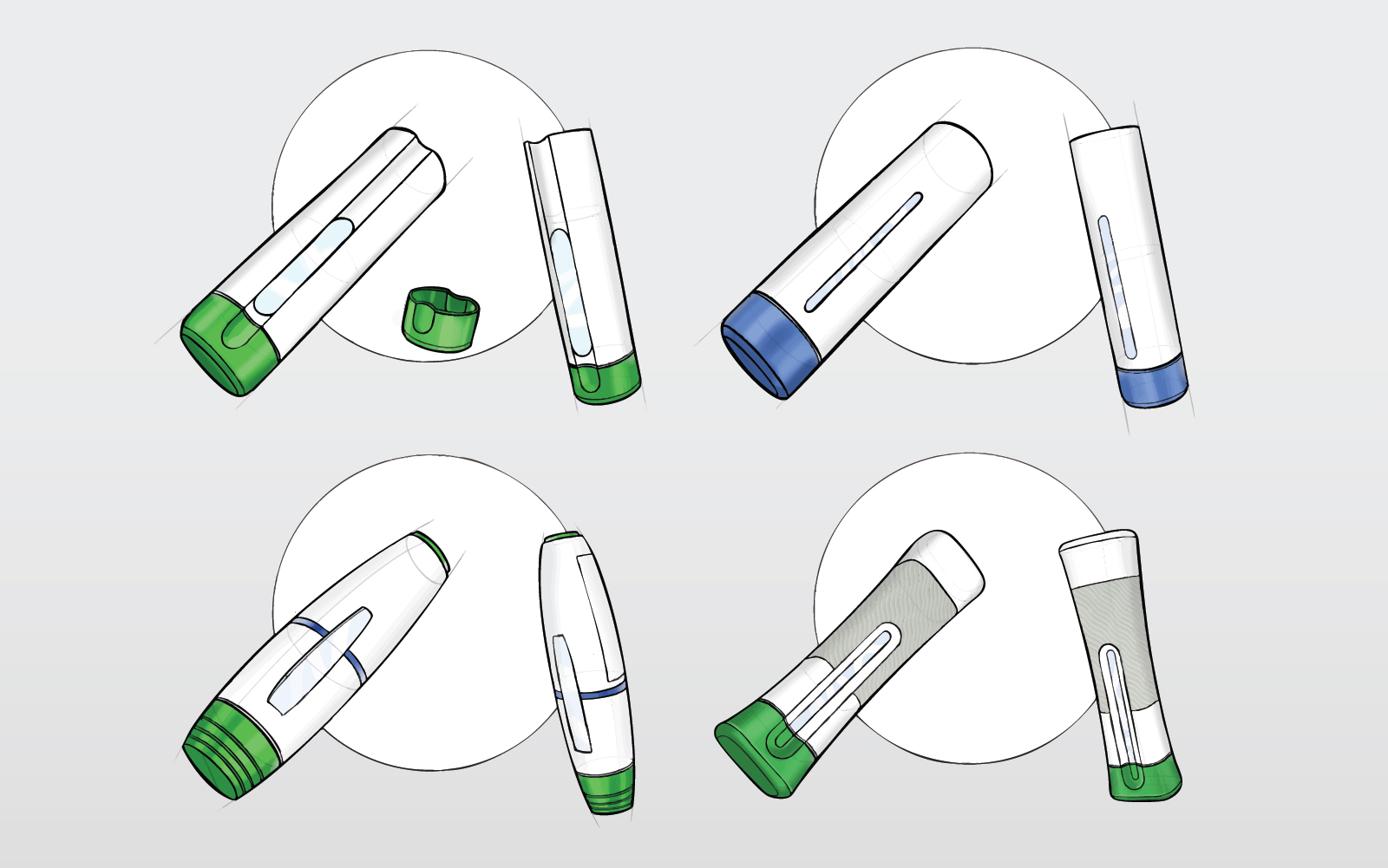
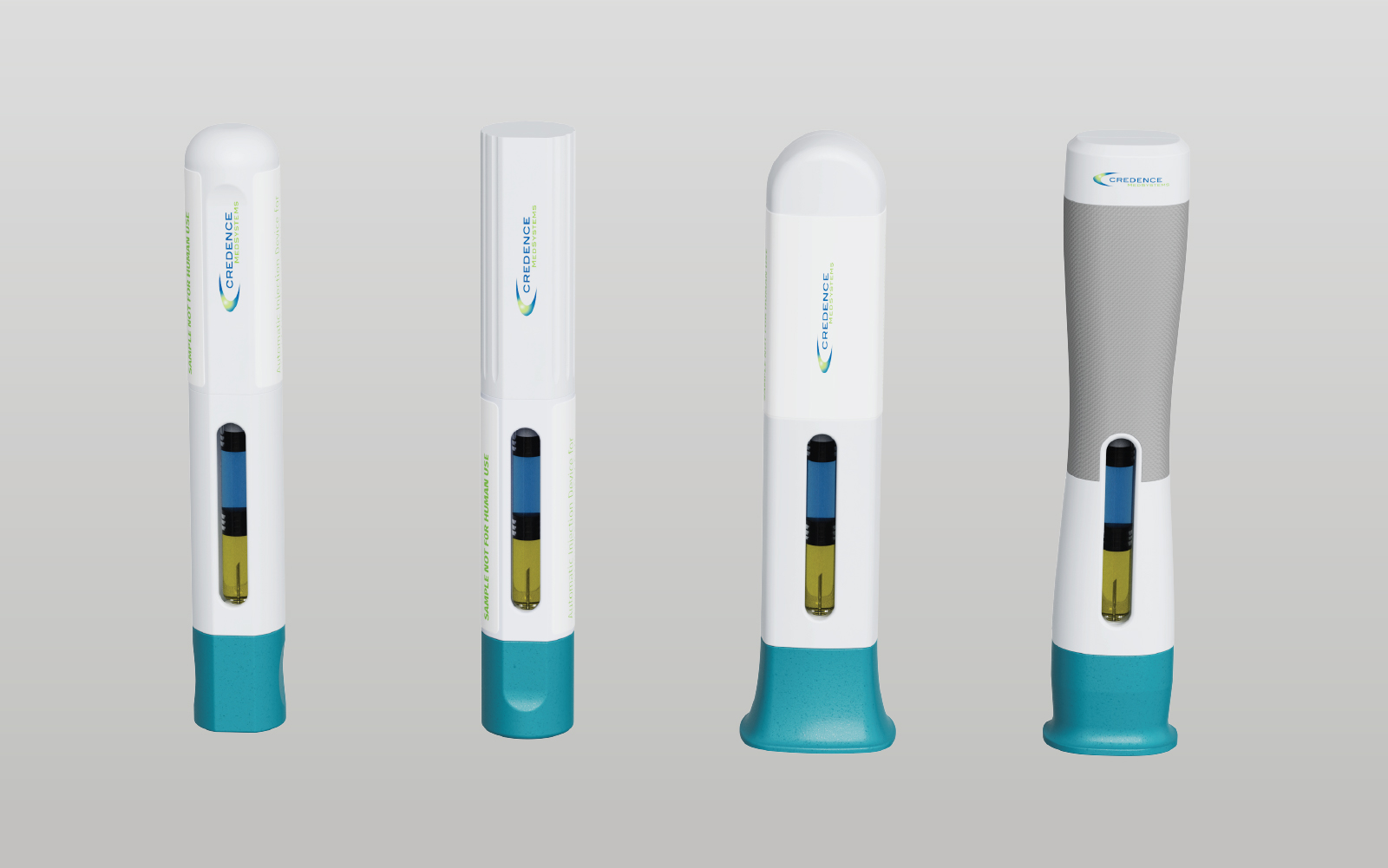
platform technologies|Figure 1: Platform devices are designed to support delivery of multiple formulations.|Figure 2: Example platform test plan (for each precondition) to provide confidence in the performance envelope.|Figure 3: Example bridging test plan for injection device.
By Cambridge Design Partnership

From platform to product: Accelerating time-to-market for platform technologies

Featured in ONdrugDelivery, Fran Pencliffe explores the benefits of platform devices for parenteral delivery and outlines the challenges, risks and best practices when bringing a combination product to market in this way.

Platform devices have long been considered the “holy grail” of drug delivery device design. The appeal of platforms is clear, with companies looking to create innovative platforms to meet the evolving requirements of new therapies, while pharma companies are looking to use these technologies to expedite combination product development.

Defining platform devices in drug delivery

In the drug delivery industry, the term “platform devices” encompasses off-the-shelf prefilled syringes, fixed- or variable dose pen injectors, autoinjectors for “standard” volumes of “low”-viscosity formulations and higher-volume on-body delivery systems. Platforms are also being developed to handle high-viscosity formulations or support automatic drug reconstitution, making technology selection increasingly complex.

“The core feature of a platform is a consistent device architecture, with customisation options to accommodate VARYING assets, user groups or branding.”

Unlike devices developed for a single formulation, platforms are designed for use with multiple drug assets with varying requirements, such as different dose volumes, viscosities, user groups and use environments (Figure 1). The core feature of a platform is a consistent device architecture, with customisation options to accommodate varying assets, user groups or branding. Platforms vary from “narrow” (devices catering to very similar drug profiles) to “broad” (those intended for diverse therapy areas, user groups and drug properties). Broader platforms, while targeting a larger market, present greater technical challenges and risks during both platform and combination product development.

When designed and implemented correctly, platform devices offer numerous benefits for both device developers and pharmaceutical companies.

Figure 1: Platform devices are designed to support delivery of multiple formulations.

The benefits and risks of platform devices

For those designing a platform device, the benefits are clear. A common architecture can be used with multiple drug products, increasing the potential market size for a single development effort. This reduces the investment cost per marketed drug and simplifies the process of navigating the intellectual property landscape for each new asset. Additionally, economies of scale in manufacturing components lower the cost per device, making the device more attractive to potential partners. However, high rewards often come with high risk, depending on the targeted platform.

Proper development and characterisation of a platform technology often requires significant upfront investment from the device developer, which may be made at risk prior to establishing a partnership with a pharmaceutical company. This can be challenging and relies on an “if you build it, they will come” mentality, often involving millions of dollars with no guaranteed return.

For pharmaceutical companies, platform devices offer a near “off-the-shelf” solution to deliver their assets. Using an existing (and hopefully already marketed) device can minimise time-to-market and the risks associated with developing a new device by building the combination product on proven technology. However, selecting the wrong device can lead to extensive device modifications or starting over with a new device, both of which may extend the development timeline and delay product launch. There are, however, ways to mitigate these risks and realise the benefits of platform devices.

Key strategies for successful platform development

To maximise return on investment when designing a platform technology, there are two key recommendations: understanding the target market to define an achievable platform boundary and preparing a data pack to minimise the effort required for potential partners to use the device.

The first challenge in platform device development is often generating the necessary investment required. To demonstrate a potential return on investment, it is critical to research upcoming drug pipelines and identify groups of assets that are likely to have similar delivery requirements. This can be done by examining Phase I and II trial data and monitoring trends in growing therapy areas. A broad potential portfolio strengthens the case for creating a platform design and maximises the likelihood of securing development investment.

“A platform with a broad performance envelope is likely to have the largest market potential but will be riskier and costlier to develop.”

Once this target drug portfolio is identified, use the likely delivery requirements to define the platform’s boundaries. For example, consider whether the target therapies are intended for intramuscular or subcutaneous delivery, the expected volumes and viscosities that the platform will need to accommodate, and whether a fixed or user-selectable dose is needed. A platform with a broad performance envelope is likely to have the largest market potential but will be riskier and costlier to develop. A device concept is unlikely to gain significant attention from potential partners until functional performance can be readily proven, so clearly defining the platform performance envelope early and sticking to it throughout development will be the fastest route to market.

When developing a platform, it is also recommended to develop a data pack for potential partners to review as part of a technical due diligence. Sharing test data is the most compelling argument when selling a technology. Demonstrating that the device can, for example, deliver the correct volume and viscosity in the correct time instils confidence in its performance, which cannot be replicated through modelling or simulation. Although this requires effort in prototyping and developing test methods, the increase in “selling power” from having this real-world data increases the likelihood of a return on investment.

For a platform product, it is good practice to create a platform test plan with low-fidelity testing at the edges of the performance range to give confidence in the platform boundaries and high-fidelity (verification) testing on one or two specific configurations that represent the most likely assets in the target pipeline. Figure 2 shows an example of how the fidelity of testing can be adjusted to provide confidence in the platform envelope while focusing effort on the lead asset. Offering potential partners the opportunity to test their formulation in the device, with sample devices available for filling and existing test methods, allows for quick and cost-effective testing.

Figure 2: Example platform test plan (for each precondition) to provide confidence in the performance envelope.

Of course, there is no such thing as a truly “off-the-shelf” platform product, so the second critical aspect of the data pack to share with potential partners is the bridging plan. Minimising and clearly defining the design work and associated testing to be repeated for each new asset reduces time-to-market and further increases confidence in the device developer’s ability to deliver on a combination product development programme. Figure 3 shows an example of a bridging test plan to convert from a platform injection device to a combination product – note that the specifics will be highly dependent on the drug and device in question.

Figure 3: Example bridging test plan for injection device.

By understanding the target market and device boundaries and creating a data pack to convey the platform’s benefits to potential partners, the potential market size for a platform can be maximised and the potential return on the initial development effort increased.

Choosing the right platform for the target drug pipeline

For pharmaceutical companies seeking a platform device to fit the delivery requirements of as many assets as possible in a drug pipeline, the critical activities are understanding the formulations, the available and applicable technologies and using existing data to minimise time-to-market.

“Before searching for a device technology, it is vital to understand the requirements of the target drug assets.”

Before searching for a device technology, it is vital to understand the requirements of the target drug assets. Pharmaceutical companies should identify groups of assets with similar characteristics and intended use profiles across their portfolios, for example, all those intended for subcutaneous injection in a home environment. This enables them to search for platforms with the correct performance envelope, assessing technologies not just for the lead asset but with the wider portfolio in mind, thereby offering the potential to minimise time-to-market for future assets.

It is also crucial to understand what the drugs require from a device as much as possible. What is the dose volume? What is the formulation viscosity, and how does it change with temperature and shear rate? What is the target delivery time? Answering as many questions about the required performance of a platform as early as possible can help optimise the search process and enable the device developer to gather and present the most relevant data during the due diligence process.

Another important process for pharmaceutical companies to undertake is to survey the technology landscape by searching for existing devices that meet the formulation’s needs. This creates a shortlist of devices to be investigated further through supplier contact and deeper dives into the device data package. The primary focus during this survey is to establish device compatibility with the lead asset, with a secondary focus on compatibility with the wider drug wider pipeline.

To gain confidence in a device’s ability to support the lead asset, pharmaceutical companies should look for empirical evidence wherever possible. Clear usability and test data supported by robust test methodology is the strongest indicator of device performance, while tolerance analyses and mathematical models can evidence a device’s ability to perform at scale. Ideally, the test data should showcase a device’s ability to deliver a formulation similar to the lead asset across all appropriate preconditions, for example, free-fall is often a point of failure for injection devices, or else provide explanations for any expected risks and mitigations.

The next step is to review the manufacturing and assembly plan to ensure that device supply can scale reliably and securely to meet expected market volumes at the required price point. Where possible, all evidence in the design history file should be reviewed for direct applicability to the asset under development, such as which test results can be used as part of a combination product submission, which need to be repeated and how well defined the scope of any work that needs to be repeated is.

“A strong device partner will demonstrate a clear and in-depth understanding of their platform and technology, with readily available evidence or a plan to gather this evidence and the expected risks.”

To assess the platform as a whole, pharmaceutical companies should focus on the boundaries of performance, such as range of volumes and viscosities supported, and how well the device developer understands these boundaries. Can both the maximum volume and viscosity be delivered in the required time by a single device under all conditions? What evidence supports this? What parts need to be changed to support different configurations, and how much investment is needed to meet those requirements within the desired timeline? A strong device partner will demonstrate a clear and in-depth understanding of their platform and technology, with readily available evidence or a plan to gather this evidence and the expected risks. Replacing test data with simulation data is adequate for early stage devices but does not fully mitigate the risk of a device underperforming and requiring more development work. If test data is not provided or fully documented, it indicates that the device is early in the development process and not “ready to use”. Any first-time tests are likely to show failures and trigger a design loop. If this testing has not been conducted properly, extensive development work is likely still required within the platform development, posing a risk to time-to-market and increasing costs.

Integrating device and drug: steps to market readiness

Once compatibility between a device and a drug has been established, a risk assessment should be conducted as part of the creation of a plan for customising and verifying the combination product. Existing test results can be used if there is sufficient evidence that the drug will not influence the outcomes, such as cap removal force if the same components are being used, or free-fall preconditioning if the drug density matches that used in testing. The tests that are likely to need to be repeated in all cases include dose accuracy under standard, warm and cool preconditions (Figure 3). However, methods, fixtures and processes can be reused if dose accuracy testing has been conducted previously. This process allows for the minimum viable test plan, drastically reducing the time and effort required to verify combination product performance compared with a custom development.

As platform devices are required to meet an ever-widening set of market demands, there is an increasing need to simplify the process of developing these devices and adopting them for combination products. Through independent characterisation of both device and drug, combination product development can be greatly simplified, reducing the time and investment required to bring a new therapy to market.

|||
Find the authors
on LinkedIn:

Pump It Up: User-Centered Infusion Pumps on the Rise

Enhancing Patient Comfort and Convenience

The trend in the pharma industry towards larger volumes of subcutaneous (SC) therapeutics, coupled with the ongoing shift towards home-based care, is driving the need for devices capable of delivering those products – and particularly those aimed at self-administration.

Ambulatory infusion pumps are already indispensable in treating conditions such as primary immunodeficiencies (PIDD), chronic inflammatory demyelinating polyneuropathy (CIDP), rheumatoid arthritis, Crohn’s disease, ulcerative colitis, and multiple sclerosis – allowing patients to deliver their own therapies in the home setting.

KORU specializes in subcutaneous infusion systems designed to deliver life-saving therapies to patients with chronic conditions, including PIDD and CIDP. With a user base of over 40,000 patients, Koru has extensive experience in large volume drug delivery, with over 1.8 million successful infusions each year. Their technologies can deliver 3 ml to over 100 ml.


Key Trends in Parenteral Delivery

Ensuring Safe and Accurate Dose Delivery

Linda: Safe and accurate dose delivery is the bedrock of any drug delivery device. Following that, patient comfort and convenience are paramount. Technologies such as prefilled syringes (PFS), have significantly contributed to these goals. Prefilled syringes ensure precise dosing, which is crucial for patient safety, and they also streamline the self-administration workflow process, reducing the risk of dosing errors.

Jon: Initially used for vaccines, PFS are now being used for a wide range of therapeutics and have been a key enabler of patient self-administration, enhancing dose accuracy and convenience. The use of PFS for SC infusion-based therapies represents a significant evolution in convenience, as patients no longer need to fill their devices at home.

While this advancement does pose some challenges, such as increasing the overall form factor of some ambulatory pumps, the benefits outweigh that challenge, and space can be saved, and footprint reduced, via innovative design.

The Rise of Connectivity

Linda: Another major trend is connectivity. As healthcare shifts from hospital and infusion clinic settings to the home, real-time understanding of patient conditions becomes crucial. However, the value of adding digital solutions to drug delivery devices remains a key question in the industry.

Our technology strategy is encapsulated in three words: “comfort, convenience, connected.” While connectivity is part of our strategy, it is a longer-term goal for KORU. It is important to note that although there are hundreds of thousands of healthcare-related apps currently available, the number that are currently reimbursed is a much smaller subset. The cost-benefit ratio is a critical factor for healthcare providers, payers, and patients.

Jon: Understanding what the drivers are for connectivity is key when developing drug delivery devices. Absolute focus on the users (including the patient, healthcare professional, and wider healthcare system) is paramount. Just because a technology can be implemented doesn’t mean it should be.

Transitioning Healthcare Settings

Linda: As more aspects of healthcare transition to the home, we encounter quite a different user base. Understanding users, their conditions and needs is the first challenge we face. Then, we aim to design solutions within a timeframe that does not disrupt the drug timeline or add additional risk.

Jon: It is true that the transition from clinic to home can be a challenge, but the potential improvement in patients’ lives is massive. The interruption of having to travel to an infusion center or hospital regularly and arranging appointments adds to a feeling of being trapped by your condition, which can have a huge emotional toll.

“Safe and accurate dose delivery is the bedrock of any drug delivery device. Following that, patient comfort and convenience are paramount.”

Linda Tharby | Chief Executive Officer and President at KORU


Designing for Diverse Groups

Innovative Solutions for Rare Diseases

Linda: Our products are often used within the rare diseases space. This brings additional challenges, as our patient populations can be extremely low in number – ranging from 10,000 to 50,000 globally – and geographically dispersed. Knowledge about the specific condition and treatment options is sometimes sparse too. We design and validate our products with this in mind, considering the needs of caregivers, self-administering patients, and healthcare professionals.

For rare disease states, KORU aims to support even smaller patient populations by modifying our pump or consumable set. This approach is more achievable than creating bespoke devices from the ground up, allowing us to support vulnerable patient populations with platform-based products that are easier to develop and faster to scale.

Jon: As an engineer, designing a product that can be adopted by such a wide range of user groups is hugely satisfying. The elegance of modifying a platform system without interrupting the supply chain – or causing large changes to the design history file and supporting verification documentation – allows for the smooth and crucially fast uptake of new therapies. By minimizing the number of change parts, we can also reduce the environmental impact of the product, reducing the number of SKUs and the effect on the supply chain.


“Designing a product that can be adopted by such a wide range of user groups is hugely satisfying.”

Jon Powell | Head of Manufacturing at Cambridge Design Partnership


Enhancing Workflow and Efficiency

Innovative Mechanical Infusion

Linda: At the core of our technology is a fully mechanical infusion system. This system cuts the need for batteries, electricity, or programming. It uses a constant force spring system to ensure accurate dose delivery.

Our pumps also enable the use of PFS, which cuts – often challenging – workflow steps, removing the burden of filling the syringe prior to use. This streamlined process reduces the entire workflow to just a few steps: load the syringe, connect the infusion set, insert the syringe into the device, and close the door – all of which can be completed in five seconds or less.

User-Friendly Design

Linda: Furthermore, our new infusion sets are ergonomically designed with specific design language cues. For example, we use color-coding – blue to blue, white to white – when connecting different components. This approach leverages best-in-class anthropometric data, making attachments easier for elderly patients and children to comprehend and carry out safely.

Jon: Good design cues help users simplify their routines. A great device should not be a burden or worry in the users’ already busy life. In fact, many create an emotional connection with their device – it becomes part of their daily or weekly routines, almost like part of the family. In a recent user study, one elderly user shared they had given their pump a name. “Frank” had become part of the patient’s life, as well as providing their life-saving therapy.

“This process reduces the workflow to a few steps: load the syringe, connect the infusion set, insert the syringe into the device, and close the door.”

Linda Tharby | Chief Executive Officer and President at KORU


Empowering Healthcare Professionals

Simplifying the Workflow for Nurses

Linda: Our infusion pumps are not only applicable to patients in the home setting. In recent years, over ten drugs have been approved for administration in infusion clinics. Currently, manual push is the standard mode of administration for many of those therapies, and it seems pharmaceutical companies assume healthcare professionals will manage, despite the user burden and impact on workflow involved with managing multiple infusions daily. We believe this is a substantial unmet need in the market, and we are focused on developing a solution.

Jon: Infusion nurses are often extremely busy, managing multiple patients with different therapeutic needs for example, conducting manual dose calculations, scheduling and pump setup and checks. Set-and-forget devices can reduce that burden, streamline clinic workflows, and provide a high level of confidence that the correct dose will be delivered at the right rate.

Linda: With the Koru system, they simply take the syringe, connect the delivery device, place it into our pump, close it, and walk away. There is no need to learn a new system or programming. The advantages relevant for home use are equally beneficial in infusion centers.

Set-and-forget devices provide a high level of confidence that the correct dose will be delivered at the right rate.

Jon Powell | Head of Manufacturing at Cambridge Design Partnership


Innovation Driven by Market Needs

Overcoming Auto Injector Limitations

Jon: Autoinjectors (AI) were first introduced in the 1980s for emergency use, and their widespread adoption for regular home administration of biologics and other medications began in the mid-2000s. For volumes above 2 ml, there are still significant challenges to overcome, and though there are innovations within the AI space, current options include using multiple devices to achieve a dose above 2.25 ml. The limits in terms of volumes and rates for a single bolus injection are still being studied, but indications are that injection duration of up to 30 seconds is achievable. For viscous drugs or larger volumes, this duration may need to extend significantly, resulting in the potential of usage errors and partial dosing – not to mention poor patient adherence.

Linda: We are addressing the significant market need when autoinjectors are not suitable due to development time and constraints such as volume and hold time. This unmet need drove our innovation into delivery options for doses under 10 ml.

Efficiency and Cost-Effectiveness

Linda: Our focus is on further developing both our pump platform and consumables. The flexibility and simplicity of our 510(k) approved system means we can offer pharmaceutical customers shorter development timelines, both for clinical trials and in bringing a product to market with lower cost and lower risk. We keep the pump platform consistent, making small changes as needed, such as reducing a 20 ml pump to 10 ml to suit a specific drug volume, directly addressing market demands for flexibility and speed.

Facilitating Clinical Trials

Linda: By using the same pump and consumable platform, we also enable clinical trials for different drugs. We can easily modify the system to accommodate various viscosity and flow rate demands without a multi-year development process. We use the same fundamental technology repeatedly, knowing how to modify it for different drugs with unique needs and flow rates, allowing a rapid path to clinical trial readiness.

Reusable Platform

Linda: Our core pump is reusable, and the consumables are disposable, and we are making those disposables as environmentally friendly as possible. Our reusable platform is simpler to process at end of device life compared to electronic pumps, which have batteries and electronics that are more complicated to handle, addressing market demands for sustainability.

“We are addressing the significant market need when autoinjectors are not suitable due to development time and constraints such as volume and hold time.”

Linda Tharby | Chief Executive Officer and President at KORU


Seizing Market Growth Opportunities

Growth in Immunoglobulin Market

Linda: Immunoglobulins (Ig) still make up 95% of our business, and we are witnessing incredible growth in this area post-COVID. As people become more active, those with compromised immune systems require more immunoglobulin to combat infections. Companies are now looking to innovate drug delivery devices in this space.

Jon: Ig therapies are manufactured from human plasma donations and the production process is complex and time-consuming, taking 7-12 months from collection to the final product. The continued growth of Ig demand, quoted as 6-8% annual growth in a 2020 journal article1, is putting significant pressures on the supply chain, with every precious drop being used in life saving treatments, and we see this across a number of our clients. An added benefit of using PFS with infusion pumps is the optimized dosing of these therapies, ensuring that patients receive the precise amount needed, with no waste, which helps maximize the efficiency and effectiveness of the treatments.

“We are witnessing incredible growth in [the immunoglobulins market] post-COVID […]. Companies are now looking to innovate drug delivery devices in this space.”

Linda Tharby | Chief Executive Officer and President at KORU


Advancements in infusion pump technology are improving delivery of large volume therapeutics for chronic condition management in both clinical and home settings. CDP partners with clients to develop devices that prioritize patient comfort and convenience, addressing critical healthcare needs while enhancing the overall user experience. By accelerating the development and market introduction of these pumps, CDP enables clients to bring innovative solutions to market faster, ensuring patients receive effective treatments sooner, reducing hospital admissions, and empowering patient autonomy.

Connect with CDP

Cambridge Design Partnership emphasizes user experience in our approach to meet the requirements of healthcare professionals and patients.

For enquiries regarding this article, please contact:

Jon Powell, Head of Manufacturing
jon.powell@cambridge-design.com


||||
By Cambridge Design Partnership

Ocular Drug Delivery: Eyes on the Future 

Advancing Sustained Release to Ease the Burden of Acute Therapies

Complex drug products, delivered to specific tissue in the patient, can require a very innovative approach to delivery device development. Nowhere is this more important than for the treatment of ophthalmic diseases, where established delivery methods often require frequent hospital visits for injection into the eye by specialist practitioners, placing a heavy burden on the healthcare system – and the patient.

To alleviate this burden, pharma companies are developing sustained-release therapeutic assets, which aim to reduce the frequency of patient appointments. Achieving this requires a seamless integration of drug and device development.

Re-Vana Therapeutics aims to transform ocular drug delivery with sustained-release large molecule biologics for a range of eye diseases. Their platform technologies, EyeLief®, EyeLief SD™, and OcuLief®, deliver biologics and small molecules. Their non-surgical approach targets a multi-billion-dollar market and offers expansion opportunities beyond ocular treatments.


The Rise of Targeted Combination Products

Shifting Perceptions in Drug Delivery

Patrick: Re-Vana has significant interest from multiple large pharmaceutical companies regarding our technology. There has been a fundamental shift in the industry where large pharmaceutical companies are keen to explore the advantage of targeted delivery as a way to extend the patent life of some assets and offer a more controlled method of delivering some of the more complex therapeutics.

Evolution of Combination Products

Dariusz: For a long time, devices such as pen injectors or auto-injectors were seen as necessary components to complete the expensive development of a drug that couldn’t be delivered orally. Drugs with a very narrow therapeutic window (such as insulin) have relied on highly accurate dosing for years. By applying this philosophy of highly accurate delivery to biological drugs, new therapeutic approaches open up. For example, the Re-Vana product requires both the delivery device and the drug to work together to achieve successful and targeted delivery for the sustained release of active pharmaceutical ingredients (APIs). We are witnessing a significant industry shift, emphasizing the need for highly capable teams to deliver these complex combination products effectively and efficiently within well-defined – and often truncated – timeframes.  Accelerated development is necessary to align with investment needs and market demands.


“By applying the philosophy of highly accurate delivery to biological drugs, new therapeutic approaches open up.”

Dariusz Zak | Head of Applied Science


Enhancing Patient Care Through Sustained Release and User-Centered Design

Addressing the Burden of Acute Delivery

Patrick: There are numerous molecules aimed at treating retinal diseases, including wet age-related macular degeneration (AMD), dry AMD, geographic atrophy, diabetic retinopathy, and various genetic conditions. Despite the abundance of these drug assets, they all face a common challenge: they require patients to visit the doctor’s office for treatment every four to six weeks, placing a significant burden on the healthcare system. In the American healthcare system, there are approximately 2,500 retinal specialists, a number that is not increasing at the same pace as their caseload. Meanwhile, the number of patients diagnosed with retinal diseases is rising, and the population is aging. This creates a bandwidth issue for treating all these patients. Although clinical trials show promising results for many of the treatments, real-world data often falls short due to non-compliance by patients and shortage of healthcare provision. It is now widely accepted that what is needed is the sustained release of these therapeutic assets that will ease the burden on both patients and the healthcare system, whether they are small, medium, or large molecules.

Expanding Focus Beyond Ophthalmology

Patrick: We believe that our domain expertise in combination drug-device products, combined with our proprietary photo-crosslinked drug delivery technology, allows us to explore many opportunities outside of ophthalmology. For example, we are considering glucagon-like peptide-1 (GLP-1) agonists, which are seeing huge demand in the market. These patients typically need to self-administer injections weekly or bi-weekly. But what if they could self-administer every three or six months? We see substantial value in that.

User-Centered Design and Regulatory Challenges 

Fran: Users have varying levels of training and different use environments, so products and devices must be able to compensate for these differences. This is why there is an increasing focus on user-centered design. Demonstrating that devices are safe and effective is a significant challenge, especially as we move towards targeted treatments that often require specialist application. Regulatory bodies require substantial evidence to demonstrate effectiveness, but the exact amount of evidence needed is often not clearly defined for novel treatments. This ambiguity can make it difficult to understand and meet regulatory requirements for new areas of technology.

“It is now widely accepted that what is needed is the sustained release of these therapeutic assets.”

Patrick H O’Ruane | Chief Operating Officer at Re-Vana Therapeutics


Driving Innovation Through Agility, Expertise, and Collaboration

De-risking the Development Process

Patrick: When developing a device to deliver our sustained release formulation, I wanted to de-risk the difficult parts before committing resources to development under design control. My goal was to answer the fundamental question: can this be done? We are attempting to set a world record by creating the largest implant ever performed through a 25-gauge needle, to be able to carry significantly higher drug loading and achieve truly targeted, sustained-release dosing. We needed to determine if this was feasible or just a pipe dream. The two main questions were: can it be done? The answer was yes. Can we build a minimally viable prototype flexible enough to work with multiple assets? Again, the answer was yes.

Assembling a Specialized Team

Patrick: We have a unique advantage in assembling a team that specializes in combination drug-device products who appreciate that to succeed, you must understand both drug and device development and integrate them seamlessly. The two components of the combination product cannot be developed in isolation. My top recommendation to investors is to ensure they have a team capable of handling both aspects. It doesn’t matter if you have the world’s greatest drug development expert, even a Nobel Prize winner; you need a team that can manage both drug and device development.

Understanding Real-World Needs

Patrick: The last thing you want is scientists or engineers developing an idea in isolation – you need to talk to the end users throughout the development. In our case, this involves clinicians, the people treating patients, explaining the real problems. Many companies solve problems that don’t need solving, and doctors dismiss these solutions because they don’t need or want them. Moreover, if you solve a problem for physicians, you must do so without complicating their workflow or increasing costs. It might sound harsh, but it doesn’t matter if the product is better for the patient if it interferes with the clinician’s workflow or is too expensive – they often won’t use it. We’ve built a strong Scientific Advisory Board of leading retinal practitioners. Sometimes, we present ideas to them, and they provide invaluable feedback. For instance, if we consider a new approach, they might advise against it, saying no one will use it. This immediate feedback is crucial. Small companies with good scientific advisors can move quickly in this respect.

Balancing Vision and Flexibility

Dariusz: From my perspective, working with startups, I observe that balancing the company vision for the product with constructive feedback from end users can be challenging. It’s crucial to recognize when to pivot. While having a strong vision is important, feedback might indicate that you are not solving the right problem or that there are usability or specification challenges. These issues could render the device or idea impractical. Being able to pivot is often difficult because you need to stay committed to your vision while also being open to change based on user feedback, but this flexibility allows your product to evolve into something truly needed – and used – in the market.

“To succeed, you must understand both drug and device development and integrate them seamlessly. It cannot be done in isolation.”

Patrick H O’Ruane | Chief Operating Officer at Re-Vana Therapeutics


By focusing on sustained release technologies and user-friendly devices, we can significantly reduce the burden on healthcare systems and improve patient outcomes. Embracing collaboration between industry experts and end-users will drive the development of groundbreaking solutions, setting new standards in the treatment of complex diseases and enhancing the overall quality of care.

Connect with CDP

At Cambridge Design Partnership, we have extensive experience with combination products. Our rigorous, science-based approach enables us to address complex design challenges, ensuring efficient and effective solutions.

For enquiries regarding this article, please contact:

Dariusz Zak, Head of Applied Science
dariusz.zak@cambridge-design.com

Frances Pencliffe, Consultant Healthcare Devices Engineer
frances.pencliffe@cambridge-design.com

|||
Find the authors
on LinkedIn:

Epinephrine Injectors: Tackling the Prickly Problem for Kids 

Improving Usability for Effective Emergency Treatment

In the United States, 5.6 million children – nearly 8% of the pediatric population – have food allergies, the leading cause of anaphylaxis in young children. More than 40% of these children have experienced a severe allergic reaction, and the incidence of food allergies is growing each year1

Severe allergic reactions can rapidly become life-threatening, making the effectiveness of epinephrine injectors crucial. However, these devices often have significant design and usability issues, especially when used for pediatric cases. 

The respiratory drug delivery landscape is undergoing change, driven by advances in technology, regulations, and evolving patient needs. While new trends open the door to innovation, they also bring about significant challenges that need to be addressed to ensure that respiratory care is optimal and accessible.

In this article, Lent Innovations’ Dr Annie Lent and Cambridge Design Partnership’s Steve Augustyn discuss: 

Lent Innovations aims to set a new standard for pediatric anaphylaxis treatment by developing an epinephrine injector tailored to the specific needs of children, to reduce the risk of use errors and incorrect injection technique. The goal is to ensure that delivery of life-saving medication is easy for children and their caregivers. 


Current Challenges in
Epinephrine Device Use

A Clinician’s Frustrations with Current Epinephrine Injectors

Annie: Injection devices for epinephrine have always frustrated me, and they’ve always frustrated patients. They’re very confusing to use, leaving much room for error. They’re not appropriate for the treatment of anaphylaxis.  

The two-handed process, where you have to take the cap off and then change hands to use the device, confuses many people. They often get mixed up about which end is up and which is down, leading to accidental thumb stabs and incorrect dosing, especially if it’s a caregiver administering the dose to a person suffering the allergic reaction. Many people also don’t know the force needed to inject properly, resulting in improper administration.  

There’s been no focus on pediatrics either. We treat kids as little adults, not recognizing their specific needs and fears, which are distinct from adults. It’s intimidating for a child when someone approaches with a large injection device. The needle size is often too big for small children, causing pain and sometimes bone penetration. The devices are bulky, and many kids, especially teenagers, don’t want to carry one, let alone the two devices they are expected to carry. We need a better, less intimidating device. 

Device Selection and Insurance Complications

Annie: When selecting from current devices to prescribe to patients, many options are available, but one major complication is insurance, as many companies won’t cover certain devices. Often, insurance companies or pharmacies substitute the prescribed device with an alternative that looks different and so is even more confusing. This means you train a patient on one type of device without knowing what they will actually receive from the pharmacy. One of our goals is to create the best device that is both accessible for and preferred by patients. 

“One of our goals is to create the best device that is both accessible for and preferred by patients.”

Dr Annie Lent | Allergist and Immunologist, Founder of Lent Innovations


Innovation to Overcome Epinephrine Device Limitations

Device Reliability

Steve: One of the biggest disruptions we’ve seen in this market in recent years is the FDA’s focus on device reliability. This shift emerged from issues manufacturers faced when devices did not perform as reliably as required.  

Unlike treating a chronic condition, where missing a dose might lead to symptom deterioration but allows for another opportunity to take the dose, life-threatening situations require immediate and reliable access to medication. Defining what constitutes reliability and proving it without astronomical test numbers is crucial. Considering the context of use is critical.

Emergency Use Situations

Steve: It’s the emergency use situation that sets these devices apart. If you were just looking to get an injection of a drug in a non-time-pressured manner for a chronic condition, there are fewer concerns. For example, you have much better control of the use environment, and the risk profile is much lower. With emergency use devices, you must consider not only the level of reliability needed but also the context of use. This context significantly impacts how you approach the design and functionality of these products.

Expert Insight and Iteration 

Steve: Working with Lent Innovations, having Annie’s expert insight throughout the development process, has been a huge advantage. Immediate iteration and feedback have made a world of difference. Involving patients in our design process allows us to test, iterate, and refine continuously. With Annie’s access to a pool of patients, this approach becomes even more effective. 

Focus on Transformative Design 

Steve: Annie is an individual entrepreneur with finite resources. This means we must be super focused on delivering the greatest possible progress for the investment she has available. Our absolute focus has been on identifying where we can have the biggest transformative change to the design and iterating quickly. As soon as we have an idea, we de-risk it by moving quickly from 2D sketches to 3D models to ensure it works. 

Importance of Understanding Combination Products 

Steve: It’s so important to work with someone who understands combination products, the market, user requirements, and the context in which these companies operate. At Cambridge Design Partnership, we are fortunate to have a range of clients, from the biggest pharma companies in the world to disruptors like Annie with a real passion and vision for their products. When someone has an idea or has identified a problem that desperately needs a solution, it is much better to go to a company that truly understands the pharma market. Our drug delivery team has a deep knowledge of combination product development. They understand the regulatory and commercial constraints of working in this market and support our clients with expert insight. 


“Our absolute focus has been on identifying where we can have the biggest transformative change to the design and iterating quickly.”

Steve Augustyn | Deputy Head of Drug Delivery


Market Trends and Dynamics in Epinephrine Delivery

Market Disruptions

Steve: We see several companies are trying to innovate with respiratory or nasal delivery of epinephrine, building on the work done with Narcan for opioid overdose. While I understand the benefits of taking it prophylactically if you think you’ve been exposed to an allergen, relying on respiratory delivery when you’re having a reaction and your airways are closing up is risky. You won’t be able to get the forced inhalation needed with a dry powder inhaler. Similarly, achieving reliable nasal delivery can be problematic if someone’s nasal passages are blocked due to rhinitis or normal biological processes. While these methods are interesting and may have a place, I believe needle-based delivery of epinephrine is here to stay.

Challenges in Pediatric Administration

Annie: In the pediatric world, trying to administer a nasal steroid to a child is nearly impossible. Kids run, thrash, resist, making it extremely difficult. Adding an emergency situation to the mix only makes it worse.  

Future Trends in Anaphylaxis Treatment

Annie: People are going to be much more focused on building a better product. If inhaled and nasal methods do not work for everyone, in all situations, this will motivate people to make improvements. I hope Lent Innovation is setting a trend.  

Steve: There will definitely be some rationalization in the market. Instead of focusing purely on the lowest cost, there will be a greater emphasis on solving usability problems. Lent Innovations’ project is emblematic of what can be achieved when the user is placed at the heart of the product, rather than driving everything by minimum cost. While we still have economic targets, it’s important to consider the lost opportunity and the human and economic cost of not receiving the injection properly. 

“Instead of focusing purely on the lowest cost, there will be a greater emphasis on solving usability problems.”

Steve Augustyn | Deputy Head of Drug Delivery


As we look to the future, there must be a focus on developing reliable and user-friendly devices designed specifically for pediatric patients. This approach enhances the effectiveness of emergency treatments and ensures that children and their caregivers can confidently manage anaphylactic emergencies. By continuing to involve experts and end-users in the development process, we can achieve significant advancements in the field and set new standards for pediatric care.

Connect with CDP

At Cambridge Design Partnership, our approach prioritizes user experience to address the needs of healthcare professionals and patients and ensure intuitive device operation and efficient drug delivery.  

If you have any questions about the content of this article, please get in touch with Steve Augustyn, Deputy Head of Drug Delivery at Cambridge Design Partnership: steve.augustyn@cambridge-design.com

|||||||||||||
By Cambridge Design Partnership

Single-Use Endoscopes: A Greener Solution?

This article illustrates why developers of single-use endoscopes should consider sustainability concerns. It also presents counter-intuitive potential benefits for this sector and outlines Cambridge Design Partnership’s recommended framework for designing a greener solution.

Bronchoscopy, duodenoscopy and arthroscopy are just a few of the procedures being served by a growing device market segment: single-use endoscopes. Development in this space is active, with companies such as IQ Endoscopes and Pristine Surgical seeking to join market leaders like Boston Scientific, Olympus, and Ambu. With the size of its addressable markets and technical opportunities, I can see why this medical visualization segment is expected to grow significantly, with projected sales reaching $710 million in 2024 and potentially soaring to $3 billion by 2033.1

Clinical and Care Provider Benefits

There are multiple clinical and stakeholder benefits of single-use endoscopes, with the primary one being reducing infection risks. For example, reusable bronchoscopes are particularly hard to disinfect due to their long, narrow channels, which have historically led to notable rates of infection and hospital readmission2. For duodenoscopy, infection from ineffective decontamination of reusable scopes is so concerning for the FDA that they issued a communication to support the transition to fully or partially single-use versions.3

Removing the need for disinfection can also deliver benefits to healthcare providers. It will simplify device handling workflows by reducing user steps, eliminating maintenance, and requiring fewer personnel, capital equipment, facility space, quality processes, and training typically needed for disinfection.

As a result of these eliminations, the transition to single-use endoscopes is also expected to reduce total costs for certain procedures, as highlighted by some manufacturers. This shift could also improve provision for smaller population centres and future care pathways, such as the increased adoption of diagnostic clinics and ambulatory surgical centres.

Addressing Sustainability Concerns

While the benefits of single-use scopes appear clear, there are concerns about sustainability. The increased material usage and disposal of electronic components after a single use may seem to contradict sustainability goals, such as UK’s National Health Service 2045 net zero target for indirect emissions.

Can we reconcile the use of single-use disposable endoscopes with sustainability?

This question can be tackled from two angles:

The Strategy Angle

Given the contamination risks associated with reusable endoscopes, it’s understandable to question the emphasis on sustainability. Would you subject a loved one to a procedure with high risks of hospitalization and death, just to be environmentally friendly?4 Considering this, some might think that sustainability can be sidelined.

However, this approach doesn’t address the concerns of medical equipment buyers and other stakeholders – with evolving environmental policies and competition from the “greenest” manufacturers, ignoring sustainability could be costly. Moreover, our experience shows that designing for sustainability can bring commercial advantages, such as lower manufacturing costs and more streamlined supply chains.

Therefore, innovators of single-use endoscope should not become complacent about sustainability. Embracing design for sustainability is crucial to stay ahead of future policy and competitive forces.

The Measured Greener Angle

Endoscope innovators looking to incorporate sustainability thinking for their solution may wonder if single-use endoscopes can ever be greener than reusable versions. Surprisingly,  the answer is “yes”, in some cases, single-use endoscopes might be better for the environment.

This seems to contradict the traditional “Reduce, Reuse, Recycle” principle. However, you cannot solely rely on the 3 R’s and have a narrow perspective. To accurately measure environmental impact, a comprehensive and systematic approach is necessary. Life Cycle Assessment (LCA) is a valuable methodology for this purpose.

Life Cycle Assessment

Life Cycle Assessment (LCA) involves assessing the environmental impacts associated with all stages of a product’s life cycle, including material usage, energy consumption, transportation and other metrics from production to end of use. By using specialized databases, LCA estimates environmental factors such as carbon footprint, water usage, resource use, and toxicity levels.

Lifecycle steps analysed for assessment

With this method, it is possible to conduct an impact analysis of a new product in comparison to an existing one to determine if the new proposition is more sustainable.

While we understand the limitations of LCA calculations, such as the accuracy of inventory data, challenges in addressing unknowns, complex transportation and establishing boundaries, it remains an appropriately credible approach with guidance available in the ISO 14044 standard.

Consider the comparison between single-use endoscopes and reusable ones in terms of sustainability factors, as outlined in Table 1.

Positive Sustainability Factors of Single-Use Scopes Negative Sustainability Factors of Single-Use Scopes
Reduced material due to lack of need to withstand multiple uses and decontamination steps Increased production of scopes and packaging
Decreased energy, water, and material usage as well as reduced need for personal protection equipment, due to elimination of decontamination cycle for each scope use Higher transportation requirements for the increased number of scopes
Elimination of impacts for maintenance effort Increased scope disposal
Reduced hospital re-admission due to reduced infection risks

The information in the table above might suggest that a reusable scope could be greener. However, conducting an LCA would be needed and can often yield surprising results.

Case Studies

An analysis published in the American Journal of Environmental Protection illustrated that the material and usage impact of decontamination of reusable scopes is so significant that Ambu’s single-use scope, the aScope 4 Cysto, has a lower carbon footprint when LCA-calculated.5

In another analysis where the effects of hospital re-admission were considered, Boston Scientific claims a 65% greenhouse gas reduction with their SpyGlass™ DS Cholangioscope, which incorporates a single-use disposable scope as part of the solution.6

While these examples show the potential for greener practices, it’s important to acknowledge that achieving sustainability may be challenging in other scenarios. Nevertheless, the key point is about environmental impact reduction, which is crucial for safeguarding the future market and conveying a compelling message to stakeholders.

Image: Ambu® aScope™ 4 Cysto

https://www.ambu.co.uk/endoscopy/urology/cystoscopes/product/ambu-ascope-4-cysto

How to Make a Single-Use Scope Greener

For the successful sustainability-driven evolution of an existing single-use endoscope or the development of a new one, it is essential to have a structured process that provides essential market-related insights to the development team. This process should encourage creative exploration and enable credible evaluation of sustainability decisions, while ensuring clinical and commercial objectives are met.

Cambridge Design Partnership’s Approach

With our extensive experience in developing more sustainable products, including medical devices, the following outlines our approach, specifically related to this segment.

Prepare

Research & Define: Understand the environmental impacts that are important to your customers, such as carbon footprint, total waste, toxicity, or a combination of these factors.

Establish: Identify which endoscope and use cases you would like to be greener than.

Target: Define the extent to which you aim to improve environmental performance for each metric.

Equip: Gain an understanding of all design techniques for sustainability, going behind the conventional “reduce, reuse, recycle” approach.

Create

Imagine: Explore various design architectures for partially or fully disposable scopes and evaluate the inclusion of non-essential features in the design.

Explore: Identify potential waste management partners to find single-use scope recycling solutions.

Calculate: Conduct rough LCAs during the design phase using user-friendly tools to guide decision making.

Deliver

Test: Gather user feedback in real-world settings to validate the proposed design.

Check: Ensure that the design meets or surpasses performance, usability, cost, and stakeholder requirements to create the right product.

Sharpen: Once closer to finalizing a design, perform a more detailed LCA using ISO 14044 guidance and iterate as needed to achieve targets.

Conclusion

Single-use endoscopes is an exciting and growing domain with opportunities for developing new products to target new indications, offer cost reductions for care providers, improve hospital workflows and, critically, achieve better clinical outcomes by mitigating infection risks.

While pursuing these goals, innovators should not overlook the potential to create more sustainable solutions, which can yield environmental benefits, deliver commercial opportunities, and ensure market protection.

Addressing sustainability requires a departure from the conventional “reduce, reuse, recycle” mindset and a shift toward an informed, creative, and data-driven approach to developing sustainable offerings.

Connect with CDP

At Cambridge Design Partnership, our proven track record in enhancing the sustainability of medical devices can help you meet both regulatory and market demands.

If you have any questions about the content of this article, please contact us.


References

    1. https://www.precedenceresearch.com/disposable-endoscopes-market

    1. 5709_bsc_sustainability_storybook_aw_final

    1. https://www.fda.gov/medical-devices/safety-communications/use-duodenoscopes-innovative-designs-enhance-safety-fda-safety-communication

    1. https://ambu.co.uk/Files/Files/Downloads/Ambu%20UK/COVID-19/aScope-4-Broncho-Is-Clean-Really-Clean-brochure.pdf

    1. https://d1jhm577bx9zey.cloudfront.net/Files/Images/ambu/Visualisation/In_Focus/Environmental_impact/Comparative%20study%20on%20Envoronmental%20impacts%20of%20reusable%20and%20Single-USe%20bronschopes.pdf

    1. https://www.bostonscientific.com/en-EU/medical-specialties/gastroenterology/hpb-portfolio/expanding-partnership/sustainability.html

Members of the European Pharmaceutical Aerosol Group (EPAG) at Cambridge Design Partnership’s UK headquarters.
By Cambridge Design Partnership

Advancements, Challenges, and Opportunities in Developing Respiratory Drug Delivery Devices

Insights from Industry Experts on Training for Patient Technique, the Value of Connected Devices, and the Shift to Low GWP pMDIs.


Recently at Cambridge Design Partnership’s UK headquarters, we hosted an expert roundtable, bringing together some members of the European Pharmaceutical Aerosol Group (EPAG) to share invaluable insights. This article summarizes some of the themes emerging from that discussion, with additional perspectives from our own in-house experts, offering you a comprehensive view of the ideas that are shaping respiratory drug delivery.

The respiratory drug delivery landscape is undergoing change, driven by advances in technology, regulations, and evolving patient needs. While new trends open the door to innovation, they also bring about significant challenges that need to be addressed to ensure that respiratory care is optimal and accessible.

Training for Proper Technique

Highlights from the roundtable:

To simplify the use of inhalers, many companies have adopted an open-inhale-close (OIC) model for their products. However, a lack of standardization remains across different inhaler designs and can result in patient confusion. Addressing this issue will require enhanced training programs to improve patient proficiency in using inhalers.

CDP perspective:

Multi-dose respiratory devices offer unparalleled cost-per-dose benefits compared to many other delivery methods, except for oral drugs. However, within the three major inhaler families (pMDIs, DPIs and SMIs), there are significant differences in how the user accesses the drug and gets an effective, consistent dose. With some inhalers, opening a mouthpiece cover will expose the dose- whereas other inhalers require the user to advance a dose drive as well. Even if the patient can reliably access the dose, variations of inhalation technique can significantly alter the dose profile the patient receives. While it helps that many medications have a wide therapeutic index, erring towards excess dose rather than under dose, users can become confused about how to use their inhalers. Training, frequent check-ups, and easy access to user guides, videos, and healthcare professional (HCP) involvement is critical.

This article from The International Journal of COPD explores inhaler adherence with insight for improving patient compliance: https://www.ncbi.nlm.nih.gov/pmc/articles/PMC10697822/

Unlocking the Value of Connected Devices

Highlights from the roundtable:

Technology demos for connected inhalers have shown great promise, but this extra functionality comes with additional cost and complexity. The regulatory demands around patient privacy present a major obstacle. The investment required must be supported by tangible enhancements in patient outcomes. Furthermore, maintaining patient confidentiality and ensuring sustainability remain challenges. Numerous third-party tools are available for connecting inhalers and offering patient support but articulating a clear patient benefit from this data tracking hasn’t been demonstrated yet. The committee members also observed that getting users to pair a device with their phone could become another barrier to adoption.

CDP perspective:

Inhalers may seem like a natural fit for connectivity due to being multi-dose devices used to manage chronic conditions and prevent the emergence of life-threatening symptoms. However, given the cost considerations associated with developing respiratory devices, it’s essential for connectivity features to demonstrate tangible benefits. One way to prove their worth is by showing improvements in patient outcomes such as reducing adverse events for patients, especially those that have measurable economic impacts, like the cost of hospitalization. The challenge lies in convincing patients of the benefits of using connected devices and ensuring their consistent engagement with the technology to gather relevant data. Regarding sustainability, many pharma companies with a portfolio of respiratory drugs are getting a lot more serious about their environmental footprint. Against this focus on environmental impact, how can electronics (which aren’t essential to safe and effective delivery) be justified?

The Shift to Low GWP pMDIs

Highlights from the roundtable:

Any new low global warming potential (GWP) propellant for pressurized metered-dose inhalers (pMDIs) necessitates new testing, including a Phase 3 clinical trial, incurring additional time and cost in the effort to move away from the current gases used. EPAG experts were encouraged to note that the FDA is spearheading discussions on the updated regulations for drugs with these new propellants, with hope that this may streamline the process in future.

CDP perspective:

The current emphasis is on bringing legacy pMDI-based products to the market using one of the two low GWP gases under consideration – Honeywell’s 1234ze and Koura’s 152a. This shift in the market can have broad implications for inhaler construction, requiring extensive testing and confirmatory clinical trials. While the transition to low GWP gases is extremely important, some industry insiders believe that it is currently stifling innovation in the pMDI space. It is anticipated that once the new gases are established, innovation will benefit from the advancements made in transitioning to low GWP gases, expediting the process of bringing new treatments to previously underserved patient groups much quicker.

Respiratory drug delivery is at a juncture, marked by exciting trends and significant opportunities for innovation. However, the industry also faces considerable challenges that require strategic solutions and collaboration across the sector. By understanding these dynamics and leveraging expert insights, stakeholders can navigate this complex landscape, ultimately enhancing respiratory care for patients worldwide. The path forward involves embracing technological advancements, addressing regulatory hurdles, and prioritizing patient-centric design to achieve better health outcomes.


Watch the Recordings:

To view the presentations that prompted in-depth discussions within the EPAG and CDP teams, please use the link below.

Developing a Novel Device for Localised Deep Nasal Delivery – Rapid Development to First in Clinic

Andrew Fiorini | Healthcare Device Consultant and the second

Model of the Lungs – Applications to Respiratory Drug Delivery

Karla Sanchez | Head of Biomedical Engineering
Mark Allen | Consultant Biomedical Engineering

CDP Expertise on board||||CDP Expertise on board (1)|Cambridge Design Partnership - Expertise on board
By Cambridge Design Partnership

Expertise on Board: Does Your Team Have What It Takes to Accelerate Time to Market?  

Multidisciplinary teams with diverse industry experience can dramatically speed up your new product development, securing you first-mover advantage.

Accelerating your time to market doesn’t just put you ahead of the competition, allowing you to win a significant share of the market. It kickstarts your investment payback, boosts your cash flow, and fuels your journey towards further development. 

At the heart of this race against time is the powerhouse behind it: your team. Imagine a group where diverse expertise and industry knowledge converge. This article explores the ways such teams speed up your new product development process by: 

  • Masterfully tailoring to unique requirements 
  • Navigating the fastest route with precision 
  • Innovatively solving problems 
  • Strategically controlling and mitigating risks 

Masterfully tailoring to unique requirements 

A team’s adaptability to a project’s specific needs is crucial in speeding up the innovation process. Teams that bring together diverse disciplines are in a prime position to grasp and integrate various factors – technological nuances, stakeholder expectations, commercial considerations, or regulatory landscapes. 

This multidisciplinary approach enables teams to rapidly tailor their strategies to the project. By using their collective expertise, they can bypass the hurdles of aligning team members and refining plans, which traditionally slow down progress. This ensures efficiency and aligns the development process more closely with the project’s objectives. 

SUCCESS STORY

Solar EV charging innovation. Unlocked.

Learn how a CDP team embraced and executed the project brief from our client 3ti Energy Hubs, enabling them to bring their pop-up mini solar car park and EV charging hub to launch. 

Navigating the fastest route with precision 

Whether facing a well-trodden path or stepping into uncharted territory, teams with a wealth of experience are well-equipped to tackle challenging problems. Their journey has not only acquainted them with a range of obstacles but also endowed them with effective strategies to navigate them.  

This collective knowledge minimizes the dependence on trial and error. It empowers them to swiftly discern the most direct route forward.  

In problem-solving, having access to such a breadth of knowledge and experience is invaluable. It enables teams to apply lessons learned across different contexts, enhancing their ability to swiftly adapt and find solutions. 

SUCCESS STORY

Innovation in a pandemic. Fast.

Find out how our multidisciplinary project team – over 30 mechanical and electronic engineers, prototyping, quality, and clinical manufacturing experts in the UK and the US – stepped up to accelerate the development of our client QuantuMDx’s PCR testing system in just five months. 

Innovatively solving problems 

Quickly addressing complex challenges requires more than a group of individuals. It demands a team of specialists, each with deep knowledge, skills, and experience, working collaboratively. These teams can excel at innovative thinking, devising creative and practical solutions to tackle problems swiftly, and keeping the development process on schedule. 

Essential to this approach is fostering a culture where ideas flow, and every contribution is valued. This setting is underpinned by systems and practices that encourage exchanging ideas. Together, they create an environment that’s collaborative and dynamic. 

Operational intelligence 

Learn more about CDP’s tailored, user-centric Design Sprints which facilitate multidisciplinary collaboration through an immersive five-step process, resulting in decisions that are better informed, aligned, and arrived at more quickly.  

We have the people, experience, and capabilities to decisively tackle the complex problems impeding your progress, unlocking the full potential of your project.