|||
Share:

CDP advances surgical robotic technology

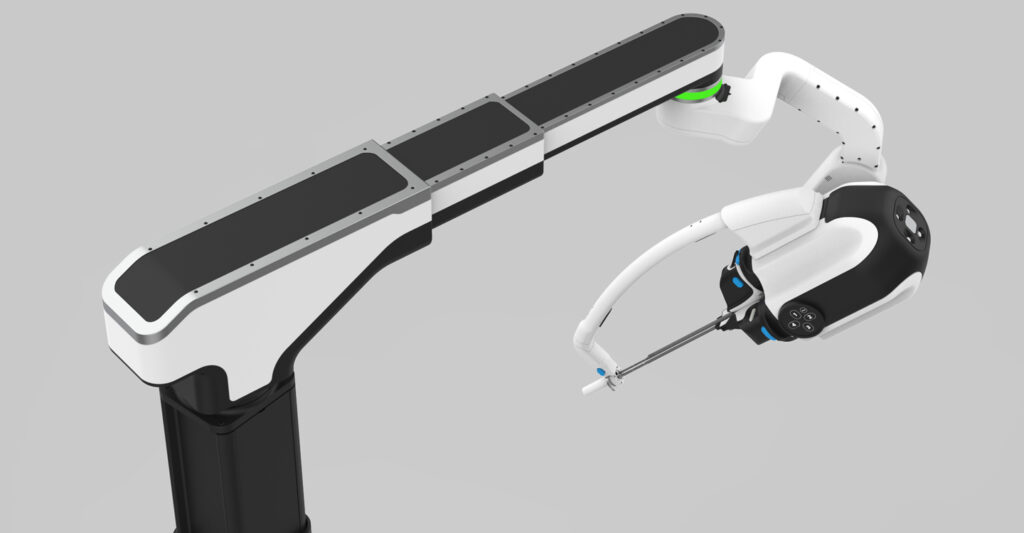
In collaboration with CDP, Titan Medical has unveiled its next-generation technology for single-access robotic-assisted surgery (RAS).

End-to-end product development partner Cambridge Design Partnership (CDP) assisted Titan Medical in designing and developing the next-generation technology for single-access RAS.

In a short time, a diverse CDP team of systems engineers, human factors specialists, industrial designers, and mechanical, electronics, and software engineers collaborated with Titan Medical to propel the development from initial concept to advanced prototype. The project is the latest example of CDP’s work in high-impact innovation in complex medical devices embodying the company’s mission to improve lives through innovation.

The Head of Robotics at CDP, says, “The starting point for this next-generation technology was the remarkable core innovations and intellectual property that power Titan Medical’s two-instrument Enos system. Titan Medical’s articulating instrument technology provides an impressive balance of dexterity and strength, allowing the surgeon to precisely maneuver them to achieve procedural tasks like grasping, suturing, and cutting. Similarly, Titan Medical’s 3D high-definition camera provides crystal clear visibility for the surgeon to be able to see the surgical site. We built on these core technologies, adding functionality for a third instrument and focusing on the usability, performance, and reliability of a RAS system.”

Cary G. Vance, President and CEO of Titan Medical, says, “CDP, with their proven record in innovation, enabled us to quickly unlock the value of our IP and convert our purpose-driven innovations and inventions into functioning prototypes. CDP has been a key partner through the years, delivering timely, high-complexity, and top-notch work. We are excited to share this achievement with them.”

By enabling surgeons to perform procedures through a single incision, Titan Medical’s technologies have the potential to reduce patient trauma and scarring and could enable patients to recover faster. This next-generation technology introduces advanced new features, such as software-enabled remote center of motion, and adds a third dexterous instrument to allow greater procedural flexibility and enhanced surgeon control. Innovations in the design allow a more compact footprint and lighter weight than current systems, taking up less space, making it easier to maneuver in space-constrained operating rooms, and providing open access to the patient.

The Head of US Office at CDP, adds, “Ultimately, the focus needs to be on the patient and on enabling the surgical team to achieve the most successful surgical outcomes safely and effectively. A key insight that fed into this development was recognizing that many RAS systems crowd the bedside and impede access to the patient. Sometimes you can barely see the patient under the robotic arms! We saw an opportunity to create a patient cart with a minimalistic and open architecture that is easy to work with and work around. Our work in advanced medical devices, particularly RAS technologies, continues to be one of the highlights of CDP’s 27-year history. This milestone is a proud moment for us, and we believe this technology will be a benchmark for single-access surgery.”

Concluding that, “Designing highly capable RAS systems means carefully navigating challenges and compromises such as performance and safety. Our approach resulted in an advanced and simple-to-use system that finely balances those difficult compromises. We delved deep into Titan Medical’s extensive intellectual property portfolio to be able to develop the best of all available technologies and bring our client’s valuable know-how to life. When working with CDP, our clients get access to our proven history of innovation, our nimble processes, and highly capable teams. This project is a great highlight of our capabilities embodied in one deliverable.”

“CDP has been a key partner through the years, delivering timely, high-complexity, and top-notch work. We are excited to share this achievement with them.”

Cary G. Vance, President and CEO of Titan Medical

Pilot manufacture for drug delivery devices||
Share:
Find the authors
on LinkedIn:

Prepare the way: Pilot manufacture for drug delivery devices

Bringing a drug delivery device to a clinical trial is a complex endeavor. You need to keep a handle on multiple moving parts, for example, the active pharmaceutical ingredient (API) development, the regulatory pathway, establishing the supply chain, and labeling. Developing a novel drug delivery device takes things to another level.

Many manufacturers shy away from the challenge, relying instead on proven technologies, so patients and clinicians don’t benefit from the most advanced user-centered design, and pharma companies can’t leverage the competitive advantage new technology delivers.

Here, I share some of the obstacles encountered conducting pilot builds in-house to help our clients bring devices to market – and give four pointers for ideal pilot manufacturing for clinical trials.

Develop your manufacturing process and architecture in tandem

3D CAD makes it all too easy to lose touch with reality and forget that the model on the screen is only an idealized representation. Zoom in 4,000%, and everything lines up beautifully. There’s no gravity, and parts have infinite stiffness, no tolerance, and perfect alignment. But, when you get natural variation in the manufacturing process, results can be disastrous. Components may not even fit together.

Once a design is frozen, making changes is expensive. After it’s passed to a high-volume manufacturer, costs become exponentially higher. Understanding manufacturing processes – and how changes can impact a project’s timeline – is critical for successful delivery. You need to prepare for the supply-chain ‘whiplash effect’: a tiny change at the top of the chain can mean seismic shifts at the end of it. That knock-on is the reason your product development strategy should incorporate pilot manufacture. Pilot manufacture keeps this effect in check by minimizing the volumes involved.

It’s vital to consider the whole supply chain, not just the component manufacturer, but the process equipment partners, filling, packaging, sterilization, and logistics. Each step has requirements to be understood and communicated to relevant parties. By developing manufacturing and assembly processes in tandem with device design, we can be flexible to insights arriving from either direction.

Pick the right partners for success

One of my first jobs was for a major automotive company. In their heyday, they ran the foundries that made the ball bearings for their vehicles. Today, they wouldn’t dream of it. No company does everything anymore. Few organizations would claim to be experts in all areas of drug delivery. Even those that manufacture and fill their own devices rely on external partners to produce the plastic resin and packaging materials and often outsource activities such as sterilization.

Partnering with experts to contribute specific knowledge is a time-efficient way to overcome obstacles in the development pathway. It also unlocks access to cutting-edge equipment and facilities that are expensive to maintain. While developing a breath-actuated inhaler, we engaged an external test house to conduct bio-compatibility evaluations on the device. We may have the skills in-house to perform this testing but maintaining accreditation for an activity that isn’t core to our business doesn’t make financial sense.

Know the limits

When developing a device, it’s essential to explore sources of potential variation. The same goes for the manufacturing process. You can use various tools to do this, but we frequently return to the humble ‘process failure modes and effects analysis’ (pFMEA). The pFMEA is a structured way to consider all the process steps – and how they could go awry. Developing a robust pFMEA ensures the team focuses on the highest risk areas and starts thinking about implementing mitigations.

A key checkbox for each manufacturing process step is if the results can be verified or validated. The US Food & Drug Administration Code of Federal Regulations Title 21 defines verification as “confirmation by examination and provision of objective evidence that specified requirements have been fulfilled.” Many processes can be verified using in-process measurement systems. But several can’t, for example, the joining of two plastic parts by ultrasonic welding. You can’t determine the strength of this weld without destructive testing. The ultrasonic welding process needs to go through process validation to determine the limits within which the process should be operated.

When communicating with stakeholders, it’s crucial to know the volume limits and have a realistic plan for producing parts representative of the final production process. For example, how many parts can the mold tools make? There’s a trade-off between tool production speed, tool cost, and tool life. Low-cost soft aluminum tools might be ready in two weeks but only suitable for 2,000 shots, whereas a more expensive hardened steel version might take 16 weeks (without validation) but last for over 100,000 shots.

Validating injection mold tools can be a lengthy process. Exploring the process window needs planning and performing multiple molding and measurement runs and subsequent analysis. Companies only want to bear this cost once, so experienced development teams need to hold firm when encountering adverse test results. I know of an auto-injector that showed promise early on, albeit with an infrequent failure observed in testing during development, that was allowed to pass into design freeze. More thorough testing during design verification revealed results that triggered the regulatory application to be rejected. Cue months of tooling validation needing to be reassessed.

Combination products require the delivery devices to be filled or co-packaged with primary containers of the API. Clinical trials complicate this because they need devices filled with the API or safe and sterile placebo. The filling process can be complex, especially when the API is highly viscous or uses technologies such as microspheres to sustain the release of active components over time. You need to factor in time to explore the filling and develop the process settings. Thought needs to be given to the amount of API and placebo available and the lead times for new batches as this can limit the amount of filled and finished devices.

Whitepaper-Breaking-the-mould-CDP-pdf
WHITE PAPER

Digital tooling to reduce time to market

Not documented? You’re not done.

Understanding the controls needed to manage risk is essential for a manufacturer delivering high-quality, safe, and reliable products. ISO 14971 sets out a best practice framework for managing risk in the context of medical devices. We advise creating a quality control plan that summarizes the production risk mitigation controls identified through risk assessment in a clear, concise format. This control plan also blueprints the actions needed if a specific limit or check is breached.

Anyone who has experienced an audit by a notified body or regulatory agency will recognize their love of records. The mature management systems used by large manufacturers often aren’t available for the short-run low volumes involved at the scale-up stage. Building a bespoke database compliant with 21 CFR part 11 to handle records can be a lengthy activity, particularly when compared with the pace of setting up paper-based systems.

Managing paper records generated by the manufacturing process can be challenging, putting storage and recall burdens on a manufacturer. Companies scan these documents soon after completion to reduce this burden. But the destruction of originals is risky, and the recall and integrity of e-records must be checked before destruction.

Pilot manufacturing helps optimize the journey of a drug delivery device to clinical trial. It’s not without its own challenges, but synchronizing manufacturing process and device design development, partnering with experts, having a plan for producing components that’s representative of the final production process, and keeping a handle on records puts you in a position to maximize pilot manufacturing’s potential.

References

Connect with CDP

For more on how to navigate pilot manufacture and bring drug delivery devices to clinical trial with confidence, contact Cambridge Design Partnership.

|||||
Share:

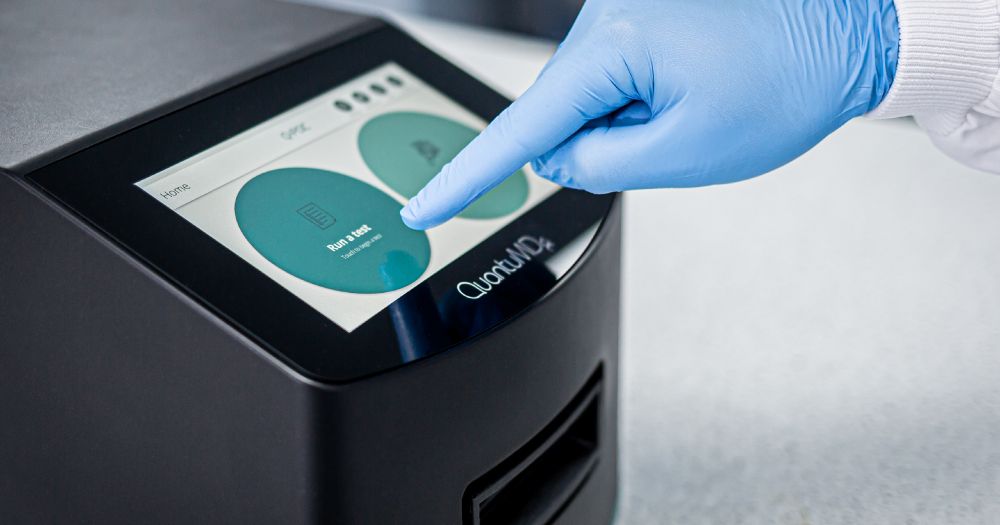
CDP completes pilot manufacture of Point of Care diagnostic readers for rapid COVID-19 testing

A team at UK product and innovation company Cambridge Design Partnership (CDP) has produced highly deployable devices for COVID-19 testing. CDP has been collaborating with diagnostics tech firm QuantuMDx to refine their Q-POC™ device and produce the first batch of readers to detect COVID-19 within approximately 30 minutes. QuantuMDx is now investing over £11 million to scale up production and introduce this rapid diagnostic solution to benefit patients and frontline health workers across the globe.

QuantuMDx is developing molecular diagnostic devices for a range of diseases and has developed and launched a highly accurate lab-based SARS-CoV-2 assay. Prior to the COVID-19 outbreak, the firm had commissioned CDP to produce prototype devices for CE marking. CDP worked through the first UK lockdown to improve the design of the reader and the first units are deployed at UK hospitals for COVID-19 testing studies.

“After beginning our partnership with QuantuMDx during 2019, we were delighted to be asked to collaborate with this innovative company once again, at a critical time. The team has been highly motivated by this crucial project and proud to contribute to the national effort,” says Dan Haworth, CDP’s Head of Diagnostics.

Colin Toombs, VP Research & Development at QuantuMDx, said: “We’ve worked in partnership with CDP since April last year, to undertake accelerated pilot manufacture of our Q-POC™ device, which is a portable DNA/RNA analyser offering rapid, sample-to-answer, molecular diagnostic testing at the point of care. The QuantuMDx and CDP teams have worked in close partnership to optimise our product development and manufacture devices to deliver testing for COVID-19. They are being released initially for research use, but we are rapidly moving towards CE-IVD of Q-POC™ for SARS-CoV-2 detection. Working together with CDP, we’ve established an ongoing partnership for the future.”

The device works by processing a swab sample, amplifying the target sequence specific to SARS-CoV-2, which causes COVID-19, and then detecting whether the virus is present. This all happens within a sealed cartridge that is controlled by the reader with minimal user involvement.

“Within approximately 30 minutes from sample collection, the device will give an accurate answer to whether the patient has COVID-19” says Dan.

These first new readers have been designed and built at CDP’s HQ in Cambridgeshire, where the company has short-run manufacture capability alongside its R&D facilities.

CDP’s team working to develop the QuantuMDx device includes mechanical and electronics engineers, software engineers, regulatory experts and manufacturing engineers.

“We worked at speed to design, build and test these important devices as quickly as possible. We are all thrilled to play our part in beating COVID-19 and we congratulate QuantuMDx on moving to mass manufacture,” added Dan.


For further information and media enquiries, please contact: media@cambridge-design.com or call 01223 264428

How to unlock the potential of digital
Share:

How to unlock the potential of digital, to design products for the benefit of all stakeholders

WEBINAR

How to unlock the potential of digital, to design products for the benefit of all stakeholders

With Clare Beddoes
8 APR 2020

Done well, digital can enhance the development of healthcare devices and help provide benefit to all stakeholders. But before applying digital as a tool to your device development, Clare Beddoes (Senior Medical Innovation & Research Consultant) highlights some key questions:

Why do you want a digital solution? How will you implement it? What do you want to achieve? And who will benefit?

Join Clare as she shares her valuable insights.

Connect with the speaker

Clare Beddoes

Clare Beddoes

Senior Medical Innovation & Research Consultant

|HandiHaler
Share:

Human factors in your hands: Usability for more than just regulatory compliance

WEBINAR
With Louise Place and Lucy Sheldon
25 FEB 2020

The world of medical devices has been combining user experience and the understanding of patient capability since the advent of IEC 62366, and the US Food and Drug Administration (FDA) ‘Draft guidance on applying Human Factors and Usability Engineering to optimize Medical Device design’. These have moved development on from purely solving the engineering problem towards resolving use errors and designing with the end user in mind.


Recently both the FDA and the European Medicines Agency (EMA) released guidance that promoted a more user-centred approach to pharmaceutical development. The FDA ‘Draft guideline on patient-focused drug development’ and the EMA ‘Reflection on pharmaceutical development of medicines for use in the older population’ suggest that regulatory bodies see the next step in drug delivery as considering the patient from the early stages of formulating new medicinal products.

For most patients the simplest way to take a medicine is an oral tablet. However, there is an increasing trend away from small molecules towards large molecule peptides and proteins with an overall move towards the delivery of Biologics. Their sensitivity to the ‘first-pass effect’ of the human liver limits delivery routes, with parenteral (injection-based) administration taking the bulk of the market share. Couple this with a preference for self or caregiver administration away from a hospital environment and an increased drive towards patient-related outcomes. It then becomes clear that a product that can reach the intended site of action with the correct dose at the right frequency cannot be achieved without serious consideration of the intended user and recipient.

In the devices’ world the process around determining if the user can operate the device safely and effectively is well established. Firstly, consideration is given to their capabilities, such as their manual dexterity and grip strength. For example, whether a Rheumatoid Arthritis patient has the finger or hand dexterity to press a button to deliver their medicine with an auto-injector. This is documented within the Use Specification for the device. Then usability studies conducted throughout a device’s development (i.e. Formative evaluations) where real people simulate use, allow knowledge of how people approach a device to be fed into the design process so it can be as intuitive as possible. Lastly usability validation or summative studies test the device with a representative population of users to confirm that the final version and its labelling can be used safely and effectively.

Historically, pharmaceutical products that don’t have a device element have not needed to consider the end user to the same extent, and the focus has been on developing a stable formulation. As an example, an older patient suffering from dysphagia (difficulty or discomfort in swallowing), where solid tablets may stick in the throat or may just be too big, may have several options. These may include water dissolvable tablets or powders, capsules that can be opened to allow sprinkling of contents over food or tablets that can be broken in half for easier distribution. At first glance, these provide different solutions for dealing with the difficulties. However, different formulations may result in an increased cost to the patient (cf. the cost of solid tablet paracetamol vs dispersible paracetamol in the UK) or even need a different way of administration of a tablet that, on the surface seems identical. (for example comparing a water dissolvable tablet with one that dissolves on the tongue). Patient information leaflets and instructions are not always read or understood, especially with repeat prescriptions of what may seem to be the same medicine. This may result in the patient taking their medicine in the wrong way with the potential for varying results. So the best option for the user may in fact be a completely different presentation that makes differences obvious.

Underlying this is the evolution of drug delivery technologies with new capabilities such as 3D printed medicines and custom-made solutions for individual user needs. Patients are becoming more informed about their treatment and these resources can also play a part in the reduction of user error and improving patient outcomes.

Whilst every problem is not necessarily solvable through the patient-centred-design of the formulation, factoring it into the development process at an early stage should allow for potential shortfalls to be addressed with an appropriate management strategy.

To learn more about how human factors usability engineering can benefit healthcare product development, watch our webinar with Louise Place (Head of Regulatory Affairs) and Lucy Sheldon (Human-Centred Design Consultant).

Website-Graphics_mobile-hero_reddot
Share:

CDP ranked in the top three international design firms

Cambridge Design Partnership is recognised as one of the top three agencies in Europe and the Americas for design innovation, according to the Red Dot awards programme.

Red Dot has become established internationally as one of the most sought-after seals of quality for good design. They organise annual competitions looking to applaud the best in product design, globally.

This year Cambridge Design Partnership (CDP) came third in the ranking for design firms that continuously and progressively, produce cutting edge and forward-thinking product concepts.

“We are absolutely delighted with the news,” says Mike Cane, founding partner of CDP. “To have this sort of accolade on a global stage is really gratifying. It’s a testament to the hard work and creativity of our whole team.”

In presenting the award, Ken Koo, President of the Red Dot Award in Asia congratulated CDP and stated that the ranking recognised CDP’s continued investment in design and was a “vigorous reflection of real and sustainable design innovation capability”.

CDP was founded 23 years ago and has grown rapidly offering customer focussed technology and design innovation. Capabilities start with front end research, strategy and design, and include mechanical, electronics and software engineering as well as manufacturing and quality management. They work for market leading companies in healthcare, consumer technology and energy in Europe and US.

CDP innovations which have won coveted Red Dot Awards in recent years include the First Response Monitor, a wearable connected device which measures and broadcasts patients’ vital signs for instant analysis by medics in emergencies. Another is Klarus, a drug delivery system aimed at patients with conditions such as rheumatoid arthritis, which necessitates regular self-injection with medication.

Learn more about Red Dot Design Ranking

Share:
Find the authors
on LinkedIn:

Is medical device regulation failing to ensure patient safety?

For the last decade I have been part of the medical devices industry, most recently as part of a design consultancy firm specialising in medical device innovation. In the last few years our world has been shaken with reports of the failure of medical device implants and the insinuation of industry wide misconduct.  The headline statistics are certainly shocking, in the investigation recently published by the ICIJ, their research suggests that in 2017 nearly 300,000 patients were harmed by medical devices in the US alone. Clearly something is wrong.

However, personally I have never come across anyone in the industry who wishes to cause harm to a patient, in fact it’s completely the opposite. Where I work, it is our company’s primary policy to improve lives through innovation and the stories that have hit the headlines do not to make it clear that most people in the industry are diligently working towards making sure all new devices are safe.

I spend my life around medical devices. These include items as varied as a surgeon’s scalpel, an insulin injection pen or a portable oxygen delivery system. They also include implantable meshes and spinal support systems and complex hospital equipment designed to keep extremely sick people alive.

Each device I work with is the product of many years of design and testing before it is allowed near a patient. During that time, it undergoes substantial testing to ensure that it works according to the design intent, for the conditions it is expected to experience and the intended life both on the shelf and in use. Biocompatibility testing is carried out to ensure that anyone encountering contact with materials does not suffer an adverse reaction and a robust risk management process, including medical professional opinion, underpins all this to attempt to account for foreseeable harms from the use of the product. At every stage in this development process the concern is for the patient and one of the most common questions asked is whether you would be happy for a close relative to use the final product.

If a device does reach a human being for clinical evaluation, and not all do, the use in that person is strictly controlled. The safety profile, as far as possible, needs to be determined and the risks of the use of the device, as well as the benefits, need to be established and controlled as far as possible. In the United Kingdom, this assessment is carried out by the Medicines Healthcare Regulatory Authority (MHRA) and it takes several months for agreement, during which this information is assessed. It is also usual for an independent Research Ethics Committee to confirm the well-being of trial participants and agree to the trial. Once agreement is obtained recruitment may begin and appropriate volunteers may start a trial once they have signed an informed consent form which details the potential risks and benefits of the study. All trial participants may withdraw from a trial at any time without needing to give a reason.

Prior to a device being launched on the open market in Europe and depending on risk classification (the lowest risk devices can be launched after the creation of appropriate technical document with limited oversight), the summary of all the development documentation detailed above, and more is assessed by a Notified Body. These organisations, whilst not part of governmental structure, are designated by their national competent authority (e.g. MHRA) as having passed a strict assessment which confirms that they have the relevant in-house knowledge to question and approve a device for use. Post market surveillance also takes place to ensure that as more information becomes available through use, appropriate changes are made to the design and even withdrawal of product if it is deemed necessary because of a safety risk.

Europe is currently poised to welcome an update to the Directives and Regulations governing the development and assessment of Medical Devices to the market. This is the culmination of nearly a decade of discussions from the European Commission downwards to ensure the safe development of medical devices. The new Medical Device Regulations (MDR) place stricter requirements on the in-patient testing of devices, the post market follow-up (especially with regard to implantable devices) and the re-classification of some devices into higher risk categories. All medical devices, both yet to be conceived and those on the market already, must meet these regulations as manufacturers will no longer be permitted to rely on historical approval.

I am not claiming my world is perfect and the statistics show this. But carefully implemented medical device regulation maintains and promotes high standards of safety and efficacy. I’m proud to say that here at Cambridge Design Partnership the focus is always on the welfare of the patient. I wouldn’t have it any other way.

Share:
Find the authors
on LinkedIn:

How is digital technology maturing in healthcare?

The recent Digital Health World Congress 2018, which was held in London at the end of November, covered aspects of medical and mobile technology. It certainly presented an interesting and diverse line-up of speakers and exhibitors.

A key learning we took from the event is that digital health (the intersection of digital technology and healthcare) is maturing. In recent years, digital health has experienced a strong ‘hype cycle’ but, as the event illustrated, we are beginning to see real-world roll outs that address true user needs and have measurable business success.

Keynote speaker, Adrian Byrne, CIO at University Hospital Southampton NHS Foundation Trust, presented a fascinating maturity model of patient information systems delivered by Healthcare Information and Management Systems Society (HIMSS). He explained that the adoption of electronic medical records is a key building block that serves as a foundation for new digital services and associated technical innovations that can improve healthcare. But the creation of systems for electronic medical records is only the start of the journey – to succeed it needs the willingness of end users to adopt it and continued championing to maintain momentum.

A key takeaway from the event was that where deployments have succeeded, they provide quantifiable gains for patients and other stakeholders. An example that Adrian described is a simple patient ID barcode solution, which enables the patient to be scanned prior to any medication being given to them. Already it has prevented over 300 patients from being given the wrong dose.

Another real-world example, which is being rolled out in Kent, is a simple App called WaitFree. It recommends which A&E facility the patient should attend in order to help minimise waiting time. Using the information of current waiting times at each A&E facility in conjunction with an estimation of the user’s travel time to each facility, it recommends which facility they should attend in order to be seen quickest – which may not necessarily be the closest one! This has a clear benefit for the patient but also benefits the healthcare system as load on the system is distributed more evenly, maximising utilisation of scarce resource.

A major theme from the event was leveraging smartphones to provide new diagnostics. For example, healthy.io is turning a smartphone into a regulatory-approved urinalysis device. Its first product, dip.io, uses the phone’s camera to assess various urine test results. This means that a subset of the 42 million tests conducted each year in hospital can now potentially be moved into the home, increasing convenience to the patient but also reducing costs on healthcare incurred through hospital visits.

An example of the convergence of medical and consumer diagnostics is Nimasensor, a connected gluten and peanut sensor device. Whilst gluten and peanut allergies are increasingly recognised and catered for, the creator identified the significant challenge to sufferers who would commonly be ill after meals out even if they had been careful to select food without allergens. The Nimasensor enables users to conduct an on-the-go analysis of foodstuff, thereby enabling restaurant visits with more confidence that illness or even fatal consequences will not occur.

All of this is reflective of a trend that is increasingly seeing consumers take ownership of their own wellbeing and healthcare. It’s moving away from the traditional model of sick care provided at a surgery or hospital. With this traditional model users have no real means of determining how sick they actually are before accessing services and creating an ever-increasing demand with health services stretched to the limit. However, companies like Doctorlink are trying to simplify user access by triaging and facilitating efficient access only when required. This enables practitioners and providers to be utilised more efficiently.

Whilst at the event there were many examples of services being built into Apps to help HCP’s during their day-to-day jobs.  There was also a healthy mix of companies embarking on a product and service deployment. For example, Qardio is providing a wide range of health wearables like blood pressure monitors, and Tytocare has developed a camera-based toolkit for home diagnosis that feeds data straight to the clinician.

Augmented Reality/Virtual Reality (AR/VR) was also demonstrated at the event. Proximie is conducting some very compelling remote surgery assistance where the experts no longer need to travel the globe to assist in theatre. Instead, they can be virtually ‘there’ via the latest webcams, and so enhancing the level of support they can provide to a wider audience.

Equally compelling was Oxford VR who demonstrated dramatic behavioral improvements with people fearful of heights. With the use of VR tools they are quickly able to quash people’s fears and within a few hours empower them to tackle heights, escalators etc.

Overall, at Digital Health World Congress 2018 we saw many passionate and insightful enterprises pitching into the healthcare market, sometimes with a boost of funding, and then growing organically to deliver increasing levels of benefit around a specific need. Whilst this is exciting there exists the inevitable potential for fragmented and competing services, which is already one of the biggest problems in healthcare.

Here, at CDP, we start by examining a new healthcare challenge from all angles. This enables us to focus innovation on a sound foundation rather than taking new technology and looking for a home for it. This involves researching and thinking around users and how their needs can be best addressed, as well as the business imperative to create a profit. So when we finally deploy technology it efficiently addresses both user and business needs, with the foundation for scale built in.

Share:

A breath of fresh air – How interactive technology could transform the patient experience in intensive care

24 September 2018 – A doctor’s experience of dealing with acute trauma on the battlefield is being used to help improve the lives of critically ill civilian patients in intensive care units (ICUs). Dr Charlotte Small and the critical care research team at the Queen Elizabeth Hospital Birmingham (QEHB) in the UK are working with technology and product design firm Cambridge Design Partnership (CDP) on a novel approach to the complex task of weaning recovering patients off ventilators.

Millions of people are admitted to ICUs around the world each year – with the majority recovering and eventually returning home. But discharge from the ICU is often not the end of the story – many patients experience significant and persistent physical, psychological or social problems. One key contributor to these issues can be the process of weaning patients off ventilator support after an extended period of chronic critical illness.

The weaning process involves various regimens of progressive reduction in mechanical support – analogous to athletic or resistance training. But, unlike athletic training, the ICU process is out of the control of patients – who may also be disorientated, confused and suffering short-term memory loss. As a result, they can be prone to distress or panic when breathing support is partially or temporarily withdrawn. As well as contributing to psychological trauma, this can lead to extended ICU stays and poorer long-term outcomes.

Now Dr Small and CDP are harnessing interactive technology in a bid to make the process more patient friendly. With funding from the National Institute for Health Research (NIHR), they are creating a ‘digital liberation from ventilation’ (DELVE) system to give patients easy-to-understand information on a screen about their breathing performance – both real time and historical – and so engage them in the weaning process. The dashboard will also enable clinicians to see at a glance a patient’s breathing performance and improve their understanding of an individual’s progress – mechanical ventilator devices currently provide no easy way of viewing historical patient data, so doctors usually piece together data from multiple sources such as vital signs monitors and clinician notes.

Loss of muscle mass whilst on mechanical ventilation is another significant challenge to patient recovery. Patients typically undergo physiotherapy sessions to rebuild body strength as soon as they are medically stable enough on the ICU. The dashboard could include a gamification element to make breathing exercises more interesting and enable patients to do them on their own – speeding up the process of building up their diaphragm muscles and relearning how to breathe for themselves.

“This novel approach has the potential to improve the patient experience – and patient outcomes – whilst preserving precious healthcare resources,” said Matt Brady, partner and head of medical therapy systems at CDP. “It’s a fantastic example of what can be achieved when human factors, design and user experience expertise are combined with electronic and software skills in a cost-effective way for the benefit of the patient and the healthcare system.”

Dr Small works in anaesthesia and pain medicine at the QEHB. Her previous role as an anaesthetic trainee in the Royal Air Force led her to undertake research and quality improvement work into the management of acute trauma-related pain. She is the chief investigator for a programme of work at the NIHR Surgical Reconstruction and Microbiology Research Centre investigating how interactive technology could benefit the experience and performance of patients during early rehabilitation in ICUs – which includes a feasibility study of the DELVE system.

“This exciting programme of work has huge potential for patients and their loved ones,” said Dr Small. “By improving understanding of the process of recovery from critical illness – and combining that with the knowledge gained from our research – we aim to enhance clinician decision making and prediction of recovery pathways. Working with the CDP development team – with its understanding of the technical aspects, as well as patient and clinician perspectives – has been crucial to bringing our ideas to life.”

The NIHR Surgical Reconstruction and Microbiology Research Centre funding the project is a partnership between the NIHR, the Ministry of Defence, University Hospitals Birmingham NHS Foundation Trust (which runs the QEHB) and the University of Birmingham. The initiative brings both military and civilian trauma surgeons and scientists together to share advanced clinical practice on the battlefield and innovation in medical research to benefit all trauma patients in the NHS at an early stage of injury.

Notes for editors
Cambridge Design Partnership is a technology and product design partner focused on helping clients grow their businesses. Some of the world’s largest companies trust CDP to develop their most important innovations. Located in both Cambridge (UK) and in Palo Alto, California (US), CDP specialises in the consumer products, healthcare, energy and industrial equipment markets. Its multidisciplinary staff have the expert knowledge to identify opportunities and tackle the challenges its clients face. For more information, visit: cambridgededev.wpenginepowered.com.

The National Institute for Health Research: improving the health and wealth of the nation through research. Established by the Department of Health and Social Care, the NIHR funds high-quality research to improve health; trains and supports health researchers; provides world-class research facilities; works with the life-sciences industry and charities to benefit all; involves patients and the public at every step. For more information, visit: www.nihr.ac.uk

The NIHR Surgical Reconstruction and Microbiology Research Centre is a national centre for trauma research, transferring innovation used in the treatment of injured military personnel to improve outcomes for all patients. It brings together the pioneering advances in surgery and infection control made by military and civilian scientists and medics working together. Launched in January 2011, the national trauma research centre will share its discoveries with the wider NHS to support delivery of excellence in a complex area of acute care. Based at the Queen Elizabeth Hospital Birmingham (QEHB), the centre harnesses expertise from the Ministry of Defence, the University of Birmingham and the QEHB and has been funded over five years with a total investment of £15 million investment. For more information, visit: www.srmrc.nihr.ac.uk

For further information, contact the marketing team:
+44 (0)1223 264428
marketing@cambridge-design.co.uk

LinkedIn
Share:

Breathing new life into clinical outcomes

The rise of connected devices and the variety of information they can generate is set to drive an increase in patient adherence to therapies. Our trials have shown that remote and hidden sensing of actual user behaviour can uncover unexpected and significant opportunities to improve the patient experience.

So how can connected technology help in the development stages of a new product, especially in a clinical environment? A recent study – Non-adherence: a direct influence on clinical trial duration and cost – by Moe Alsumidaie highlights the significant costs of non-adherence during pharmaceutical development. The study reported a 40% increase in patient enrolment to allow for non-adherence – adding an estimated $12m to the cost of a Phase 3 study.

We are also starting to see many medical device approvals in the connected space. MobileHealth reported 51 approvals in 2017 alone – the focus being on app-based patient management of disease, especially in the cardiac and diabetes sectors. There were only two respiratory-based systems reported – namely the connected spirometer GoSpiro and a new inhaler monitoring device for AstraZeneca’s Symbicort aerosol inhaler, dubbed the SmartTouch.

These solutions are enabling remarkable new capabilities for patients – and also for payers as we move towards outcomes-based healthcare. But are there steps that can be taken earlier in medical device development that can disrupt the whole process for the benefit of everyone?

What if we took a little bit of time to insert technology into products in either the clinical stage of drug development or early device design phases to understand how patients interact with the device and dosing regime? Two of the main methods to understand what has happened in a clinical investigation is to get patients to fill in a diary during their study and, on return, count the number of doses taken from the inhaler or capsule pack. Not quite 21st century.

Maybe, in the near future, clinical plans will include more advanced technology to enable a more accurate understanding of the efficacy of a new drug in development – was that poor resultant FEV1 clinical endpoint really due to the drug or was it because the patient simply forgot to prime the device and inhaled nothing but fresh air? Being able to unpick the actual usage data, so that these distinctions can be accurately made, could potentially help all stakeholders to better understand what the patient actually did and hence clarify where the subsequent opportunity to improve patient outcome actually lies – be it drug, device or training/education. In essence, it’s about using technology to guide design and development so that the appropriate solution is selected.

Here at CDP we wanted to go further and challenge ourselves to capture some very specific usage data for inhalation, whilst avoiding the Hawthorne effect and without changing the external form factor, thereby minimising any influence on user behaviour. It is common knowledge that all inhalers have associated use errors, so we took a commercially available one that has documented use errors and inserted miniature sensors that would enable both real-time indication and post-usage remote assessment of those use errors – namely priming action, orientation of use and inhalation/exhalation profile. We enabled the data to be time stamped and communicated to an appropriate output, in this case on-screen graphical readouts.

Behind this is the need to understand the volume of specific use data that gets logged and learn how to translate and classify the events represented as peaks and troughs on a graph. At CDP we have a wealth of experience of doing this across several sectors including sports and packaging systems.

If you’re looking for a breath of fresh air in your next respiratory drug delivery development, get in touch via hello@cambridge-design.co.uk or visit us at the RDD 2018 event in Arizona, 22-26 April on exhibit table 6.