||

New clinical software set to assist anaesthetists during high-risk surgery

Cambridge Design Partnership plays a key role in a pioneering product aimed at helping to better manage intra-operative hypotension and the associated complications that occur during surgery

Cambridge Design Partnership (CDP) has worked with British medical device company Directed Systems to develop a new clinical decision support software solution for clinicians in the operating room.

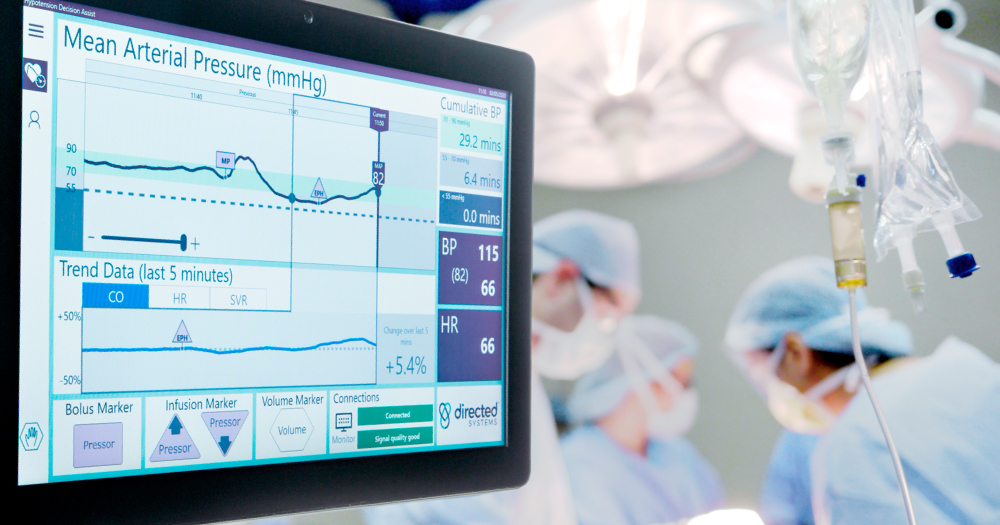
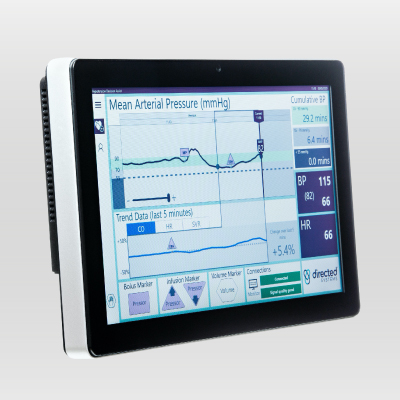
The software allows anaesthetists to view and analyse hypotensive relevant vital signs data from the patient throughout an operation and will highlight anomalies. Currently, anaesthesia patient monitoring solutions are focused on the current situation and, while they display trends and alarm thresholds, do not offer the sophisticated analysis related to hypotensive episodes and overall durations of hypotension during surgery, so HDA is a useful adjunct to these systems.

The new software has achieved FDA 510(k) clearance for sale in the USA.

“We are delighted to see this important product come to fruition, It was very rewarding for our team to have played such a key role in developing this exciting technology.” said Head of Medical Therapy at Cambridge Design Partnership.

Low blood pressure (hypotension) during surgery occurs frequently and there is substantial evidence that patients undergoing major or emergency surgery do not tolerate this for even short periods. While anaesthetists are skilled at controlling blood pressure surgeries can be lengthy and constant vigilance difficult. Research shows that reducing hypotension can reduce, occurrence of post-operative complications resulting in long term health problems, minimise hospital stays, improve patient outcomes and reduce healthcare costs1.

Directed Systems approached CDP to help them turn their decision support concept into reality. “We first helped identify the optimum product development strategy”, explains Karl Hewson, Senior Human Factors Engineer at CDP. “Extensive discussions with healthcare stakeholders identified that the first product should provide an at-a-glance view to the anaesthetist of the overall state of their patient’s hypotensive situation, to help them make more informed decisions and to better manage hypotension while on the operating table”

Using this research data, CDP then developed the software user interface (UI). “We started with the various therapy protocols that were used, and we created an information hierarchy and workflow that would support and enhance the decision-making process,” said Karl.
“We are all very pleased with the project outcome and look forward to seeing Hypotension Decision Assist (HDA)TM in commercial use, we are also looking forward to helping to develop the technology further in the future,”


For further information and media enquiries, please contact: hello@cambridge-design.com or call 01223 264428

1 – Keuffel, E. L., Rizzo, J., Stevens, M., Gunnarsson, C., & Maheshwari, K. (2019). Hospital costs associated with intraoperative hypotension among non-cardiac surgical patients in the US: a simulation model. Journal of Medical Economics, 22(7), 645–651.

Website-Graphics_cdp-hero_ventilator-splitter-pr

New device could save lives around the world by allowing two patients to share one ventilator

Staff at Cambridge Design Partnership (CDP) have worked on an innovative project to “split” a medical ventilator, so that it can save the life of two patients at the same time. It could be used by healthcare providers around the world to double ventilator support in emergencies involving mass casualties. The innovative device is now set for regulatory approval thanks to the CDP team.

The device was initially created in a tight timeframe in March 2020, said Jon Cooke, who led CDP’s team working on the project. “At the time, there were fears that Royal Papworth Hospital in Cambridge could not cope with the high numbers of seriously ill Covid-19 patients they might face, so we worked round the clock to turn the idea into reality.”

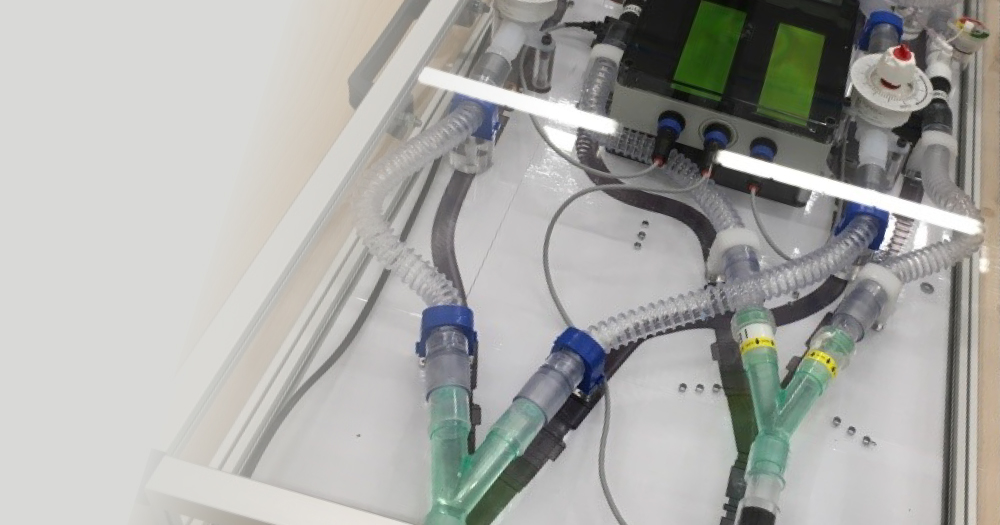
The device allows one ventilator to serve two patients safely, even if they have differing needs for breathing support. It is now being tested and looks set to become a key piece of emergency equipment in pandemics and other crises such as war and mass shootings.

The project was initiated by the Institute for Manufacturing (IfM), University of Cambridge, in response to a call for help from Royal Papworth Hospital anaesthetists. Previous ventilator-splitting designs did not take into account the differing needs of the two patients in terms of lung capacity and breathing needs. “They were so rudimentary they ran the risk of doing serious damage to the patients’ lungs,” said Jon.

All parts in the device are easily sourced and can be swiftly changed and replaced. Initial details of how to build the device are now freely available on the Institute for Manufacturing website, for use by all medical professionals in emergencies. “If other communities across the world have to consider this emergency option in the event of a shortage of ventilators, they can copy and adapt the set-up for their own needs,” said Jon.

“The CDP team was asked to join the project at short notice over Easter 2020. “Although ventilator demand in the UK has now reduced, this system could provide emergency support in other countries which are still facing significant challenges with the pandemic. It’s also of great help for longer-term use in countries with ongoing ventilator shortages,” said Jon Cooke.

Two anaesthetists from the Royal Papworth Hospital, Professor Andrew Klein and Dr Chinmay Patvardhan, initiated the project. Professor Klein said: “We needed to have the ability to measure and control the air flow to each patient individually. We also needed to ensure that if there was a decline or improvement in breathing in one patient this would have no effect on air delivery to, or monitoring of, the other.”

“It was also essential that the set-up was easy to assemble and use. The device is currently being tested at Royal Papworth Hospital and first trials of the device using artificial lungs are very encouraging.”

Dr Patvardhan said: “This device could allow medical professionals to instantly double their ability to ventilate patients safely in a crisis situation. This would be invaluable for any future emergency on the scale we have seen with COVID-19.”

The system is specifically designed to be simple to use and maintain. The unit provides isolated respiratory lines to two patients and can be swiftly added to a ventilator. A meter shows a measurement of tidal volume to each patient. The device can also monitor the total pressure and airflow in the device. Easy-to-access valves enable fine tuning of air flow to match the requirements of each patient.

Jon Cooke said: “It was a hugely positive experience for us here at CDP to support the IfM team and work with Royal Papworth to deliver a functioning and safe design in such a short space of time.

“The combination of the deep regulatory knowledge and robust design techniques of the CDP team along with the great conceptual and experimental work conducted by the IfM made for a truly rapid development process. I’m extremely proud of what we achieved together in this remarkable cooperative project. “Of course, we hope that such emergency use of ventilators will be a rare occurrence in the future. But if such a situation arises, this system can be a lifesaver.”


Watch a report on the new device from BBC Science and Technology Correspondent Richard Westcott:


‘Invaluable’ ventilator device could treat two Covid-19 patients at once

BBC News coverage

Royal Papworth tests new ventilator for use on two patients simultaneously

ITV News coverage


For more information on the ventilator sharing device project, visit the Institute for Manufacturing (IfM) website here.

For further information and media enquiries, please contact: media@cambridge-design.com or call 01223 264428

Drug delivery, self administration

Improving drug delivery systems for self-administration

WEBINAR

Improving drug delivery systems for self-administration

With Bastiaan deLeeuw, Uri Baruch, Clare Beddoes and Chris Houghton
8 JUN 2020

As self-administration in the home setting grows in importance, our panel of experts discuss the continuous drive to design and improve drug delivery systems for self-administration and home-use.

Enjoy the full debate where Bastiaan deLeeuw chairs the panel, gathering insights from Uri Baruch, Clare Beddoes (Head of Drug Delivery) and Chris Houghton (Head of CPG).


pen-injector technology

CDP collaboration on pen-injector technology with the Stevanato Group

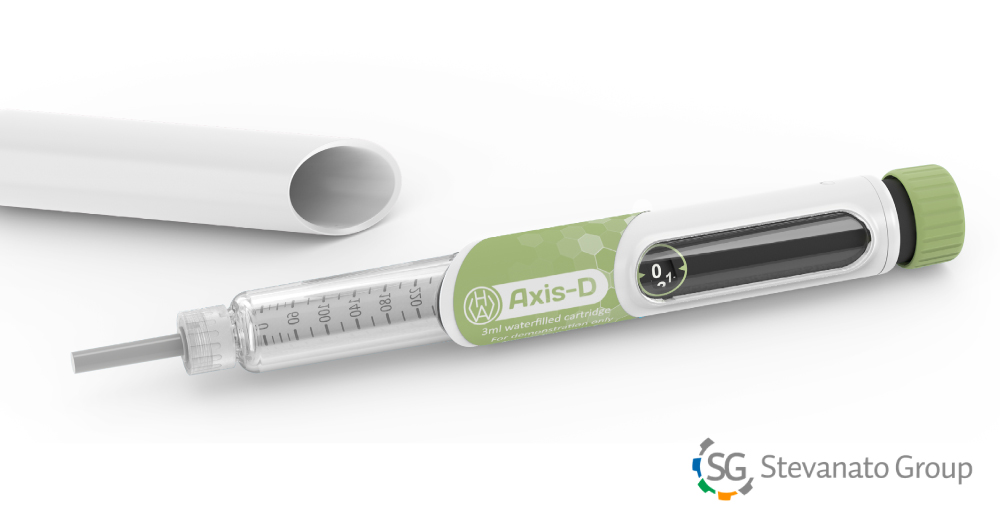
Cambridge Design Partnership (CDP), a UK and US based leading technology and product design partner, and the Stevanato Group, a leading producer of glass primary packaging and provider of integrated capabilities for combination products, today announced a collaboration agreement for the development of a new pen-injector based on the Axis-D technology and intellectual property (IP) licensed exclusively from Haselmeier in 2019.

The collaboration between CDP and the Stevanato Group strongly supports the expansion of the Stevanato group’s portfolio of devices for patients suffering from diabetes.

The agreement leverages the mutual strengths: on one side, CDP’s leading design and development expertise in drug delivery and on the other, the Stevanato Group’s extensive experience in glass containers, tooling, injection moulding, device assembly, and its global commercial network.

CDP and the Stevanato Group will be able to offer innovative drug delivery solutions to pharmaceutical customers working together from the first concept right through design development, scale-up, regulatory submission, and commercial-scale production in all global markets.

“We are delighted to be announcing this partnership,” says Uri Baruch, CDP’s Head of Drug Delivery. “The Stevanato Group is well established in the device field as a leading supplier of cartridges and assembly equipment for pen-injectors. It is a pleasure to extend our existing working relationship with them for their pen-injector and to address the needs of patients.”

“Our R&D team – with the active support of CDP, an established player in the design and development of drug delivery devices – will offer a competitive pen-injector platform and some customization options,” comments Paolo Patri, Chief Technology Officer at the Stevanato Group. “With the resources and experience of both companies, we will provide diabetic patients with a product that is easy-to-use, aesthetically appealing, and cost-effective.”

This new collaboration is one of the programmes behind the recent, substantial growth of CDP’s team of healthcare-focused designers and engineers in both Cambridge (UK) and Raleigh, NC (USA) facilities. “This is another strong vote of confidence in CDP. We look forward to this being the first of many end-to-end projects that we can collaborate on in this new partnership”, says Uri Baruch.


About Cambridge Design Partnership: Cambridge Design Partnership is an employee-owned technology and product design partner, located in Cambridge (UK) and Raleigh, North Carolina (US), focused on helping clients grow their business. Over more than 20 years, some of the world’s largest and most innovative companies have trusted CDP with their most important product development programs. CDP provide an integrated and holistic product development capability through a highly qualified team, well equipped development labs and ISO 13485/9001 approved methods. This encompasses research and strategy, design, technology and digital innovation, product development and regulatory and manufacturing support. CDP experts are able to take combination products through a full design cycle and submission, enabling customers to launch products that are user-centric and commercially effective. For more information, please visit our site.

For further information and media enquiries, please contact: media@cambridge-design.com or call 01223 264428

About the Stevanato Group: Established in 1949, the Stevanato Group is the world’s largest, privately-owned designer and producer of glass primary packaging for the pharmaceutical industry. From its outset, the Group has developed its own glass converting technology to ensure the highest standards of quality. The Group comprises a wide set of capabilities dedicated to serving the biopharmaceutical and diagnostic industries: from glass containers with its historical brand Ompi, to high-precision plastic diagnostic and medical components, to contract manufacturing for drug delivery devices, to vision inspection systems, assembly, and packaging equipment. The Group also provides analytical and testing services to study container closure integrity and integration into drug delivery devices, streamlining the drug development process. Thanks to its unique approach as a one-stop-shop, the Stevanato Group can offer an unprecedented set of solutions to biopharma companies for a faster time to market and a reduced total cost of ownership. For more information, please visit Stevanato Group.

For all enquiries, please contact Steven Kaufman

How to unlock the potential of digital

How to unlock the potential of digital, to design products for the benefit of all stakeholders

WEBINAR

How to unlock the potential of digital, to design products for the benefit of all stakeholders

With Clare Beddoes
8 APR 2020

Done well, digital can enhance the development of healthcare devices and help provide benefit to all stakeholders. But before applying digital as a tool to your device development, Clare Beddoes (Senior Medical Innovation & Research Consultant) highlights some key questions:

Why do you want a digital solution? How will you implement it? What do you want to achieve? And who will benefit?

Join Clare as she shares her valuable insights.

Connect with the speaker

Clare Beddoes

Clare Beddoes

Senior Medical Innovation & Research Consultant

|HandiHaler

Human factors in your hands: Usability for more than just regulatory compliance

WEBINAR
With Louise Place and Lucy Sheldon
25 FEB 2020

The world of medical devices has been combining user experience and the understanding of patient capability since the advent of IEC 62366, and the US Food and Drug Administration (FDA) ‘Draft guidance on applying Human Factors and Usability Engineering to optimize Medical Device design’. These have moved development on from purely solving the engineering problem towards resolving use errors and designing with the end user in mind.


Recently both the FDA and the European Medicines Agency (EMA) released guidance that promoted a more user-centred approach to pharmaceutical development. The FDA ‘Draft guideline on patient-focused drug development’ and the EMA ‘Reflection on pharmaceutical development of medicines for use in the older population’ suggest that regulatory bodies see the next step in drug delivery as considering the patient from the early stages of formulating new medicinal products.

For most patients the simplest way to take a medicine is an oral tablet. However, there is an increasing trend away from small molecules towards large molecule peptides and proteins with an overall move towards the delivery of Biologics. Their sensitivity to the ‘first-pass effect’ of the human liver limits delivery routes, with parenteral (injection-based) administration taking the bulk of the market share. Couple this with a preference for self or caregiver administration away from a hospital environment and an increased drive towards patient-related outcomes. It then becomes clear that a product that can reach the intended site of action with the correct dose at the right frequency cannot be achieved without serious consideration of the intended user and recipient.

In the devices’ world the process around determining if the user can operate the device safely and effectively is well established. Firstly, consideration is given to their capabilities, such as their manual dexterity and grip strength. For example, whether a Rheumatoid Arthritis patient has the finger or hand dexterity to press a button to deliver their medicine with an auto-injector. This is documented within the Use Specification for the device. Then usability studies conducted throughout a device’s development (i.e. Formative evaluations) where real people simulate use, allow knowledge of how people approach a device to be fed into the design process so it can be as intuitive as possible. Lastly usability validation or summative studies test the device with a representative population of users to confirm that the final version and its labelling can be used safely and effectively.

Historically, pharmaceutical products that don’t have a device element have not needed to consider the end user to the same extent, and the focus has been on developing a stable formulation. As an example, an older patient suffering from dysphagia (difficulty or discomfort in swallowing), where solid tablets may stick in the throat or may just be too big, may have several options. These may include water dissolvable tablets or powders, capsules that can be opened to allow sprinkling of contents over food or tablets that can be broken in half for easier distribution. At first glance, these provide different solutions for dealing with the difficulties. However, different formulations may result in an increased cost to the patient (cf. the cost of solid tablet paracetamol vs dispersible paracetamol in the UK) or even need a different way of administration of a tablet that, on the surface seems identical. (for example comparing a water dissolvable tablet with one that dissolves on the tongue). Patient information leaflets and instructions are not always read or understood, especially with repeat prescriptions of what may seem to be the same medicine. This may result in the patient taking their medicine in the wrong way with the potential for varying results. So the best option for the user may in fact be a completely different presentation that makes differences obvious.

Underlying this is the evolution of drug delivery technologies with new capabilities such as 3D printed medicines and custom-made solutions for individual user needs. Patients are becoming more informed about their treatment and these resources can also play a part in the reduction of user error and improving patient outcomes.

Whilst every problem is not necessarily solvable through the patient-centred-design of the formulation, factoring it into the development process at an early stage should allow for potential shortfalls to be addressed with an appropriate management strategy.

To learn more about how human factors usability engineering can benefit healthcare product development, watch our webinar with Louise Place (Head of Regulatory Affairs) and Lucy Sheldon (Human-Centred Design Consultant).

New Biolab for CDP’s HQ

CDP has just opened a brand-new biological laboratory at its Cambridge HQ, certified to allow research on containment level 2 biological hazards such as micro-organisms, blood and other body products.

‘We are delighted to announce that our new lab has now received approval from the UK Health and Safety Executive,’ says Dr Richard Owen, CDP’s senior bioscience consultant.

‘This new facility allows CDP to grow and handle a wide range of different microbial pathogens including bacteria, viruses, fungi and protozoa as well as animal and human blood, bone and tissue samples.’

The lab will allow CDP’s scientists and engineers to work on projects such as medical diagnostics, insulin-testing for diabetes and other health-related projects in-house at its Cambridge base. Previously, such research had to be out-sourced to external partners.

Richard, who joined CDP in the summer of 2018, set up the facility and generated the appropriate protocols and documentation so that it meets the required specifications. Richard has extensive experience in researching medical products and previously co-founded a start-up at Papworth Hospital in Cambridge. He says, ‘I am delighted to add this capability to CDP’s range of product development services. It is the final piece of the jigsaw that allows CDP to offer end-to-end development of diagnostics assays, instrumentation and medical devices.’

Dan Haworth, CDP’s head of diagnostics, also welcomes the news: “Here at CDP, we have previously developed a range of diagnostic platforms and now have the capability to carry out performance testing in-house with viable micro-organisms. This will greatly speed up our design process.’

Matt Brady, head of medical therapy at CDP, adds: “This new facility allows us to do early-stage concept testing with clinical samples as well as full verification and validation studies in-house. Our clients will benefit hugely from the full testing capability we are now able to offer.’

For more details, contact Dr Richard Owen on: Richard.Owen@cambridge-design.com

Six steps to build successful biodefence strategies

Biosimilars are taking on the multi-billion-dollar blockbuster drugs of today, with some sources suggesting that the market will be worth greater than $20 billion per annum within the next couple of years. The growth is being driven by factors such as healthcare systems looking to reduce costs and the growing prevalence of chronic diseases like diabetes and cancer.

Oncology and auto-immune disease therapeutic areas, where there are many significant molecules are a focus for biosimilars – with many of the hero drugs going off-patent. Last year, erlotinib (Erbitux) went off-patent. It is being followed by trastuzumab (Herceptin) and bevacizumab (Avastin ) this year. And by 2025, ipilimumab (Yervoy) and densoumab (Xgeva) will join them. Defence strategies against biosimilars have included formulation changes which enable a change in mode of administration, from infusion to subcutaneous injection. Others have included improved molecules in the same drug class or even exploiting a completely new drug class!

Herceptin is a good example as Roche reformulated it for subcutaneous use in 2014. The result was extended patent protection and a commercially-successful defence against the chasing pack of biosimilars. Other strategic moves by Roche have included the launch of Kadcyla, an antibody-drug conjugate which delivers a chemotherapy using the HER2-receptor targeting mechanism of Herceptin.

These successful strategies all share one thing: they are based on innovations that answer user needs through technology. At Cambridge Design Partnership, we work on the ethos that innovation arises by answering user needs through the right technology – no matter which market, application or industry. This is particularly effective in those difficult situations where a market is stagnant or declining, when a deeper understanding of user needs becomes essential.

As an example, in the smartphone market sales are declining. Users need a smartphone which is large when being used, but small when being stored and transported, so foldable smartphones may arrest this decline. Novel screen technology is being developed to answer this “unmet need” in the market: the iPhone that becomes an iPad when you are using it for watching movies. In a similar way, the switch from intravenous infusions to subcutaneous injections really answered user needs, from both the patient and healthcare perspectives, by removing the time required for a patient in a hospital to receive an intravenous infusion.

At CDP we use our in-house user and technology mapping techniques to discover and build the connections that lead to such novel and inventive solutions. There are six basic steps to making these connections:

1. Plot the overall care pathway around the drug.  For Herceptin, there may be opportunities to innovate at other parts of the care pathway than the administering drug, such as the initial companion diagnostic tests or even managing potential complications after treatment.

2. Map the user steps within interesting parts of the pathway. The initial problem of how to innovate around Herceptin is broad and overwhelming! By breaking it into its parts, we can identify simpler problems to solve and target those in which we have a greater chance of success. One approach is to break down the process of administering Herceptin into each single step executed by every person from its manufacture to delivery. This can be achieved through interviewing users, following national guidelines, reading blogs watching videos – with the information being analysed and interpreted in a systematic manner by a skilled interviewer/ analyst. Those steps in which improvements in time, costs, performance and experience can be made should be highlighted, eg. the injection of the drug slowly over 2 to 5 minutes.

3. Identifying the issues and their causes. For each of these steps, there are a number of issues which need to be solved in order to make these improvements. If we can identify the causes of these issues, we can work out how to solve them. For instance, a key issue in injecting Herceptin over 2 to 5 minutes is that it is difficult to keep the injection stable over 5 minutes as caused by the user’s hands beginning to shake. Another issue is that the injection device has to be held in place for up to 5 minutes, caused by the subcutaneous space under the skin only having a finite volume to receive the drug.

4. Formulate simple strategies to counteract these causes. Now that we know the issues and their causes, we can devise simple strategies to overcome them. So the user’s hands are shaking during delivery – can we remove the need to use hands during delivery? The subcellular space is too small – our strategy is to make it bigger.

5. Discover the solutions through the strategies. By expressing the strategy in simple language, the problem can be accessed by people from different background and assumptions are broken. Can we really remove hands from the process of administration? Can we really expand the sub-cellular space? Experts from many domains will come up with solutions through the strategies which align with their knowledge. Solutions which will enable improvements in injection range from large volume on-body injectors to enzymes which can break down the barriers in the sub-cellular space to increase its actual size!

6. Complete the map using multidisciplinary experts and other sources. It is important now to complete the map. Every improvable user step must be mapped, identifying the underlying issues and causes to formulate simple strategies to counteract them. This will give confidence that all potential areas have been explored, and the best possible solutions are being taken forward. Often repeated issues, causes and strategies occurring across the map can lead to the highest-impact innovations being identified.

These structured mapping techniques enable creative solutions; they are comprehensive in their approach to identifying the right defence strategies. They are competitive by helping to find technology spaces in the market and getting there before the competition. And most of all, they are user-centred, more likely to lead to market success by deeply interpreting stakeholder needs. They lead to innovative markets, technologies, propositions and partnerships from which powerful all-encompassing biosimilar defence strategies can be built.

You can hear me speak more on this topic at Pharmapack, taking place on 6 & 7 February in Paris. I’ll be talking in session 4: New in Biologicals and Biosimilar Drug Delivery Devices, 7 February at 11am. Cambridge Design Partnership will also be exhibiting on stand C78 where you can meet our drug delivery and innovation experts.

How is digital technology maturing in healthcare?

The recent Digital Health World Congress 2018, which was held in London at the end of November, covered aspects of medical and mobile technology. It certainly presented an interesting and diverse line-up of speakers and exhibitors.

A key learning we took from the event is that digital health (the intersection of digital technology and healthcare) is maturing. In recent years, digital health has experienced a strong ‘hype cycle’ but, as the event illustrated, we are beginning to see real-world roll outs that address true user needs and have measurable business success.

Keynote speaker, Adrian Byrne, CIO at University Hospital Southampton NHS Foundation Trust, presented a fascinating maturity model of patient information systems delivered by Healthcare Information and Management Systems Society (HIMSS). He explained that the adoption of electronic medical records is a key building block that serves as a foundation for new digital services and associated technical innovations that can improve healthcare. But the creation of systems for electronic medical records is only the start of the journey – to succeed it needs the willingness of end users to adopt it and continued championing to maintain momentum.

A key takeaway from the event was that where deployments have succeeded, they provide quantifiable gains for patients and other stakeholders. An example that Adrian described is a simple patient ID barcode solution, which enables the patient to be scanned prior to any medication being given to them. Already it has prevented over 300 patients from being given the wrong dose.

Another real-world example, which is being rolled out in Kent, is a simple App called WaitFree. It recommends which A&E facility the patient should attend in order to help minimise waiting time. Using the information of current waiting times at each A&E facility in conjunction with an estimation of the user’s travel time to each facility, it recommends which facility they should attend in order to be seen quickest – which may not necessarily be the closest one! This has a clear benefit for the patient but also benefits the healthcare system as load on the system is distributed more evenly, maximising utilisation of scarce resource.

A major theme from the event was leveraging smartphones to provide new diagnostics. For example, healthy.io is turning a smartphone into a regulatory-approved urinalysis device. Its first product, dip.io, uses the phone’s camera to assess various urine test results. This means that a subset of the 42 million tests conducted each year in hospital can now potentially be moved into the home, increasing convenience to the patient but also reducing costs on healthcare incurred through hospital visits.

An example of the convergence of medical and consumer diagnostics is Nimasensor, a connected gluten and peanut sensor device. Whilst gluten and peanut allergies are increasingly recognised and catered for, the creator identified the significant challenge to sufferers who would commonly be ill after meals out even if they had been careful to select food without allergens. The Nimasensor enables users to conduct an on-the-go analysis of foodstuff, thereby enabling restaurant visits with more confidence that illness or even fatal consequences will not occur.

All of this is reflective of a trend that is increasingly seeing consumers take ownership of their own wellbeing and healthcare. It’s moving away from the traditional model of sick care provided at a surgery or hospital. With this traditional model users have no real means of determining how sick they actually are before accessing services and creating an ever-increasing demand with health services stretched to the limit. However, companies like Doctorlink are trying to simplify user access by triaging and facilitating efficient access only when required. This enables practitioners and providers to be utilised more efficiently.

Whilst at the event there were many examples of services being built into Apps to help HCP’s during their day-to-day jobs.  There was also a healthy mix of companies embarking on a product and service deployment. For example, Qardio is providing a wide range of health wearables like blood pressure monitors, and Tytocare has developed a camera-based toolkit for home diagnosis that feeds data straight to the clinician.

Augmented Reality/Virtual Reality (AR/VR) was also demonstrated at the event. Proximie is conducting some very compelling remote surgery assistance where the experts no longer need to travel the globe to assist in theatre. Instead, they can be virtually ‘there’ via the latest webcams, and so enhancing the level of support they can provide to a wider audience.

Equally compelling was Oxford VR who demonstrated dramatic behavioral improvements with people fearful of heights. With the use of VR tools they are quickly able to quash people’s fears and within a few hours empower them to tackle heights, escalators etc.

Overall, at Digital Health World Congress 2018 we saw many passionate and insightful enterprises pitching into the healthcare market, sometimes with a boost of funding, and then growing organically to deliver increasing levels of benefit around a specific need. Whilst this is exciting there exists the inevitable potential for fragmented and competing services, which is already one of the biggest problems in healthcare.

Here, at CDP, we start by examining a new healthcare challenge from all angles. This enables us to focus innovation on a sound foundation rather than taking new technology and looking for a home for it. This involves researching and thinking around users and how their needs can be best addressed, as well as the business imperative to create a profit. So when we finally deploy technology it efficiently addresses both user and business needs, with the foundation for scale built in.

CDP logo

Eliminating user error from inhaler-based clinical studies

With inhaler use notoriously prone to user error, any clinical study that involves self-administration via an inhaler is challenging from the outset. Help is at hand, however, with a simple-but-smart device developed by Cambridge Design Partnership

“So many things can go wrong when an inhaler is used to deliver a dry powder formulation, it is almost easier to say when the process might occasionally go right,” says David Harris, leader of respiratory drug delivery for Cambridge Design Partnership.

“With capsule dry powder inhalers (cDPIs) in particular, the whole process is fraught with error. Users often don’t pierce the capsule, so the drug doesn’t come out. Or they swallow the capsule like a pill and ignore the inhaler altogether. And, of course, the common mistake is that they simply don’t inhale strongly enough and only receive a partial dose. It’s a minefield.”

It is into that minefield that CDP has ventured, with the aim of improving the quality of clinical study data for the humble cDPI. David explains: “Many clinical studies with dry powder formulations are conducted using the standard Plastiape RS01 inhaler, which is susceptible to all of the issues mentioned earlier. So we set about creating an electronic module that can connect to the inhaler and provide valuable data on how successfully the drug is administered.”

The result is a research service that CDP has named quantii™, which will be showcased next week at the Drug Delivery to the Lungs 2018 conference in Edinburgh (December 12-14).

Elegantly simple, yet extremely effective, the quantii™ system attaches to a standard, unmodified Plastiape inhaler and records or relays a wealth of information every time the inhaler is used. This essential data is delivered via Bluetooth to an app, explains David Harris: “Information gathered in this way includes accurate measurement of the inspiratory flowrate profile, which can reveal whether the user was inhaling strongly enough, together with other useful parameters, such as ramp-up rate and total inhaled volume.

“The quantii™ module also detects the spin rate of the capsule and can determine if and when the capsule has emitted the drug, as an empty capsule spins at a different rate to a full or half-full one.”

Such data is gold dust to clinical studies, as David explains: “Phase III respiratory clinical studies often involve thousands of patients administering drugs via inhaler, without any supervision. It is little surprise that such tests throw up so many outliers that the data becomes questionable – and lacking in statistical power. For proven Plastiape device there has been, until now, no way of effectively quantifying whether this is due to errors in the inhaler use.”

The quantii™ system also supplies data on the duration and time of use, and the orientation during use. “It all adds up to an effective way of making a Plastiape inhaler much more reliable for clinical studies,” says Bastiaan de Leeuw, CDP’s head of business development for drug delivery.

It is fair to say that some industry outsiders might wonder why the Plastiape inhaler is used at all for clinical studies, given its error-prone reputation. This is because it is currently the only freely available delivery platform, says David Harris. “The Monohaler, which is essentially what the latest Plastiape device is, was first devised around 40 years ago. It is robust, affordable, uses standardised primary packaging – and has sold hundreds of millions of units worldwide. For clinical studies, the Plastiape RS01 is a mature and well-proven solution that has passed all the necessary regulatory tests and is ready to go.”

Bastiaan de Leeuw foresees that the combination of the Plastiape inhaler and the new quantii™ system could become a game-changer in clinical studies with powder formulations, as “the quantii system attaches to the Plastiape inhaler in a non-invasive way, so you need minimal validation before starting your clinical study. It’s a simple and swift way of dealing with the problem and obtaining reliable data.”

Indeed, as Bastiaan says, the addition of the quantii™ system takes the guesswork out of clinical studies, maximising the chance of success. “Billions of dollars are invested every year in clinical studies for new respiratory therapies and much of this cost is wasted due to poor and inconclusive data.

“Unfortunately, many potentially life-saving new products never make it into the hands of patients. They fail in the clinic due to user error and non-adherence – and there is usually no evidence available to remove these spurious outlying data.”

Even in monitored studies, without a quantii™ system only a qualitative assessment of correct inhaler technique has been possible. In Phase III studies, which are often unsupervised, the only chance to explain outlying data has been to rely on entries in the Case Report Forms.

“The quantii™ research service really is a solution whose time has come,” says David Harris. “We are very proud of it and look forward to seeing its launch and roll out over the coming months.”

The quantii system will be showcased on stand 214 at the Drug Delivery to the Lungs conference at the Edinburgh International Conference Centre 2018 on December 12-14